Dangerous Boiler Classification: Emergency Response to Gas Safety Hazards in Rental Property

Case Study
brighton_hove

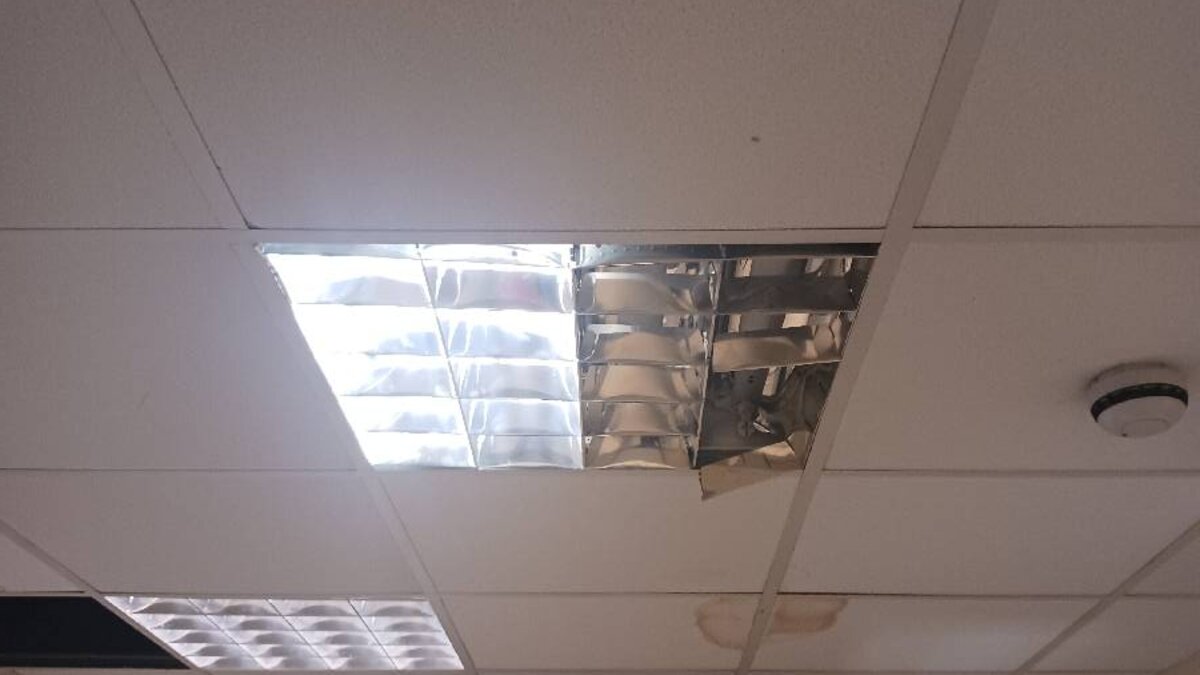
Some callouts reveal problems far more serious than the initial report suggests. When a letting agent reported a water leak from a gas boiler in Wimbledon, our engineer discovered multiple defects that required immediate classification of the appliance as "Immediately Dangerous"—the most serious safety category under Gas Safe protocols. This case study examines the investigation, the findings, and the critical importance of proper gas safety procedures.

image 17

The Investigation

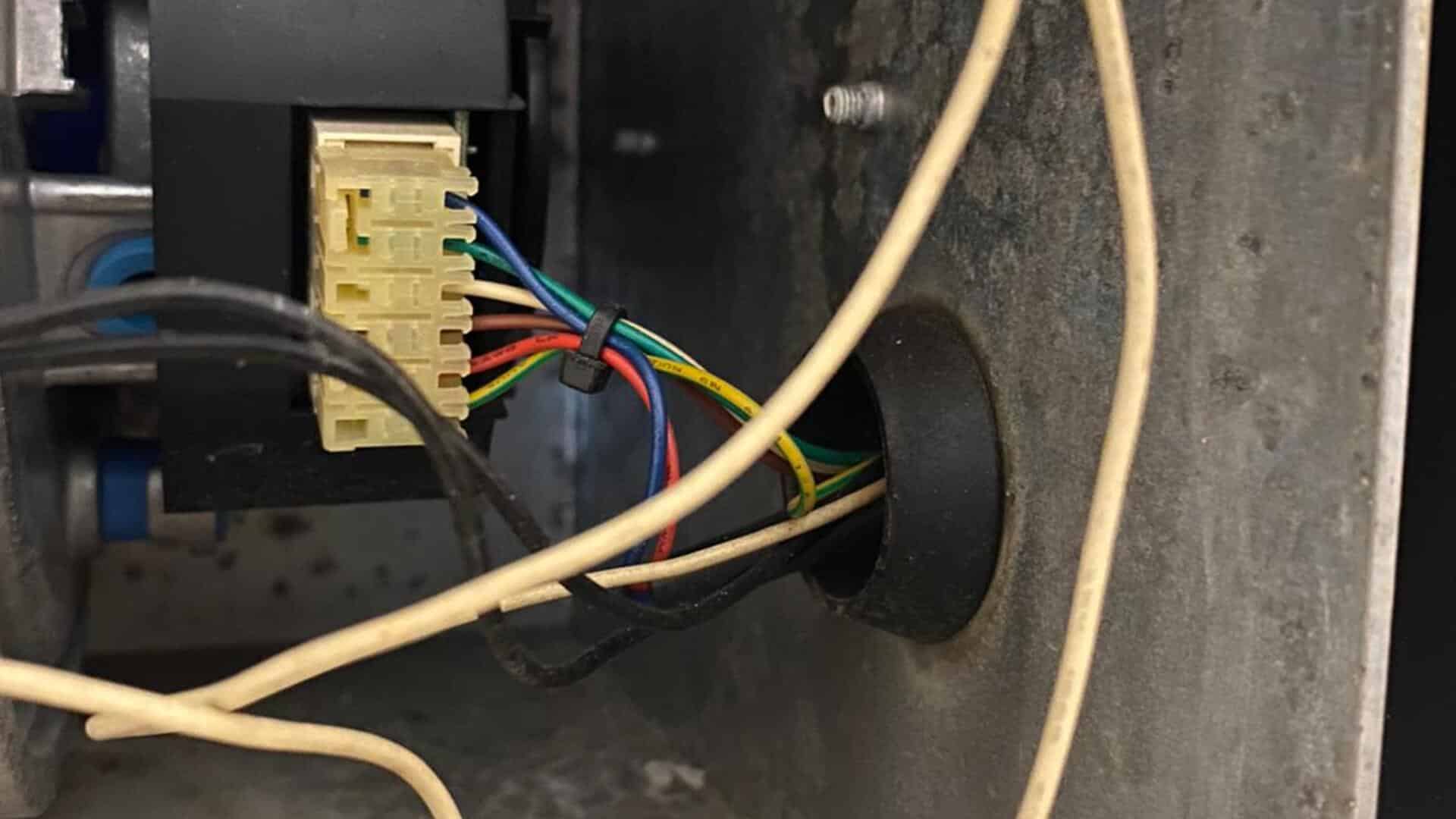
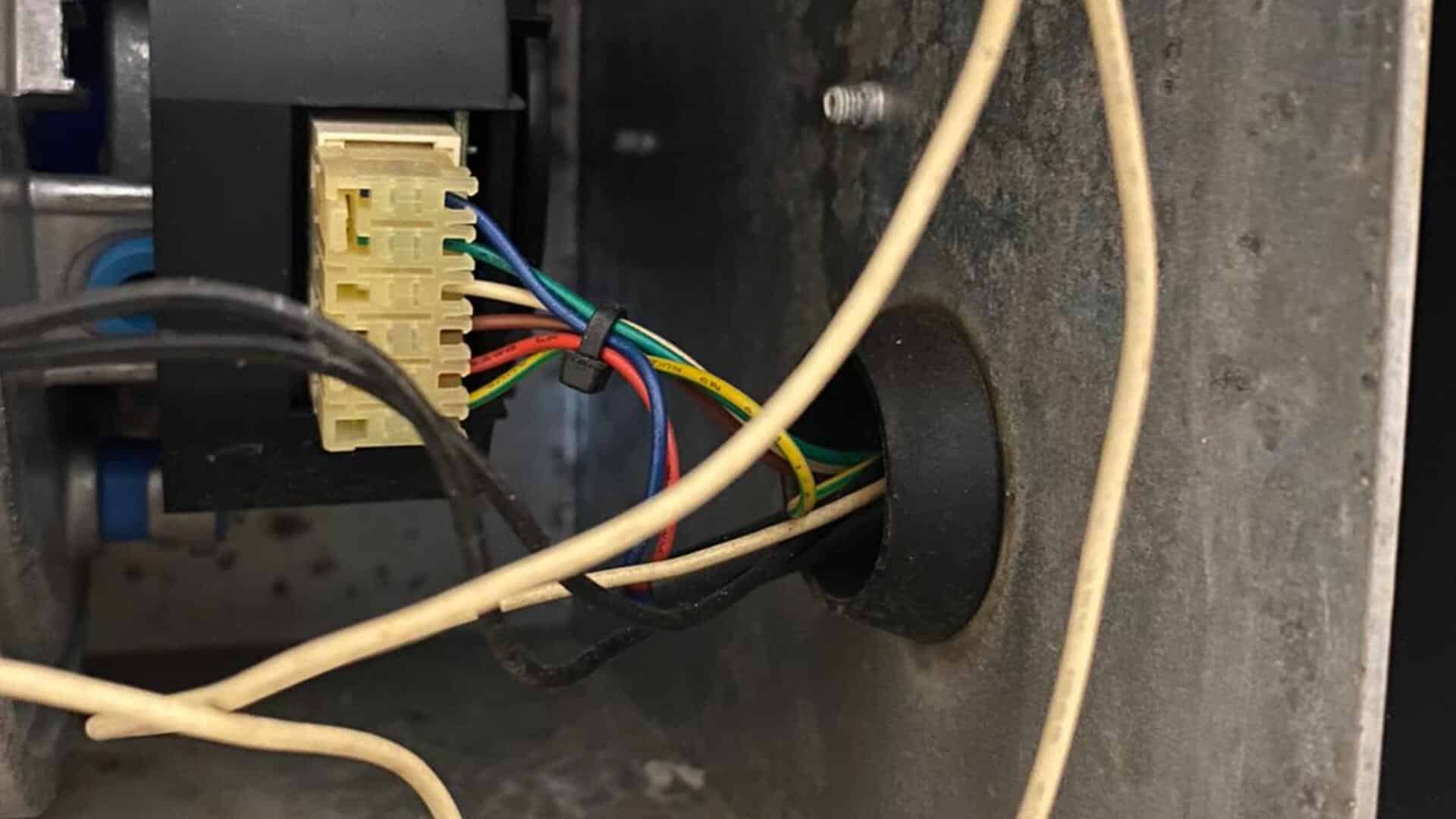
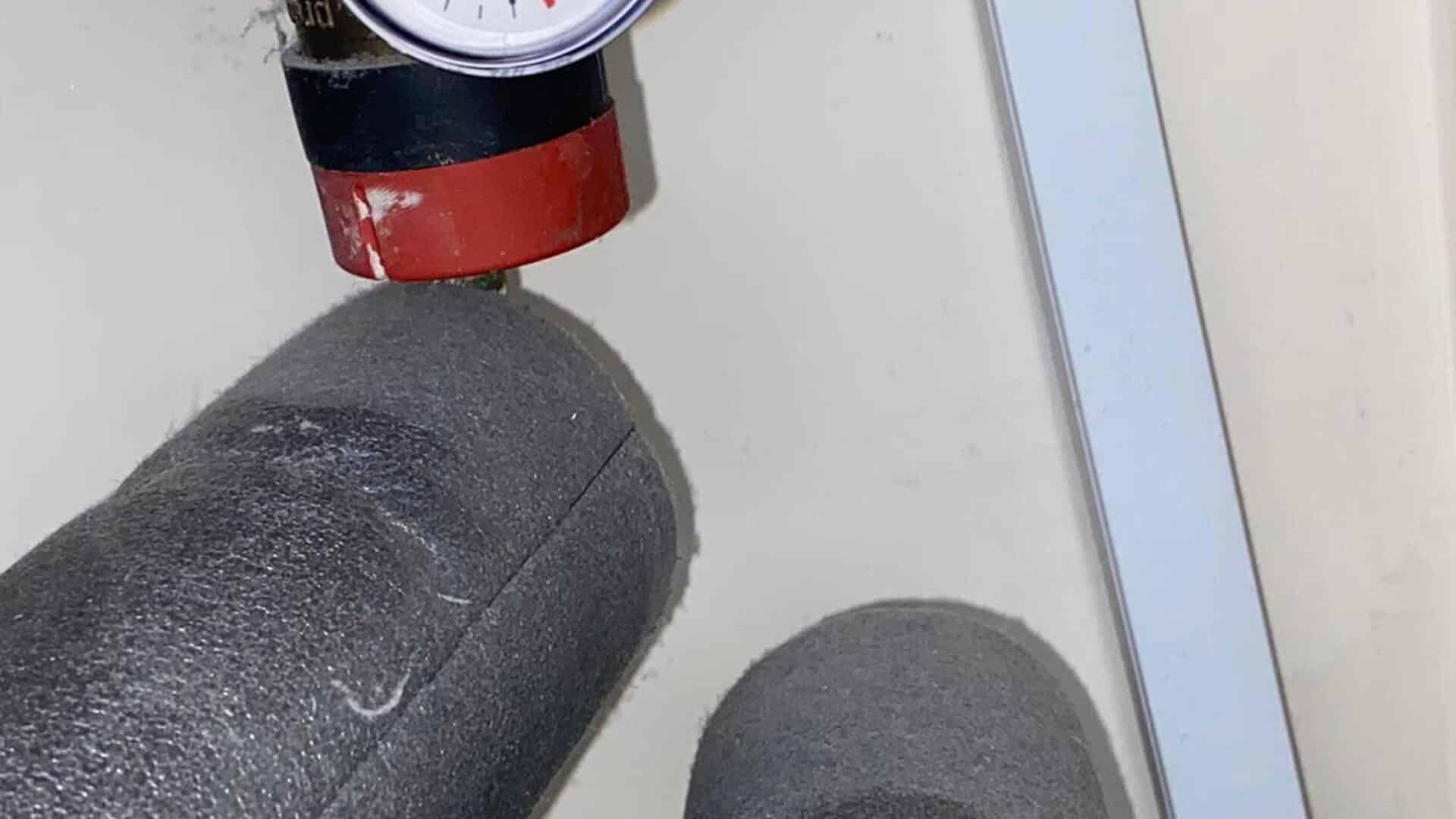
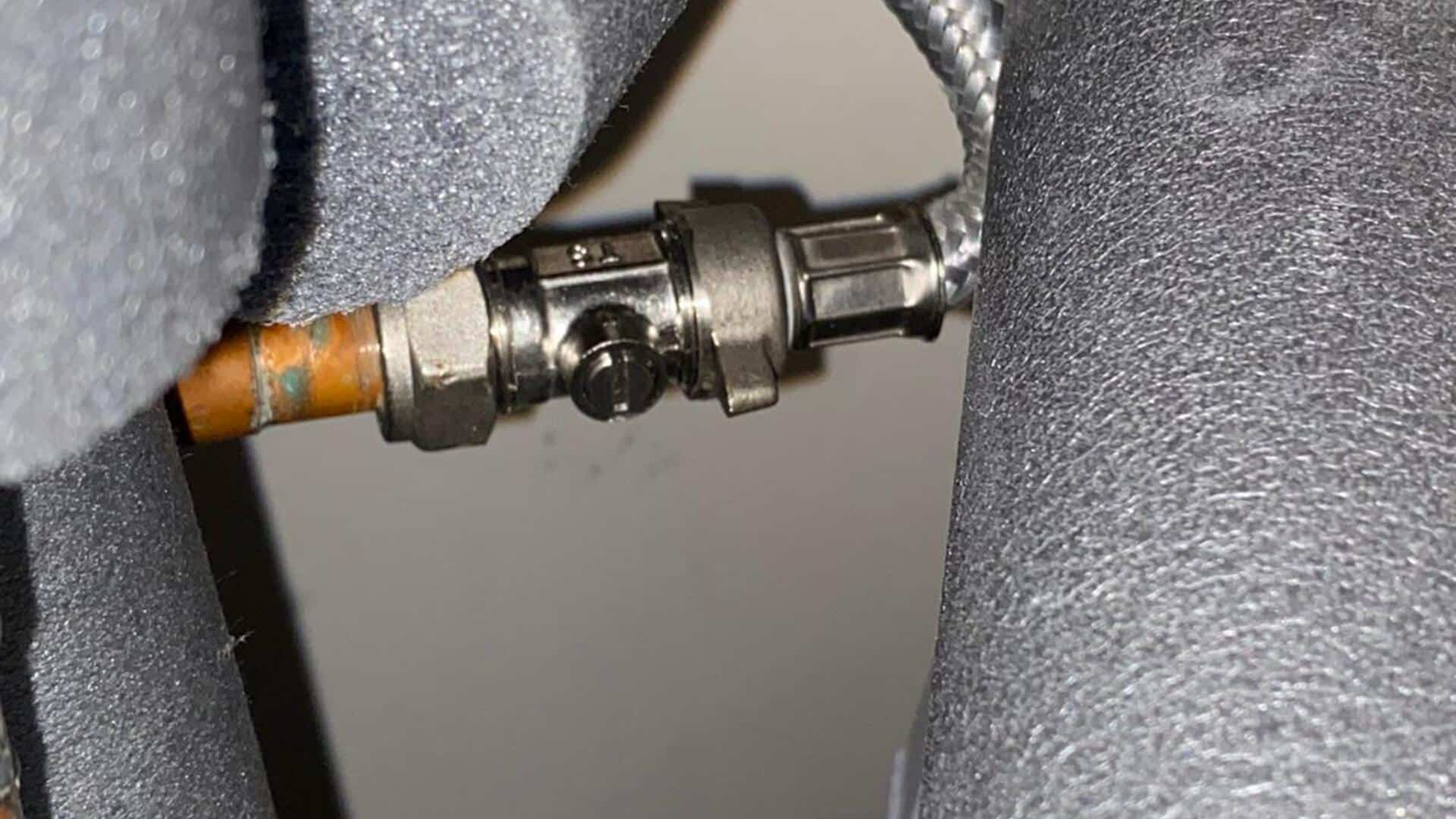
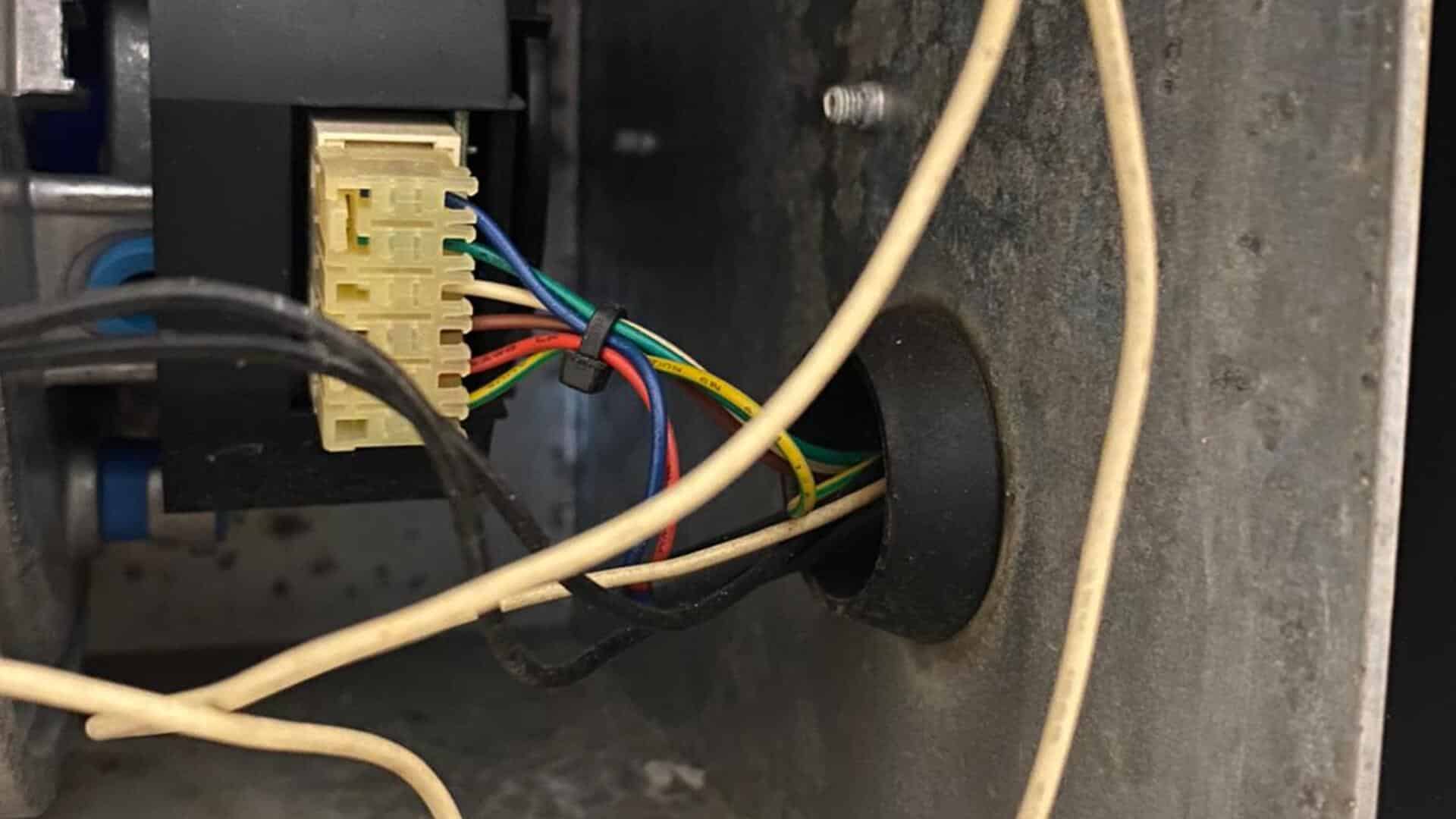
Upon inspection, the engineer found significantly more than a simple water leak. Systematic examination of the boiler revealed multiple issues affecting safe operation:

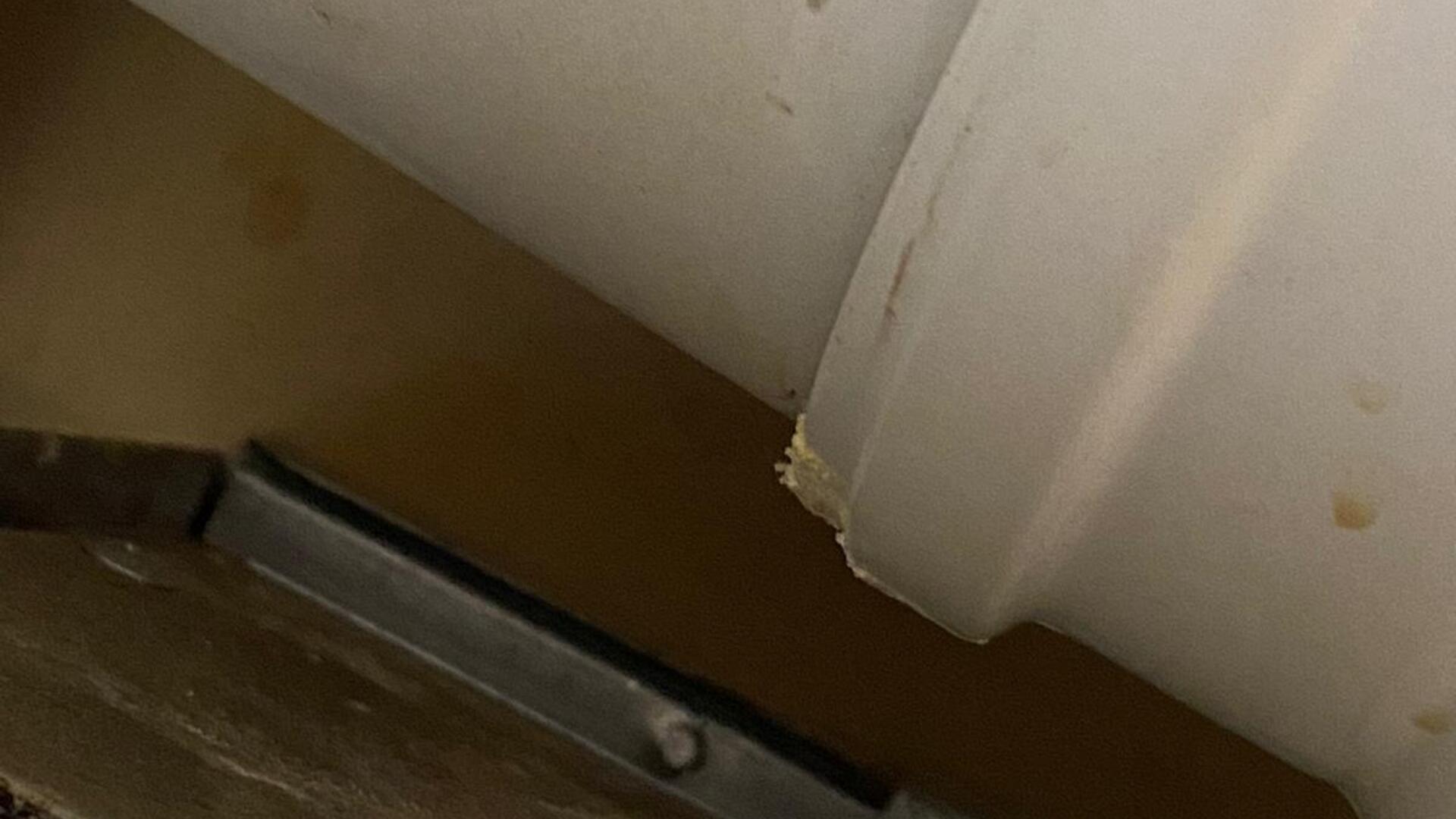
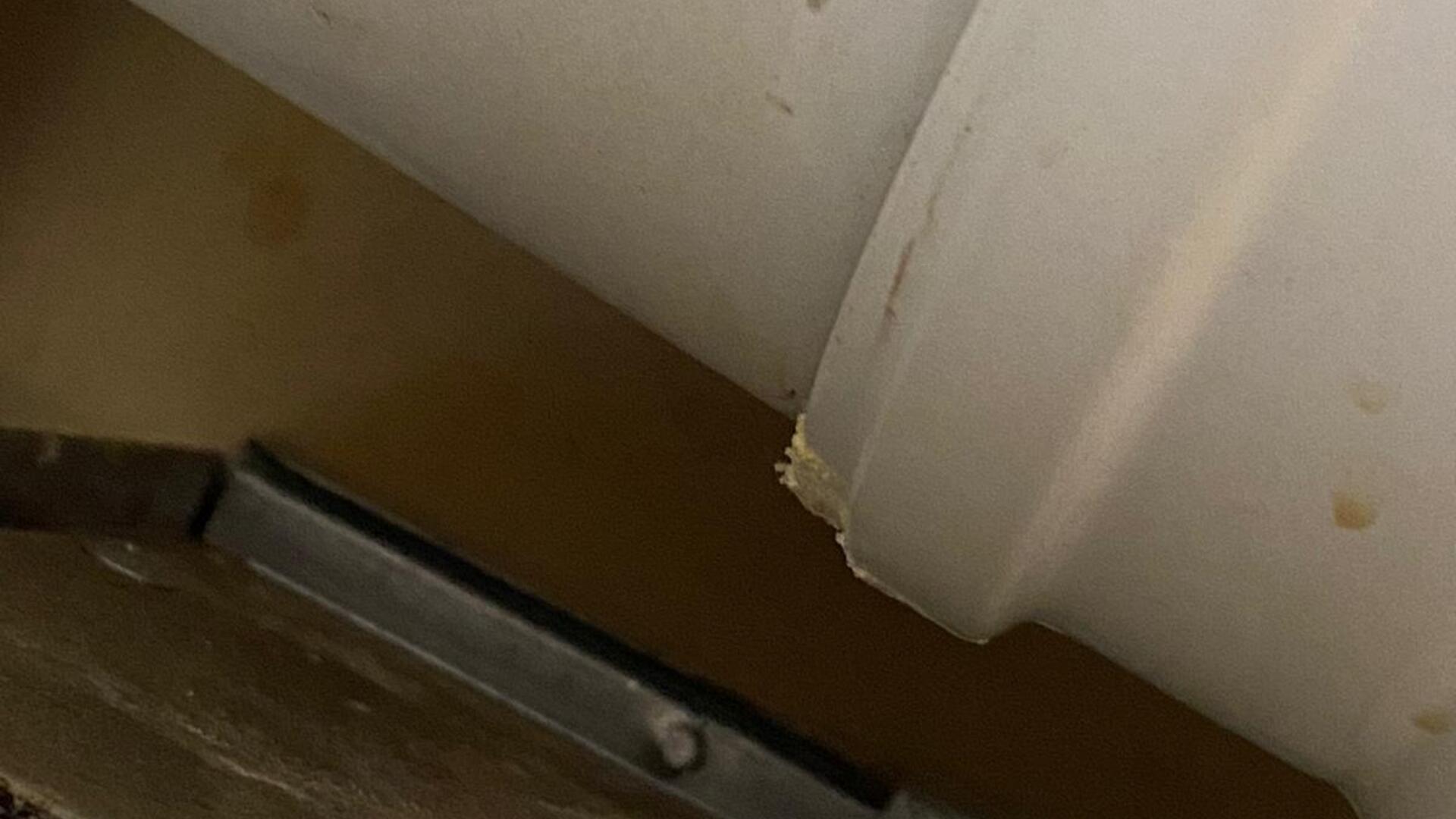
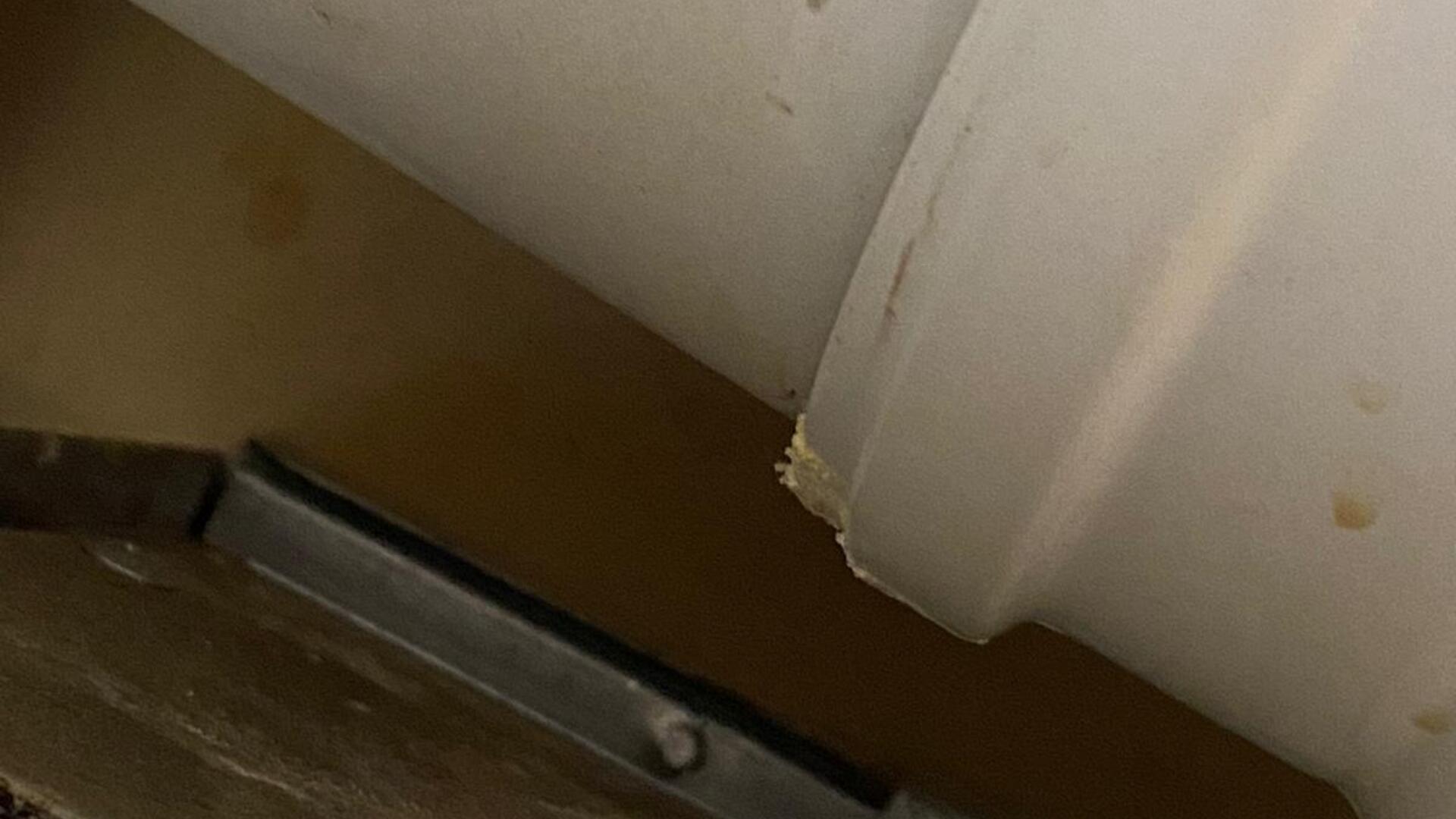
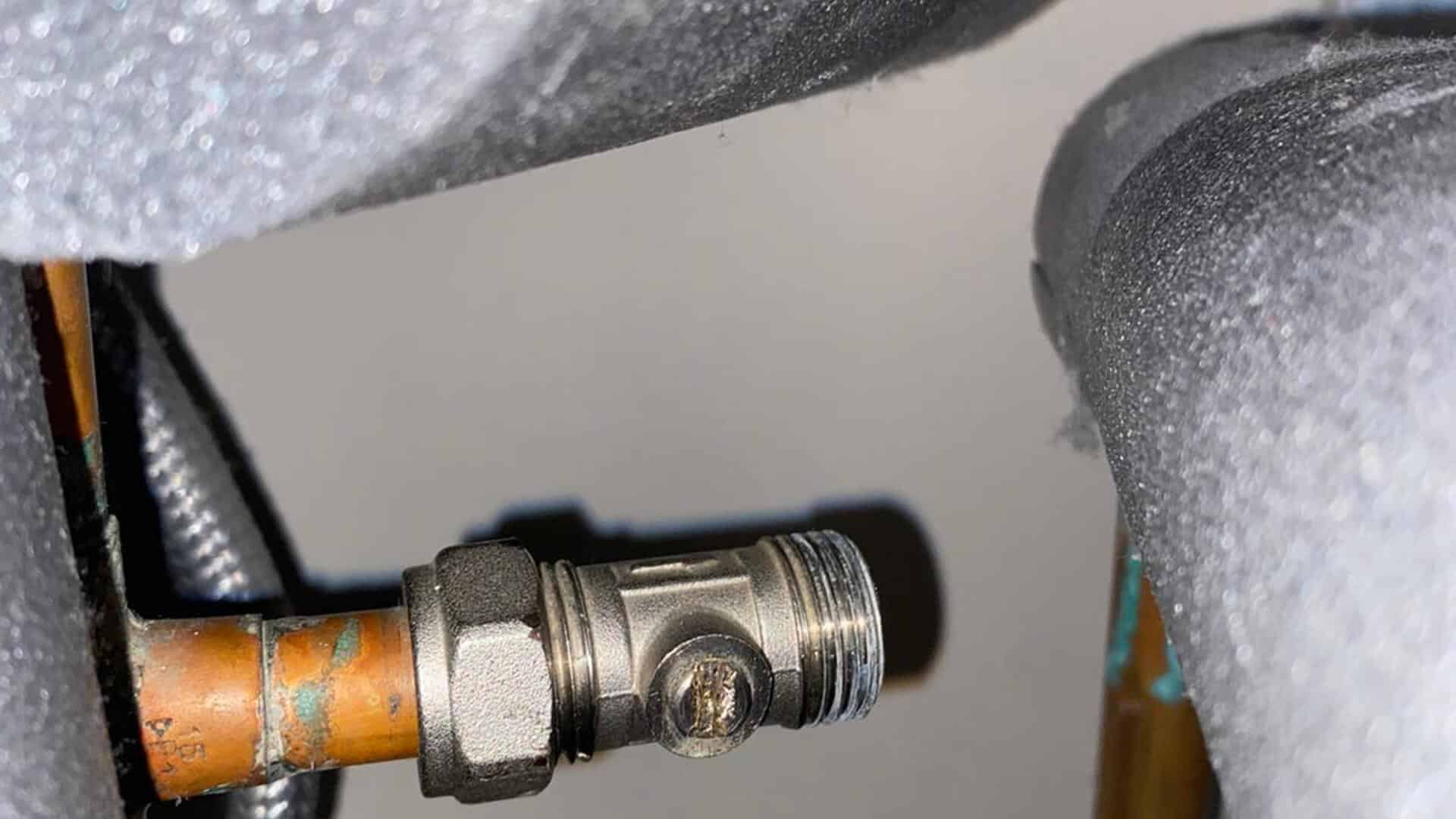
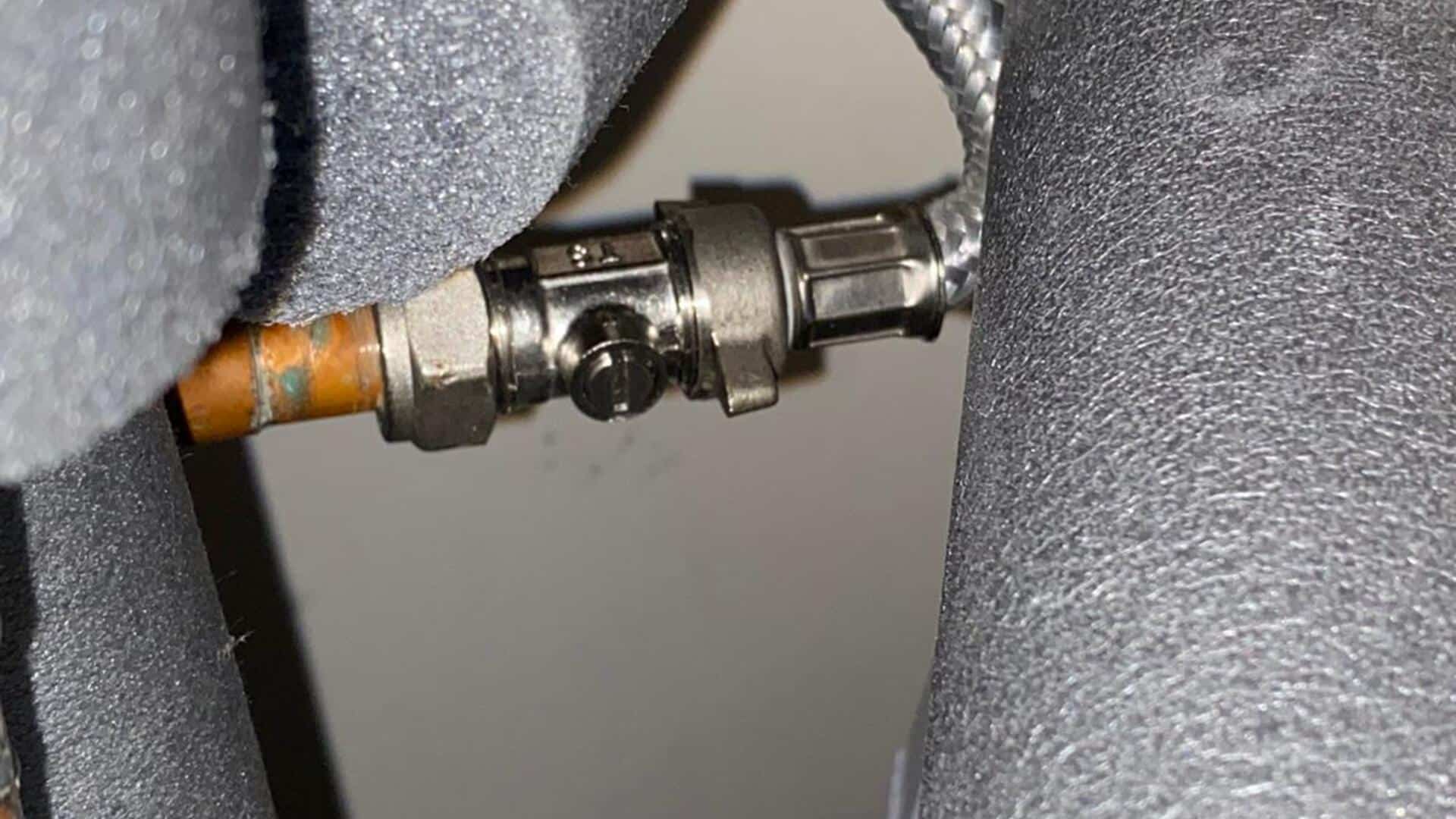
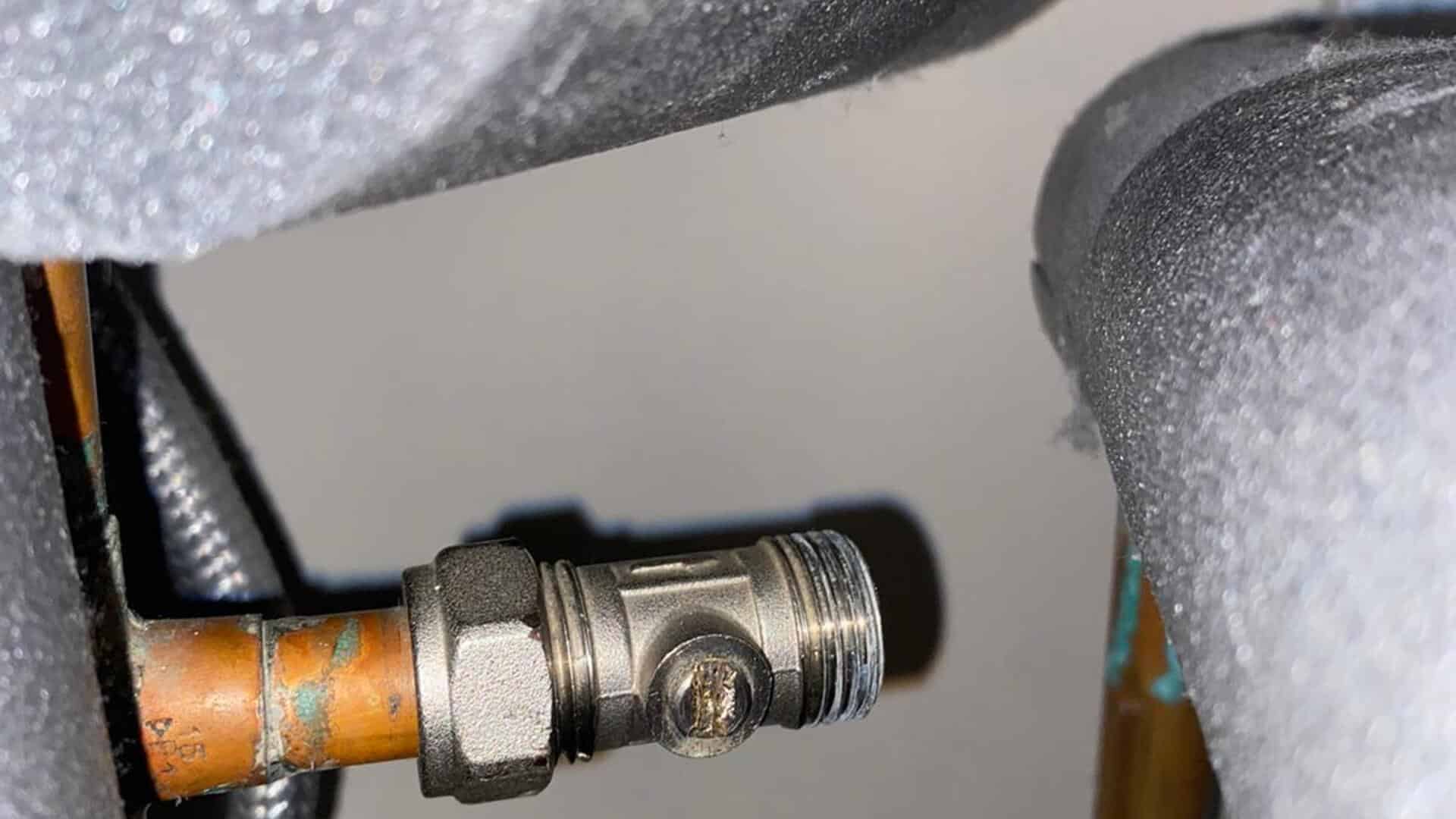
Flue Seal Failure: The seals around the flue connection were leaking. Flue seals are critical safety components—they ensure that combustion products are properly directed out of the property rather than escaping into the living space.

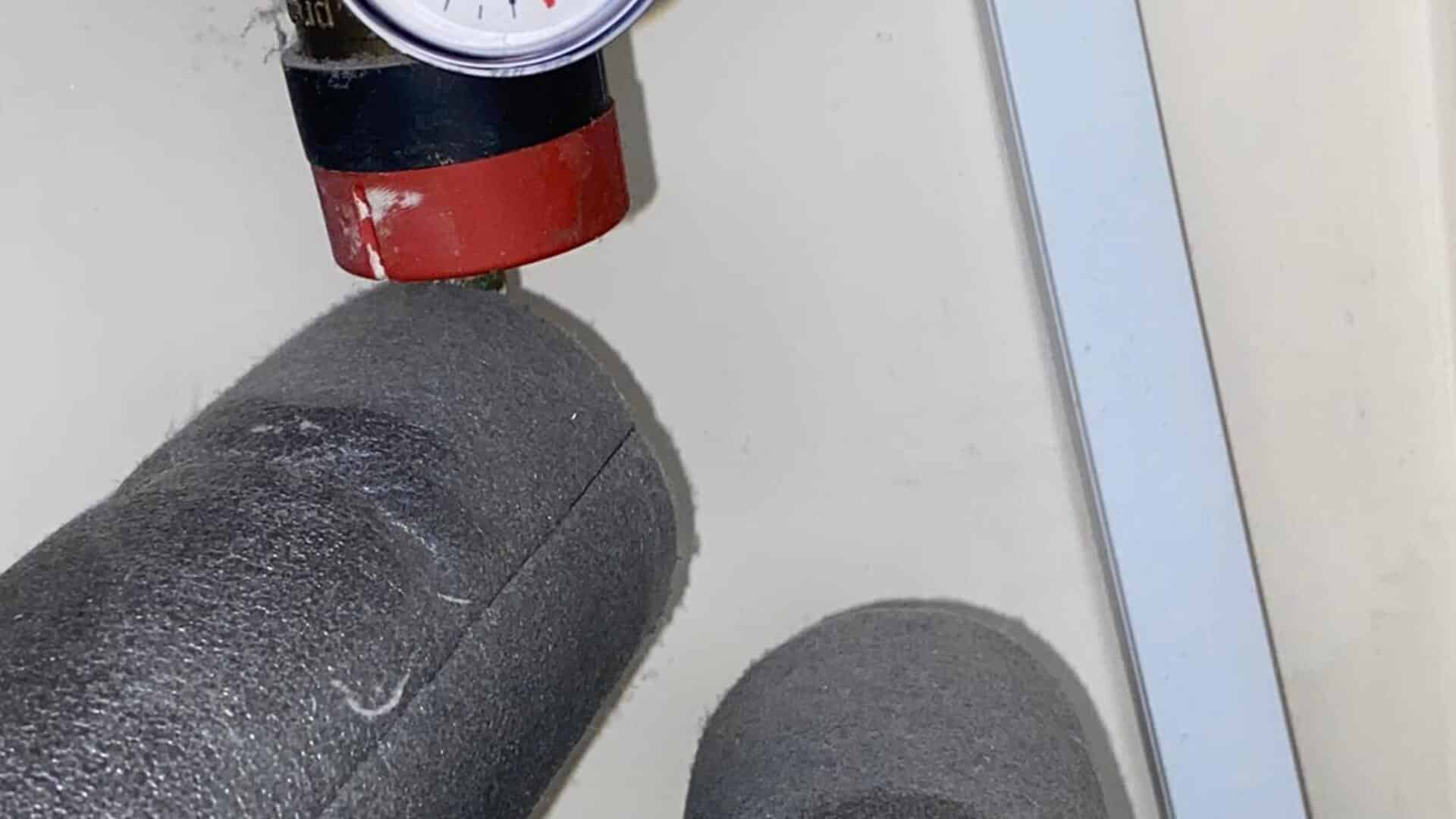
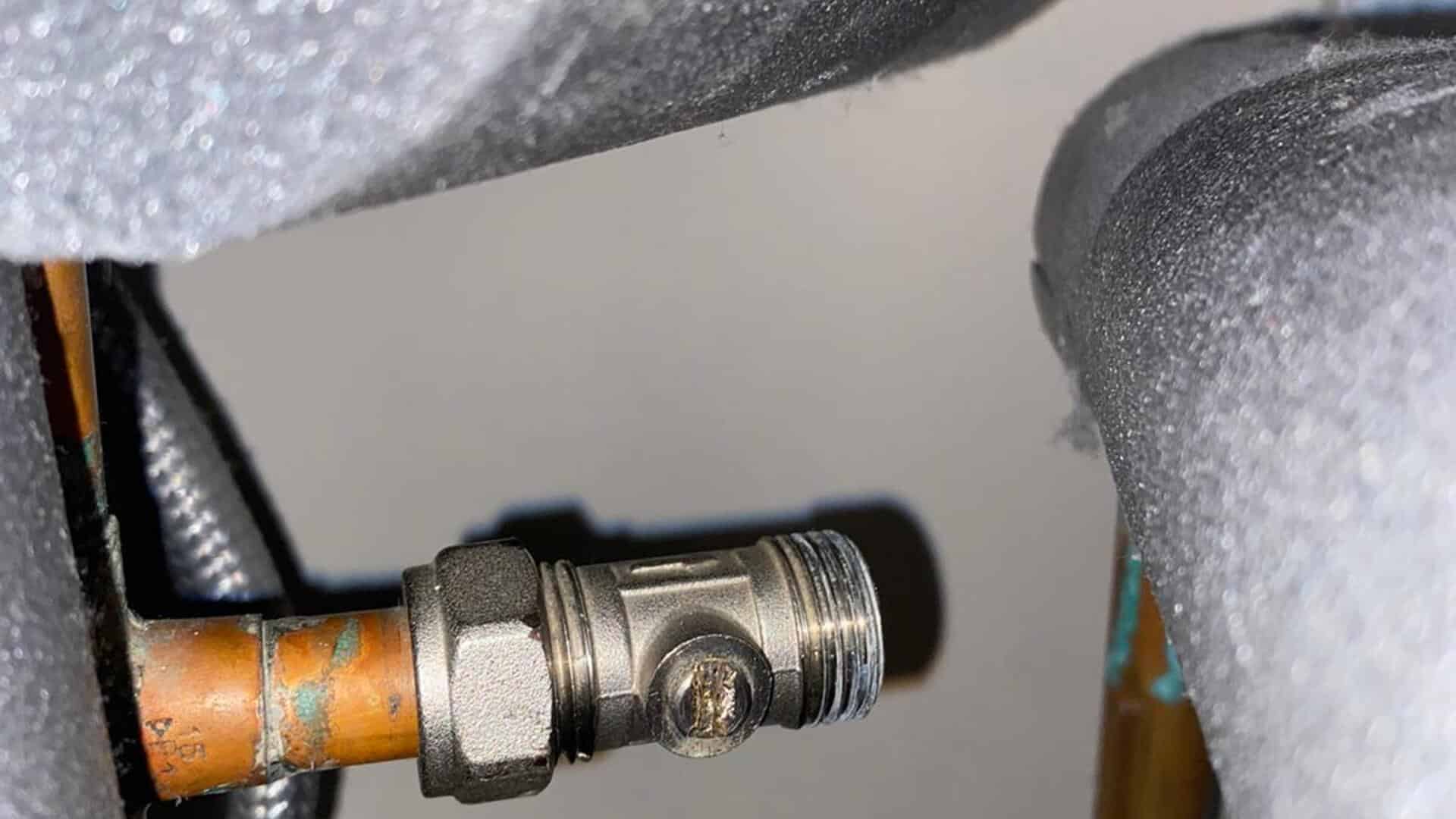
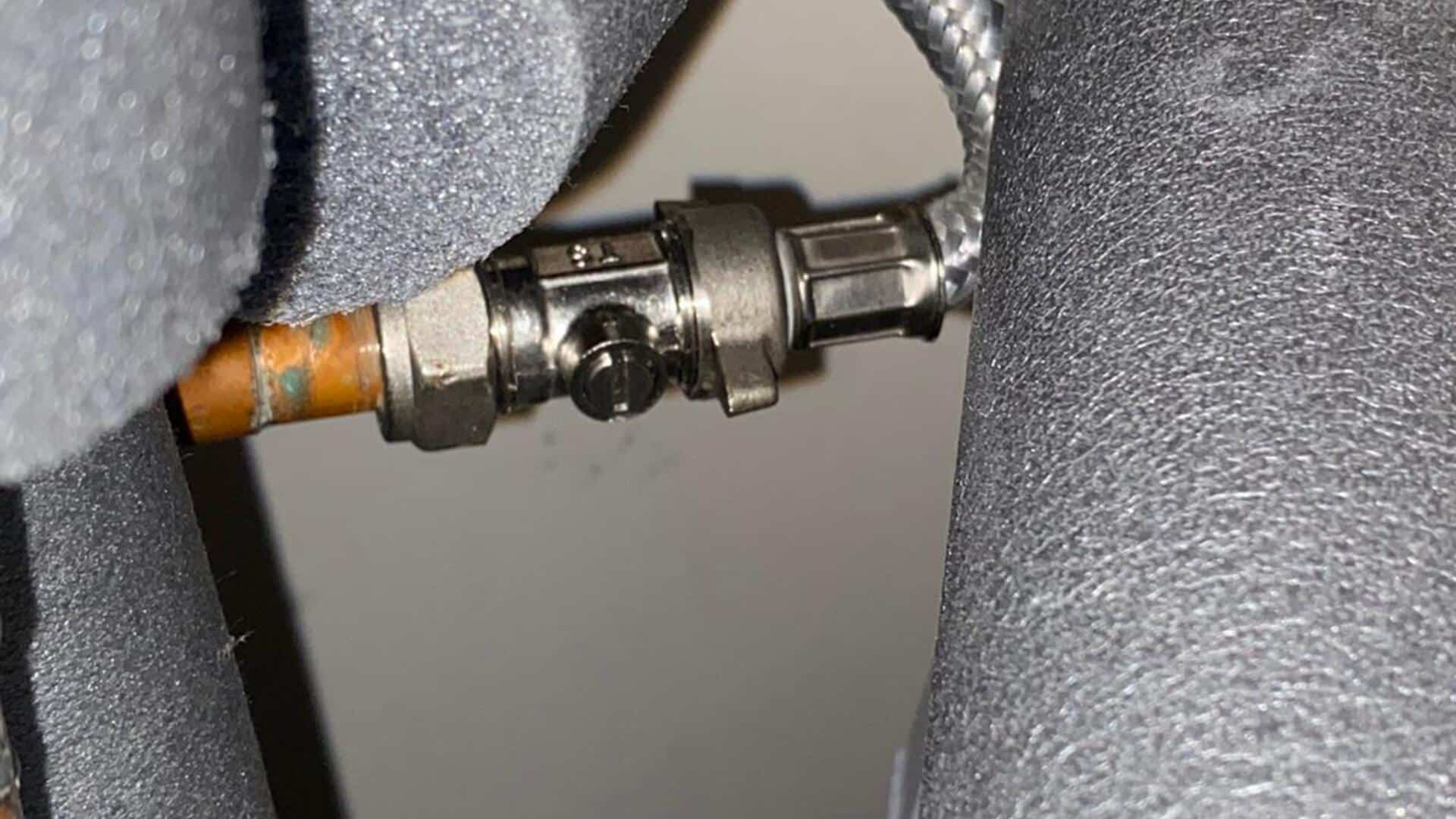
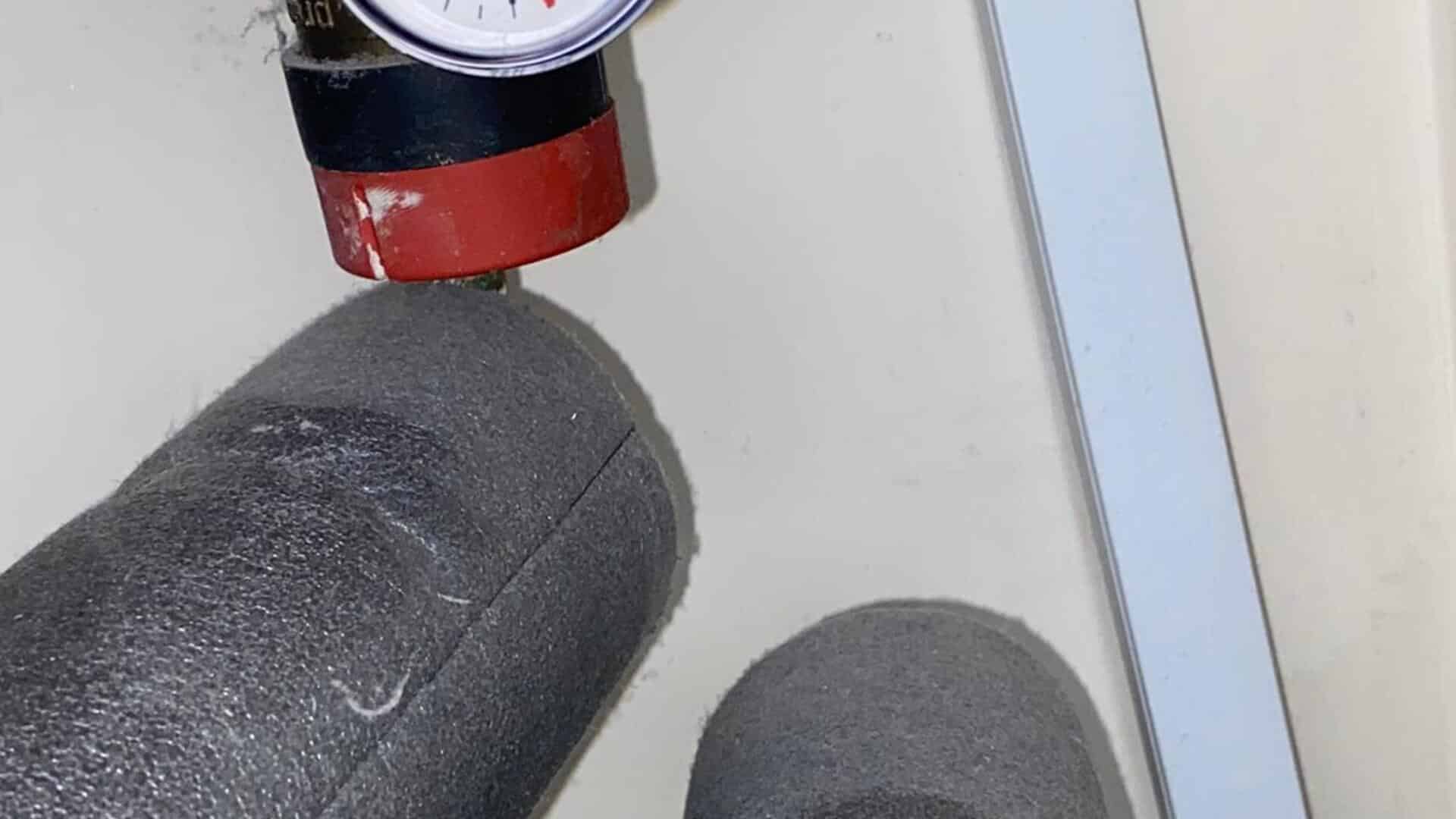
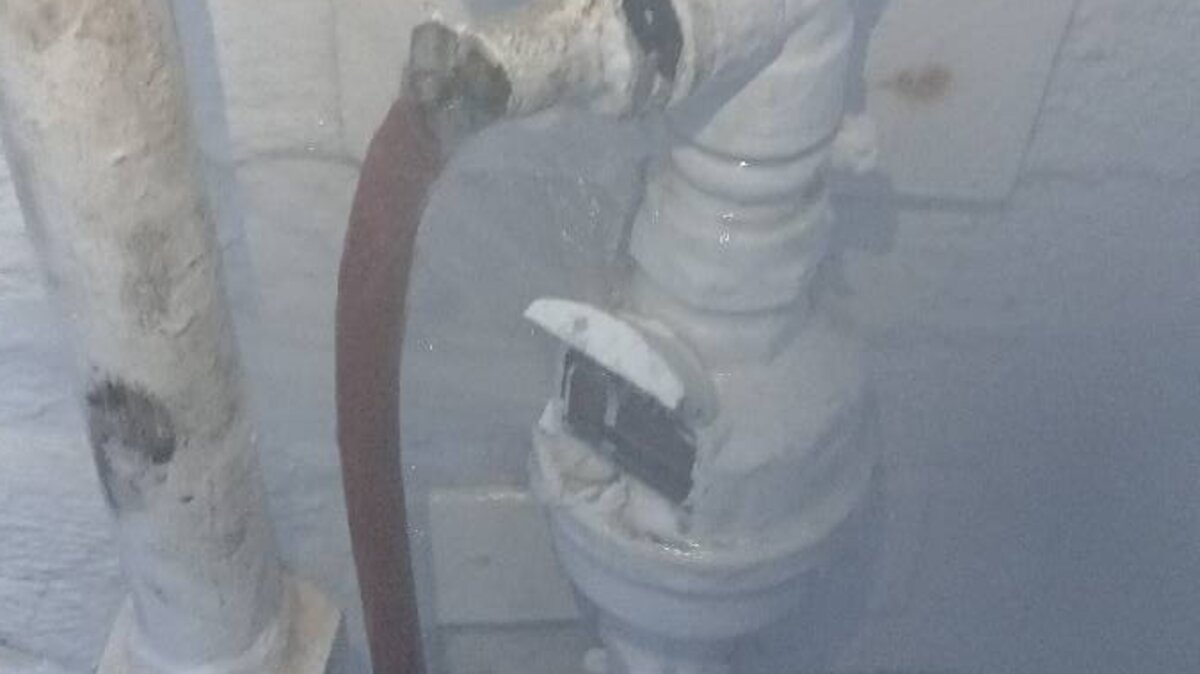
Active Water Leak: Water was observed leaking while the boiler was running. Attempts were made to recreate the leak during the visit to identify the precise source.

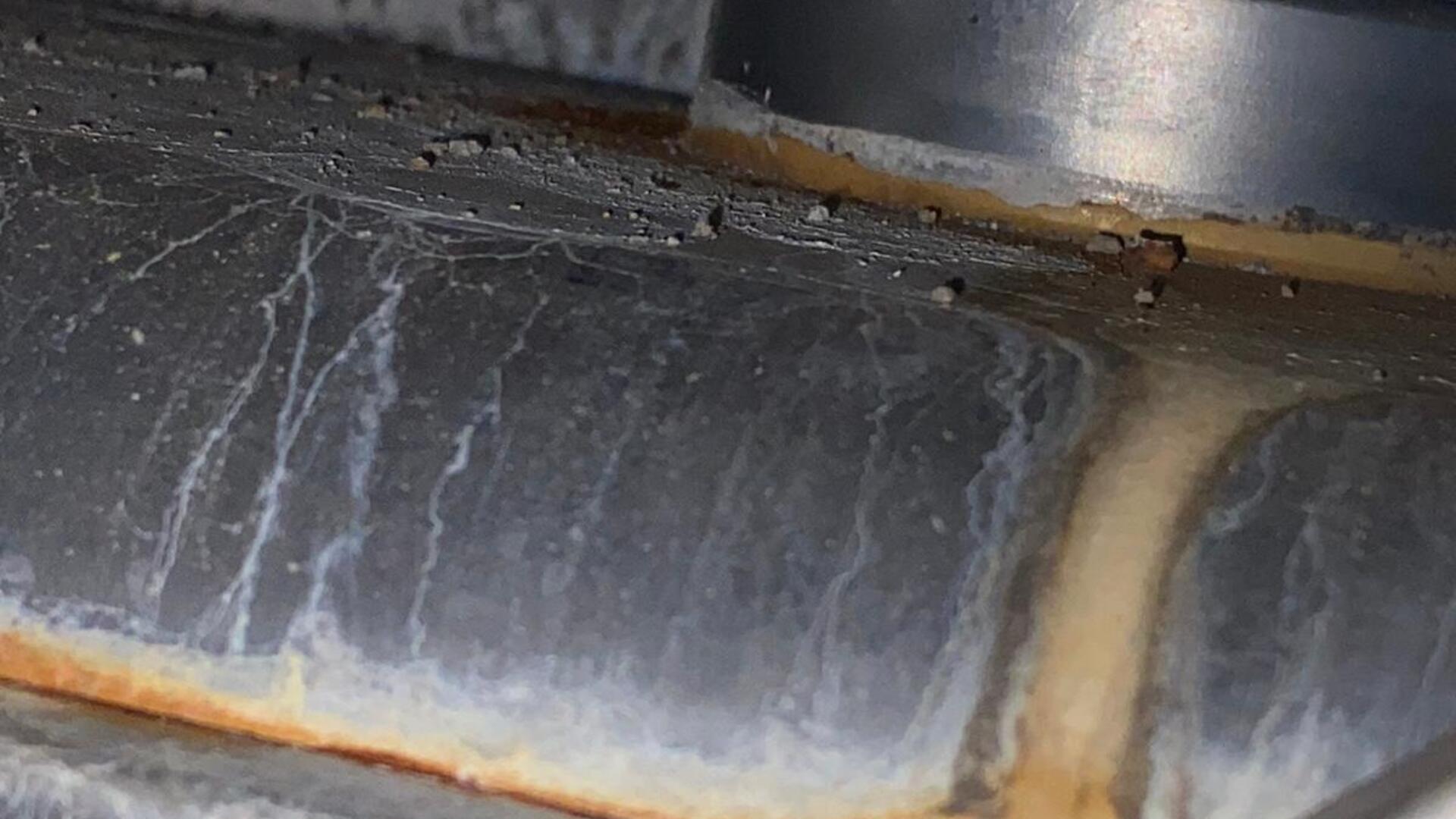
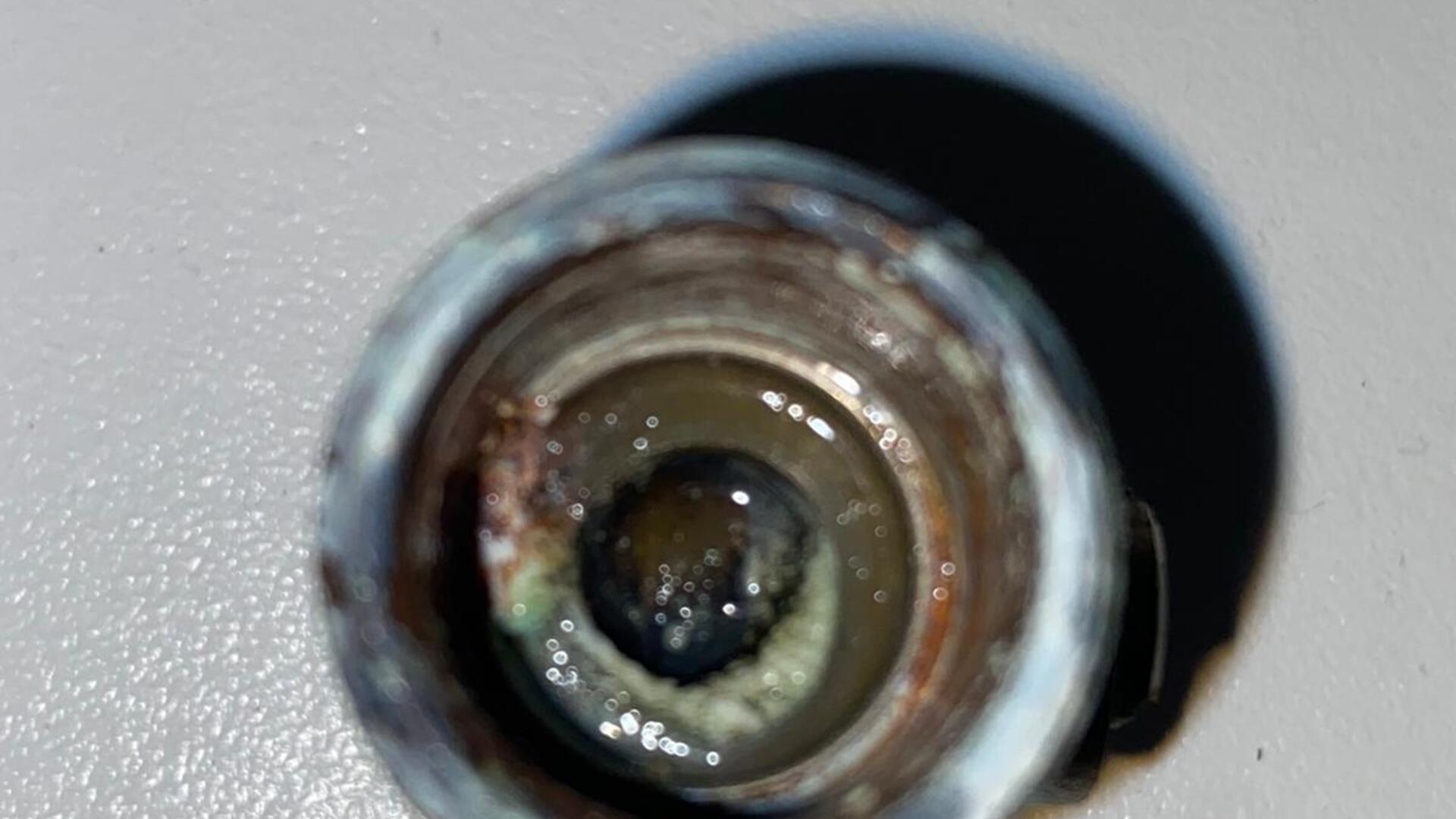
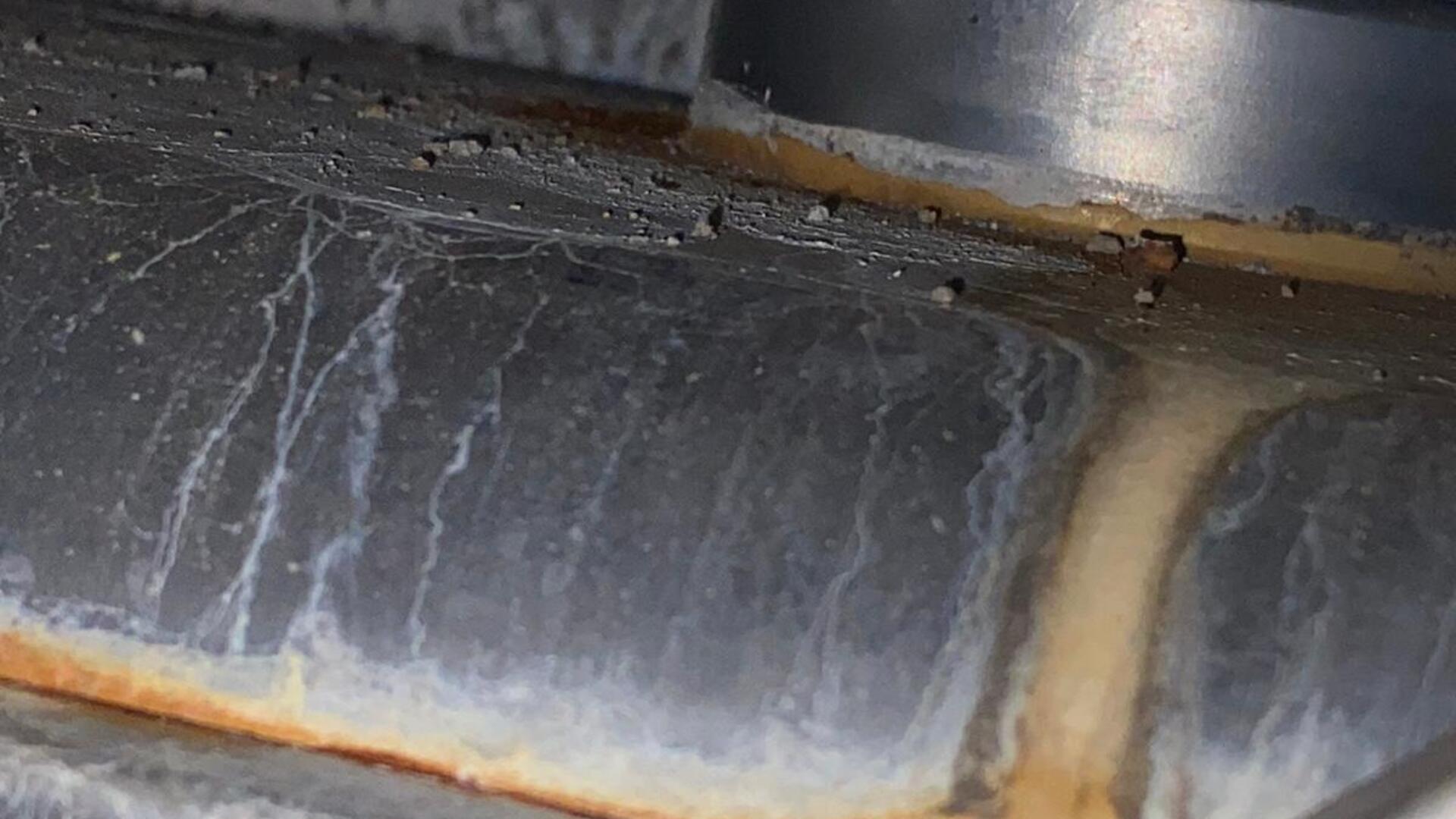
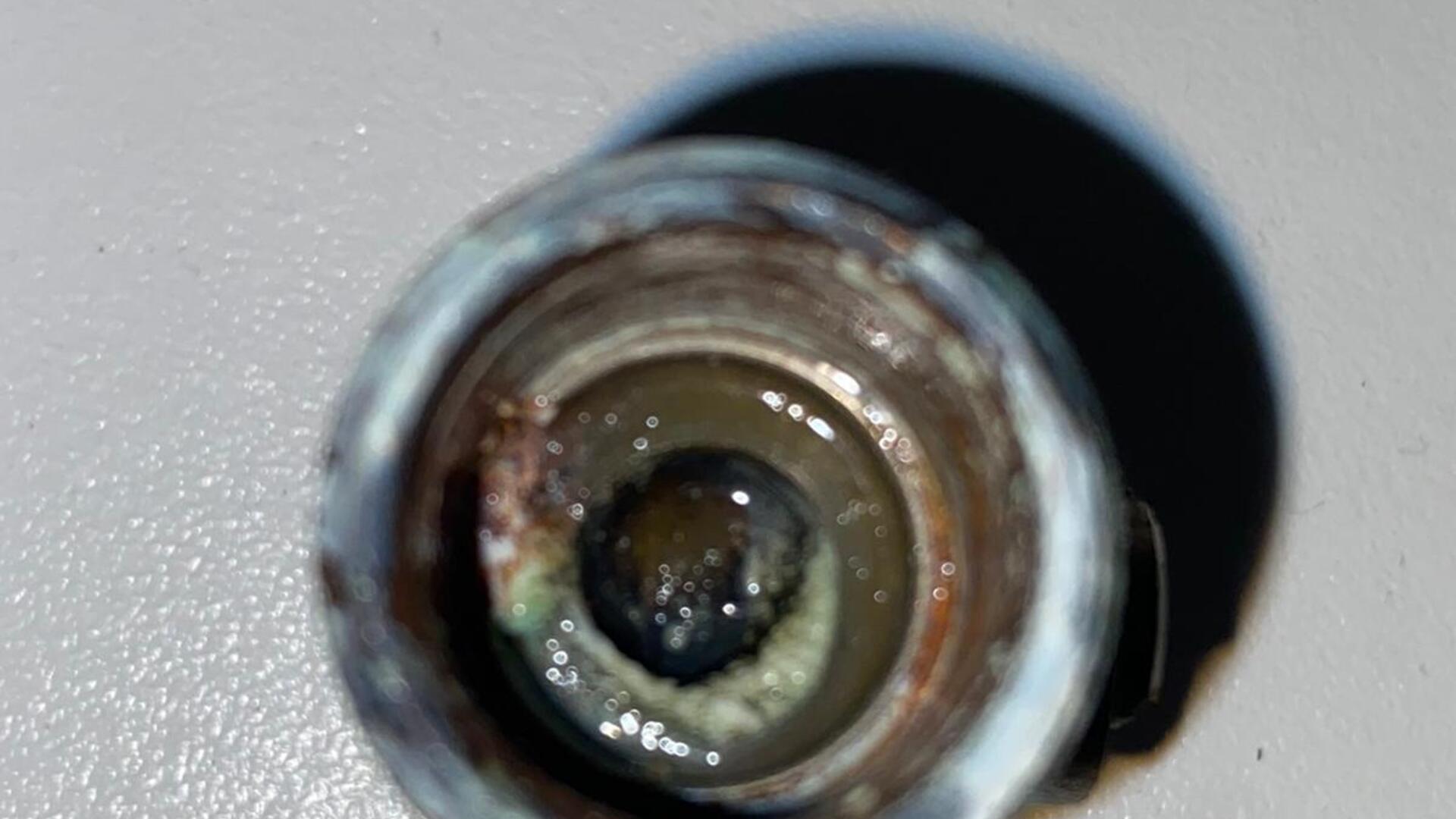
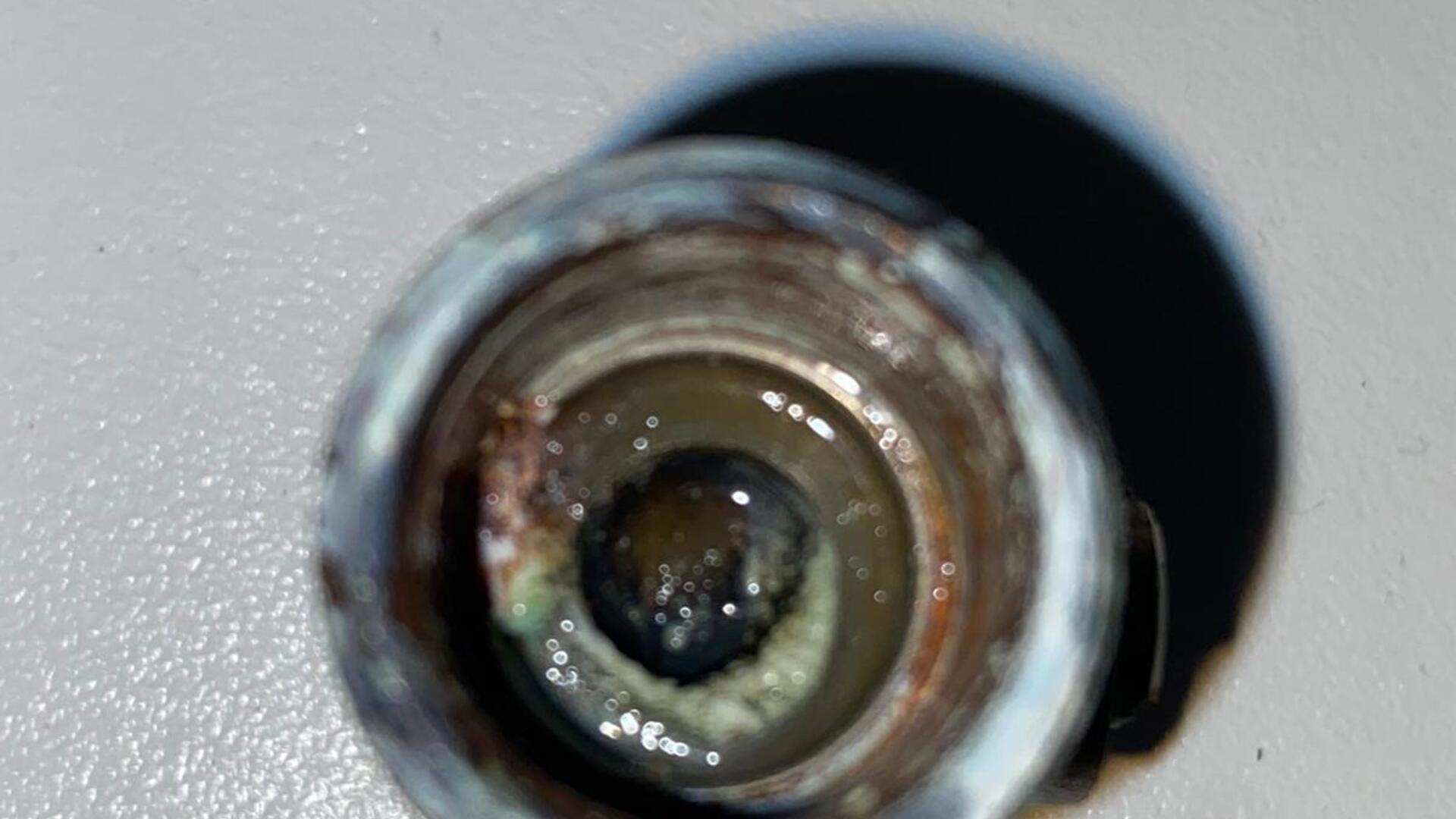
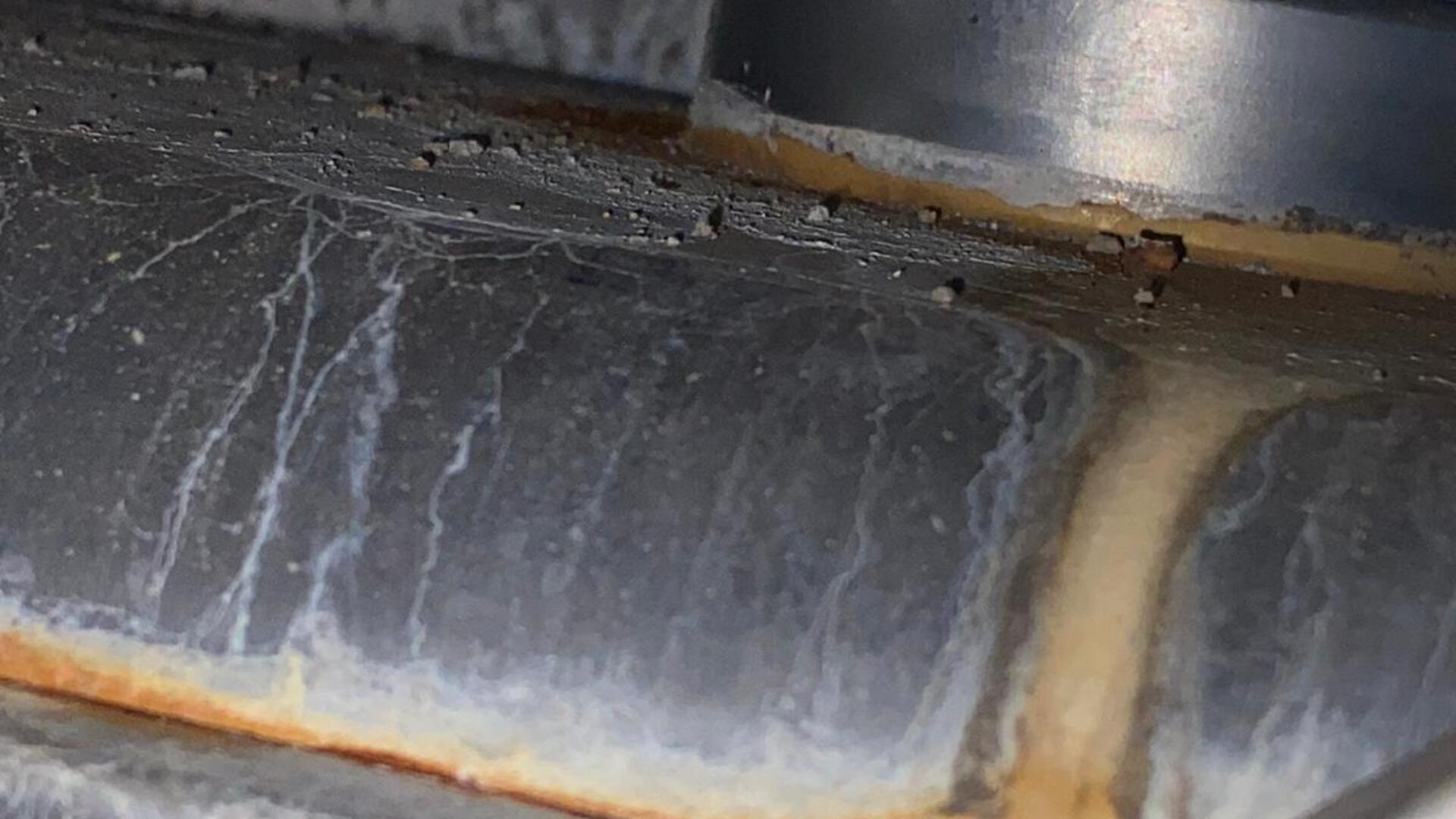
Cracked Condensate Trap: The most likely source of the water leak was identified as the condensate trap, which appeared to be cracked. Condensing boilers produce acidic condensate as a byproduct of their high-efficiency operation; this condensate must be safely routed to the drainage system.

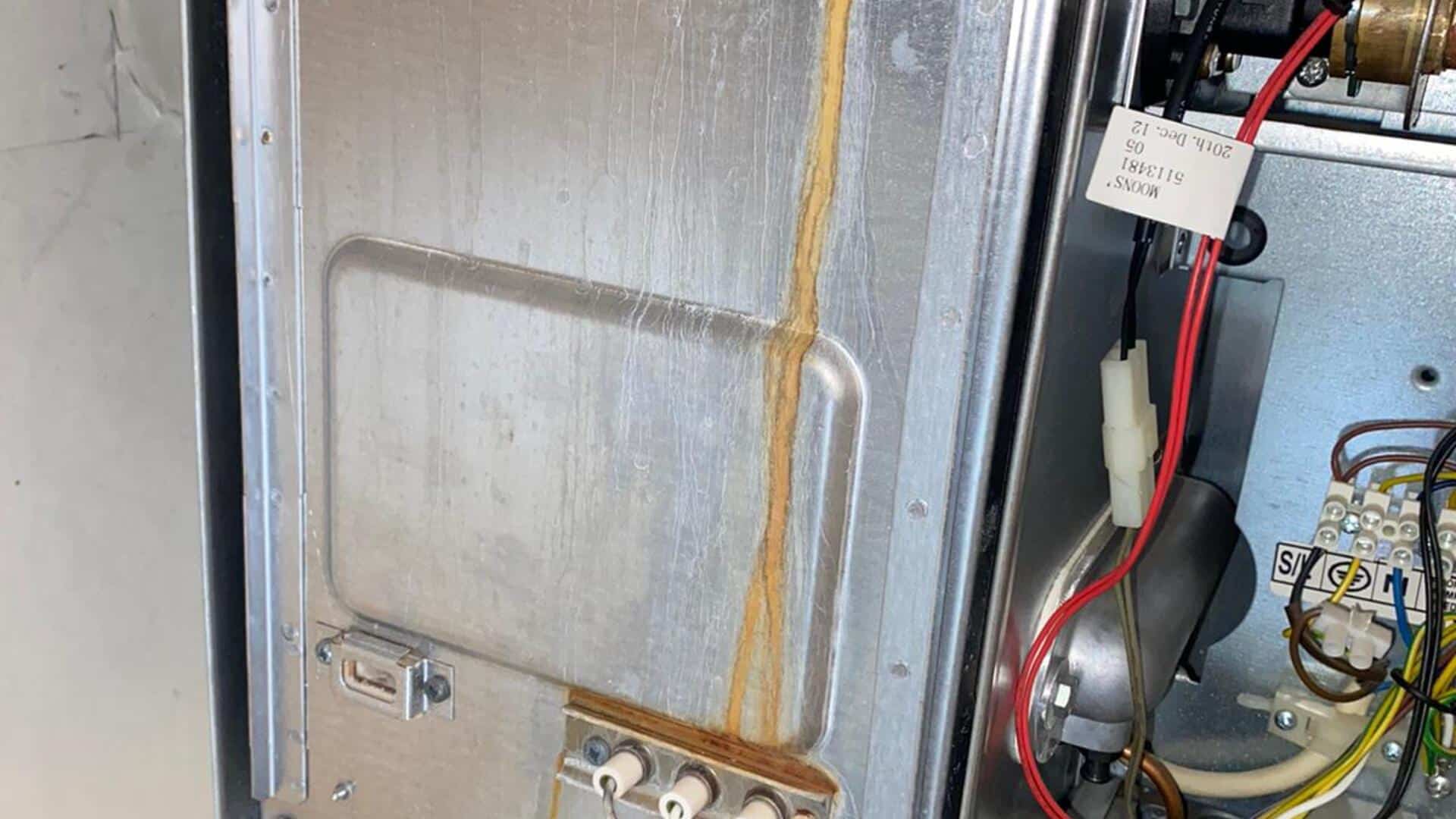
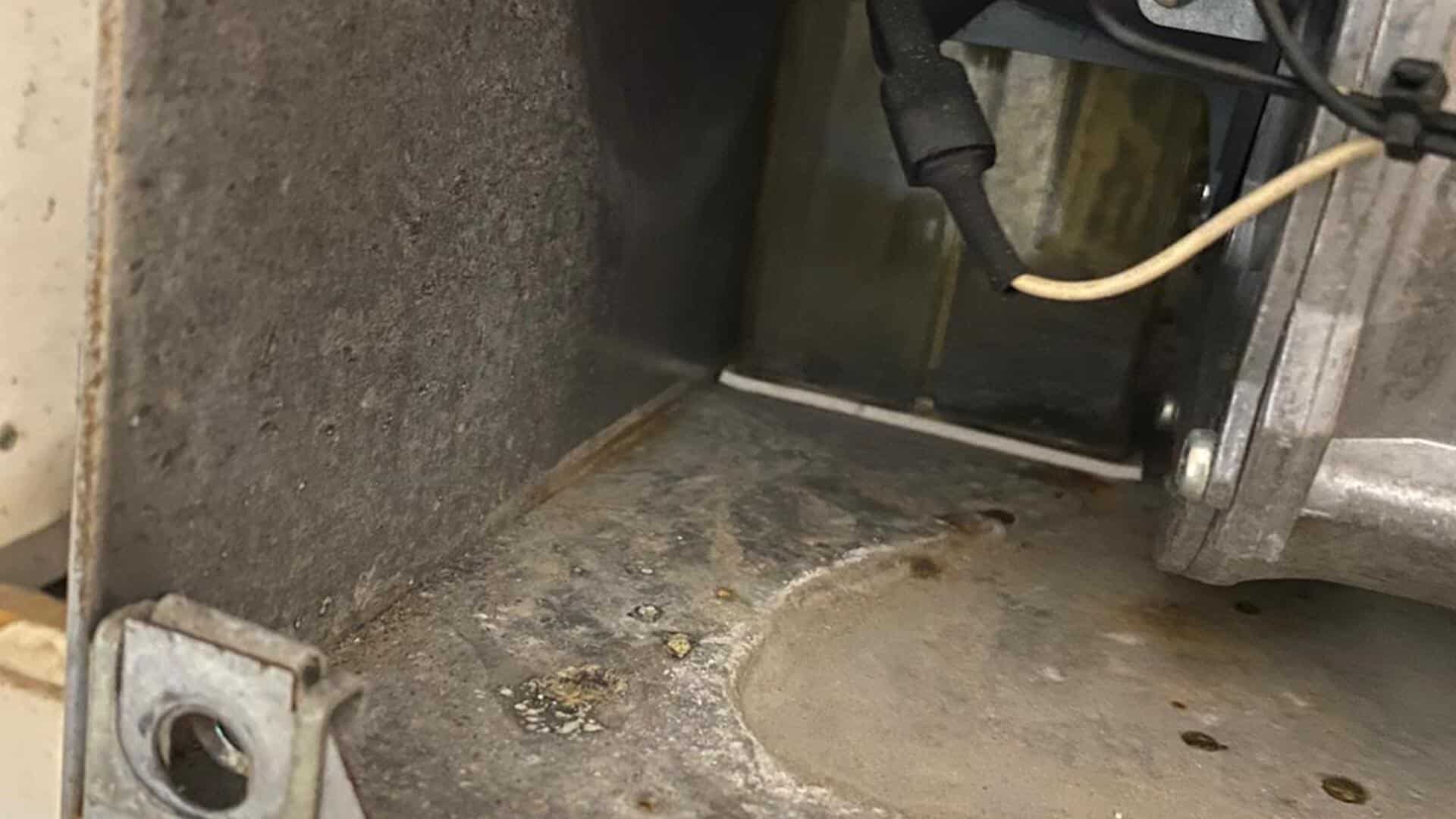
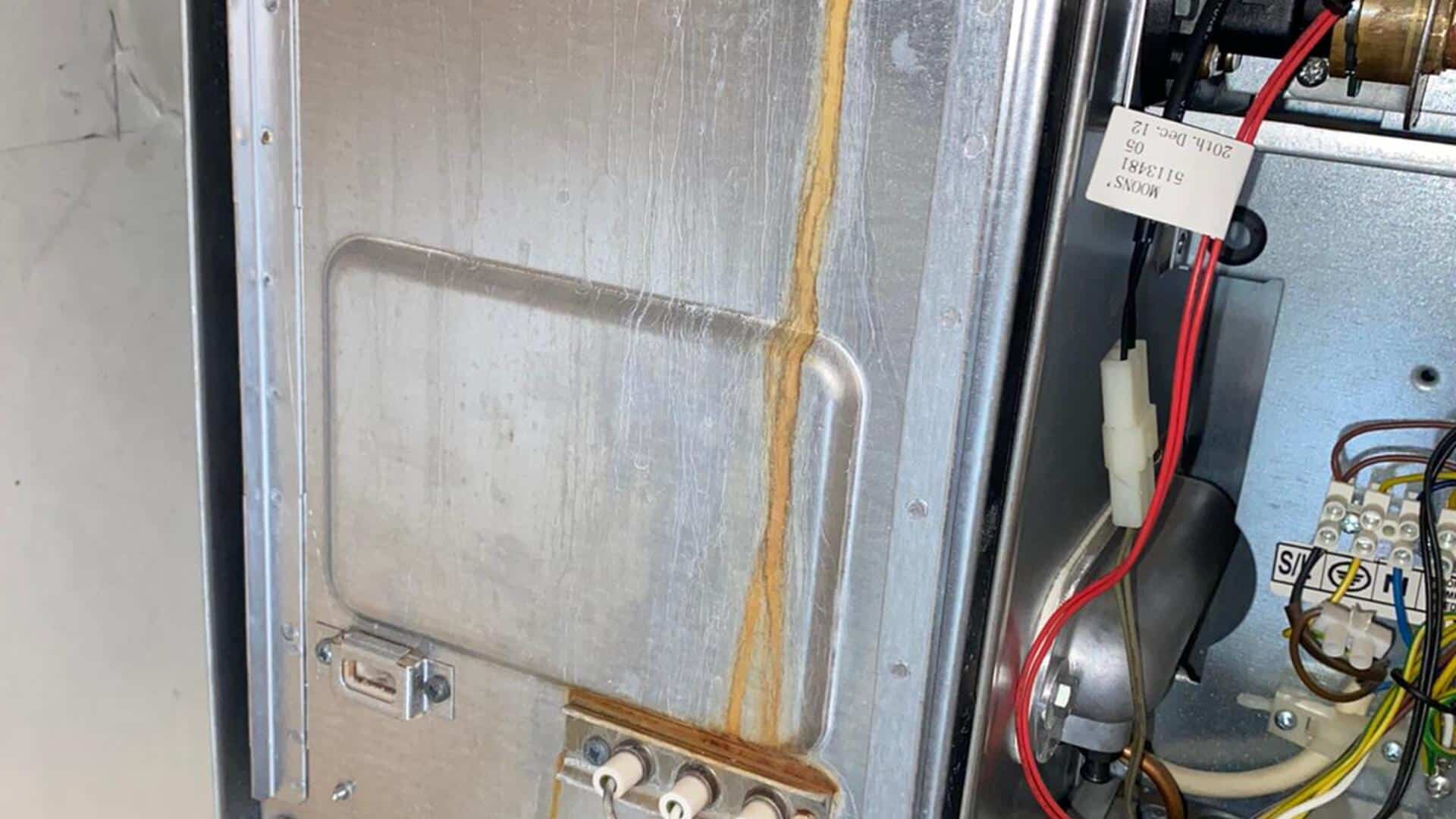
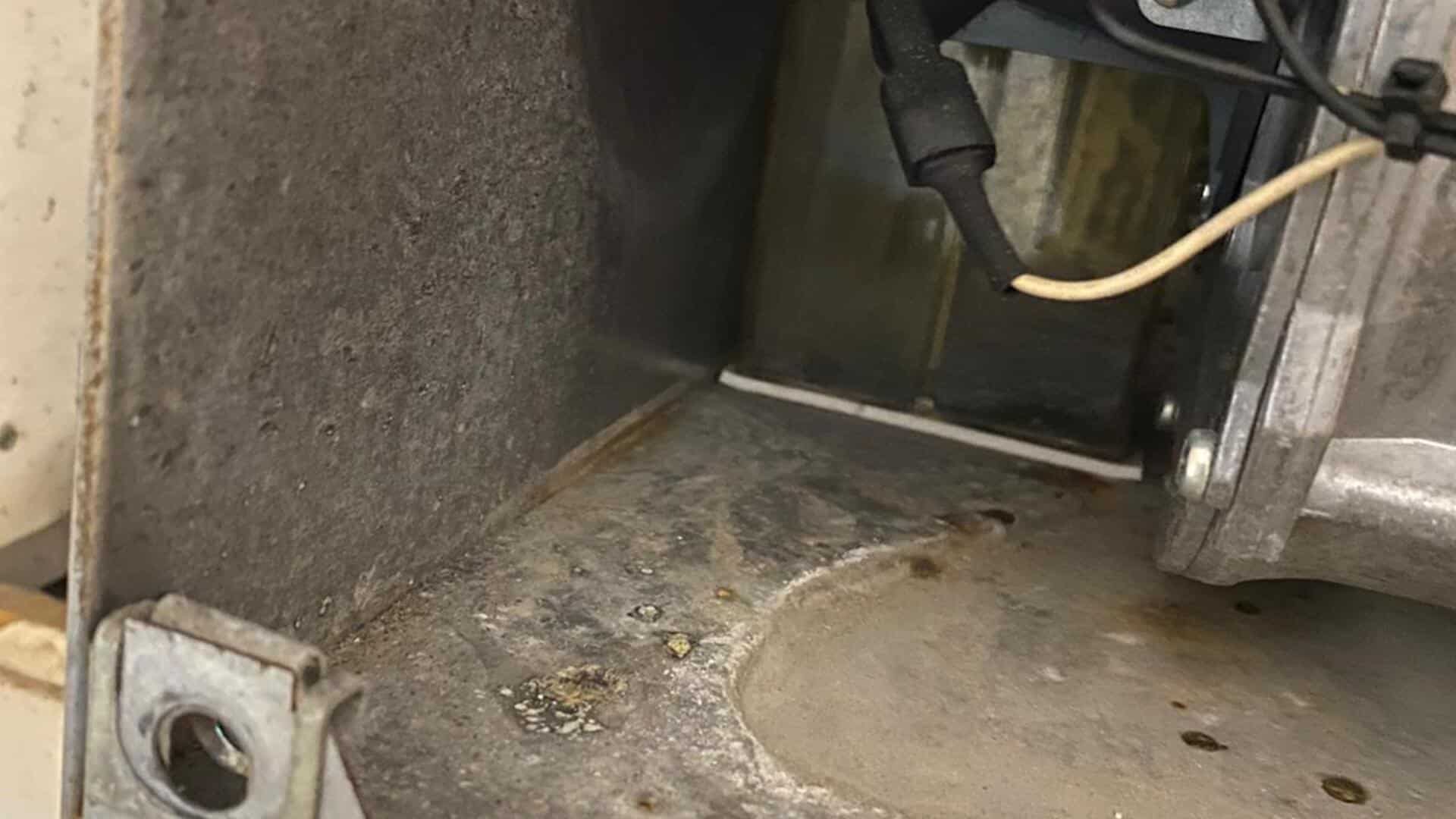
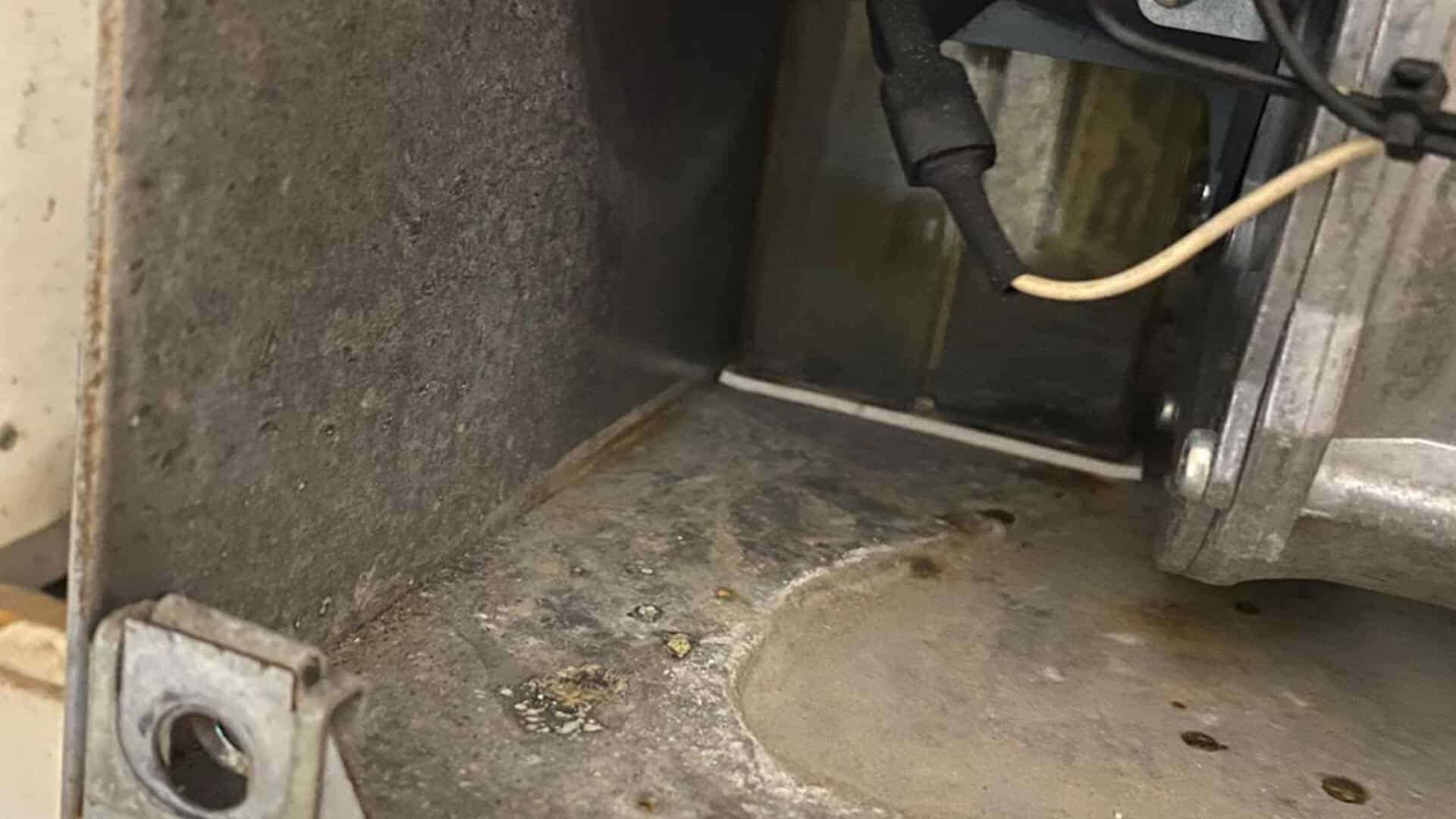
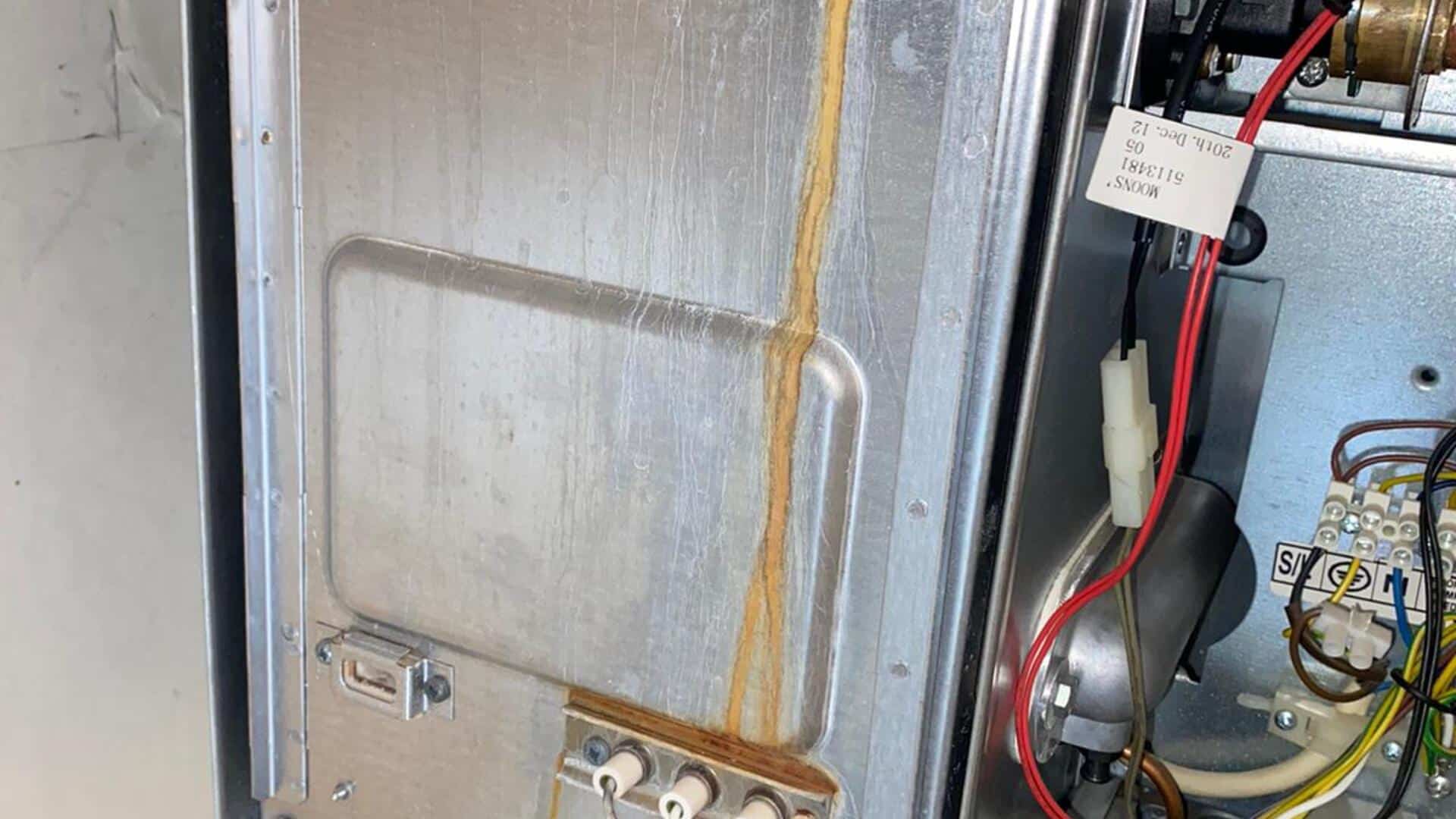
Internal Corrosion: The suspected cracked condensate trap aligned with internal corrosion observed within the boiler. Where condensate escapes its intended pathway, it causes rapid corrosion of internal components.

Casing Seal Failure: The boiler casing was not forming a proper seal, allowing internal leakage and potentially compromising the combustion chamber’s integrity.
The Safety Classification

Defect Safety Implication
Leaking flue seals Potential for combustion products to enter living space
Cracked condensate trap Water damage and electrical hazard
Internal corrosion Structural integrity compromised
Casing seal failure Combustion chamber not properly sealed

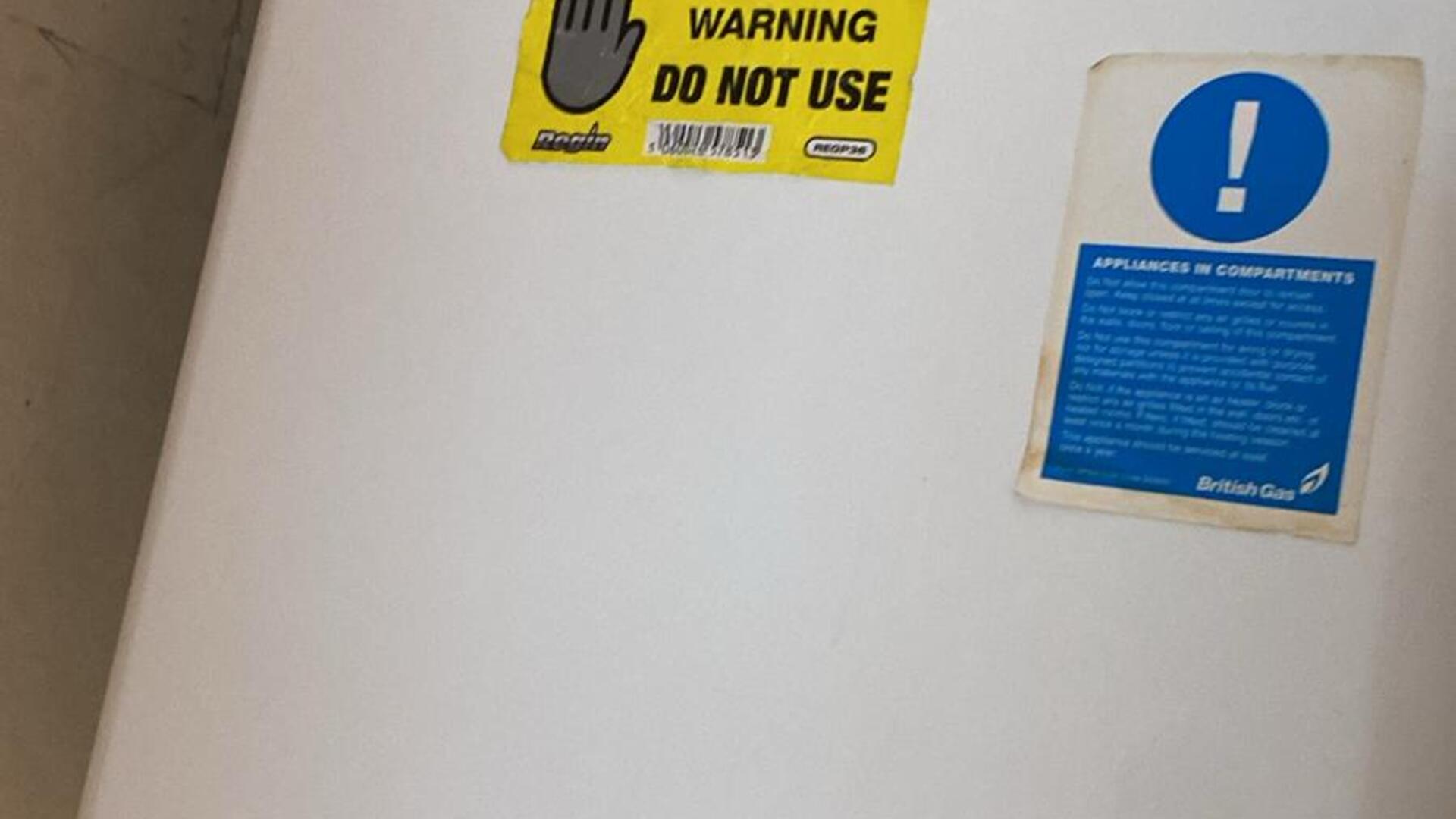
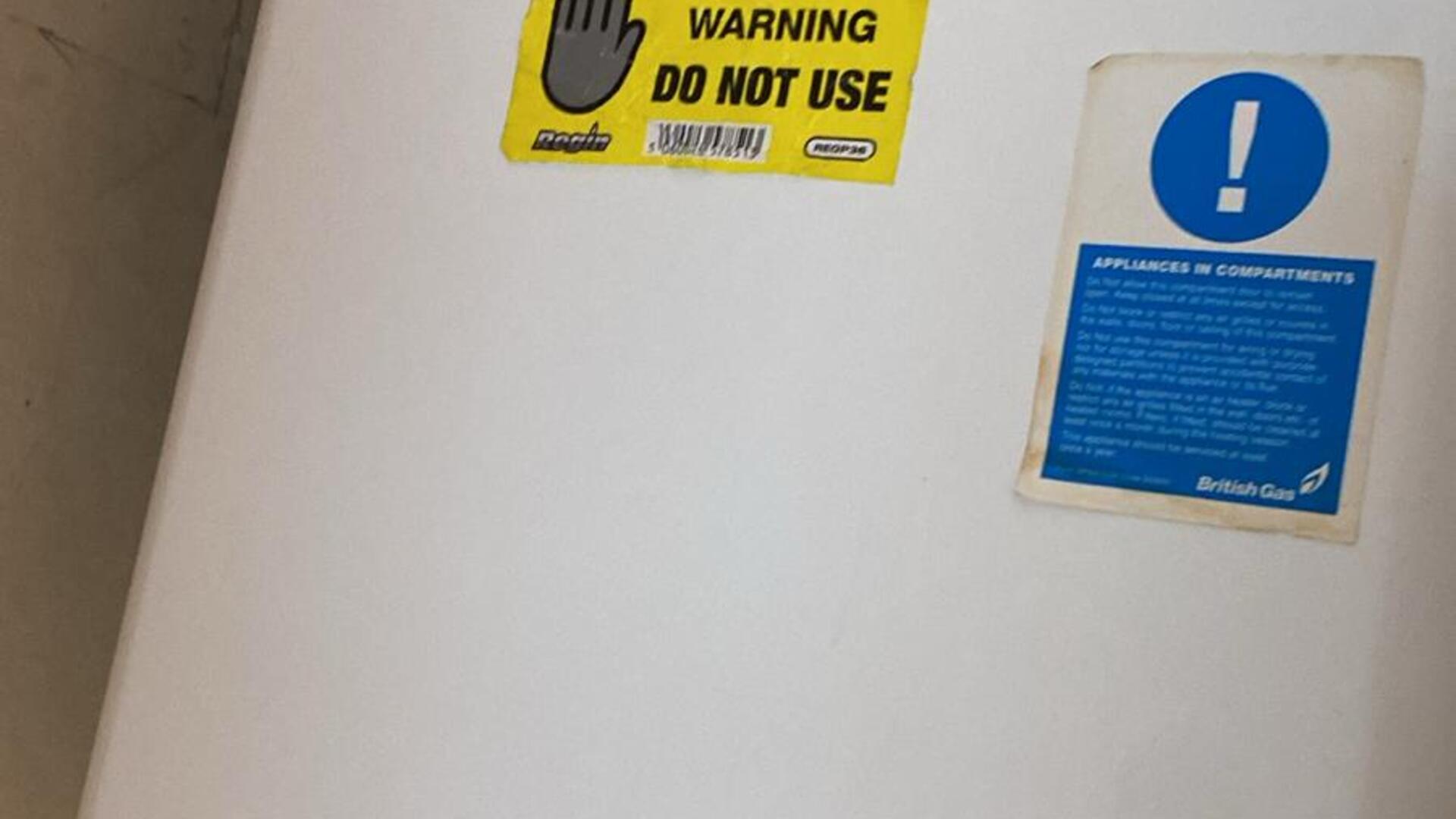
Due to the combination of leaking flue seals and a compromised boiler casing, the engineer classified the appliance as “Immediately Dangerous (ID)” under the Gas Industry Unsafe Situations Procedure (GIUSP).

This classification has specific legal consequences:

  • The appliance cannot remain in operation
  • The gas supply to the appliance must be isolated
  • The responsible person must be informed of the danger
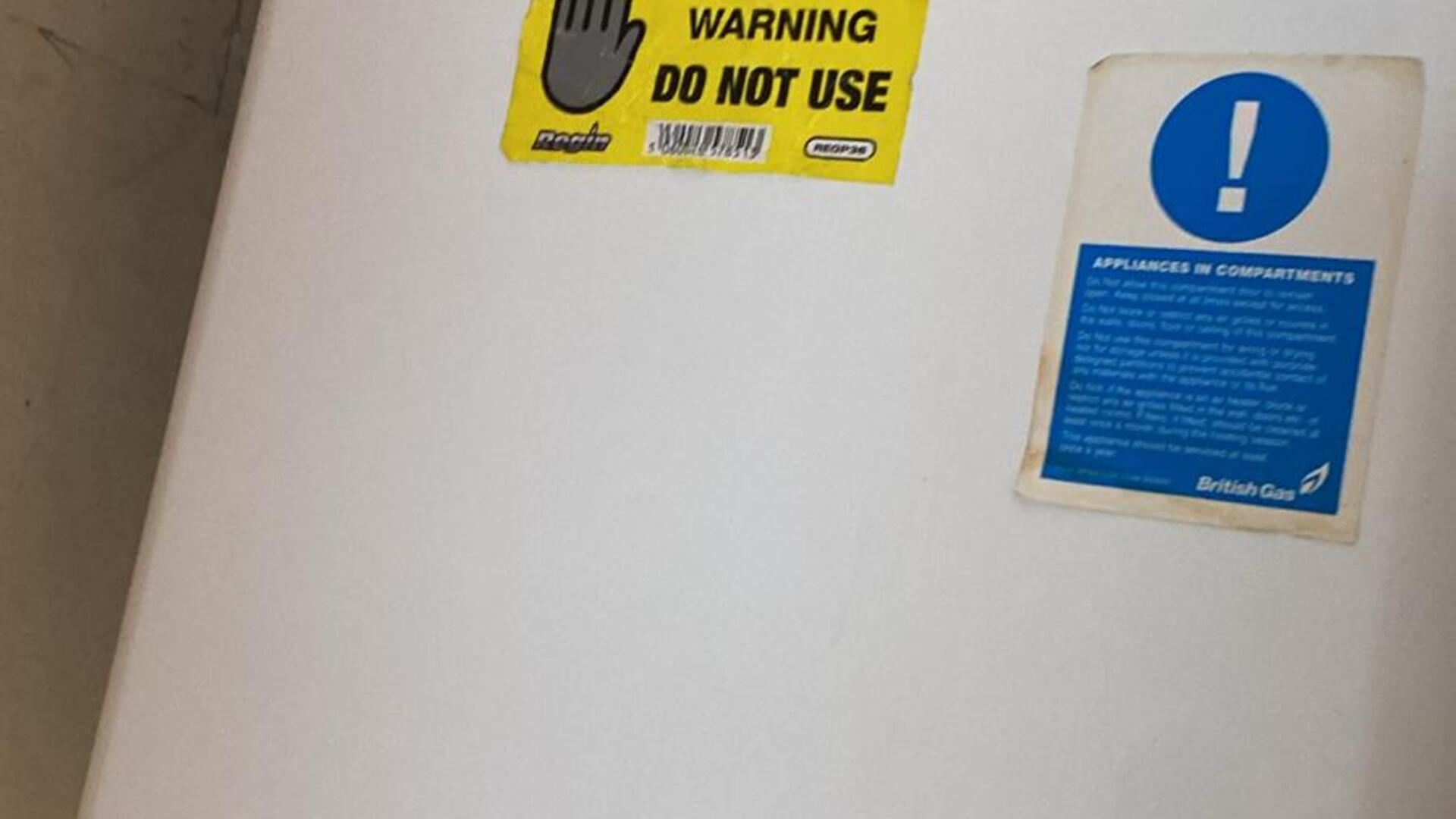
  • The situation must be documented on a warning notice

The engineer explained the situation to the responsible person and isolated the boiler. The property was left without heating or hot water pending repair or replacement.

Understanding Gas Safety Classifications

Gas Safe registered engineers use a standardised classification system when identifying unsafe situations:

Classification Meaning Action Required
Immediately Dangerous (ID) Risk to life if appliance continues to operate Must be disconnected immediately
At Risk (AR) Potential danger under certain conditions Recommend disconnection
Not to Current Standards (NCS) Doesn’t meet current regulations but not immediately dangerous Advise of situation

The “Immediately Dangerous” classification is not applied lightly. It indicates the engineer’s professional judgement that continued operation poses a genuine risk to the occupants.

Remedial Work Required

The engineer provided a detailed quotation for the parts and labour required to restore safe operation:

Component Action Required
Condensate trap Replace
Heat exchanger seals Replace
Burner seals Replace
Electrodes Replace
Flue seals Replace

Estimated Cost: Parts £395 + VAT, Labour £250 + VAT

The extent of remedial work reflects the multiple failures identified. In some cases, the cost of comprehensive repair approaches or exceeds the cost of boiler replacement, particularly for older appliances where further failures may be anticipated.

Landlord Obligations

For rental properties, gas safety carries specific legal obligations under the Gas Safety (Installation and Use) Regulations 1998:

  • Annual gas safety checks by a Gas Safe registered engineer
  • Maintenance of gas appliances in safe condition
  • Provision of gas safety certificate to tenants
  • Prompt response to reported gas safety concerns

When an appliance is classified as dangerous, the landlord must take action to either repair or replace it. Tenants cannot be left indefinitely without heating and hot water, particularly during winter months.

The Importance of Gas Safety

This case illustrates why gas safety regulations exist. The combination of defects found in this boiler—leaking flue seals, cracked components, internal corrosion—could have resulted in carbon monoxide entering the living space if the appliance had continued to operate.

Carbon monoxide is colourless and odourless. Symptoms of exposure include headaches, dizziness, nausea, and confusion—often mistaken for flu. Severe exposure is fatal. Every year in the UK, carbon monoxide from faulty gas appliances causes deaths and serious injuries that proper maintenance would prevent.

Service Delivery

All Services 4U provides 24/7 emergency response for gas safety concerns. Our Gas Safe registered engineers are qualified to inspect, classify, and where safe to do so, repair gas appliances across domestic and commercial settings.

The out-of-hours attendance on this callout—arriving at 10pm and completing the assessment by 11:12pm—reflects our commitment to addressing safety-critical issues without delay.


Service Category: Emergency Gas Safety
Location: Wimbledon, London SW19
Sector: Residential / Private Rental
Classification: Immediately Dangerous (ID)
Outcome: Boiler isolated, remedial quotation provided
Reference: L4L-803491

All Service 4U Limited | Company Number: 07565878