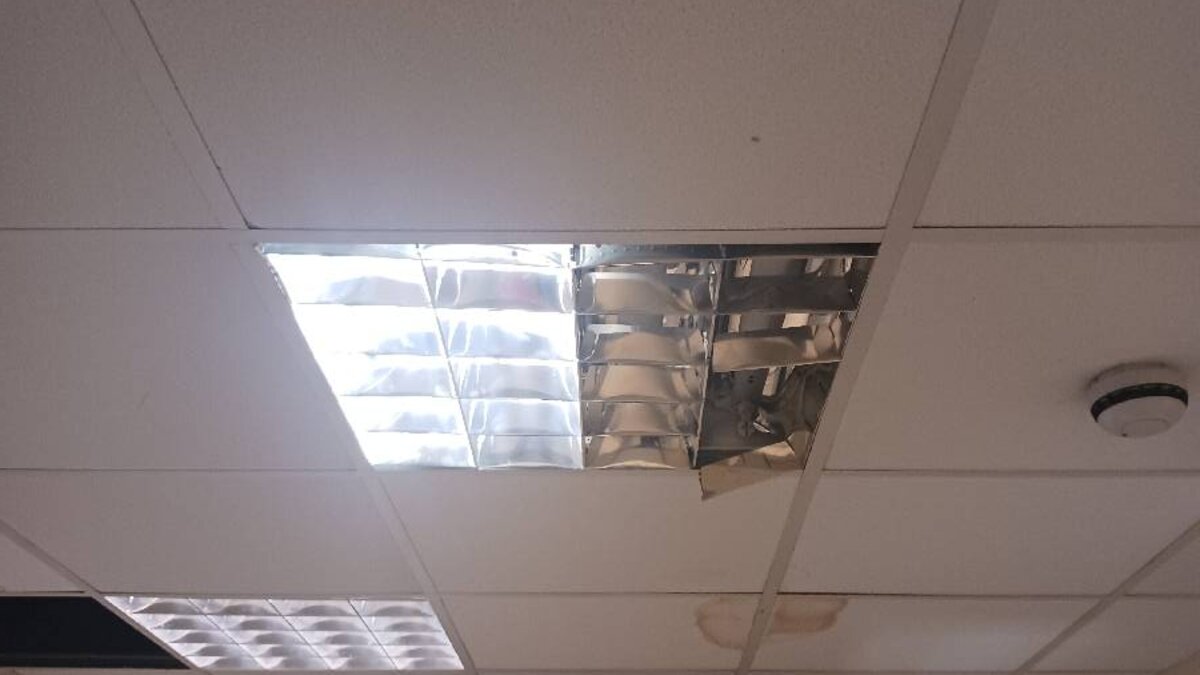
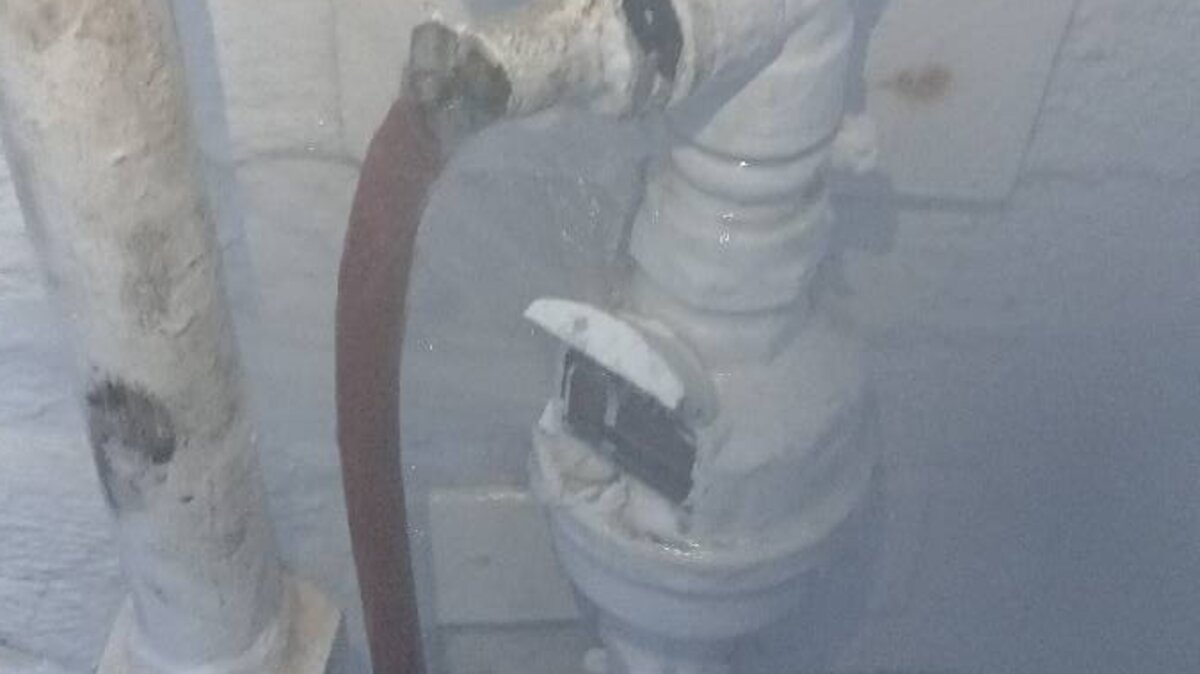
The client reported a combat heater that had been out of service for over twelve months. The control panel showed no power, and the unit would not start. Site staff had already identified that access equipment would be required—the heater was mounted approximately three metres above floor level in a busy warehouse environment.
Heating systems that sit idle for extended periods present a unique diagnostic challenge. Unlike a unit that fails during normal operation, where the fault often relates to recent wear or a specific component failure, dormant systems may have multiple degraded elements. Seals dry out, electrical connections oxidise, and control systems lose calibration. The engineer attending such a callout must approach the investigation without assumptions, testing each system element independently before drawing conclusions.
Diagnostic Methodology
Our GasSafe-registered commercial heating engineer attended site and implemented a structured diagnostic sequence designed to isolate the fault systematically rather than jumping to conclusions.
The first priority was confirming the electrical supply. Using calibrated test equipment, the engineer verified 240V AC present at both the main unit and the controller. This immediately ruled out supply-side issues—the heater was receiving power, which meant the fault lay within the unit itself or its control systems.
With power confirmed, attention turned to the components that could be safely tested from floor level. The distribution fan was operated in ventilation mode, and it ran correctly. This was significant: the main fan motor, bearings, drive components, and fan circuit wiring were all functional. Whatever was preventing ignition, it wasn’t a fundamental failure of the primary mechanical systems.
The critical finding emerged when testing the burner sequence. The burner made no attempt to ignite and, importantly, did not enter lockout mode. In a functioning system, a failed ignition attempt would trigger the safety lockout, requiring manual reset. The absence of any ignition attempt—and the absence of lockout—pointed toward a fault in the ignition control circuitry itself, occurring before the combustion sequence even begins.
Access Limitations and Safety Compliance
At this point, the investigation reached a natural pause. The ignition control box, where further electrical testing was required, could not be accessed safely from floor level. Proceeding would have required working at height without appropriate equipment—a clear breach of the Work at Height Regulations 2005.
The regulations are unambiguous on this point: all work at height must be properly planned, appropriately supervised, and carried out using suitable equipment. For industrial heating equipment mounted at elevation, this means mobile tower scaffolding, two-person working for safety, and adequate time allocation for methodical testing.
Rather than compromise on safety or attempt shortcuts that might miss the actual fault, the engineer documented the findings and specified exactly what would be required for the next phase.