The Homes (Fitness for Human Habitation) Act 2018 amended the Landlord and Tenant Act 1985 to require that rental properties are fit for human habitation at the start of and throughout the tenancy. The Act specifies a range of factors that determine fitness, including “repair” and “stability” — both of which are engaged when a front door handle has failed and the associated mechanism is showing signs of wear.
A broken front door handle is more than an inconvenience. The front door is the primary point of entry and the first line of security for the dwelling. Under the Housing Health and Safety Rating System (HHSRS), “entry by intruders” is a recognised hazard category. If the door handle has failed to the point where the door cannot be secured or operated normally, the property’s security is compromised. Building Regulations Approved Document Q (Security — Dwellings) establishes standards for door security in new dwellings, and while not retrospectively enforceable, it establishes the benchmark against which the adequacy of existing door sets is measured.
Beyond security, a front door that does not operate correctly affects the fire safety strategy of the dwelling. If the door cannot be opened quickly and reliably during an emergency, the occupant’s means of escape is impaired. The HHSRS hazard category for “fire” includes assessment of whether the means of escape is adequate and functional.
For the fridge door, the landlord’s obligation under Section 11 of the Landlord and Tenant Act 1985 extends to maintaining in repair and proper working order any appliance provided as part of the tenancy. A fridge that cannot close properly fails to maintain food at safe temperatures, creating a food safety issue that falls under the general duty of care owed by the landlord.
The Instruction
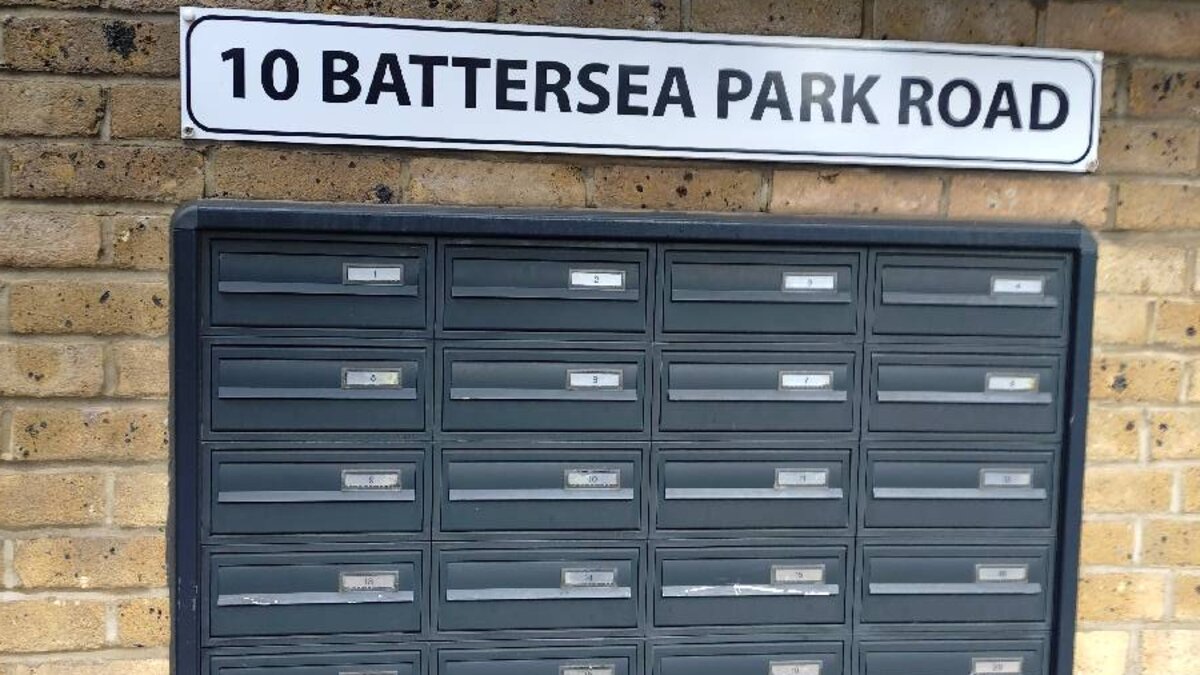
Home-Made, the letting agent managing the property at Flat 20, 10 Battersea Park Road, London SW8, reported two items requiring repair: the front door handle needed fixing, and the fridge door needed attention. The instruction was raised as a standard reactive repair.
Step-by-Step Work Completed
Our engineer, Craig, attended the property on 16 January 2026.
Fridge Door Repair
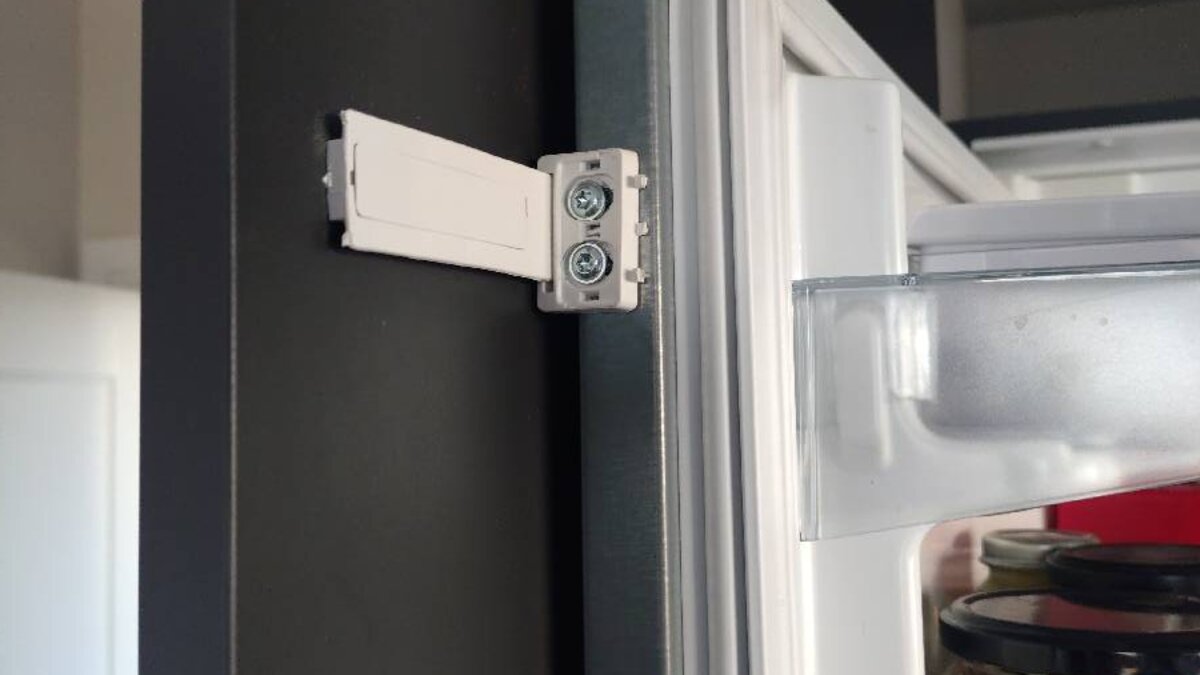
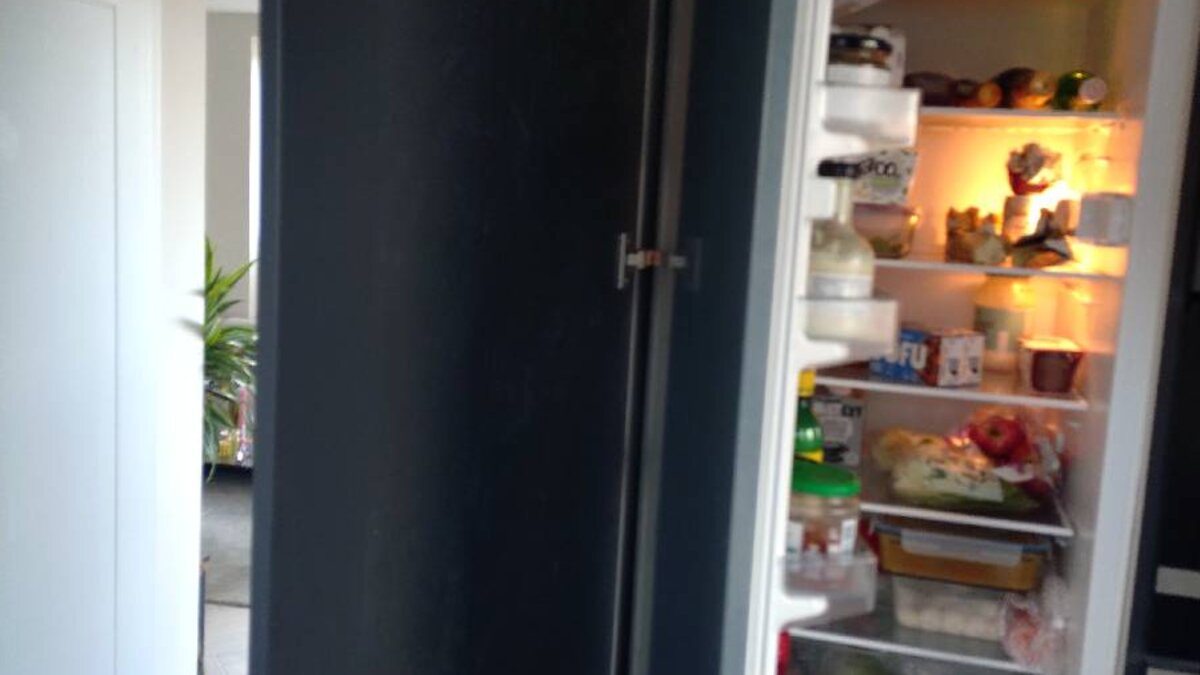
The fridge door had detached from its correct seating against the appliance panel. In integrated or panel-mounted fridges, the appliance door is fixed to an outer furniture panel that matches the kitchen cabinetry. Over time, the fixings connecting the appliance door to the furniture panel loosen — this can be caused by the weight of the panel, repeated opening and closing, or inadequate initial fixing during installation.
The engineer refitted the fridge door to the panel, resecuring the fixings to restore correct alignment. The door was tested to confirm it closed fully and that the magnetic seal engaged along the entire perimeter. No replacement parts were required — the existing fixings and brackets were sound and simply needed tightening and realignment.
Front Door Handle Replacement
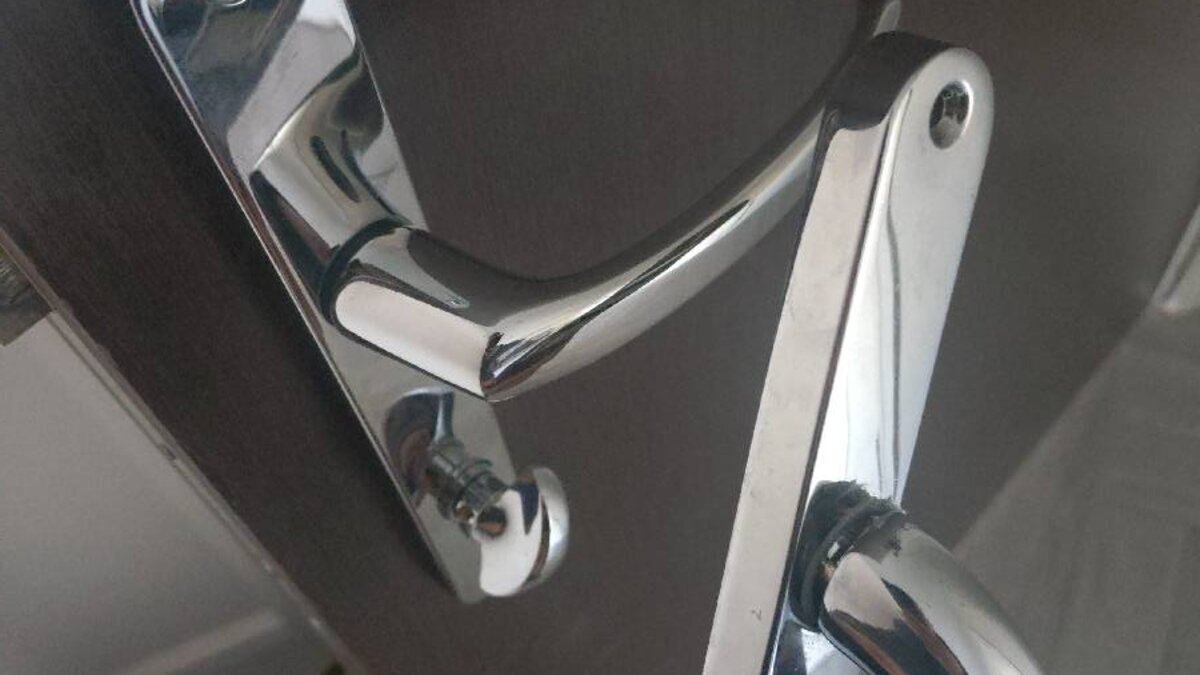
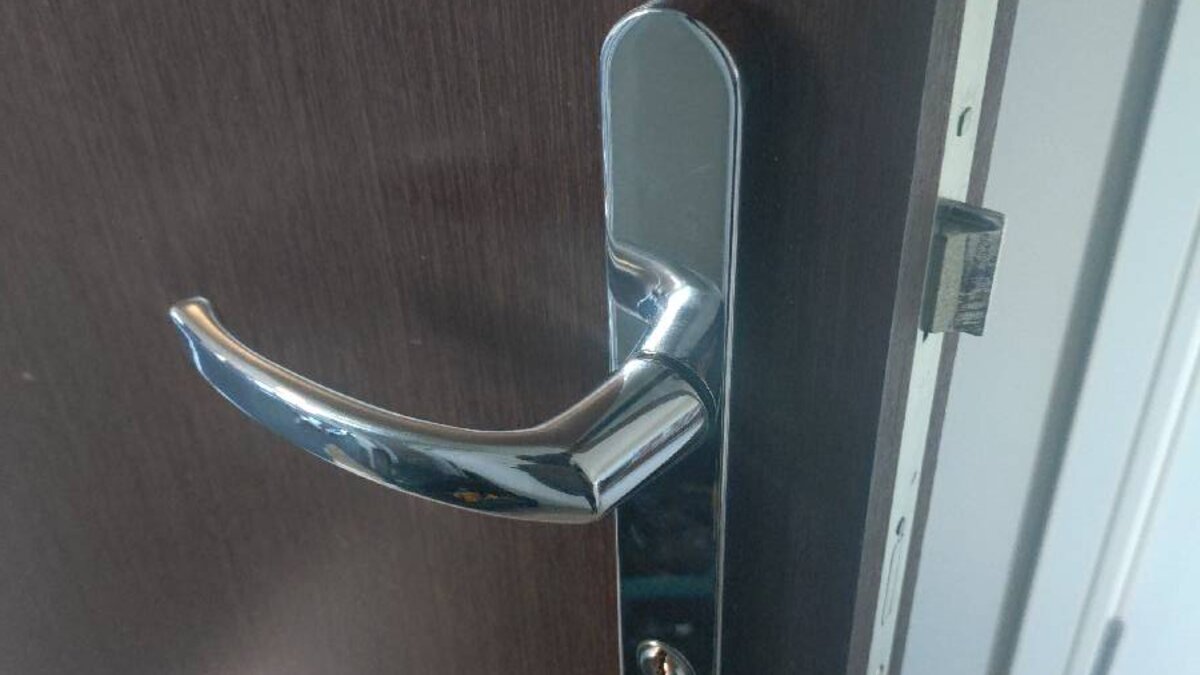
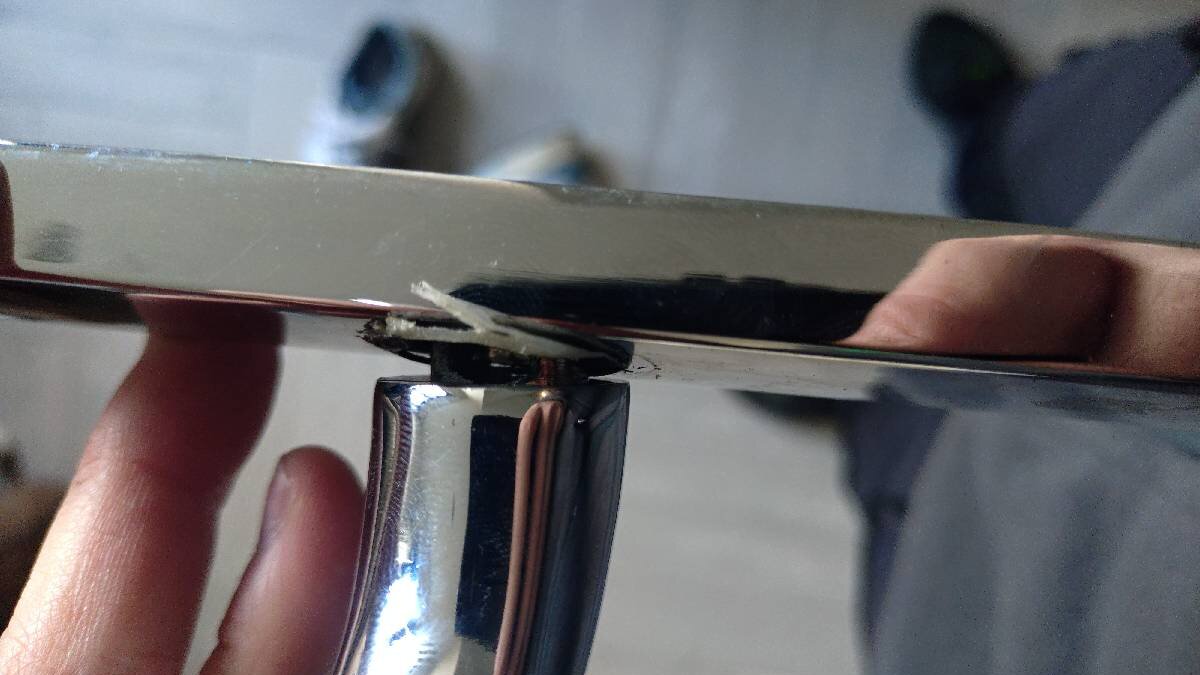
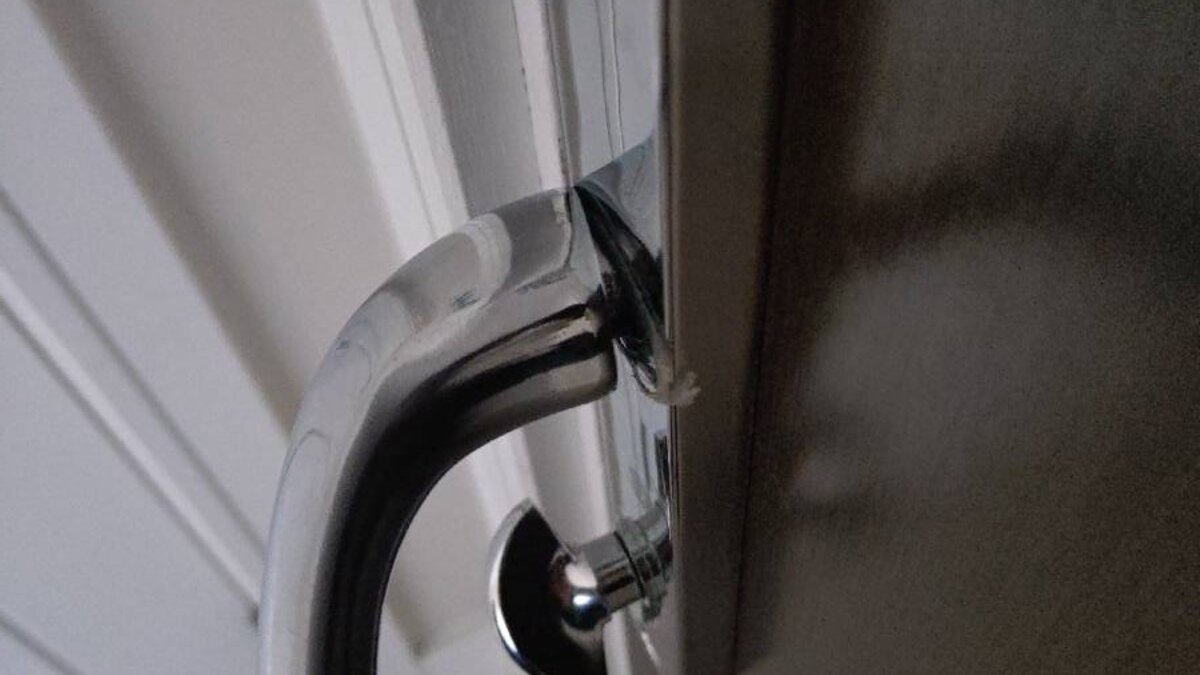
The existing front door handle had failed beyond economical repair. The handle was no longer operating the latch correctly, and the physical condition of the handle unit meant repair was not viable.
The engineer supplied a new like-for-like door handle, matching the external dimensions, fixing centres, and spindle specification of the original. The old handle was removed, the spindle bore and fixing holes were inspected for any damage, and the new handle was fitted. The handle was tested to confirm smooth operation of the latch mechanism from both the interior and exterior of the door.
The new handle was sourced at a cost of £44.99 + VAT, representing a like-for-like replacement that maintained the aesthetic consistency of the door and the functional compatibility with the existing multipoint lock mechanism.
Front Door Mechanism — Advisory Finding
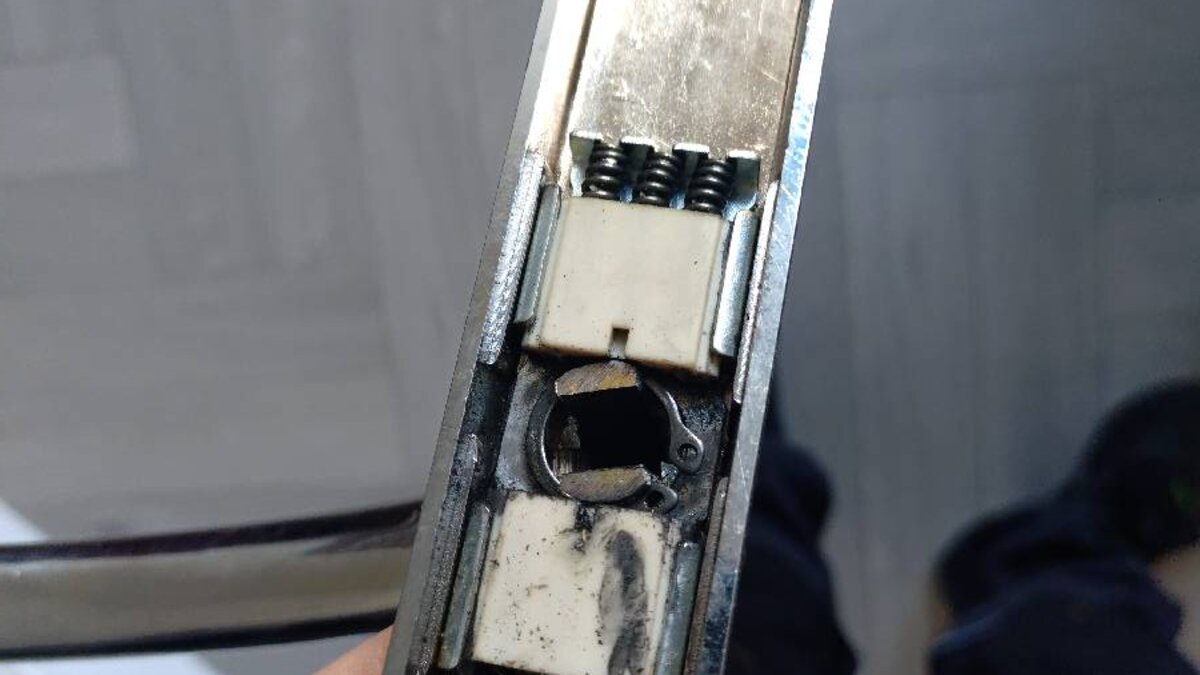
During the handle replacement, the engineer identified a minor fault in the existing door mechanism (the multipoint lock gearbox). The latch was showing signs of incomplete retraction, and the locking points were not engaging as smoothly as they should. The engineer assessed that this fault was likely caused by long-term use with the broken handle, which would have placed uneven stress on the internal components of the gearbox as the occupant forced the handle to operate the mechanism.
This is a recognised degradation pattern: a failed handle does not just affect the handle itself. The additional force required to operate a broken handle transmits through the spindle into the gearbox, accelerating wear on the internal cam, spring, and follower components. By the time the handle is replaced, the gearbox may already have sustained damage that will manifest as progressive failure over the following weeks or months.
The engineer reported this finding to the managing agent with a clear recommendation: monitor the mechanism and, if the fault worsens, plan for a gearbox replacement. The estimated cost was provided — approximately two hours’ labour plus £186.48 + VAT for the mechanism — enabling the managing agent to budget for the work if and when it becomes necessary.
Findings Summary
| Item | Reported Issue | Action Taken | Status |
|---|---|---|---|
| Fridge door | Detached from furniture panel | Refitted and secured | Fully operational — closing correctly |
| Front door handle | Failed — not operating latch | New like-for-like handle supplied and fitted | Fully operational — tested from both sides |
| Front door mechanism | Minor fault identified during handle replacement | Documented and reported to managing agent | Advisory — replacement recommended if worsens |
Remedial Recommendation
| Component | Scope | Estimated Cost | Trigger for Action |
|---|---|---|---|
| Front door mechanism (gearbox) | Remove and replace multipoint lock gearbox | Labour: 2 hours; Mechanism: £186.48 + VAT | If latch retraction or locking point engagement deteriorates |
This transparent, forward-looking approach gives the managing agent the information needed to make a planned decision rather than facing an emergency callout when the mechanism eventually fails completely.
Common Door Handle and Appliance Issues in Managed Lettings
Letting agents and property managers encounter these issues regularly across their portfolio. Understanding the patterns supports better inspection protocols and more accurate maintenance budgeting.
| Issue | Warning Signs | Risk if Ignored | Typical Resolution |
|---|---|---|---|
| Door handle failure | Handle loose, drooping, or disconnected | Cannot operate door, security compromised | Replace handle |
| Multipoint lock gearbox wear | Stiff handle, incomplete locking | Complete lock failure, lockout | Replace gearbox |
| Fridge door misalignment | Door not closing fully, warm interior | Food spoilage, energy waste | Realign door and resecure fixings |
| Fridge seal failure | Visible gap when door is closed, condensation | Energy waste, food safety risk | Replace door seal |
| Integrated appliance panel detachment | Panel hanging loose, door heavy to open | Hinge damage, appliance damage | Resecure fixings, replace brackets if worn |
| Letterbox draught | Cold air ingress through front door | Energy loss, comfort complaint | Replace letterbox flap or fit brush seal |
| Door hinge drop | Door dragging on floor, gap at lock side | Latch misalignment, door will not close | Replace hinges, rehang door |