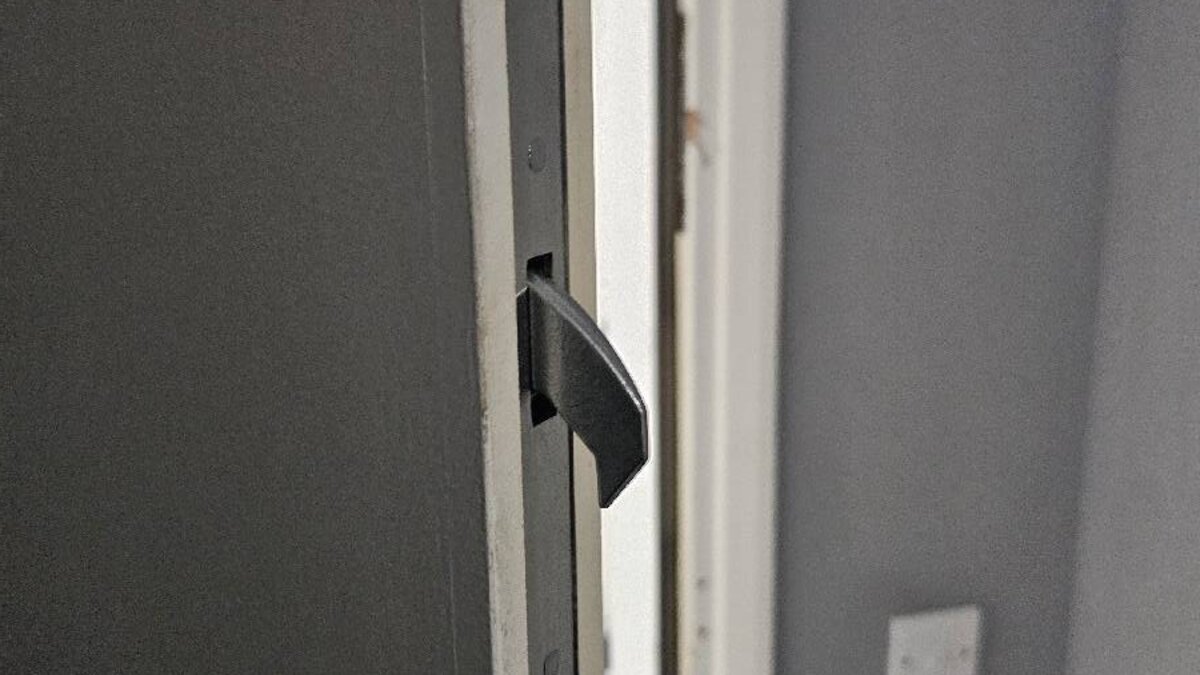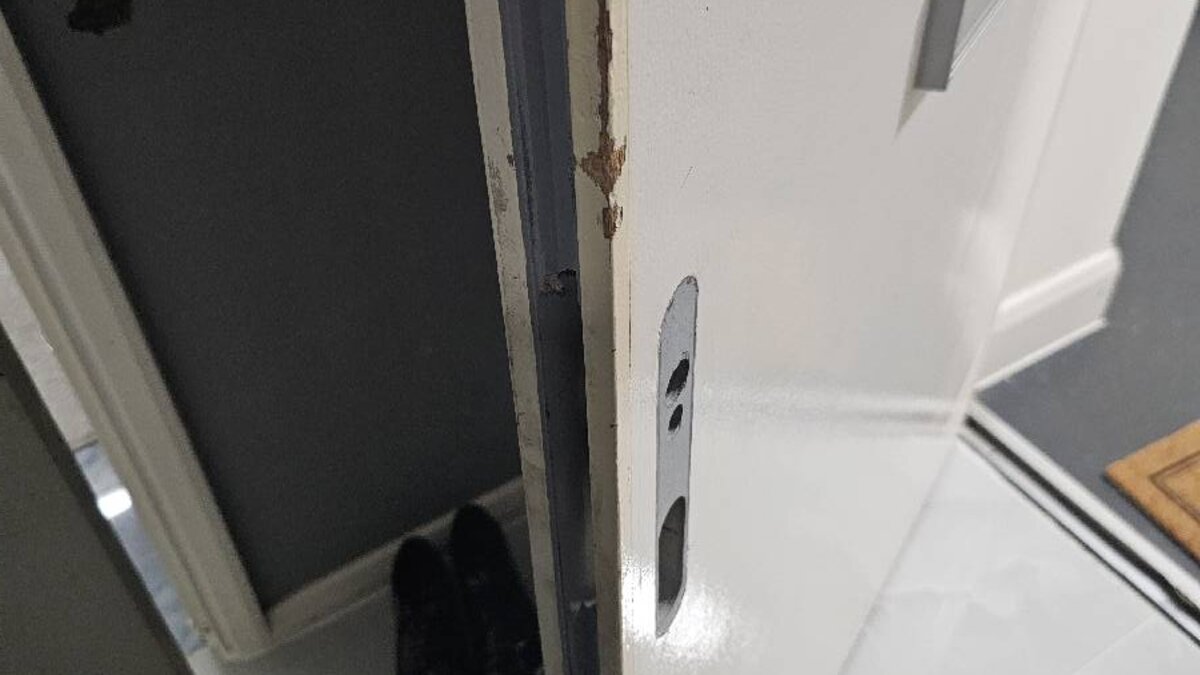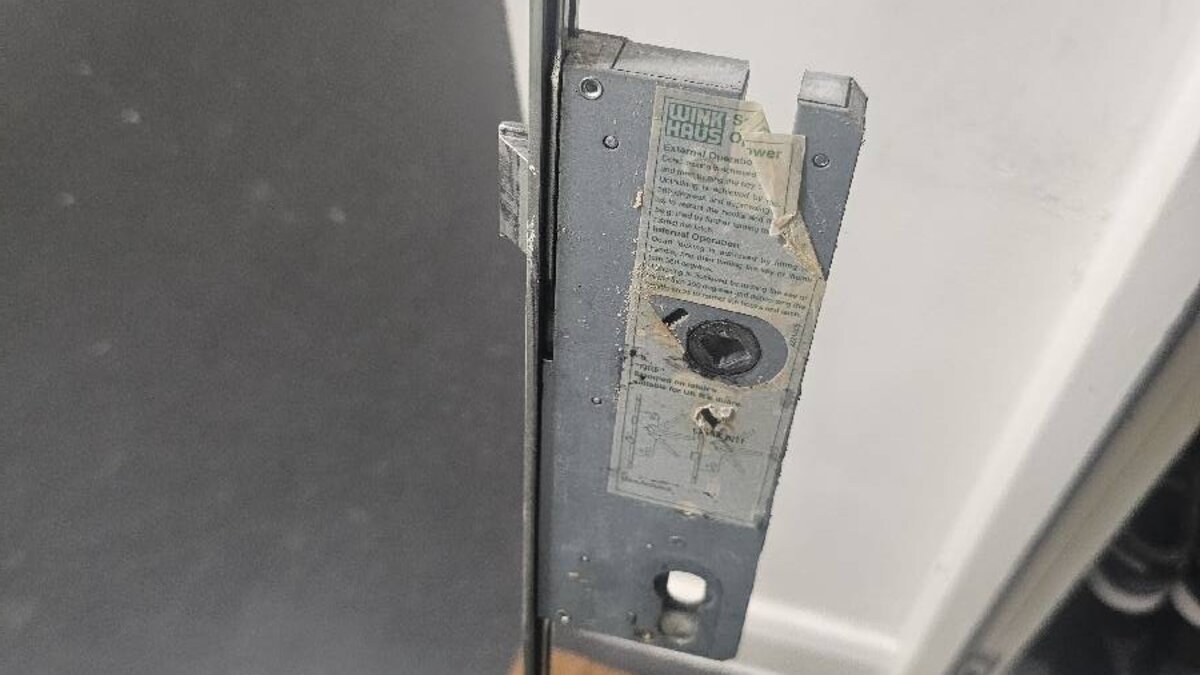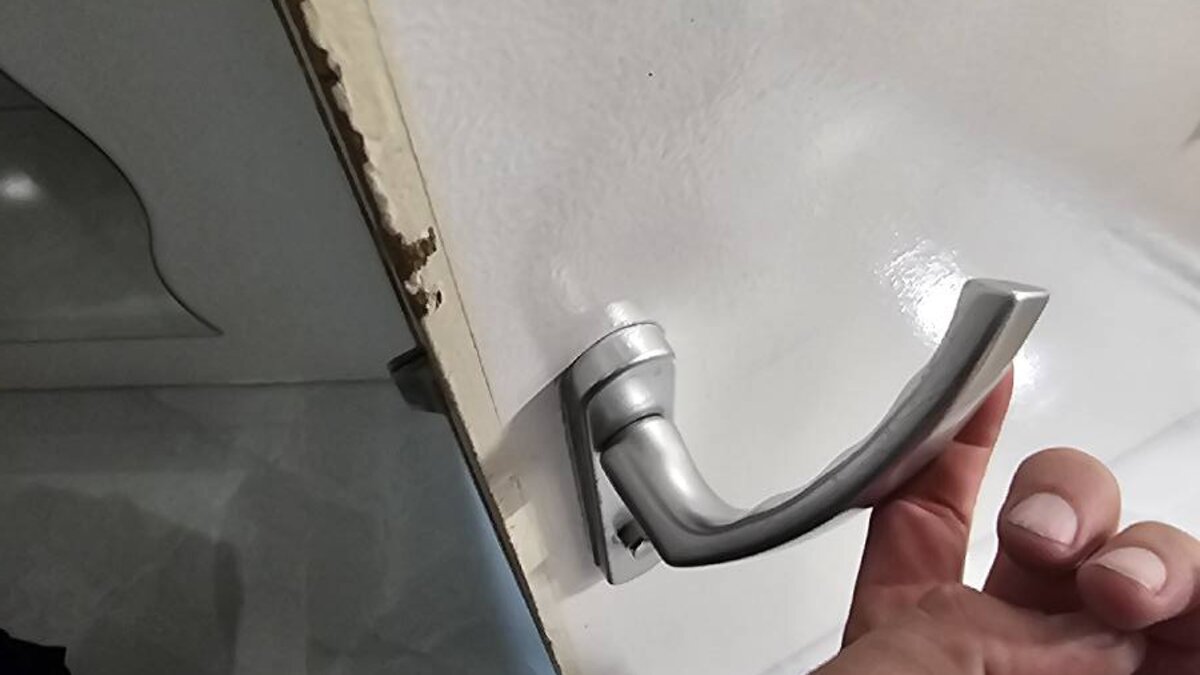
Multipoint locking mechanisms are the primary security feature on the majority of modern UPVC and composite front doors. Unlike a simple nightlatch or single-point deadlock, a multipoint mechanism throws multiple hook bolts, rollers, or deadbolts into keeps positioned at several points along the door frame edge when the handle is lifted. This distributed locking provides significantly greater resistance to forced entry than a single locking point.
When the gearbox — the central operating unit that translates the handle lift into lateral movement of the locking points — fails, the entire mechanism ceases to function. The door may still close on its latch, but the hooks and deadbolt will not engage. This leaves the door secured only by a spring latch, which can typically be bypassed with minimal effort. Under the Housing Health and Safety Rating System (HHSRS), “entry by intruders” is a prescribed hazard. A front door that cannot be locked exposes the property to a Category 1 or Category 2 hazard rating, depending on the specific circumstances and location.
For landlords and their agents, the Landlord and Tenant Act 1985, Section 11, imposes an obligation to keep the structure and exterior of the dwelling in repair, which includes the front door and its locking mechanism. A non-functioning front door lock constitutes a disrepair issue that the landlord must address promptly once notified. BS PAS 24:2022 sets the enhanced security performance standard for doorsets in new and refurbished dwellings, and while it applies primarily at installation, it establishes the benchmark against which security adequacy is measured.
The Diagnostic Process
Our locksmith, Tommy, attended the property at 16:08 on the same day as the instruction. The contractor had already provided context: the tenant could not secure the front door, and the locking hooks were not engaging when the handle was lifted. The instruction included a spend cap of two hundred pounds plus VAT, with prior telephone approval required if the job would exceed that amount.
On arrival, the locksmith carried out a systematic inspection of the multipoint locking system:
- Handle operation test — Lifting the handle produced no movement in the hook bolts or deadbolt. The latch retracted and extended normally, confirming the latch spring was intact.
- Gearbox examination — The central gearbox was not transmitting the handle’s rotational force to the connecting rods. Internal failure was confirmed — the drive mechanism within the gearbox had stripped or fractured.
- Mechanism identification — The locksmith identified the make, backset, and configuration of the existing mechanism to select the correct replacement from stock.
The diagnosis was clear: the gearbox had failed and the entire multipoint mechanism required replacement.
The Works Completed
The locksmith carried out the following scope of work during the single visit:
- Removed the failed mechanism — The old multipoint locking mechanism was extracted from the door edge, including disconnection of the connecting rods from the hook bolts and deadbolt.
- Supplied and fitted a replacement mechanism — A new multipoint locking mechanism with matching specifications was installed, ensuring compatibility with the existing door profile, backset, and keep positions.
- Aligned all locking points — The hook bolts, deadbolt, and latch were individually tested for correct engagement with their corresponding frame keeps.
- Handle operation verified — The handle lift was confirmed to throw all locking points simultaneously and smoothly.
- Key operation verified — The cylinder and key operation were tested to confirm that the mechanism locked and unlocked correctly from both sides of the door.
- Final security check — The door was closed, locked, and tested for resistance to confirm that all hooks were engaging fully into the frame keeps.
The site was left clean and tidy, with the door fully operational and the tenant able to secure the property. The locksmith departed at 17:08, completing the full repair within one hour.
Common Multipoint Lock Failure Modes
Property managers and letting agents should recognise the early warning signs of multipoint mechanism deterioration:
| Symptom | Likely Cause | Urgency |
|---|---|---|
| Handle feels stiff when lifted | Gearbox wear or misalignment | Medium — schedule inspection |
| Hooks engage on some points but not others | Connecting rod disconnection or keep misalignment | High — partial security only |
| Handle lifts freely but nothing engages | Gearbox failure (stripped drive) | Critical — door unsecured |
| Key turns but deadbolt does not throw | Cylinder-to-gearbox connection failure | High — reduced security |
| Door difficult to close or lock catches on frame | Door drop or frame movement affecting keep alignment | Medium — may worsen |
| Grinding or clicking noise when operating handle | Internal component wear or breakage | Medium — replacement imminent |
In rental properties, tenants may not report early symptoms immediately, meaning that by the time the issue reaches the agent, the mechanism has often progressed to complete failure. Encouraging tenants to report stiffness or difficulty early can allow for planned replacement rather than emergency callout.