Electric flow boilers occupy a distinct position in the UK heating landscape. Unlike gas-fired systems, they require no flue, produce no combustion products, and fall outside Gas Safe registration requirements. However, they combine mains-voltage electrical components with pressurised water circuits — a combination that introduces its own set of risks and diagnostic challenges.
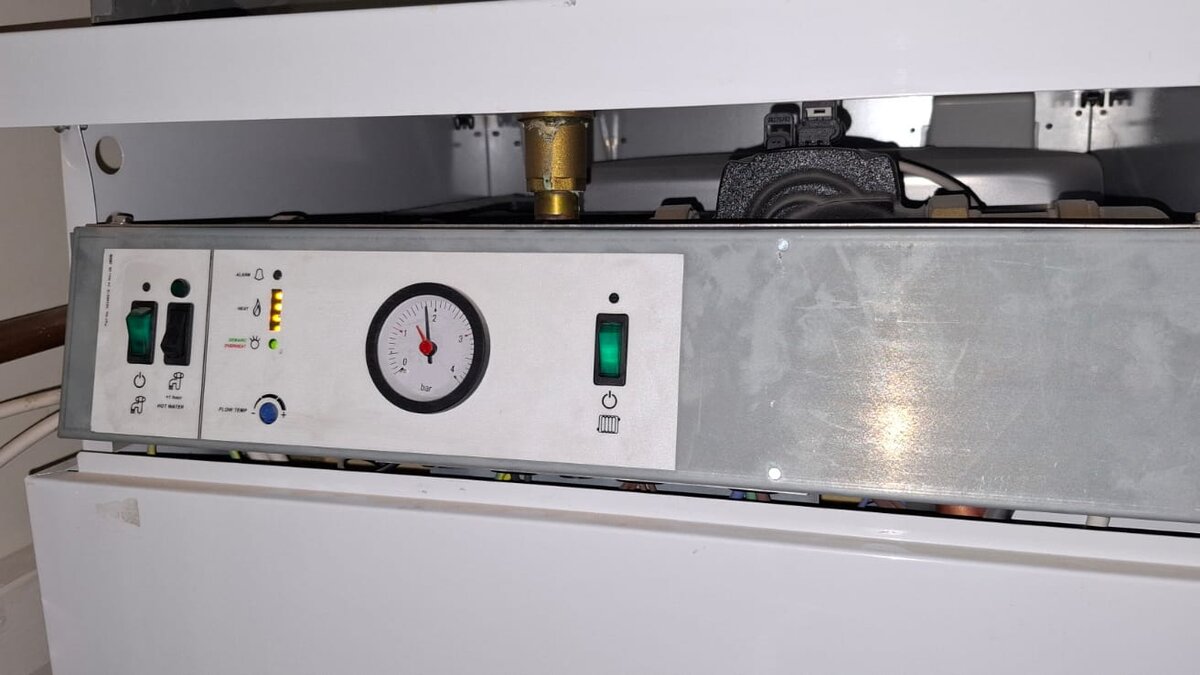
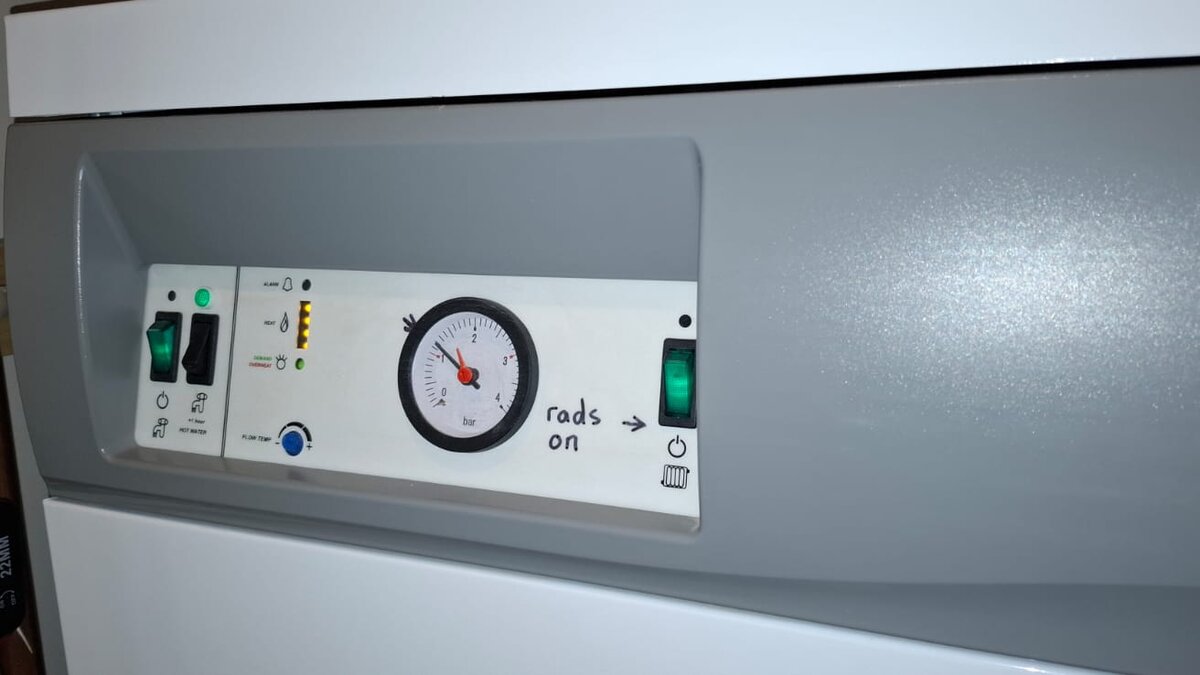
The Heatrae Sadia Electromax Combined Electric Flow Boiler provides both central heating and domestic hot water from a single unit. It operates by heating water electrically as it passes through the appliance, distributing it via a conventional sealed heating circuit. When these systems fail, the diagnostic pathway differs significantly from gas boiler troubleshooting. There is no flame sensor to interrogate, no flue gas analyser to deploy, and no gas valve to test. Instead, the engineer must systematically evaluate electrical switching components, heating elements, system pressure, expansion vessels, and circulation integrity.
For a serviced accommodation provider managing multiple units, simultaneous boiler failures across two flats create compounding pressure. Each flat without heating represents a tenant welfare issue, a potential complaint, and — during freezing conditions — a risk of secondary damage from burst pipes if the property cools sufficiently. The urgency was reflected in the same-evening response.
The Diagnostic Process
Our engineer attended site at 19:00 and began independent inspections of both boiler systems. Despite the boilers being identical models in the same building, the faults turned out to be entirely unrelated — a reminder that simultaneous failures do not necessarily share a common cause.
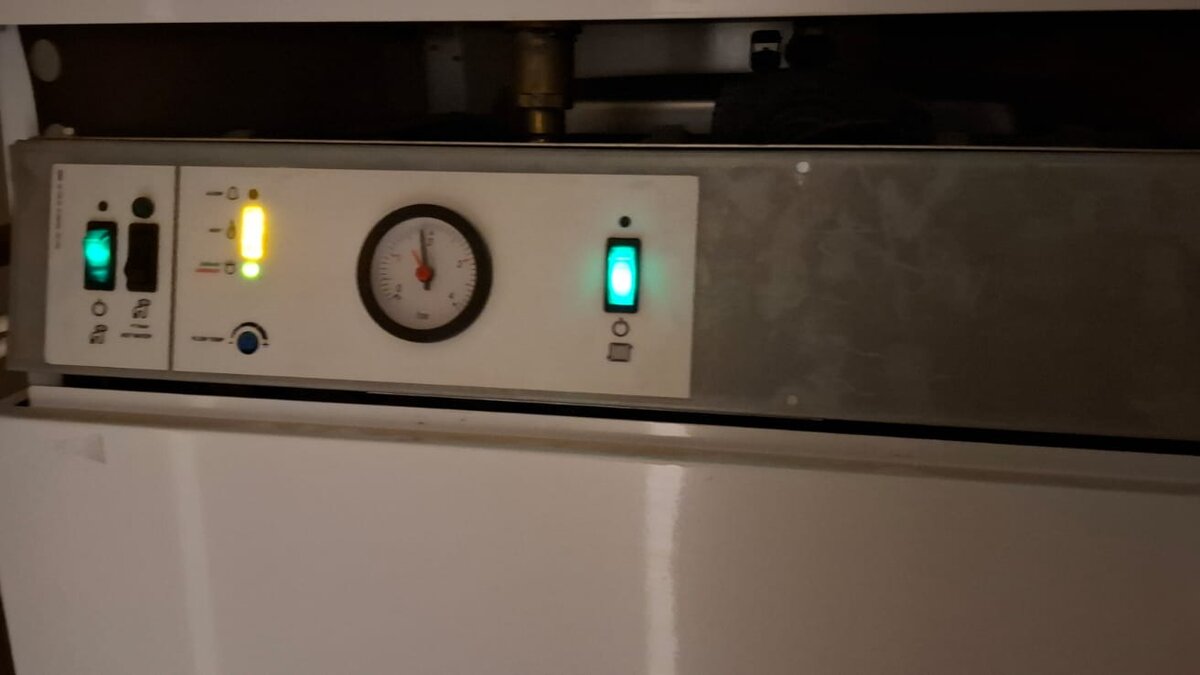
Flat 3 — Low Heating Loop Pressure: The engineer detected low water pressure in the sealed heating circuit. Although the mains water pressure feeding the property read normally, the closed heating loop had lost pressure below the operating threshold. The engineer refilled the heating loop via the filling loop, restoring system pressure and allowing the boiler to fire and circulate heated water through the radiators. Critically, the engineer noted that sealed heating systems should not lose pressure under normal operating conditions. Pressure loss typically indicates one of several underlying issues: a slow leak in pipework, radiator valves, or fittings; a failed or waterlogged expansion vessel no longer absorbing system expansion; or a faulty pressure relief valve that is weeping intermittently. The system was flagged for monitoring, with the recommendation that if pressure drops again within days, further investigation into the root cause would be required.
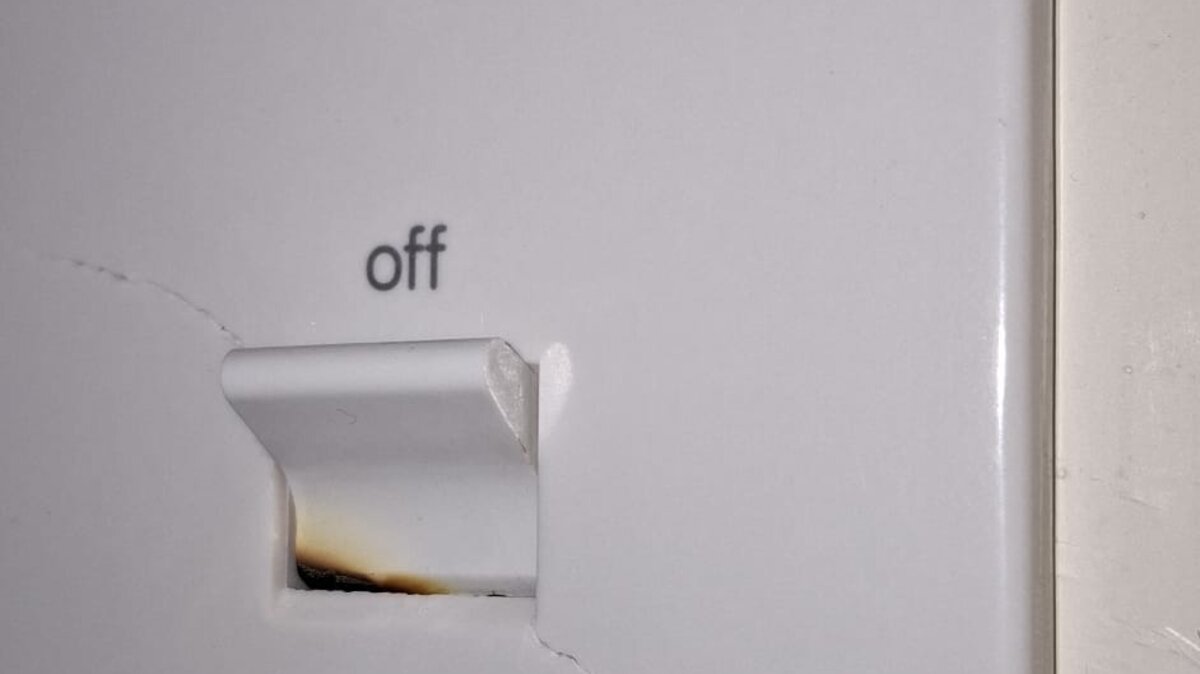
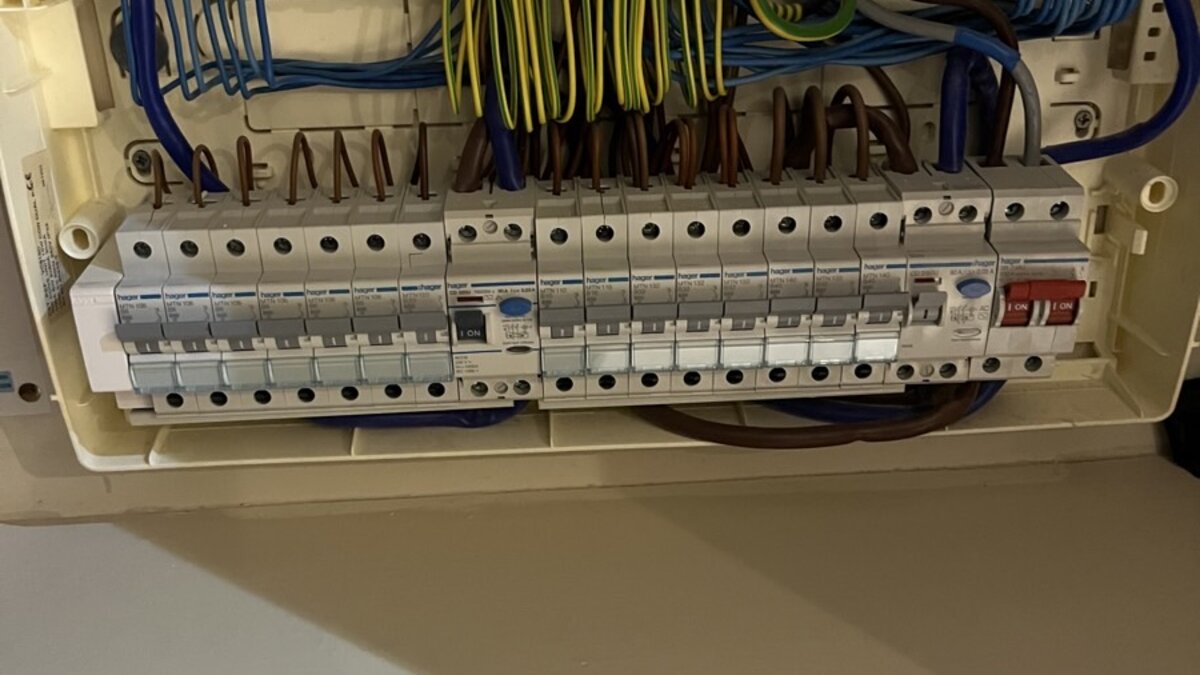
Flat 5 — Burnt-Out Electrical Switch: The engineer identified a burnt-out switch as the cause of the complete heating failure. Electrical switches in boiler circuits carry significant current loads, particularly when controlling heating elements. Over time, contact arcing, corrosion, or manufacturing defects can cause switch contacts to deteriorate, eventually failing open-circuit and cutting power to the heating element. The faulty switch was replaced on site, restoring full boiler operation immediately.
Both flats were confirmed fully operational — heating cycling correctly and hot water flowing at temperature — before the engineer departed at 20:25.
Common Electric Boiler Failure Modes
| Symptom | Likely Cause | Diagnostic Approach |
|---|---|---|
| No heating or hot water, no error code | Electrical supply fault or blown fuse | Check consumer unit, isolator switch, and internal fusing |
| Low or no system pressure | Leak in sealed circuit or expansion vessel failure | Repressurise and monitor; inspect for visible leaks |
| Heating works, no hot water | Diverter valve fault or hot water sensor failure | Test valve operation and sensor resistance |
| Intermittent operation | Failing electrical component (relay, switch, PCB) | Systematic component testing under load |
| Overheating or lockout | Failed thermostat or limiter | Test temperature sensors and reset sequences |
| Noisy operation | Air in system or failing circulation pump | Bleed radiators; assess pump performance |