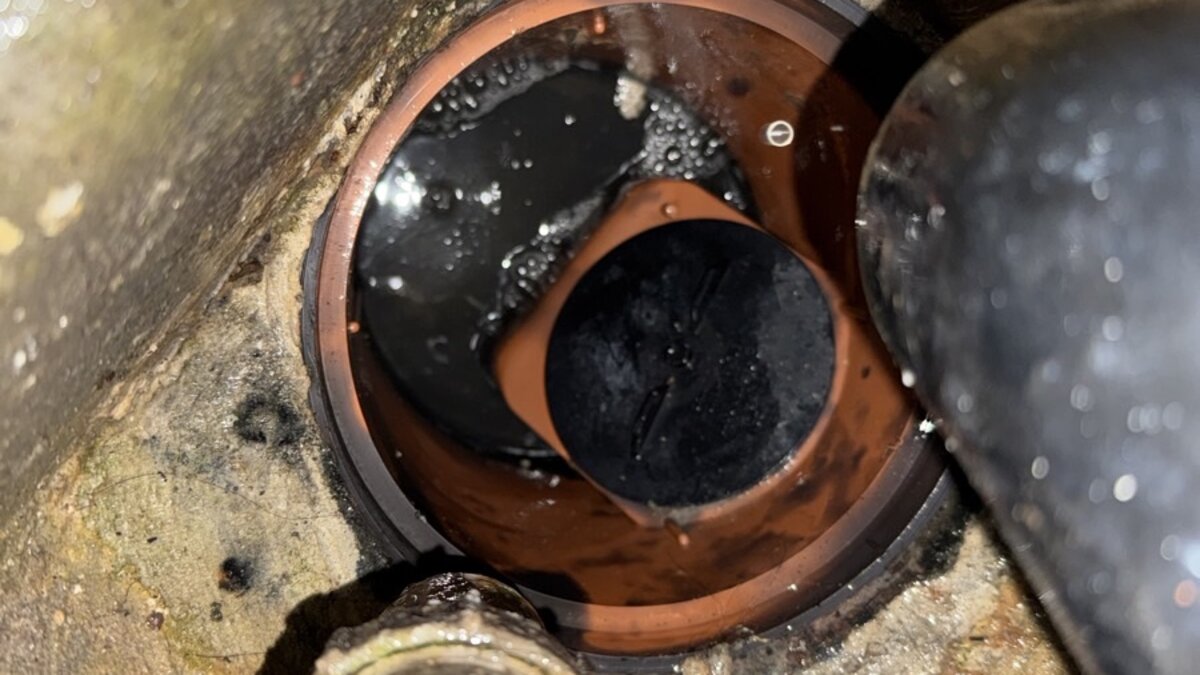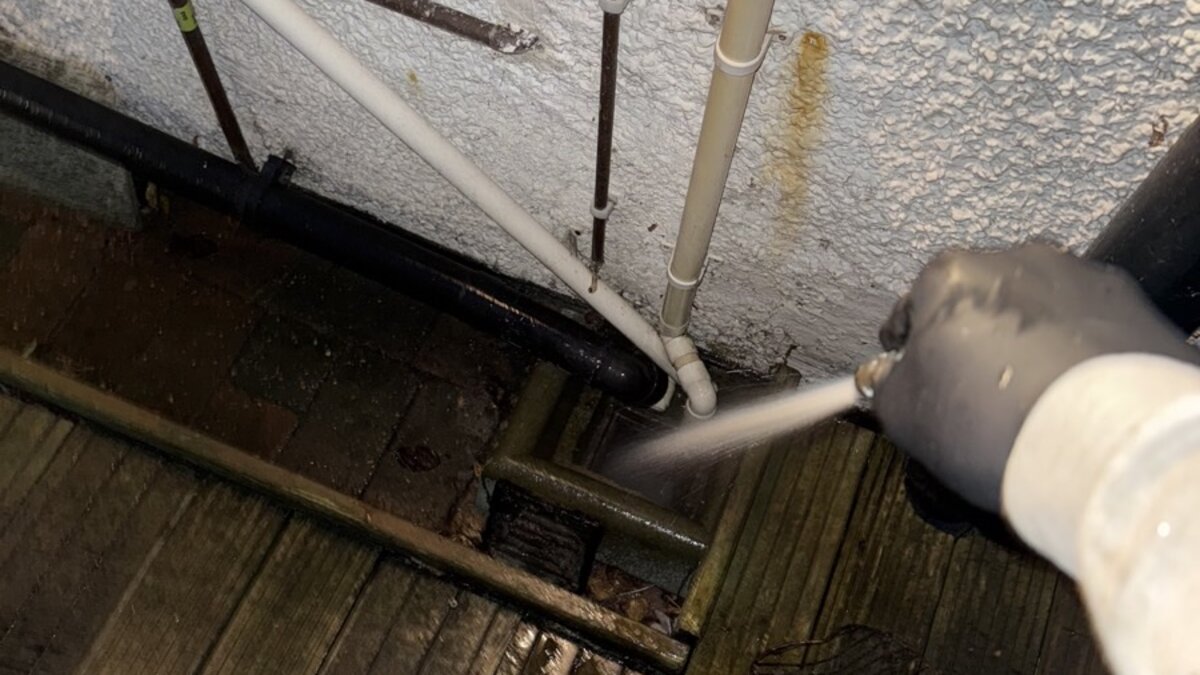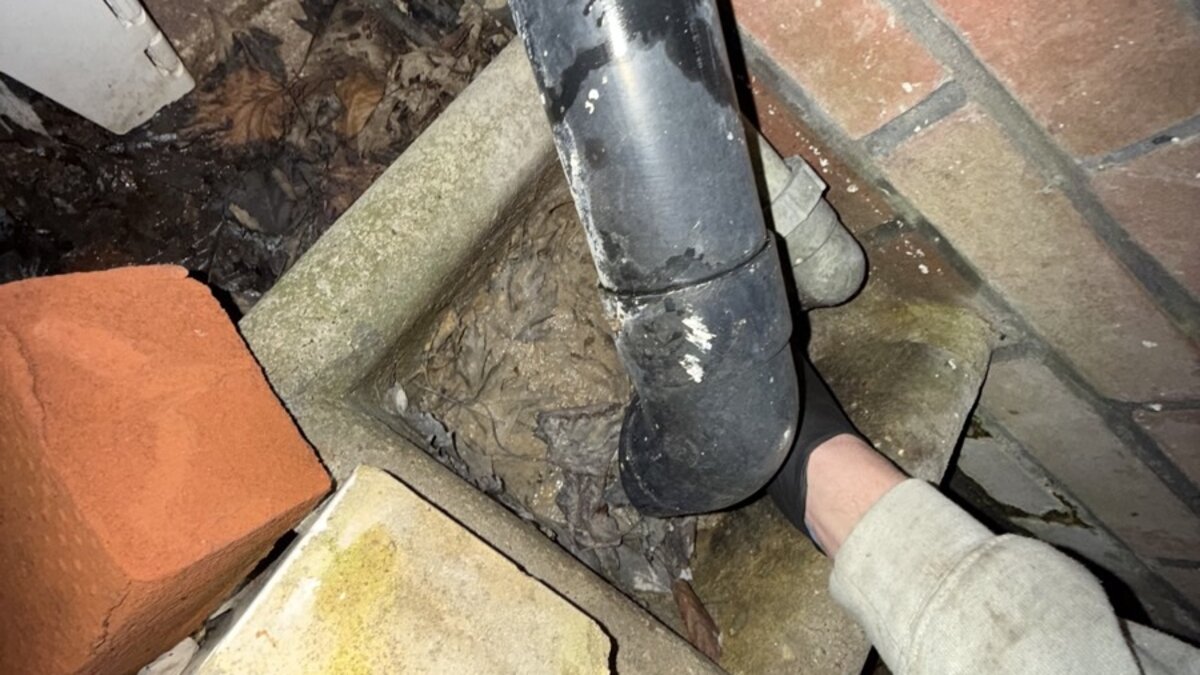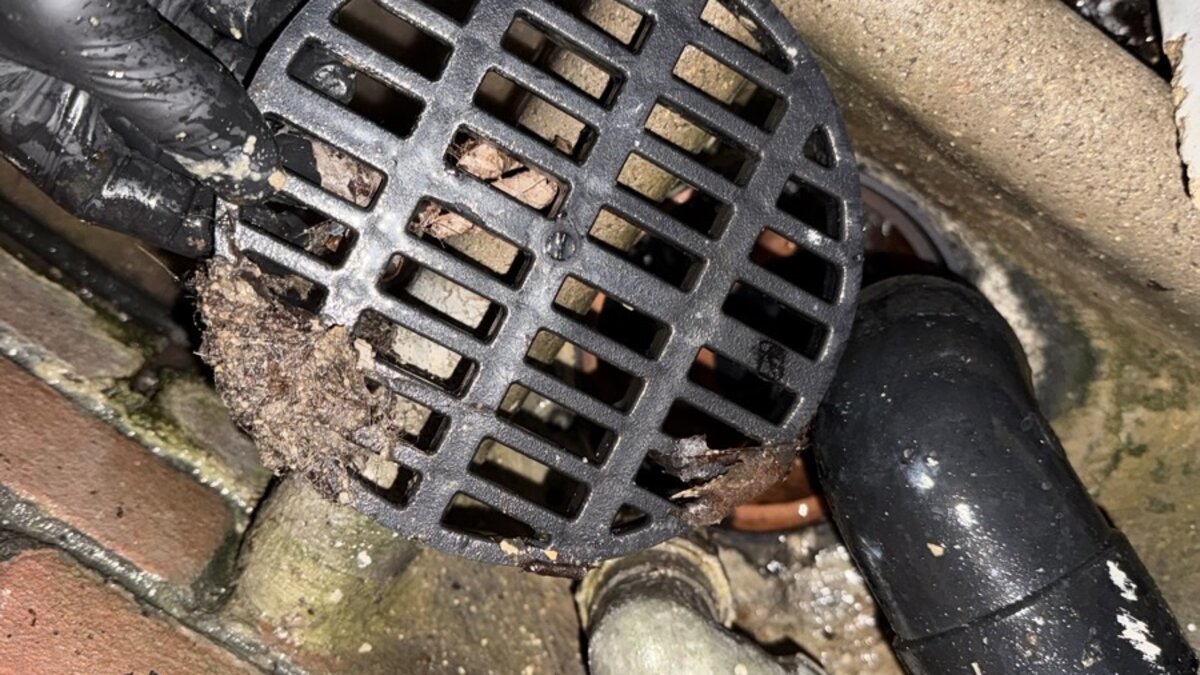
Blocked external drains are a common property maintenance issue. What makes this case operationally significant is the location of the overflow: the public highway. The moment drain water reaches the road surface, several pieces of legislation are engaged simultaneously.
The Highways Act 1980, Section 161, makes it an offence to deposit anything on a highway that causes danger or interruption to users. While this is primarily directed at intentional acts, a property owner who allows drain overflow to reach the highway — and fails to take prompt remedial action — may face prosecution. The Environmental Protection Act 1990, Part III (statutory nuisances), empowers local authorities to serve abatement notices where the escape of water or sewage constitutes a nuisance affecting health or amenity.
The Water Industry Act 1991 delineates responsibility for drainage between private landowners and water companies. Private drains — those serving a single property up to the point where they connect to the public sewer — remain the property owner’s responsibility to maintain. External drains within the property boundary, including the manholes and gullies that serve the building, are the owner’s obligation. If a blockage in a private drain causes wastewater to overflow onto the street, the owner — or their agent — bears liability for both the remediation and any consequential damage or enforcement costs.
Building Regulations Approved Document H (Drainage and waste disposal) requires that drainage systems be designed and maintained to carry the flow of foul water and rainwater to a suitable outfall. When a system fails, the property is non-compliant, and the blockage must be resolved before the system can be regarded as meeting regulatory expectations.
The Emergency Call
Knights PLC, the solicitors managing the property on behalf of the owner, reported the emergency: an external drain at 40 St Mark’s Road, Teddington, had blocked and was overflowing onto the street. The suspected origin was a blockage in the drainage run serving the downstairs toilet. The instruction was clear: attend urgently, that evening, to resolve the flooding and clear the blockage.
The Response: Step-by-Step
Step 1 — Evening Attendance: Our drainage engineer attended the property the same evening, arriving at 18:47. Emergency drain clearance is time-critical — every hour that wastewater remains on the highway increases the public safety risk and the property owner’s exposure to enforcement action.
Step 2 — Site Assessment: The engineer confirmed that the external drains were blocked. The overflow was actively discharging onto the street surface. The drainage run was assessed to determine the location and likely nature of the blockage.
Step 3 — High-Pressure Water Jetting (HPWJ): The engineer deployed high-pressure water jetting equipment to clear the blockage. HPWJ is the industry-standard method for clearing stubborn drain blockages in underground pipework — the high-pressure water jet (typically operating at 2,000-4,000 psi) breaks up compacted material, scours the pipe walls, and flushes debris downstream to the main sewer. Unlike mechanical rodding, HPWJ cleans the full bore of the pipe, reducing the risk of recurrence.
Step 4 — Blockage Clearance and Flow Confirmation: The blockage was successfully cleared. Post-clearance, the drains were tested by running water through the system to confirm that flow had been fully restored. No residual backup or overflow was observed. The street flooding ceased as the drainage system began operating normally.
Step 5 — Post-Clearance Assessment: The engineer assessed the drain condition following clearance. No additional structural issues or secondary blockages were identified. The drainage system was confirmed as fully operational.
Step 6 — Site Condition: The area was left clean and tidy. The engineer departed at 19:47, having resolved the emergency within one hour.
Common Causes of External Drain Blockages
Property owners and managing agents should understand the most common causes of external drain failure to support preventive planning.
| Cause | Mechanism | Warning Signs | Prevention |
|---|---|---|---|
| Fat, oil, and grease (FOG) | Solidifies in cool underground pipes, narrows bore | Slow drainage from kitchen, gurgling | Avoid disposing of FOG via drains |
| Tree root ingress | Roots enter through joint gaps, grow to fill pipe | Recurring blockages, slow drainage after rain | Root barriers, periodic CCTV survey |
| Compacted debris | Soil, leaves, and sediment accumulate in low-flow areas | Gradual drainage deterioration | Gully cleaning, debris traps |
| Pipe collapse or displacement | Ground movement, age, traffic loading | Persistent flooding despite clearance | CCTV survey to identify structural failure |
| Non-flushable items | Wipes, sanitary products, excessive paper | Sudden blockage, toilet will not flush | User education, signage |
| Scale buildup | Mineral deposits in hard water areas | Progressive flow reduction | Periodic jetting maintenance |