A tenant lockout is more than an inconvenience. Depending on the time of day, weather conditions, and the tenant’s personal circumstances — particularly for elderly or vulnerable occupants — a lockout can present genuine welfare concerns. In blocks of flats, a locked-out tenant may be stranded in an unheated communal corridor or on the street. If the lockout occurs in the evening or overnight, the urgency increases significantly.
From a property management perspective, lockouts require careful handling. The letting agent must balance speed of response with the need to protect the property’s security. Under the Landlord and Tenant Act 1985, the landlord — and by extension their agent — has obligations to maintain the dwelling in a condition fit for habitation, which includes ensuring that the tenant can access and secure the property. The Housing Health and Safety Rating System (HHSRS) recognises “entry by intruders” as a prescribed hazard, and a property left unsecured following a lockout — or one where a lock has been opened but not replaced — fails to meet the minimum safety standard.
The locksmith’s professional obligation in a lockout scenario is twofold: gain entry with minimum damage to the door and lock, and ensure that the property is left with functioning, secure locks when the job is complete. Simply opening the door and walking away would leave the tenant in an unsecured property — an unacceptable outcome.
The Emergency Call
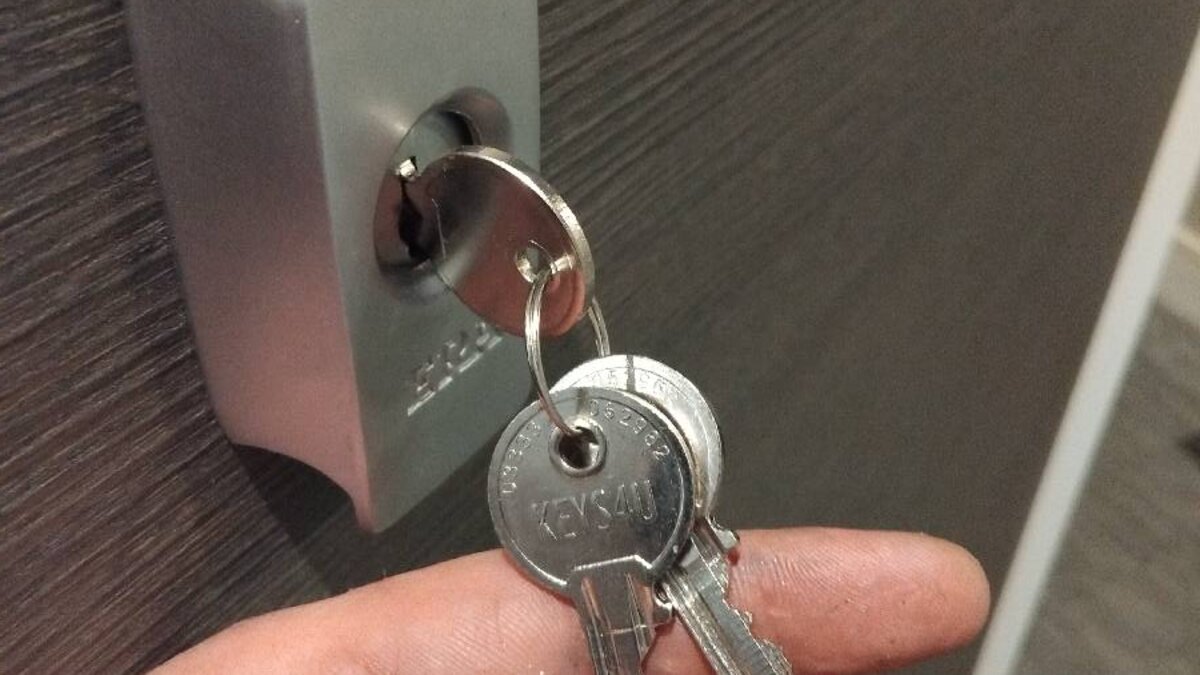
Everything Lettings Ltd instructed All Services 4U to attend the flat in Edgware. The tenant had left their keys inside the property and was locked out. The agent’s protocol was specific: the locksmith was to take photographs on site, call the agent from the property on a designated mobile number to obtain details for accessing a spare key, let the tenant in, and then return the keys.
The Attendance and Adaptation
Our locksmith, Mirca Edi, attended the flat at Middlesex House on Spring Villa Road. On arrival, the locksmith followed the agent’s protocol and called the designated contact, Sean, as instructed. No answer was received.
At this point, the locksmith faced a decision. The tenant was locked out, the agent was unreachable, and the spare key access route was unavailable. Waiting indefinitely for a callback was not a viable option for the tenant. The locksmith assessed the situation and proceeded with a professional entry:
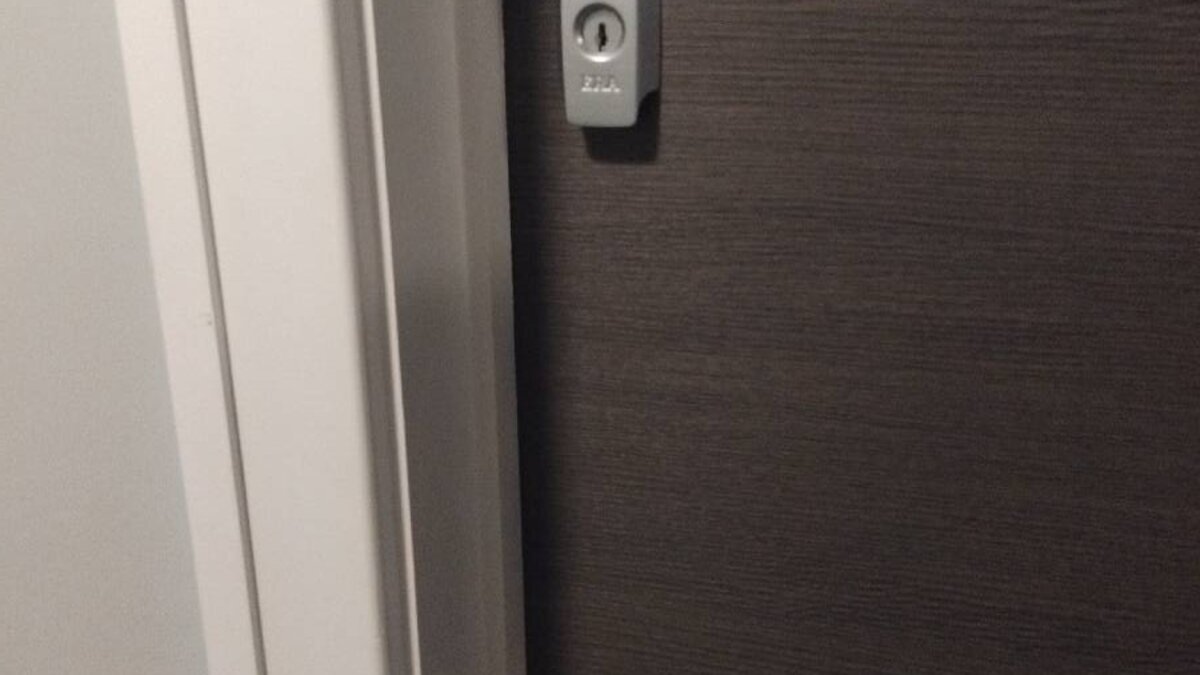
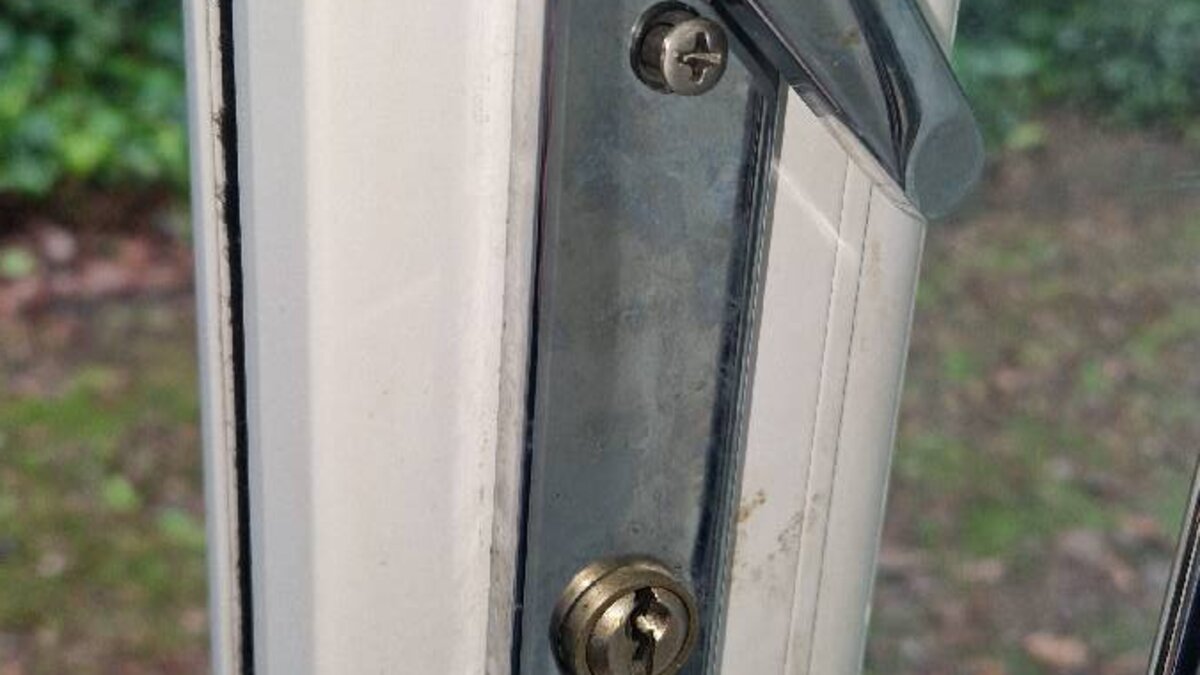
- Lock assessment — The existing lock was identified as a heavy-duty unit. Non-destructive entry techniques were evaluated against the lock type and condition.
- Entry gained — The locksmith gained access through the heavy-duty lock. The specific technique employed was selected to achieve entry while maintaining the integrity of the door itself.
- Lock replacement decision — Because the lock had been opened through bypass rather than with the original key, its security integrity could no longer be guaranteed. A new lock was required to restore the property to a secure state.
- New lock supplied and fitted — A replacement lock was installed on site. The new lock was selected to provide equivalent or improved security to the original unit, in accordance with BS EN 1303 (cylinder lock requirements) and BS 3621 (thief-resistant lock specification).
- Keys provided — Three new keys were supplied with the replacement lock, ensuring the tenant had immediate access and a spare.
- Testing and handover — The new lock was tested from both sides of the door and confirmed fully operational. The property was left securely locked.
Common Lockout Scenarios and Resolution Approaches
Letting agents and property managers handle lockouts regularly. Understanding the common scenarios helps set appropriate expectations for response:
| Scenario | Resolution Approach | Typical Outcome |
|---|---|---|
| Keys left inside; spare available | Retrieve spare key from key safe or office | Tenant let in; no lock change needed |
| Keys left inside; no spare available | Gain entry through existing lock; replace lock | Tenant let in; new lock and keys provided |
| Keys lost outside the property | Gain entry; replace lock for security | New lock fitted; old keys rendered void |
| Lock jammed with key inside | Extract key or bypass lock; assess for replacement | May require lock replacement if damaged |
| Tenant locked out by broken mechanism | Diagnose and repair or replace mechanism | Full mechanism replacement may be needed |
| Agent unreachable for spare key protocol | Locksmith gains entry and replaces lock | As in this case |
In every scenario where a lock is opened by a locksmith rather than by the original key, the question of whether to replace the lock must be considered. If the lock has been compromised by the entry method, replacement is the only responsible course of action to maintain the property’s security.