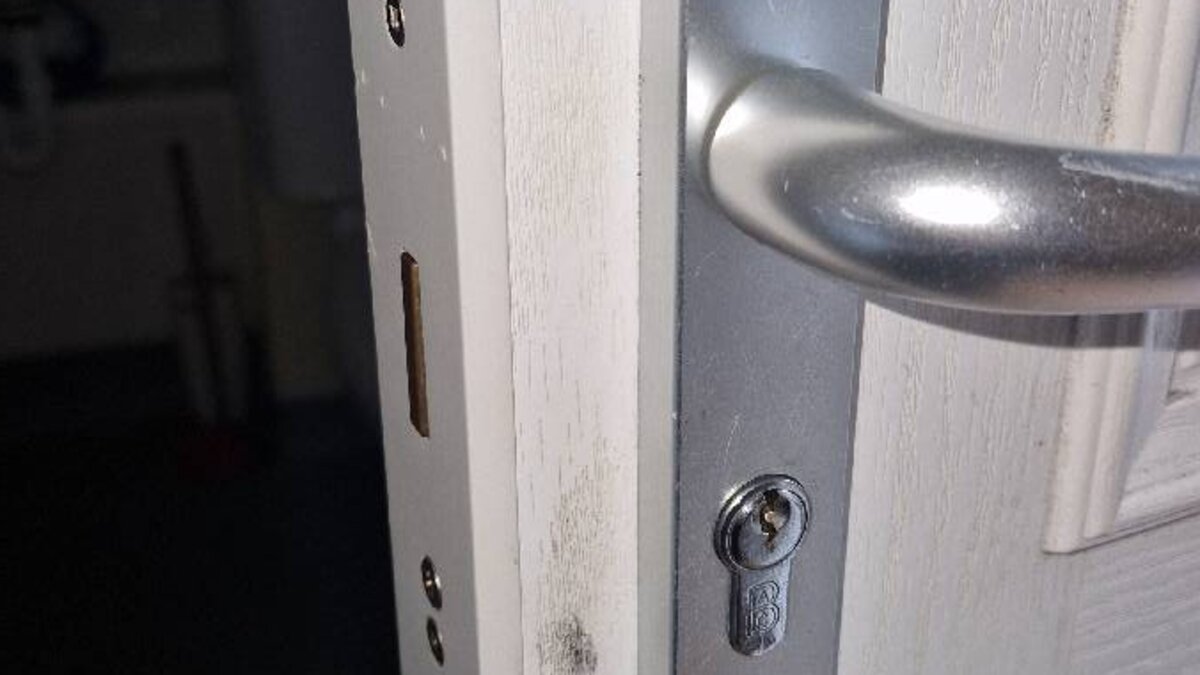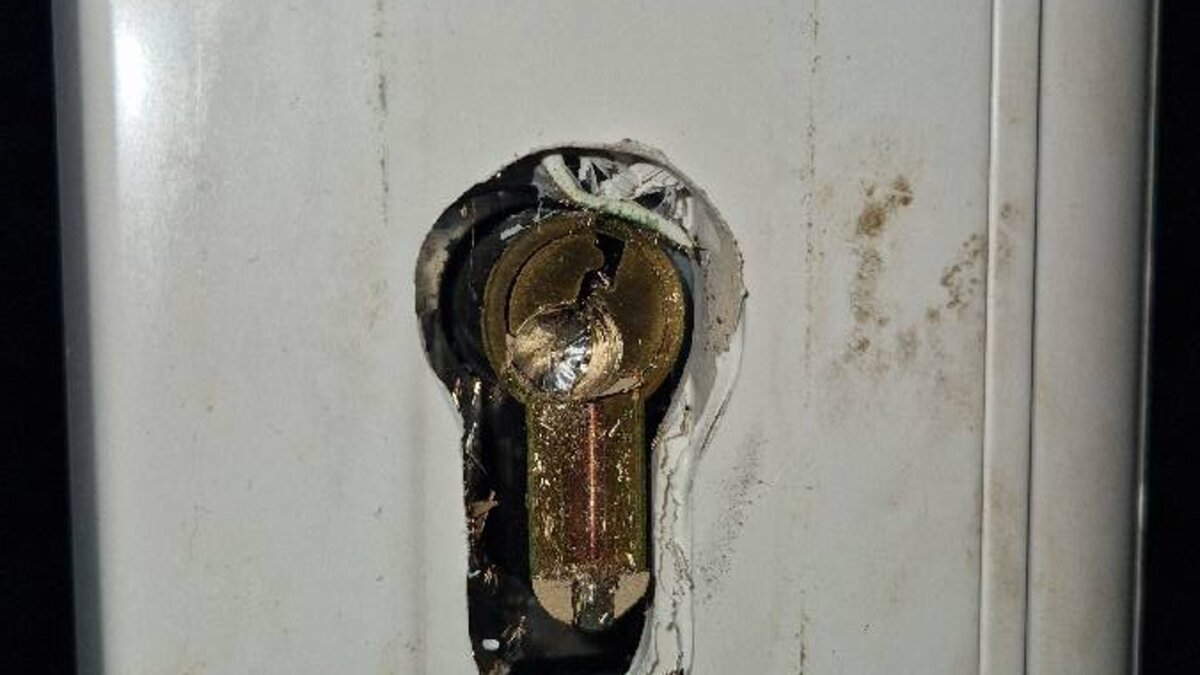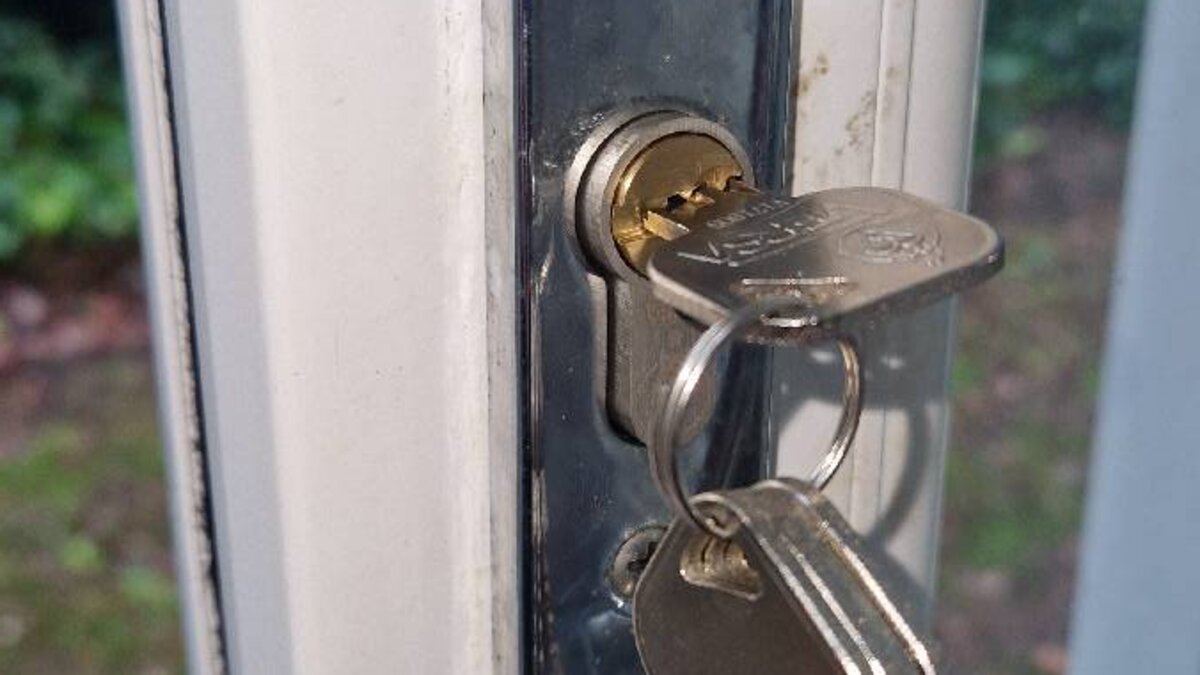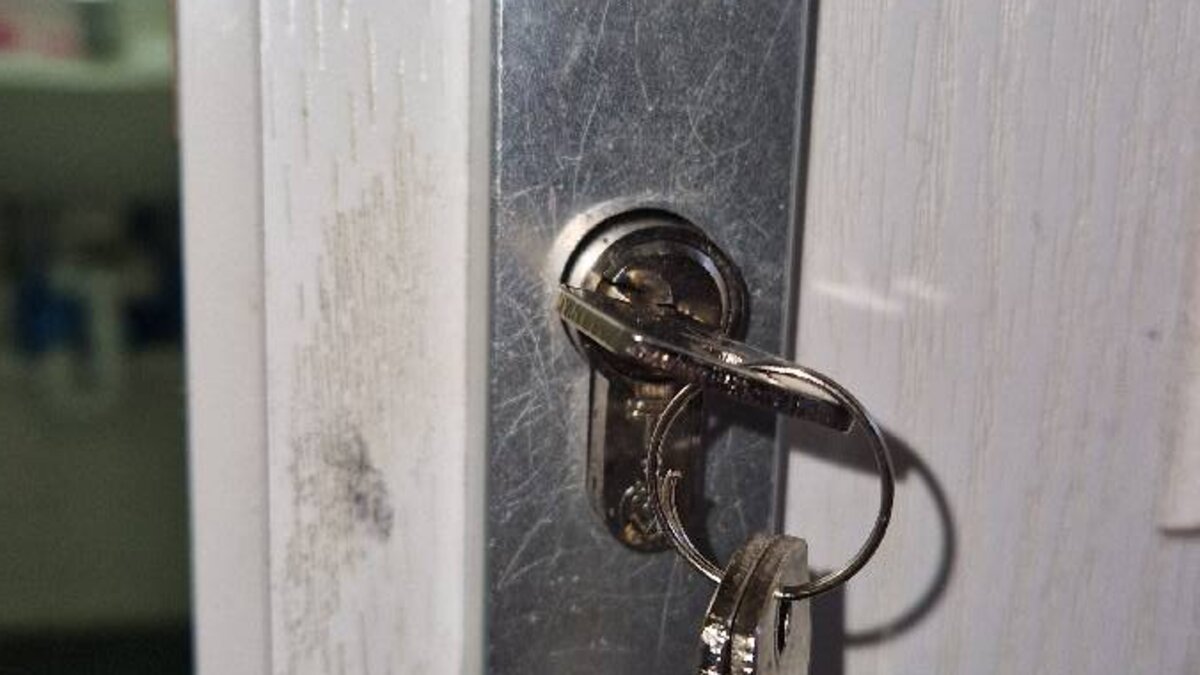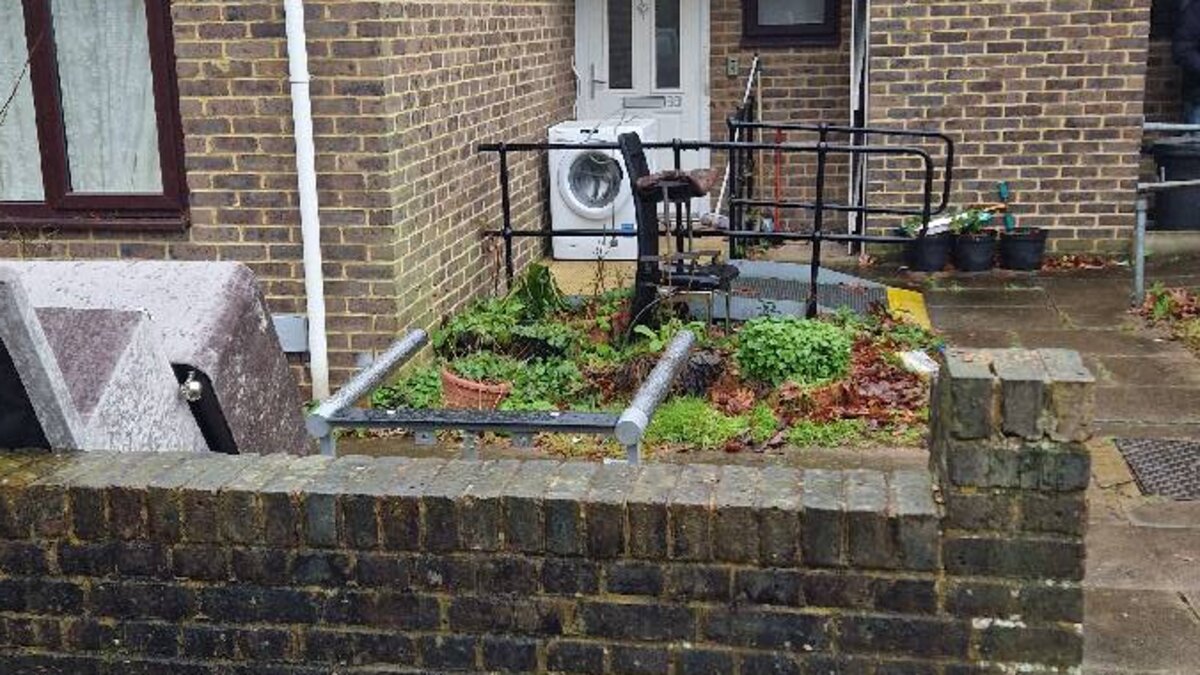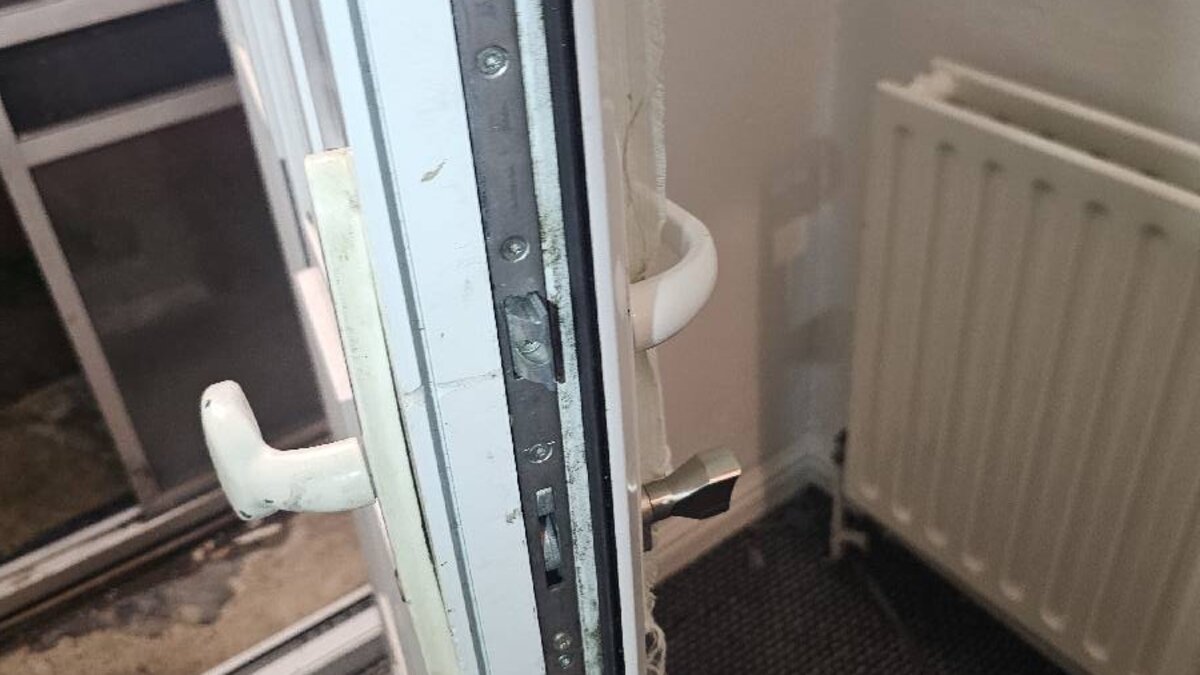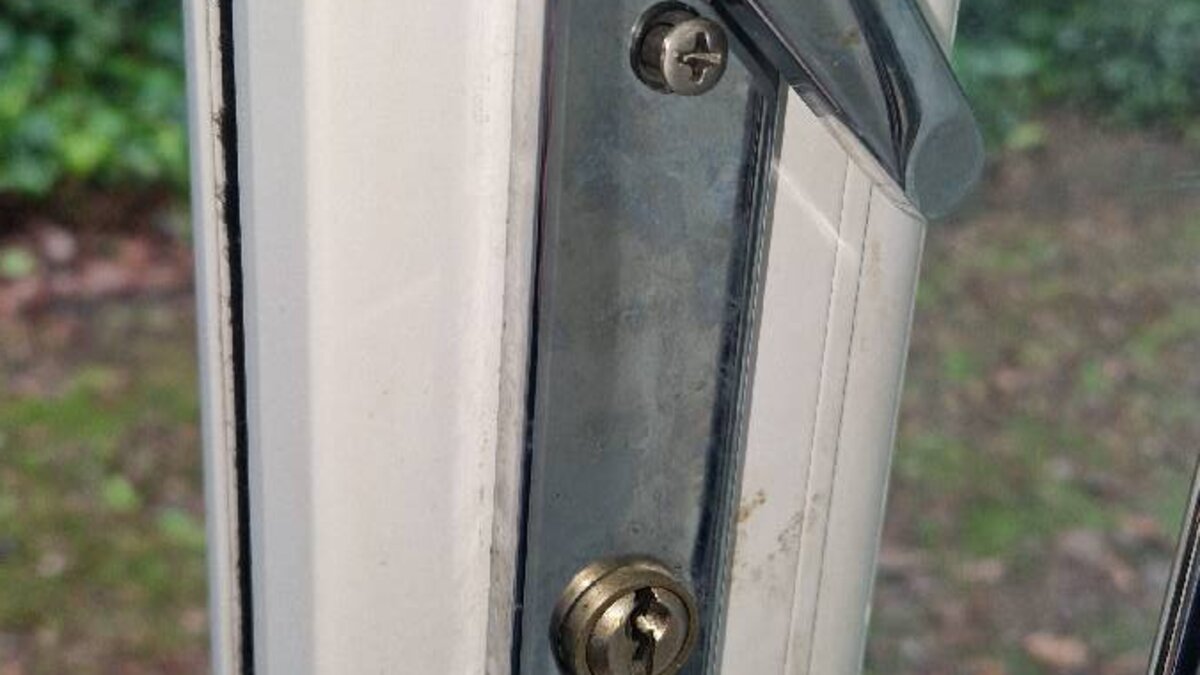
Eviction lock changes differ fundamentally from standard locksmith callouts. The locksmith is not acting on behalf of the property occupant but under the authority of a court order, typically a warrant of possession issued under the Housing Act 1988 (for assured shorthold tenancies) or the Protection from Eviction Act 1977. The locksmith’s role begins only after the bailiff has formally executed the warrant — whether the occupant opens the door voluntarily or the bailiff authorises forced entry.
This distinction matters because changing locks on an occupied property without proper legal authority constitutes an offence under Section 1 of the Protection from Eviction Act 1977, which makes it illegal to unlawfully deprive a residential occupier of their occupation. The locksmith must therefore be certain that the bailiff is present, the warrant is being executed, and their actions fall within the scope of the legal process.
Two scenarios are typically prepared for. In the first, the occupant opens the door to the bailiff, at which point the locksmith enters and changes the locks after the occupant has vacated. In the second, there is no response and the bailiff authorises the locksmith to gain entry — using non-destructive methods where possible — followed by lock replacement once the property is secured. In both cases, new keys are handed exclusively to the authorised client representative on site, never to any other party.
The Requirement
The instructing contractor specified attendance at 13:10 on 15 January 2026 to support a scheduled eviction. The locksmith was briefed on both scenarios: cooperative entry if the tenant opened the door, or forced entry if there was no response. In either case, all locks were to be changed and new keys provided to the client representative present on site.
Timing is critical in eviction attendance. The bailiff operates to a scheduled appointment and may have multiple properties to attend that day. A locksmith who arrives late can cause the entire process to be postponed — incurring further costs and extending the period of uncertainty for all parties.
The Works — Step by Step
Our locksmith arrived at 13:03, seven minutes ahead of the scheduled time, ensuring readiness before the bailiff commenced proceedings.
Step 1 — Bailiff Coordination: The locksmith confirmed attendance with the bailiff and client representative, establishing the chain of authority and confirming the scope of works required.
Step 2 — Entry: Access was gained to both doors at the property. The job notes confirm successful entry to both access points, indicating the property had a front door and an internal or secondary door requiring attention.
Step 3 — Lock Removal: Existing lock cylinders and mechanisms were removed from both doors. In eviction scenarios, the existing hardware is typically retained briefly to confirm the specification of replacement units before being disposed of or handed to the client as appropriate.
Step 4 — New Lock Installation: Replacement locks were fitted to both doors. The new cylinders were selected to meet the security specification appropriate to the property type — residential properties typically require locks conforming to BS 3621 for insurance compliance.
Step 5 — Testing and Verification: Each new lock was tested for smooth operation from both inside and outside, confirming correct key operation, latch engagement, and deadlock throw. Door alignment was verified to ensure the locks operated without binding or excessive force.
Step 6 — Key Handover: All new keys were handed directly to the client representative on site. No keys were retained by the locksmith, and no copies were made — maintaining the strict chain of custody that eviction lock changes require.
The locksmith departed at 14:50, with total on-site duration of one hour and forty-seven minutes including both doors.
Common Issues in Eviction Lock Changes
| Issue | Risk | Mitigation |
|---|---|---|
| Locksmith arrives after bailiff | Eviction postponed; additional costs | Attend minimum 10 minutes early |
| Internal locks reinforced by occupant | Delayed entry; potential door damage | Carry full forced-entry toolkit |
| Non-standard lock types fitted | Replacement stock may not match | Carry range of euro, oval, and rim cylinders |
| Secondary access points overlooked | Property not fully secured | Survey entire property with bailiff before departing |
| Keys handed to wrong party | Security breach; liability exposure | Confirm identity of authorised representative |
| Door frame damage from forced entry | Property not securable after entry | Carry temporary securing materials; report to client |