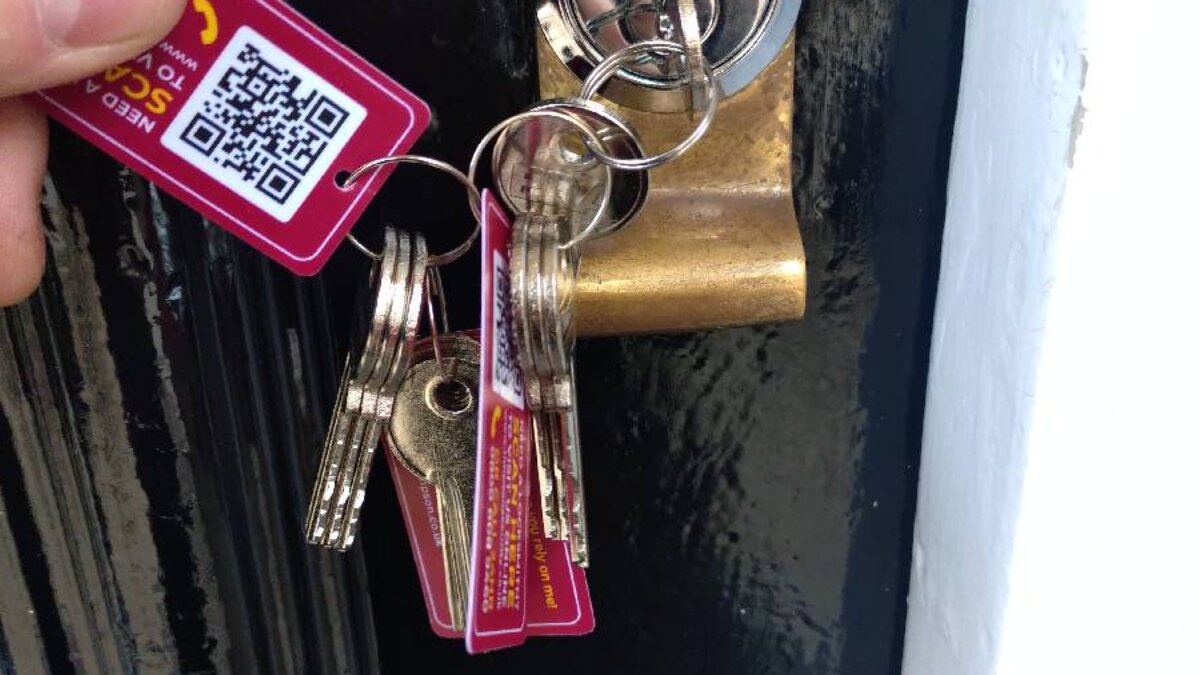
Communal Door Lock Replacement: Restoring Building Security at a Residential Block in Earl’s Court

Case Study
Earl's Court, London SW5 (Earl's Court Square)
The communal entrance door of a residential block is the first line of security for every occupant in the building. When that lock fails, it is not a single tenant who is affected — every flat in the block is exposed to unauthorised access. At a residential block in Earl's Court Square, the housing provider instructed a locksmith to replace the communal door lock and supply extra keys to the resident of one of the flats. All Services 4U attended, completed the lock replacement, tested all keys, supplied additional keys as instructed, and obtained resident sign-off — all within a single visit of just over one hour.
Communal Door Lock Replacement: Restoring Building Security at a Residential Block in Earl's Court - image-03.jpeg

Understanding the Risk

Communal door locks in residential blocks serve a fundamentally different security function from individual flat locks. A flat lock protects one dwelling; a communal door lock protects the entire building. When the communal lock fails — whether through mechanical deterioration, vandalism, key proliferation, or simply reaching end of life — the security of every resident is compromised simultaneously. Unauthorised individuals can enter the communal areas, access post and parcels, tamper with utility installations, and potentially gain access to individual flats through secondary doors that may have less robust security.

Under the Regulatory Reform (Fire Safety) Order 2005, the responsible person — typically the landlord, freeholder, or managing agent — has a duty to maintain fire safety provisions in communal areas. A communal entrance door is a critical component of the building’s fire strategy: it must be capable of being opened for escape without a key (from the inside) while preventing unauthorised entry (from the outside). A failed lock can compromise both functions. Building Regulations Approved Document B (Fire Safety) reinforces requirements for means of escape through communal areas, and a malfunctioning communal door undermines the building’s compliance with these provisions.

The Landlord and Tenant Act 1985, Section 11, requires landlords to maintain the common parts of the building, including communal entrance doors and their locking mechanisms. For blocks with multiple leaseholders, the service charge provisions of the Landlord and Tenant Act 1985 allow the cost of communal lock maintenance to be recovered as part of the building’s general maintenance expenditure. Failure to maintain communal door security can expose the landlord or managing agent to claims from residents whose flats are burgled or whose personal safety is compromised due to unrestricted building access.

The Requirement

The housing provider instructed All Services 4U via the Plentific platform to attend the residential block at Earl’s Court Square and replace the communal door lock. Additional keys were to be supplied to the resident of Flat C. A site contact, Amy, was identified for coordination on arrival.

The Works Completed

Our locksmith, Craig, attended the block at 13:39 and carried out the following scope of work:

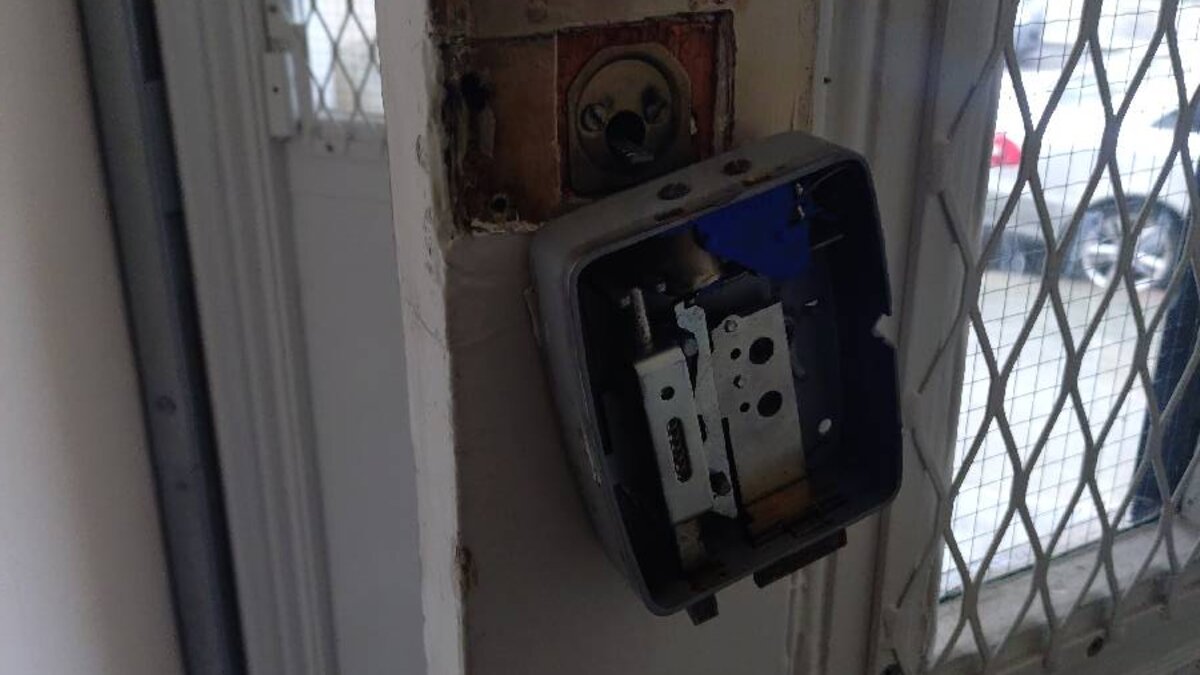
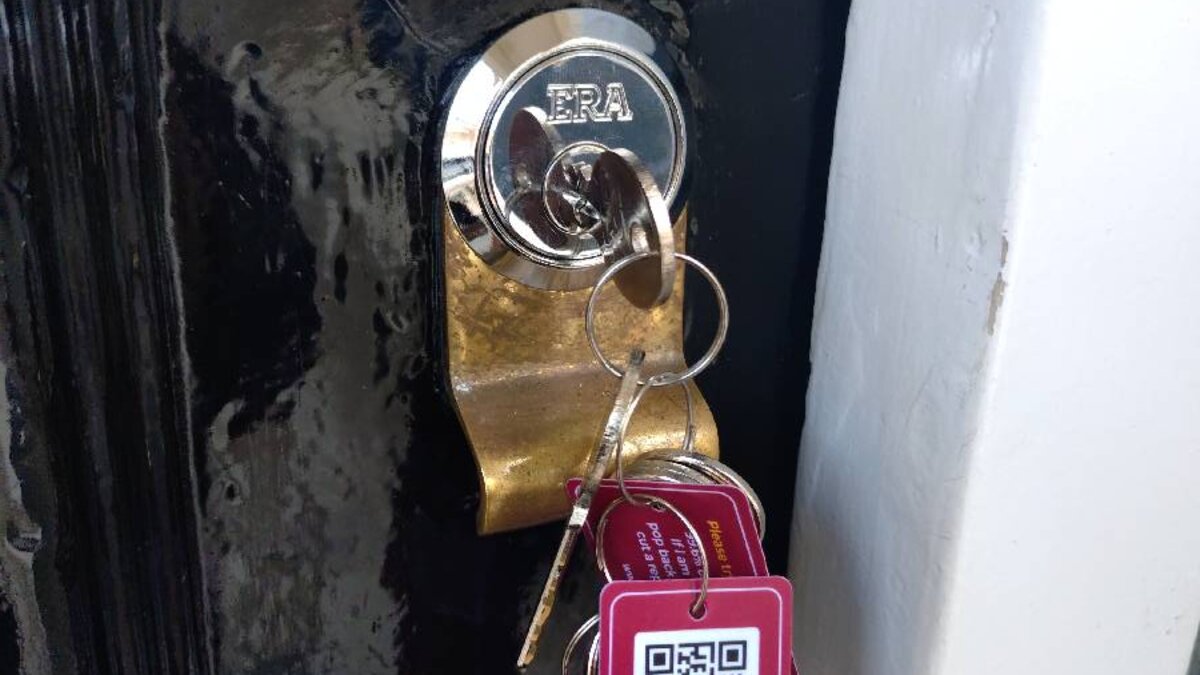
  1. Existing lock removal — The failed communal door lock was removed from the door. The locksmith assessed the door preparation (cutout, backset, and fixing positions) to confirm compatibility with the replacement unit.
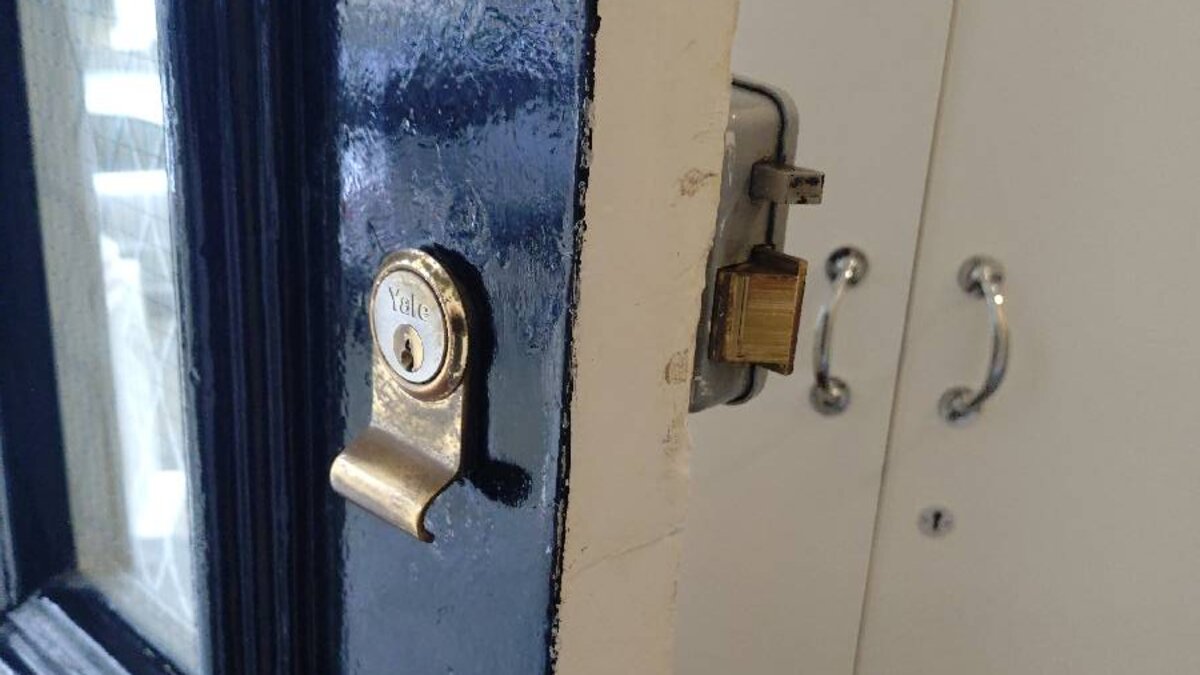
  1. New lock installation — A replacement communal door lock was supplied and fitted. The lock was selected to provide appropriate security for a communal entrance application, balancing resistance to forced entry with ease of operation for residents — including elderly or less mobile occupants, in accordance with Building Regulations Approved Document M (Access to and Use of Buildings).
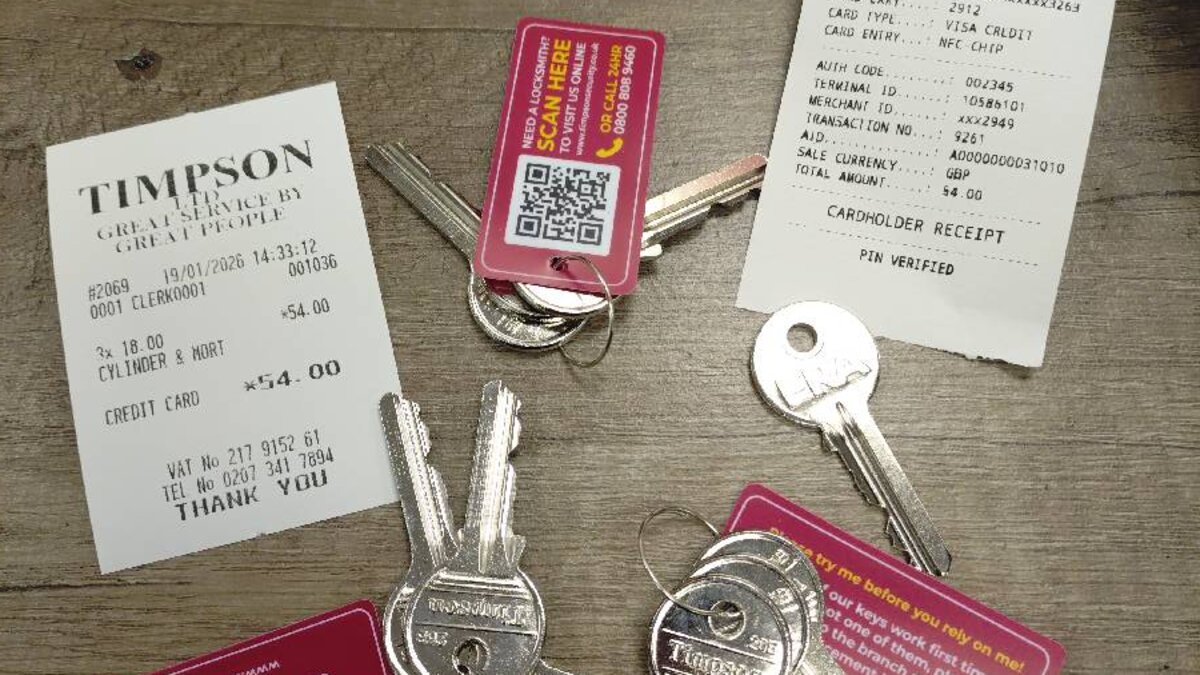
  1. Key cutting and supply — A full set of keys was provided for the new lock. In addition, extra keys were cut and supplied specifically for the resident of Flat C, as instructed by the housing provider.
  1. Key testing — Every key supplied was tested individually in the new lock to confirm smooth operation from both sides of the door. All keys were confirmed working correctly.
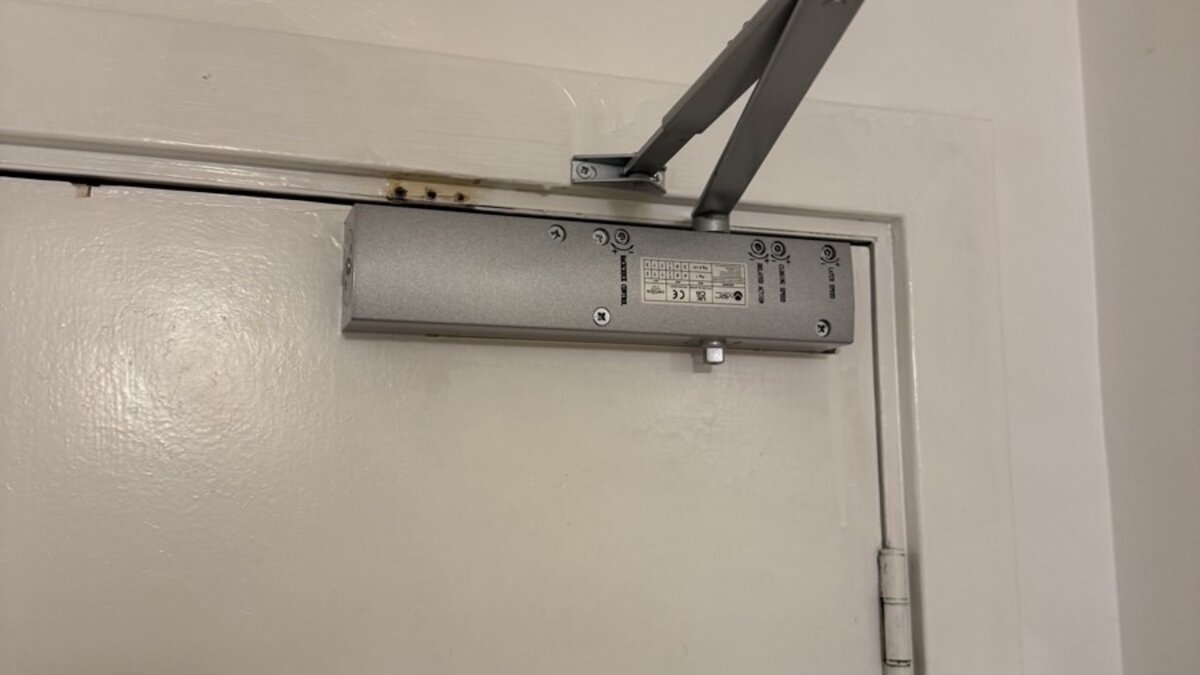
  1. Door operation check — The communal door was tested for correct closing, latching, and locking function. The lock was verified to engage and disengage properly with all supplied keys.
  1. Resident sign-off — The resident confirmed satisfaction with the completed work and signed off on the job, providing documented evidence of acceptance.

The locksmith departed at 14:55, having completed the full scope within approximately 75 minutes on site.

Common Communal Door Lock Issues

Managing agents and housing providers should be aware of the range of issues that affect communal door locks and the appropriate response for each:

Issue Cause Impact Resolution
Lock does not engage when door closes Worn latch or misaligned strike plate Door does not self-secure; building open to anyone Adjust strike plate or replace lock
Key difficult to turn or sticking Internal wear, corrosion, or poor key copies Residents unable to enter; risk of key breakage Lubricate or replace cylinder/lock
Lock cylinder spinning freely Retaining screw failure or internal breakage Lock inoperable; building unsecured Replace lock immediately
Excessive number of key copies in circulation No key control over building’s lifetime Unknown individuals hold keys; security void Replace lock; implement key control
Electric release (intercom) not engaging Wiring fault, strike misalignment, or power failure Residents cannot buzz visitors in Diagnose intercom/electric strike system
Door not closing fully due to door closer failure Worn or misadjusted door closer Building entrance left open Adjust or replace door closer

For residential blocks, communal door lock replacement should be accompanied by a key audit — determining how many keys are in circulation, who holds them, and whether any former residents retain copies. If key control has been lost, replacing the lock and issuing a controlled number of new keys is the most effective way to restore security.
Compliance and Documentation

Requirement Regulation / Standard Application to This Case
Cylinder lock specification BS EN 1303 Replacement cylinder meets security and durability grading requirements
Thief-resistant lock standard BS 3621 Communal door lock meets the recognised standard for resistance to forced entry
Fire safety in communal areas Regulatory Reform (Fire Safety) Order 2005, Article 17 Communal door maintained as part of fire safety provisions; lock permits escape without key from inside
Means of escape Building Regulations Approved Document B Communal entrance forms part of escape route; lock must not impede evacuation
Accessible entry Building Regulations Approved Document M Lock operable by residents with varying mobility and dexterity
Common parts maintenance Landlord and Tenant Act 1985, s.11 Landlord obligation to maintain communal entrance and its locking mechanism
Resident notification and key issue Housing provider key management protocol Extra keys supplied to Flat C; resident sign-off obtained

Broader Context: Communal Door Security Management

Communal door lock replacement is not a one-off fix — it is part of an ongoing security management responsibility for the building. Housing providers and managing agents should consider the following as part of their communal security strategy:

Key control — When a communal lock is replaced, the opportunity should be taken to establish a controlled key register. Every key issued should be recorded, with the flat number and tenant name. At tenancy changeover, keys should be returned and accounted for. If the key count exceeds the controlled number, the lock should be flagged for replacement.

Restricted-profile cylinders — For blocks where key security is a recurring concern, restricted-profile cylinders prevent unauthorised key cutting. Keys can only be duplicated through the original supplier on production of a security card, giving the managing agent full control over key circulation.

Integrated access control — For larger blocks, electronic access control systems (key fobs, proximity cards, or coded entry) provide a higher level of key management than mechanical locks. Lost fobs can be deactivated without replacing the lock, and access logs provide an audit trail of entry activity.

Regular inspection — Communal door locks should be inspected at least annually as part of the building’s planned preventive maintenance programme. Signs of wear, difficulty in operation, or resident complaints should trigger proactive replacement rather than waiting for complete failure.

All Services 4U provides locksmith services for housing providers, managing agents, and social landlords, with capabilities including:

  • Communal door lock replacement for residential blocks, including key supply and distribution to affected residents
  • Platform integration — we accept instructions via Plentific, Fixflo, and other FM platforms used by housing providers
  • On-site resident coordination — our locksmiths liaise with site contacts and obtain resident sign-off as required
  • Key management advice — including restricted-profile cylinder recommendations and key register setup for blocks with security concerns
  • Fire safety awareness — our locksmiths understand the dual requirement for communal doors to resist unauthorised entry while permitting unimpeded escape in an emergency
  • Photographic documentation of completed work, supporting housing provider compliance records and resident communication

When to Replace a Communal Door Lock

Housing providers and managing agents should arrange communal lock replacement when any of the following conditions apply:

  • The lock has failed or is no longer engaging reliably
  • Residents report difficulty operating the lock with their keys
  • A key has been lost or stolen and key control has been compromised
  • A former tenant has not returned their keys at end of tenancy
  • The lock has not been replaced in over five years in a high-traffic building
  • The building has experienced unauthorised access or security incidents

Communal door security affects every resident in the building. All Services 4U provides responsive locksmith attendance for housing providers and managing agents — contact our team to arrange communal lock replacement, key supply, or a building security review.


Service Category: Locksmith — Communal / Residential Block
Location: Earl’s Court, London SW5 (Earl’s Court Square)
Sector: Social Housing / Residential Block
Contractor Reference: 1725518
Resolution/Outcome: Communal door lock replaced; extra keys supplied to Flat C; all keys tested and confirmed working; resident sign-off obtained
Response Time: Same-day attendance (weekend)
Duration: Approximately 75 minutes on site (13:39-14:55)
Reference: L4L-806064

All Service 4U Limited | Company Number: 07565878