A boiler is only as effective as the system it serves. Installing a new appliance onto pipework and radiators carrying accumulated magnetite sludge, limescale, and corrosion debris is comparable to fitting a new engine into a vehicle with blocked fuel lines. The boiler will fire, the pump will circulate, but the heat will not reach the rooms where it is needed.
In a nursery setting, this matters immediately. Building Regulations Approved Document Part L sets energy-efficiency requirements for new heating installations, and BS 7593:2019 provides the code of practice for treatment of water in domestic hot water central heating systems. BS 7593 is unambiguous: when a new boiler is installed, the existing system must be thoroughly cleaned — typically by power flushing — and treated with a corrosion inhibitor. Failure to do so can void the boiler manufacturer’s warranty and lead to premature failure of the new heat exchanger.
Beyond the technical considerations, the Gas Safety (Installation and Use) Regulations 1998 require that all gas appliances are installed by a Gas Safe registered engineer and that the installation is safe and fit for purpose. Building Regulations Approved Document Part J governs the requirements for combustion appliances, including flue termination, ventilation, and condensate disposal. For a nursery operating under Ofsted registration, the premises must also comply with the Workplace (Health, Safety and Welfare) Regulations 1992, which require adequate heating provision for the welfare of staff and children.
The Background
A previous visit under reference L4L-802438 had assessed the existing heating system and confirmed that the boiler had reached end of life. The nursery — Brightstar Day Nursery, operating from Morris House on Waltheof Gardens, N17 — was running on compromised heating, an unacceptable situation during the winter months when internal temperatures must be actively maintained above minimum thresholds.
The scope of works was agreed: supply and install a new boiler with all necessary ancillary components, carry out required pipework alterations, and commission the system to full operational status.
The Installation — Step by Step
Our heating engineer attended for a full-day installation, arriving at 09:34 and completing works at 16:03. The works proceeded through a structured sequence designed to minimise disruption to the nursery’s operating day.
Isolation and preparation. The existing boiler was isolated from the gas and water supplies. The system was drained down to allow removal of the old unit and preparation of the pipework for the new installation.
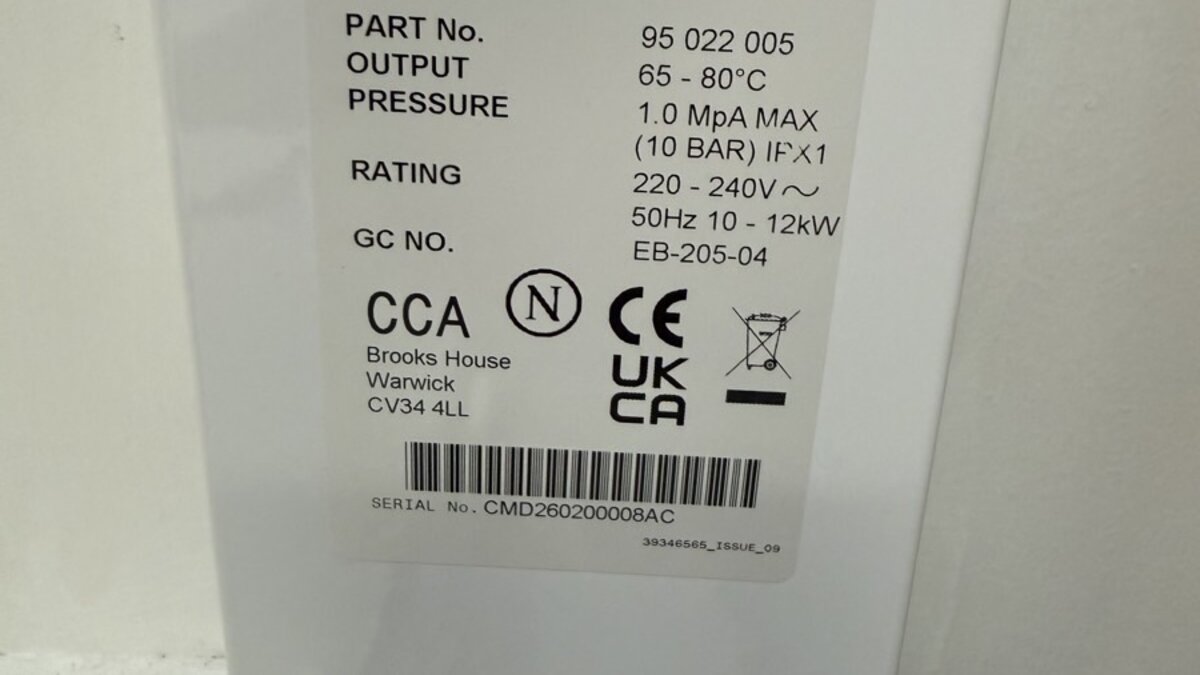
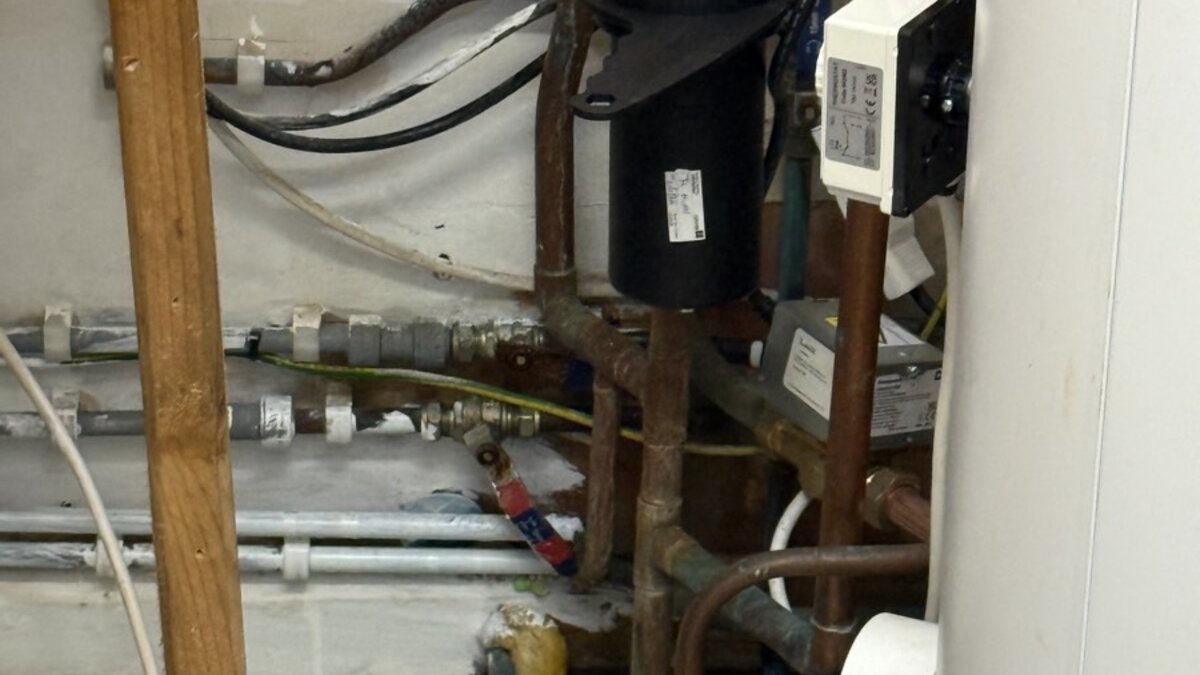
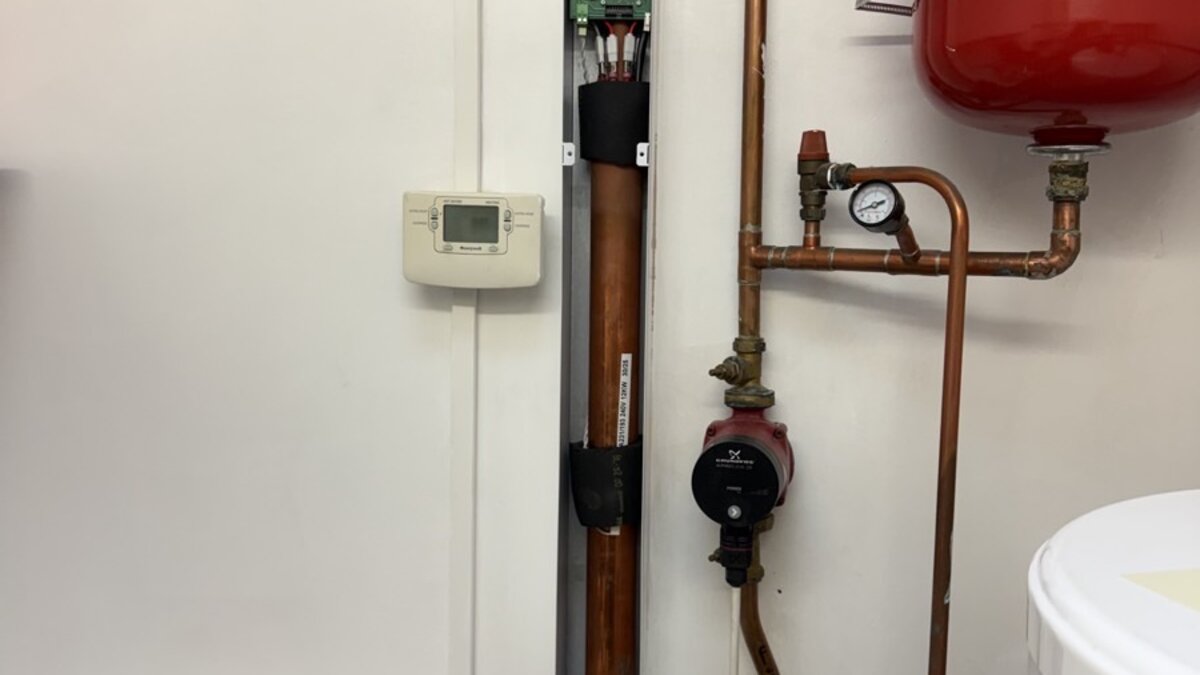
New boiler installation. The replacement boiler was mounted, connected to the gas supply, flue system, flow and return pipework, condensate drainage, and electrical supply. All connections were made in accordance with the manufacturer’s installation manual and relevant Building Regulations.
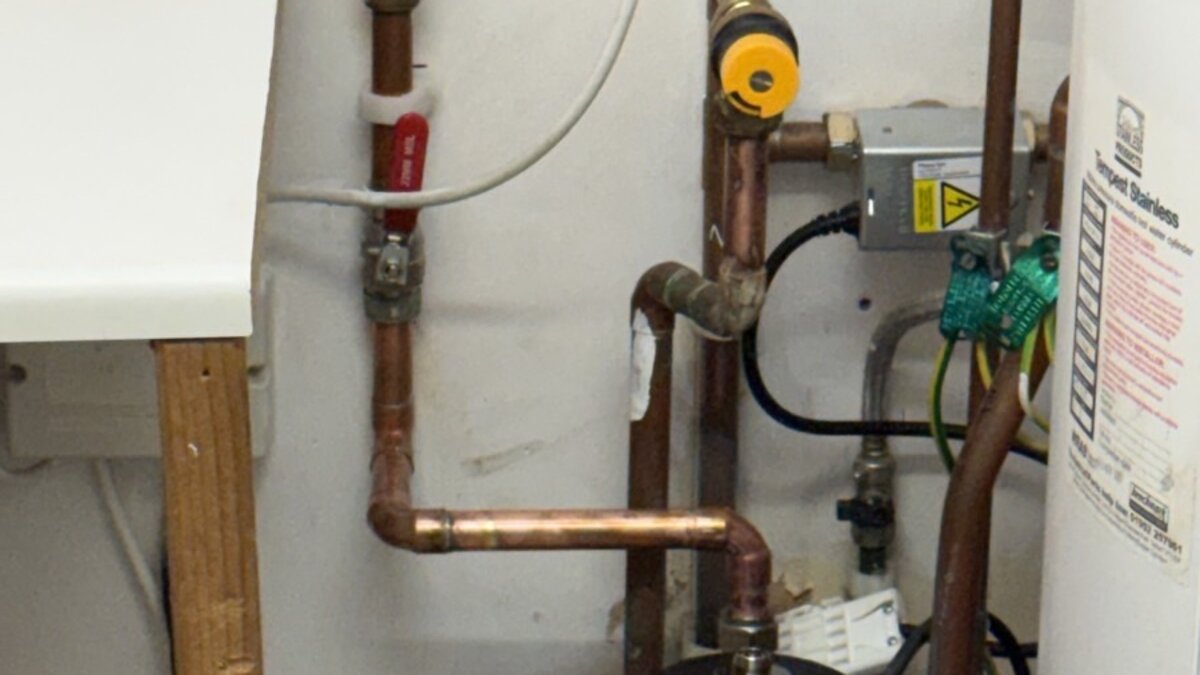
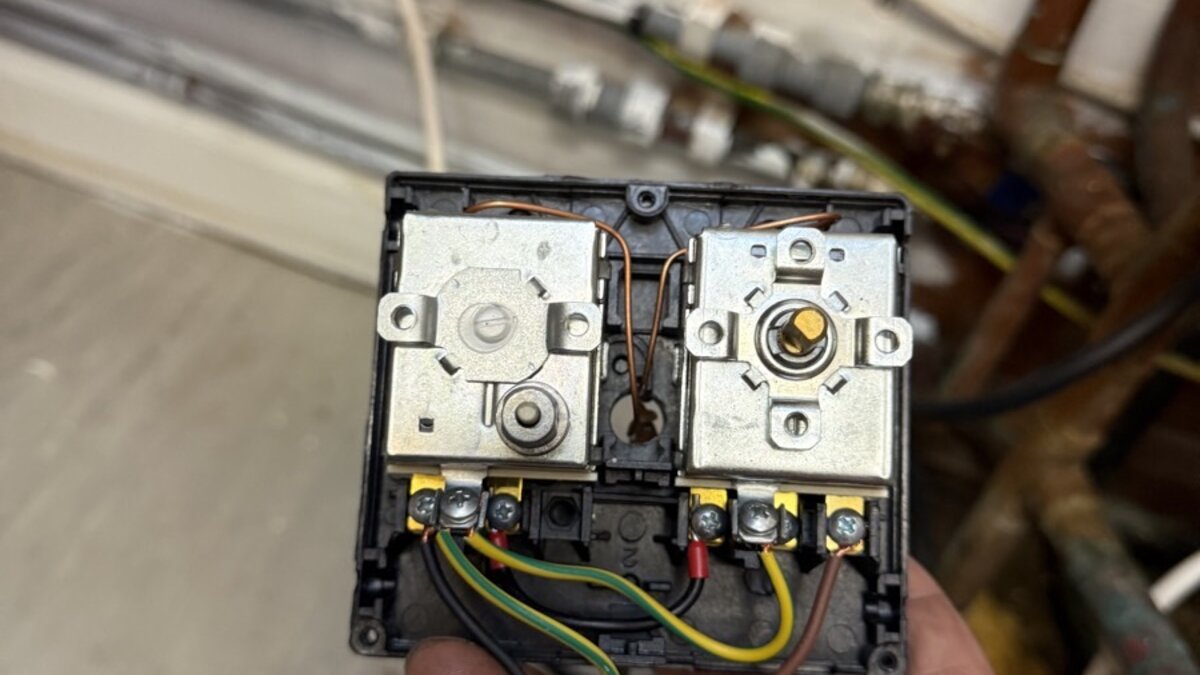
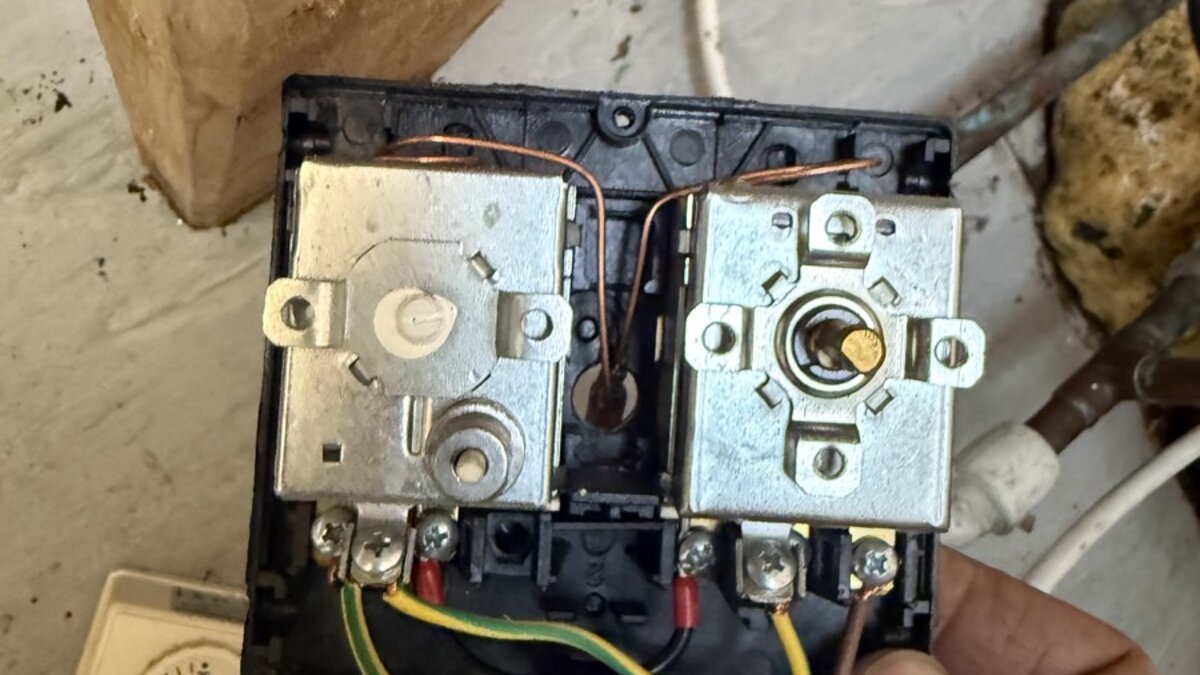
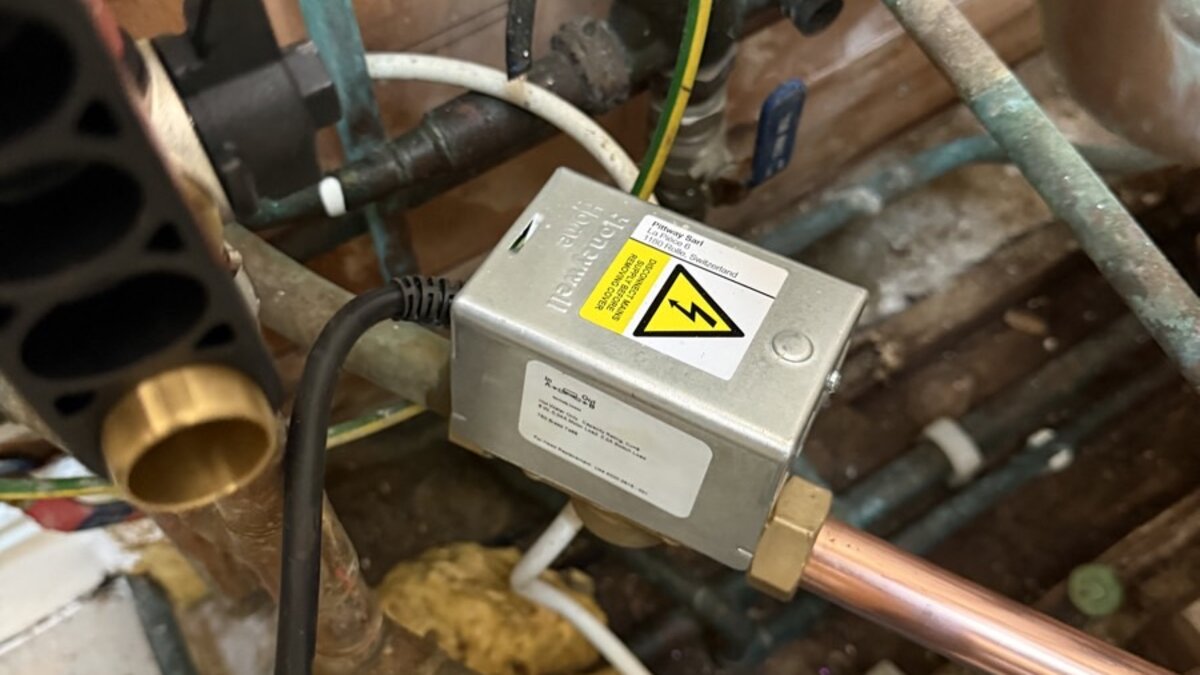
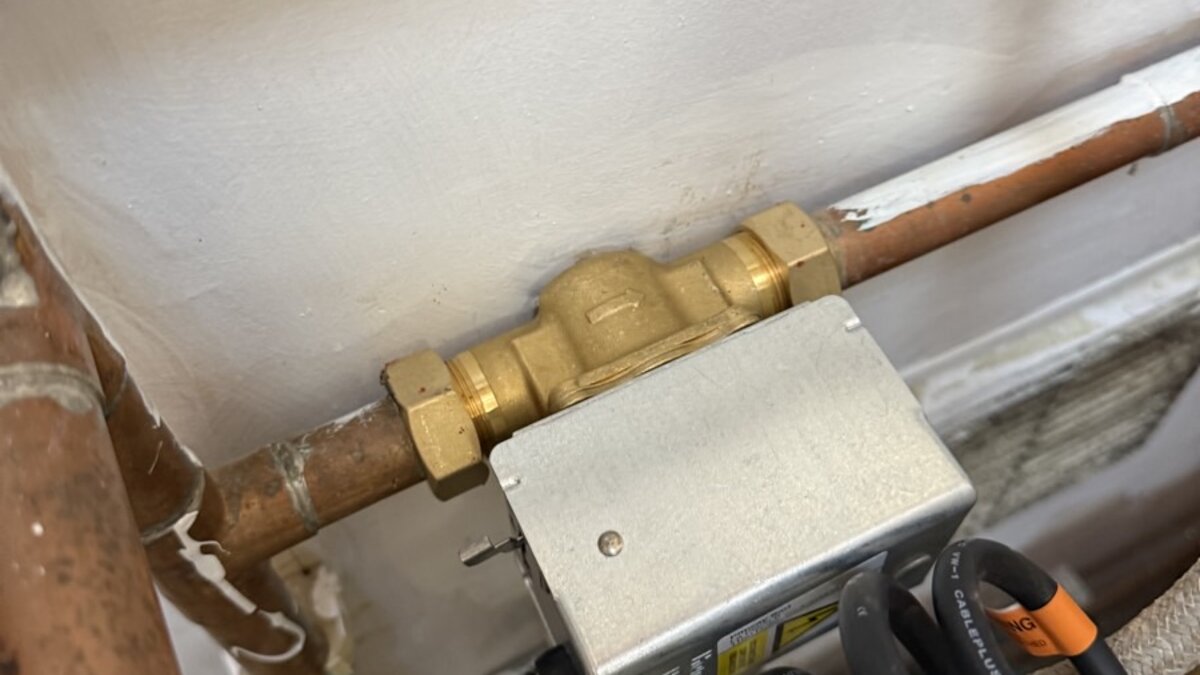
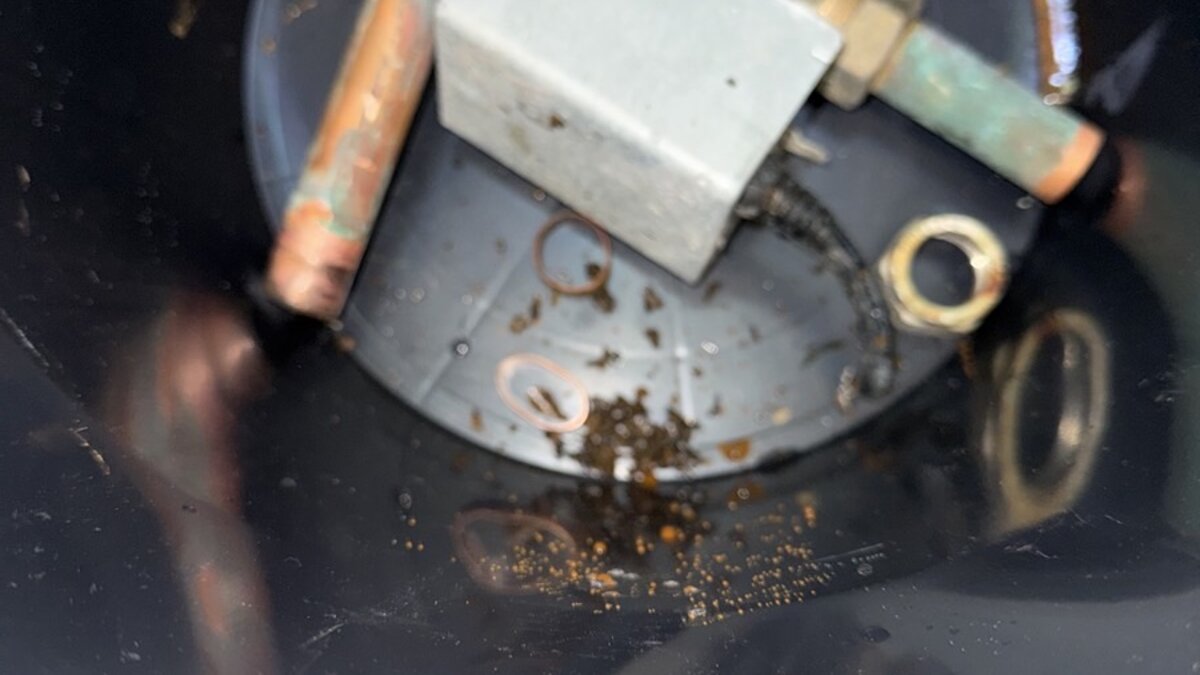
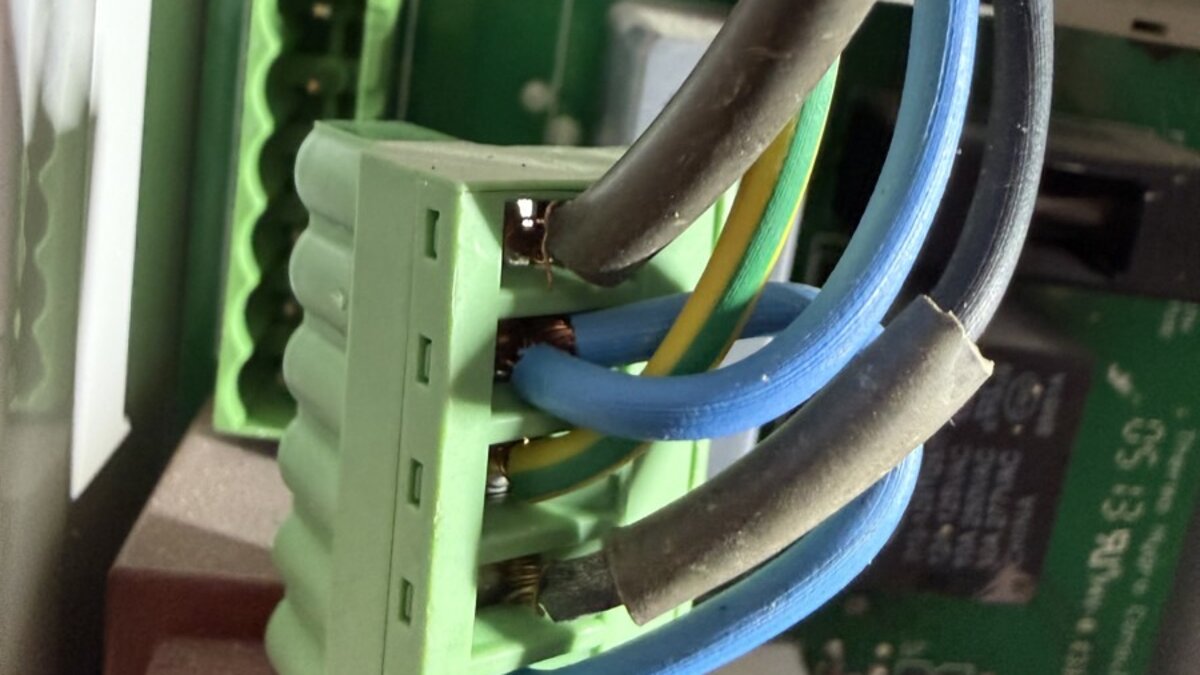
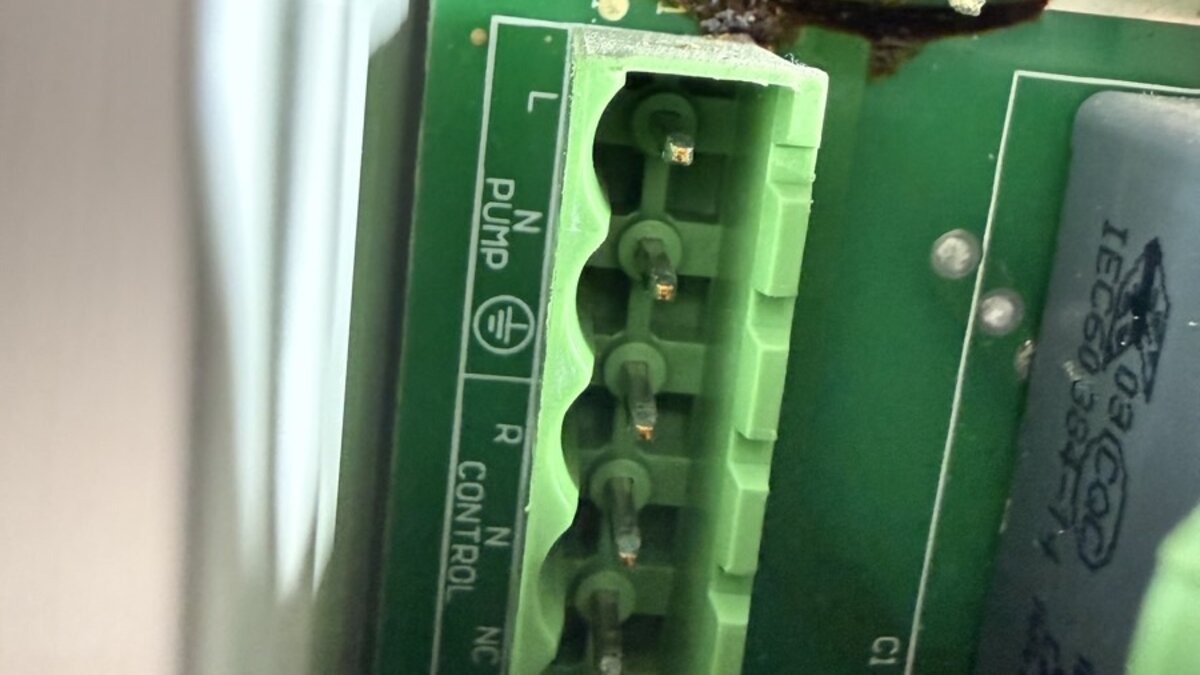
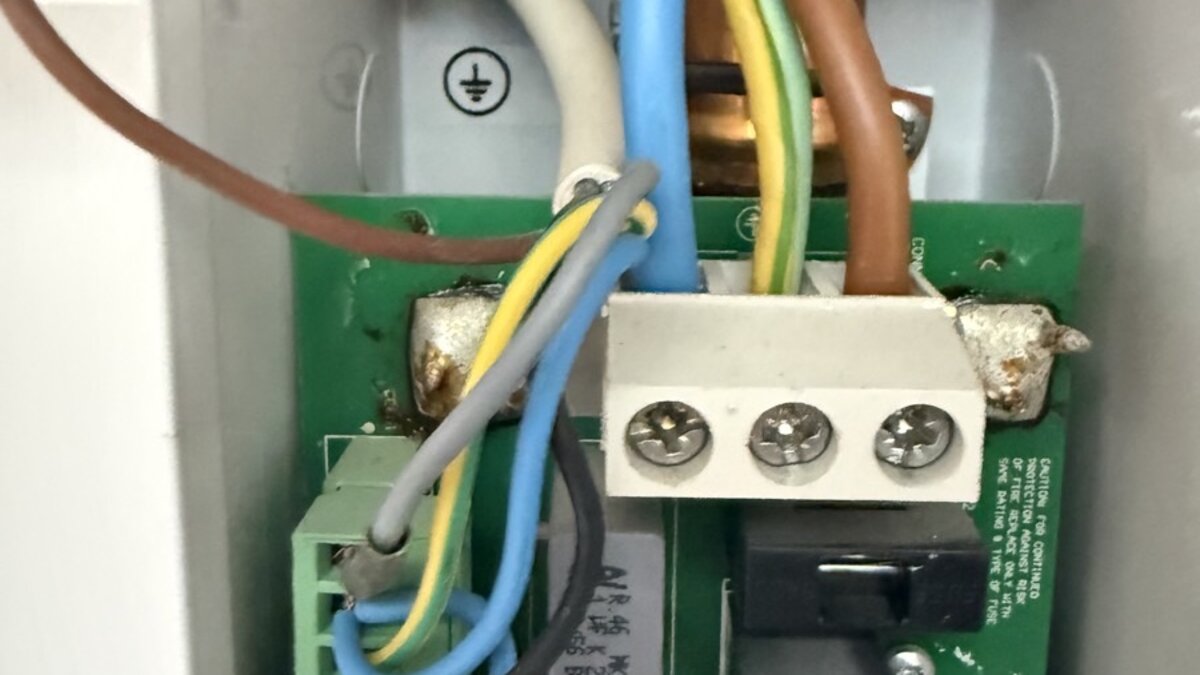
Motorised valve installation. Two motorised valves were fitted to provide independent zone control for heating and hot water circuits. Zone control is a requirement under Part L for new heating installations, ensuring that hot water and heating can be called for independently rather than running the entire system when only one service is needed.
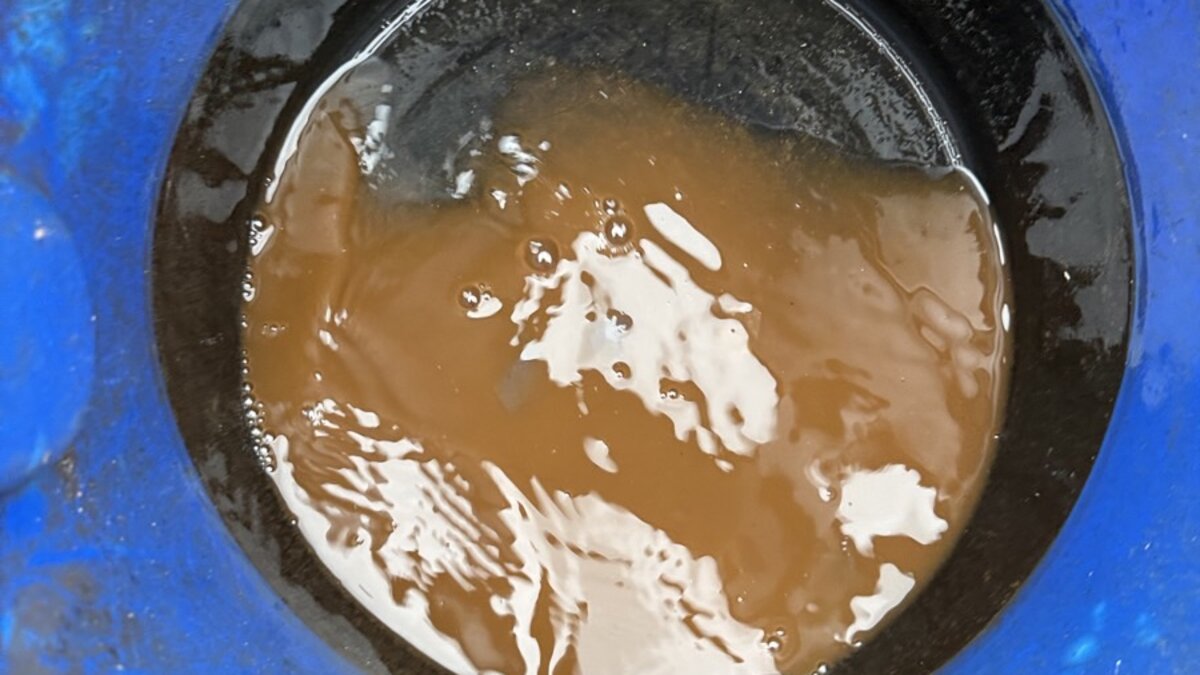
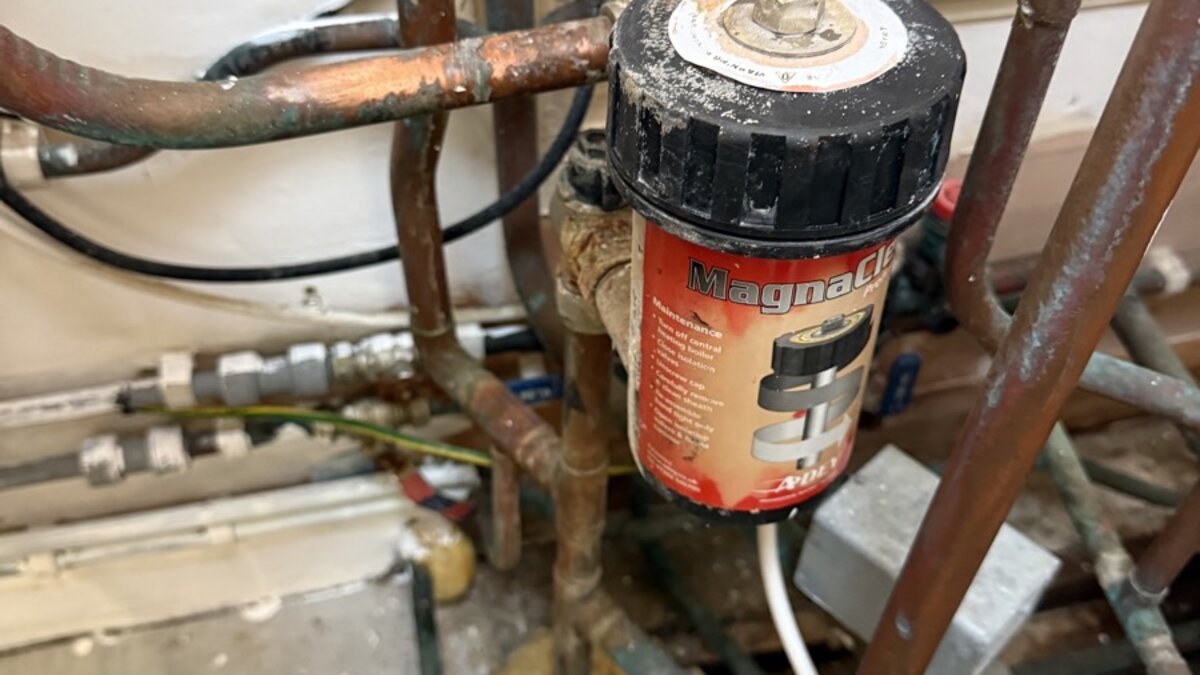
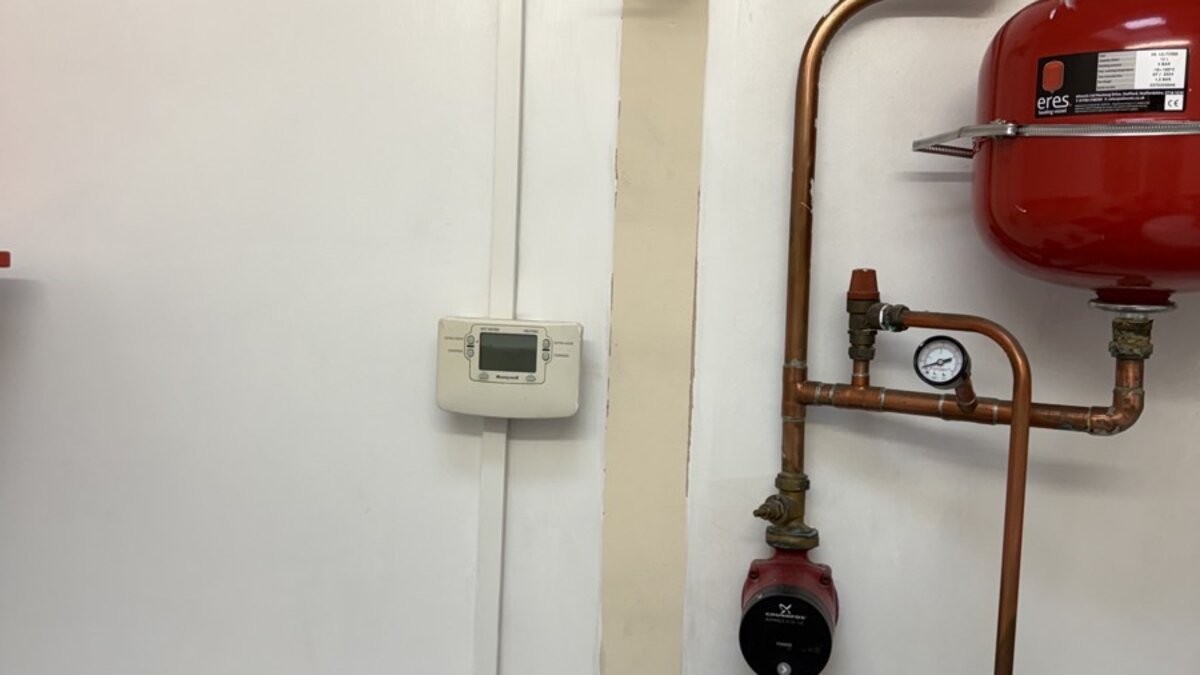
MagnaClean magnetic filter. A MagnaClean system filter was installed on the return pipework to protect the new boiler’s heat exchanger from circulating debris. Magnetic filtration captures magnetite particles — the black sludge that forms when water reacts with ferrous metals inside radiators and pipework — before they can enter and damage the boiler.
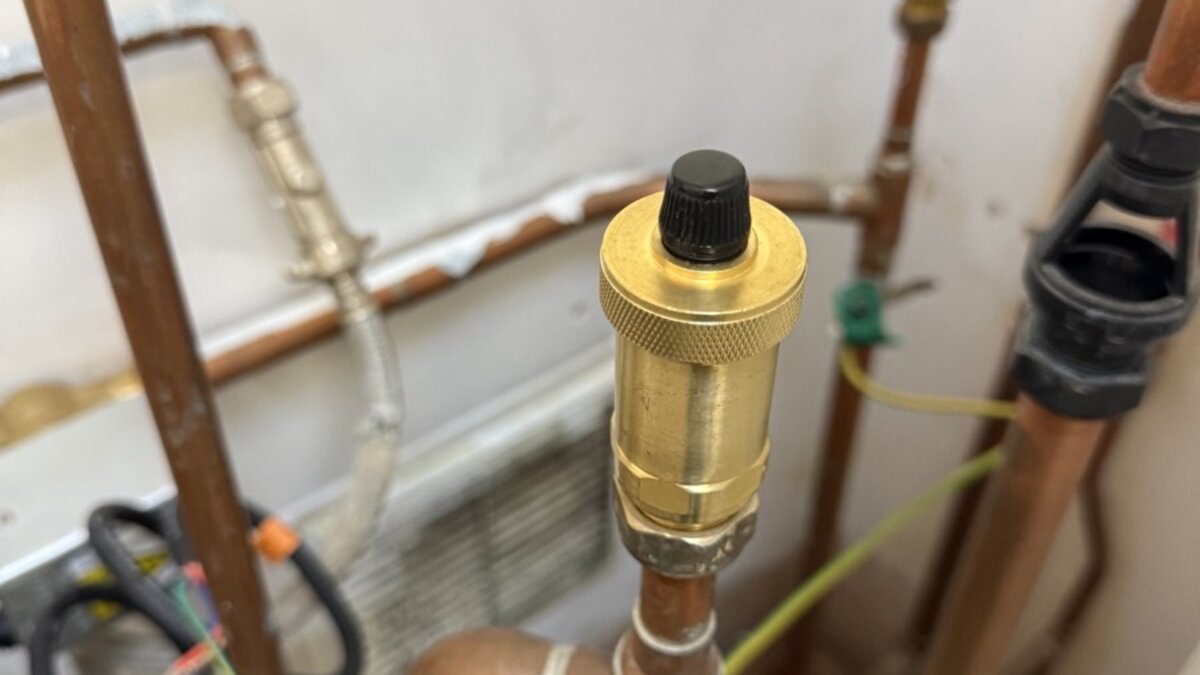
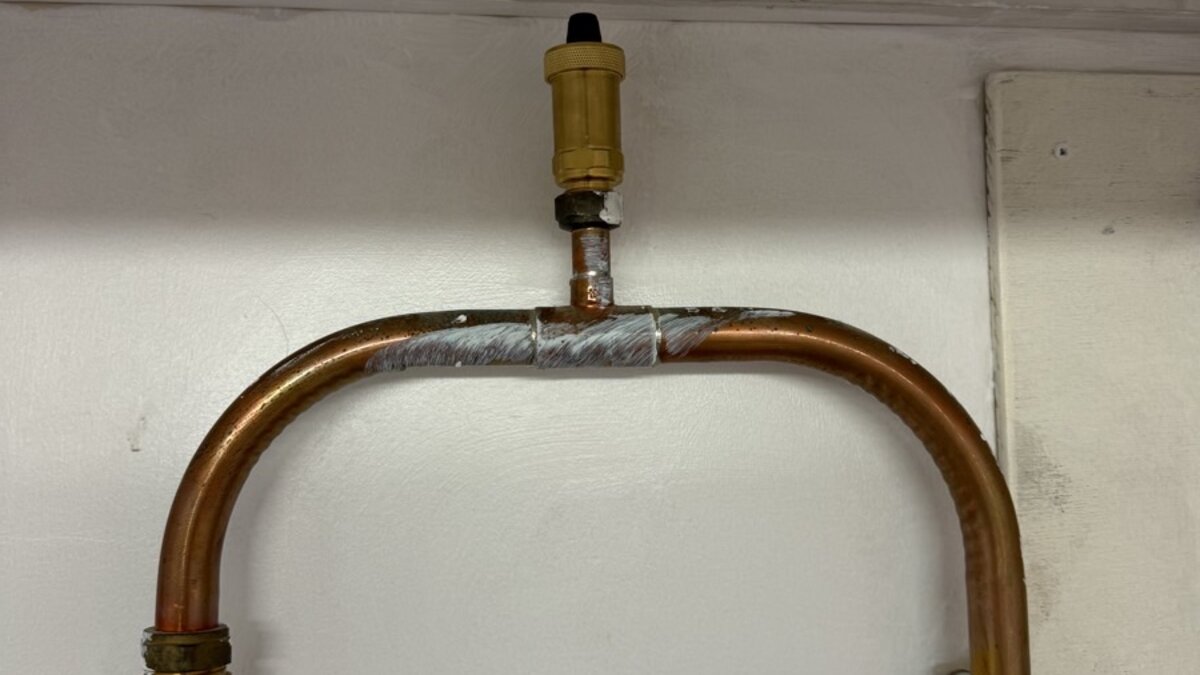
Automatic air vents. Two automatic air vents (AAVs) were installed at high points in the system to prevent airlocks. Trapped air in a heating system causes cold spots in radiators, increases pump noise, and accelerates corrosion by introducing oxygen into the sealed circuit.
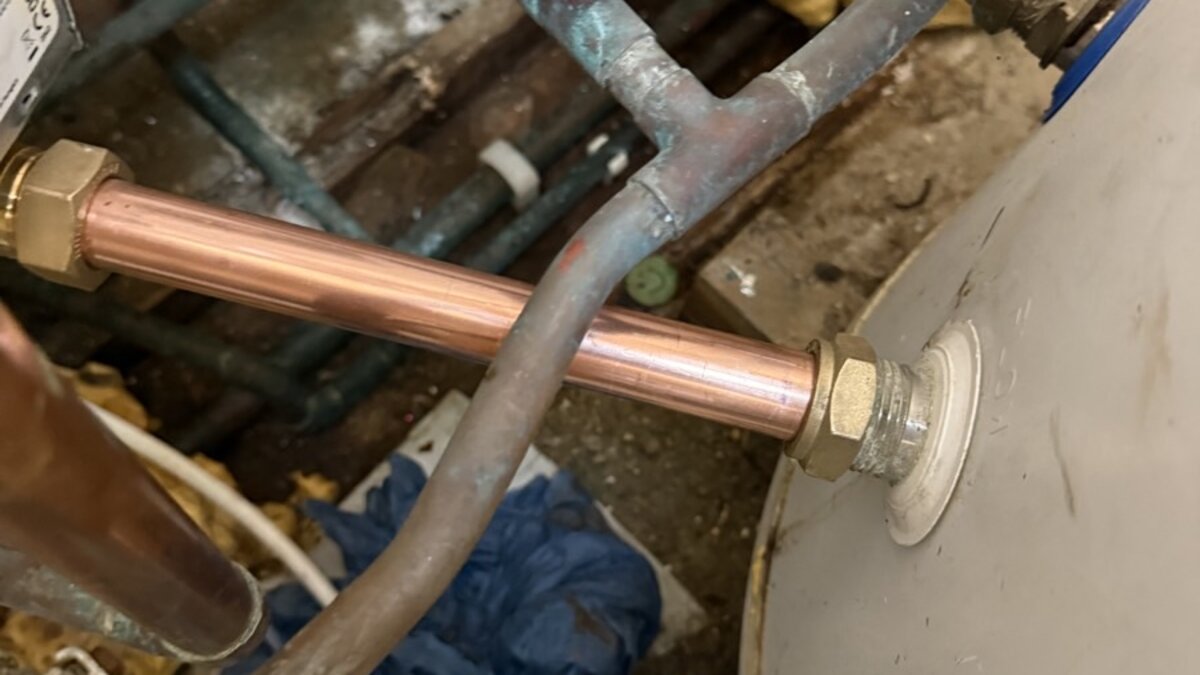
Pipework alterations. Associated pipework modifications were completed to accommodate the physical dimensions and connection points of the new boiler, including any changes required by current Building Regulations.
Commissioning Findings
| Component | Status |
|---|---|
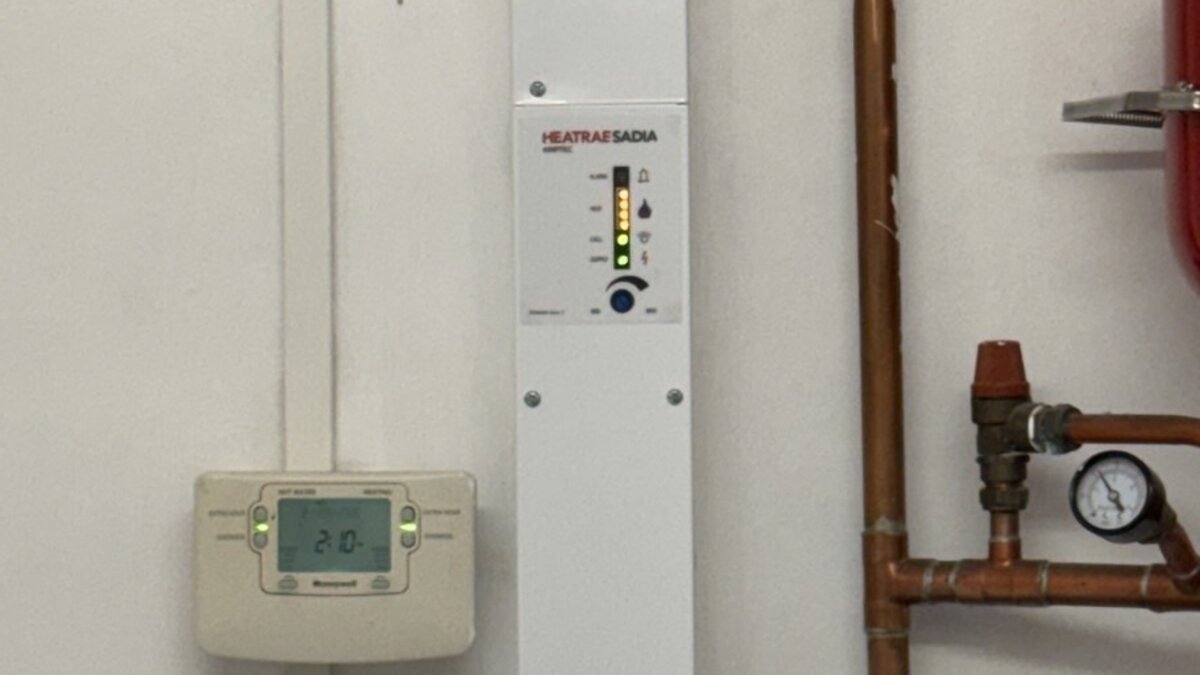
| New boiler | Operational — firing and producing heat |
| Motorised valves (x2) | Installed and functioning correctly |
| MagnaClean filter | Installed on return pipework |
| AAVs (x2) | Installed and venting |
| Pipework alterations | Completed |
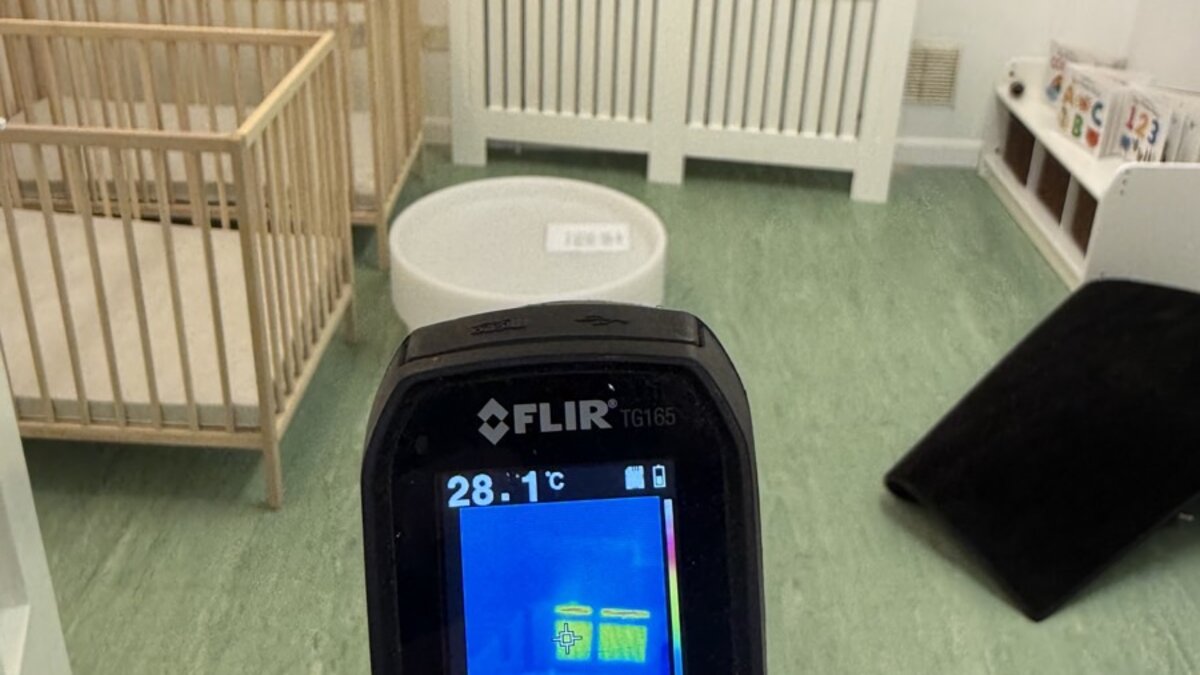
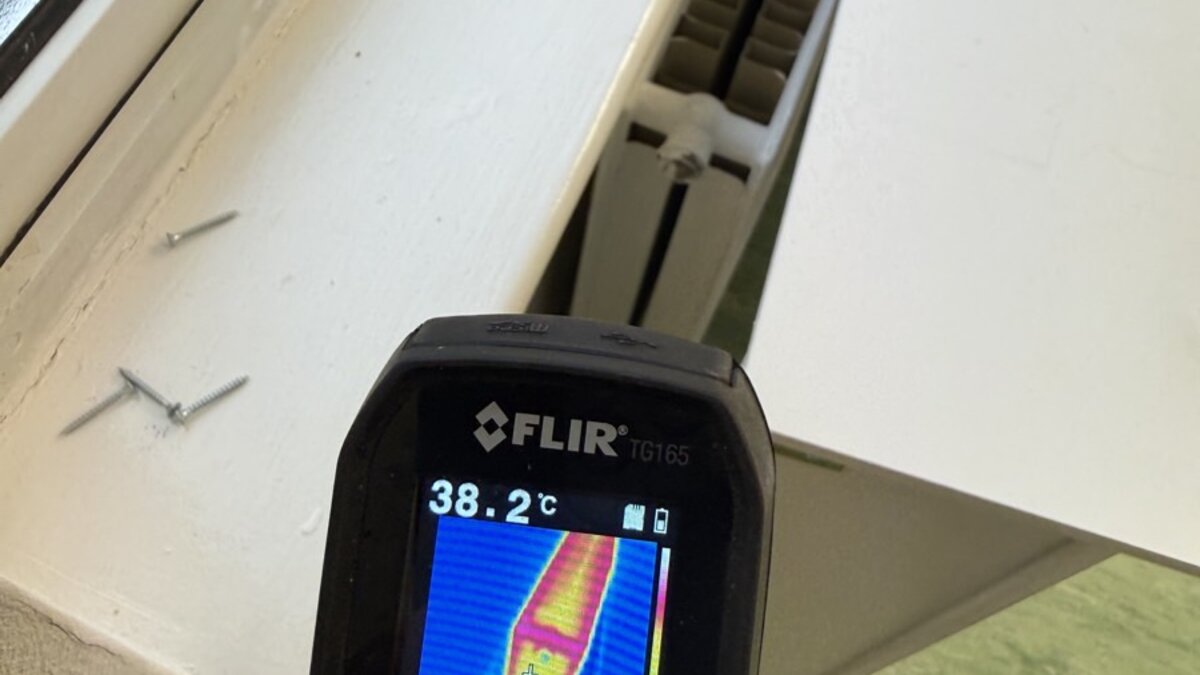
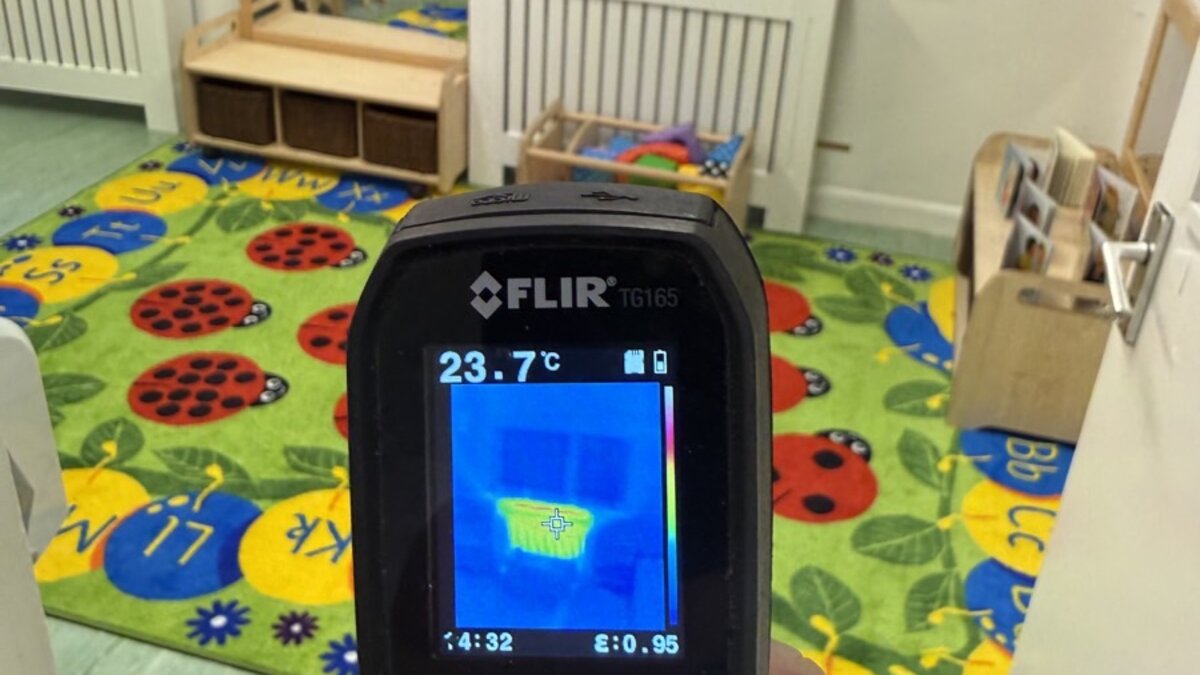
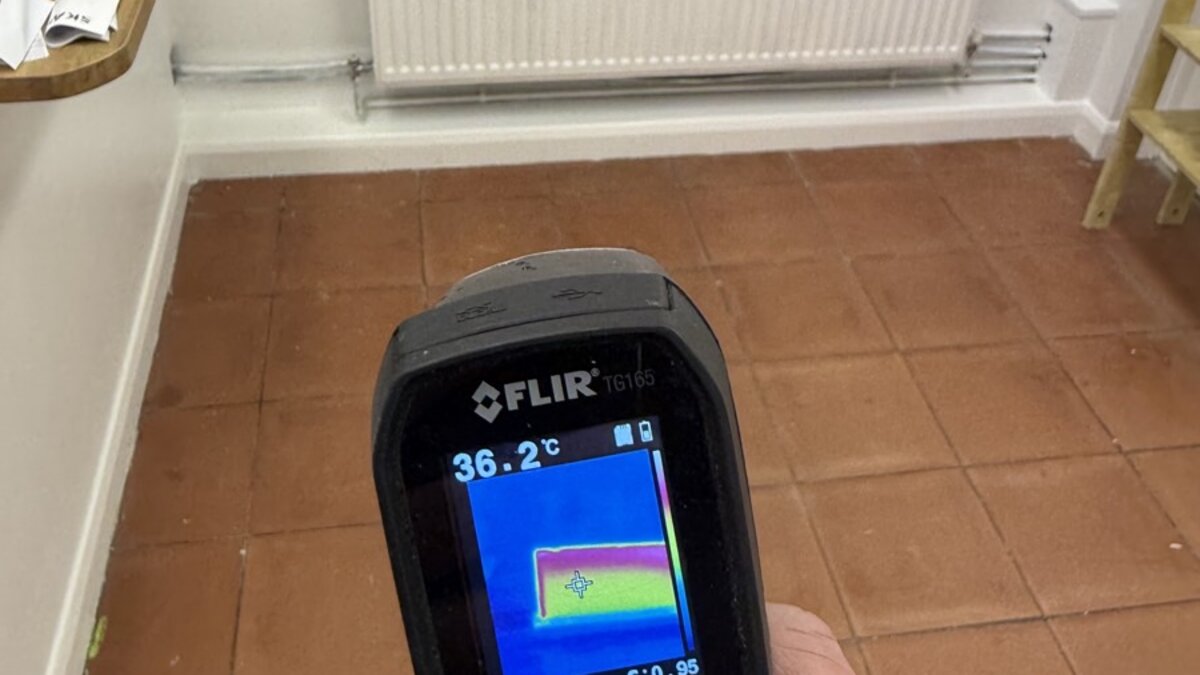
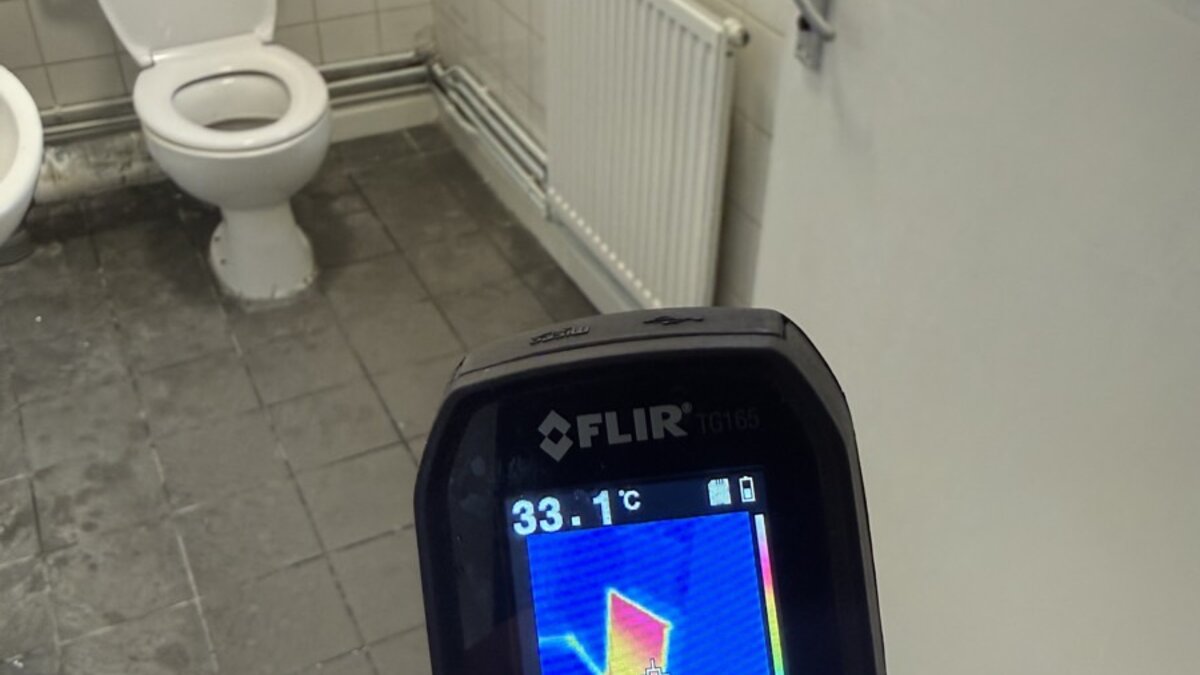
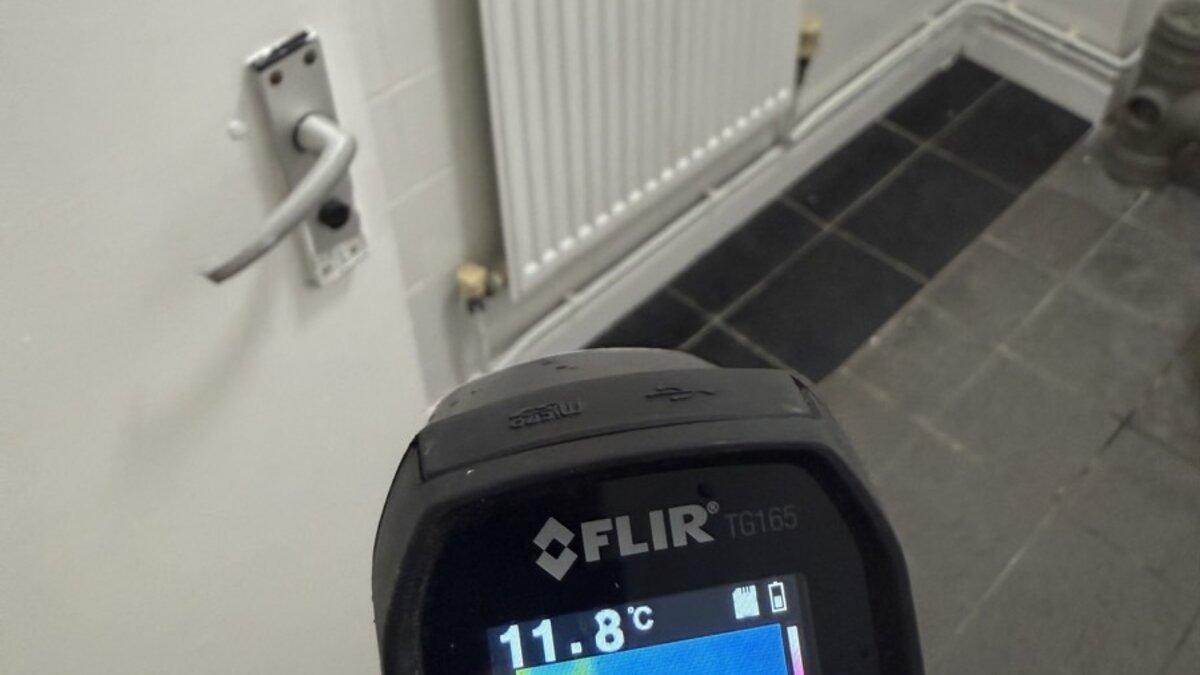
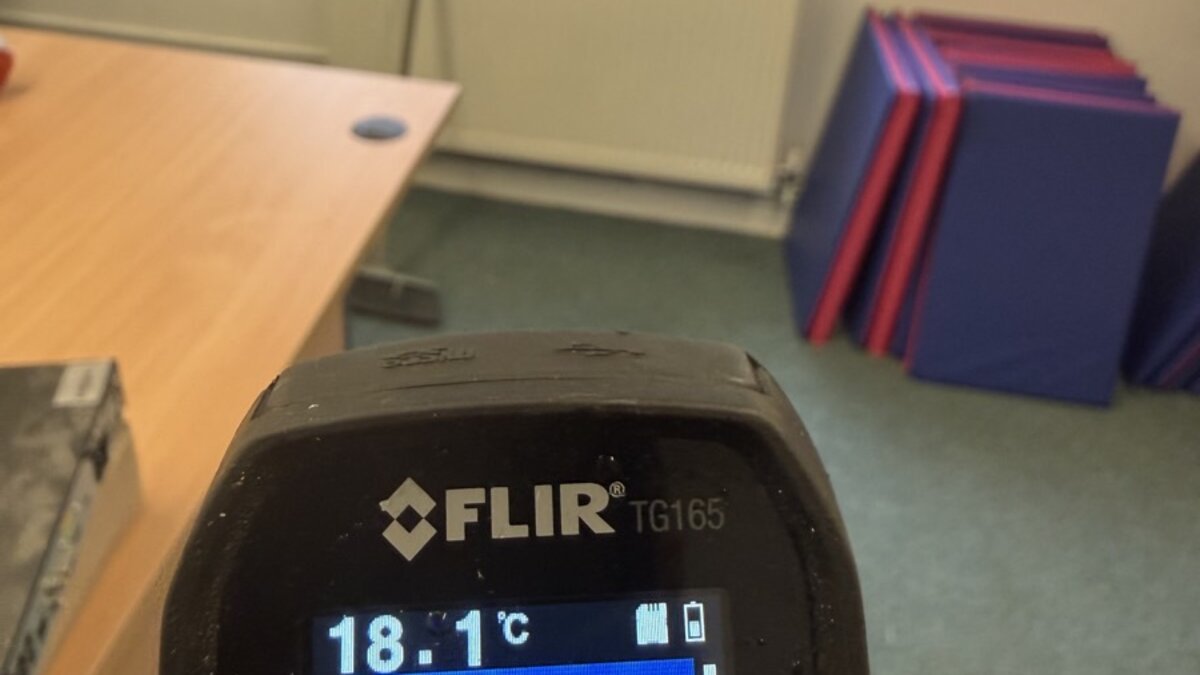
| Radiator performance | Several radiators not heating correctly |
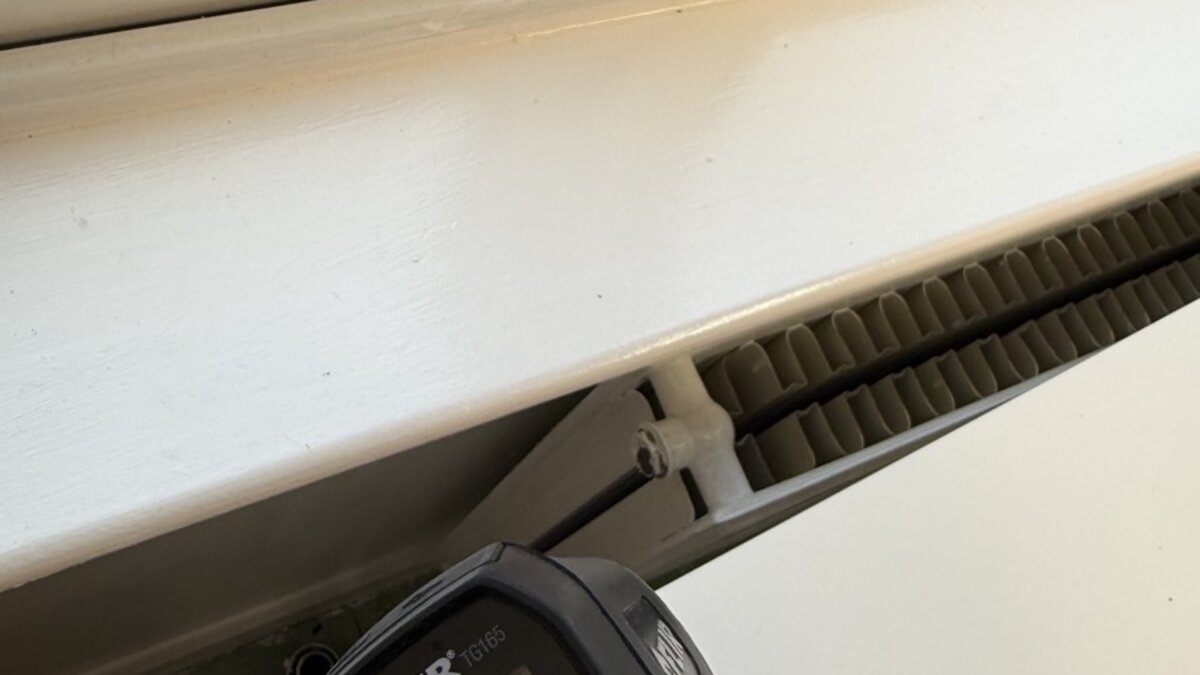
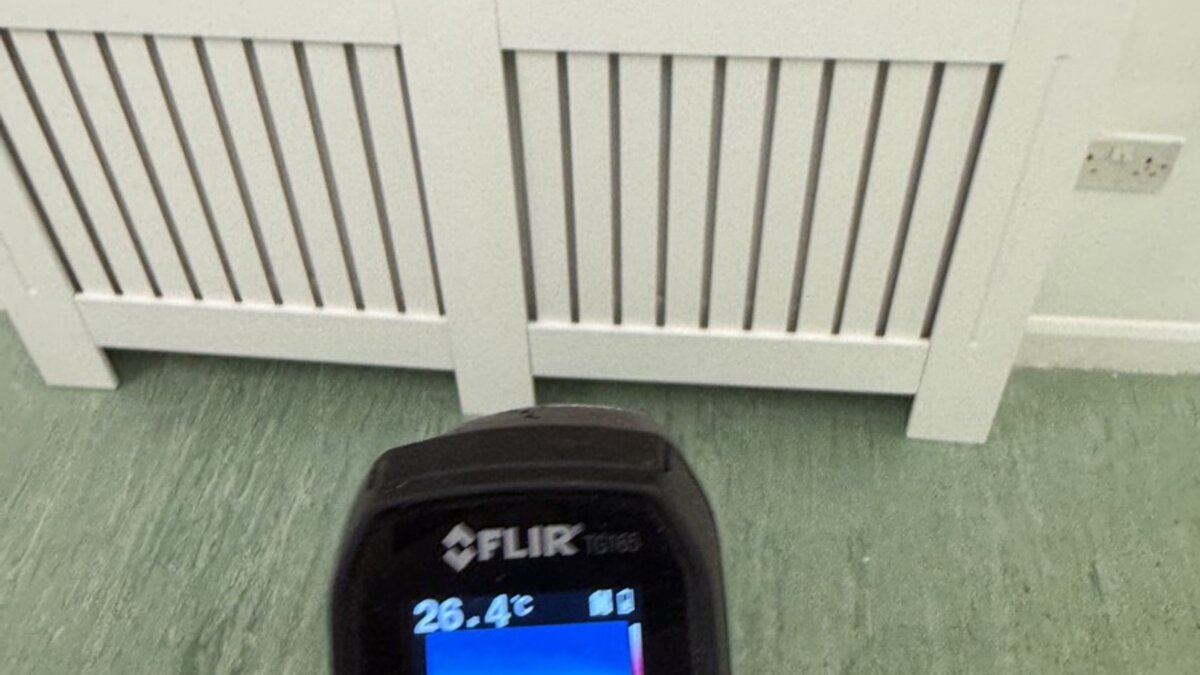
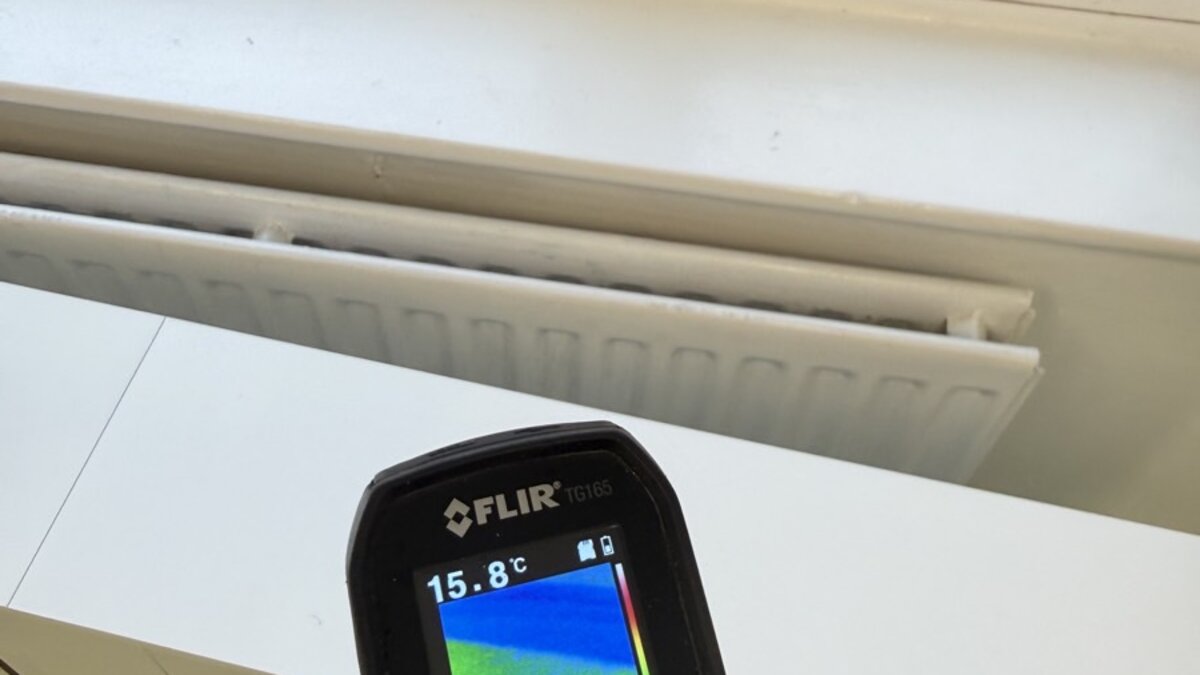
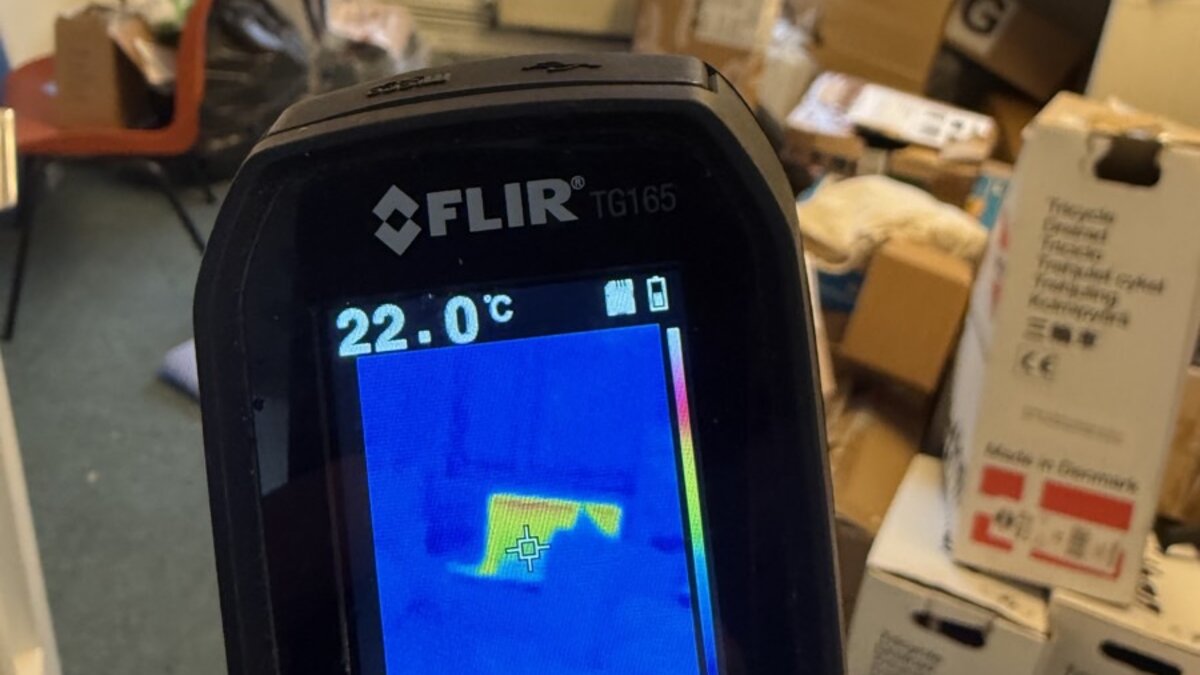
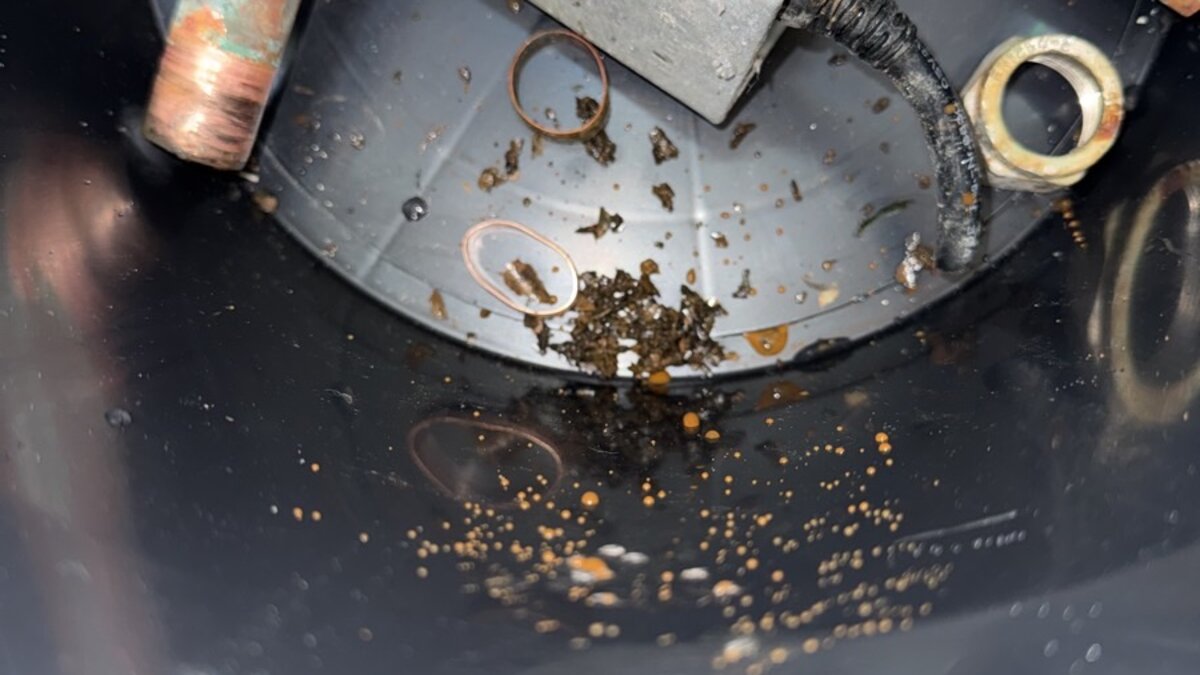
While the boiler itself was fully operational, several of the twelve radiators on site were not heating up correctly. This finding was consistent with accumulated sludge and debris within the existing pipework and radiator bodies — a condition that the new boiler installation alone cannot resolve. The MagnaClean filter will capture circulating debris going forward, but existing deposits lodged within radiators and horizontal pipe runs require mechanical removal through power flushing.
Common Heating System Failure Modes After Boiler Replacement
| Symptom | Likely Cause | Resolution |
|---|---|---|
| Radiators cold at bottom, warm at top | Magnetite sludge accumulated in radiator body | Power flush and chemical treatment |
| Radiators cold at top, warm at bottom | Trapped air in system | Bleed radiators; check AAVs |
| TRV not responding | Pin seized due to corrosion or scale | Replace thermostatic radiator valve |
| Lockshield valve seized | Corrosion preventing flow adjustment | Replace lockshield valve |
| Boiler short-cycling | Restricted flow through clogged system | Power flush; check pump speed |
| Noisy pipework (kettling) | Scale buildup on heat exchanger or restricted flow | Descale or power flush |
| Low system pressure | Leak at corroded joint or failed valve | Locate and repair leak; repressurise |
Recommended Follow-On Works
The engineer recommended a full system power flush combined with replacement of all thermostatic radiator valves (TRVs) and lockshield valves across the twelve radiators on site.
| Work | Purpose | Estimated Cost |
|---|---|---|
| Power flush (full system) | Remove sludge, magnetite, and debris from all pipework and radiators | £799 + VAT (combined) |
| Replace all TRVs and lockshields (12 radiators) | Restore individual radiator temperature control and flow balancing | Included in above |
| Chemical inhibitor treatment | Protect the clean system from future corrosion | Included in power flush |
This recommendation aligns directly with BS 7593, which states that existing heating systems must be cleaned when a new boiler is installed. Without this step, the warranty on the new boiler may be compromised, and the system will continue to underperform despite the investment in new equipment.