Electrical tripping is a protective response, not a fault in itself. When a residual current device (RCD) or miniature circuit breaker (MCB) trips, it is doing exactly what it was designed to do — disconnecting the circuit when it detects an abnormal condition. The critical question is what is causing that abnormal condition.
Water pumps are motor-driven devices that draw a significant inrush current at startup. When a pump becomes clogged with debris, sediment, or scale, the motor has to work harder to turn the impeller. This increased mechanical load translates directly into increased electrical current draw. If the current exceeds the rating of the protective device on that circuit, the MCB trips. If moisture from the blockage or the increased strain causes a minor earth leakage, the RCD trips instead.
The Electricity at Work Regulations 1989 require that all electrical systems are maintained so as to prevent danger. Regulation 4(2) places a duty on the person responsible for the system to ensure it is maintained in a safe condition. Repeated tripping is not something that should be ignored or worked around — resetting the breaker without investigation risks masking a genuine electrical fault or, in the case of a mechanical cause, allowing the pump motor to burn out entirely.
Under the Health and Safety at Work Act 1974, the employer has a general duty to ensure the health and safety of employees and others who may be affected. In a commercial premises such as a funeral directors, where the facility must maintain hygienic conditions and a dignified environment, loss of water supply has operational consequences that extend beyond simple inconvenience.
The Water Supply (Water Fittings) Regulations 1999 require that water systems, including pumps, are maintained so as not to cause waste, misuse, undue consumption, or contamination. A clogged pump that is left in service will eventually fail catastrophically, potentially causing water hammer, pipe damage, or contamination of the supply.
The Urgent Callout
BML Group LTD, the facilities management provider, reported that the water pump at the premises — Spice and Sone funeral directors, 179 Farnham Road, Slough — was causing the electrics to trip whenever it was activated. The instruction carried an urgent priority, requesting attendance within one to four hours. The nature of the premises made speed essential; a funeral directors cannot operate without reliable water supply and electrical stability.
Step-by-Step Diagnostic and Repair Process
Our engineer, Chris Turner, attended the premises on 8 January 2026, arriving at 12:12 — within the requested SLA window.
Initial Assessment and Safety Isolation
The engineer began by confirming the reported symptom: activating the water pump caused the circuit to trip. Before proceeding with any investigation, the pump circuit was isolated at the distribution board and confirmed dead using a calibrated voltage tester, in accordance with the safe isolation procedure required by BS 7671 (IET Wiring Regulations).
Fault Diagnosis
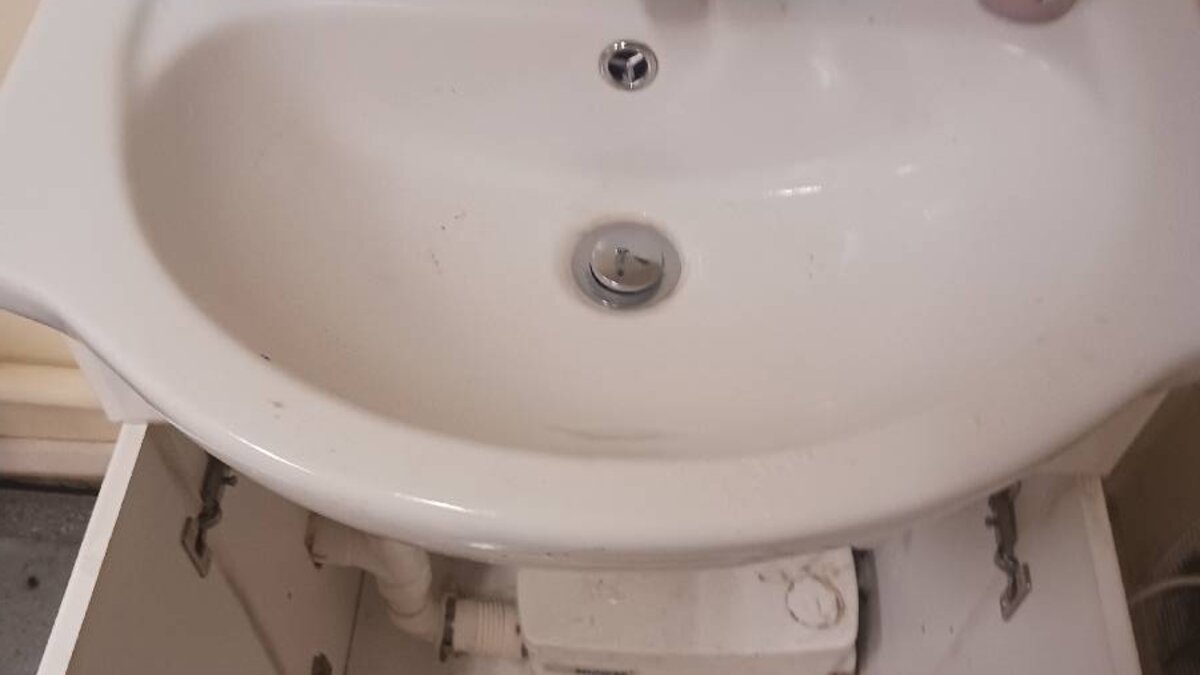
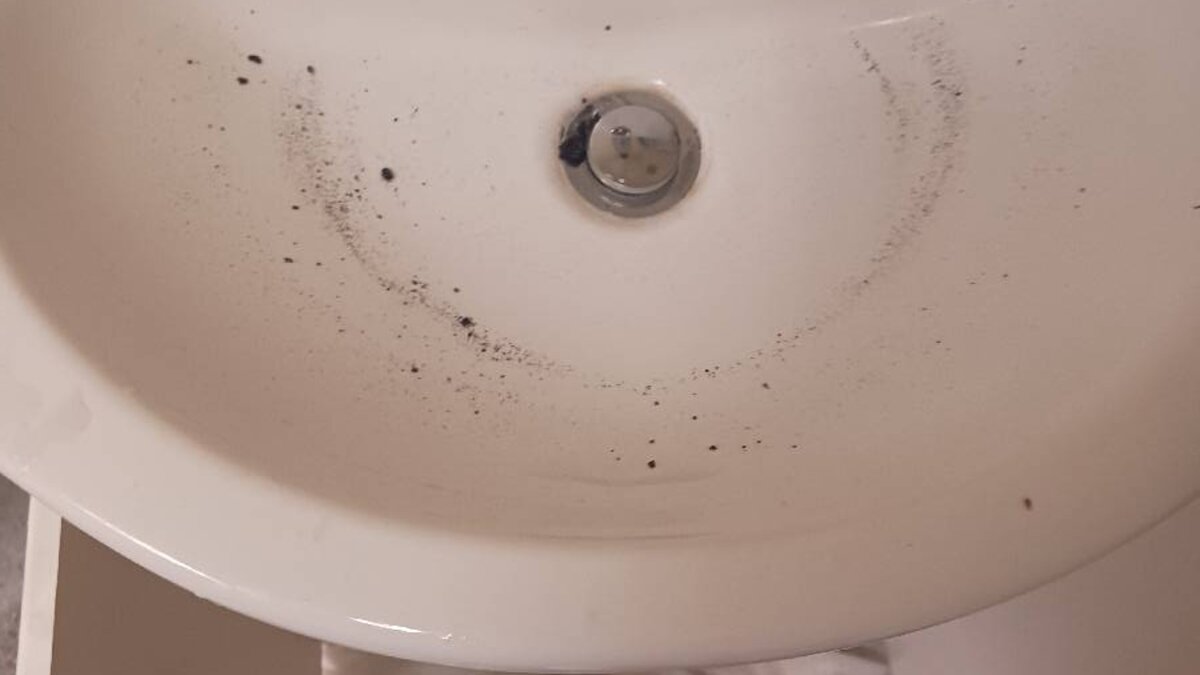
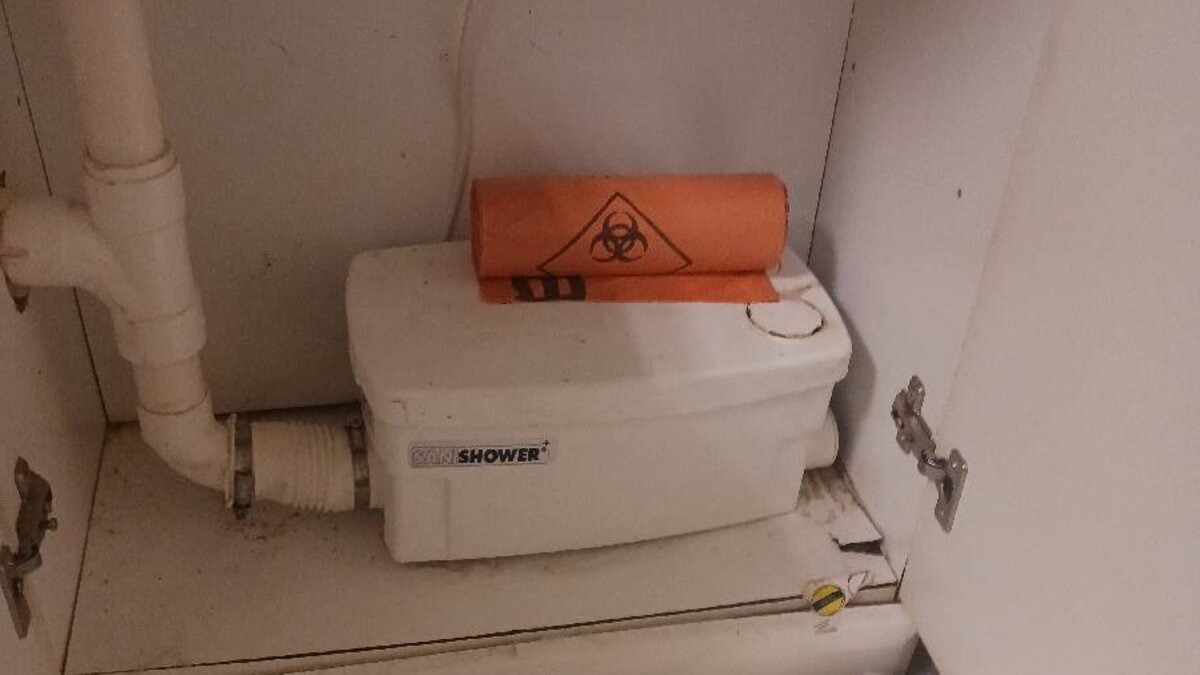
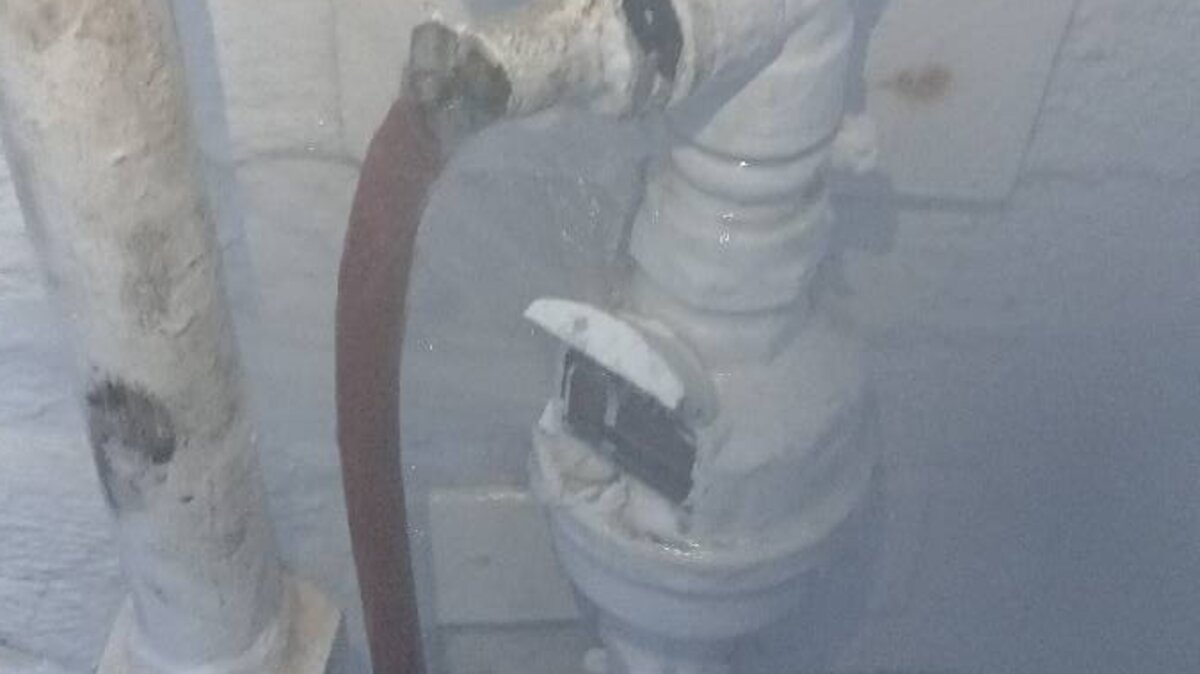
Rather than focusing solely on the electrical circuit — which would have been the natural approach for a purely electrical callout — the engineer inspected the pump itself. The pump was found to be clogged with accumulated debris. This clogging was increasing the mechanical resistance on the motor, causing it to draw excessive current at startup and during operation.
The engineer confirmed that the electrical circuit itself had no inherent fault. The wiring, connections, and protective devices were all in satisfactory condition. The tripping was a correct response by the protective device to the overcurrent condition created by the mechanical fault.
Pump Cleaning and Flushing
The pump was cleaned on site. Accumulated debris was removed from the impeller housing and pump body. The system was then flushed through to clear any remaining sediment from the pipework immediately upstream and downstream of the pump. This flushing step is important — cleaning the pump without addressing debris in the adjacent pipework risks re-clogging within days or weeks.
Testing and Verification
Following the cleaning and flushing, the pump was reconnected to the electrical supply and tested through multiple start-stop cycles. The engineer monitored for any signs of excessive current draw, vibration, or abnormal noise. The pump operated correctly through all test cycles with no tripping and no issues detected.
Secondary Finding
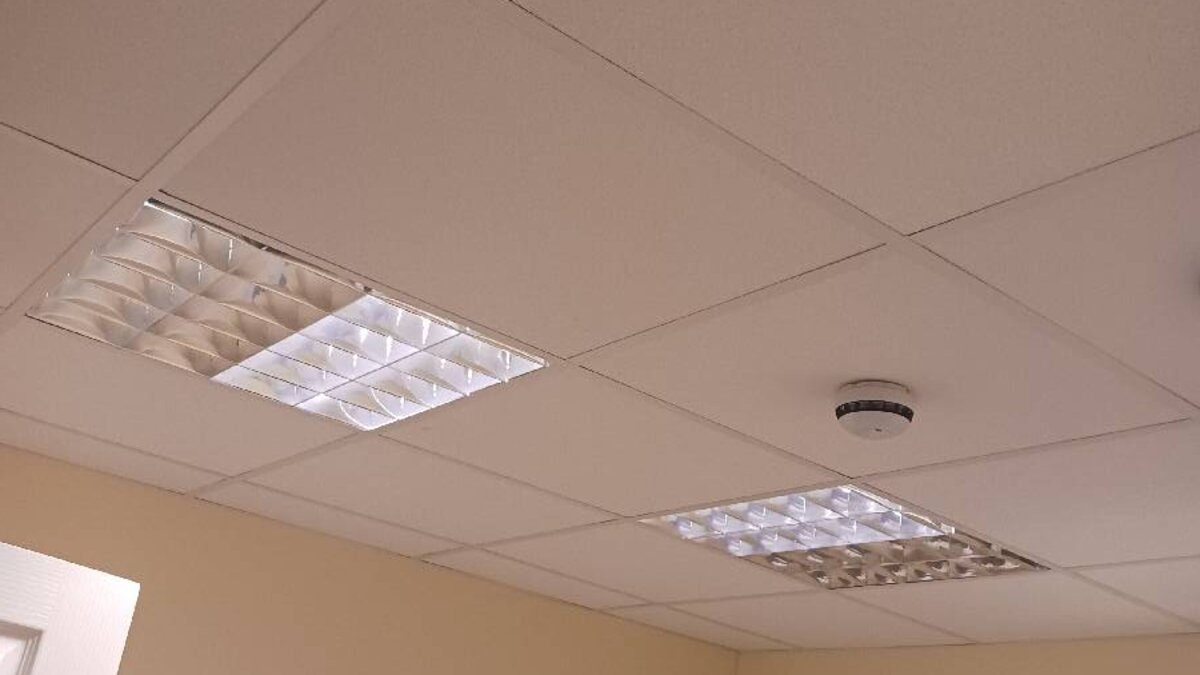
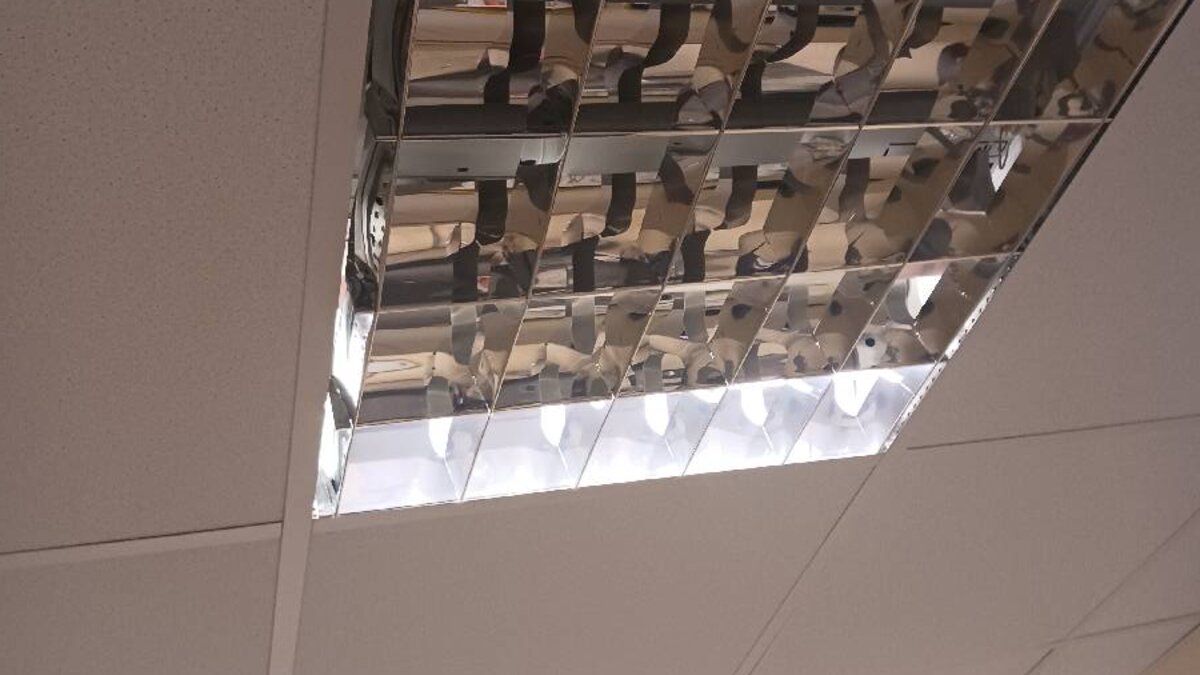
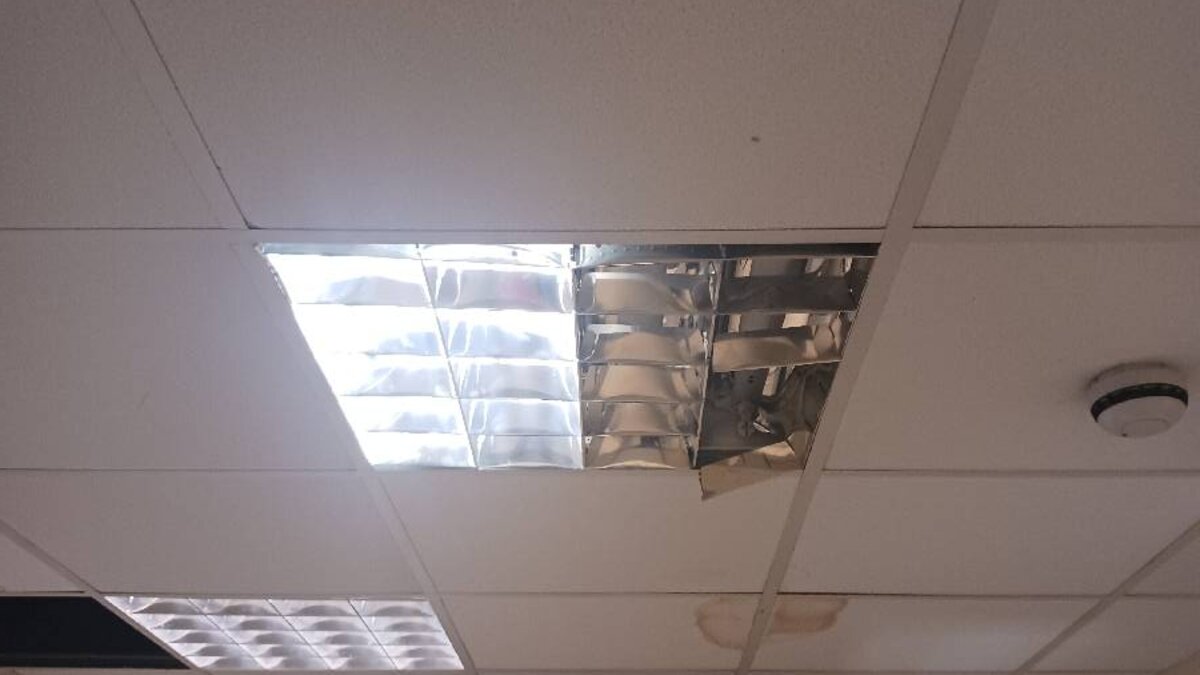
During the site visit, the engineer identified that the prep room lights required replacement. This was noted and reported to the facilities management company for their maintenance planning, as a separate work item outside the scope of the urgent callout.
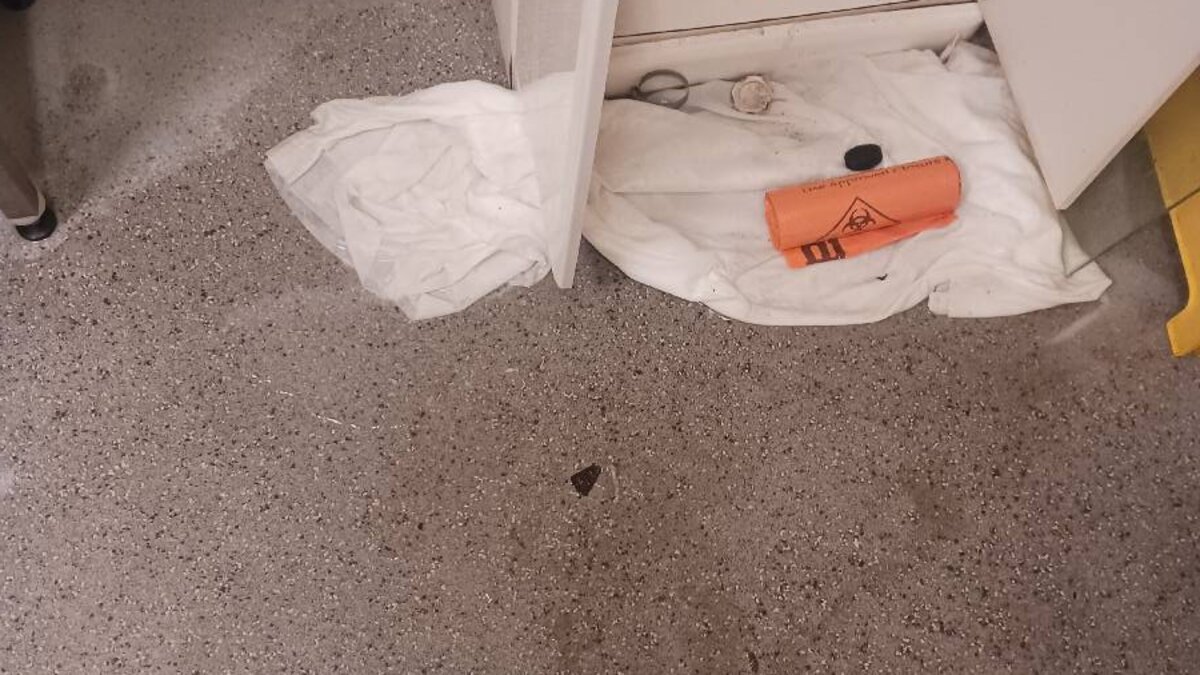
The site was left in a clean and tidy condition, consistent with the professional standards expected in a funeral directors environment.
Findings Summary
| Component | Finding | Action Taken | Status |
|---|---|---|---|
| Water pump | Clogged — causing overcurrent trip | Cleaned and flushed | Fully operational |
| Electrical circuit | No inherent fault | Tested and confirmed | Satisfactory |
| Protective devices (MCB/RCD) | Tripping correctly on overcurrent | No action required | Functioning as designed |
| Pump pipework | Debris present | Flushed through | Cleared |
| Prep room lights | Require replacement | Reported to FM company | Awaiting instruction |
Common Water Pump and Associated Electrical Issues
Facilities managers responsible for commercial premises with pumped water systems should be aware of these recurring fault patterns.
| Issue | Warning Signs | Risk if Ignored | Typical Resolution |
|---|---|---|---|
| Pump clogging | Electrical tripping, reduced flow, noise | Motor burnout, complete pump failure | Clean impeller, flush system |
| Impeller wear | Reduced pressure, increased running time | Pump inefficiency, eventual failure | Replace impeller or pump |
| Seal failure | Water around pump base, dripping | Electrical hazard, water damage | Replace mechanical seal |
| Airlocked pump | Pump runs but no water delivered | Overheating, motor damage | Bleed air from pump housing |
| Capacitor failure (single-phase pumps) | Pump hums but does not start | Motor overheats, trips circuit | Replace start/run capacitor |
| Pipework scale build-up | Gradual reduction in flow rate | Pump strain, premature wear | Descale or replace affected pipework |
| Incorrect protective device rating | Nuisance tripping at startup | Operational disruption | Review MCB rating against pump inrush current |