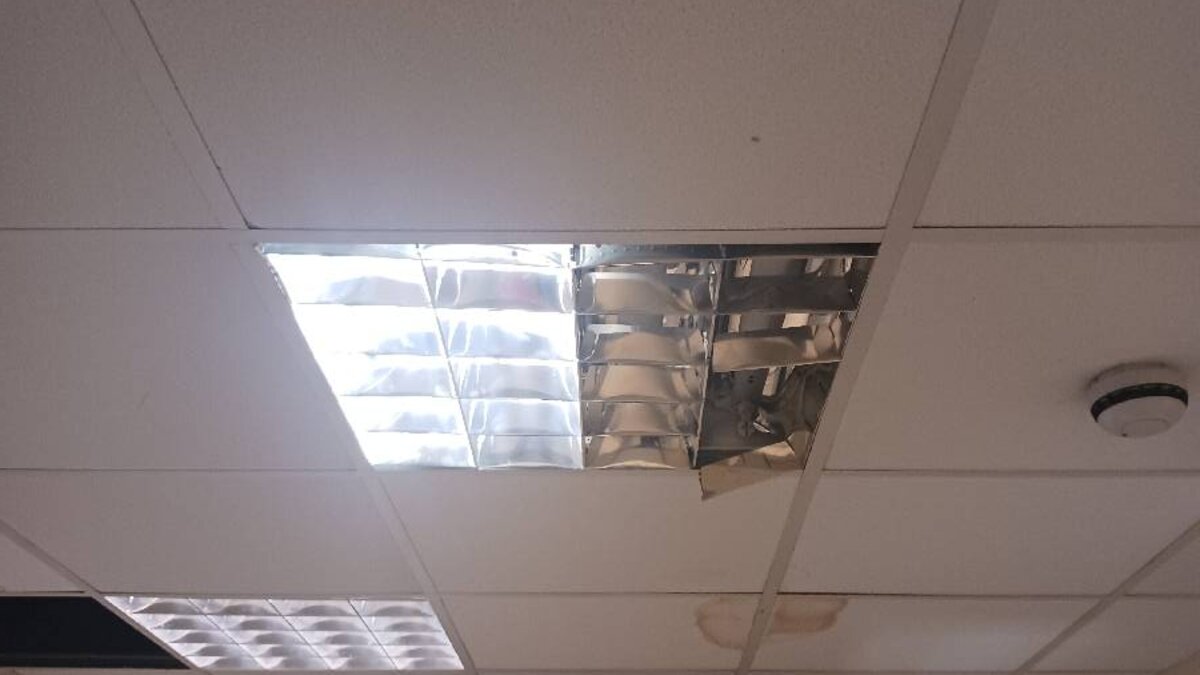
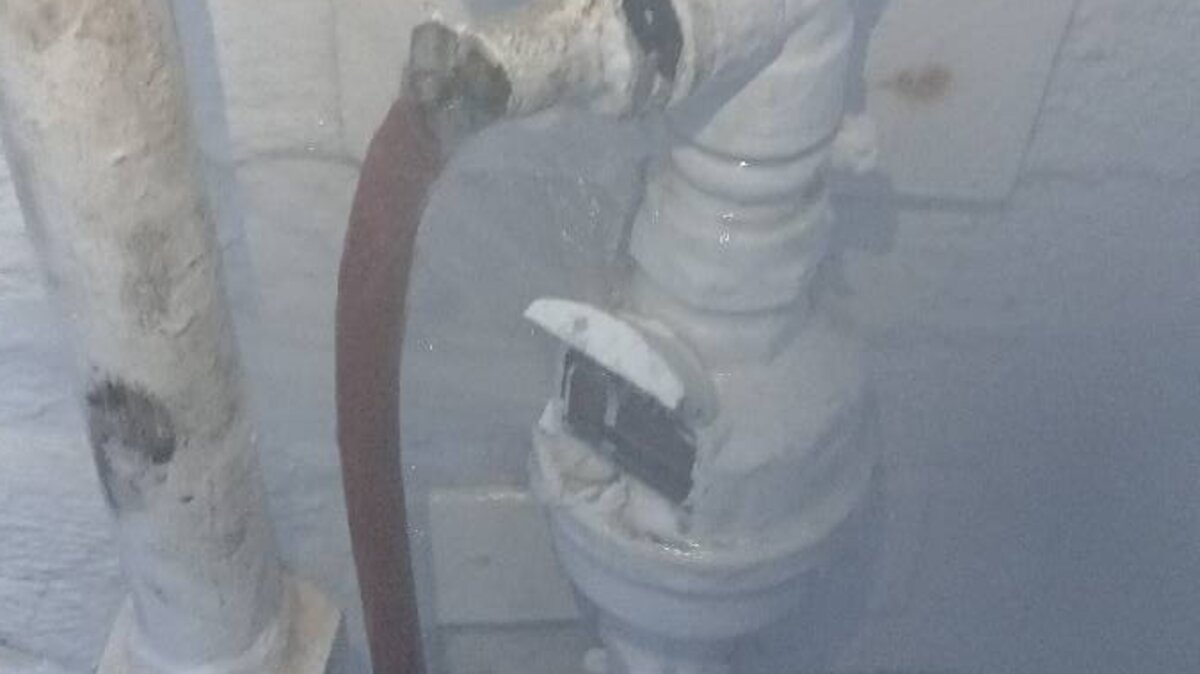
Urinal drainage failure is one of the most common plumbing issues in commercial washrooms, and it is almost always preventable. The chemistry involved is straightforward but persistent: uric acid reacts with calcium and magnesium salts dissolved in hard water to form a crystalline deposit known as uric scale (or “uric salt”). This material adheres tenaciously to the internal walls of the waste pipe and, over time, builds up in layers that reduce the effective pipe diameter.
In Oxford, the water supply is classified as hard to very hard, with calcium carbonate concentrations typically exceeding 300 mg/l. This accelerates the scaling process significantly compared to soft water areas. The Water Supply (Water Fittings) Regulations 1999 require that sanitary fittings and their associated waste connections are maintained in efficient working order — a requirement that, in hard water areas, demands proactive maintenance rather than reactive response.
The Workplace (Health, Safety and Welfare) Regulations 1992, Regulation 20, require employers to provide and maintain sanitary conveniences that are “suitable and sufficient.” A urinal with compromised drainage fails this requirement. Beyond regulatory compliance, a poorly draining urinal creates odour problems, hygiene concerns, and a negative impression on staff, clients, and visitors — particularly in a serviced office environment where the facilities are a direct reflection of the management company’s standards.
The Reported Issue
Citibase Oxford, the serviced office provider, reported drainage issues with the gentlemen’s urinal on the first floor of New Barclay House on Botley Road. The urinal was draining poorly, and the issue had progressed to the point where professional intervention was required.
The Investigation and Works: Step-by-Step
Step 1 — Initial Assessment: Our engineer attended and confirmed that the urinal waste pipe was blocked, with drainage reduced to a near-standstill. The urinal bowl was filling and draining only very slowly — consistent with severe internal restriction rather than a discrete blockage.
Step 2 — Inspection of the Waste Pipe: Closer inspection revealed heavy internal scaling and compacted debris throughout the waste pipe. The internal bore of the pipework had been significantly reduced by accumulated limescale deposits, restricting flow to a fraction of the pipe’s design capacity.
Step 3 — Disconnection and Mechanical Cleaning: The waste pipe was disconnected to allow thorough access. Using specialist drain cleaning equipment, the engineer mechanically cleared the entire length of the affected pipework. This approach physically removes the adhered scale rather than simply pushing it downstream, ensuring a clean bore throughout the run.
Step 4 — Debris Removal: A large volume of scale, sedite, and compacted organic material was removed during the cleaning process. The quantity of material recovered confirmed that the pipe had not received preventive descaling for a considerable period.
Step 5 — Reconnection and Flow Testing: The pipework was reconnected with all joints secured and sealed. Water was run through the system to confirm that full flow had been restored. The urinal drained freely with no backing up observed, and all connections were checked for leaks — none were found.
Step 6 — Site Condition: The work area was cleaned and left tidy, with all removed debris and waste materials disposed of appropriately.
Common Urinal Drainage Problems in Commercial Settings
Facilities managers responsible for commercial washrooms should be aware of the following common failure patterns and their warning signs.
| Problem | Cause | Warning Signs | Typical Interval |
|---|---|---|---|
| Gradual flow reduction | Limescale buildup on pipe walls | Slower drainage, standing water in channel | 6-18 months (hard water areas) |
| Complete blockage | Accumulated scale narrows pipe to zero flow | Urinal overflows, water pools on floor | When preventive maintenance is missed |
| Odour problems | Organic debris trapped in scaled pipe surface | Persistent smell despite cleaning | Ongoing until descaled |
| Trap seal failure | Scale prevents proper trap refill | Sewer gas odour between uses | Variable |
| Flush system inefficiency | Reduced flow means flush cannot clear waste | Staining, discolouration despite flushing | 12-24 months |
| Joint failure | Scale expansion stresses pipe connections | Drips at joints, damp patches on walls | 2-5 years |