In a sealed central heating system — the standard configuration in UK flats and most modern houses — the system operates at a designed pressure, typically between 1.0 and 1.5 bar when cold and rising to approximately 2.0 bar when the system is at operating temperature. The expansion vessel within or connected to the boiler absorbs the volume increase as water heats and expands.
When system pressure rises above the designed range, the boiler’s pressure gauge enters the red zone and, in most modern boilers, a safety lockout is triggered. The boiler shuts down to protect itself from damage, and the occupant loses heating and hot water until the underlying cause is addressed.
The most common causes of over-pressurisation in sealed heating systems are:
Trapped air in radiators or pipework: Air enters the system through micro-leaks, dissolved gases coming out of solution as water heats, or incomplete venting after a previous repair. Air compresses differently from water, and as it accumulates, it increases the apparent system pressure.
Failed expansion vessel: The expansion vessel contains a rubber diaphragm that separates the system water from a pre-charged air pocket. If the diaphragm fails or the air charge is lost, the vessel can no longer absorb expansion — pressure rises rapidly when the system heats up.
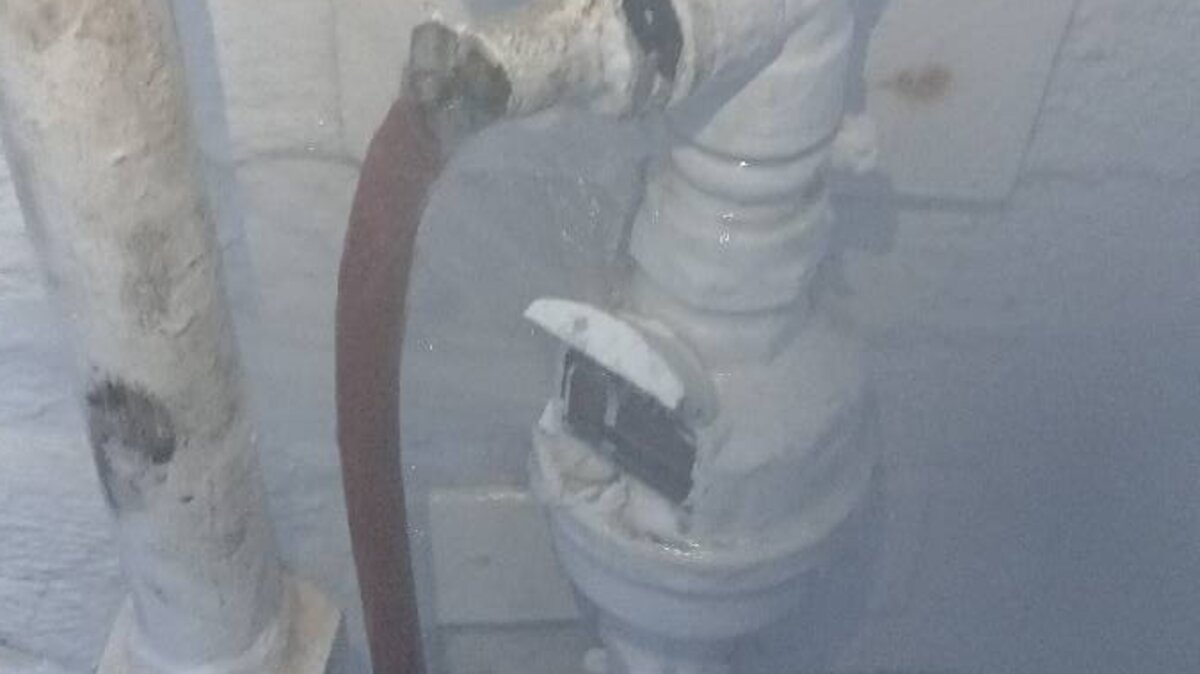
Sticking or leaking filling loop: If the filling loop valve does not close fully (or if a flexible filling loop hose is left connected and partially open), mains water pressure continues to feed into the heating system, raising pressure well above the design range.
Blocked or restricted expansion vessel connection: Even with a healthy vessel, a blockage in the pipe connecting it to the system will prevent it from functioning.
The Gas Safety (Installation and Use) Regulations 1998 require that gas boilers are maintained in a safe condition. While this regulation primarily covers gas-fired appliances, the principle — that heating systems must be safe — applies across all fuel types. Building Regulations Approved Document J (Combustion appliances and fuel storage systems) and Approved Document L (Conservation of fuel and power) both require that heating installations operate correctly and efficiently. BS 7593:2019 (Treatment of water in domestic hot water central heating systems) provides guidance on system water quality and maintenance that directly addresses many of the conditions that lead to over-pressurisation.
The Reported Issue
CALL Property Solutions Ltd, the property management company, reported that the boiler at Flat 6, Polperro Mansions, Kilburn was over-pressurised and the tenant had no hot water. The issue was logged as an emergency, and an evening attendance was requested.
The Investigation and Repair: Step-by-Step
Step 1 — Evening Attendance: Our engineer attended the property at 18:44, responding to the emergency within the same evening window. The tenant confirmed the reported symptoms: the boiler had locked out, the pressure gauge was reading high, and there was no hot water.
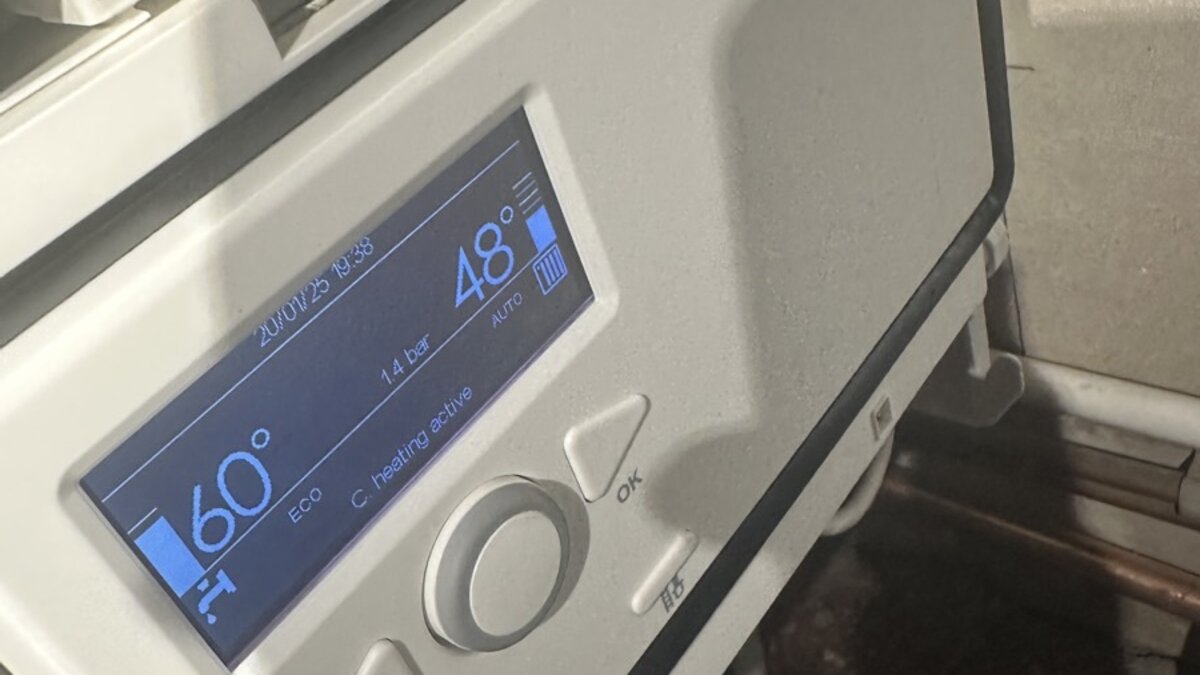
Step 2 — Pressure Assessment: The engineer checked the system pressure gauge and confirmed that the reading was significantly above the normal operating range. This confirmed the report and established the baseline for the repair.
Step 3 — Diagnosis: The engineer assessed the most likely causes of the over-pressurisation. In this case, trapped air in the radiators was identified as the primary cause. Air accumulation in a sealed system raises pressure because the air cannot escape — it compresses and adds to the hydrostatic pressure of the water.
Step 4 — Radiator Bleeding: Each radiator in the flat was bled systematically using a radiator bleed key. Air was released from the bleed valve at the top of each radiator until water appeared, indicating that the air had been fully expelled. The volume of air released across the system was sufficient to account for the elevated pressure reading.
Step 5 — Pressure Adjustment: With the air removed, the system pressure dropped. The engineer then adjusted the pressure to the correct cold-fill level specified by the boiler manufacturer — typically 1.0 to 1.5 bar. The boiler was reset and allowed to fire.
Step 6 — System Verification: The boiler fired correctly, heated water, and did not lock out. The pressure gauge held steady within the normal operating range as the system came up to temperature. Hot water was confirmed restored at the taps. The pressure remained stable, confirming that the fix was effective and no further underlying issue (such as a failed expansion vessel) was present.
Step 7 — Tenant Confirmation: The engineer confirmed the repair with the tenant, who verified that hot water was flowing and the radiators were warming.
Common Boiler Pressure Problems
The table below outlines the most common pressure-related issues that tenants and property managers encounter, along with diagnostic indicators.
| Problem | Likely Cause | Diagnostic Indicator | Typical Resolution |
|---|---|---|---|
| Pressure too high (cold) | Filling loop left open or air in system | Gauge above 1.5 bar when cold | Bleed radiators, close filling loop |
| Pressure too high (hot) | Failed expansion vessel | Pressure spikes when boiler fires | Recharge or replace expansion vessel |
| Pressure drops repeatedly | System leak (radiator valve, pipe joint, etc.) | Needs regular top-up, visible drips | Locate and repair leak |
| Pressure relief valve discharging | Persistent over-pressurisation | Water dripping from overflow pipe externally | Address root cause of high pressure |
| Boiler locks out on pressure | Safety interlock activation | Error code on boiler display | Correct pressure, reset boiler |
| Pressure fluctuates erratically | Blocked expansion vessel connection or failed valve | Pressure swings between hot and cold cycles | Inspect and clear vessel connection |