Bulkhead lights are among the most common light fittings in commercial and communal environments. Their robust, sealed construction makes them the standard choice for corridors, stairwells, plant rooms, car parks, and external areas where fittings are exposed to moisture, dust, impact, or tampering. When a bulkhead unit fails, the affected area loses illumination that may be critical to safety, security, or regulatory compliance — particularly in escape routes and communal areas where lighting is a fire safety requirement.
The regulatory significance of lighting in commercial premises extends well beyond convenience. Under the Regulatory Reform (Fire Safety) Order 2005, the responsible person for a commercial building must ensure that escape routes are adequately illuminated. Under the Workplace (Health, Safety and Welfare) Regulations 1992, every workplace must have suitable and sufficient lighting. And under the Health and Safety at Work Act 1974, employers have a general duty to maintain a safe working environment — which includes ensuring that people can see where they are going.
A single failed bulkhead light in a well-lit corridor may not create an immediate hazard. But a failed fitting in a stairwell, plant room, or external access route can create a genuine safety risk — particularly after dark or in areas without natural light. For FM companies managing commercial portfolios, prompt replacement of failed lighting is not discretionary maintenance; it is a compliance obligation.
The Instruction
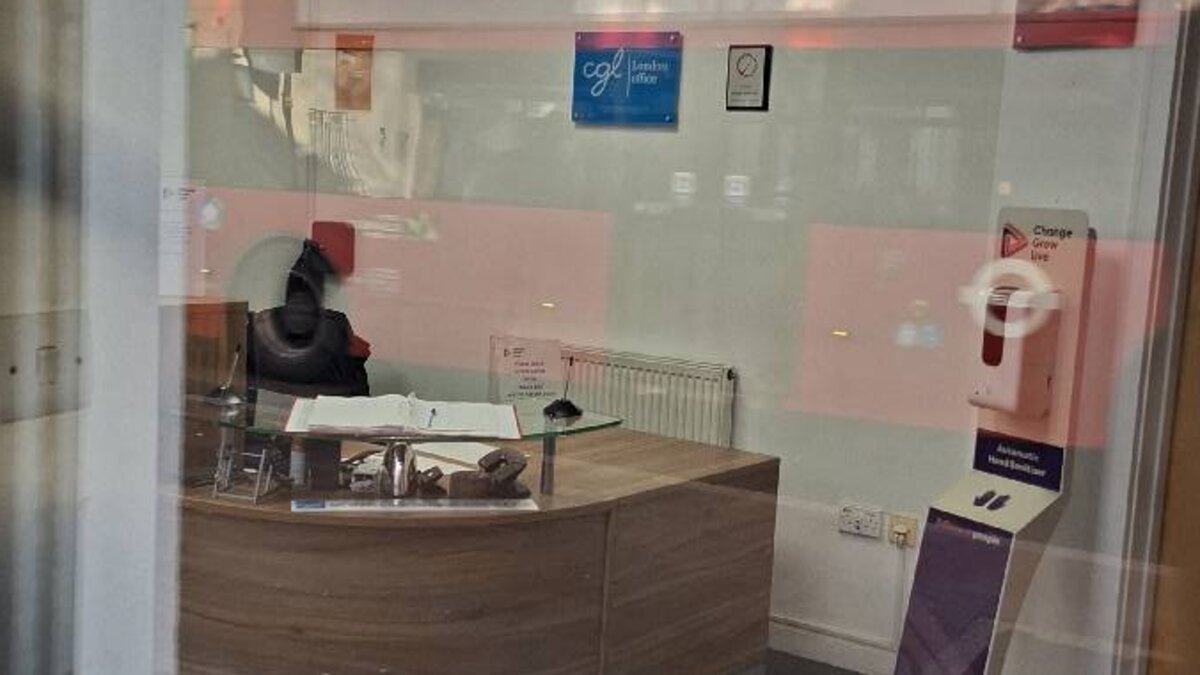
Three Shields FM instructed supply and installation of one bulkhead light fitting at a commercial property on Kings Cross Road. The instruction specified that parts should be collected from Rexel in Enfield prior to attending site — ensuring the correct specification was procured from the client’s preferred supplier rather than relying on generic stock.
This approach reflects good FM practice. Specifying the supplier ensures consistency across a portfolio (all fittings from the same source, matching existing installations), maintains any procurement arrangements the FM company holds, and provides a clear audit trail for costs and specifications.
The Works — Step by Step
Step 1 — Parts Collection: The electrician attended Rexel’s Enfield branch and collected the specified bulkhead fitting. Collecting parts from a named supplier before attending site adds a logistical step but eliminates the risk of arriving with the wrong specification — a common cause of wasted visits in reactive maintenance.
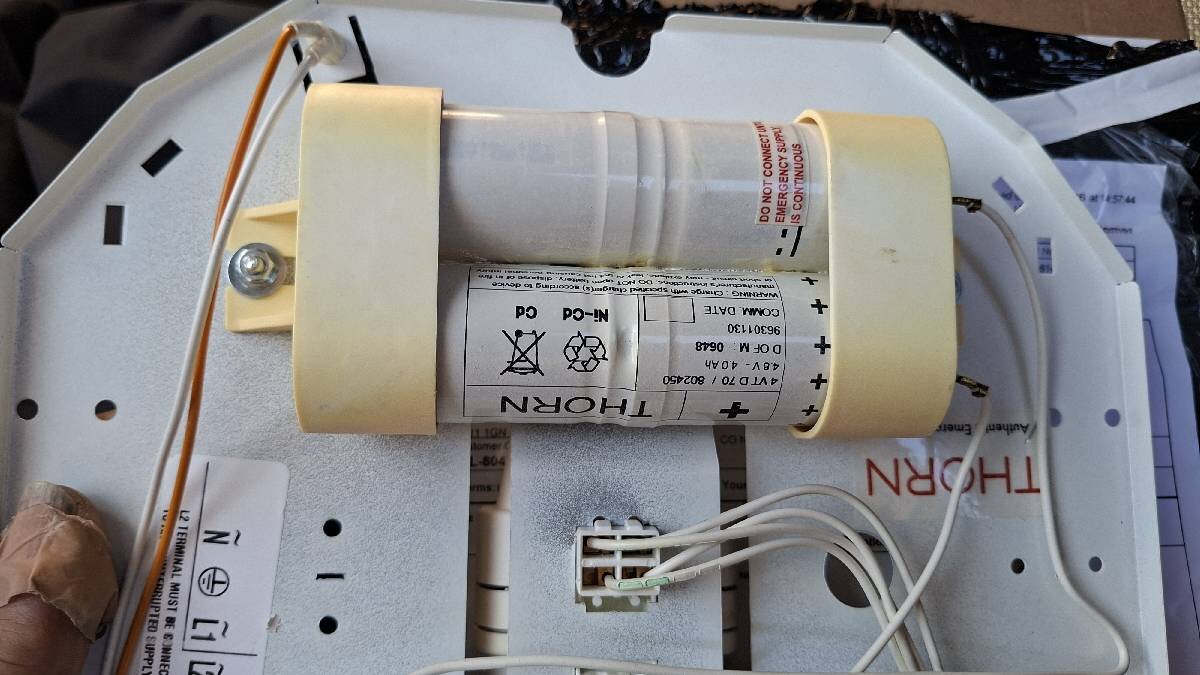
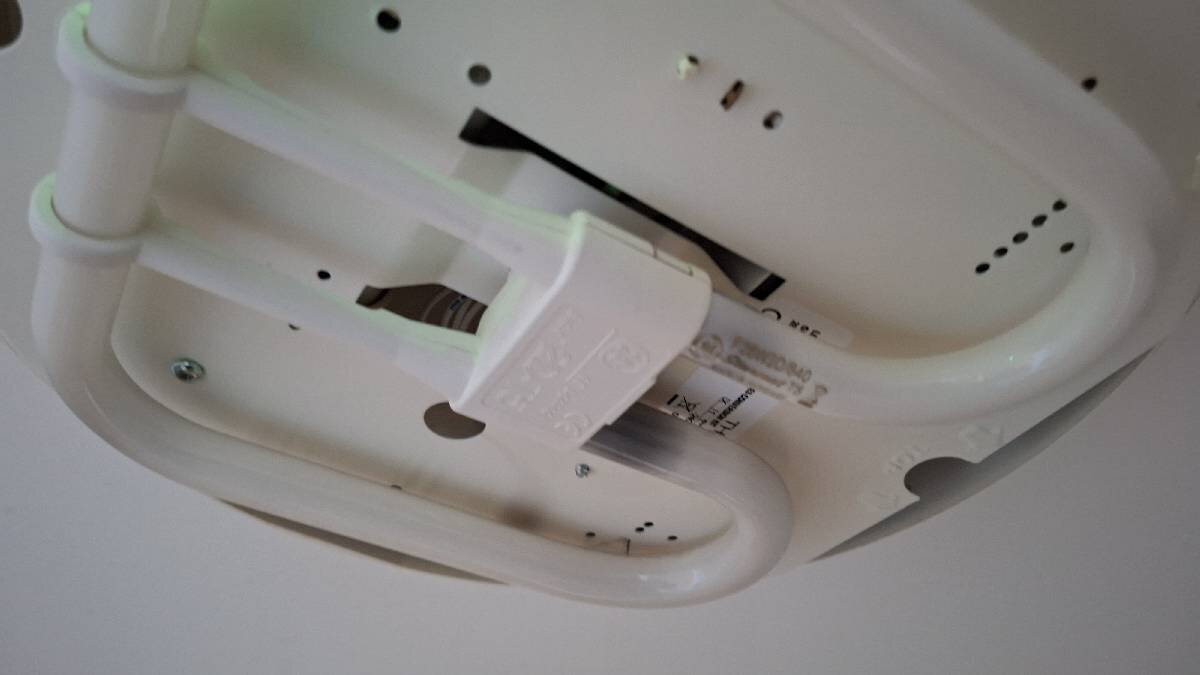
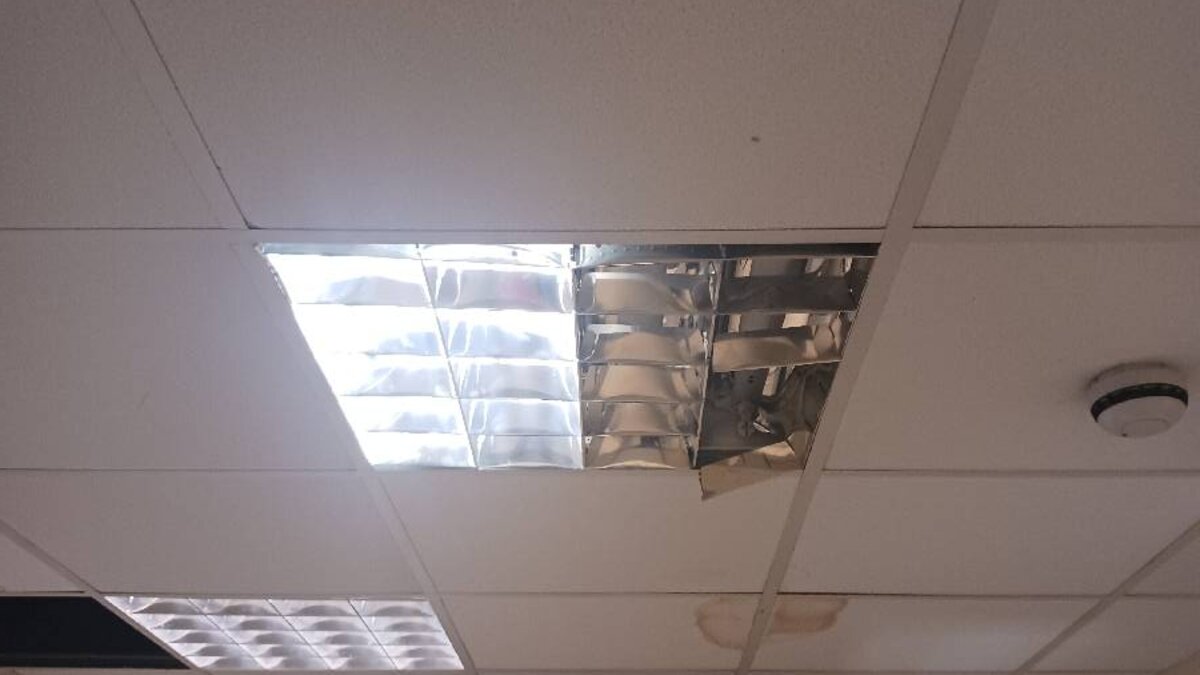
Step 2 — Existing Fitting Removal: On arrival at the Kings Cross property at 11:02, the electrician isolated the lighting circuit at the local isolator or distribution board, confirmed dead using a voltage tester, and removed the existing failed fitting. The condition of the existing wiring and back box was assessed to confirm suitability for the new unit.
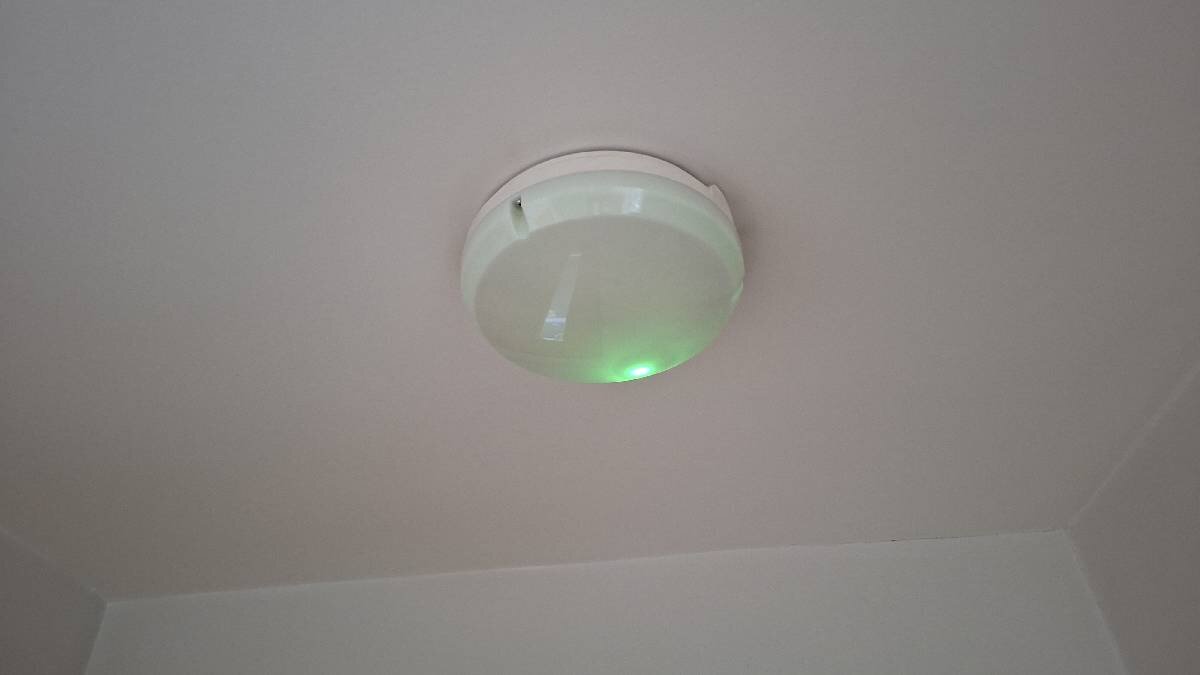
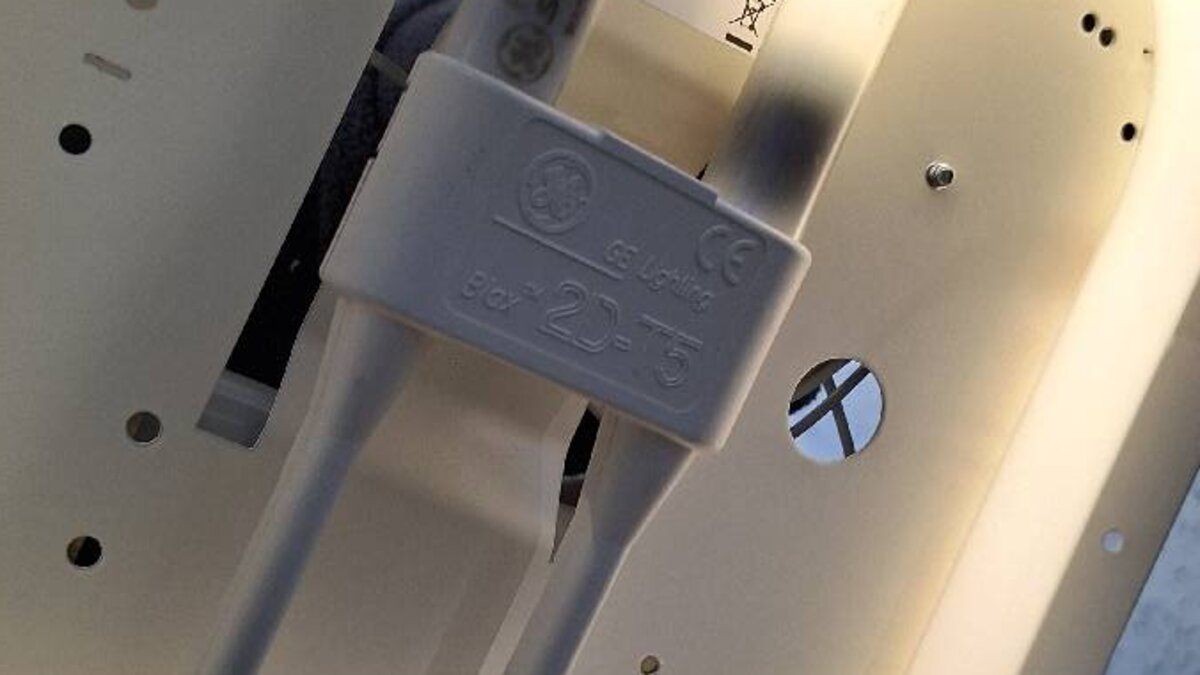
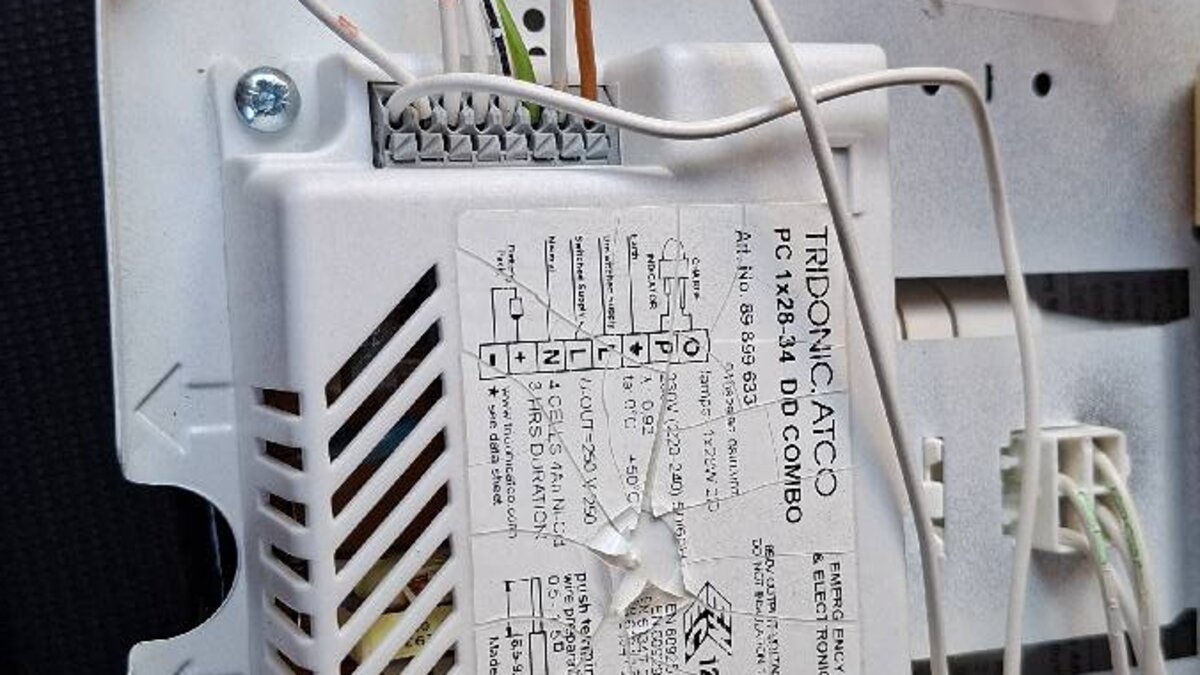
Step 3 — New Fitting Installation: The replacement bulkhead was connected to the existing circuit wiring, secured to the mounting surface, and confirmed mechanically sound. Cable connections were made using the fitting’s integral terminal block, with conductors correctly identified and terminated.
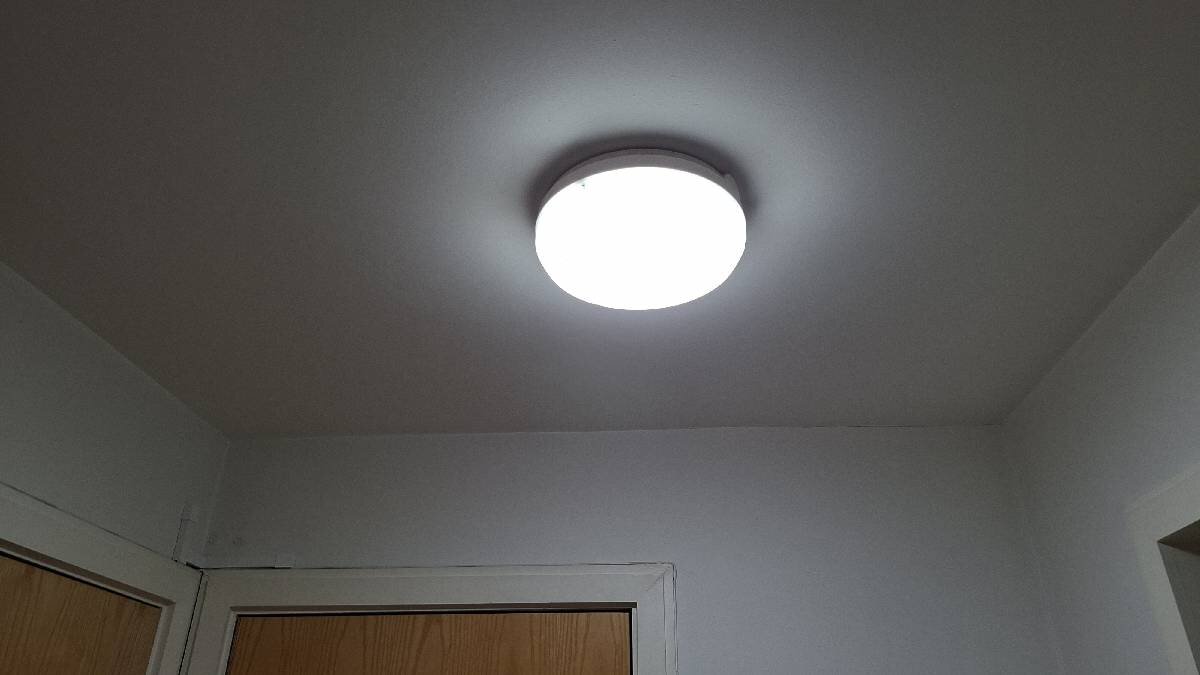
Step 4 — Circuit Testing: Power was restored and the new fitting was confirmed operational. The lighting circuit was tested to confirm correct operation of switching, and the fitting was checked for secure mounting and proper sealing of the gasket (which provides the IP rating that protects against moisture and dust ingress).
The electrician departed at 11:19 — total on-site time of seventeen minutes from arrival to confirmed completion.
Common Bulkhead Light Failure Modes
| Failure Type | Typical Cause | Prevention |
|---|---|---|
| Complete lamp failure | LED driver end-of-life or power surge | Surge protection on circuit; quality LED fittings with rated driver life |
| Intermittent flickering | Loose terminal connections or failing driver | Torque-check connections at installation; replace driver unit |
| Moisture ingress | Failed gasket seal or cracked diffuser | Specify correct IP rating for location; replace damaged diffusers promptly |
| Corrosion of base plate | Fitting installed in corrosive environment without appropriate rating | Specify stainless steel or polycarbonate bodies for aggressive environments |
| Yellowed or discoloured diffuser | UV degradation of polycarbonate | Specify UV-stabilised diffusers for external or south-facing installations |
| Circuit tripping on replacement | Wiring fault or incorrect connection | Full circuit test before and after installation |