Vacant properties in winter face a convergence of risks that individually are manageable but together can produce catastrophic outcomes.
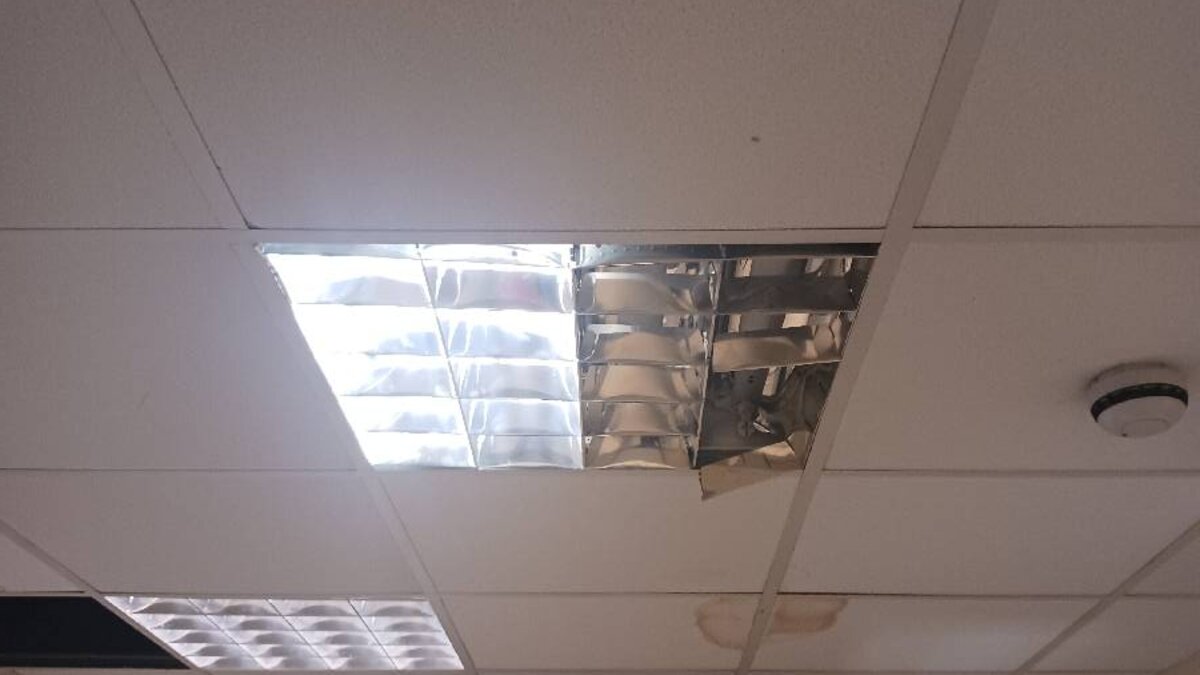
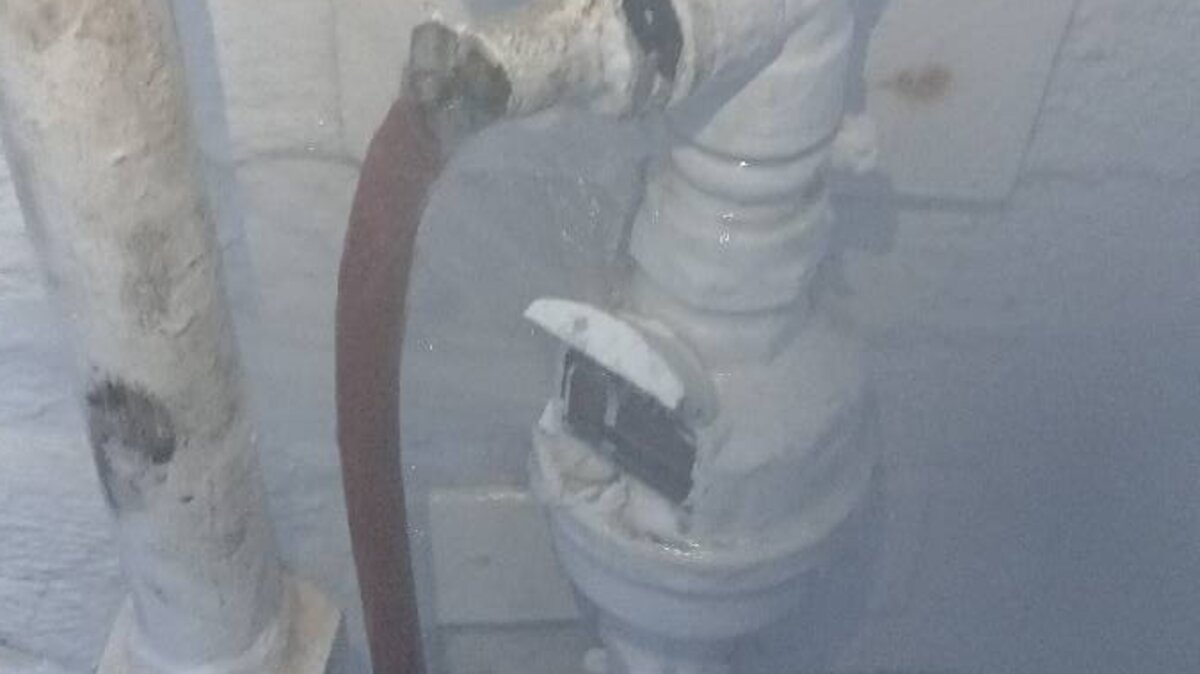
Freeze Damage: Water expands by approximately nine percent when it freezes. In a sealed heating system or domestic water circuit, this expansion generates forces that can split copper pipes, crack radiator bodies, and rupture flexible connectors. A single burst pipe in an unoccupied property can discharge thousands of litres before anyone discovers the problem — saturating floors, ceilings, walls, and electrical installations across multiple storeys.
Gas Safety: An unoccupied property with a live gas supply presents ongoing risk. Gas appliances that are not being monitored or maintained can develop faults — a pilot light failure in an older appliance, a regulator malfunction, or a gradual fitting deterioration can all lead to gas accumulation in a closed, unventilated space. The consequences range from explosion risk to the slower but equally serious problem of carbon monoxide production in poorly ventilated conditions.
Insurance Exposure: Most buildings insurance policies contain specific conditions relating to vacant properties. Standard policy wordings typically require the policyholder to drain water systems and turn off the water supply if the property will be unoccupied for more than 30 consecutive days (some policies specify as few as 14 days). Failure to comply with these conditions can void coverage entirely — meaning the policyholder bears the full cost of any flood, fire, or gas-related damage.
The instruction from Three Shields FM reflected all three concerns: isolate and cap the gas supply to industry standards, and drain the water and heating systems to prevent burst pipework during freezing conditions.
The Works — Step by Step
Our Gas Safe registered engineer attended the property at 16:11, accessing via the keysafe arrangement provided by the FM company. The full winterisation programme was completed systematically:
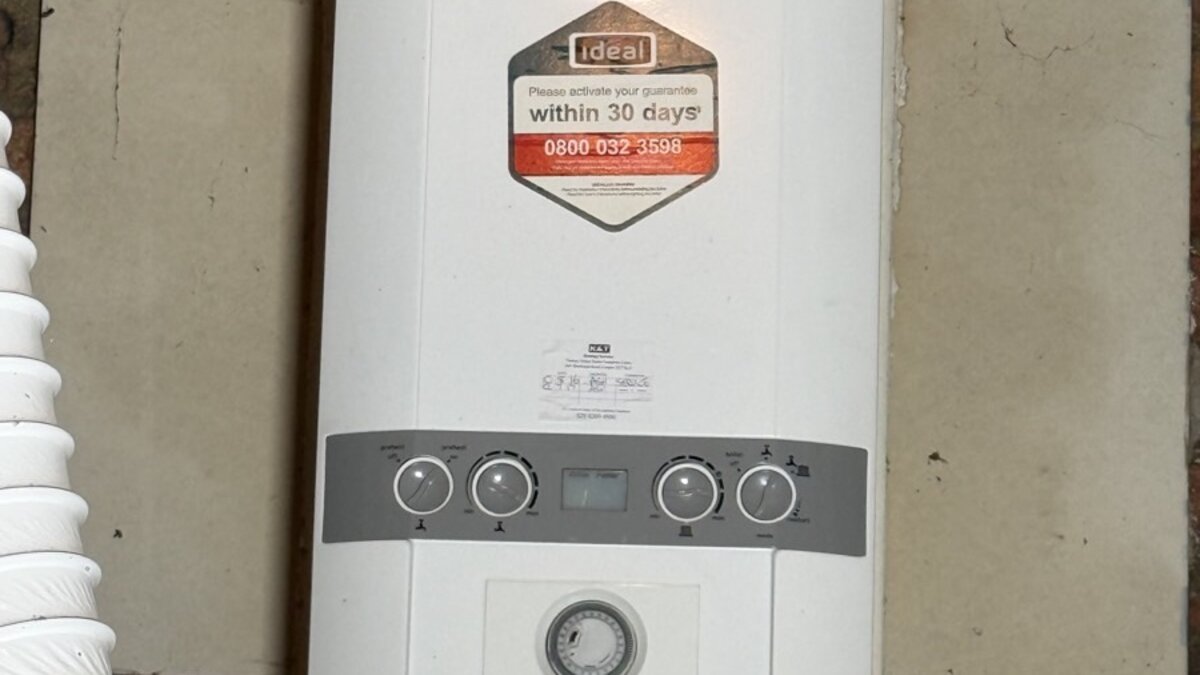
Step 1 — Gas Meter Isolation: The gas supply was isolated at the meter. This is the primary isolation point and ensures no gas can enter any part of the property’s internal distribution pipework, regardless of the condition of individual appliance isolation valves.
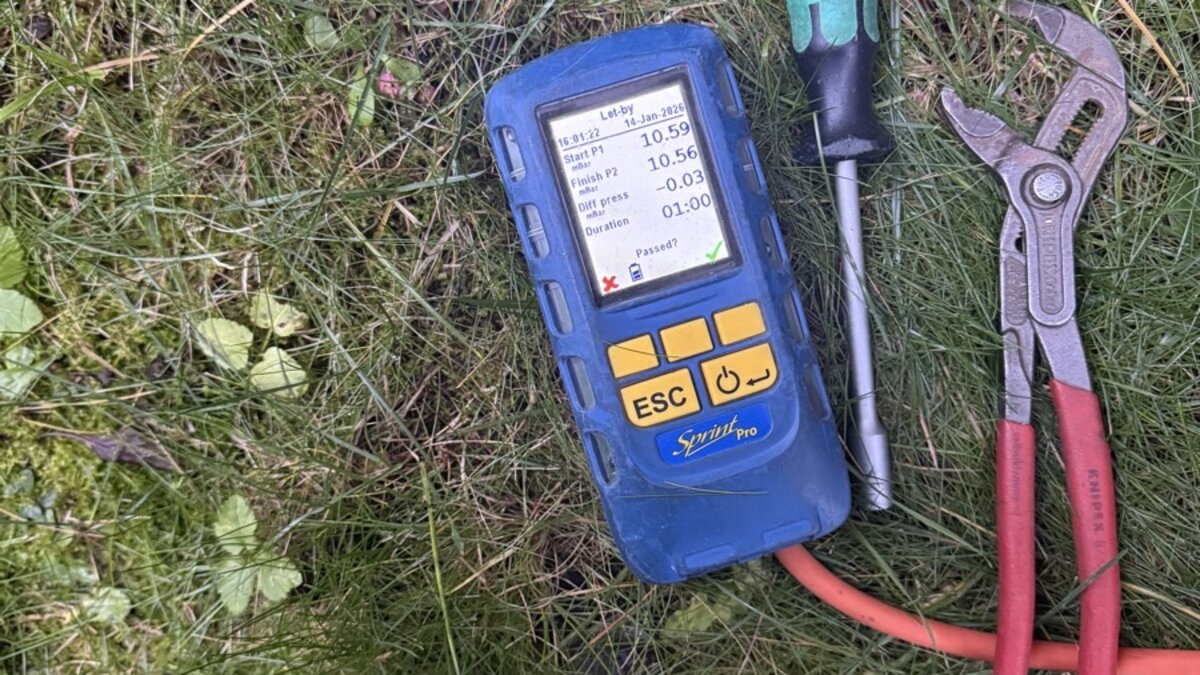
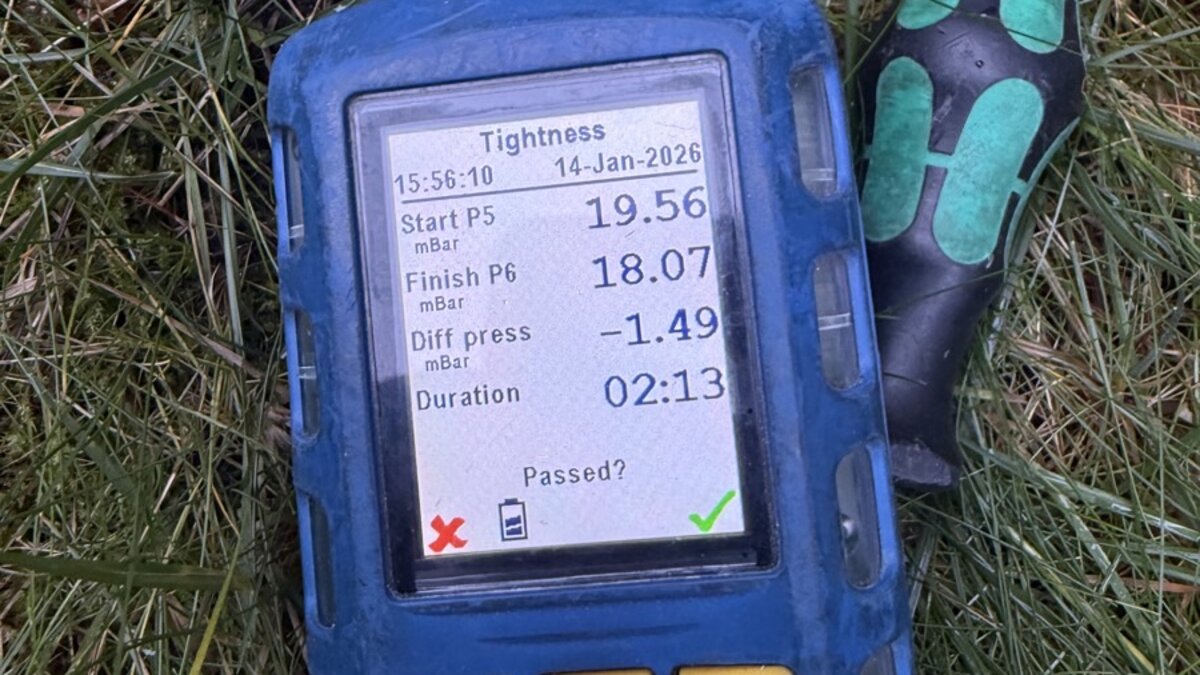
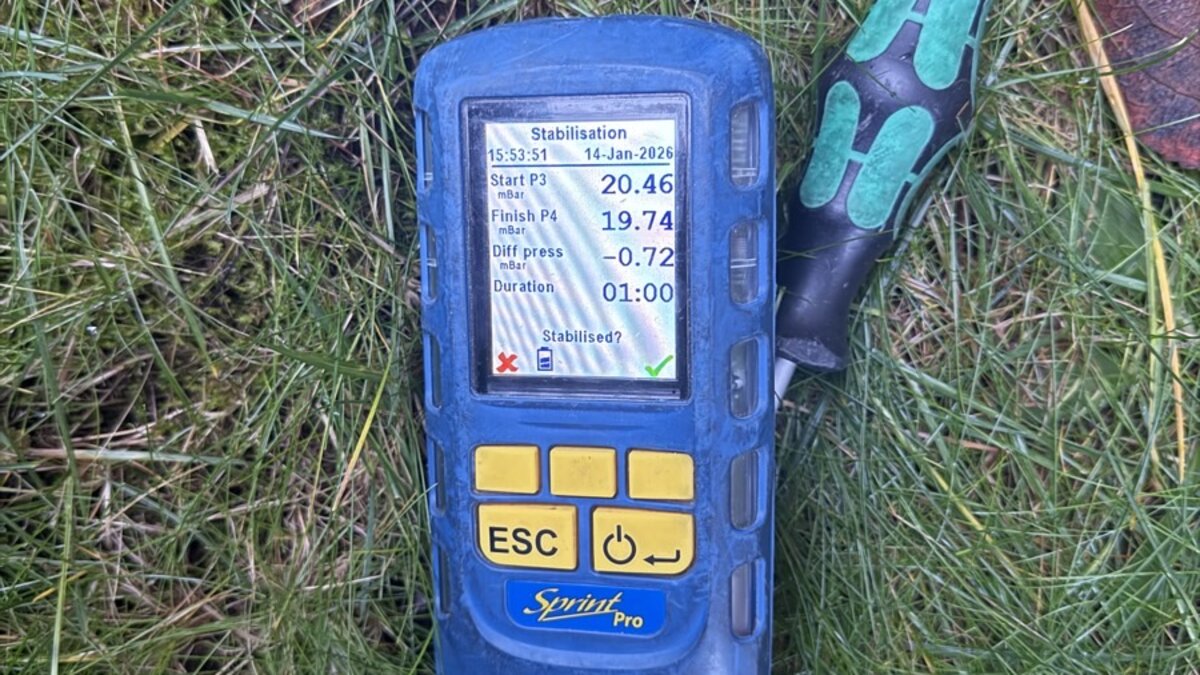
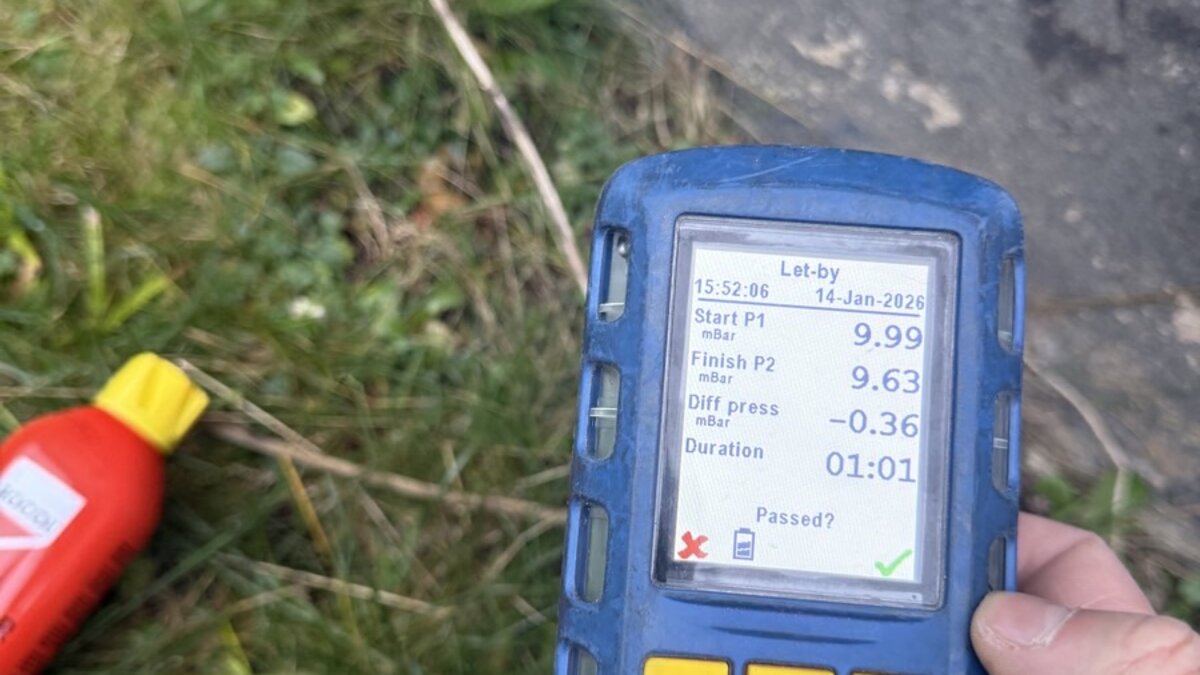
Step 2 — Gas Supply Capping: Following isolation, the gas supply pipework was capped off to industry standards. Capping provides a physical barrier that prevents any gas flow even if the meter valve were inadvertently reopened. This is a requirement under Gas Industry Unsafe Situations Procedure (GIUSP) protocols for properties being taken out of use.
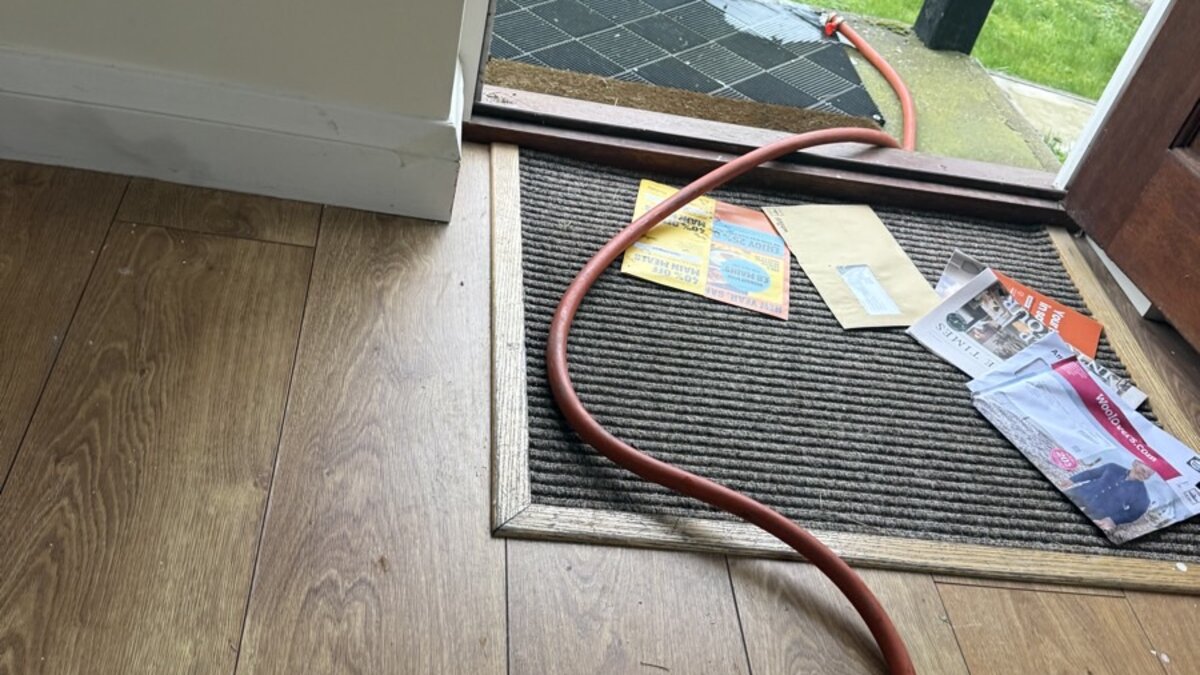
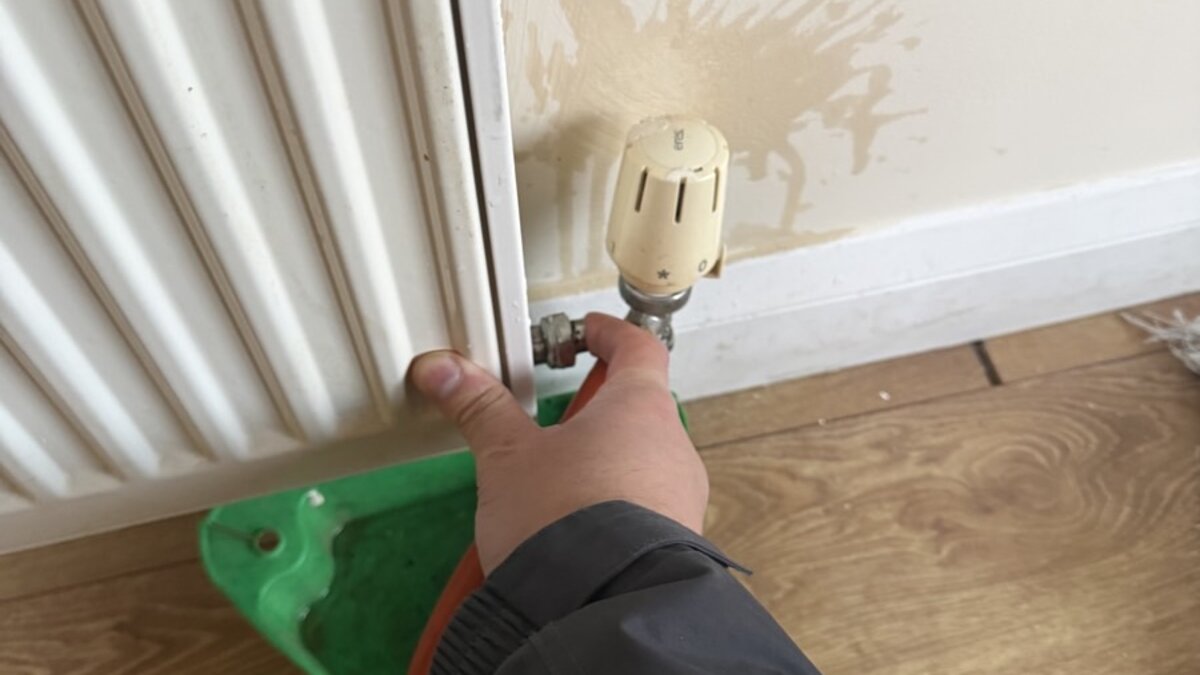
Step 3 — Heating System Draindown: The sealed heating circuit was drained down completely. This involves opening drain valves at the lowest point of the system, opening all radiator bleed valves to allow air ingress (which enables complete drainage), and confirming that all water has been evacuated from pipework, radiators, and the boiler heat exchanger. Incomplete draindown — where water remains trapped in low points or dead legs — still permits freeze damage, so thoroughness at this stage is critical.
Step 4 — Water System Isolation: The mains water supply was isolated at the internal stopcock. This prevents any new water from entering the property’s pipework, eliminating the risk of supply-side leaks or burst fittings during freezing conditions.
Step 5 — Documentation: All isolation points were documented with photographic evidence, providing the FM company with a verifiable record that winterisation was completed to the required standard. This documentation serves both compliance and insurance purposes.
The engineer departed at 17:15, with total on-site duration of just over one hour.
Common Winterisation Failure Points
| Risk Area | What Goes Wrong | Consequence |
|---|---|---|
| Incomplete draindown | Water trapped in dead legs or low points | Localised pipe burst despite draindown |
| Heating system only | Domestic water circuit left charged | Kitchen/bathroom pipe burst from freeze |
| Gas isolated but not capped | Meter valve reopened accidentally | Gas accumulation in unventilated property |
| External pipework overlooked | Outside taps or exposed runs not drained | Burst pipe floods internally via wall penetration |
| Expansion vessel not addressed | Residual water in vessel membrane | Minor but avoidable component damage |
| No photographic record | Insurer disputes winterisation was completed | Claim rejected despite works being done |
Compliance and Regulatory Framework
| Requirement | Regulation / Standard | Application to This Case |
|---|---|---|
| Gas Safe registration | Gas Safety (Installation and Use) Regulations 1998, Reg. 3 | Only Gas Safe registered engineers may work on gas installations |
| Gas isolation procedure | GIUSP (Gas Industry Unsafe Situations Procedure) | Capping must follow prescribed industry procedure |
| Combustion appliance safety | Building Regulations Approved Document J | Requirements for safe installation and decommissioning of gas appliances |
| Vacant property conditions | Insurance policy conditions (standard market wording) | Water systems drained and gas isolated for properties unoccupied beyond policy threshold |
| Duty of care | Health and Safety at Work Act 1974 | Property owners must not create risks to neighbours or visitors from unmanaged building services |
| Legionella prevention | HSE Approved Code of Practice L8 | Stagnant water in unoccupied properties creates legionella risk; draindown eliminates the medium |
Broader Context: Vacant Property Management
Winterisation is one component of a broader vacant property management strategy. Properties left empty — whether between tenancies, during probate, pending sale, or during refurbishment — require a structured approach to risk management that goes beyond simply turning off the heating.
Pre-Void Winterisation: The works carried out at this property represent best practice: gas isolated and capped, heating drained, water supply isolated, all documented. This should be carried out as soon as a property is confirmed vacant during the October–March period, or earlier if severe weather is forecast.
Regular Inspections: Even after winterisation, vacant properties benefit from periodic inspection — typically fortnightly — to check for signs of unauthorised entry, roof leaks, or other damage that could develop undetected. Many insurance policies require evidence of regular inspection as a condition of maintaining coverage for vacant properties.
Recommissioning: When the property is ready for reoccupation, the systems must be properly recommissioned. This includes refilling and pressurising the heating system, restoring the gas supply (requiring a Gas Safe registered engineer to uncap and test), running water through all outlets to flush stagnant water, and testing all appliances before handing back to tenants.
Legionella Considerations: Water that has been standing in pipework for extended periods can harbour Legionella bacteria. HSE Approved Code of Practice L8 recommends flushing systems that have been out of use, and running all outlets for a minimum period before occupation. Draindown — as performed here — eliminates the standing water that creates the risk, but flushing at recommissioning remains advisable.