Immersion Heater Replacement at a Day Nursery: Restoring Hot Water in a Safeguarded Setting

Case Study
Tottenham, London N17
A day nursery without functioning hot water is not simply inconvenienced — it faces a compliance crisis. Childcare settings are subject to rigorous inspection regimes that mandate hot water availability for handwashing, food preparation, and general hygiene. When a nursery in Tottenham reported a failed immersion heater element alongside wider boiler concerns, our engineer replaced the element and restored hot water within a single visit, while identifying that the broader heating system required a comprehensive overhaul to remain fit for purpose.
Immersion Heater Replacement at a Day Nursery: Restoring Hot Water in a Safeguarded Setting - image-03.jpeg

Understanding the Risk: Hot Water Failure in Childcare Premises

The Early Years Foundation Stage (EYFS) statutory framework, which governs all registered childcare provision in England, requires that premises are “fit for purpose” and that providers ensure “suitable hygienic conditions.” Hot water is fundamental to meeting these requirements. Without it, handwashing after nappy changes, before food handling, and after messy play cannot be carried out to the standard that Ofsted inspectors expect. A sustained loss of hot water could trigger an enforcement action or, in serious cases, a condition on the provider’s registration.

Beyond EYFS requirements, the Health and Safety at Work Act 1974 places a general duty on employers to ensure the health, safety, and welfare of employees and others affected by the undertaking — which in a nursery context includes the children in care. The Workplace (Health, Safety and Welfare) Regulations 1992, Regulation 21, specifically requires that an “adequate supply of hot and cold running water” be provided at suitable locations in the workplace.

Hot water temperature management in childcare settings involves a careful balance. The Approved Code of Practice L8 (Legionnaires’ Disease: The Control of Legionella Bacteria in Water Systems) requires stored hot water to be maintained at 60 degrees Celsius to prevent legionella proliferation, while Building Regulations Approved Document G mandates that hot water delivered to outlets in settings accessible to children must be thermostatically controlled to prevent scalding — typically limited to 38-43 degrees Celsius at the tap. A failed immersion heater disrupts both sides of this equation: the stored water cools below the legionella safety threshold, and when restored, temperature regulation must be verified before the system is returned to use around children.

The Instruction and Initial Assessment

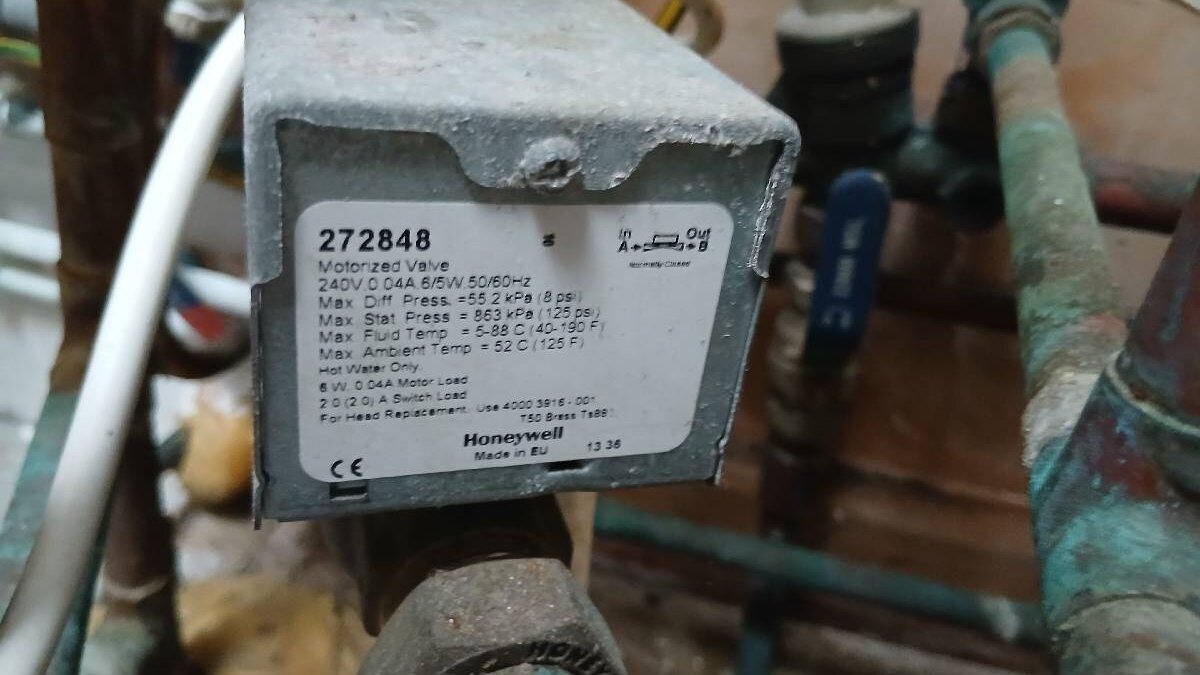
Brightstar Day Nursery, located at Morris House, Waltheof Gardens, Tottenham, reported multiple heating concerns. The instruction specified: check the boiler is operational and in working order, replace the heating element, and address the heating and hot water valves.

Our engineer, Mohammed Miah, attended on 12 January 2026, arriving at 12:47. The scope of the instruction suggested the client was already aware that multiple components were problematic — this was not a single-fault callout but an assessment-and-repair visit requiring a methodical approach.

Step-by-Step Work Completed

System Assessment

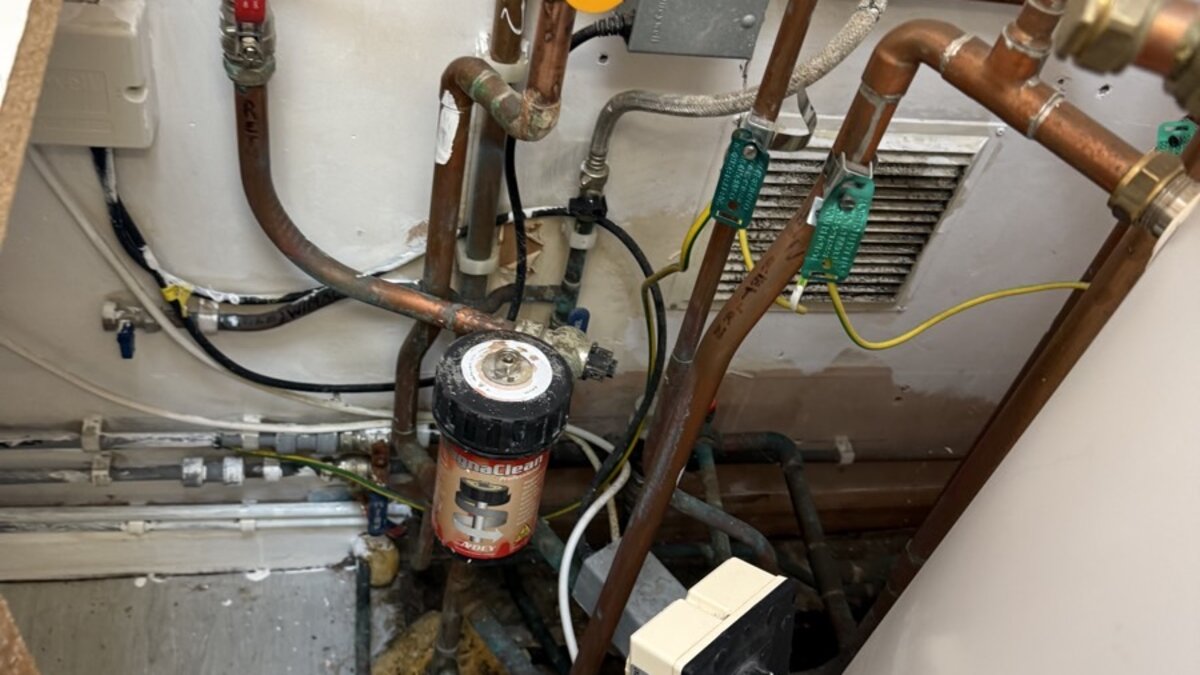
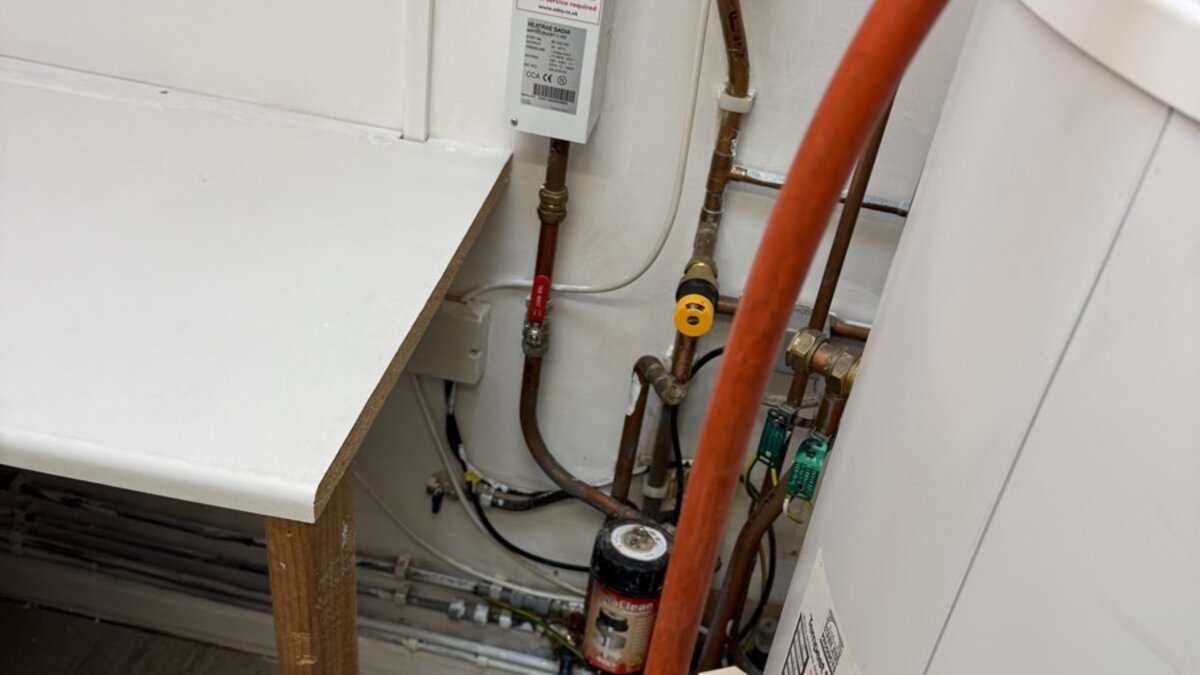
On arrival, the engineer conducted a full assessment of the heating system, inspecting the boiler, immersion heater, pipework, valves, and controls. This initial survey established the baseline condition of each component before any work was undertaken.

Immersion Heater Element Replacement

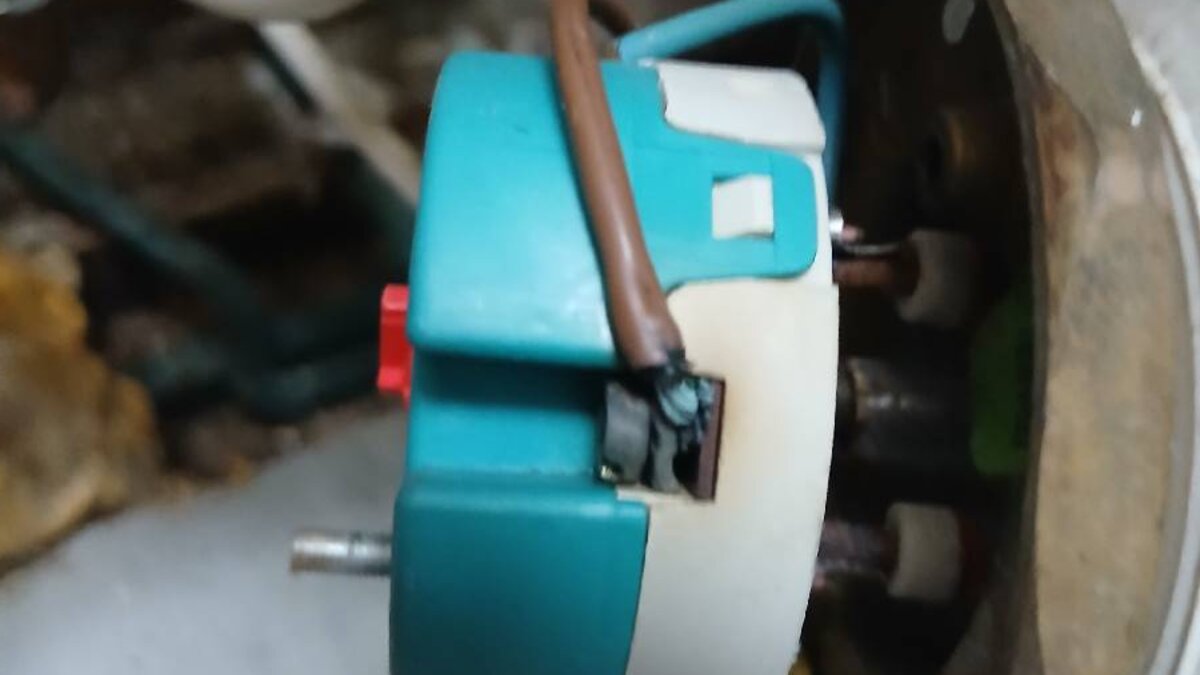
The immersion heater element was confirmed as failed. Immersion heaters work by passing an electrical current through a resistive element submerged in the hot water cylinder. Over time, limescale accumulation on the element increases the operating temperature of the element itself (not the water), eventually causing the element to burn out. In hard water areas, this failure mode is accelerated.

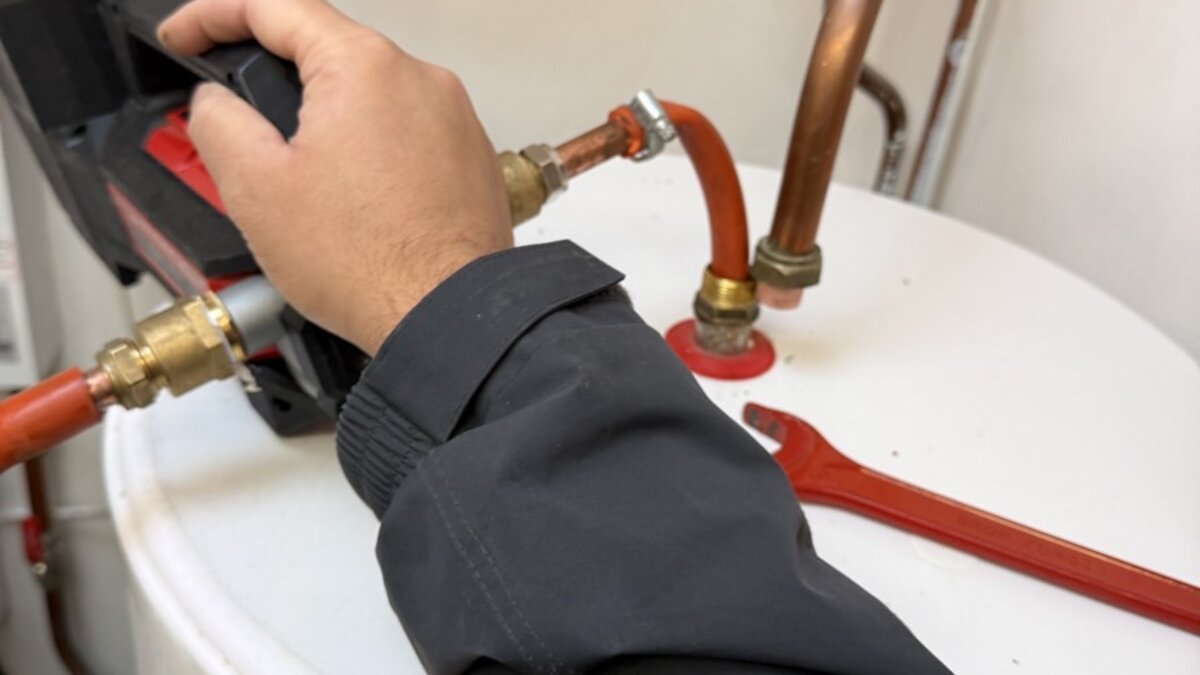
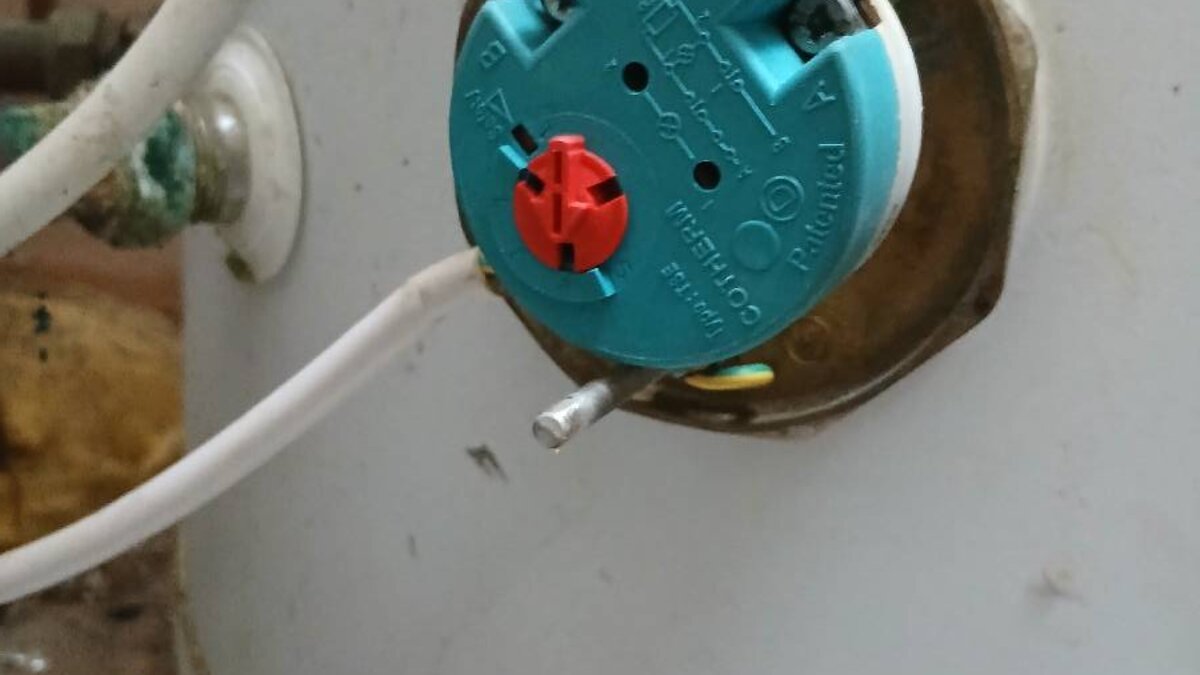
The engineer isolated the electrical supply to the immersion heater at the local isolator and confirmed isolation using a voltage tester. The existing element was removed from the cylinder boss, the boss threads were inspected and cleaned, and a new element was fitted with a fresh fibre washer to ensure a watertight seal. The element was reconnected, the thermostat was checked and set to the correct temperature, and the system was powered on. Hot water production was confirmed within the expected recovery period.

Wider System Condition

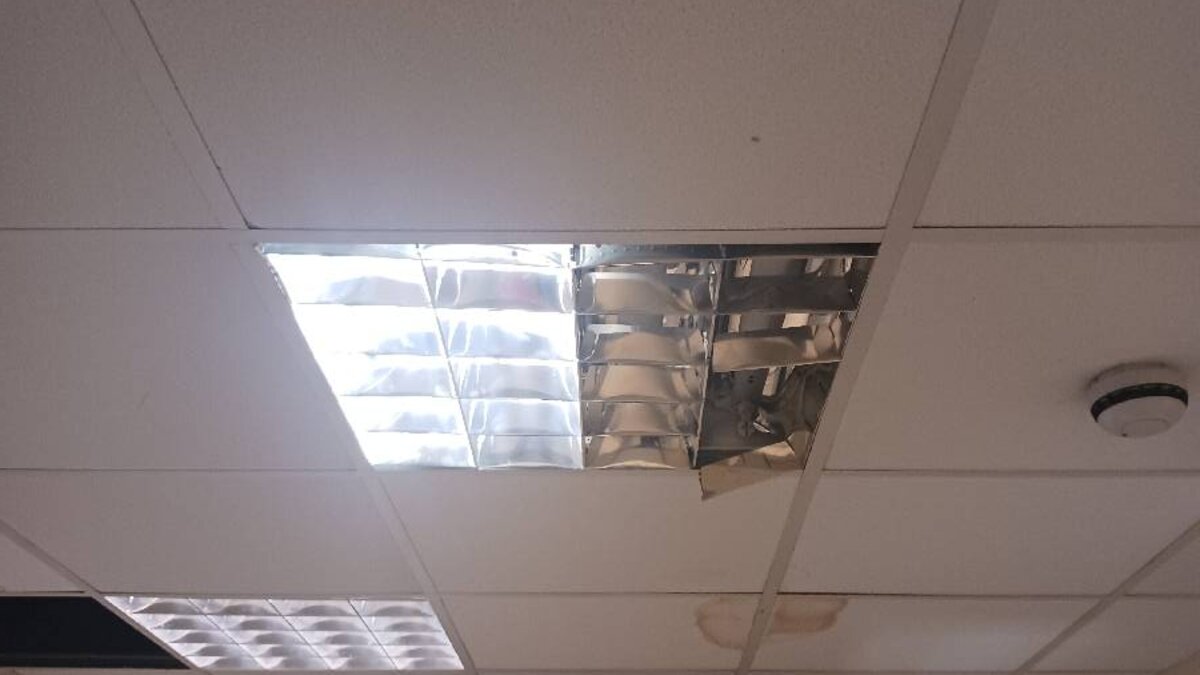
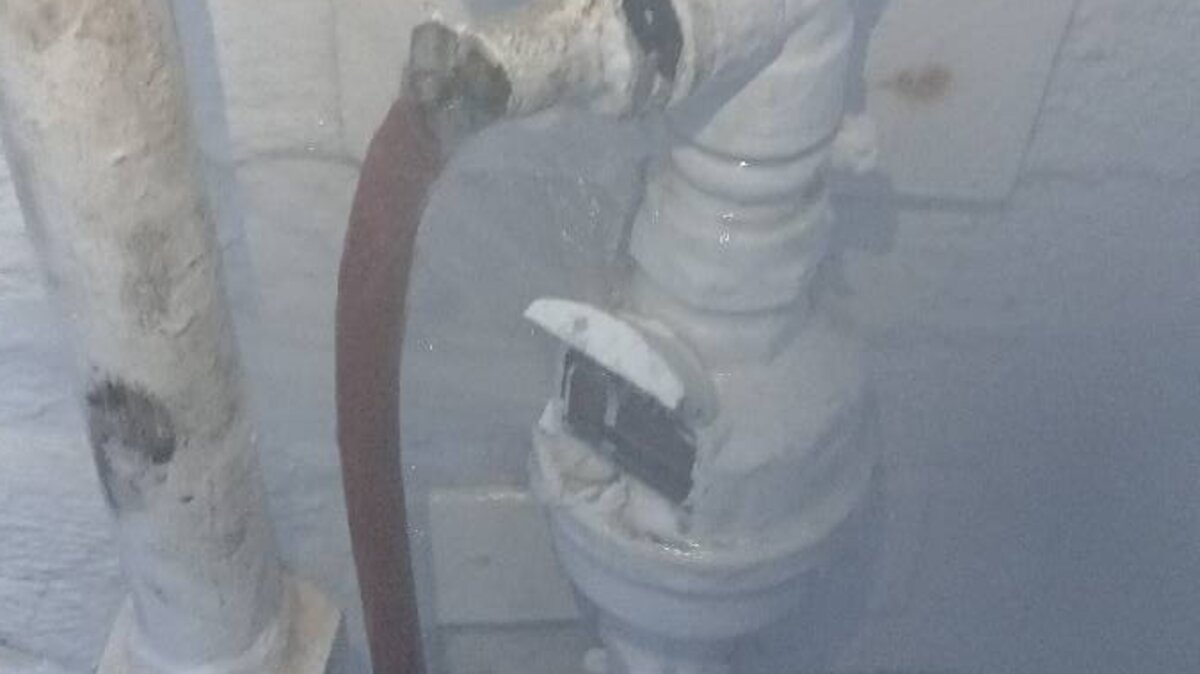
During the works, the engineer assessed the boiler, heating circuit valves, and hot water valves as instructed. The assessment revealed that while the immersion element replacement resolved the immediate hot water issue, the overall heating system was in a condition that warranted a comprehensive overhaul. The engineer reported this finding to the client with a clear recommendation that piecemeal repairs would not provide a reliable long-term solution for a premises where continuous hot water and heating availability is a regulatory requirement.

Findings Summary

Component Status Action Taken Recommendation
Immersion heater element Failed — burnt out Replaced with new element Immediate fix — completed
Immersion thermostat Checked Set to correct temperature Monitor for accurate regulation
Boiler Operational but deteriorated Visual assessment completed Requires comprehensive overhaul
Heating valves Showing wear Assessed as part of wider review Include in system overhaul
Hot water valves Showing wear Assessed as part of wider review Include in system overhaul
Hot water supply Restored Confirmed operational Monitor recovery times

Common Immersion Heater and Hot Water Issues

Facilities managers responsible for commercial and institutional premises should be familiar with these common hot water system failure patterns.

Issue Warning Signs Risk if Ignored Typical Resolution
Burnt-out immersion element No hot water, element draws no current Complete loss of hot water Replace element
Limescale accumulation Slow recovery time, reduced output Premature element failure, energy waste Descale cylinder, replace element
Thermostat failure Water too hot or not reaching temperature Scalding risk or legionella risk Replace thermostat
Immersion boss leak Water seepage at cylinder boss Water damage, potential electrical hazard Reseat element with new washer, or replace boss
Cylinder corrosion Discoloured water, visible rust at fittings Cylinder failure, flooding Replace cylinder
Timer/programmer fault Immersion not heating at expected times Unnecessary energy use or no hot water when needed Replace programmer
Isolation switch failure Cannot isolate electrically for maintenance Safety risk during servicing Replace isolator switch — Part P applies

Compliance and Documentation Framework

The regulatory framework for hot water provision in a childcare setting is more demanding than for standard commercial premises, reflecting the safeguarding requirements applicable to settings that care for young children.

Requirement Regulatory Source Application to This Work
Safe and suitable premises EYFS Statutory Framework (2024) Hot water must be available for hygiene requirements
Employer duty of care Health and Safety at Work Act 1974 Employer must maintain safe working environment
Adequate hot and cold water Workplace (Health, Safety and Welfare) Regulations 1992, Reg. 21 Hot running water must be provided at suitable wash stations
Legionella control ACoP L8 / HSG274 Stored water must be maintained at 60 degrees C minimum
Hot water safety (scalding) Building Regulations Approved Document G Outlets accessible to children must have TMVs or thermostatic blending
Electrical safety (immersion circuit) Building Regulations Part P / BS 7671 Immersion heater circuit must comply with wiring regulations
Energy efficiency Building Regulations Approved Document L Heating systems should operate efficiently; worn systems waste energy
Ofsted inspection standards Ofsted Early Years Inspection Handbook Premises condition is assessed during inspection

Preventive Maintenance: Heating Systems in Childcare Settings

Nurseries and other childcare settings cannot afford unplanned heating or hot water failures. The following maintenance schedule addresses the most common failure points and supports compliance with both building regulations and Ofsted expectations.

Monthly: Check hot water temperature at representative outlets (should be between 38-43 degrees C at taps accessible to children). Confirm the immersion heater is operating and the thermostat is regulating correctly. Check the boiler pressure gauge and top up if required on sealed systems.

Quarterly: Test thermostatic mixing valves (TMVs) at all outlets accessible to children. Run legionella flushing protocol on any infrequently used outlets. Check heating circuit valves for stiffness or leaking.

Annually: Full heating system inspection by a qualified engineer, including boiler service, immersion heater condition check, cylinder inspection, valve operation, and safety device testing. Flush and descale the hot water cylinder if in a hard water area. Review the legionella risk assessment and update if system changes have been made.

At any planned closure period: Commission a comprehensive system assessment while the premises are unoccupied. This allows for invasive inspection and any necessary repairs without disrupting childcare operations.

All Services 4U provides heating repair, installation, and planned maintenance services for commercial and institutional clients, including childcare facilities, schools, healthcare settings, and community buildings.

Regulatory awareness — our engineers understand the specific compliance requirements of safeguarded settings and report findings in terms that help facilities managers demonstrate compliance to inspectors and regulators.

Honest system assessment — when a system requires more than the immediate repair, we report this clearly and provide a written recommendation. This allows clients to plan and budget for the necessary works, rather than facing repeated emergency callouts as components fail sequentially.

Multi-trade capability — immersion heater replacement involves both plumbing and electrical work. As a multi-trade contractor, our engineers hold the relevant qualifications to handle the full scope of work in a single visit, avoiding the coordination delays of engaging separate plumbing and electrical contractors.

Documentation for compliance — all work is photographed, timestamped, and reported with full completion notes, providing the audit trail that nursery managers need for Ofsted inspection files and health and safety documentation.

Planned preventive maintenance — we offer tailored PPM contracts for childcare and educational settings, scheduling maintenance during closure periods and providing advance notification to minimise disruption to operations.

When to Act: Warning Signs for Nursery and Childcare Operators

If any of the following are observed at your childcare premises, early investigation will protect both the children in your care and your regulatory standing:

  • Hot water running lukewarm or cold at handwash stations
  • Slow recovery time after periods of high hot water demand
  • Boiler pressure dropping below normal operating range
  • Unusual noise from the hot water cylinder or immersion heater
  • Visible corrosion or weeping at cylinder connections
  • Water temperature at taps exceeding the safe range for child access
  • Any component of the heating system older than its expected service life

All Services 4U provides responsive and planned heating services for childcare premises across London and the surrounding areas. Contact our commercial team to discuss your nursery’s heating maintenance requirements or to arrange a system condition assessment.


Service Category: Heating — Immersion Heater / System Assessment
Location: Tottenham, London N17
Sector: Commercial — Childcare / Day Nursery
Response Time: Attended within instruction window
Compliance Tags: EYFS, Health and Safety at Work Act 1974, ACoP L8, Building Regulations Parts G/L/P, BS 7671, Workplace Regulations 1992
Reference: L4L-802438

All Service 4U Limited | Company Number: 07565878