Access control systems in residential blocks serve three overlapping functions: security (controlling who enters the building), communication (allowing residents to verify visitors before granting access), and fire safety (ensuring that entrance doors close properly to maintain compartmentation). When any of these functions degrades, the consequences affect every resident in the block.
An intermittent intercom creates a security vulnerability. If a resident cannot hear a visitor buzzing, they may prop the door open or provide access codes to bypass the system, undermining the building’s controlled entry. Equally, if the intercom fails to register a legitimate visitor — a carer, a delivery driver, or an emergency responder — the resident is effectively isolated.
A door closer that slams shut creates an immediate nuisance and a longer-term liability. The noise disturbance at unsocial hours affects residents’ wellbeing and quiet enjoyment. A slamming door is also an injury hazard, particularly for elderly residents, wheelchair users, or anyone with reduced mobility. Building Regulations Approved Document M requires that communal entrance doors be usable by people with disabilities, and BS 8300:2018 (Design of an Accessible and Inclusive Built Environment) specifies that door closers should allow controlled opening and closing at a speed that enables safe passage.
Under the Regulatory Reform (Fire Safety) Order 2005, communal entrance doors in residential blocks may form part of the fire strategy. A closer that fails to control the door’s closing speed may also fail to ensure the door latches properly, compromising the fire compartmentation that the door is designed to provide.
The Reported Issues
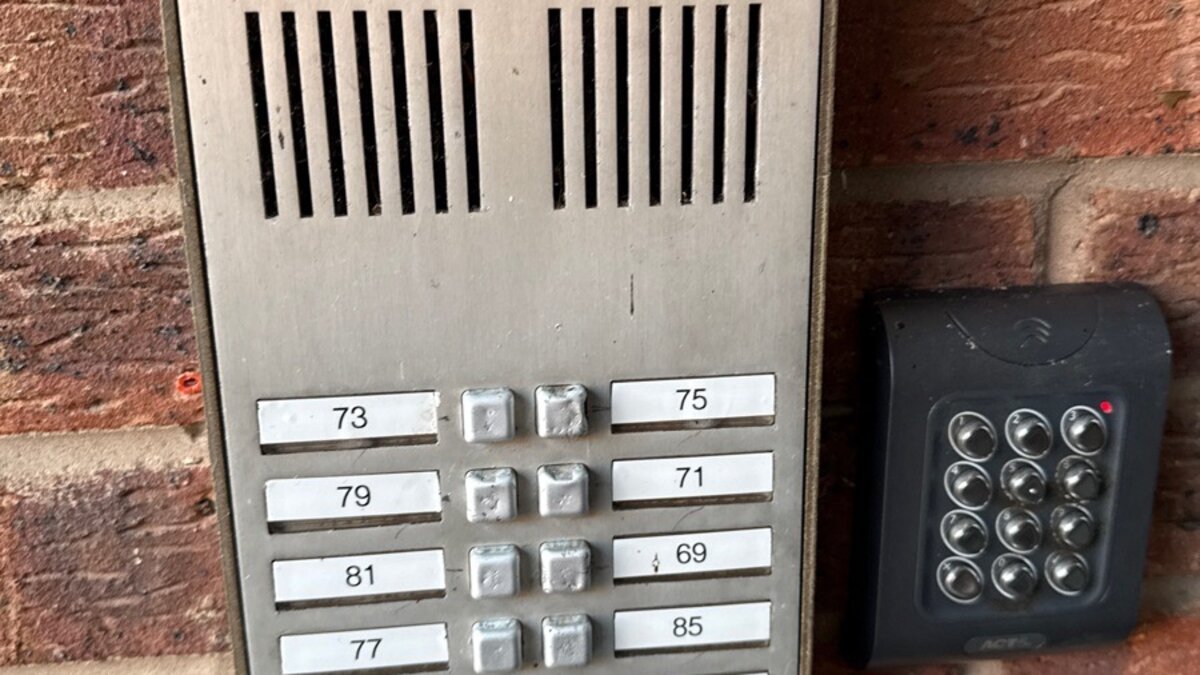
The property management company reported three concerns raised by a resident at 85 Hadrians Court:
- The intercom was intermittently failing to register visitor buzzes — it had worked for two visitors but not a third.
- The main entrance door was slamming shut, with noise disturbance occurring at all hours including the early morning.
- A secondary communal door (between the resident’s flat and the adjacent block) was also slamming shut.
Additionally, the client requested that the engineer check the intercom at a second location — Block 10-32 Hadrians Court — and provide a quotation for an Annual Access Control Visit covering all blocks in the development.
The Investigation
Our access control engineer attended site and conducted a systematic assessment of both the intercom system and the door closer mechanisms. The methodology prioritised thorough diagnosis over quick fixes, reflecting the principle that honest reporting serves the client better than temporary remediation of fundamentally failed equipment.
Intercom System Assessment
The engineer began by cleaning the external entrance panel, removing accumulated debris and cobwebs that can impede button operation and contribute to moisture retention. All accessible wiring terminals were checked and tightened — loose terminals are a common cause of intermittent connection in older intercom systems.
Every call button was tested individually while the engineer monitored the intercom’s response at the internal speech module. The findings were comprehensive and unequivocal:
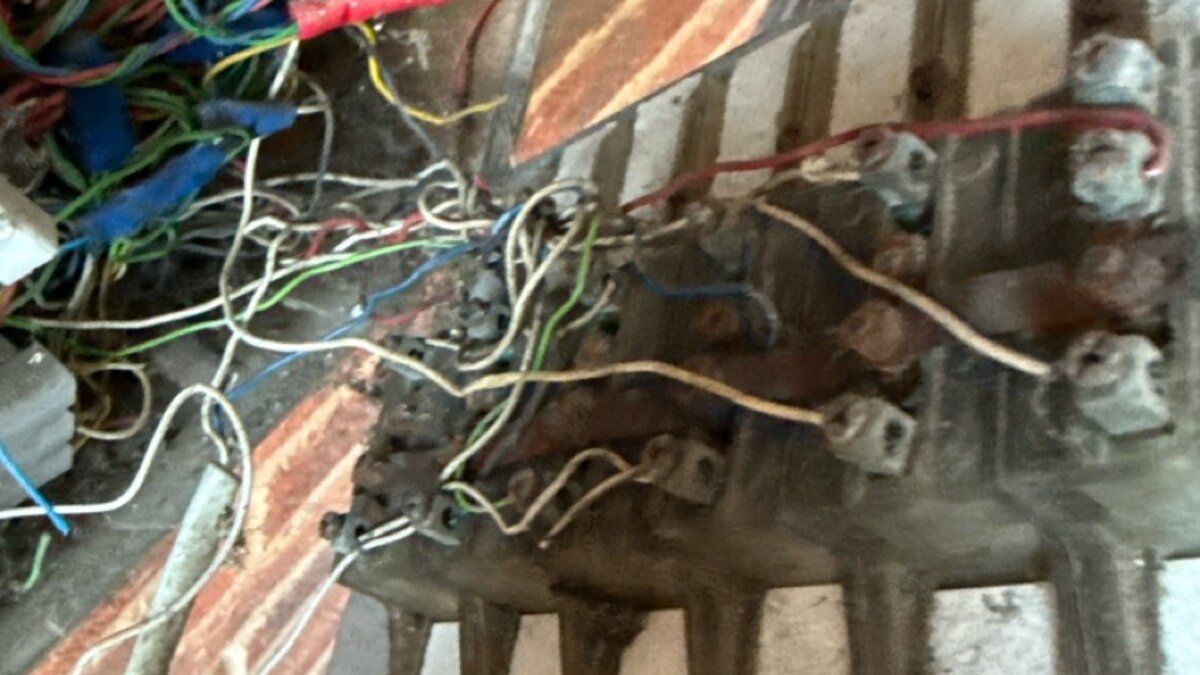
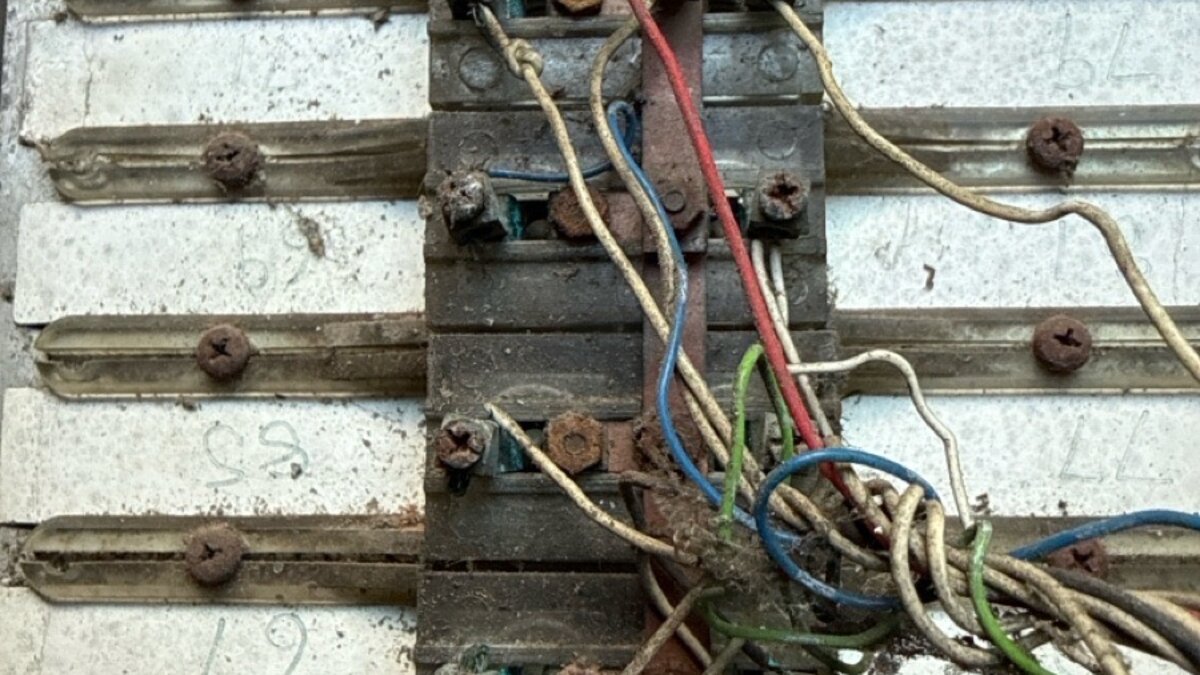
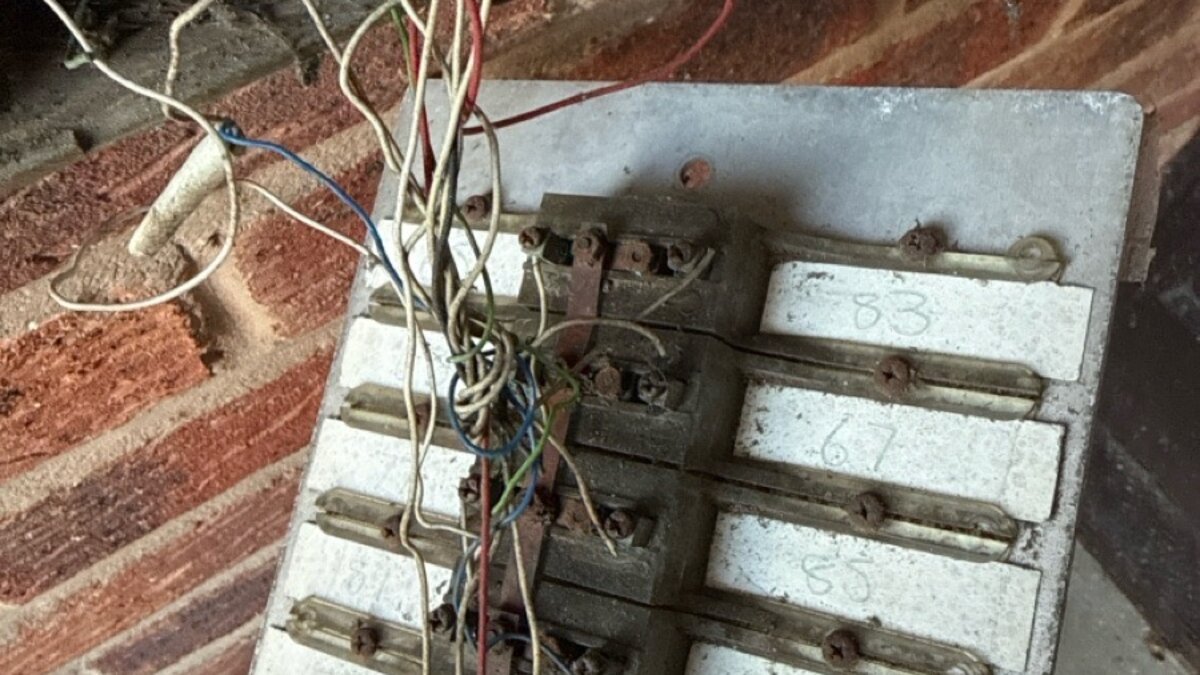
External Entrance Panel: The panel was in extremely poor condition, exhibiting heavy corrosion across the faceplate and housing, evidence of water ingress through the panel seals and cable entry points, and surface oxidation suggesting years of moisture exposure.
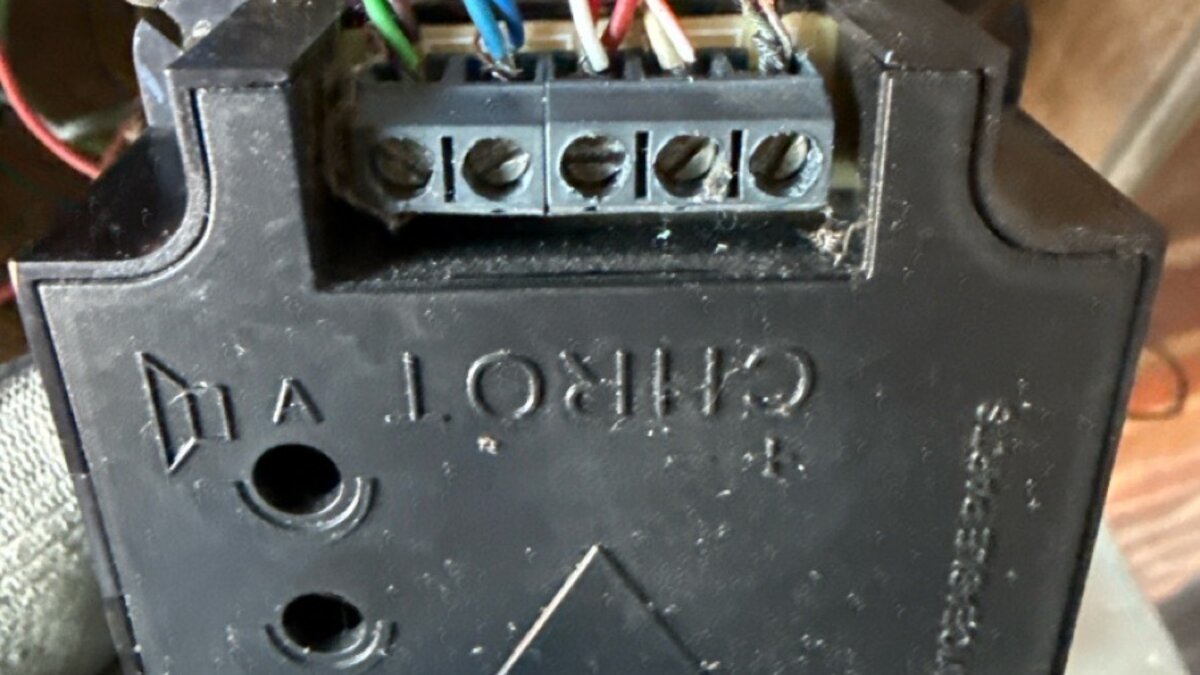
Speech Amplifier Module: The internal speech amplifier — identified as a BSTL Mod61 unit dated July 2002, making it over 23 years old — was producing a constant low buzzing sound and an intermittent call tone. These symptoms are characteristic of internal amplifier failure: the capacitors within the module degrade with age, causing signal instability that manifests as intermittent operation. This explains the reported symptom of some buzzes registering while others did not.
Internal Wiring: The wiring inside the entrance panel was heavily oxidised, with exposed conductors and clear evidence of long-term moisture damage. Although the engineer tightened terminals and cleaned contacts, these maintenance actions produced no improvement, confirming that the fault was at component level within the speech unit itself, not at the connections.
The engineer’s cleaning and tightening of terminals was not wasted effort — it was a necessary diagnostic step. By eliminating connection issues as a possible cause, the engineer confirmed definitively that the system required replacement rather than repair.
Door Closer Assessment
Main Entrance Door Closer: The engineer attempted to adjust both the sweep-speed and latch-speed valves on the closer. A functioning hydraulic door closer allows independent adjustment of these two parameters: sweep speed controls how quickly the door moves through most of its arc, while latch speed controls the final few degrees of closing, where the door engages the latch. The main entrance closer was completely unresponsive to both adjustments, continuing to slam shut during the final closing stage regardless of valve position. This behaviour is diagnostic of internal hydraulic valve failure — the seals within the closer have degraded, allowing hydraulic fluid to bypass the control valves.
Secondary Communal Door Closer: The closer on the secondary door was also assessed and determined to require full replacement. No adjustment could restore controlled closing behaviour.
Technical Findings Summary
| Component | Condition | Root Cause | Recommendation |
|---|---|---|---|
| Intercom entrance panel | Heavy corrosion, water ingress | Age, environmental exposure | Full replacement |
| Speech amplifier (BSTL Mod61, July 2002) | Internal failure — constant buzz, intermittent tone | Capacitor degradation (age) | Replacement — obsolete unit |
| Panel wiring | Heavily oxidised, exposed conductors | Long-term moisture damage | Full rewire as part of panel replacement |
| Main entrance door closer | Unresponsive to adjustment, slams shut | Internal hydraulic valve failure | Replacement |
| Secondary communal door closer | Failed | Internal mechanism failure | Replacement |
Why Access Control Equipment Fails
Understanding the failure modes of intercom systems and door closers helps property managers plan maintenance and replacement cycles. The table below outlines the most common issues encountered in residential communal installations.
| Component | Typical Lifespan | Common Failure Mode | Warning Signs |
|---|---|---|---|
| Intercom entrance panel | 10-15 years | Corrosion from weather exposure | Fading display, stiff buttons, intermittent response |
| Speech amplifier module | 10-15 years | Capacitor degradation | Buzzing, crackling, intermittent call tone |
| Panel wiring | 15-20 years | Oxidation from moisture ingress | Intermittent failures, signal loss |
| Hydraulic door closer | 8-12 years | Seal degradation, fluid loss | Door slamming, inconsistent closing speed |
| Electromagnetic hold-open device | 10-15 years | Coil failure, contact corrosion | Door not holding open, buzzing from unit |
The BSTL Mod61 amplifier in this installation had been in service for over 23 years — well beyond the expected service life for this type of component. Its failure was not unexpected; rather, it had exceeded its design lifespan significantly.