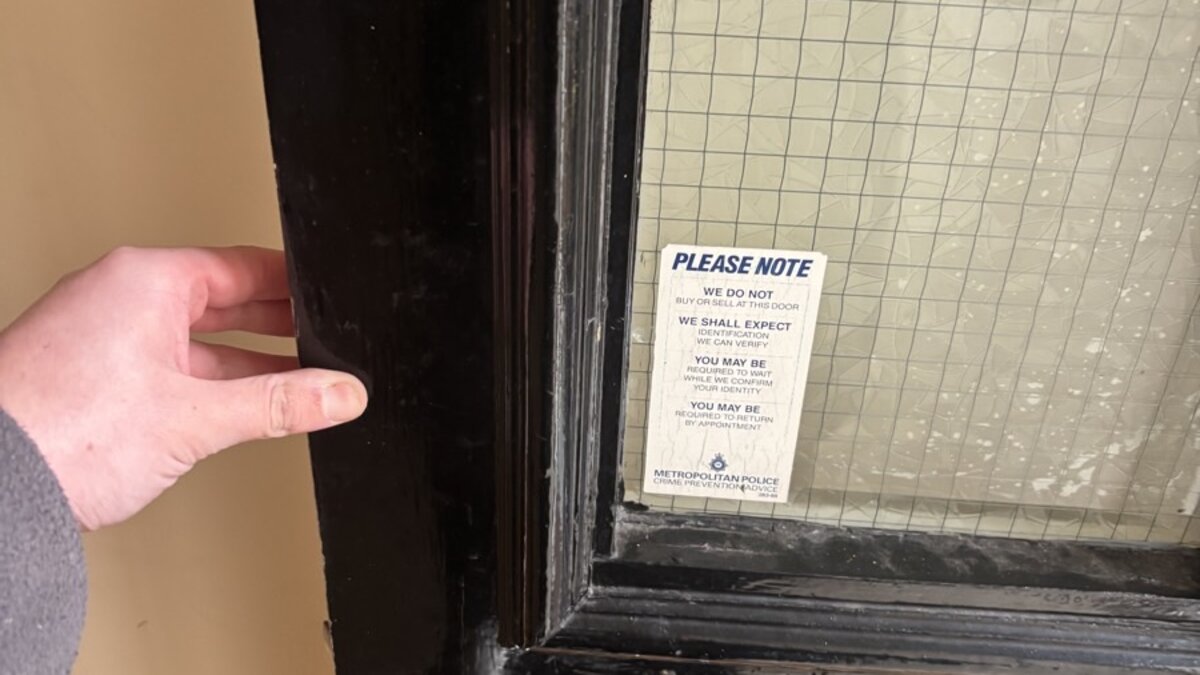
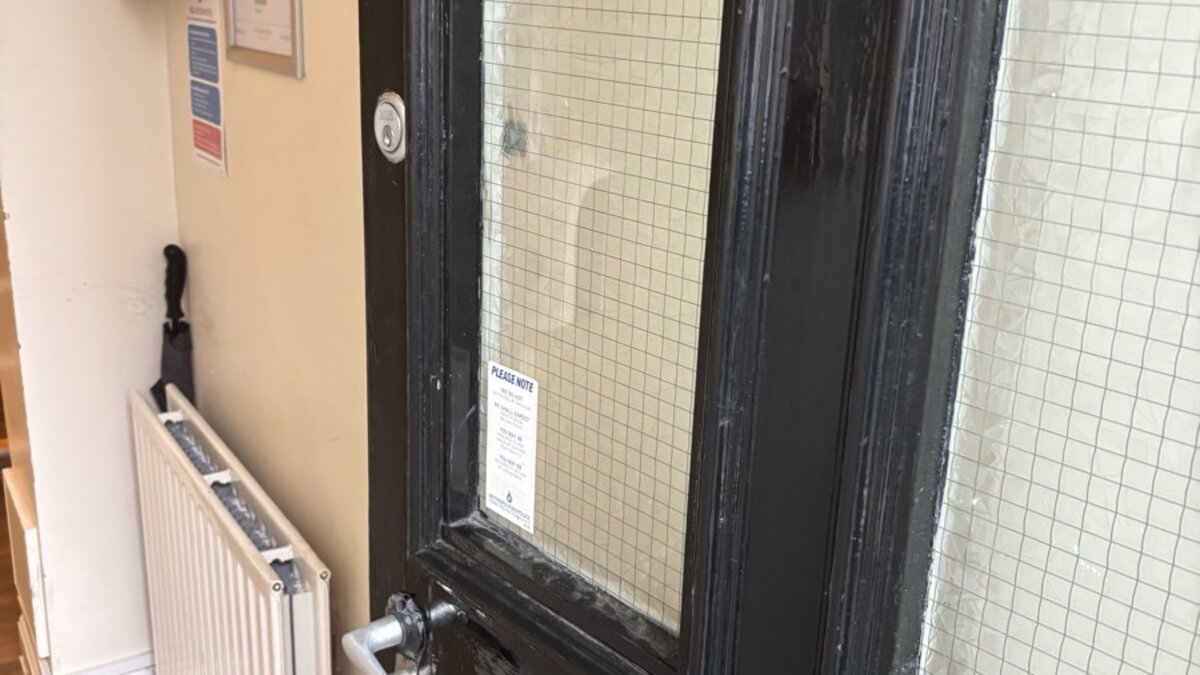
The security of a residential property begins at the front door. Under the Housing Act 2004 and the Housing Health and Safety Rating System (HHSRS), “entry by intruders” is a recognised hazard category that local authorities can assess and, where standards fall short, enforce. The Homes (Fitness for Human Habitation) Act 2018, which amended the Landlord and Tenant Act 1985, further reinforces that a rented dwelling must be fit for habitation throughout the tenancy — and a front door that cannot be securely locked clearly fails that test.
Lock changes are triggered by a range of circumstances in managed property: tenant changeover, lost or unaccounted keys, relationship breakdowns where a former occupant retains keys, or security concerns following a break-in or attempted break-in. In each scenario, the property manager has a responsibility to ensure that only authorised individuals hold keys to the property, and that the locks fitted meet an appropriate security standard.
BS 3621 (Thief Resistant Lock Assembly) is the benchmark standard for locks on external doors in residential property. Insurance policies commonly require locks to meet BS 3621 as a condition of cover, and many property managers specify this standard as part of their lettings protocol. For internal doors such as bedroom locks, BS EN 1303 (Building Hardware — Cylinders for Locks) provides the relevant specification for cylinder security, grading, and durability.
Recognised industry codes of practice provide additional professional standards for locksmith work, including requirements around key control, transparent pricing, and non-destructive methods wherever possible.
The Instruction
Tempus Facility Management raised a work order specifying lock changes for both the front door and bedroom door at 22 Woodlea Road, London N16. The instruction included specific key quantity requirements: two keys for the bedroom door and five keys for the front door. This level of specification reflects a professional key management protocol — the property manager needs to account for keys held by the tenant, the managing agent, and potentially the property owner, with the total number documented and controlled.
Step-by-Step Work Completed
Our locksmith, Jayden, attended the property on 6 January 2026, arriving at 14:47.
Initial Assessment
Before commencing any work, the locksmith assessed both doors to confirm the lock types in situ, the condition of the door furniture and frames, and the appropriate replacement components. This assessment step is essential — fitting the wrong cylinder type or size can compromise the lock’s security rating, damage the door, or result in a lock that does not operate smoothly with the existing handle and mechanism.
Front Door — Rim Cylinder Replacement
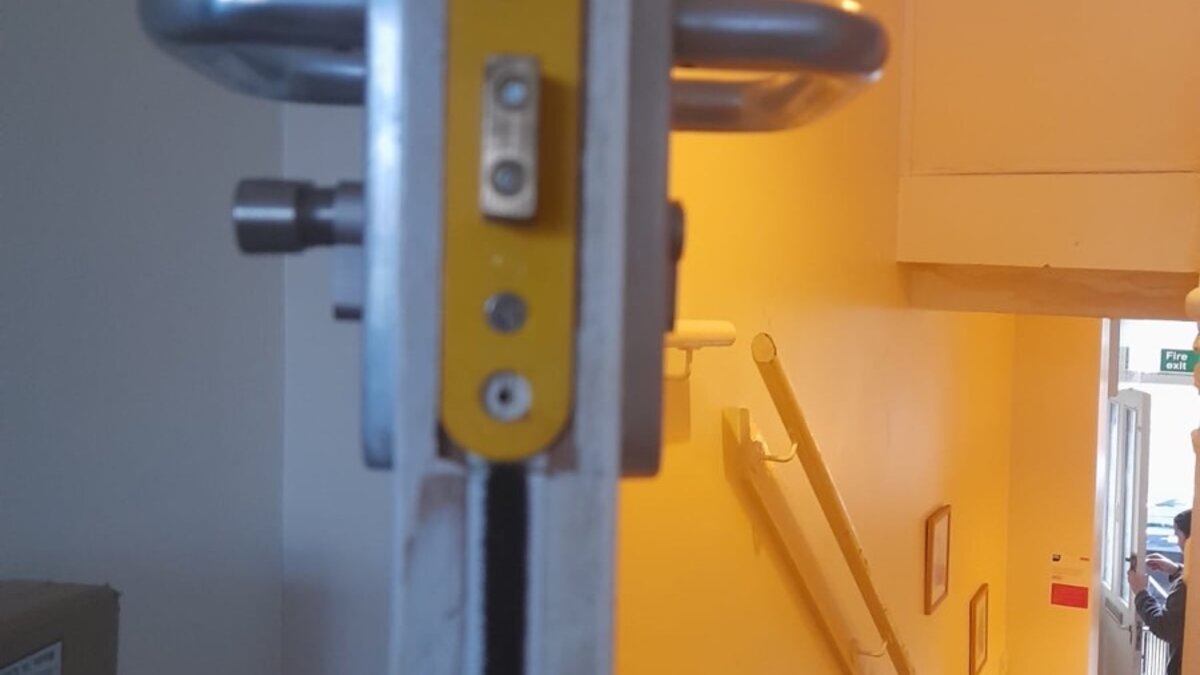
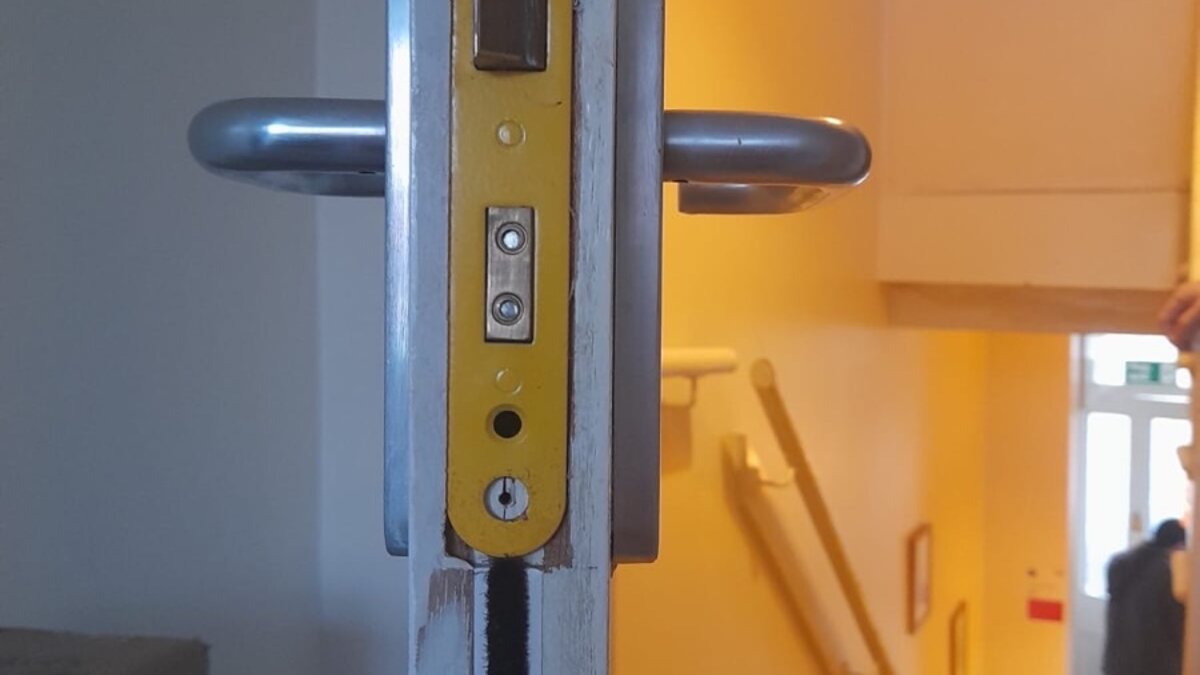
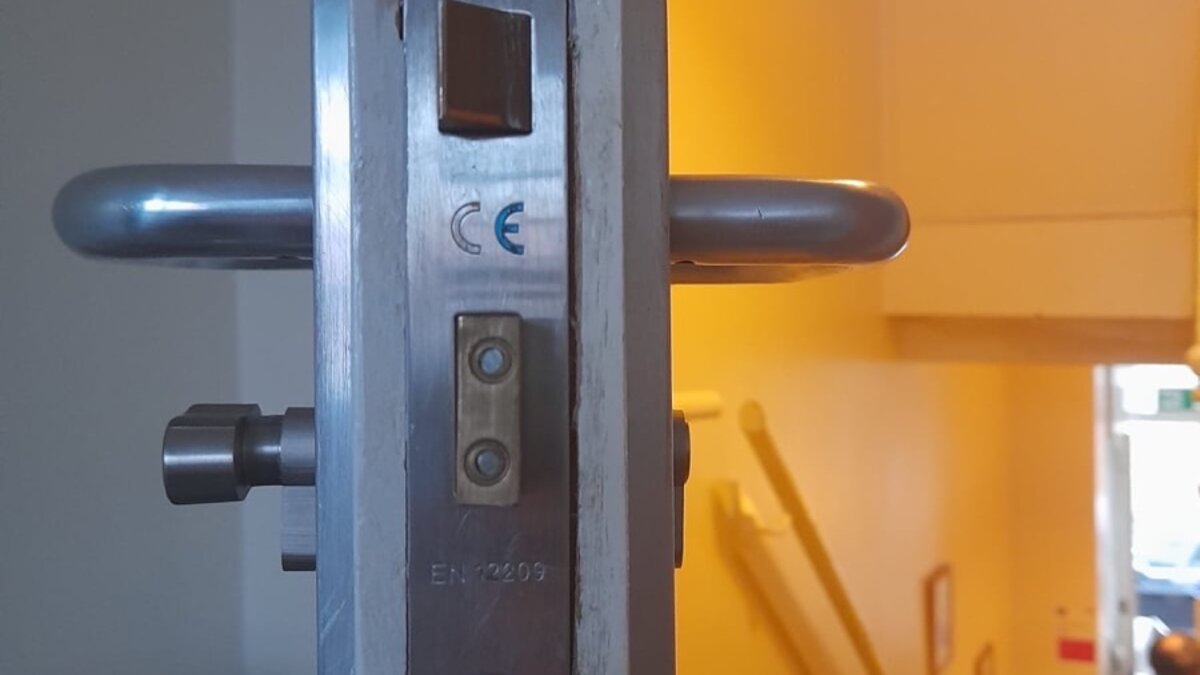
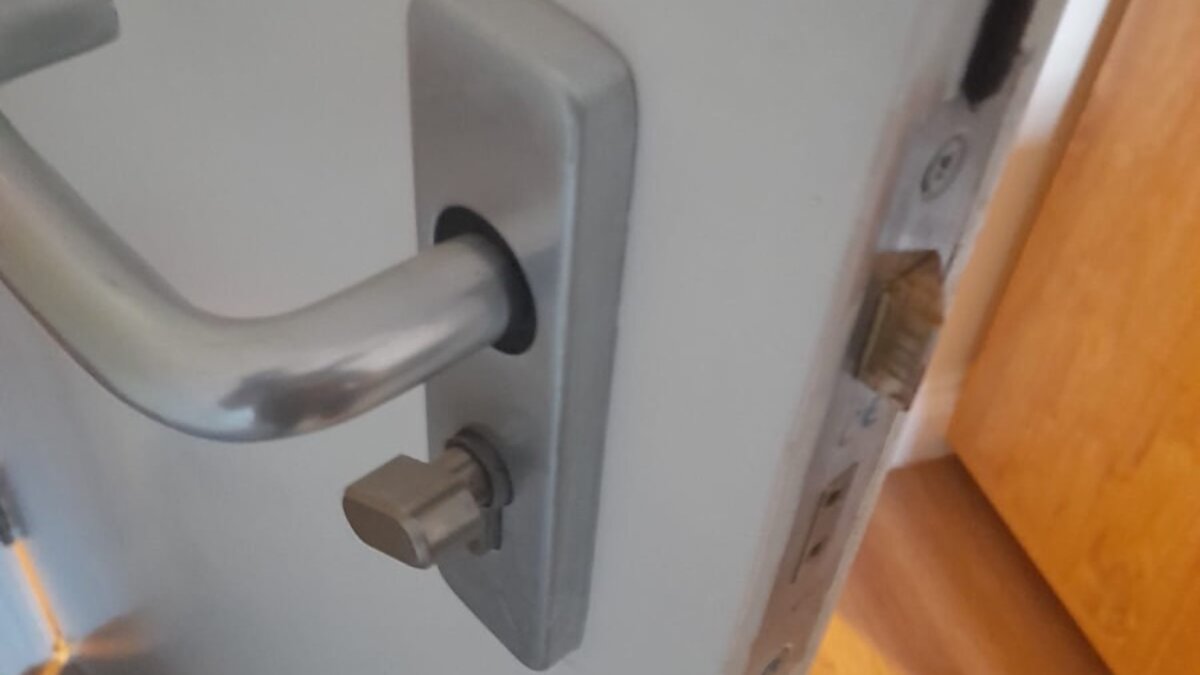
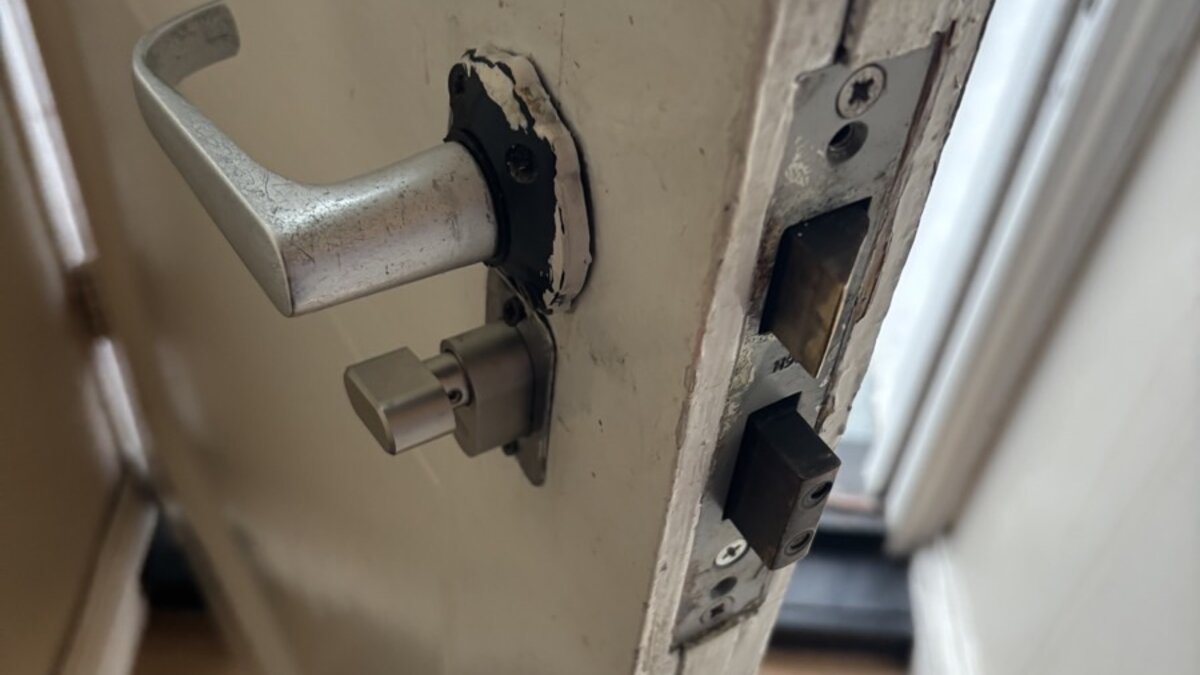
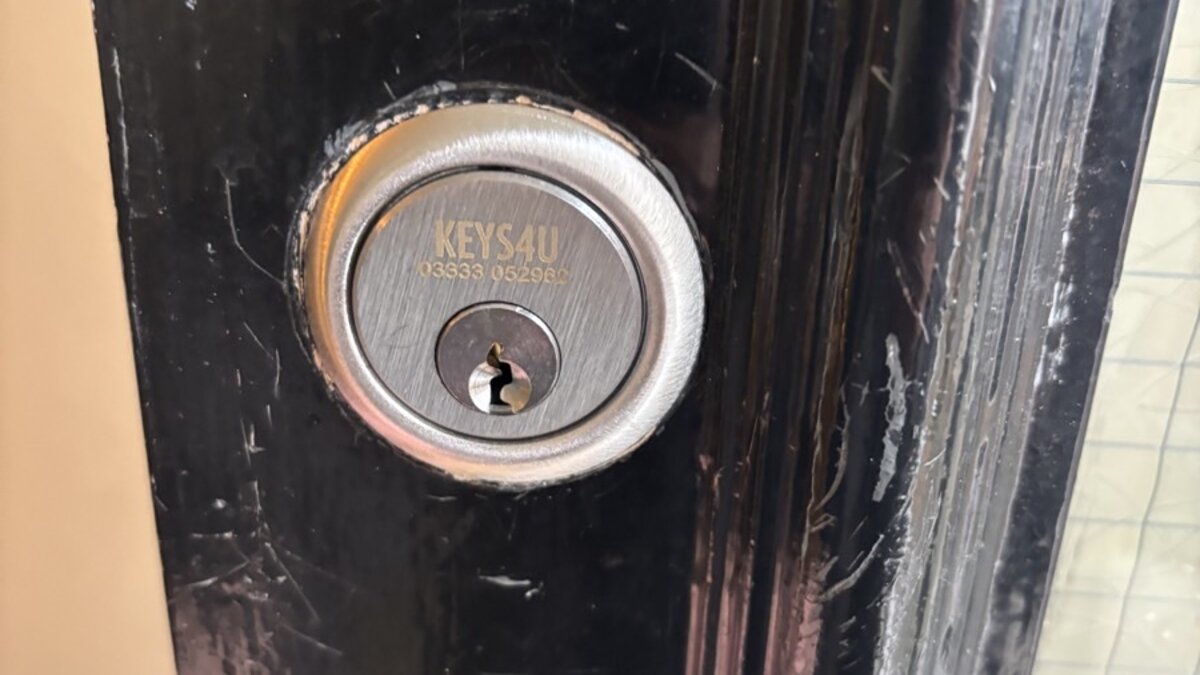
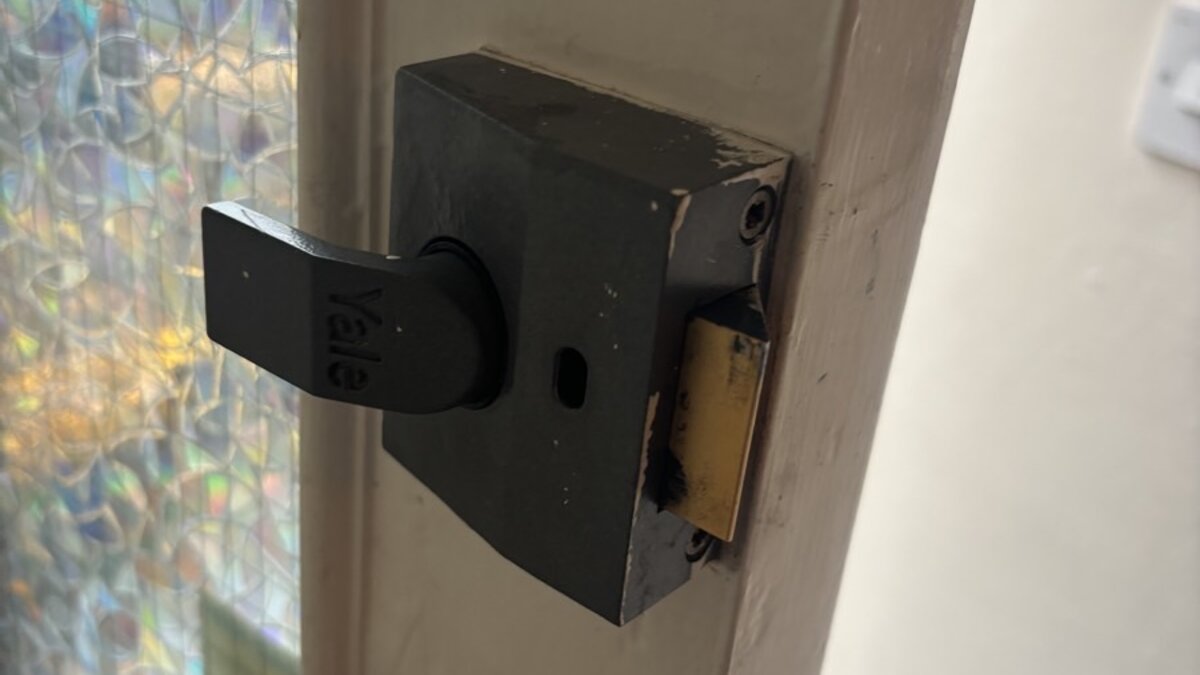
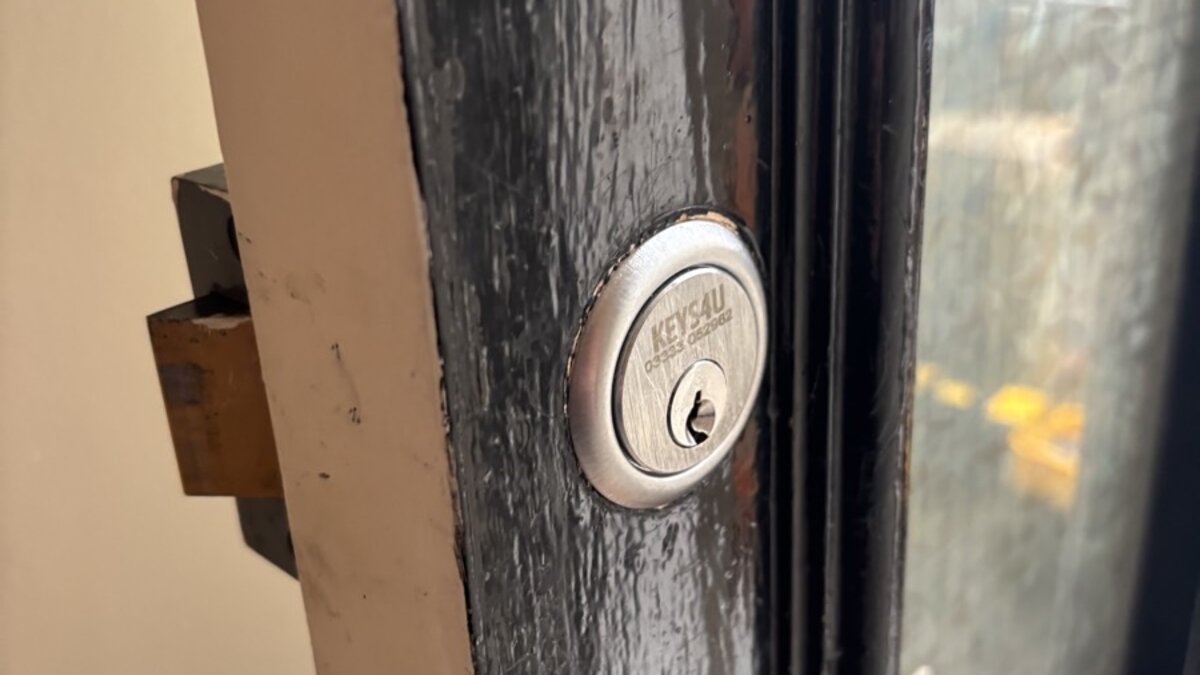
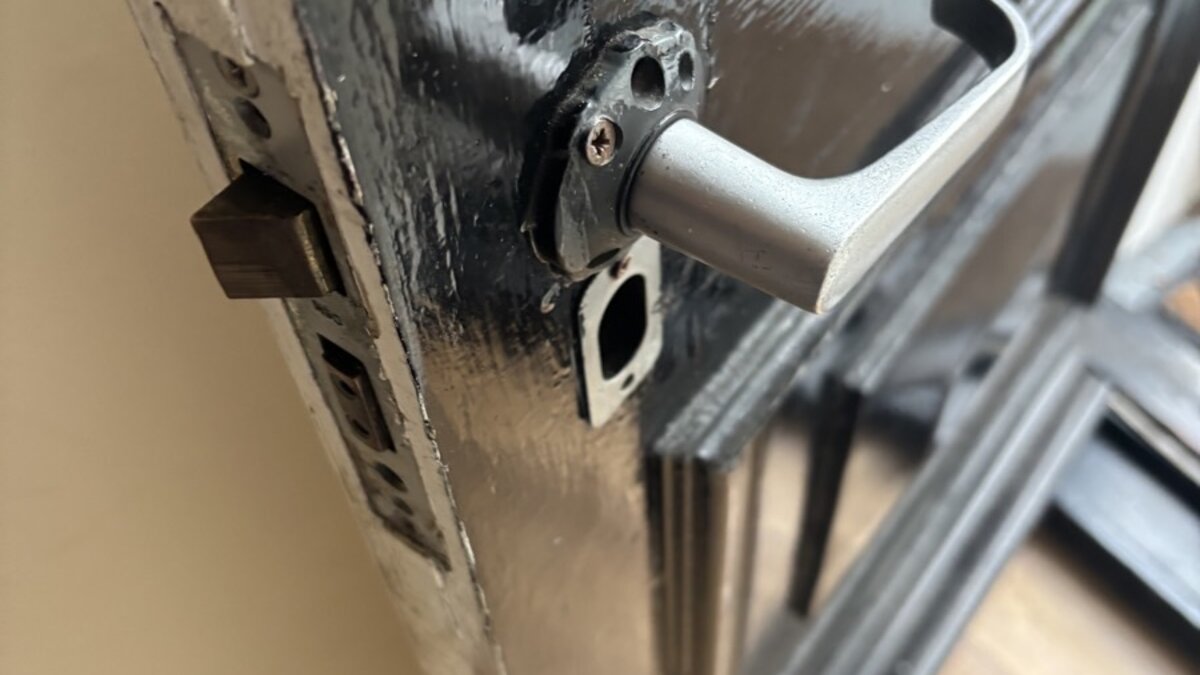
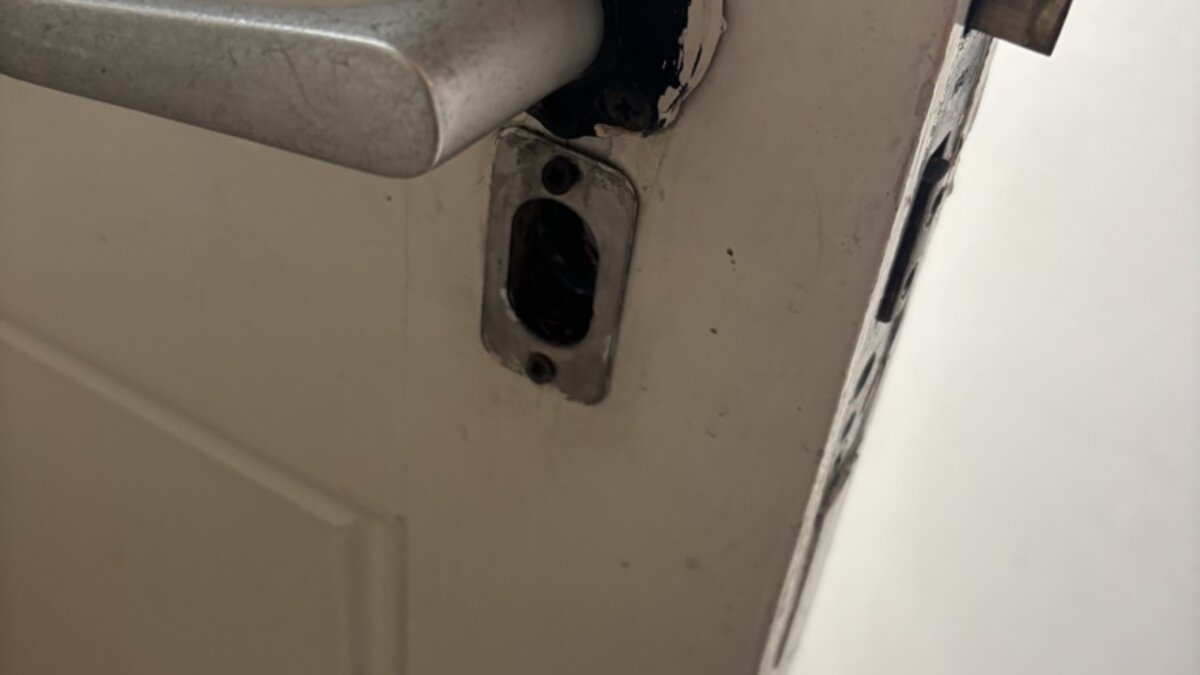
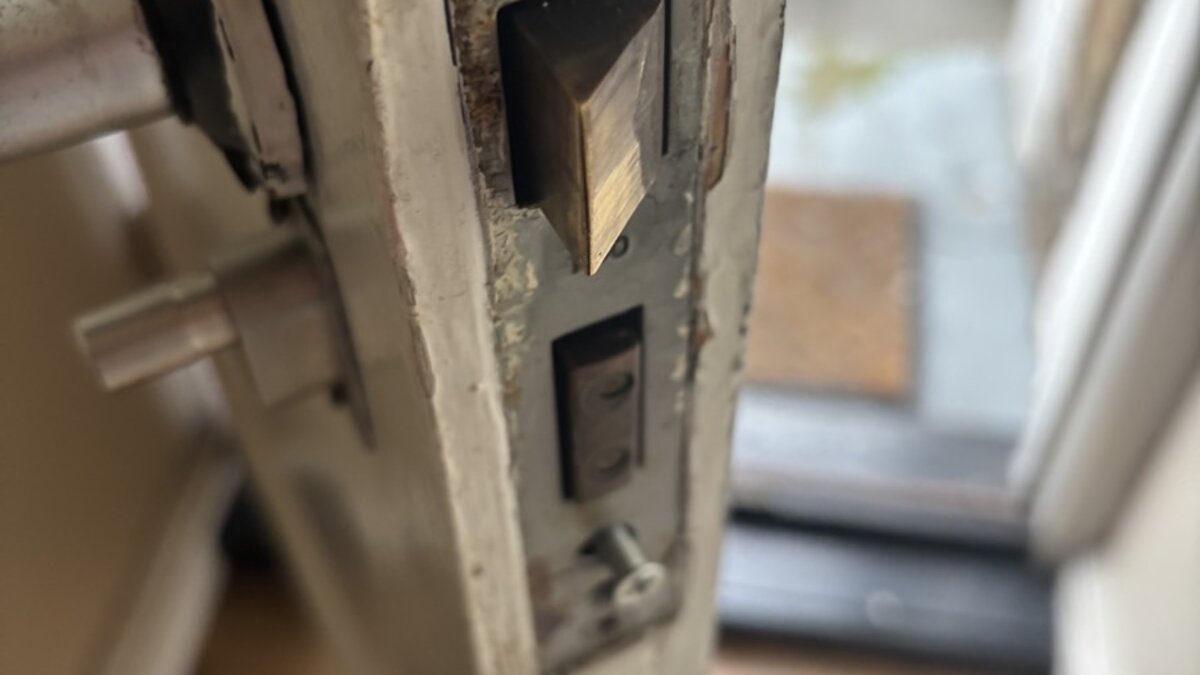
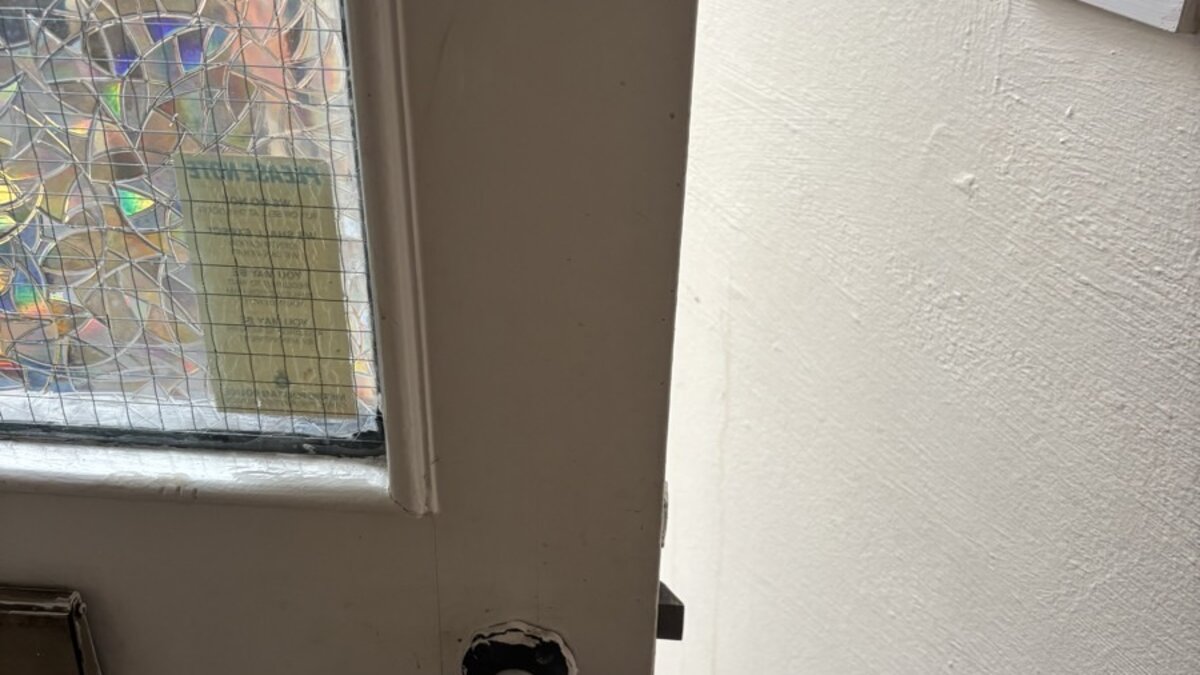
The front door was fitted with a rim cylinder (commonly associated with a Yale-type nightlatch) and a secondary bottom lock — an oval thumb turn. The locksmith replaced the rim cylinder with a new unit, ensuring it was correctly aligned with the existing nightlatch body and that the tailbar length matched the door thickness.
During the assessment, the locksmith identified that the bottom lock — the oval thumb turn — was functioning correctly and did not require replacement. Rather than replacing it unnecessarily, the engineer advised the client that it should be left unchanged. This kind of professional judgement protects the client from unnecessary cost and avoids disturbing a working component that could be damaged during removal.
Three keys were supplied for the front door rim cylinder. All keys were tested in the lock to confirm smooth operation from both sides of the door.
Bedroom Door — Euro Cylinder Replacement
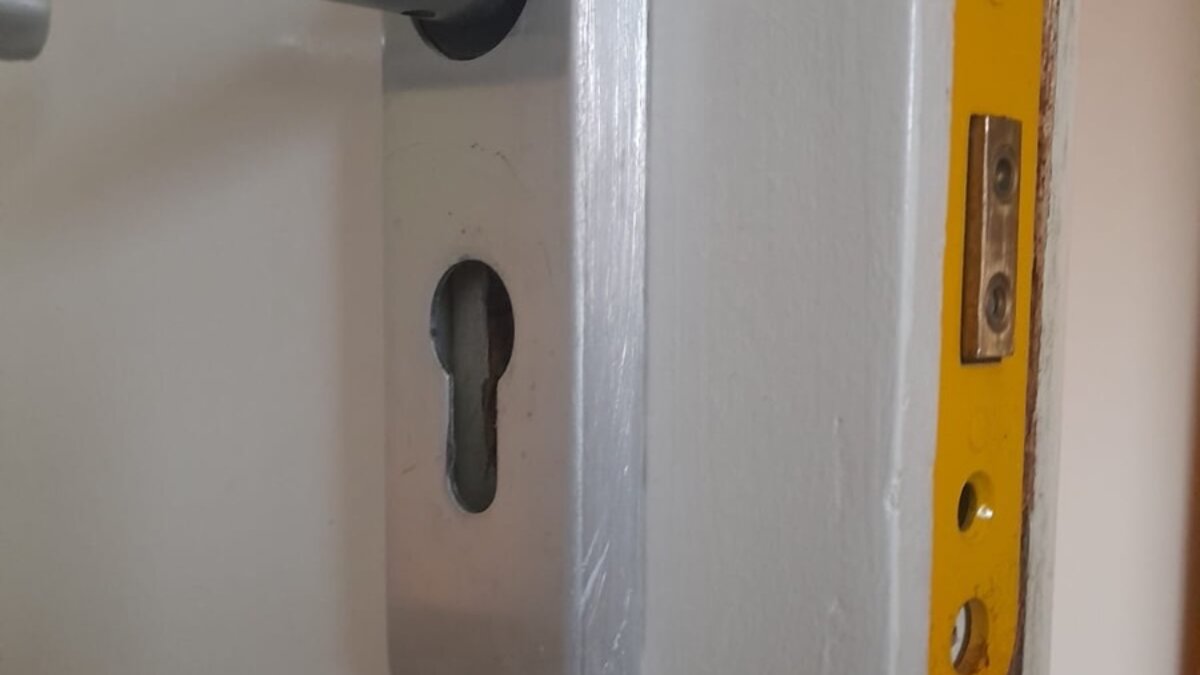
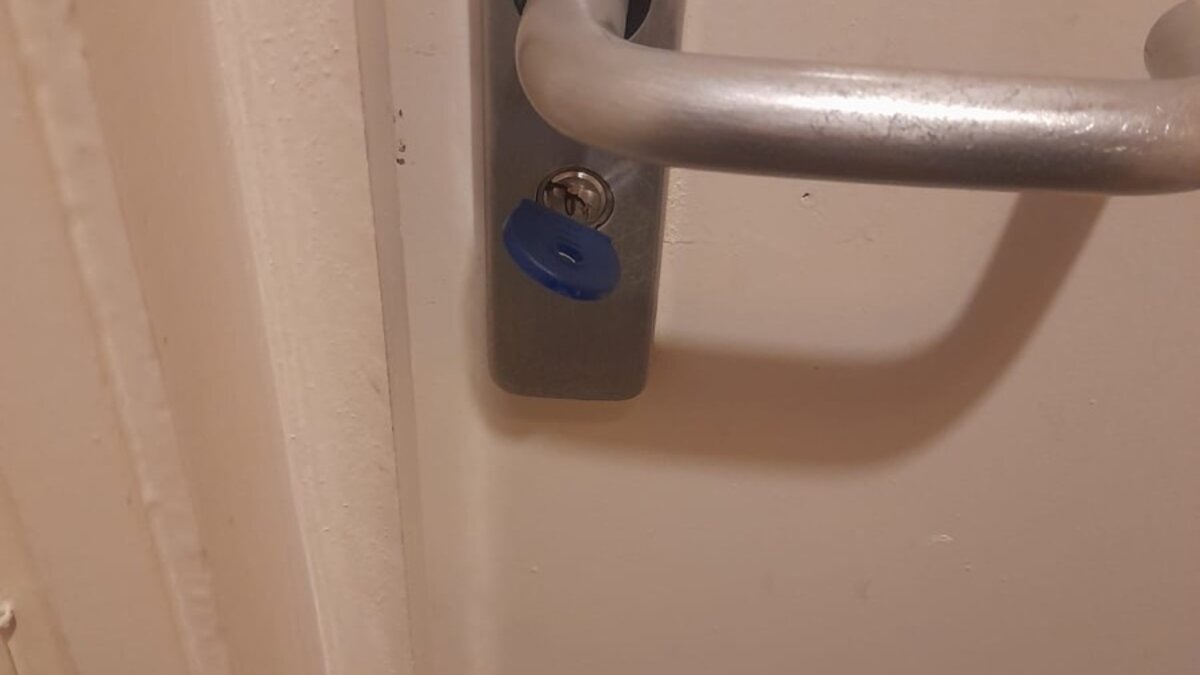
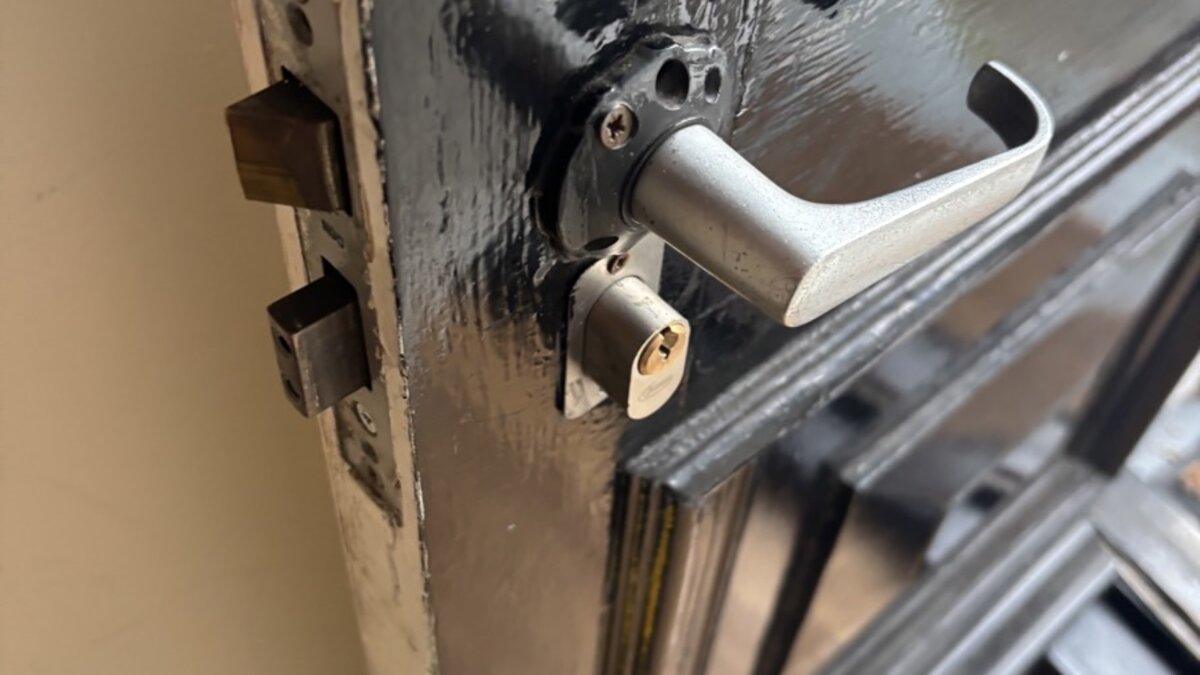
The bedroom door was fitted with a euro profile cylinder. The locksmith removed the existing cylinder by releasing the fixing screw from the door edge and withdrawing the cylinder from the lock body. A new euro cylinder was fitted, matched to the existing door furniture and mechanism dimensions.
Five keys were supplied for the bedroom door. Each key was tested in the lock, and the lock was tested from both sides of the door with the door in both the open and closed positions — confirming that the mechanism engaged and released correctly under compression from the door frame.
Resident Handover
All locks were tested in the presence of the resident, who confirmed they operated correctly. All keys — three for the front door and five for the bedroom door — were handed directly to the resident as instructed.
Completion Summary
| Door | Lock Type | Action | Keys Supplied | Condition of Existing |
|---|---|---|---|---|
| Front door | Rim cylinder (nightlatch) | Replaced with new | 3 keys | Old cylinder removed |
| Front door | Oval thumb turn (bottom lock) | Left unchanged | N/A | Functioning correctly — no action required |
| Bedroom door | Euro profile cylinder | Replaced with new | 5 keys | Old cylinder removed |
Total time on site: 60 minutes. Job completed with no follow-on works required.
Common Lock Issues in Managed Residential Property
Property managers dealing with residential letting stock encounter a predictable range of lock-related issues. Understanding these patterns supports better planned maintenance and more accurate budgeting.
| Issue | Warning Signs | Risk if Ignored | Typical Resolution |
|---|---|---|---|
| Cylinder wear | Key difficult to insert or turn | Lock failure, lockout risk | Replace cylinder |
| Snapped key in lock | Key breaks during use | Tenant locked out, emergency callout | Extract broken key, assess cylinder |
| Misaligned strike plate | Door does not latch properly | Door not securing, insurance voided | Realign or replace strike plate |
| Euro cylinder snapping (attack) | Lock forced, cylinder protruding | Security breach, break-in | Fit anti-snap cylinder |
| Nightlatch spring failure | Door does not self-close or latch fails | Property unsecured when door pulled shut | Replace nightlatch mechanism |
| Key accountability gap | Unknown number of keys in circulation | Unauthorised access risk | Full lock change with controlled key issue |
| Internal lock stiffness | Handle or thumb turn hard to operate | Entrapment risk, fire escape concern | Lubricate or replace mechanism |