Mixer taps and thermostatic shower valves rely on internal cartridges to control both the flow and temperature of water. These cartridges contain ceramic discs, rubber seals, or wax thermostatic elements that wear over time through constant use, exposure to limescale (particularly in London’s hard water areas), and the thermal cycling of hot water passing through the mechanism.
Kitchen Mixer Tap Failure: A failing kitchen mixer tap typically presents as a persistent drip from the spout, difficulty turning the handle, or an inability to mix hot and cold water to the desired temperature. Dripping taps waste a surprising volume of water — a single dripping tap can waste over 5,000 litres per year, according to Water UK. In social housing, tenants on metered water supplies bear the direct cost of this waste. Even on unmetered supplies, the waste represents an environmental cost and a symptom of deteriorating infrastructure.
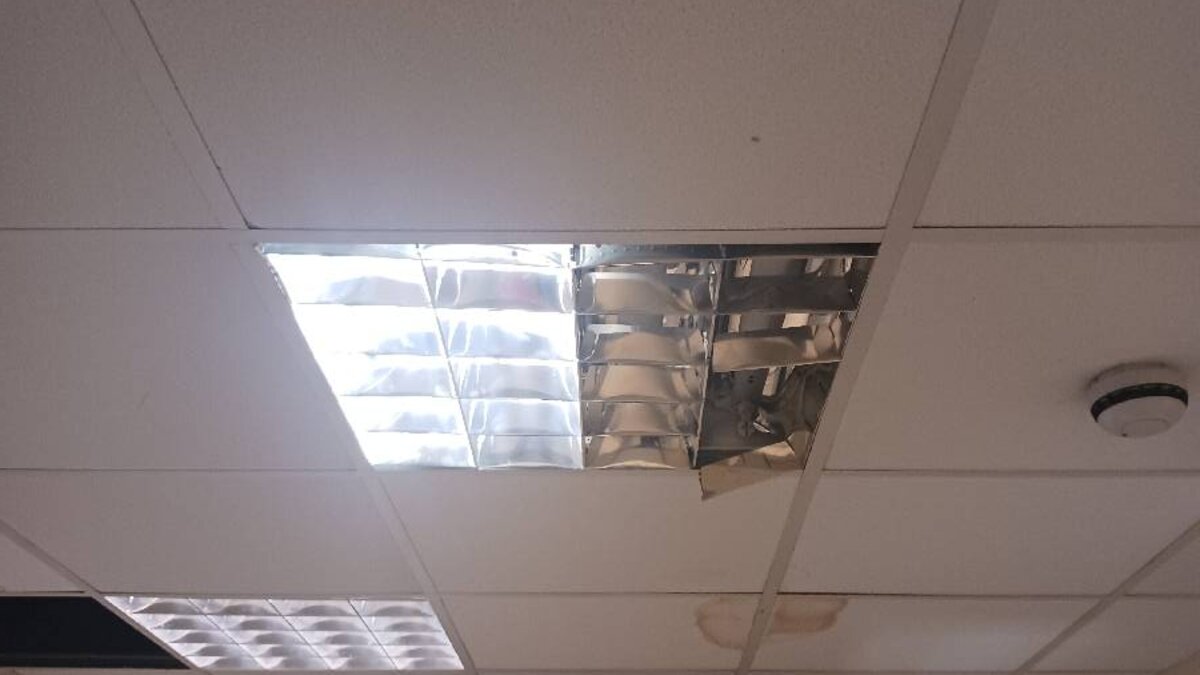
Beyond water waste, a failing mixer tap can leak at the base where it connects to the worktop or at the flexible connector pipes underneath the sink. These slow leaks often go unnoticed until water damage appears in the cabinet below or, in upper-floor flats, as a stain on the ceiling of the property beneath.
Shower Cartridge Failure: Thermostatic shower mixer cartridges control the blend of hot and cold water to deliver a consistent, safe temperature. When these cartridges fail, the consequences range from inconvenience (fluctuating temperatures during showering) to genuine safety risk (sudden temperature spikes that can cause scalding, particularly dangerous for children, elderly residents, and those with reduced mobility or sensation).
Under Building Regulations Approved Document G, hot water delivered to baths must not exceed 48 degrees Celsius — a requirement specifically designed to prevent scalding injuries. While this regulation applies at the point of installation, a malfunctioning thermostatic cartridge that can no longer limit maximum temperature creates an ongoing scalding risk that the landlord has a duty to address under the Landlord and Tenant Act 1985, Section 11.
The Instruction
The housing provider instructed plumbing repairs at a residential property on Fitzneal Street in Shepherd’s Bush, logged through the Plentific platform. The scope covered both kitchen and bathroom plumbing issues.
The Works — Step by Step
Our plumber attended at 08:00 and obtained the resident’s signature confirming the scope of work and granting access. The repairs were completed systematically:
Step 1 — Kitchen Mixer Tap Assessment: The plumber inspected the existing kitchen mixer tap and confirmed the cartridge had failed. In this case, the tap was beyond cartridge-only repair — the entire unit required replacement along with the flexible connector pipes feeding hot and cold water from the isolation valves beneath the sink.
Step 2 — Water Isolation: The hot and cold supplies to the kitchen sink were isolated using the local isolation valves (service valves) beneath the unit. Isolation was confirmed by checking that no water flowed when the tap was opened.
Step 3 — Old Tap Removal: The existing mixer tap was disconnected from both flexible connectors. The tap was removed from the sink, and the mounting hole was cleaned and inspected for damage.
Step 4 — Flexible Connector Replacement: Both flexible connector pipes were replaced. Flexible connectors have a limited service life — the braided stainless steel outer sheath protects a rubber inner hose that degrades over time. Industry guidance recommends replacing flexible connectors when replacing taps, rather than reusing old connections that may fail shortly after the new tap is installed. Reused connectors are a common cause of under-sink leaks in the weeks following tap replacement.
Step 5 — New Kitchen Mixer Tap Installation: The replacement mixer tap was installed, connected to the new flexible pipes, and tightened to the correct torque. The isolation valves were reopened and the tap tested for correct operation on both hot and cold supplies, with no leaks at any joint.
Step 6 — Shower Mixer Cartridge Replacement: The plumber moved to the bathroom and replaced the hot water mixer shower cartridge. This involved isolating the shower supply, removing the handle and shroud to access the cartridge, extracting the failed cartridge, and fitting the replacement. The shower was reassembled and tested for correct temperature mixing and flow.
Step 7 — Testing and Sign-Off: All repaired items were tested under operating conditions. The kitchen tap was confirmed leak-free with correct hot and cold operation. The shower was confirmed to deliver water at a stable, safe temperature with appropriate flow rate. The resident signed off on the completed works, confirming satisfaction.
The plumber departed at 10:11, with total on-site time of two hours and eleven minutes.
Common Mixer Tap and Shower Cartridge Failure Indicators
| Symptom | Likely Cause | Recommended Action |
|---|---|---|
| Persistent drip from tap spout | Worn cartridge seals or ceramic disc damage | Replace cartridge or entire tap |
| Difficulty turning tap handle | Limescale buildup or cartridge seizure | Descale or replace cartridge |
| Water leaking from tap base | Failed O-ring seal between tap body and sink | Replace base seal or entire tap |
| Leak from under sink | Failed flexible connector or loose compression fitting | Replace flexible connectors; check fittings |
| Shower temperature fluctuates | Failing thermostatic cartridge | Replace cartridge |
| Shower runs only hot or only cold | Cartridge seized in one position | Replace cartridge immediately (scalding risk) |
| Reduced shower flow rate | Blocked cartridge filter or limescale buildup | Remove, clean, or replace cartridge |
| Water stain on ceiling below bathroom | Slow leak from shower valve or supply connections | Investigate and repair before structural damage occurs |
Compliance and Regulatory Framework
| Requirement | Regulation / Standard | Application |
|---|---|---|
| Landlord repair obligations | Landlord and Tenant Act 1985, s.11 | Statutory obligation to maintain water supply installations in repair |
| Water fittings compliance | Water Supply (Water Fittings) Regulations 1999 | All taps and fittings must comply; prevents contamination and waste |
| Hot water safety | Building Regulations Approved Document G, Section G3 | Hot water systems must incorporate measures to prevent scalding |
| Mechanical mixing valves | BS EN 817:2008 | Performance requirements for single and dual-control mechanical mixing valves |
| Thermostatic mixing valves | BS EN 1111:2017 | Performance requirements for thermostatic mixing valves |
| Homes (Fitness for Human Habitation) Act 2018 | Amendment to Landlord and Tenant Act 1985 | Properties must be fit for habitation; functioning water supply is a requirement |
| Social housing standards | Decent Homes Standard | Reasonably modern kitchen and bathroom facilities with functioning services |
Broader Context: Plumbing Maintenance in Social Housing
Social housing plumbing maintenance operates within a framework that balances responsive repair obligations with the practical realities of managing large property portfolios. The Landlord and Tenant Act 1985 requires landlords to maintain water supply installations in repair — and case law has established that this obligation includes replacing components that have worn out through normal use, not just repairing damage.
For housing providers managing thousands of properties, the volume of plumbing repair requests is substantial. Taps and shower cartridges are consumable components with finite lifespans — typically five to ten years depending on water quality, usage patterns, and product specification. A proactive approach to plumbing maintenance includes:
Standardised Specifications: Specifying a consistent range of taps and shower valves across the portfolio simplifies parts stocking, reduces engineer time (familiarity with the product), and enables bulk procurement at lower unit costs.
First-Visit Resolution: The approach demonstrated in this case — attending with common replacement parts and completing the repair in a single visit — is significantly more efficient than a two-visit model (diagnose first, return with parts). Each additional visit incurs scheduling costs, tenant access coordination, and extended repair timescales that affect tenant satisfaction.
Hard Water Management: In London and the South East, limescale is the primary cause of cartridge failure. Properties in hard water areas benefit from more frequent cartridge replacement cycles and, where cost-effective, the installation of point-of-use water softening or scale-inhibition devices.
Flexible Connector Lifecycle: As noted in the works description, flexible connectors should be replaced whenever taps are replaced. These components have an expected service life of approximately ten years — but failure when it occurs is typically sudden and results in an active water leak rather than a gradual drip. Proactive replacement during routine tap changes eliminates a significant source of water damage claims.