Postbox security is one of the most frequently overlooked elements of residential block management. The physical security of mail receptacles sits at the intersection of several regulatory and practical concerns that managing agents ignore at their peril.
The Data Protection Act 2018 (UK GDPR) places obligations on data controllers to implement appropriate technical and organisational measures to protect personal data. While a managing agent is not directly responsible for the content of mail delivered to residents, a compromised postbox that enables third-party access to personal correspondence creates a foreseeable risk of data breach. Bank statements, medical letters, utility bills, council tax correspondence, and HMRC documents routinely arrive by post — each containing personal data that, in the wrong hands, enables identity fraud.
BS EN 13724 (Postal Services — Apertures of Private Letter Boxes and Letter Plates) provides the European standard for letter box design and installation, including requirements for weather protection, aperture dimensions, and security features. While primarily a design standard, it establishes the baseline expectation for what constitutes an adequate mail receptacle in a residential setting.
The Royal Mail’s delivery requirements specify that mail should be deliverable to a secure receptacle. If postbox locks are broken or keys are lost, postal workers may refuse to deliver to the affected box, redirecting mail to a general collection point or returning it to the sender. For residents who may be elderly, disabled, or otherwise reliant on postal delivery, this disruption can have serious practical consequences.
From a building management perspective, the RICS Service Charge Residential Management Code (4th Edition) provides guidance on managing agents’ responsibilities for maintaining communal areas and facilities, which includes communal postbox banks. Failure to maintain postbox security can result in complaints, disputes, and reputational damage for the managing agent.
The Instruction
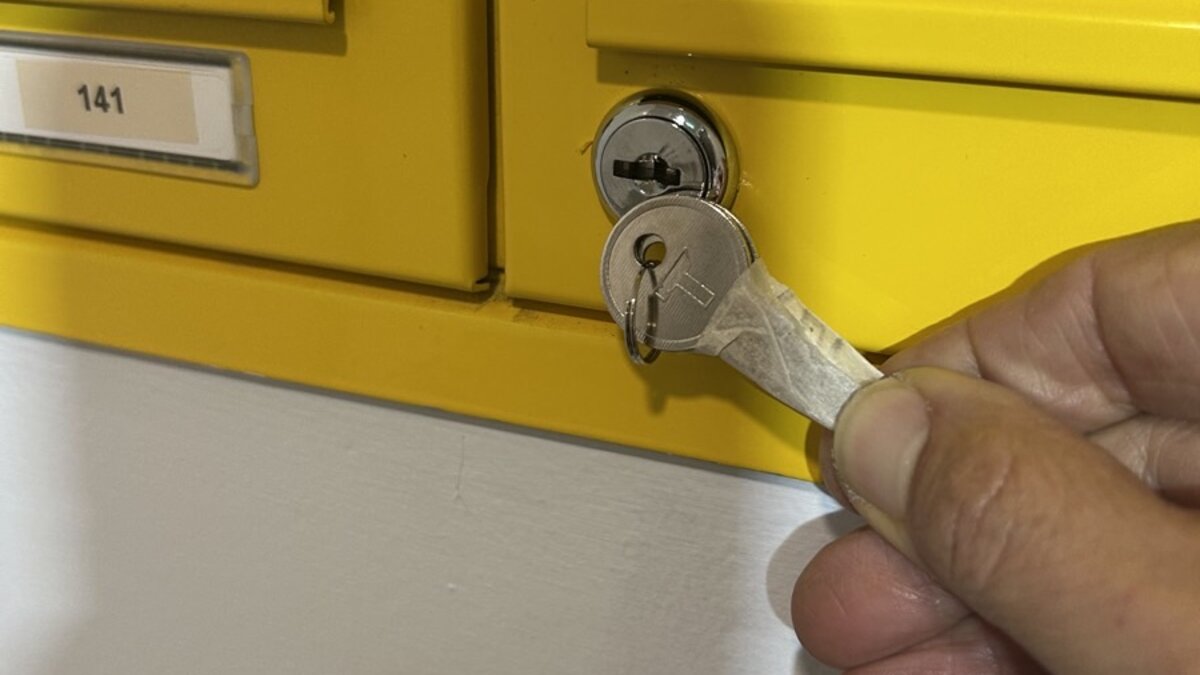
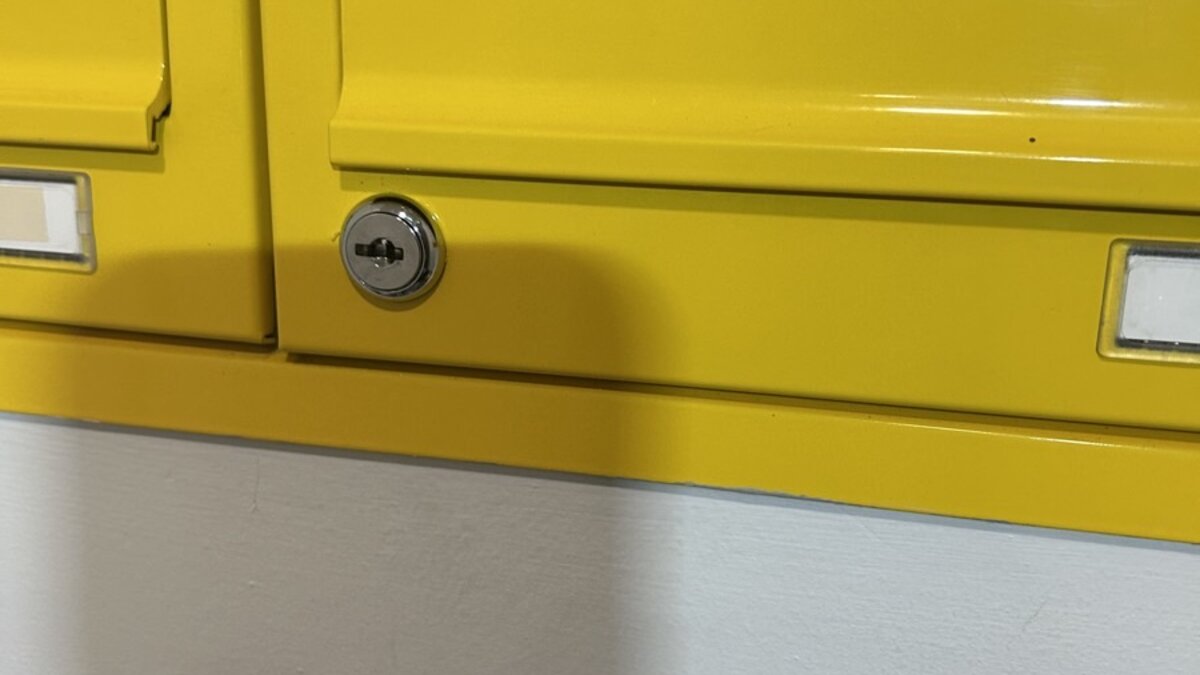
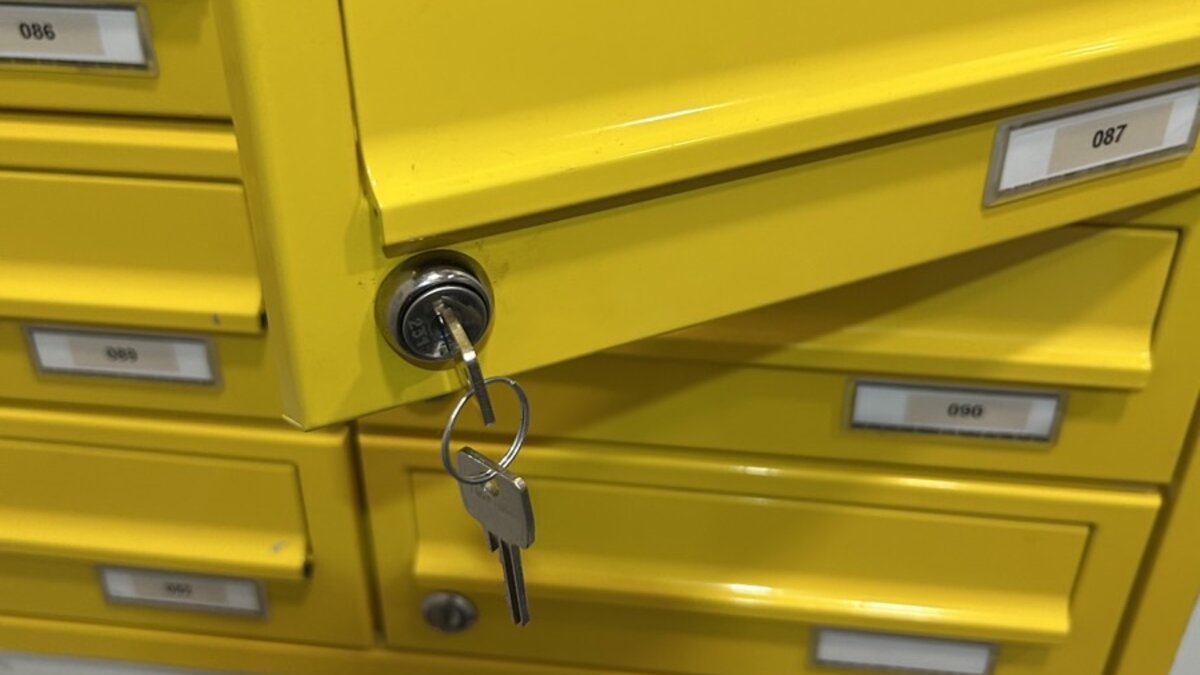
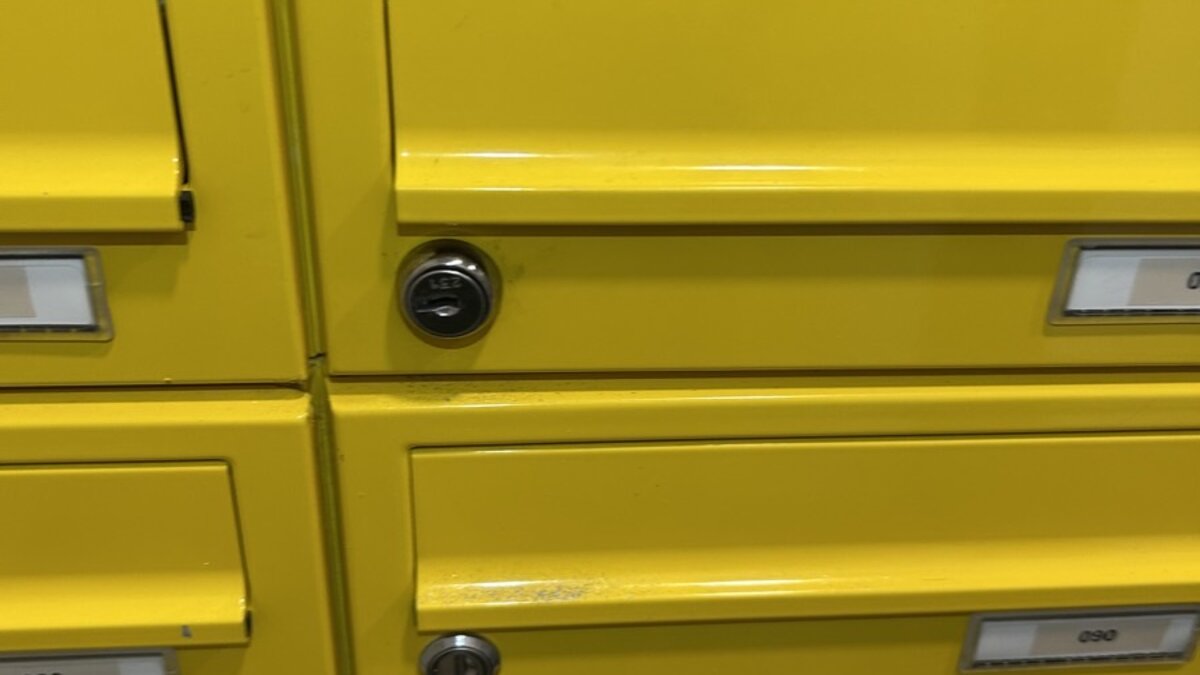
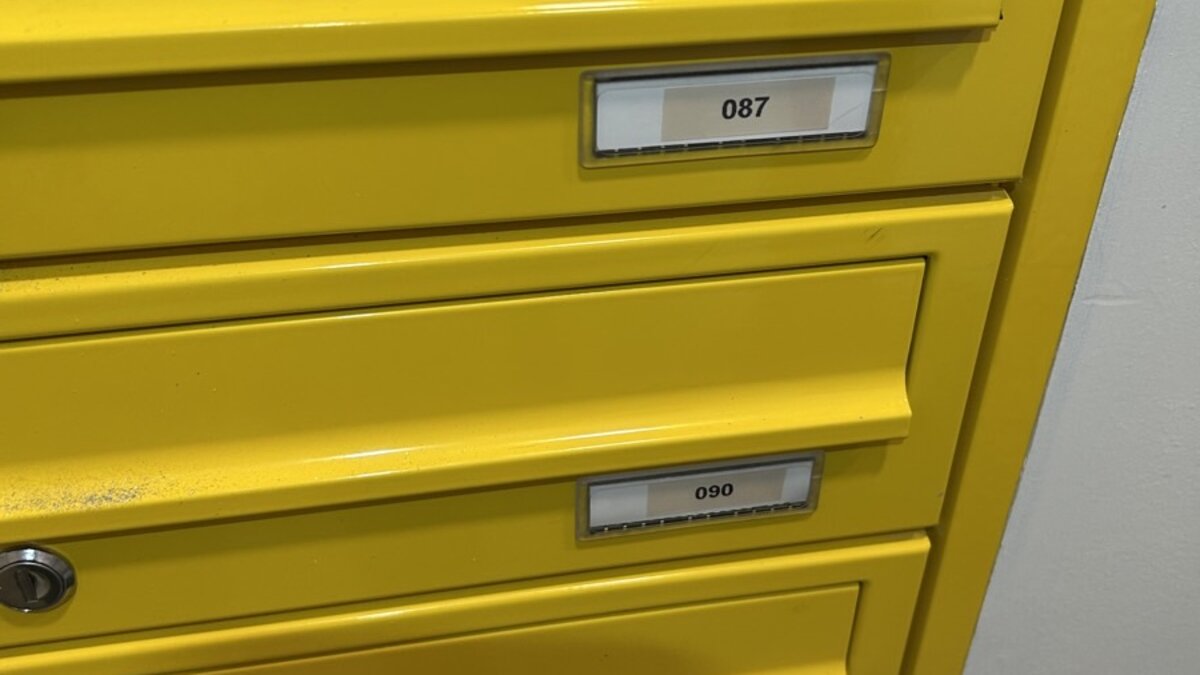
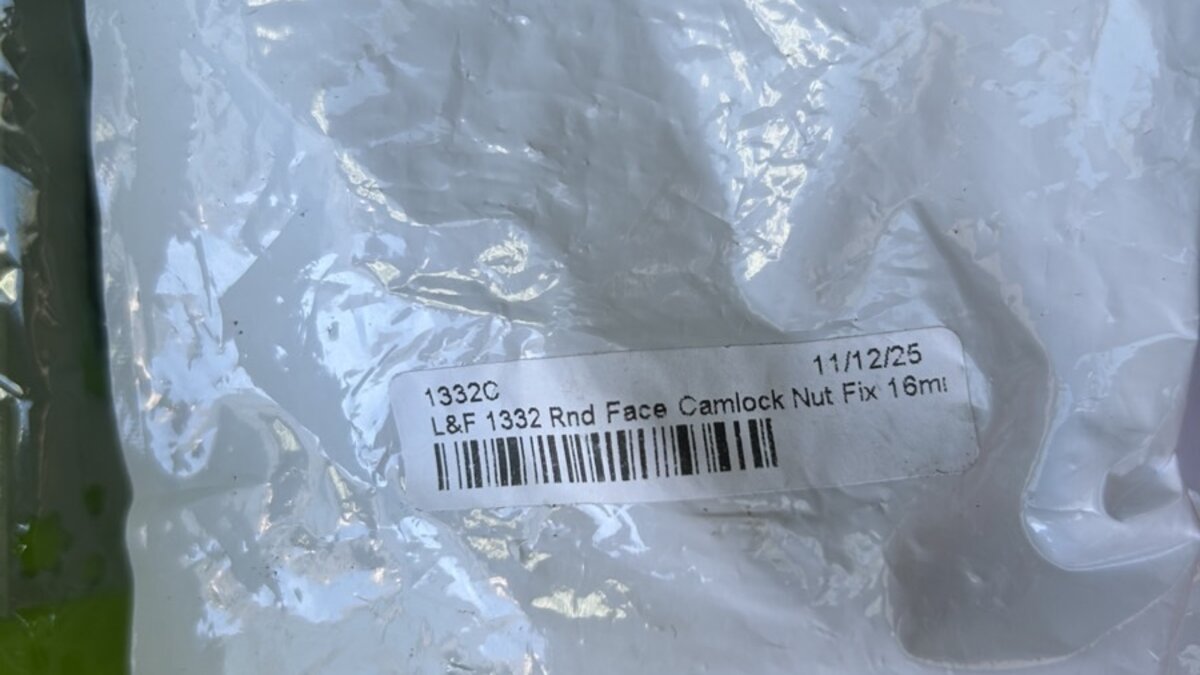
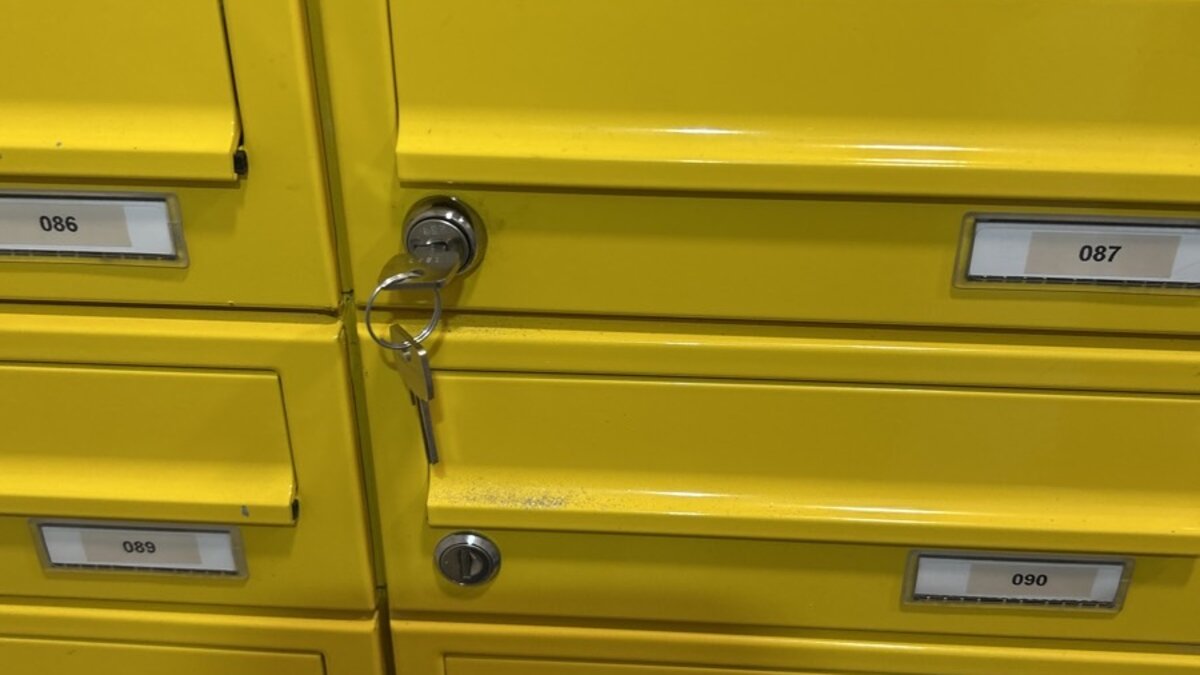
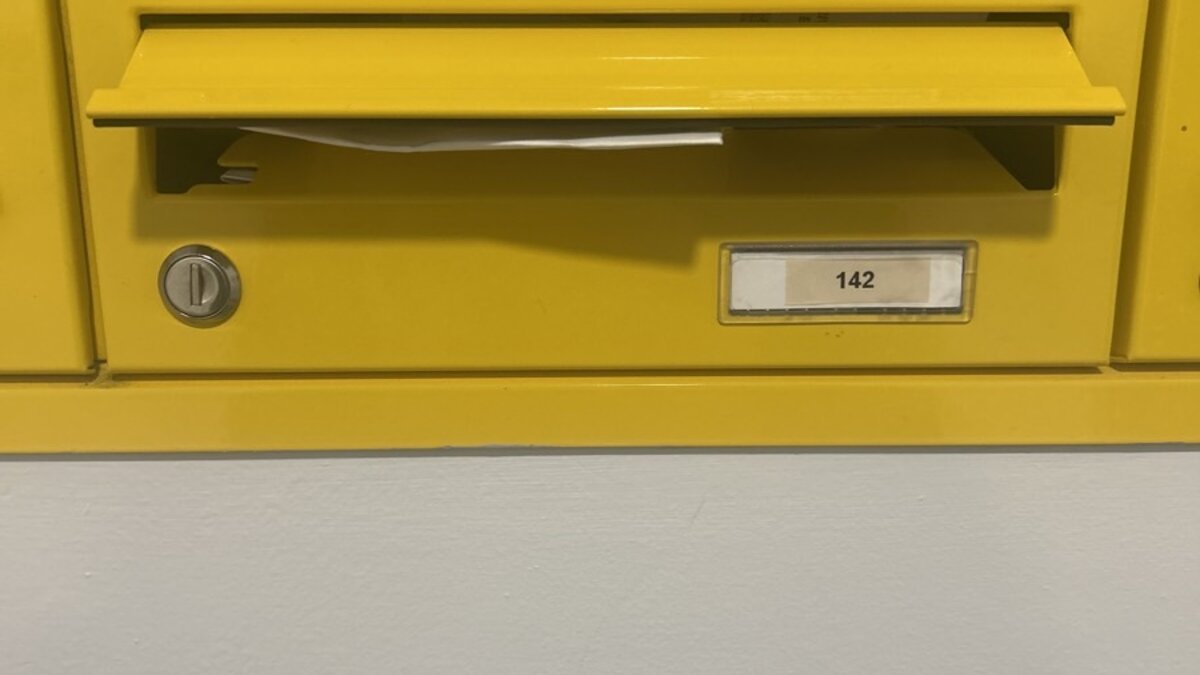
Fuimus Services Limited, the managing agent, reported that keys had been lost for the postboxes serving Flat 142 and Flat 87 at The Market, Circus Street, Brighton BN2 9AL. A previous locksmith had attended to assess the locks and determined that the existing lock type required specific replacement parts that were not available from standard stock. Photographs were taken of the existing locks, and the parts were ordered.
All Services 4U was instructed to attend with the correct pre-ordered locks and complete both replacements. This two-visit approach — assessment then return with parts — is common for postbox locks, which use a variety of non-standard lock types that differ between manufacturers and installation periods. Unlike standard door cylinders, postbox locks are often proprietary to the postbox manufacturer and cannot be substituted with generic alternatives without compromising the fit or security.
Step-by-Step Work Completed
Our locksmith, Claudio, attended the site on 14 January 2026, arriving at 10:51 with the pre-ordered replacement locks.
Lock Removal
Each existing postbox lock was removed from the postbox door. Postbox locks are typically secured by a retaining clip or fixing nut accessible from the rear of the postbox door. The locksmith accessed each lock, released the retaining mechanism, and withdrew the old lock barrel from the front of the door.
Lock Installation
The new locks were fitted into the existing apertures. Each lock was seated, the retaining mechanism was secured from the rear, and the lock was checked for correct alignment within the postbox door. Proper alignment is essential — a postbox lock that binds or requires force to turn will fail prematurely and may damage the postbox door or surrounding metalwork.
Testing
Each new lock was tested with its supplied keys. The locksmith confirmed that the key turned smoothly, the lock engaged and released the latch correctly, and the postbox door opened and closed securely. Both locks were confirmed as working correctly.
Key Handover
New keys for both postbox locks were provided. The key handover was documented as part of the job completion, enabling the managing agent to maintain their key management records and distribute keys to the affected residents.
Completion Summary
| Postbox | Action | Lock Type | Status | Keys Supplied |
|---|---|---|---|---|
| Flat 142 | Lock removed and replaced | Matched to existing specification | Tested and working correctly | Yes |
| Flat 87 | Lock removed and replaced | Matched to existing specification | Tested and working correctly | Yes |
Total time on site: 91 minutes (including both replacements and testing). No follow-on works required.
Common Postbox and Communal Lock Issues in Residential Blocks
Block managers and managing agents encounter a predictable range of postbox and communal lock issues. Understanding these patterns supports better planned maintenance and faster resolution when issues arise.
| Issue | Warning Signs | Risk if Ignored | Typical Resolution |
|---|---|---|---|
| Lost postbox keys | Resident cannot access mail | Mail theft, identity fraud, missed documents | Replace lock and issue new keys |
| Lock barrel wear | Key difficult to turn, stiff operation | Lock seizes, key snaps in lock | Replace lock barrel |
| Postbox door hinge failure | Door hanging open, misaligned | Mail exposed, rain damage to contents | Replace hinges or door |
| Communal postbox bank corrosion | Rust visible on frame or doors | Structural failure, multiple locks compromised | Refurbish or replace bank |
| Generic lock fitted (wrong type) | Lock does not sit flush, poor engagement | Reduced security, premature failure | Source correct manufacturer lock |
| Vandalism to postbox | Forced entry marks, bent door | Security compromised for all residents | Repair door, replace lock, reinforce |
| Master key system failure | Management access lost | Cannot perform maintenance or emergency access | Re-key entire bank to new master |