Supported housing accommodates individuals who may have mental health conditions, learning disabilities, substance dependency, or who are transitioning from homelessness. The Housing Health and Safety Rating System (HHSRS), which underpins enforcement under the Housing Act 2004, identifies both “excess cold” and “personal hygiene, sanitation and drainage” as potential Category 1 hazards — meaning they can pose a serious and immediate risk to the health or safety of occupants.
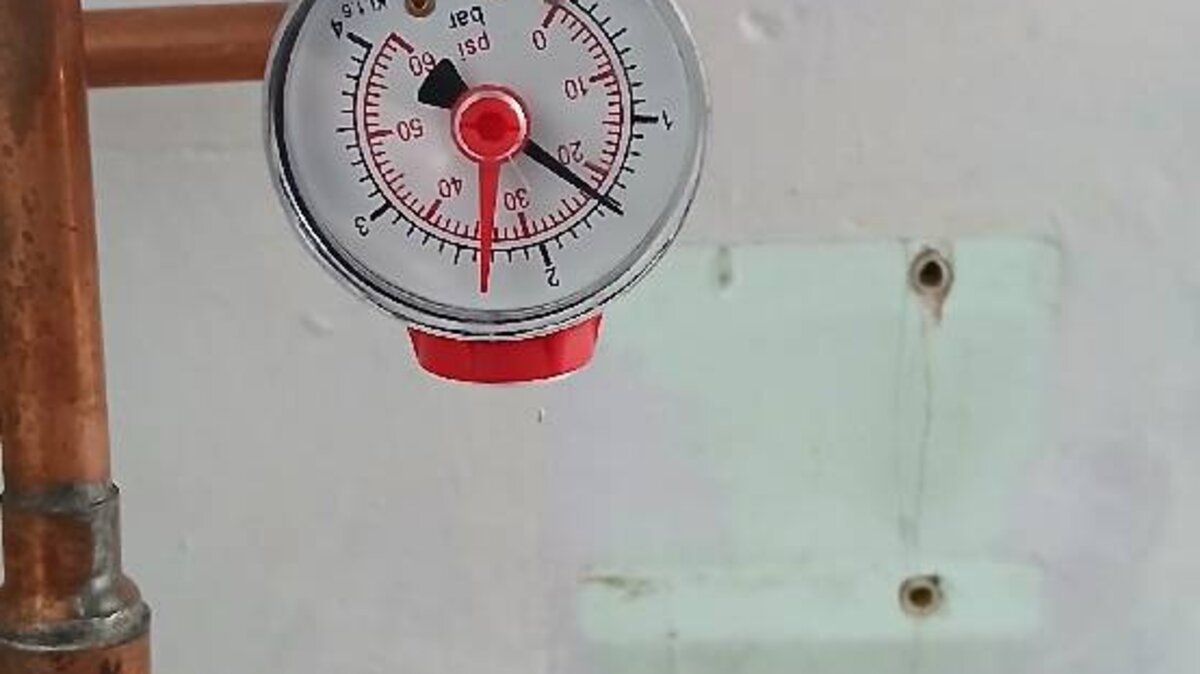
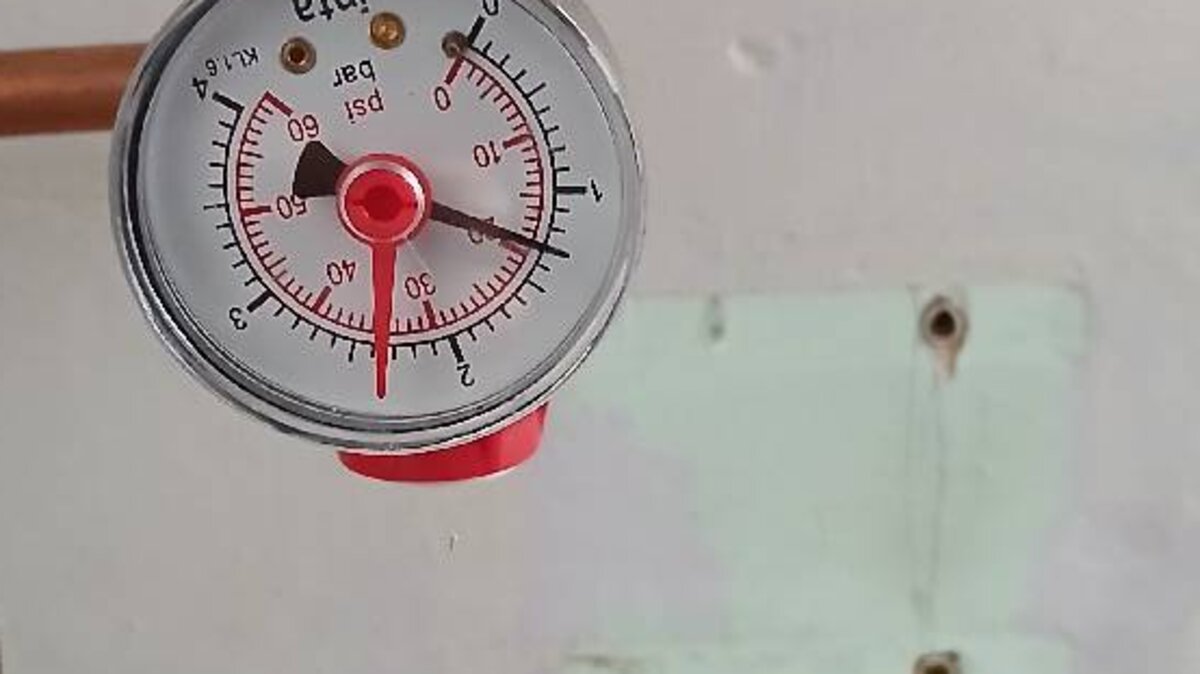
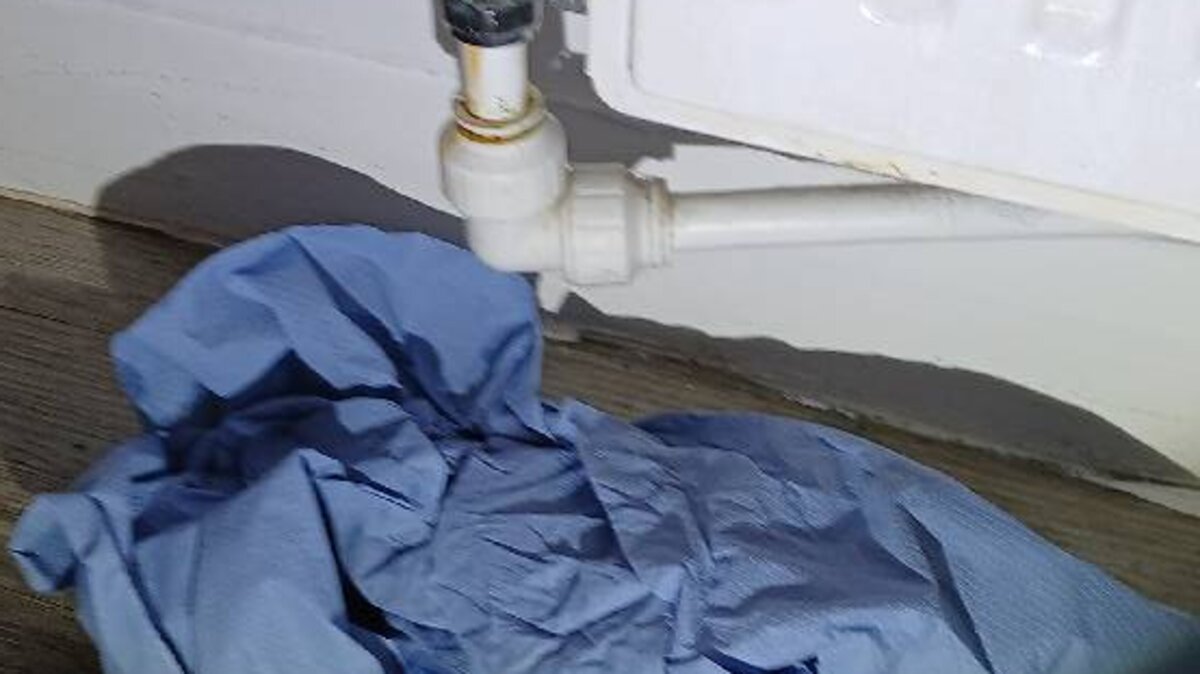
A leaking radiator valve, if left unattended, does more than drip water onto the floor. The slow loss of system pressure reduces heating output across the circuit, and in a single-room setting such as Room 13 at this property, that can mean the resident’s only heated space gradually loses warmth. For a vulnerable individual who may not understand why their room is getting colder, the welfare implications are significant. The Landlord and Tenant Act 1985, Section 11, places a statutory obligation on the landlord to keep in repair and proper working order installations for space heating and water heating — an obligation that applies regardless of the tenancy type.
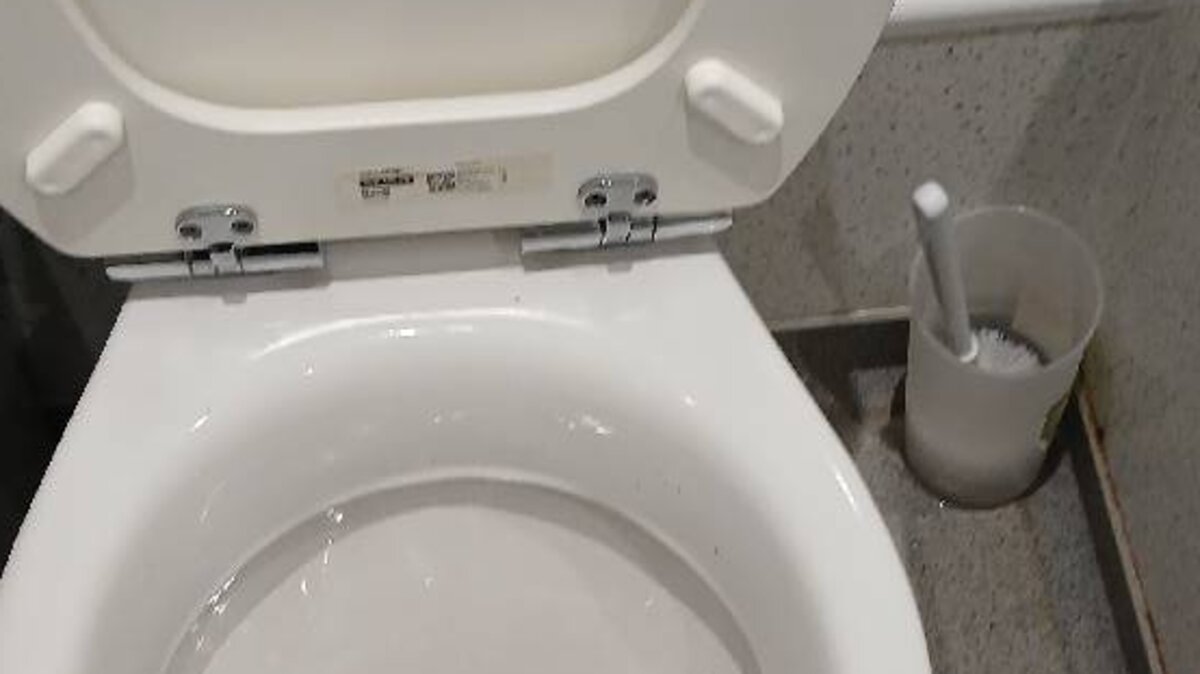
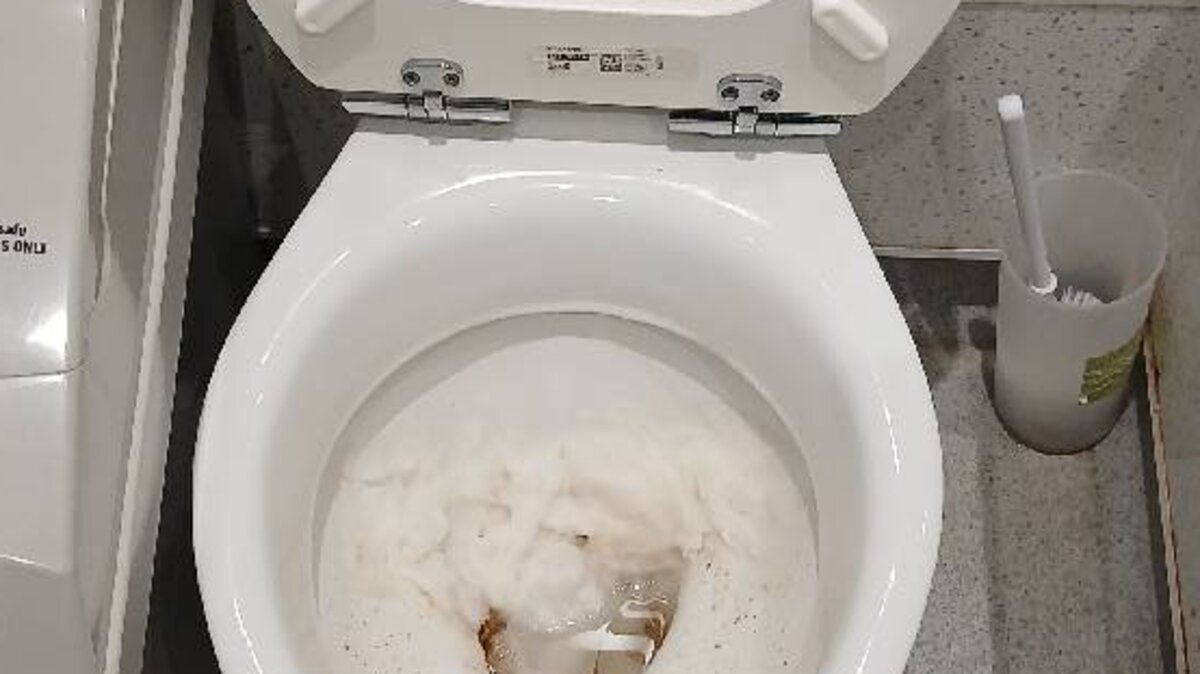
Toilet blockages in shared or supported settings carry an additional dimension. A non-functioning toilet in the only available bathroom creates an immediate hygiene issue. Under the Building Regulations Approved Document G (Sanitation, Hot Water Safety and Water Efficiency), every dwelling must have adequate sanitary provision. When that provision fails in a property housing a vulnerable person, the Care Act 2014 duty of care may also engage, requiring the housing provider to demonstrate that they responded promptly and effectively.
The Response and Assessment
Our plumber, Omar, attended the property on 6 January 2026, arriving at 10:36. The original instruction referenced only the radiator leak. However, on arrival, a full visual assessment of the room and associated facilities identified a second issue: the toilet was blocked and not draining.
This kind of proactive assessment is standard practice for All Services 4U engineers attending supported housing. Residents in these environments may not raise every maintenance issue, either because they have normalised the problem, are unsure how to report it, or face communication barriers. Our engineers are briefed to check all visible amenities during any attendance and to resolve or report anything found.
Step-by-Step Work Completed
Radiator Valve Leak
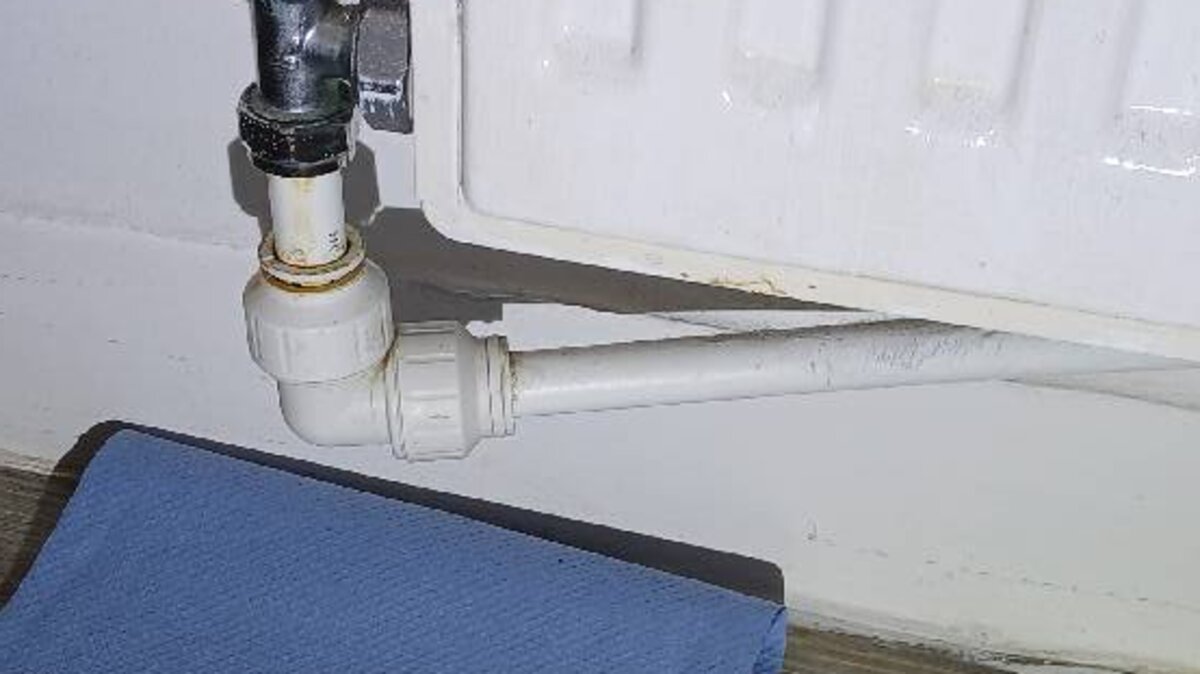
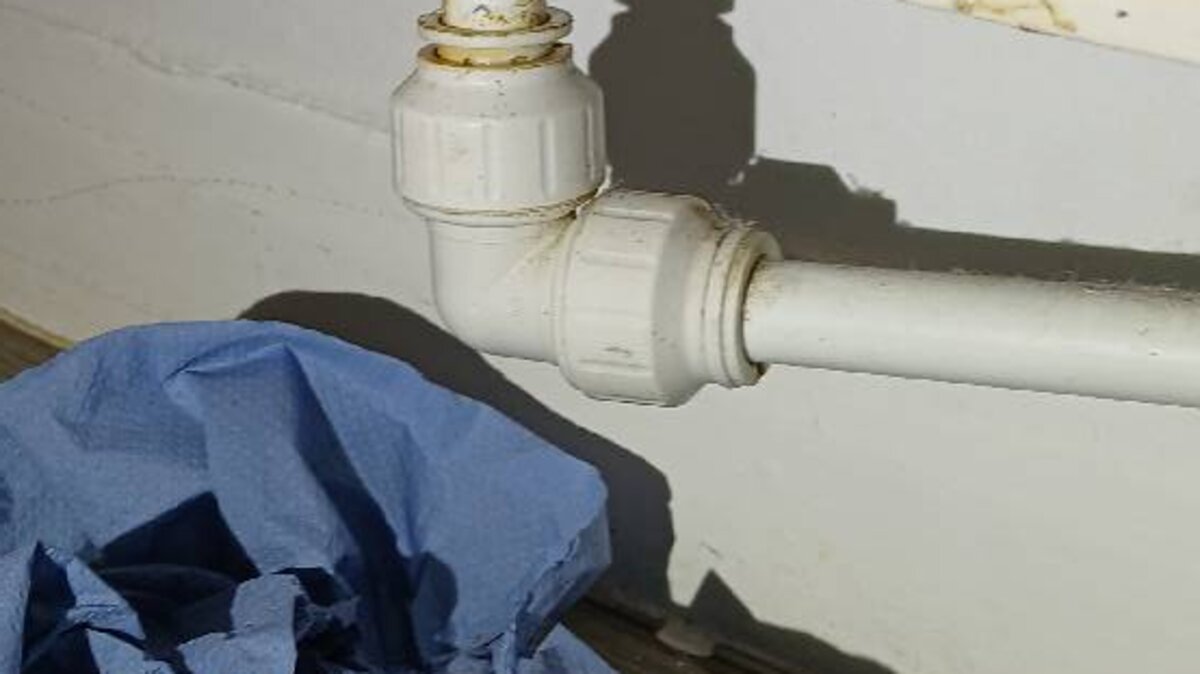
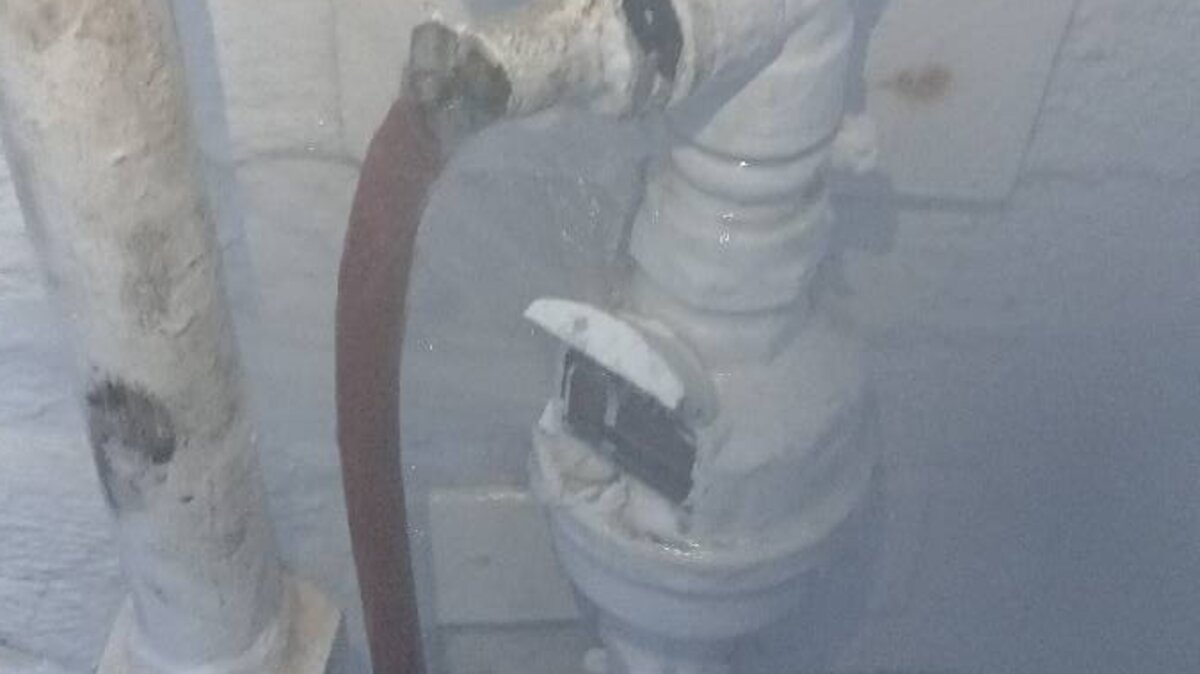
The engineer inspected the radiator and traced the source of the leak to a loose valve gland. Radiator valves — whether thermostatic (TRV) or manual — have a gland nut that compresses a packing around the valve spindle to create a watertight seal. Over time, thermal cycling causes the packing to compress unevenly, and the gland loosens. In many cases, particularly where the valve body and pipework are otherwise sound, tightening the gland nut is sufficient to restore the seal without requiring a system drain-down or valve replacement.
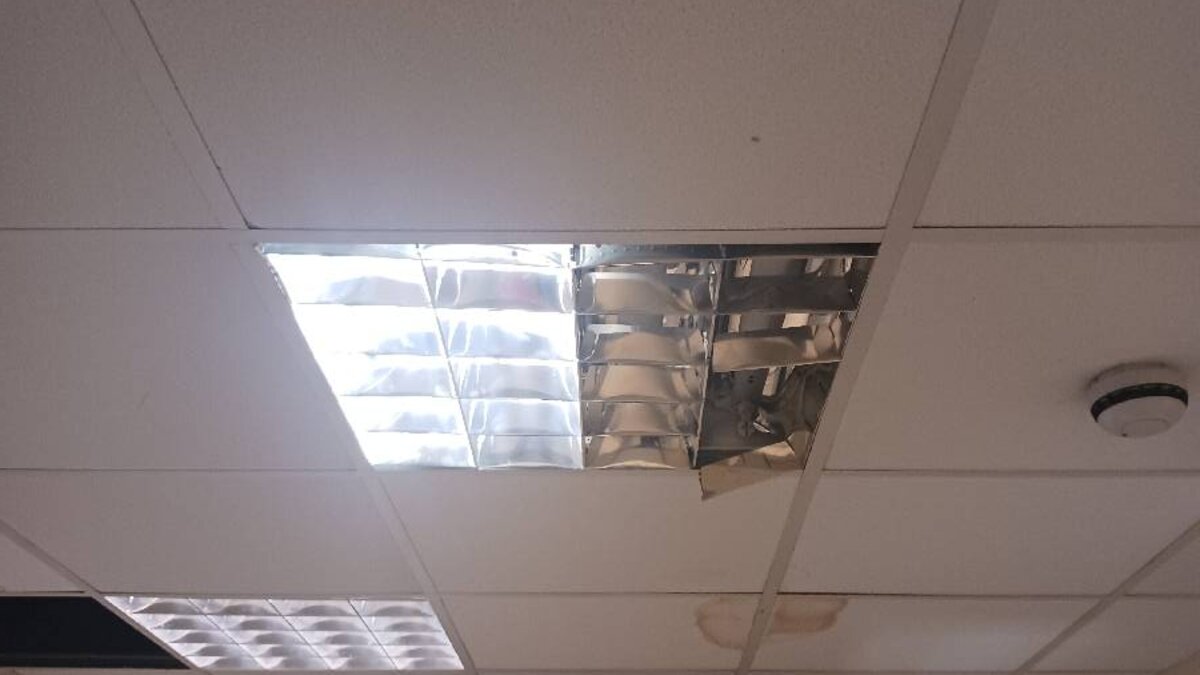
The engineer tightened the valve gland, confirmed the leak had stopped, and checked the surrounding area for any water damage that might need reporting.
Toilet Blockage
The toilet was assessed and found to be blocked. Using standard plumbing clearance methods, the blockage was removed and the toilet tested to confirm it was flushing and draining correctly. No parts were required, and no follow-on drainage investigation was deemed necessary at this stage.
Completion Summary
| Issue | Cause | Action Taken | Result |
|---|---|---|---|
| Radiator valve leak | Loose gland nut | Tightened valve gland | Leak stopped; heating restored |
| Toilet blockage | Accumulated blockage | Cleared manually | Full flush and drainage confirmed |
| Water damage check | Visual inspection | No damage found | No remedial works required |
| Follow-on works | N/A | None required | Both issues resolved in single visit |
Total time on site: 39 minutes. No parts required. No return visit needed.
Common Plumbing Issues in Supported and Social Housing
Property managers responsible for supported housing stock will recognise many of these recurring maintenance patterns. Understanding the common failure modes helps prioritise planned maintenance and identify properties that may need more frequent inspection.
| Issue | Warning Signs | Risk if Ignored | Typical Resolution |
|---|---|---|---|
| Radiator valve leak | Damp patch at valve, pressure drop | Water damage, heating loss, mould growth | Tighten gland or replace valve |
| Toilet blockage | Slow flush, rising water level, odour | Hygiene hazard, overflow damage | Manual clearance or drain rod |
| Radiator cold spots | Uneven heating, cold at top | Reduced heating efficiency | Bleed radiator, check for sludge |
| Overflowing cistern | Running water sound, high water bills | Water waste, potential overflow damage | Replace ball valve or fill valve |
| Leaking stop tap | Drip at mains intake | Water damage to structure | Re-seat or replace stop tap |
| Thermostatic valve failure | Radiator permanently hot or cold | Energy waste, discomfort | Replace TRV head or full valve |
Compliance and Regulatory Framework
The regulatory framework surrounding plumbing maintenance in supported housing is more extensive than for standard residential lettings, reflecting the enhanced duty of care owed to vulnerable residents.
| Requirement | Regulatory Source | Application to This Work |
|---|---|---|
| Repair of heating installations | Landlord and Tenant Act 1985, s.11 | Radiator valve repair falls within statutory repair obligation |
| Sanitary provision | Building Regulations Approved Document G | Toilet must be maintained in working order |
| Excess cold hazard assessment | HHSRS (Housing Act 2004) | Heating loss from leaking system is a scoreable hazard |
| Personal hygiene and sanitation | HHSRS (Housing Act 2004) | Non-functioning toilet scores under this hazard category |
| Duty of care for vulnerable adults | Care Act 2014 | Housing provider must demonstrate prompt response |
| Water supply and fittings | Water Supply (Water Fittings) Regulations 1999 | Plumbing repairs must maintain compliance with water regulations |
| Response time obligations | Supporting People programme requirements | Supported housing providers often have enhanced SLA commitments |
Preventive Maintenance: Reducing Emergency Callouts in Supported Housing
Supported housing providers can significantly reduce reactive repair volumes through targeted planned preventive maintenance (PPM). For plumbing specifically, the following inspection schedule addresses the most common failure points:
Quarterly: Check all radiator valves for weeping or drips. Bleed radiators if air locks are reported. Test all toilet flush mechanisms and check for slow drainage.
Annually: Inspect all visible pipework for corrosion or signs of historic leaks. Test stop taps to confirm they isolate correctly. Check system pressure on sealed heating circuits. Inspect overflow pipes externally for signs of discharge.
At each void period: Full plumbing inspection including under-basin pipework, toilet fixings, bath/shower seals, and heating system pressure test. Replace any valves or components showing early signs of deterioration rather than waiting for failure.
For supported housing in particular, engineer visits for PPM also serve a secondary welfare function — providing a professional pair of eyes on the property condition and the resident’s living environment.