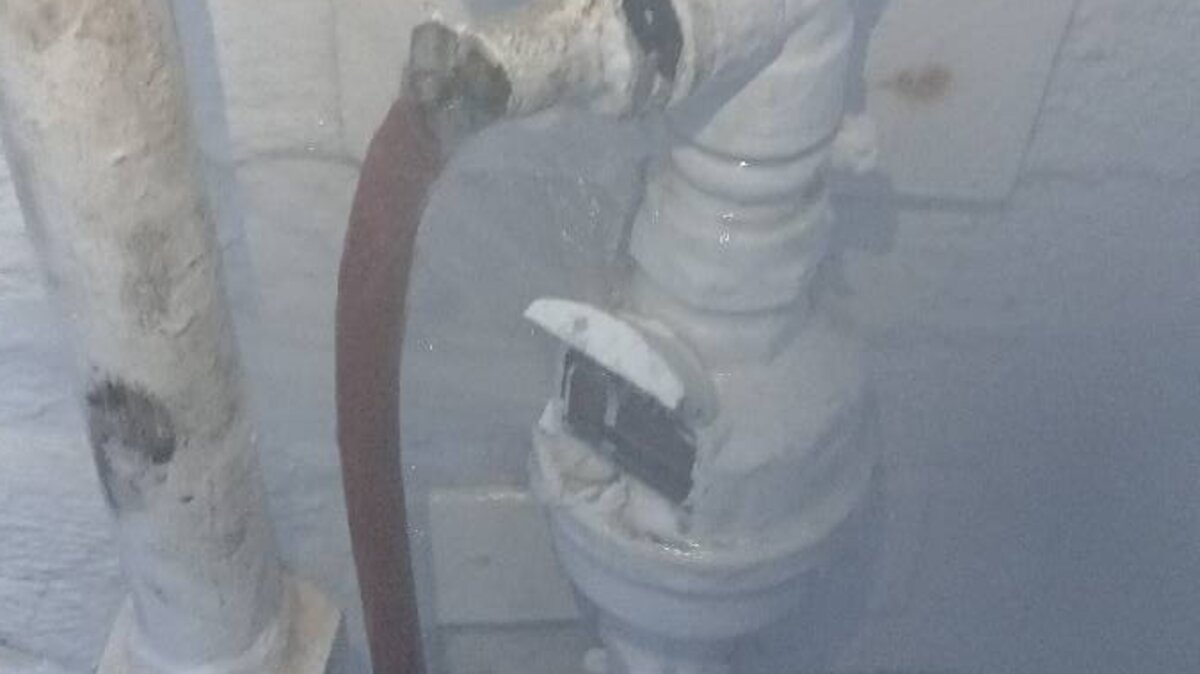
Sewer manholes provide access points to the below-ground drainage network that carries foul water and wastewater from the property to the public sewer. When these manholes become blocked, the consequences escalate rapidly:
Health hazard — Raw or partially treated sewage contains bacteria, viruses, and parasites capable of causing serious illness. The Environmental Protection Act 1990 classifies sewage as controlled waste, and its uncontrolled release into the environment — including residential gardens — constitutes a statutory nuisance under Section 79 of the Act. Local authorities have the power to serve abatement notices requiring the responsible party to resolve the situation.
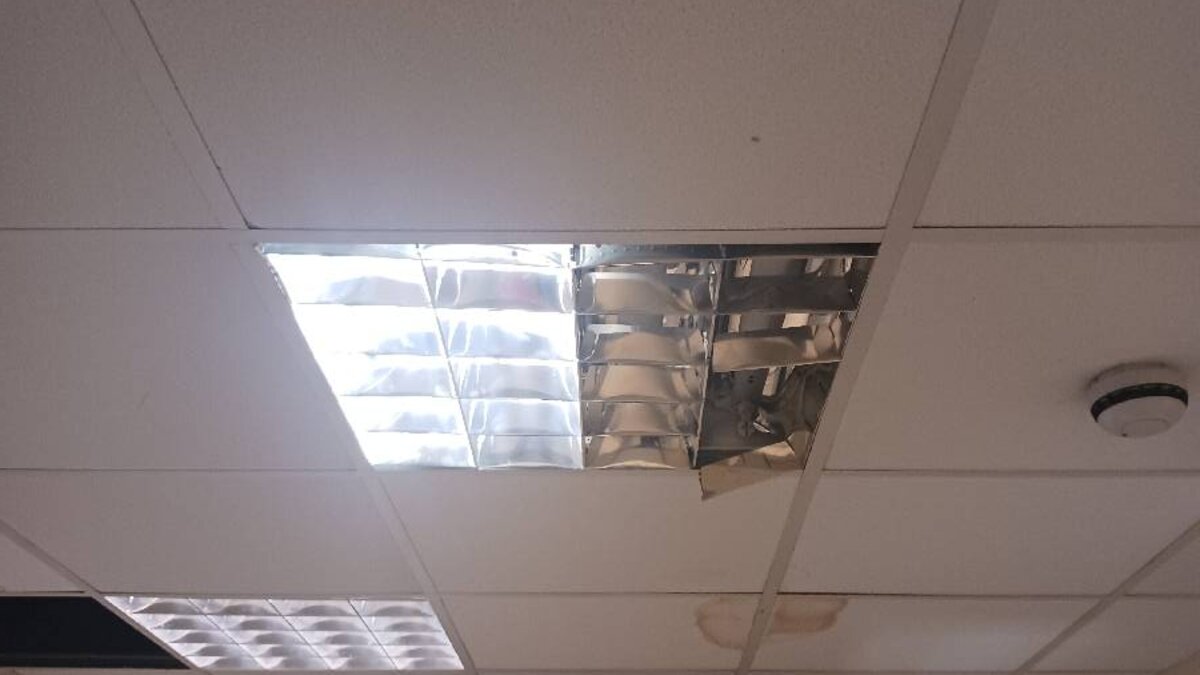
Property damage — Backed-up sewage can flood basements, ground-floor rooms, and external areas. The water damage, contamination, and remediation costs associated with a sewage overflow far exceed the cost of clearing the original blockage.
Structural risk — Prolonged blockages can cause pressure build-up in the drainage system, leading to joint failures, pipe displacement, or ground subsidence around the manhole. Building Regulations Approved Document H (Drainage and Waste Disposal) sets out the requirements for below-ground drainage systems, including the expectation that drains are maintained in working order and that access points (manholes and inspection chambers) remain clear and functional.
Legal liability — Under the Water Industry Act 1991, the property owner is responsible for the maintenance of private drains up to the point where they connect to the public sewer (the curtilage boundary in most cases). If a blocked private drain causes sewage to escape and affects neighbouring properties or public areas, the property owner — or their managing agent — may face both regulatory action and civil liability.
For property management companies administering residential portfolios, prompt response to sewer blockage reports is essential. Delays allow the situation to worsen, increase the scope of remediation required, and expose the client to complaints and potential claims from affected tenants.
The Reported Issue
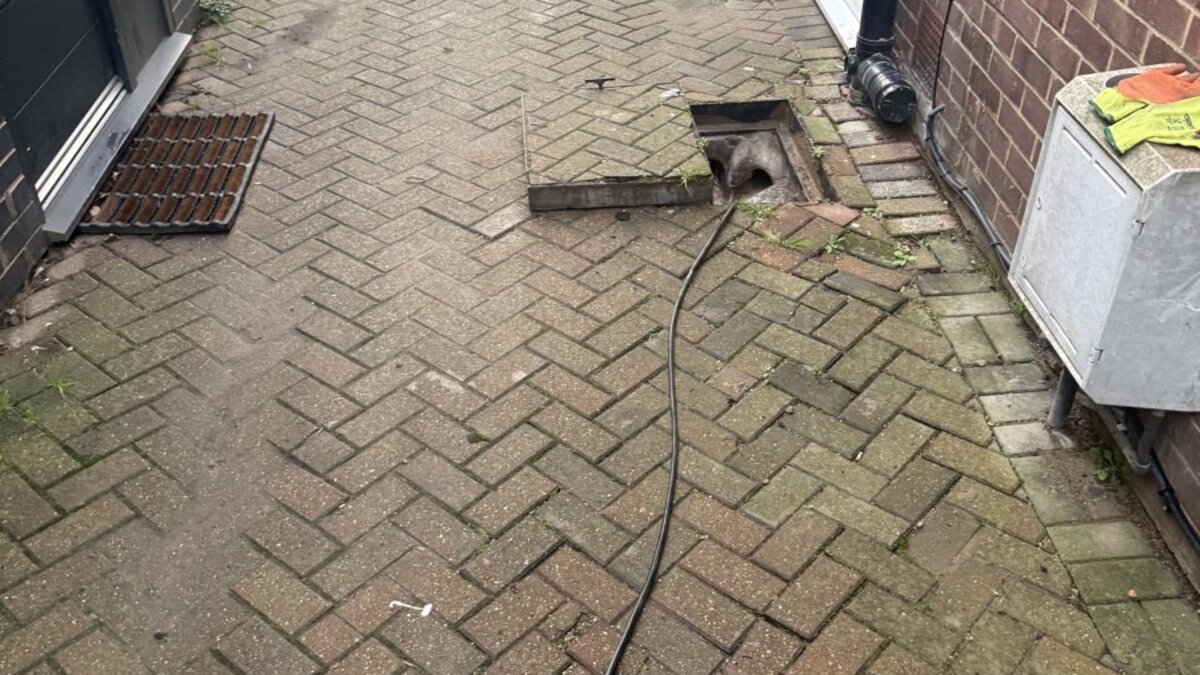
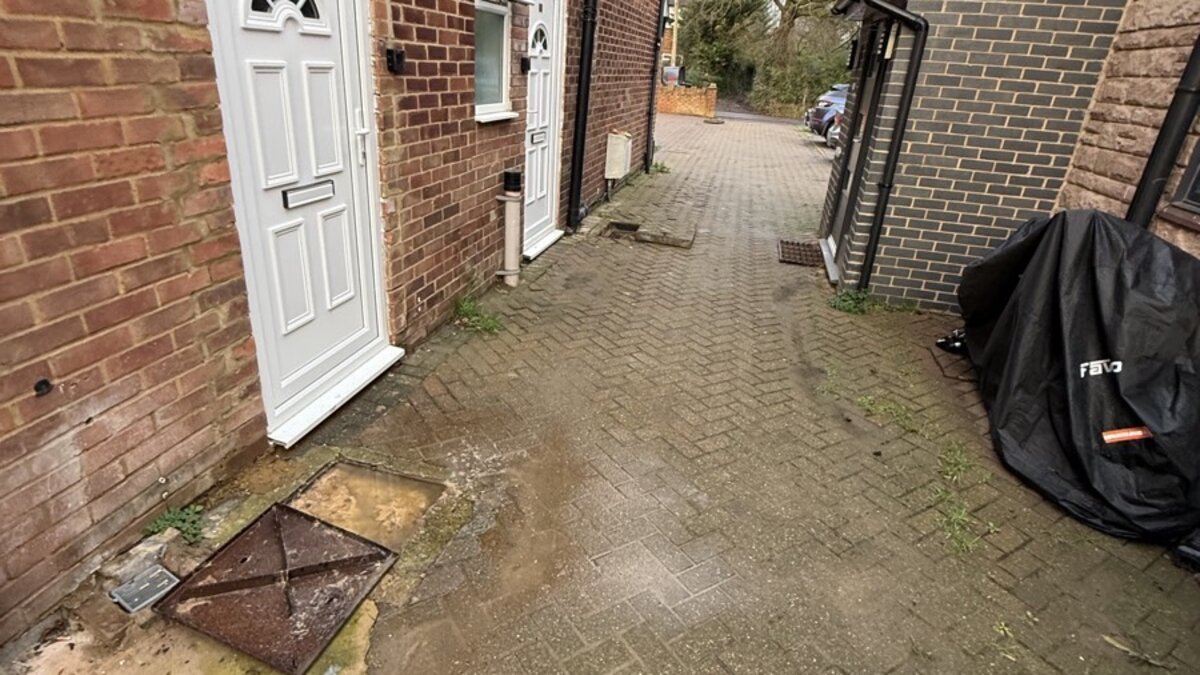
ANG Property Management Ltd instructed All Services 4U to attend a residential property on Old Ruislip Road, Northolt. Two sewer manholes at the property required unblocking. No further detail on the nature or suspected cause of the blockage was provided at the instruction stage.
The Works Completed
Our drainage engineer, George, attended the property at 16:27. The following scope of work was carried out:
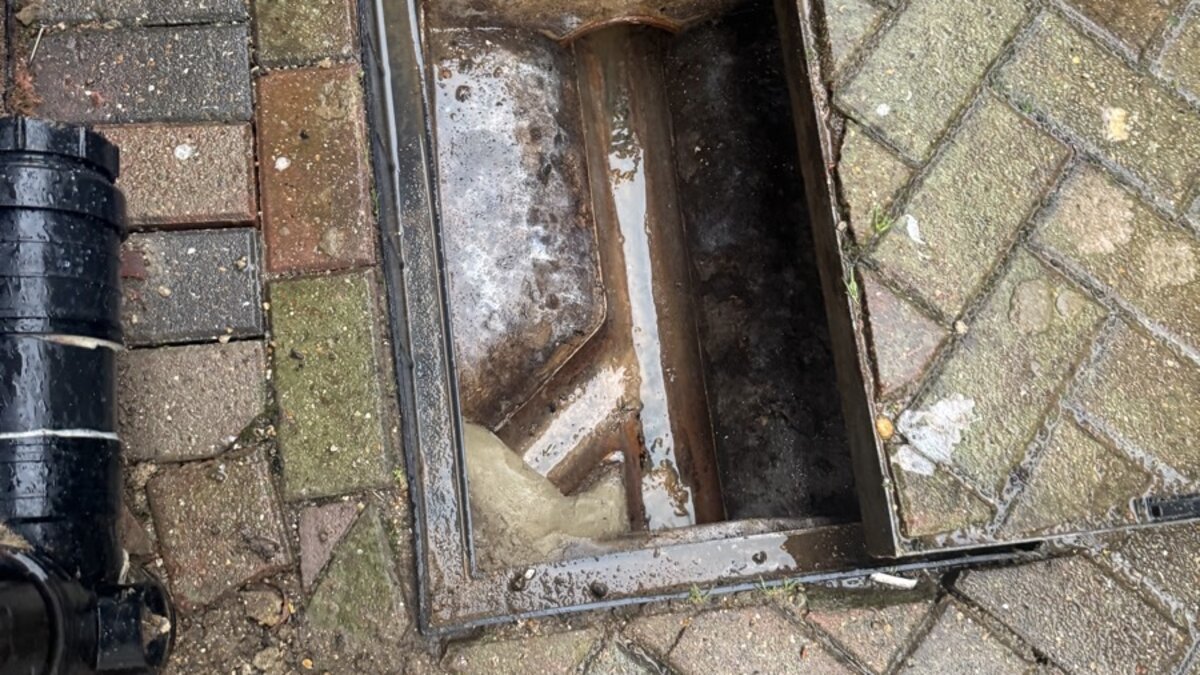
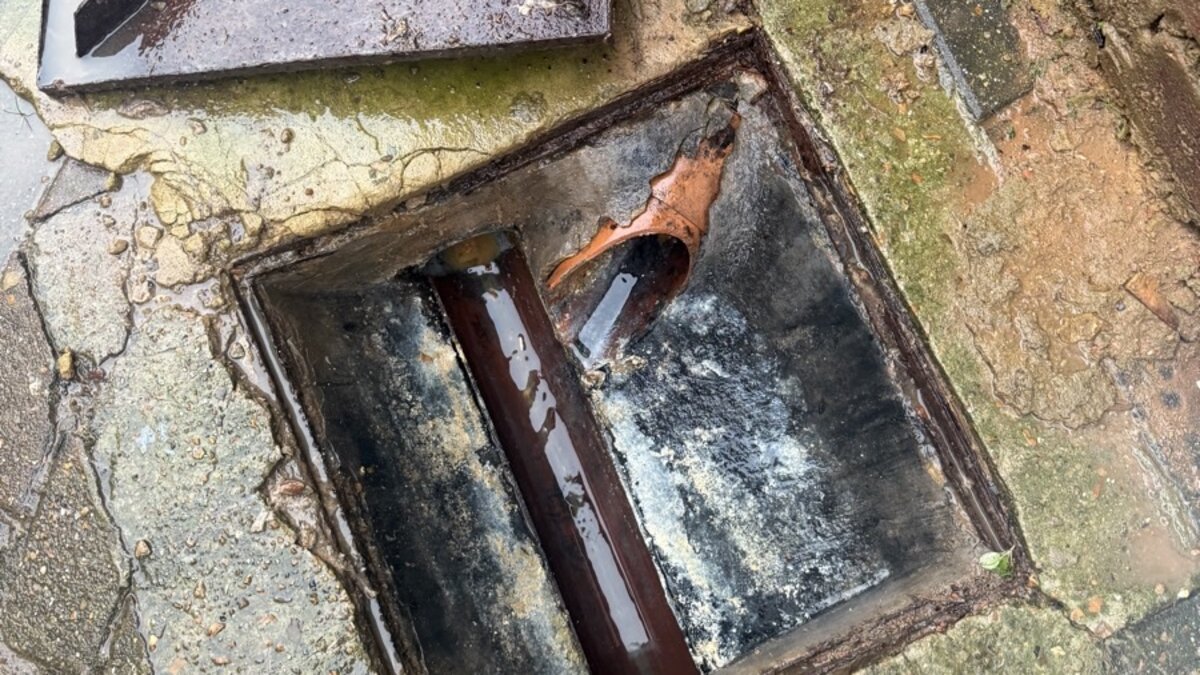
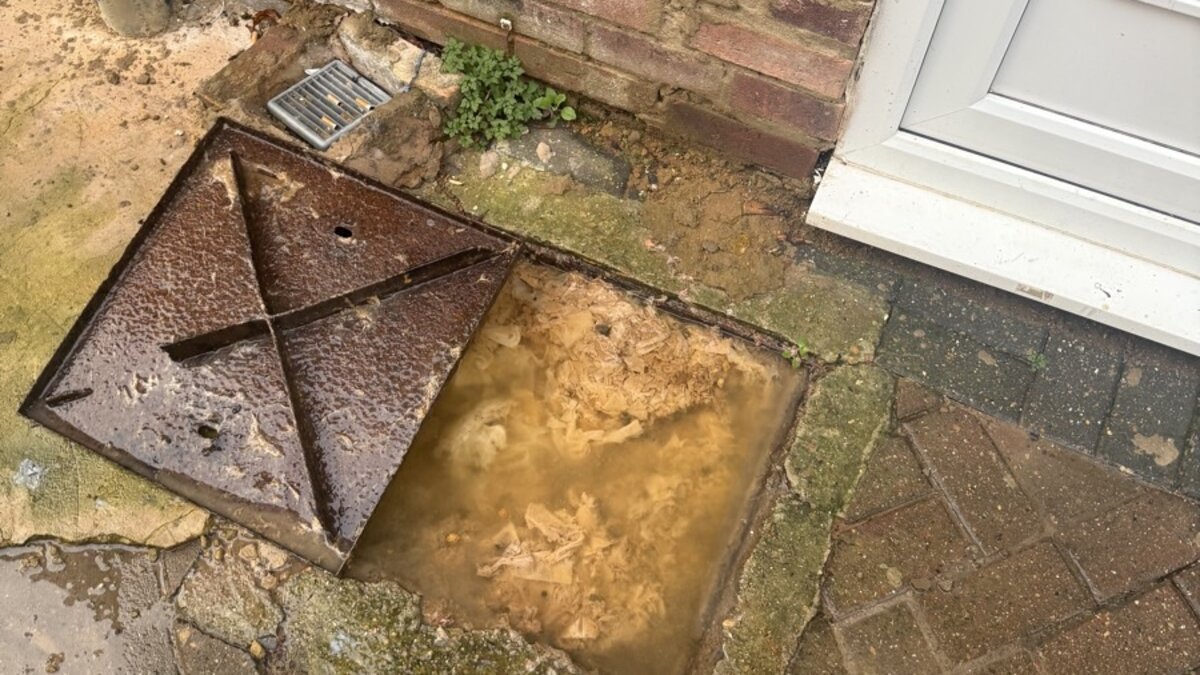
- Site assessment — The engineer located and opened both manholes to assess the nature and extent of the blockages. Standing water levels and the condition of the manhole chambers were inspected.
- Blockage identification — The blockages were identified in both manholes. The specific obstruction materials and their location within the drainage run were assessed to determine the most effective clearance method.
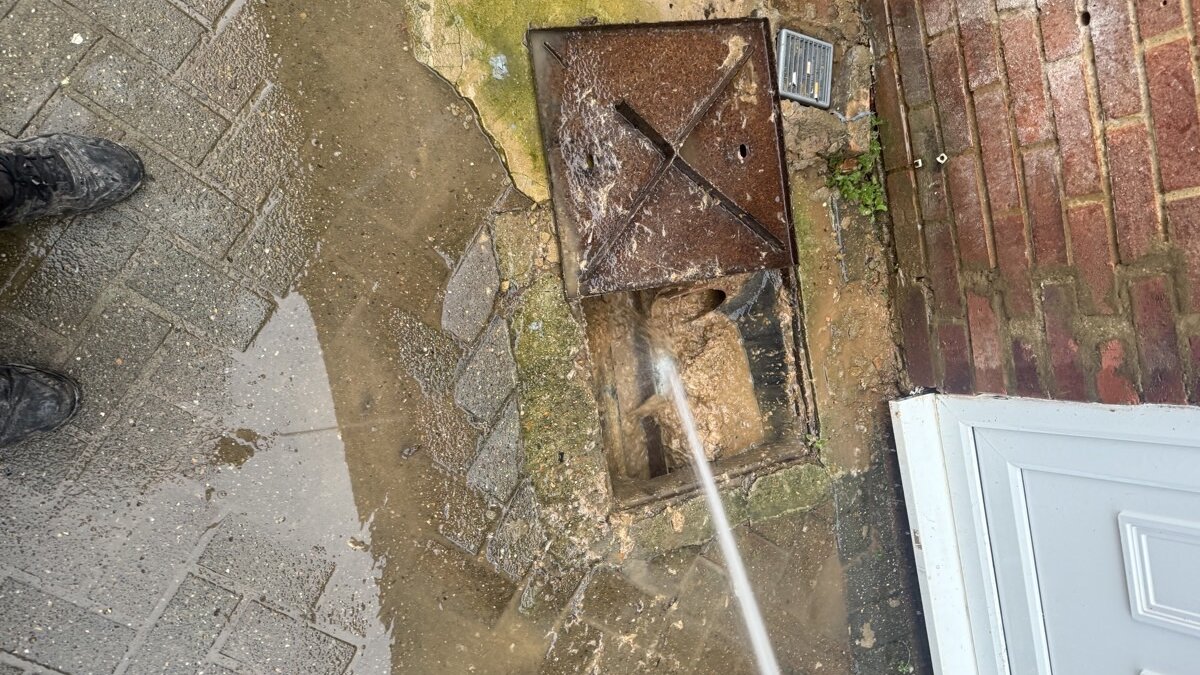
- Mechanical clearance — Using specialist drainage clearance equipment, the engineer cleared the blockages from both manholes. The clearance was carried out methodically, ensuring that the obstruction was fully removed rather than simply displaced further along the system.
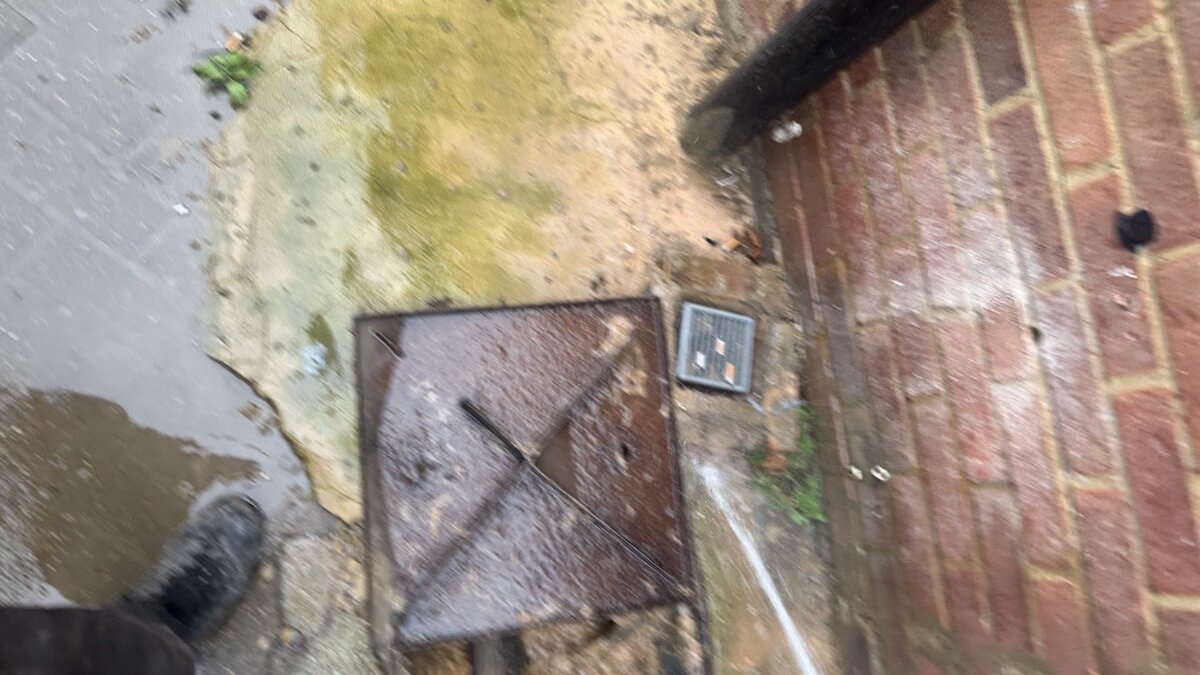
- Flow verification — Following clearance, the drainage flow through both manholes was observed and confirmed to be running freely. Water was flushed through the system to verify that no residual restrictions remained.
- System condition assessment — The engineer inspected the visible condition of the manhole chambers and connecting pipework for signs of structural damage, root ingress, or other defects that could cause recurrence.
- Site left clean and tidy — All manhole covers were replaced, and the working area was left in clean condition.
The engineer departed at 17:32, having completed the clearance of both manholes within approximately 65 minutes.
Common Causes of Sewer Manhole Blockages
Property managers should understand the typical causes of sewer blockages to inform both their response and their preventive maintenance planning:
| Cause | Description | Prevention |
|---|---|---|
| Fat, oil, and grease (FOG) accumulation | Cooking fats solidify in drains and restrict flow over time | Tenant education; avoid pouring fat down drains |
| Non-flushable items | Wipes, sanitary products, and nappies obstruct flow | Tenant guidance; clear signage in shared properties |
| Tree root ingress | Roots penetrate pipe joints seeking moisture, creating blockages | Root management; CCTV survey to identify vulnerable joints |
| Ground settlement or pipe displacement | Soil movement causes pipes to misalign, creating silt traps | Periodic CCTV survey; remedial relining or replacement |
| Build-up of silt and debris | Gradual accumulation of soil, grit, and organic material | Scheduled preventive jetting at intervals |
| Structural defect in manhole chamber | Cracked benching, displaced channels, or collapsed brickwork | Inspection during clearance; repair or rebuild as needed |
| Insufficient gradient | Original installation with inadequate fall on the drainage run | CCTV survey with level assessment; possible re-lay |
In many residential blockage cases, the cause is a combination of factors — for example, a slight gradient deficiency combined with fat accumulation, which individually might not cause a problem but together create a recurring blockage point.