Shower Replacement in Social Housing: Follow-On Plumbing Works at a Peabody Trust Property in Shepherd’s Bush

Case Study
Shepherd's Bush, London W12
Responsive repairs in social housing are not simply maintenance tasks — they are obligations that directly affect a tenant's quality of life, their health, and the housing provider's statutory compliance. When a follow-on shower replacement was required at a Peabody Trust property in Shepherd's Bush, All Services 4U attended to carry out the works, ensuring that the tenant regained full use of a functioning shower and that the installation met the regulatory standards that govern plumbing work in residential properties. This case study examines the work carried out, the compliance framework that applies, and the service model required to deliver responsive repairs within social housing at scale.
Shower Replacement in Social Housing: Follow-On Plumbing Works at a Peabody Trust Property in Shepherd's Bush - image-03.jpeg

Understanding the Requirement

A failed or defective shower in a residential property is more than an inconvenience. Under Section 11 of the Landlord and Tenant Act 1985, landlords — including social housing providers — have a statutory obligation to keep in repair and proper working order the installations in the dwelling for the supply of water and for sanitation, including baths, showers, basins, and sinks. A shower that has been identified as requiring replacement and not yet replaced represents an ongoing breach of this obligation.

For social housing providers like the Peabody Trust, which manages thousands of properties across London, maintaining compliance with responsive repair obligations is both a regulatory requirement and a reputational imperative. The Regulator of Social Housing sets expectations around repairs and maintenance performance, and tenants’ satisfaction with the repairs service is a key metric in the Tenant Satisfaction Measures (TSMs) that providers are now required to report.

The initial diagnostic visit had already identified that the shower required replacement rather than repair. This follow-on visit was commissioned specifically to complete the installation, with tenant access arranged for the agreed time window.

The Regulatory Framework for Shower Installation

Shower replacement in residential properties sits within a framework of building regulations, water regulations, and electrical safety standards (where electric showers are involved). The principal regulatory requirements include:

Building Regulations Approved Document G governs hot water supply and sanitary provisions. It requires that hot water systems be designed and installed to minimise the risk of scalding, with thermostatic control being the primary safeguard. Replacement showers must deliver water at a controlled and safe temperature, with a maximum recommended outlet temperature of 48 degrees Celsius for baths and showers.

The Water Supply (Water Fittings) Regulations 1999 (commonly known as the Water Regulations) require that all water fittings be of an appropriate quality and standard, be installed so as to prevent waste, misuse, undue consumption, or contamination of the water supply, and comply with the requirements of the Water Regulations Advisory Scheme (WRAS). Replacement shower fittings should carry WRAS approval or demonstrate equivalent compliance.

BS EN 806 (Specifications for Installations Inside Buildings Conveying Water for Human Consumption) provides the technical standard for design, installation, and operation of domestic water supply systems, including shower installations. Part 2 covers design, Part 4 covers installation, and Part 5 covers operation and maintenance.

Where the shower is an electric model — connected directly to the electrical supply — additional requirements under BS 7671 apply, including the requirement for the circuit to be protected by a 30mA RCD, correct cable sizing for the shower’s power rating, and compliance with the bathroom zone requirements of Section 701.

The Works

Our plumber attended the property and carried out the complete shower replacement. The works followed a systematic process designed to ensure a compliant, leak-free installation:

Isolation of Services: The water supply to the existing shower was isolated at the nearest available isolation valve. Where the shower was supplied by hot and cold feeds, both supplies were isolated. If the unit was an electric shower, the electrical supply was also isolated at the consumer unit before any work commenced.

Removal of Existing Unit: The failed shower was carefully removed, including the shower head, hose, riser rail (if applicable), and the shower unit itself. The condition of the supply pipework and connections was assessed during removal to identify any underlying issues that might affect the new installation.

Preparation and Installation: The supply pipework was prepared for connection to the replacement unit. This included checking that isolation valves were functioning correctly, verifying that pipe sizes were compatible with the replacement shower’s flow requirements, and ensuring that all connections would be accessible for future maintenance. The new shower was installed, connected to the water supply (and electrical supply if electric), and all joints were made using appropriate fittings and sealing methods.

Testing: The installation was tested by running the shower through its full operational range, checking for leaks at every connection point, verifying that temperature control was functioning correctly, and confirming adequate flow rate. The area around the installation was inspected for any signs of water escape.

Tenant Sign-Off: The tenant was shown the completed installation, given the opportunity to test it, and signed off on the works. This sign-off is a standard requirement of the social housing responsive repairs process, providing documented confirmation that the tenant is satisfied with the outcome and that the shower is operational.

Common Causes of Shower Failure in Residential Properties

Understanding why showers fail helps housing providers plan maintenance and replacement cycles. The table below outlines the most common failure modes encountered in social housing properties.

Failure Mode Cause Warning Signs
Thermostat failure Wear, limescale, component age Fluctuating temperature, inability to maintain set temperature
Heating element failure (electric) Limescale buildup, age, power surges No hot water, partial heating, tripping of MCB/RCD
Cartridge failure (mixer) Wear of internal seals and moving parts Dripping, difficulty adjusting temperature, stiff operation
Limescale blockage Hard water area, lack of descaling Reduced flow rate, uneven spray pattern
Leak at connections Failed seals, movement, corrosion Water damage around shower area, damp patches
Diverter valve failure Wear of internal components Water from both bath taps and shower simultaneously

In London and the South East, hard water is a significant factor in shower degradation. The high calcium carbonate content in the water supply accelerates limescale buildup on heating elements, thermostats, and spray nozzles, reducing the effective lifespan of shower units compared to soft water areas.

Compliance and Documentation

Plumbing work in social housing properties is governed by a comprehensive regulatory framework. The table below maps the key requirements applicable to this project.

Requirement Source Regulation Application to This Project
Landlord repair obligation Landlord and Tenant Act 1985, Section 11 Duty to maintain sanitary installations
Hot water safety Building Regulations Approved Document G Temperature control, scalding prevention
Water fitting standards Water Supply (Water Fittings) Regulations 1999 WRAS-approved fittings, backflow prevention
Installation standards BS EN 806 (Parts 2, 4, and 5) Design, installation, and operation
Electrical safety (if electric shower) BS 7671, Section 701 RCD protection, zone compliance, cable sizing
Social housing standards Regulator of Social Housing — Home Standard Decent homes, responsive repairs obligations
Tenant satisfaction reporting Tenant Satisfaction Measures (2023) Repair completion and satisfaction tracking
Health and safety Health and Safety at Work Act 1974 Working in occupied residential property

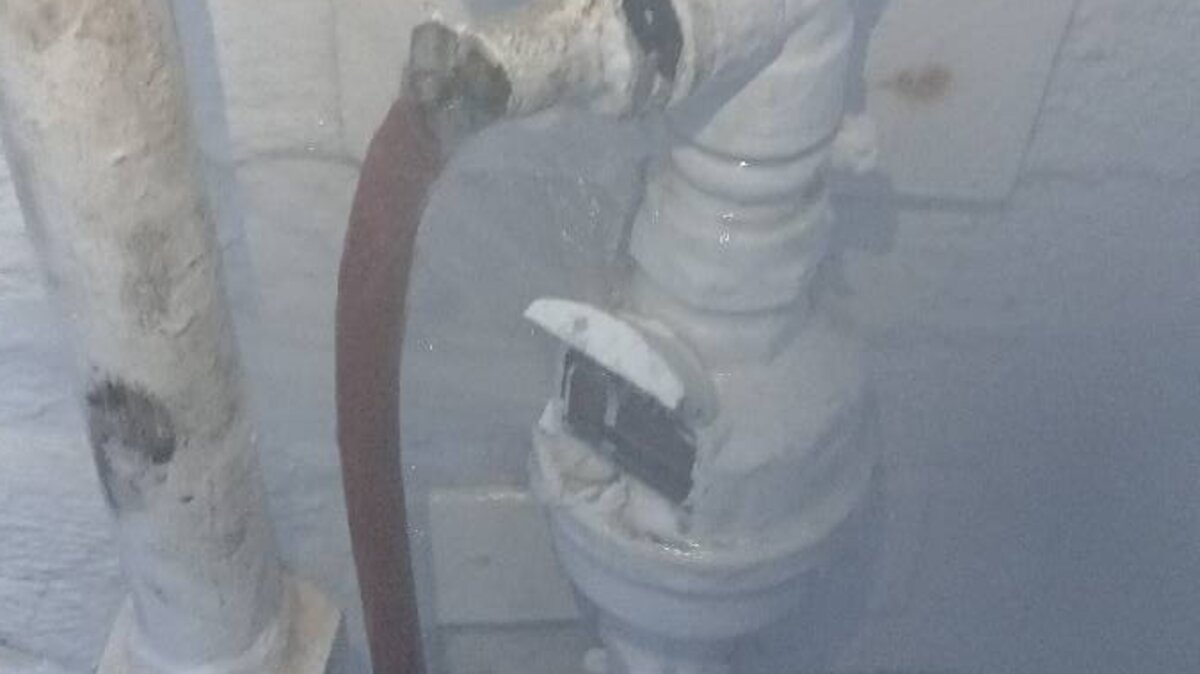
The completed works were documented with timestamped photographs showing before, during, and after stages of the installation, supplemented by the tenant’s signature confirming completion and satisfaction. These records form part of the compliance trail required by the housing association and the platform provider (Plentific).

Working Through Procurement Platforms

This job was instructed through Plentific, one of the major procurement and works management platforms used by social housing providers across the UK. Platform-based working introduces specific requirements that contractors must meet:

Real-Time Job Tracking: Engineers must start and complete jobs through the platform, providing timestamped records of arrival, work progress, and departure.

Evidence Capture: Before, during, and after photographs must be uploaded to the platform as part of the job record. This requirement is non-negotiable — jobs without photographic evidence are treated as incomplete.

Escalation Protocols: If additional parts or time are required, engineers must contact the office for approval before proceeding. This prevents scope creep and ensures cost control for the housing provider.

Like-for-Like Replacement: Parts must be replaced on a like-for-like basis wherever possible. If an equivalent replacement is not available, the engineer must contact the office from site before substituting an alternative.

All Services 4U operates across multiple social housing procurement platforms, and our engineers are trained in the specific evidence capture and communication protocols that each platform requires.

The Importance of Follow-On Scheduling

This shower replacement was a follow-on from an earlier diagnostic visit. The two-stage process — diagnose first, then return with parts and complete the work — is standard in social housing responsive repairs. It ensures that the correct replacement parts are sourced before the second visit, preventing failed attendances and abortive costs. However, it does require careful coordination between the contractor, the housing provider, and the tenant to ensure that the follow-on visit is scheduled promptly and that access is available.

All Services 4U prioritises follow-on scheduling to minimise the gap between diagnosis and completion. A tenant waiting for a shower replacement has lost access to a basic amenity, and every day of delay erodes satisfaction and confidence in the service.

This project exemplifies the responsive plumbing repairs service that All Services 4U delivers to social housing providers, housing associations, and their procurement platform partners. The key elements of our service model are:

Platform-Integrated Operations: Our engineers work within the Plentific, Fixflo, and other major platform environments, meeting the evidence capture, communication, and compliance requirements that housing providers mandate.

Qualified Plumbing Engineers: All plumbing work is carried out by experienced engineers with the qualifications and competence to deliver compliant installations in residential properties.

Tenant-Centred Communication: Our engineers introduce themselves on arrival, explain the work to be carried out, and ensure the tenant is satisfied with the outcome before obtaining sign-off.

Evidence-Based Documentation: Timestamped photographs, completion notes, and tenant signatures provide the full audit trail that social housing compliance frameworks require.

When to Arrange a Plumbing Assessment

Tenants, landlords, and property managers should arrange an assessment when any of the following apply: the shower no longer heats water to a consistent temperature, water flow has reduced noticeably despite cleaning the shower head, visible leaks appear at connection points or around the shower unit, the shower trips the electrical supply when used (electric showers), the unit is more than eight years old and has not been assessed, or the shower has been reported for repair and an initial diagnostic visit has identified replacement as necessary.

All Services 4U provides responsive plumbing repairs, shower replacement, and bathroom maintenance services to housing associations, social housing providers, letting agents, and property management companies across London and the South East. We deliver through platform-integrated workflows that meet the documentation and compliance standards your organisation requires.

Contact us to discuss your responsive repairs requirements or to register as a partner contractor on your preferred platform.


Service Category: Plumbing — Responsive Repair / Shower Replacement
Location: Shepherd’s Bush, London W12
Sector: Social Housing
Tenant Sign-Off: Obtained
Compliance Tags: Landlord and Tenant Act 1985, Building Regs Part G, Water Supply Regulations 1999, BS EN 806, BS 7671
Reference: L4L-797453

All Service 4U Limited | Company Number: 07565878