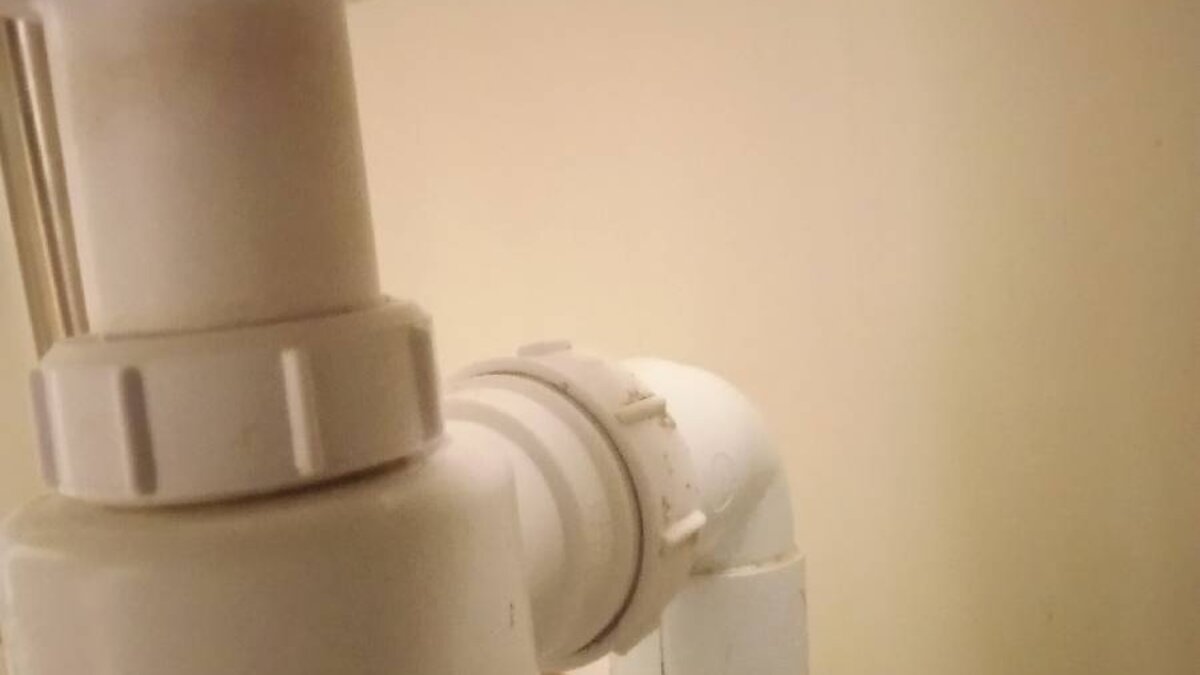
The waste connection beneath a kitchen sink is a deceptively simple assembly: a waste outlet fitting connects to the trap, which connects to the waste pipe leading to the drainage system. At each joint, a rubber seal or washer provides the compression fit that keeps the connection watertight. These seals are consumable components — they are designed to be compressed to form a seal, and over time they deteriorate.
In a commercial kitchen environment, the deterioration process is accelerated by several factors. Hot water passing through the waste causes thermal cycling that degrades rubber more rapidly than cold water use alone. Cleaning chemicals — particularly alkaline degreasers commonly used in commercial kitchens — attack rubber compounds and can cause premature hardening, cracking, or swelling. The vibration and movement associated with heavy use can shift connections and reduce the compression that maintains the seal.
The Water Supply (Water Fittings) Regulations 1999 require that water fittings — which include waste connections and their associated seals — are maintained in efficient working order. Schedule 2 of the Regulations sets out the requirements for materials and their suitability for the intended application, including resistance to the temperatures and chemicals they will encounter.
In retail premises, the Workplace (Health, Safety and Welfare) Regulations 1992 place specific obligations on employers regarding floor maintenance. Regulation 12 requires that every floor in a workplace shall be suitable, in good condition, and free from obstructions or substances likely to cause a person to slip. Water leaking onto a kitchen or back-of-house floor is a direct breach of this requirement and, under the Management of Health and Safety at Work Regulations 1999, should be subject to a risk assessment and prompt remedial action.
Where the kitchen area is used for food preparation or handling, the Food Safety Act 1990 and the Food Hygiene (England) Regulations 2013 may also be engaged. Contaminated water from a waste connection pooling on a kitchen floor creates conditions that are incompatible with food safety requirements.
The Reported Issue
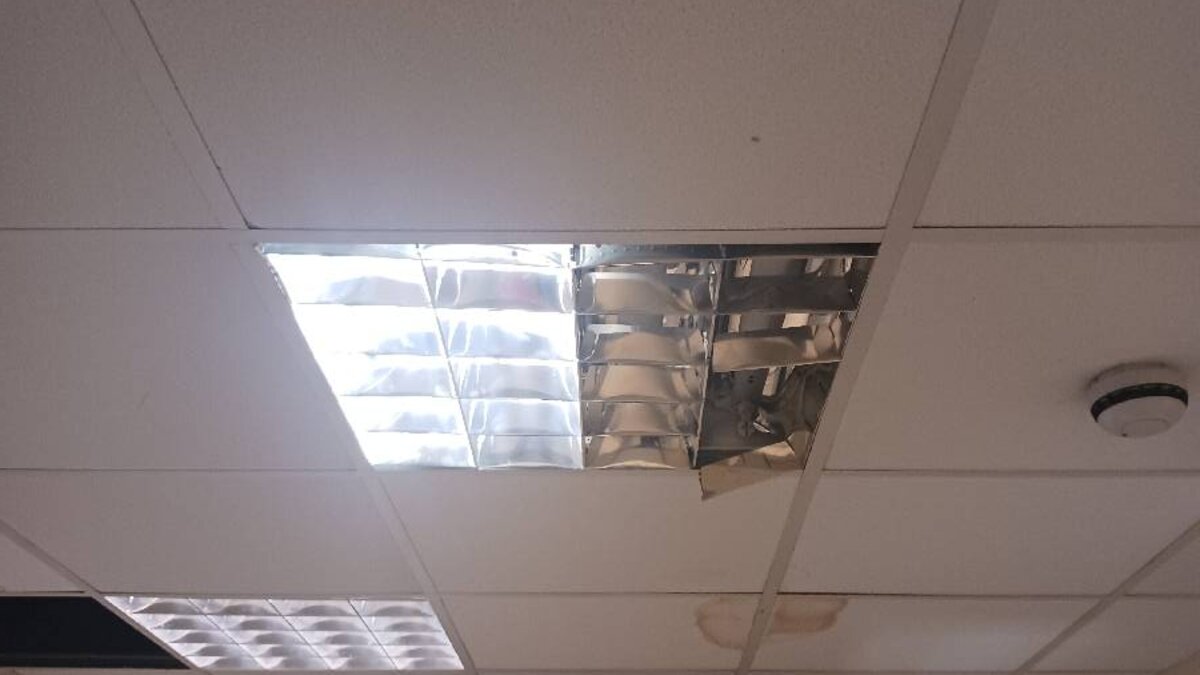
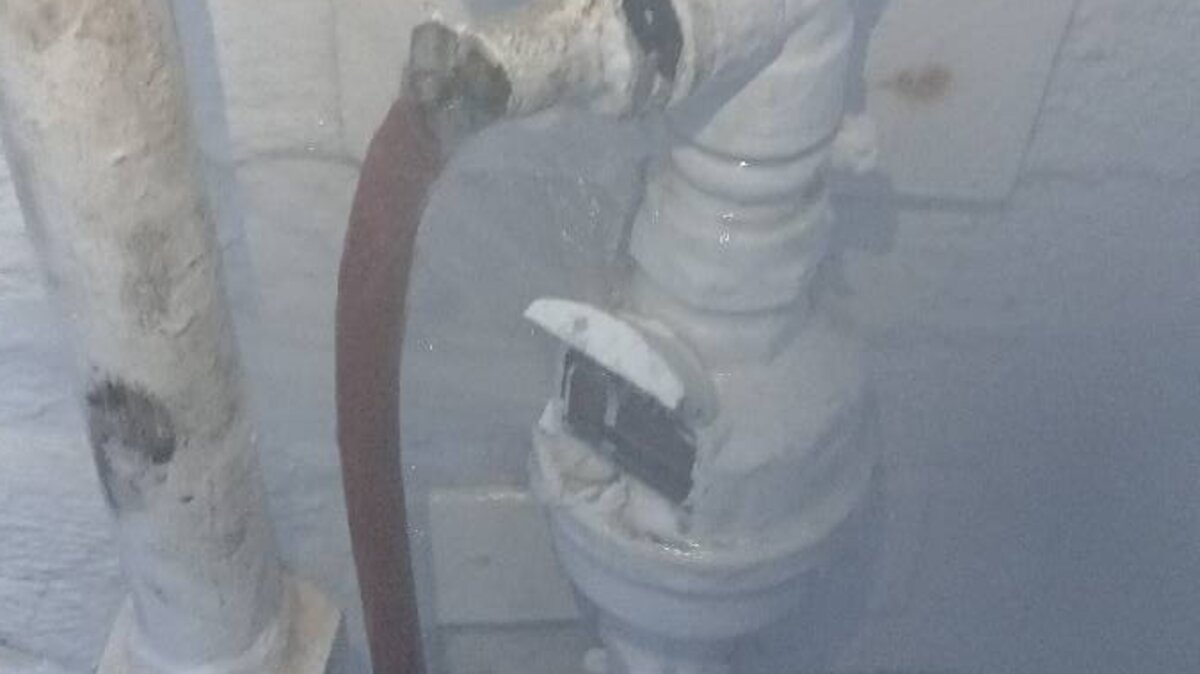
Ecogas Facilities Management Ltd, the FM company managing maintenance for the retail site, reported a leak from the under-sink pipe at The Range’s Enfield branch on Suez Road. Water was leaking onto the floor and the issue required an evening attendance to prevent further water damage and address the safety hazard before the next trading day.
The Works: Step-by-Step
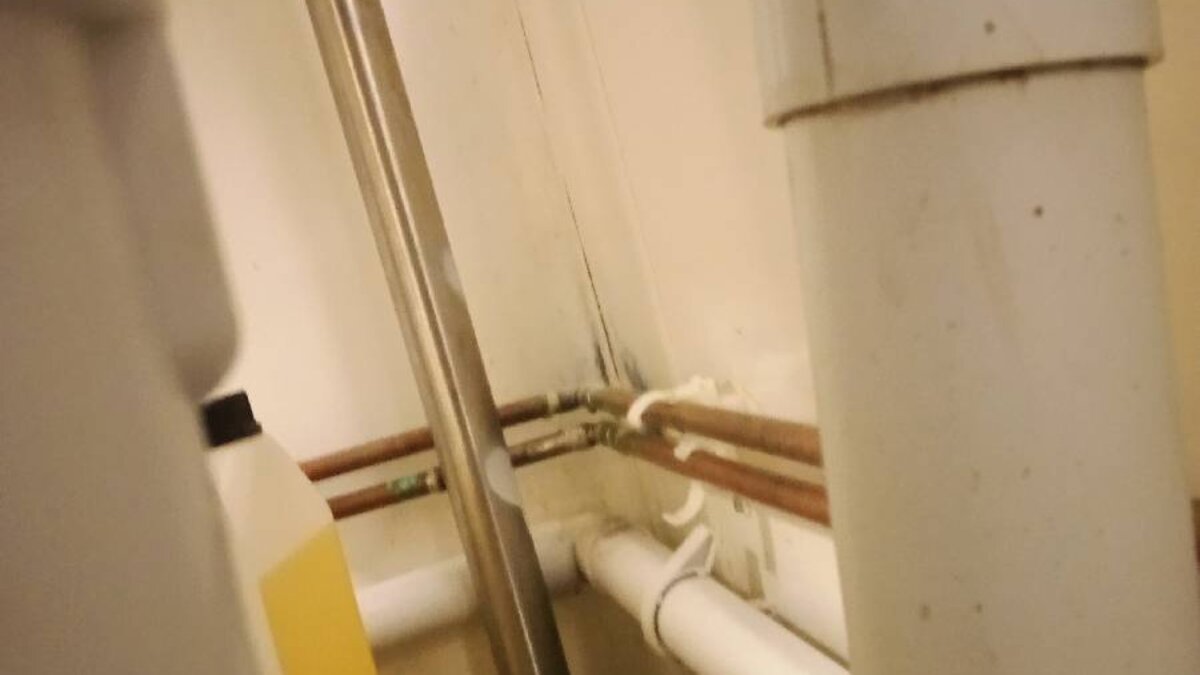
Step 1 — Evening Attendance and Assessment: Our engineer attended the site at 19:59, outside normal trading hours, to minimise disruption to the store’s operations. The leak was confirmed at the kitchen sink waste connection. Water was actively dripping onto the floor, and the area beneath the sink showed signs of prolonged moisture exposure.
Step 2 — Root Cause Investigation: The engineer investigated the waste connection systematically, checking each joint in the waste assembly. The rubber seal and spacer at the waste outlet connection were identified as the failed components. Both had deteriorated — the rubber had hardened and lost its ability to compress evenly against the waste fitting, and the spacer was no longer maintaining the correct alignment and compression.
Step 3 — Component Replacement: The waste connection was disassembled. The old rubber seal and spacer were removed and replaced with new components of the correct specification. The connection was reassembled with correct compression — tight enough to seal, but not so tight as to deform the seal prematurely.
Step 4 — Testing and Verification: The engineer ran water through the sink at various flow rates to test the repair under normal operating conditions. Testing was carried out in conjunction with the store manager who was present on site, providing independent verification that the repair was effective. No leaks were detected at any flow rate.
Step 5 — Site Inspection and Handover: The area beneath the sink was inspected for any residual moisture or damage requiring further attention. The site was confirmed as clean and tidy. No additional works were identified.
Common Sink Waste Connection Failures
Facilities managers and retail maintenance teams should be aware of the following common failure modes in commercial sink installations.
| Failure Mode | Cause | Warning Signs | Typical Service Life |
|---|---|---|---|
| Rubber seal deterioration | Age, heat, chemical exposure | Drips at waste connection, damp odour | 3-7 years depending on use |
| Spacer/washer compression loss | Repeated disassembly, vibration | Intermittent drips, especially under load | 3-7 years |
| Trap seal failure | Evaporation, siphonage, or cracking | Sewer odour from drain, visible crack | 5-10 years |
| Waste pipe joint failure | Movement, incorrect adhesive, age | Persistent drip at pipe joint | Variable |
| Overflow fitting leak | Seal failure at overflow connection | Water escapes at overflow, not main waste | 5-10 years |
| Compression nut cross-threading | Incorrect reassembly after cleaning | Leak immediately after previous repair | Installation error |