Storage Unit Lock Replacement: Resolving Repeated Key Failures at a Commercial Premises in Soho

Case Study
Soho, London W1D
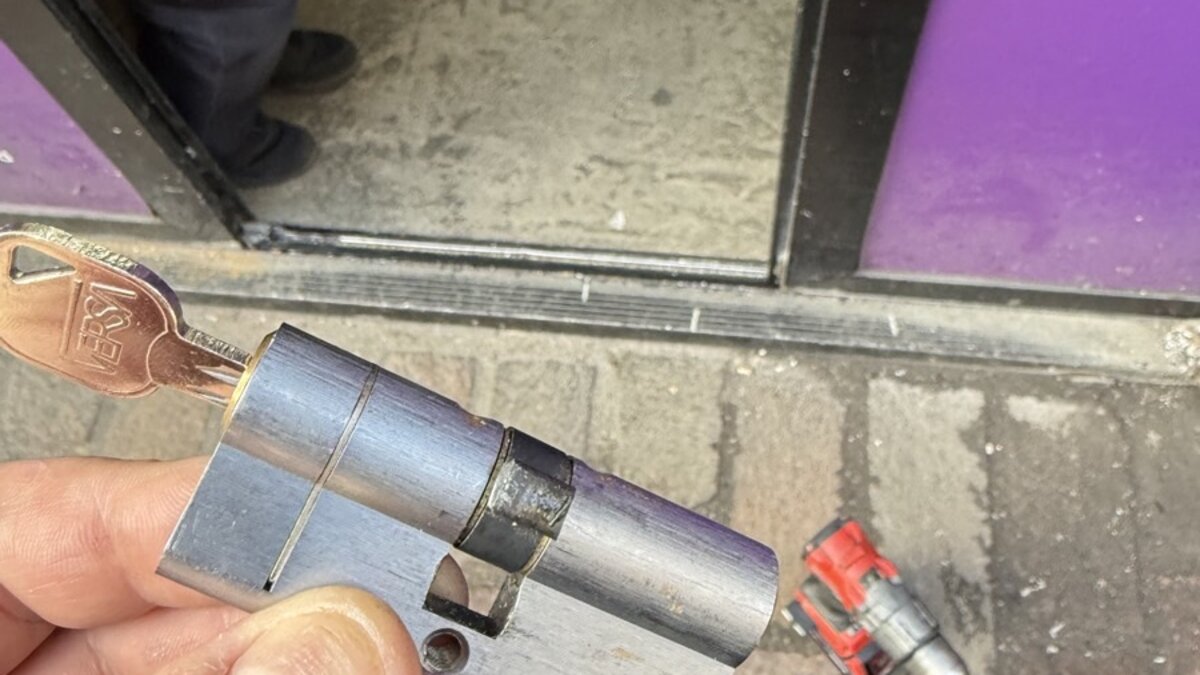
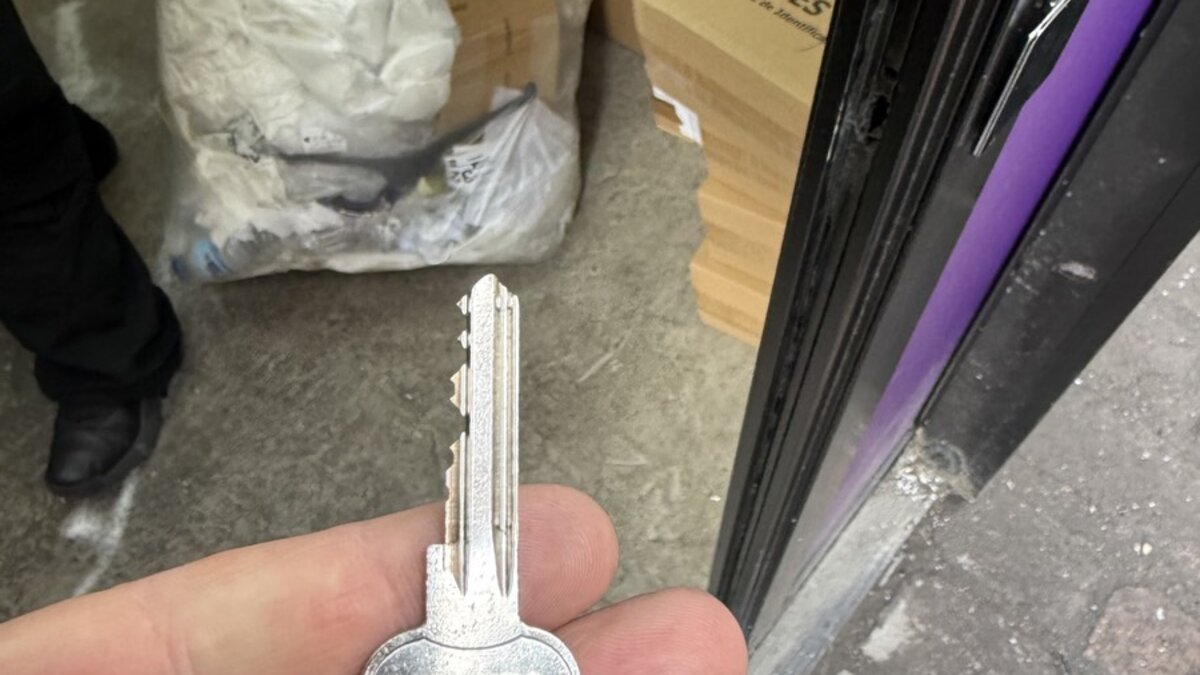
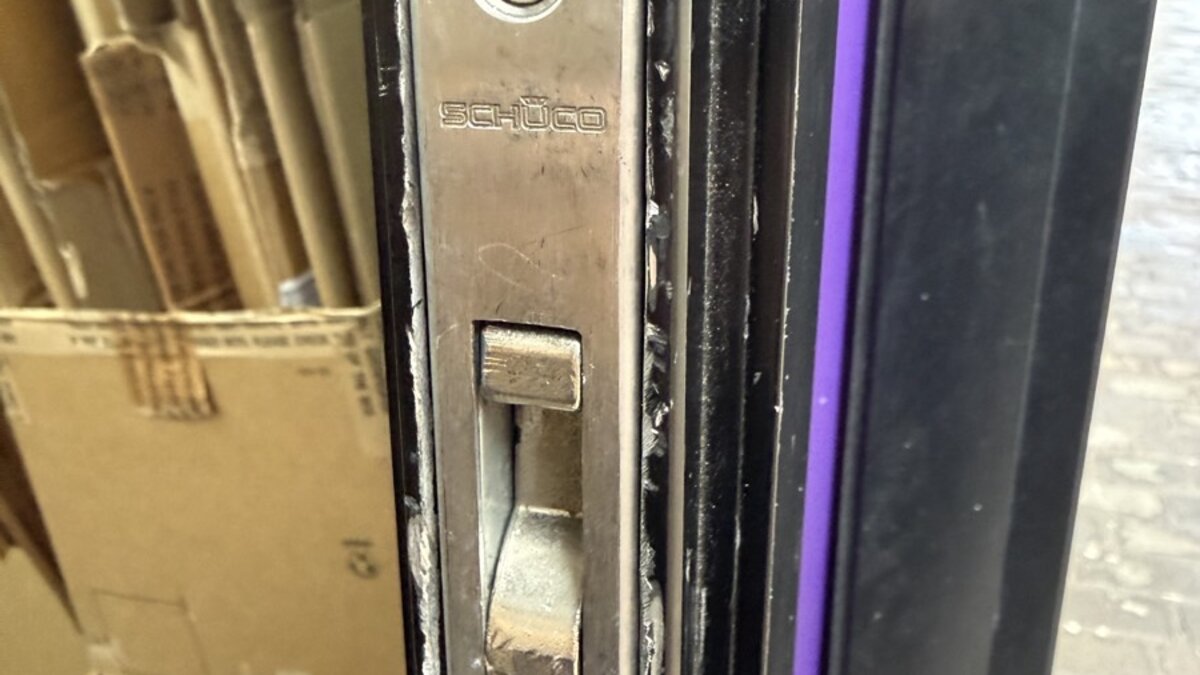
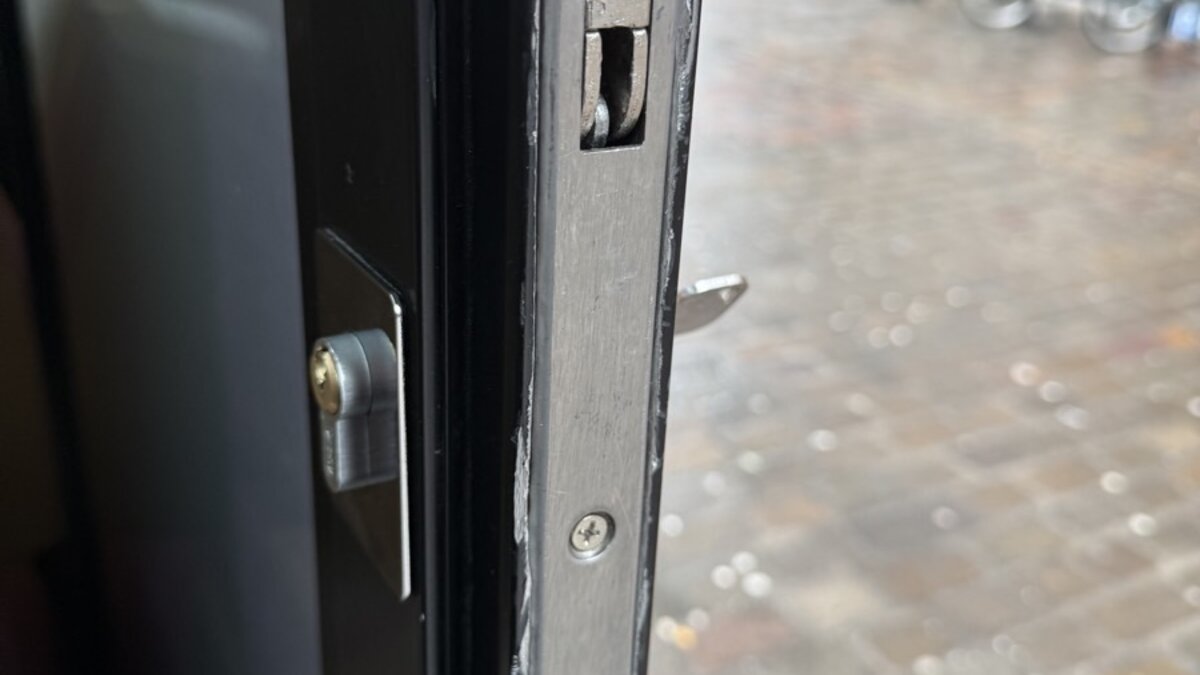
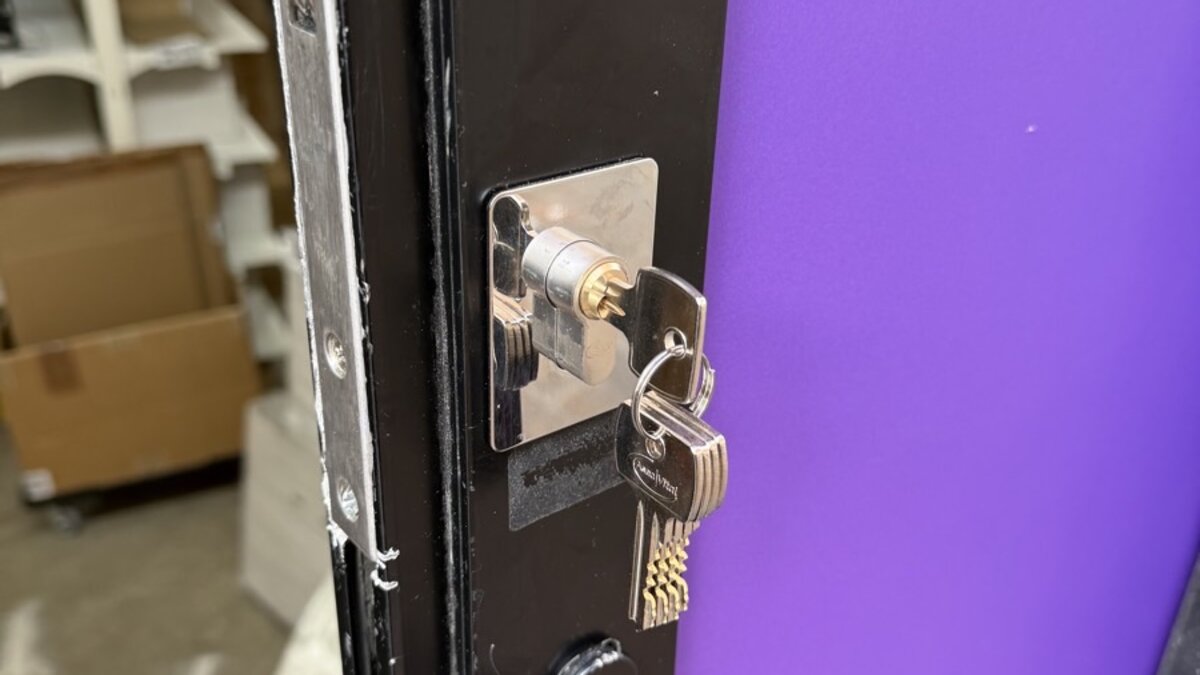
In the heart of London's West End, where retail and hospitality operations depend on reliable access to storage throughout the day, a broken lock on a storage unit is more than an inconvenience — it is a direct threat to operational continuity and asset security. When the facility management company responsible for a commercial premises on a busy Soho street reported that the lock on the mango storage unit had failed, with multiple keys having broken inside the cylinder over a short period, All Services 4U dispatched a locksmith the same day. The investigation confirmed what the pattern of key failures had already suggested: the lock cylinder had deteriorated beyond economical repair and required full replacement.
Storage Unit Lock Replacement: Resolving Repeated Key Failures at a Commercial Premises in Soho - image-04.jpeg

Understanding the Risk

A storage unit lock that repeatedly breaks keys is signalling a mechanical failure within the cylinder. Each time a key snaps inside, the fragments can damage the pin tumblers, springs, and driver pins further, accelerating the deterioration in a compounding cycle. What begins as stiffness in the turning action progresses to partial engagement, then to keys jamming under torque, and finally to keys snapping off inside the keyway — leaving the unit either inaccessible or, worse, unsecurable.

In a commercial environment, particularly one handling perishable goods, the consequences escalate rapidly. Stock cannot be accessed during trading hours. Goods may be left in an unlocked unit because staff resort to leaving the door ajar rather than risk another key. Insurance coverage for stored contents may be voided if the locking mechanism is known to be defective and no action has been taken. Under the Health and Safety at Work Act 1974, employers and premises controllers have a general duty to ensure that workplace facilities — including storage — are maintained in a condition that does not give rise to risk. The Workplace (Health, Safety and Welfare) Regulations 1992, Regulation 5, reinforce this by requiring that workplace equipment and facilities are maintained in efficient working order.

The Diagnostic Process

Our locksmith, Mike, attended the Soho premises and arrived on site at 11:30. The client confirmed the history: multiple keys had broken inside the lock over a period of use, and the most recent failure had left the unit inaccessible. On inspection, the locksmith identified the following:

  1. Cylinder examination — The lock cylinder showed signs of internal seizure. The pin tumblers were no longer aligning correctly when a key was inserted, creating excessive resistance.
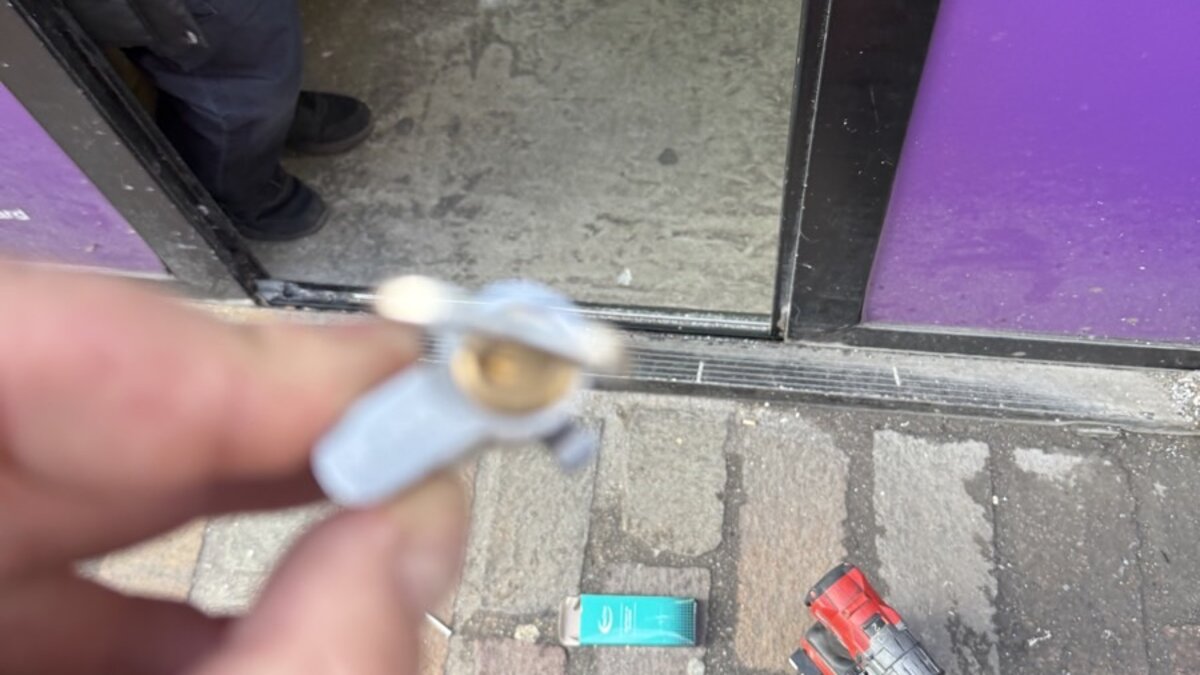
  2. Keyway inspection — Residual fragments from previously broken keys were present within the keyway, further obstructing the mechanism.
  3. Operational test — The cylinder could not be turned smoothly with any of the remaining keys. The mechanism was confirmed as beyond serviceable repair.

The diagnosis was straightforward: the cylinder had reached end of life. Continued use would only result in further key breakages and potential lockouts.

The Works Completed

The locksmith carried out the following scope of work during the single-visit attendance:

  • Removed the failed lock — The old cylinder and lock body were removed from the storage unit door.
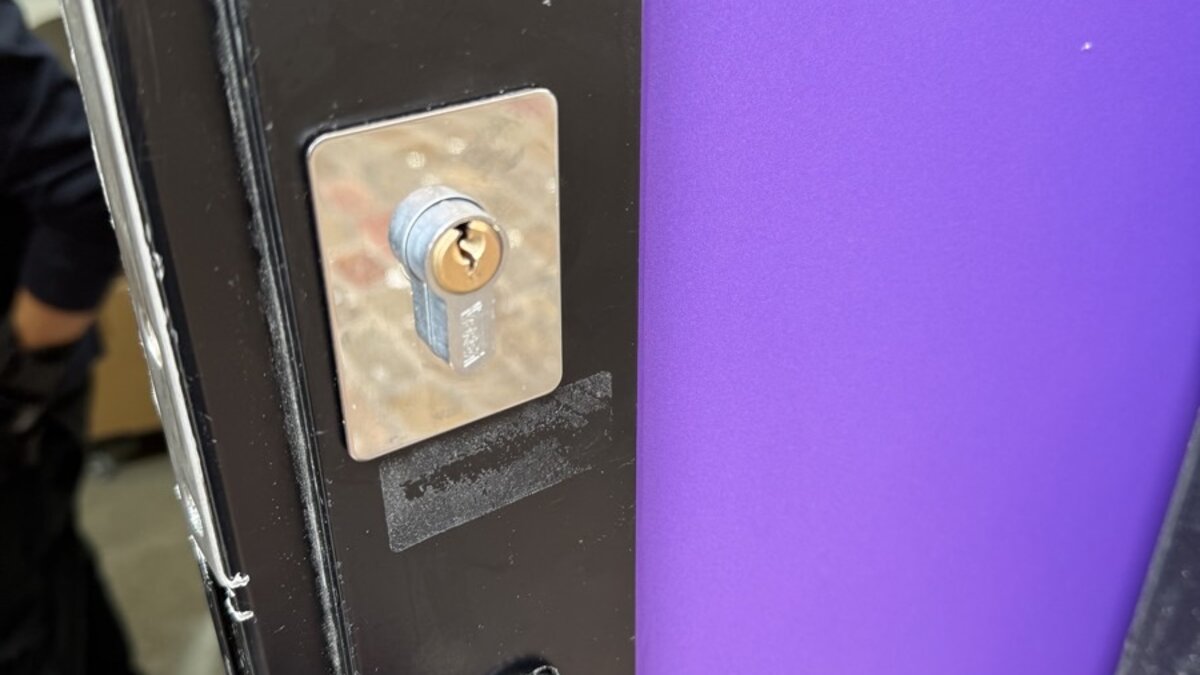
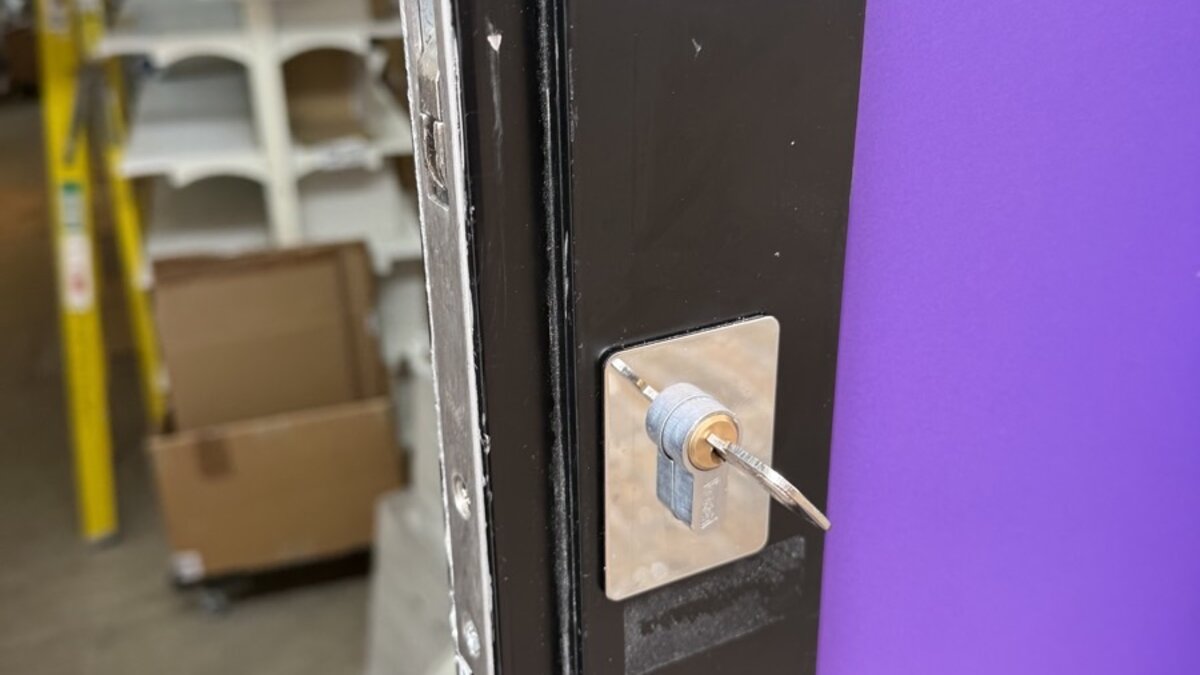
  • Supplied and fitted a new lock — A replacement lock suitable for commercial storage applications was installed, meeting the requirements of BS EN 12209 (mechanically operated locks and latches) for durability and security performance.
  • Cylinder specification — The replacement cylinder was selected in accordance with BS EN 1303 requirements, ensuring appropriate resistance to picking, drilling, and forced rotation.
  • Key testing — All provided keys were tested in the new lock and confirmed to operate smoothly with correct engagement.
  • Final security check — The storage unit was locked and unlocked multiple times to verify consistent operation, and left securely locked on departure.

The attendance was completed by 12:30, with the full scope delivered within one hour on site.

Common Signs of Lock Cylinder Failure

Facility managers and premises controllers should be alert to the early warning signs of cylinder deterioration before a complete failure occurs:

Warning Sign What It Indicates Recommended Action
Key requires excessive force to turn Internal pin misalignment or corrosion Lubricate; if persistent, schedule replacement
Key turns but lock does not engage Cam or tailpiece disconnection Inspect mechanism; likely replacement needed
Multiple keys breaking in the lock Severe internal obstruction or seizure Replace cylinder immediately
Key inserts but will not turn at all Foreign object in keyway or frozen pins Attempt extraction; replace if damaged
Lock feels gritty or rough when operated Internal corrosion or debris accumulation Lubricate and monitor; plan replacement
Cylinder rotates freely without engaging bolt Broken cam or tailpiece Replace lock mechanism

In commercial settings where storage units are accessed frequently by multiple staff members using different key copies, wear accelerates significantly. A proactive replacement cycle — rather than waiting for failure — reduces the risk of lockouts during trading hours.
Compliance and Documentation

Requirement Regulation / Standard Application to This Case
Lock durability and performance BS EN 12209 Replacement lock meets mechanical performance requirements for commercial use
Cylinder security grading BS EN 1303 Cylinder selected for appropriate resistance to manipulation
Workplace maintenance obligation Workplace Regulations 1992, Reg. 5 Storage facilities maintained in efficient working order
General duty of care Health and Safety at Work Act 1974, s.2 Employer responsibility to maintain safe premises including storage
Insurance compliance Premises insurance policy terms Functioning locks required for contents cover validity

For facility management companies administering multiple commercial sites, maintaining a record of lock replacements, key issue logs, and cylinder specifications supports both compliance reporting and efficient key management across the portfolio.

Broader Context: Preventive Lock Maintenance in Commercial Premises

Lock failures in commercial environments are rarely isolated incidents. They typically reflect one or more underlying conditions: age and cumulative wear, environmental exposure (dust, moisture, temperature fluctuation), poor-quality key copies that stress the pin tumblers unevenly, or a lack of periodic lubrication.

A preventive maintenance approach to commercial locks should include:

  • Quarterly lubrication of all cylinders with a dry graphite or PTFE-based lubricant (not oil-based products, which attract dust and accelerate wear).
  • Annual inspection of high-traffic locks, particularly on storage units, plant rooms, and communal areas.
  • Key control audits to ensure that only authorised key copies are in circulation and that worn or poorly cut keys are withdrawn.
  • Prompt replacement at the first sign of repeated stiffness or key breakage, rather than waiting for a complete lockout.

For managed commercial sites, these measures can be incorporated into a planned preventive maintenance (PPM) schedule, ensuring that lock condition is reviewed alongside other building maintenance priorities.

All Services 4U provides locksmith services for facility management companies and commercial clients across central London and the wider South East, with capabilities including:

  • Same-day attendance for security-critical lock failures at commercial premises
  • On-site diagnosis and replacement — our locksmiths carry a comprehensive stock of cylinders and lock bodies suitable for commercial and storage applications
  • Single-visit resolution for the majority of standard lock failures, minimising disruption to business operations
  • Compliance-grade hardware selected to meet BS EN 12209 and BS EN 1303 requirements
  • Photographic documentation of all work completed, supporting FM reporting and audit trails
  • Key management support including master key system advice and restricted-profile cylinder recommendations for multi-tenant or multi-user environments

When to Call a Locksmith

If any of the following apply to locks at your commercial premises, do not wait for a complete failure:

  • Keys are becoming progressively harder to turn
  • A key has broken inside a lock, even if it was successfully extracted
  • Multiple staff members report difficulty with the same lock
  • A storage unit or secure room has not had its lock serviced or replaced in over five years
  • You have lost track of how many key copies are in circulation

All Services 4U works with FM companies, commercial landlords, and business operators to resolve lock failures quickly and to implement preventive maintenance strategies that reduce emergency callouts. Contact our team to discuss your requirements — whether a single lock replacement or a site-wide security review.


Service Category: Locksmith — Commercial
Location: Soho, London W1D
Sector: Commercial / Retail
Contractor Reference: SO26747
Resolution/Outcome: Failed storage unit lock replaced; all keys tested and confirmed working
Response Time: Same-day attendance
Duration: 1 hour on site
Reference: L4L-805226

All Service 4U Limited | Company Number: 07565878