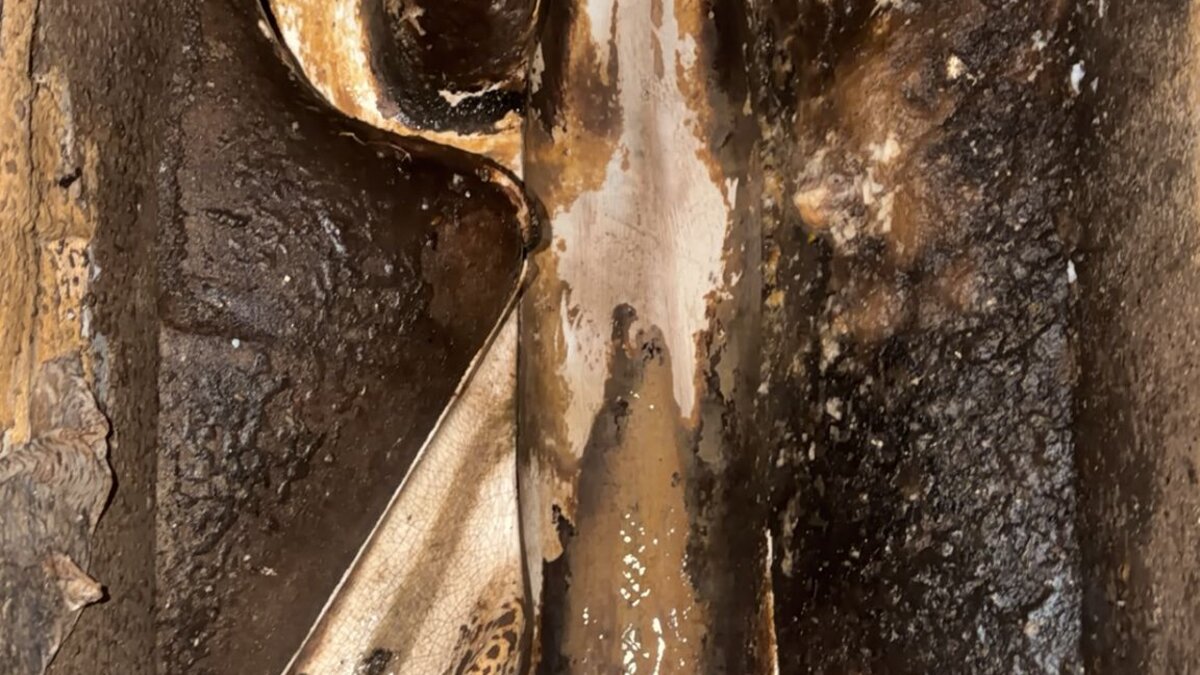
Toilet plumbing failures in commercial premises engage multiple regulatory obligations simultaneously. The Workplace (Health, Safety and Welfare) Regulations 1992, Regulation 20, require that employers provide “suitable and sufficient” sanitary conveniences for people at work, maintained in a clean and orderly condition. When the only available facilities are out of service, the employer is immediately non-compliant.
The Health and Safety at Work Act 1974, Section 2, places a general duty on employers to ensure the health, safety, and welfare of employees so far as is reasonably practicable. Sanitary provision is explicitly within the scope of “welfare.” An office with no functioning toilets cannot lawfully remain occupied for a normal working day.
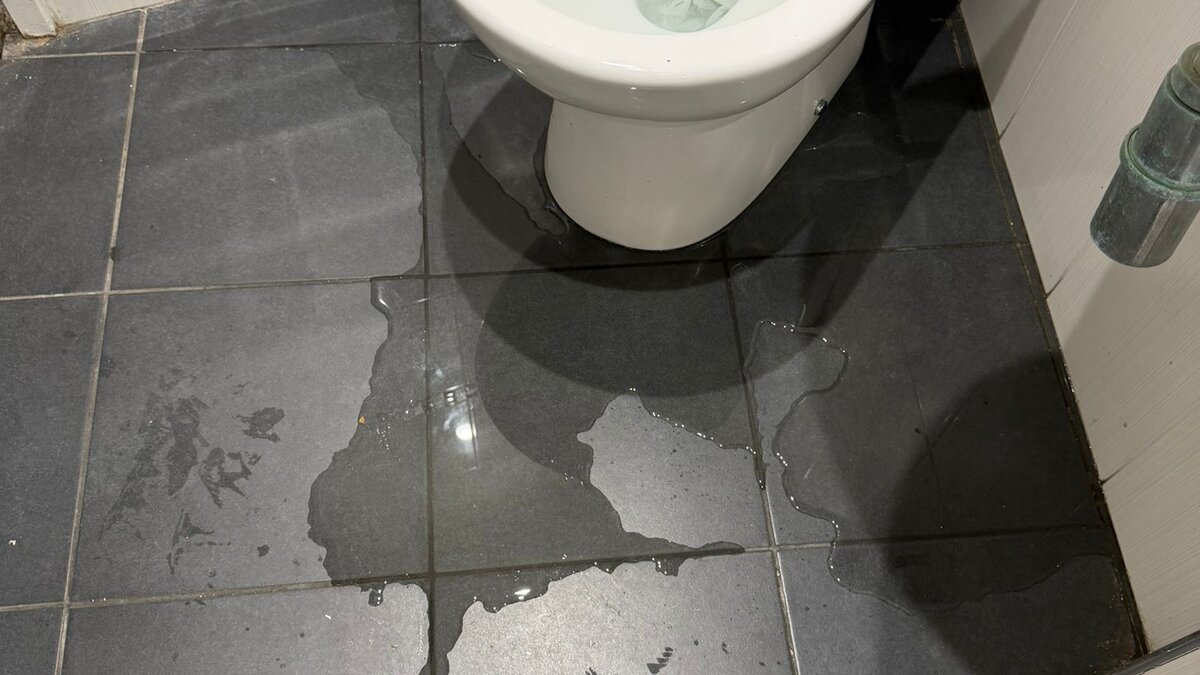
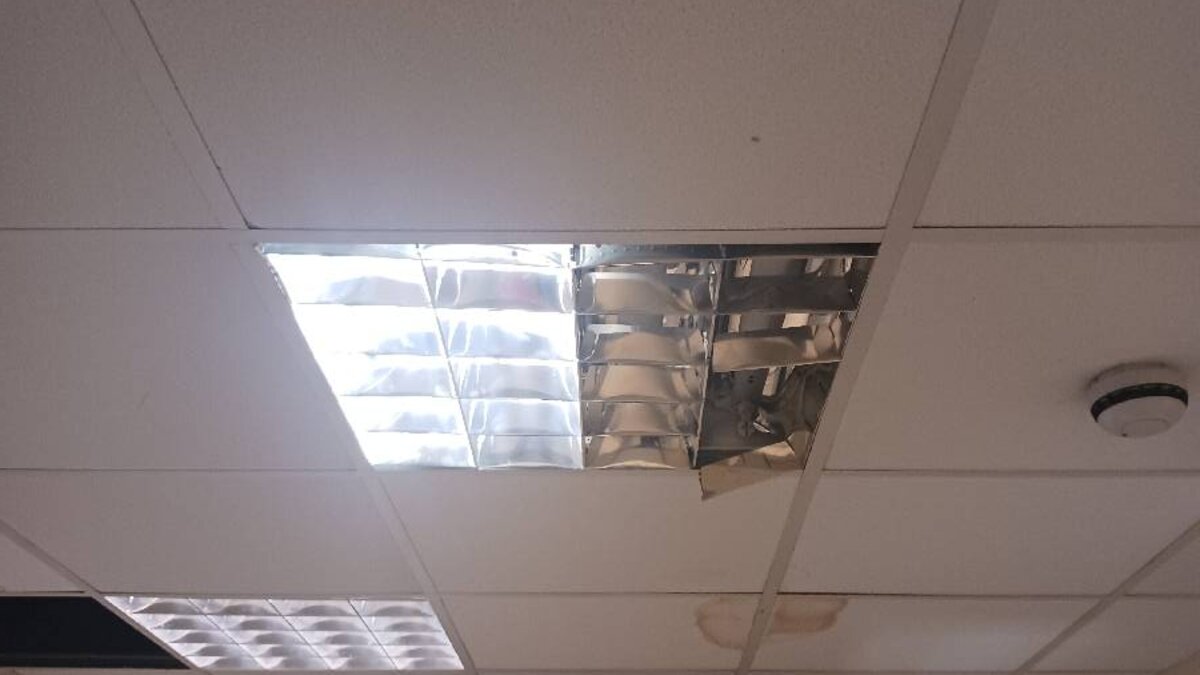
Beyond the statutory position, the practical consequences are significant. A toilet leaking from the waste pipe deposits contaminated water onto the floor — a slip hazard under the Management of Health and Safety at Work Regulations 1999, and a hygiene concern that may engage the requirements of the Control of Substances Hazardous to Health Regulations 2002 (COSHH) if the wastewater contains biological contaminants. Water escaping onto the floor also risks damage to floor coverings, subfloor structures, and — in multi-storey buildings — the ceiling of the premises below.
Building Regulations Approved Document H (Drainage and waste disposal) governs the design and maintenance of internal drainage systems, including toilet waste connections. The Water Supply (Water Fittings) Regulations 1999 cover the fittings and connections that form part of the water supply to sanitary appliances, ensuring that installations are maintained in efficient working order.
The Reported Issue
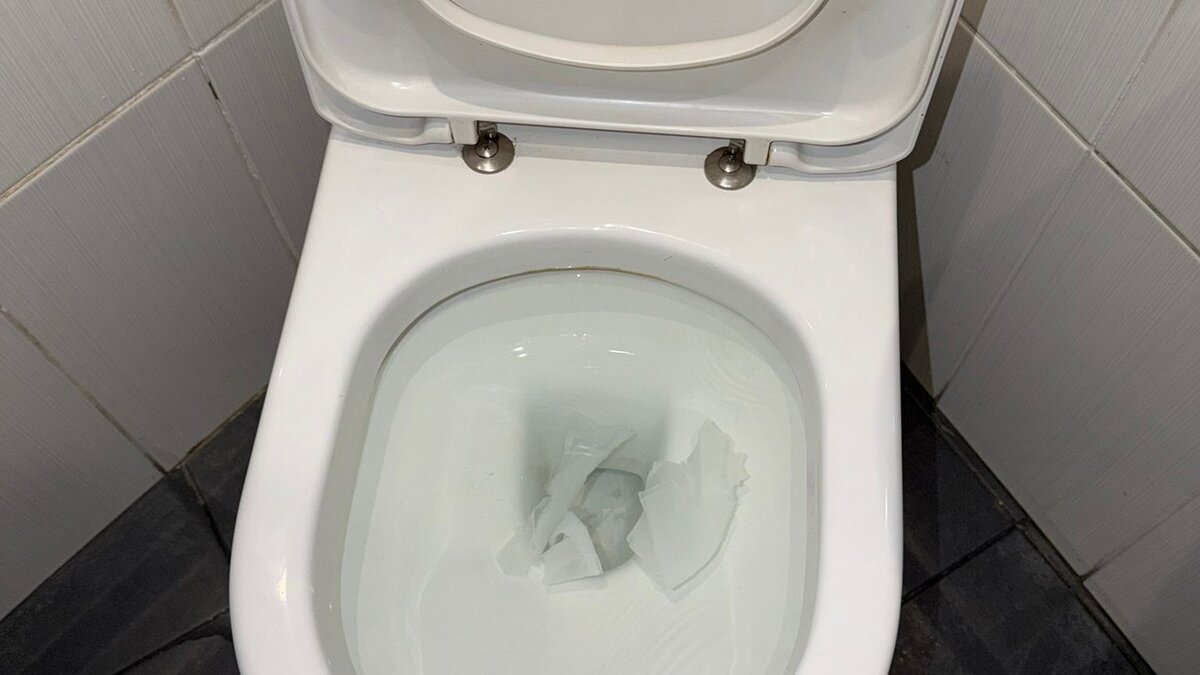
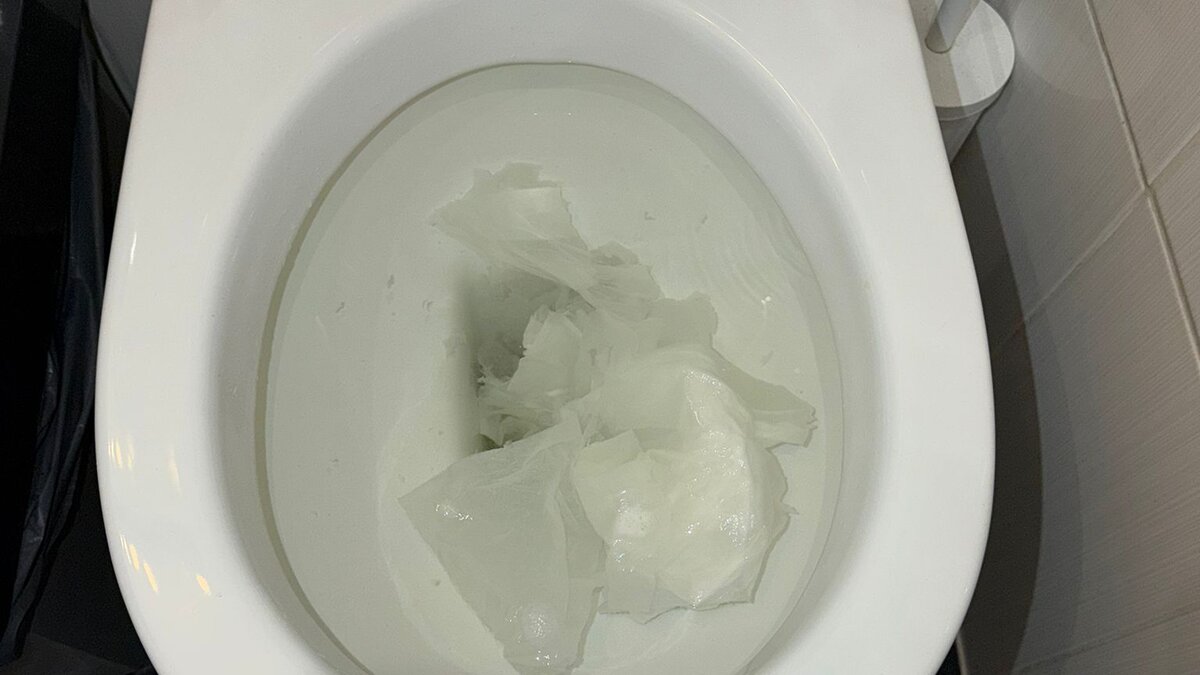
Paddingtonnow, the office operator, requested an engineer as soon as possible. Two distinct problems were reported: one toilet was leaking from the waste pipe with water reaching the floor, and a second toilet had a rising water level consistent with a blockage in the sewage or waste pipe downstream. The instruction conveyed urgency — both facilities were out of service and the office was fully occupied.
The Works: Step-by-Step
Step 1 — Site Assessment: Our engineer attended and inspected both toilets to establish the scope and severity of each issue. The two faults were assessed as independent — the leak on Toilet 1 was a localised connection failure, while the blockage on Toilet 2 was a downstream waste pipe restriction. Addressing both in a single visit required prioritisation: the active leak was dealt with first to stop water ingress.
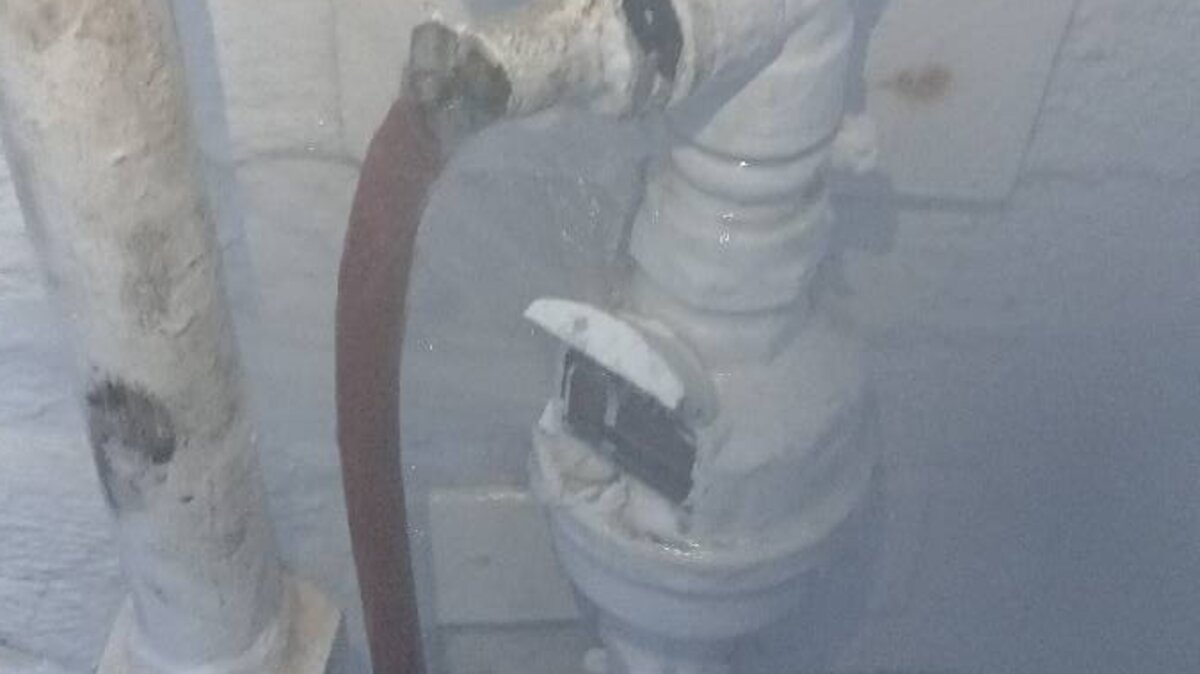
Step 2 — Toilet 1: Waste Pipe Leak Repair: The engineer identified the source of the leak at the waste pipe connection. Waste pipe connections on toilets typically fail at the pan connector — the fitting that joins the toilet outlet to the soil pipe or waste pipe. Over time, the rubber or flexible connector can degrade, shift, or compress unevenly, breaking the watertight seal. The connection was rectified, restoring a secure, leak-free joint.
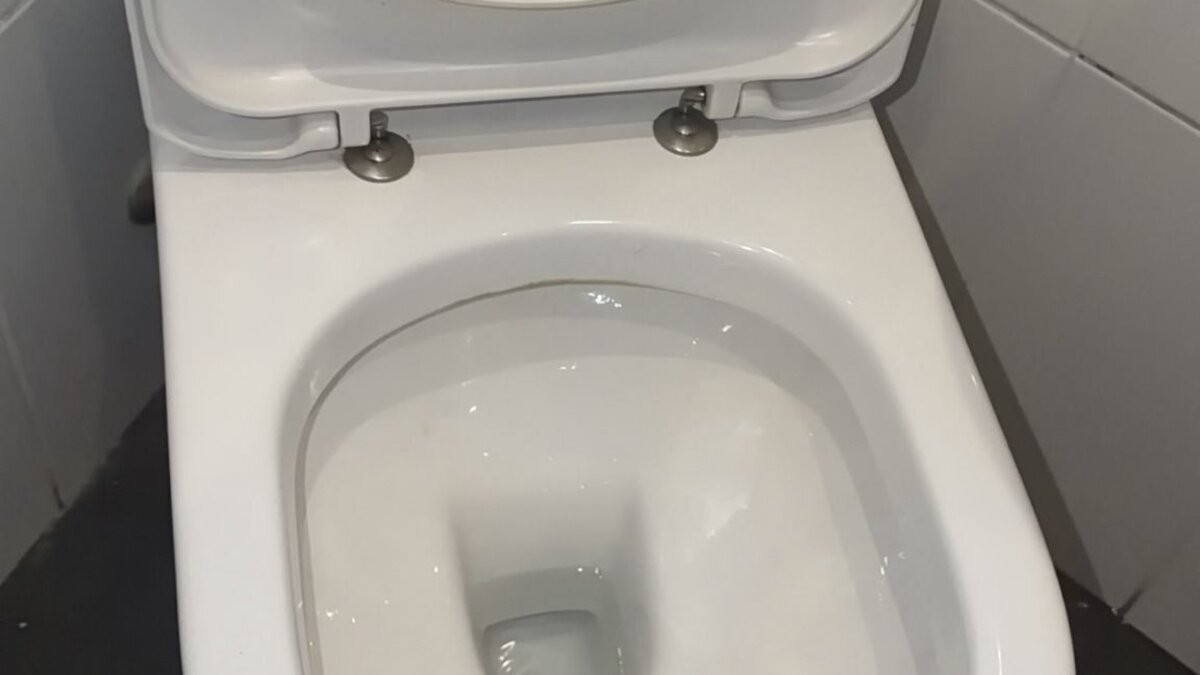
Step 3 — Toilet 2: Blockage Investigation and Clearance: The rising water level in the second toilet indicated a restriction in the downstream waste pipe. The engineer investigated the waste run and identified the blockage. The obstruction was cleared, allowing water to flow freely through the system. The toilet was flushed multiple times to confirm that the waste pipe was clear and the water level returned to normal.
Step 4 — Comprehensive Testing: Both toilets were tested for correct operation: flushing performance confirmed, water levels stable, no leaks detected at any connection point. The plumbing system was verified as functioning correctly throughout.
Step 5 — Site Handover: The floor area affected by the leak was cleaned, and the engineer confirmed completion with the office manager. No further works were required.
Common Commercial Toilet Plumbing Failures
Facilities managers and office managers should recognise the following failure patterns and their warning signs to enable early intervention.
| Problem | Cause | Warning Signs | Risk if Ignored |
|---|---|---|---|
| Waste pipe leak at pan connector | Seal degradation, connector shift | Water at base of toilet, damp smell | Floor damage, slip hazard, hygiene failure |
| Rising water level / slow flush | Downstream blockage in waste pipe | Water rises after flush, slow to clear | Overflow, sewage backup, floor contamination |
| Cistern overflow | Failed fill valve or float mechanism | Constant water running, cistern overflows | Water waste, potential flooding |
| Cracked pan | Impact damage, freeze-thaw, age | Visible crack, water seeping from pan body | Cannot be repaired — replacement required |
| Flush mechanism failure | Internal component wear | Weak flush, handle does not return, no flush | Inadequate waste clearance, hygiene issues |
| Soil pipe joint failure | Settlement, corrosion, root ingress | Damp patches on walls, odour, visible leaks | Structural damage, contamination |