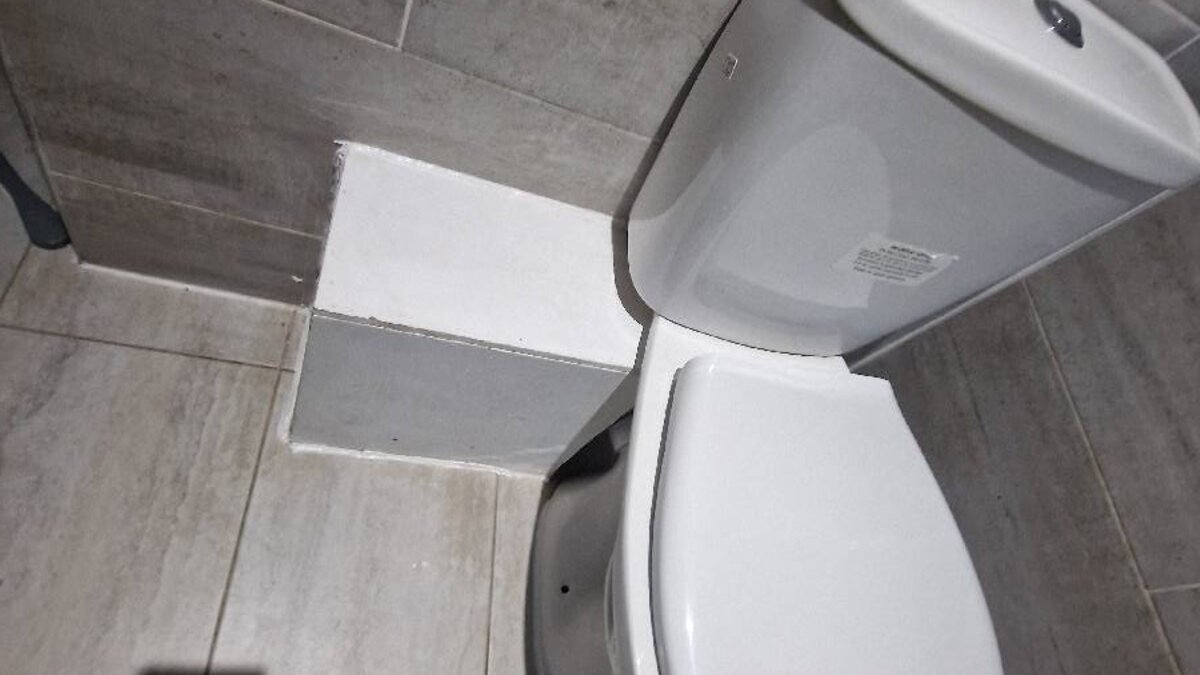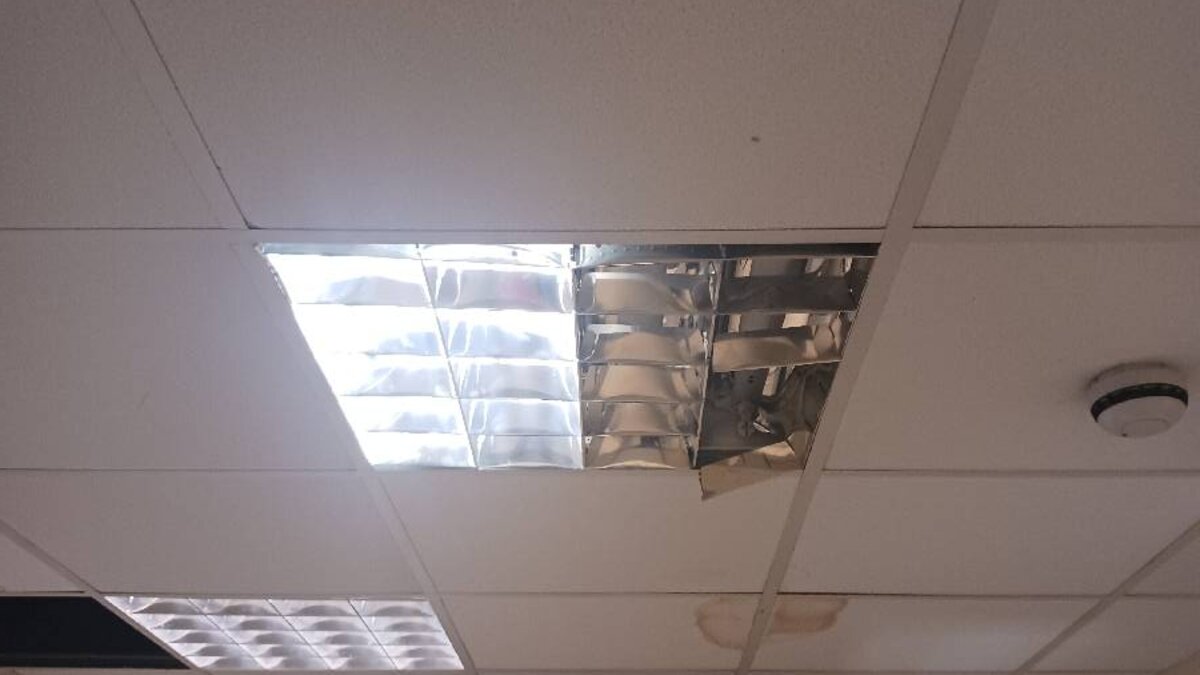


A leaking toilet is never merely an inconvenience. The waste water from a toilet pan connector contains raw sewage — bacteria, pathogens, and biological material that present a direct risk to human health. When that waste water leaks onto a floor, it creates an immediate hygiene hazard, an odour nuisance, potential damage to flooring, subflooring, and ceiling voids below, and a risk of contamination to the habitable space that can render the property uninhabitable if left unaddressed.
The Environmental Protection Act 1990 classifies premises that are prejudicial to health as a statutory nuisance. A toilet leaking sewage onto a floor in an occupied residential property meets that definition. Under the Housing Health and Safety Rating System (HHSRS), implemented through the Housing Act 2004, a defective toilet falls under the hazard category of “domestic hygiene, pests, and refuse,” which local authorities can classify as a Category 1 hazard if the risk of harm is sufficiently serious — triggering mandatory enforcement action.
For landlords and managing agents, a recurring plumbing failure that has not been resolved is a compliance risk that escalates with every day of delay. The Landlord and Tenant Act 1985, Section 11, places an absolute obligation on the landlord to keep in repair the installations for sanitation. A tenant experiencing a second leak from the same location within days of the first repair has every reason to escalate their complaint.
The Reported Issue
The property management company raised an urgent return visit following a previous attendance on 24 December 2025 (L4L-797703), during which the plumber had replaced the pipe behind the toilet to fix a leakage issue. Within 24 hours, the tenant reported that the toilet had started leaking again from the same pipe, with water on the floor and a bad smell. The tenant described the situation as causing inconvenience and hygiene concerns and requested urgent attention.
The managing agent asked whether the issue was related to the original repair (in which case the return visit would be at no charge) or whether it represented a new issue (in which case costs would apply). They requested that the engineer contact them from site before completing any chargeable work.
This is a standard and reasonable challenge from a property manager. When a repair appears to fail within 24 hours, the first question is always: was the original work done properly?
The Investigation
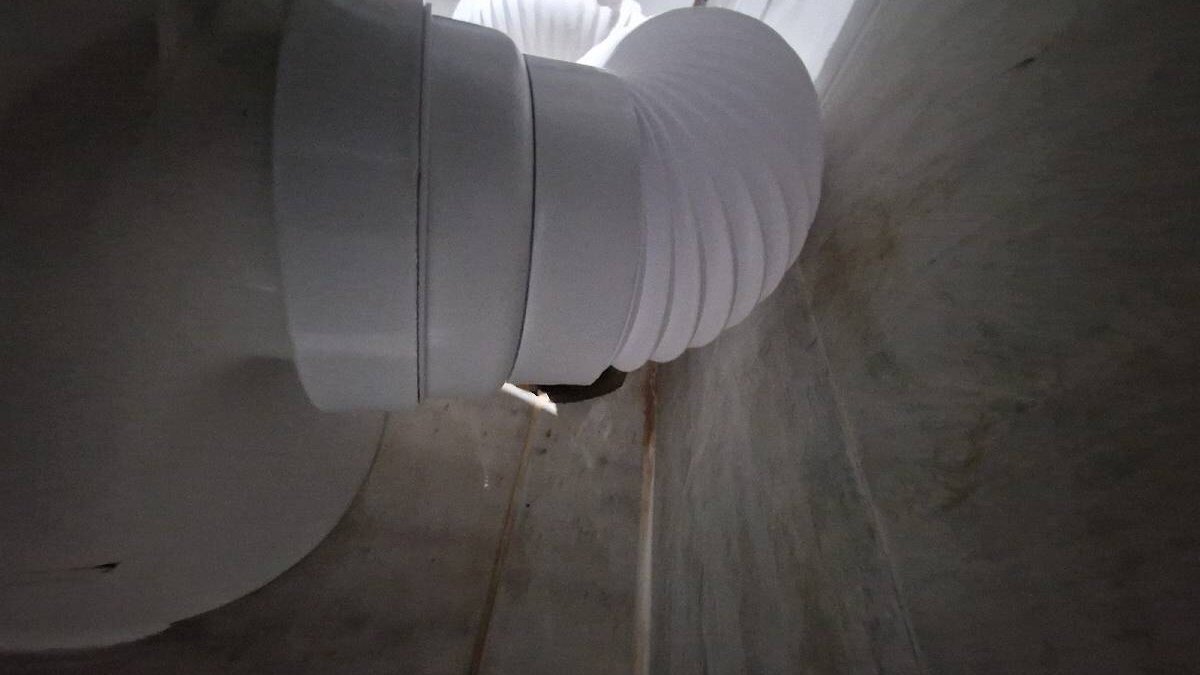
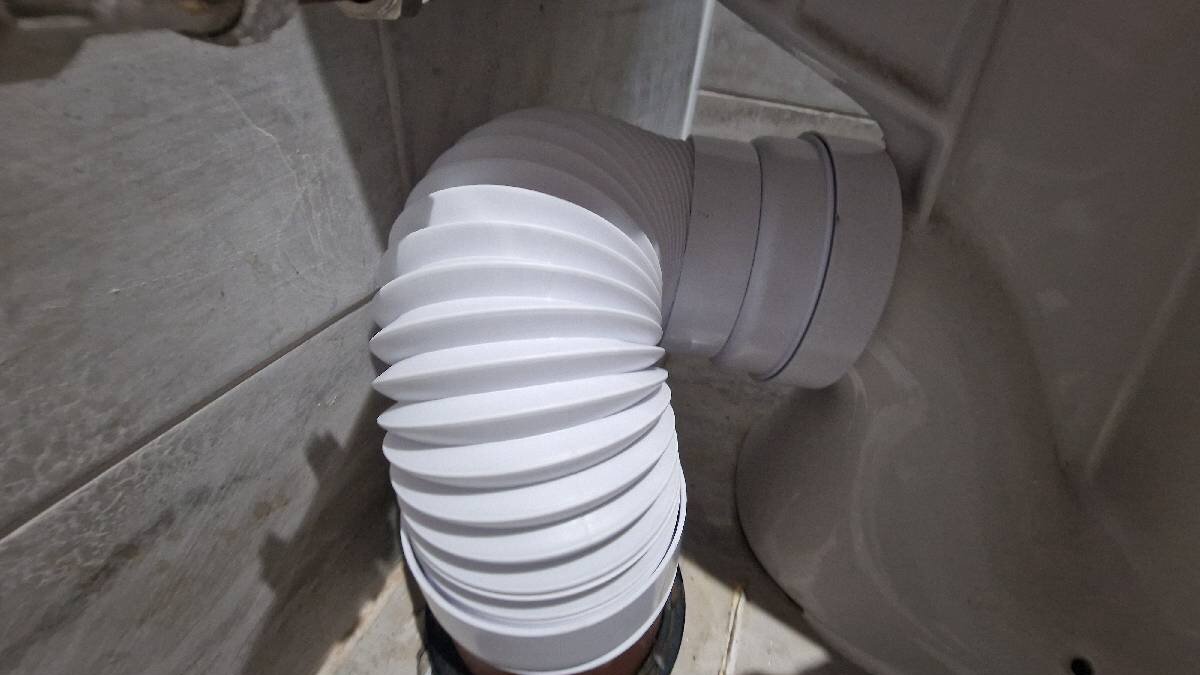
Our plumber attended the property and conducted a thorough investigation rather than simply replacing the component again. This is the critical difference between reactive patching and genuine diagnostics. The engineer examined the pan connector, the surrounding pipework, the area behind the toilet, and the condition of the component that had been replaced just two weeks earlier.
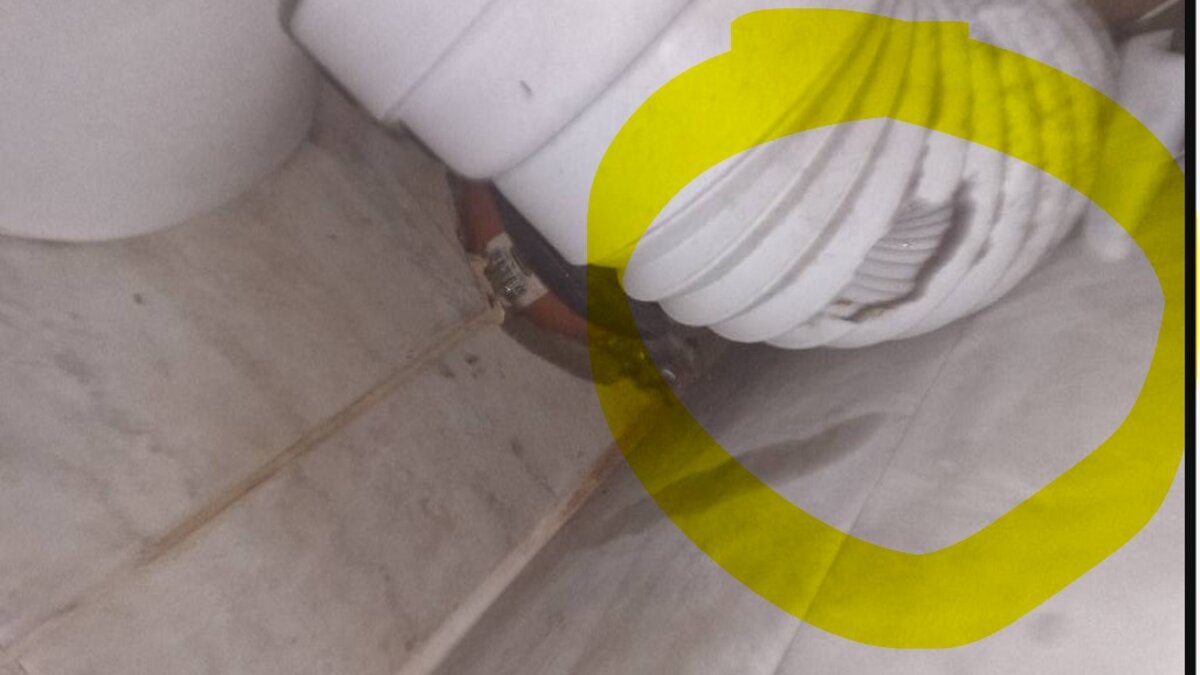
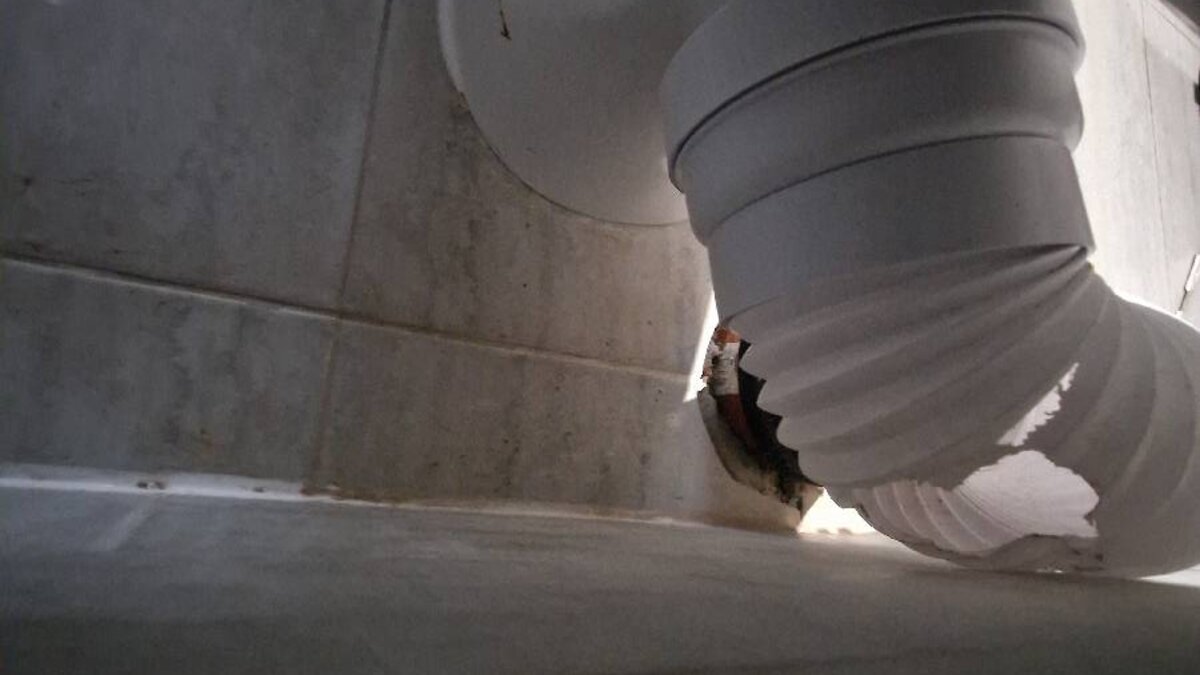
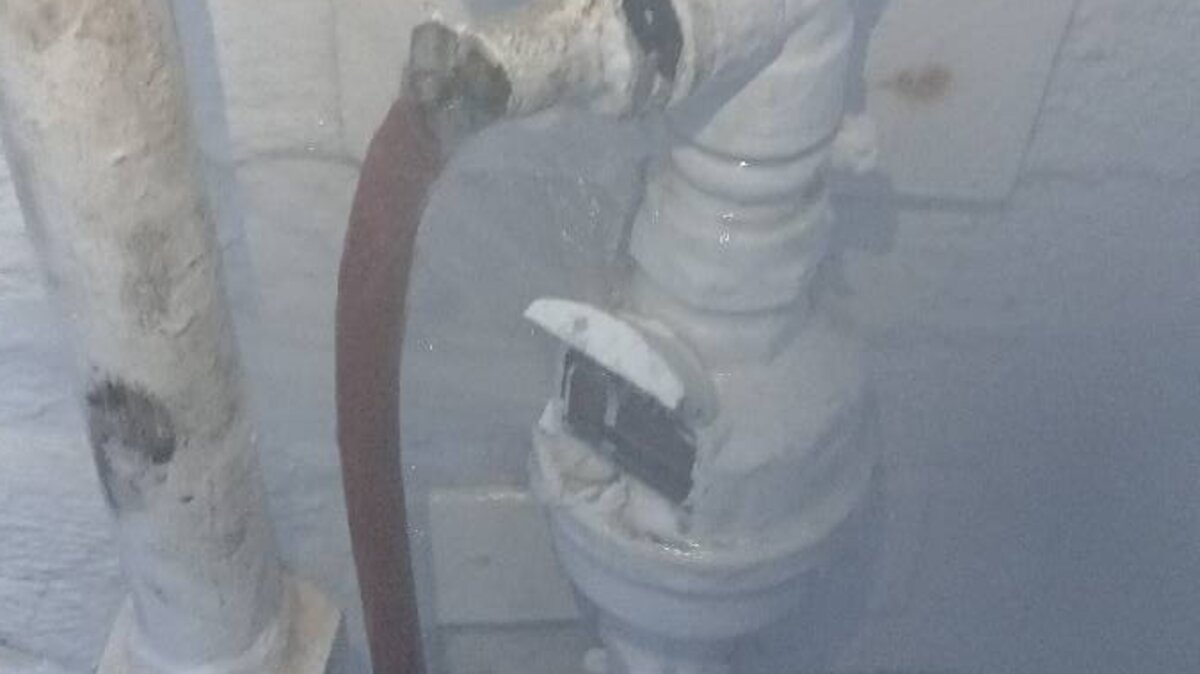
The findings were unequivocal. The pan connector showed clear bite marks — distinct gnaw patterns consistent with rodent activity. The damage was not at a joint or seal where installation error might be expected. It was on the body of the connector itself, in the pattern characteristic of a rat or mouse chewing through plastic pipework. The previous repair had been sound — the connector replaced on 24 December had been correctly installed and sealed. The new damage was caused by a rodent that had chewed through the replacement connector in the same manner as the original.
Root Cause Analysis
| Finding | Significance |
|---|---|
| Bite marks visible on damaged pan connector | Confirms rodent activity — not workmanship failure |
| Damage pattern on connector body, not at joints | Rules out installation error |
| Previous repair was correctly installed | Original work was not at fault |
| Failure recurred within 24 hours | Consistent with active rodent gnawing through fresh material |
| Odour and sewage on floor | Hygiene hazard from compromised waste connection |
The investigation established definitively that this was not a recall. It was a repeat instance of damage caused by an active rodent, most likely gaining access through the drainage system or through a gap in the building fabric behind the toilet.
The Repair
The plumber replaced the pan connector for a second time and resealed the installation. The toilet was tested thoroughly and left in full working order. However, the engineer made an explicit and documented recommendation: pest control must be arranged as soon as possible to prevent the issue from recurring.
This recommendation was not peripheral. Without addressing the rodent activity, the new connector would be chewed through again — possibly within hours. The plumbing repair was a necessary immediate action to restore the tenant’s use of the toilet, but it was not a permanent solution. Only pest control intervention could break the cycle.
Rodent Damage to Plumbing: A Common and Under-Recognised Problem
Rodent damage to plumbing components is more common than many property managers realise, particularly in older properties, properties near drainage infrastructure, and properties in areas with known pest populations. The table below outlines the most common types of rodent-related plumbing damage.
| Component Targeted | Why Rodents Target It | Consequences of Damage |
|---|---|---|
| Pan connectors (WC) | Plastic material, accessible behind toilet | Sewage leak, odour, floor damage |
| Waste pipe connections | Plastic, often in concealed voids | Grey water leak, damp, mould growth |
| Water supply pipes (plastic) | Polybutylene and push-fit pipes are accessible | Pressurised water leak, flooding |
| Overflow pipes | External access point, plastic material | Water ingress, damage to external walls |
| Waste traps | Accessible under baths, basins, sinks | Odour (loss of trap seal), leak |
Rodents — particularly rats — can exert a bite force sufficient to penetrate standard PVC and polybutylene plumbing materials. Brown rats (Rattus norvegicus), the species most commonly found in UK properties, can access buildings through drainage systems, entering through damaged drain runs, missing interceptor traps, or defective connections between the sewer and the property’s drainage. Once inside the building fabric, they gnaw through plastic components as part of their natural behaviour (rodent incisors grow continuously and must be worn down through gnawing).
The Pest Control Imperative
Rodent ingress into a residential property is not just a plumbing concern — it is a public health matter governed by specific legislation.
The Prevention of Damage by Pests Act 1949 places a duty on local authorities to ensure that their areas are kept free from rats and mice, and empowers them to require property owners to take steps to control infestations. The Act applies to both local authority and private properties.
The Environmental Protection Act 1990 enables local authorities to serve abatement notices where premises are in such a condition as to be prejudicial to health or a nuisance. Rodent infestation, particularly where it is causing damage to sanitary installations and resulting in sewage leaks, clearly meets this threshold.
Under the Housing Health and Safety Rating System (Housing Act 2004), rodent infestation is assessed under the hazard of “domestic hygiene, pests, and refuse.” The presence of an active rodent in a property, particularly one that is causing damage to sanitary installations, can be classified as a Category 1 hazard if the risk profile is sufficiently serious — triggering a duty on the local authority to take enforcement action.
For the managing agent in this case, the engineer’s recommendation for pest control was not an upsell — it was a professional duty. Continuing to repair plumbing without addressing the underlying pest issue would be an inefficient use of the client’s budget, would leave the tenant exposed to ongoing hygiene risk, and could expose the landlord to enforcement action.