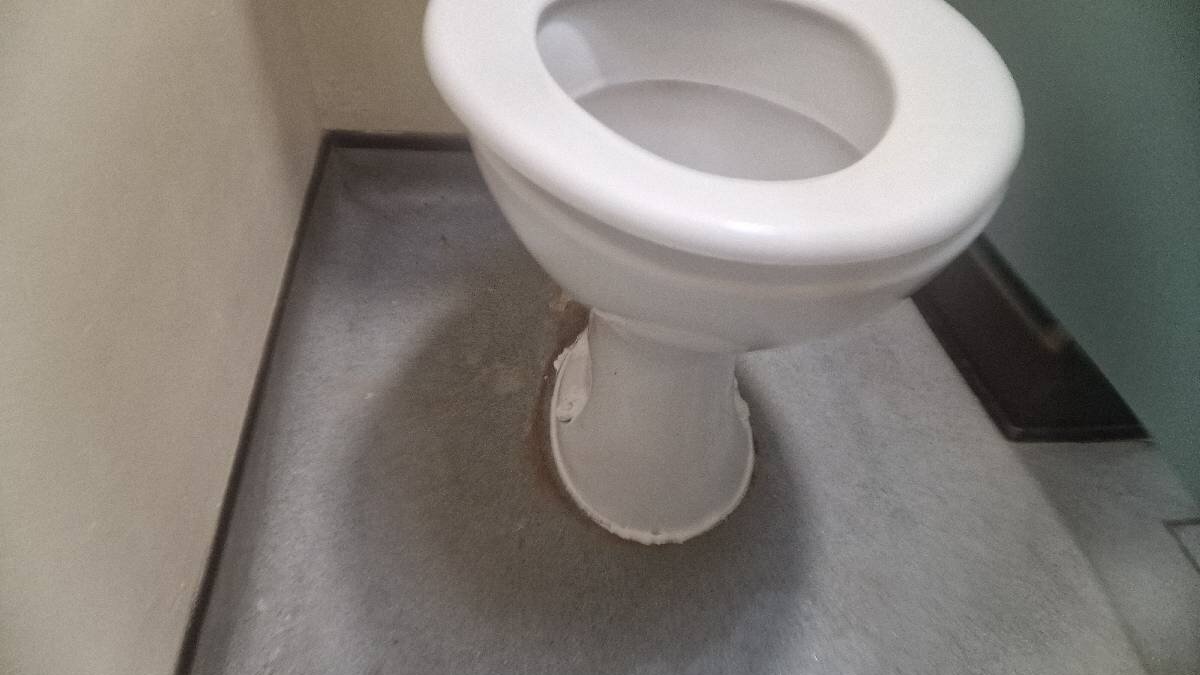
Toilet pans are secured to the floor with screws or bolts that pass through the ceramic base into the subfloor. Over time, particularly in environments with frequent cleaning using water and chemical agents, these steel fixings corrode. The corrosion weakens the fixing until it can no longer resist the lateral forces applied when someone sits down, stands up, or shifts their weight. The pan moves. The movement breaks the seal between the pan outlet and the soil pipe connector. Now there are two problems: an unstable fixture that could cause a fall injury, and a compromised waste connection that could leak sewage onto the floor.
In a school for children with special educational needs, these risks are amplified. Students may have reduced balance, limited awareness of unstable fixtures, or difficulty communicating that something is wrong. The duty of care is higher, and the tolerance for unresolved maintenance faults is — rightly — lower.
The Education (School Premises) Regulations 1999 require schools to provide adequate sanitary facilities that are maintained in a condition suitable for use. The Health and Safety at Work Act 1974 places a general duty on employers (including school governing bodies) to ensure, so far as is reasonably practicable, the health, safety, and welfare of all persons on the premises. Building Regulations Approved Document Part G covers sanitary installations and their maintenance, while Approved Document Part M addresses accessibility requirements for toilet facilities, including the disabled WC that was also affected in this case.
The Workplace (Health, Safety and Welfare) Regulations 1992 further require that sanitary conveniences and washing facilities are kept in a clean and orderly condition, and are properly maintained.
The Reported Issue
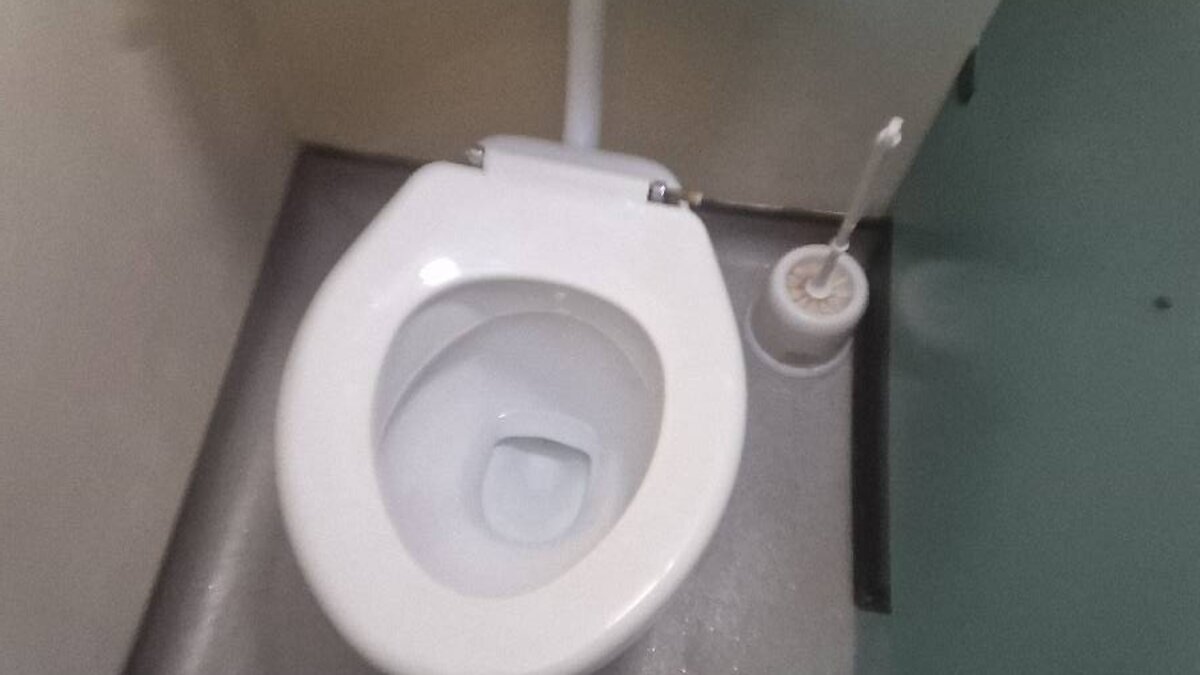
The school reported that the staff room WC had come loose from the floor. The screw fixings holding the pan in place had rusted through and given way entirely, causing the pan to slip and partially disconnect from the waste connector. The contact on site — Mark — requested prompt attendance to refix the unit and check the waste connection.
Upon arrival, the plumber identified that a second toilet — the disabled WC — also required repair. This is not uncommon: fixings in different toilets within the same building are often of the same age, exposed to the same cleaning regime, and therefore subject to the same rate of corrosion. When one fails, others are typically approaching the same condition.
The Works — Step by Step
Our plumber attended at 14:00 and completed all repairs by 16:00 — a two-hour window that allowed both toilets to be addressed in a single visit.
Staff room WC — assessment. The pan was inspected and confirmed to be sound. The ceramic was undamaged, meaning replacement was not required — only the fixings and the waste connection needed attention.
Removal of corroded fixings. The remnants of the corroded screw fixings were removed from the floor. Depending on the condition of the subfloor, this may involve drilling out seized anchors or cutting corroded bolt heads to release the pan.
Floor preparation. The fixing holes in the floor were assessed. If the original plugs had deteriorated or the holes had enlarged, new fixings at adjusted positions or heavier-duty anchors may have been required to achieve a secure hold.
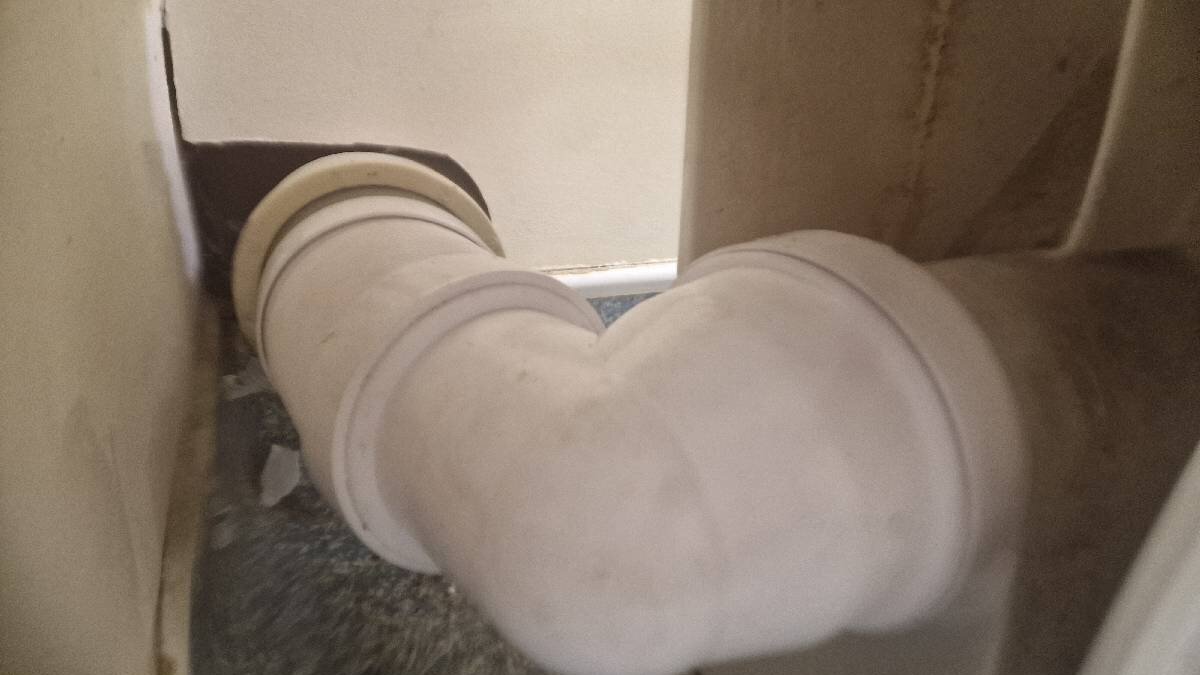
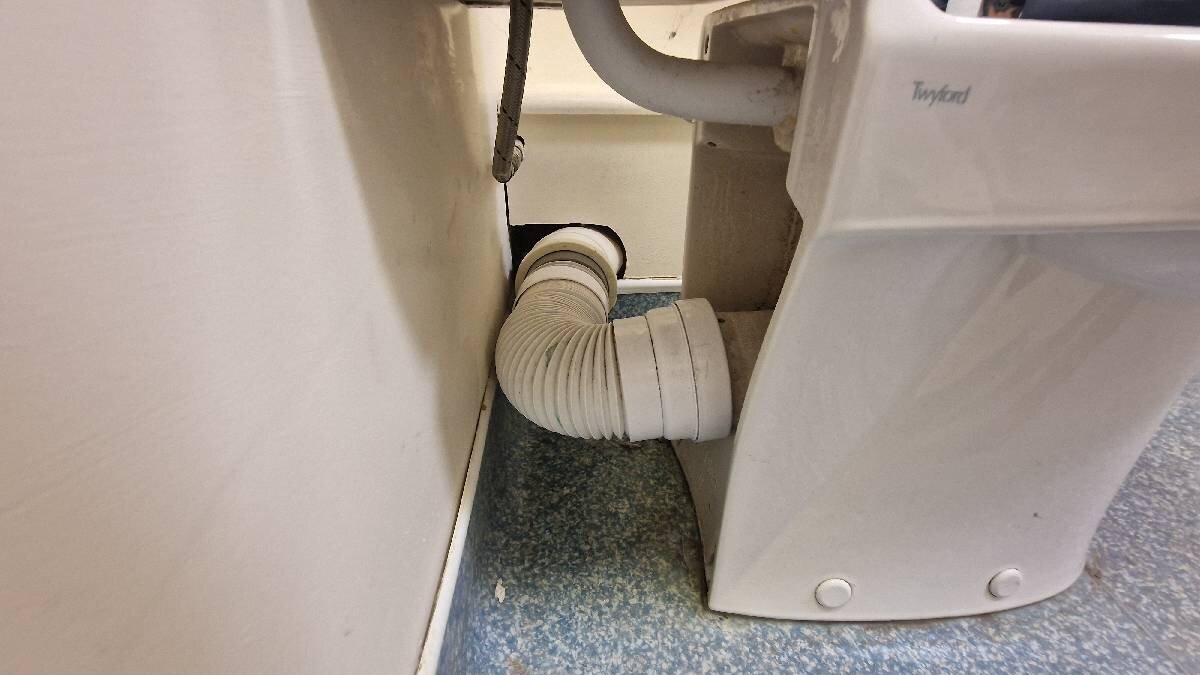
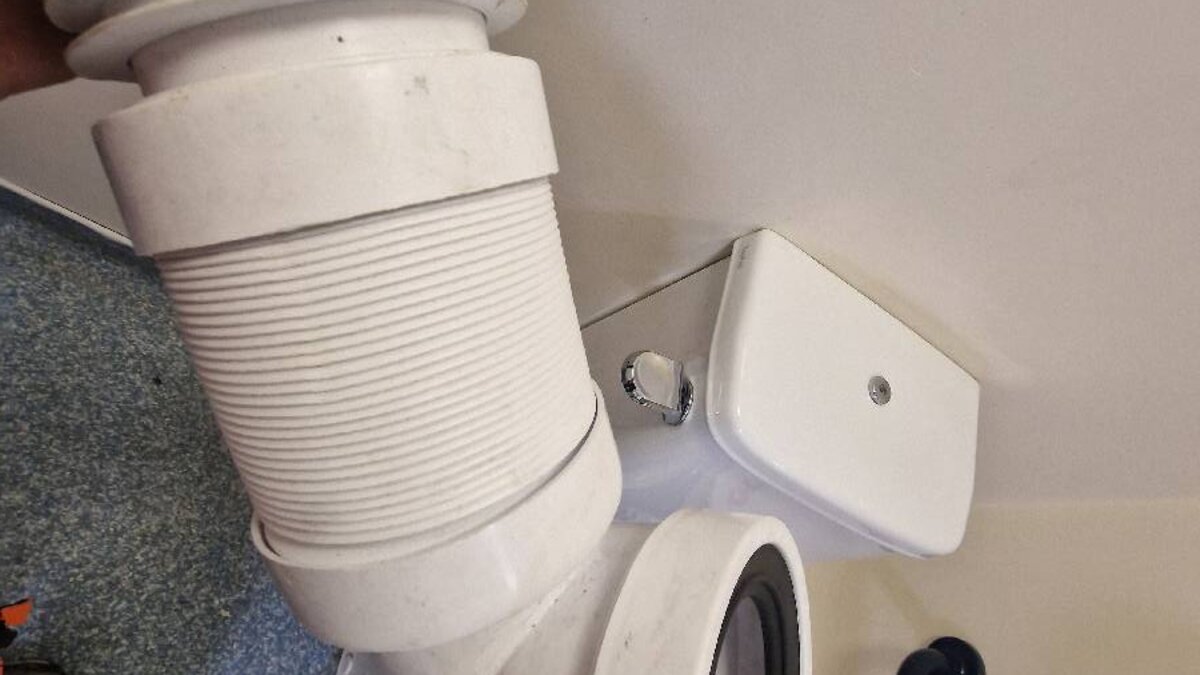
Pan repositioning and waste reconnection. The pan was repositioned over the soil pipe connection and the waste connector was re-engaged and sealed. A flexible pan connector provides tolerance for minor positional adjustments while maintaining a watertight seal between the pan outlet and the soil pipe.
New fixings installed. The pan was secured to the floor with new corrosion-resistant fixings, tightened to achieve a firm hold without over-stressing the ceramic base. Over-tightening is a common cause of cracked pans — the fixings must be snug but not forced.
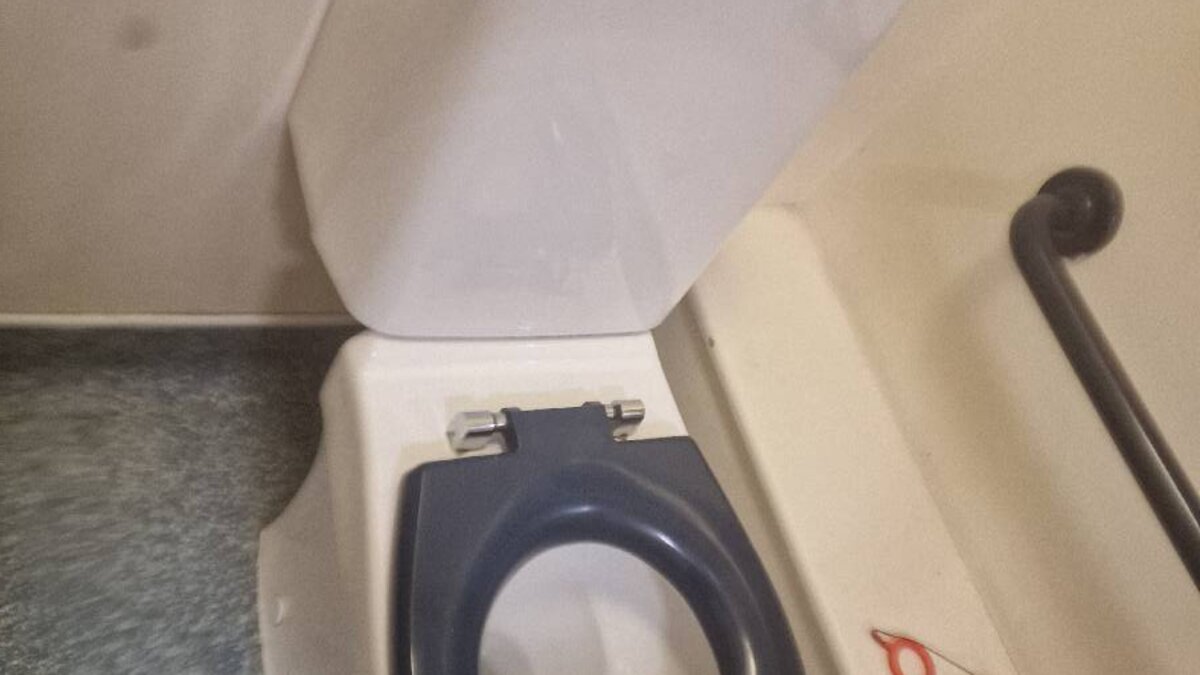
Disabled WC repair. The disabled WC was assessed and repaired using the same methodology. Accessible toilet facilities must remain operational at all times during school hours to comply with the Equality Act 2010 and Building Regulations Part M.
Testing. Both units were tested for stability under applied force and for correct drainage. No leaks were detected, and both pans were confirmed secure and fully operational.
Common WC Pan Failure Modes in Schools and Commercial Premises
| Failure Mode | Cause | Warning Signs |
|---|---|---|
| Pan rocking on floor | Corroded or failed floor fixings | Visible movement when sat upon; grout cracking around base |
| Waste connector leak | Pan movement separating connector from soil pipe | Damp or staining around base of pan; odour |
| Cracked ceramic base | Over-tightened fixings or impact damage | Visible crack line; water seeping from base |
| Cistern mounting loose | Wall fixings failed behind cistern | Cistern moves when flushed; visible gap between cistern and wall |
| Seat fixings corroded | Hinge bolts rusted through | Seat shifting sideways; visible rust around hinge area |
| Blocked pan | Inappropriate items flushed (common in schools) | Slow flush; water rising to rim |
| Float valve failure | Worn washer or stuck mechanism | Cistern running continuously; water overflowing into pan |