A backlog of unresolved maintenance issues in a venue open to the public creates compounding risk. Cracked electrical sockets expose live components and present a shock hazard. A fire door that does not open freely compromises a life safety escape route. Loose fixtures in areas used by children and families create trip and injury hazards. Plumbing failures cause flooding that damages building fabric and creates slip risks. Individually, each item demands attention. Collectively, an uncleared backlog represents a failure of the duty of care imposed by the Health and Safety at Work Act 1974 and, for fire-related items, the Regulatory Reform (Fire Safety) Order 2005.
The Responsible Person under the Fire Safety Order — typically the premises operator or their appointed manager — must ensure that fire escape routes are maintained in a usable condition at all times. A fire door that does not open freely is not merely an inconvenience; it is a life safety deficiency that, in the event of an incident, could have catastrophic consequences and attract enforcement action.
For electrical items, the Electricity at Work Regulations 1989 require that electrical equipment be maintained so as to prevent danger. Cracked socket faceplates and dead sockets are not cosmetic issues — they represent potential shock and fire hazards that demand prompt remediation.
The Scope
The venue reported eleven distinct items requiring attention across multiple trades:
| Item | Trade | Issue Reported |
|---|---|---|
| 1 | Electrical | 1x single and 1x double plug socket cracked in diner area |
| 2 | Electrical | 1x double plug socket — no power |
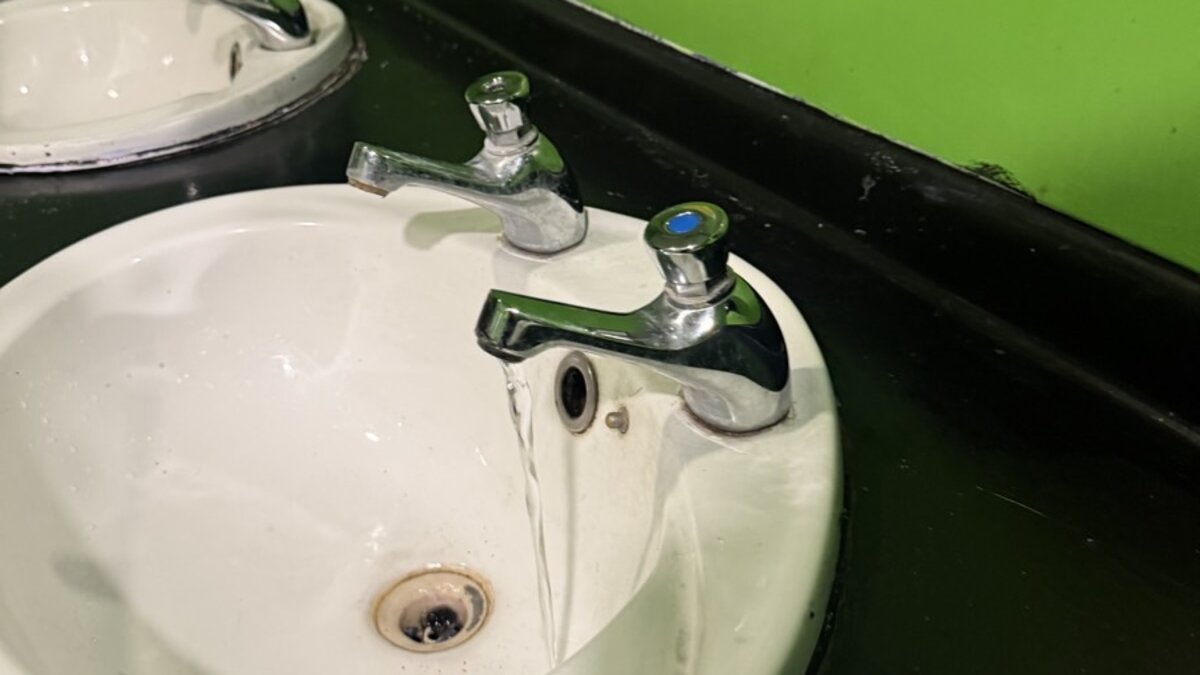
| 3 | Plumbing | Taps in female and male toilets very loose, need securing |
| 4 | Electrical | Loose double plug socket in 5D/VR room |
| 5 | General | Loose black panel next to LQ fire exit |
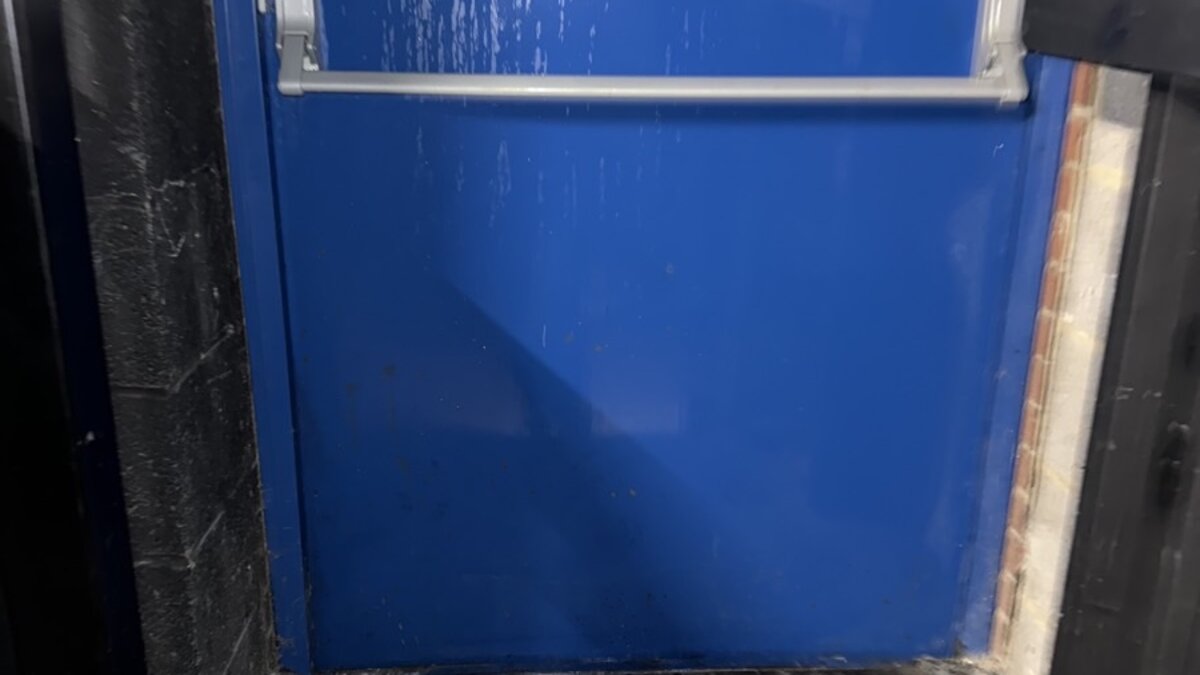
| 6 | General | LQ back fire door does not open freely |
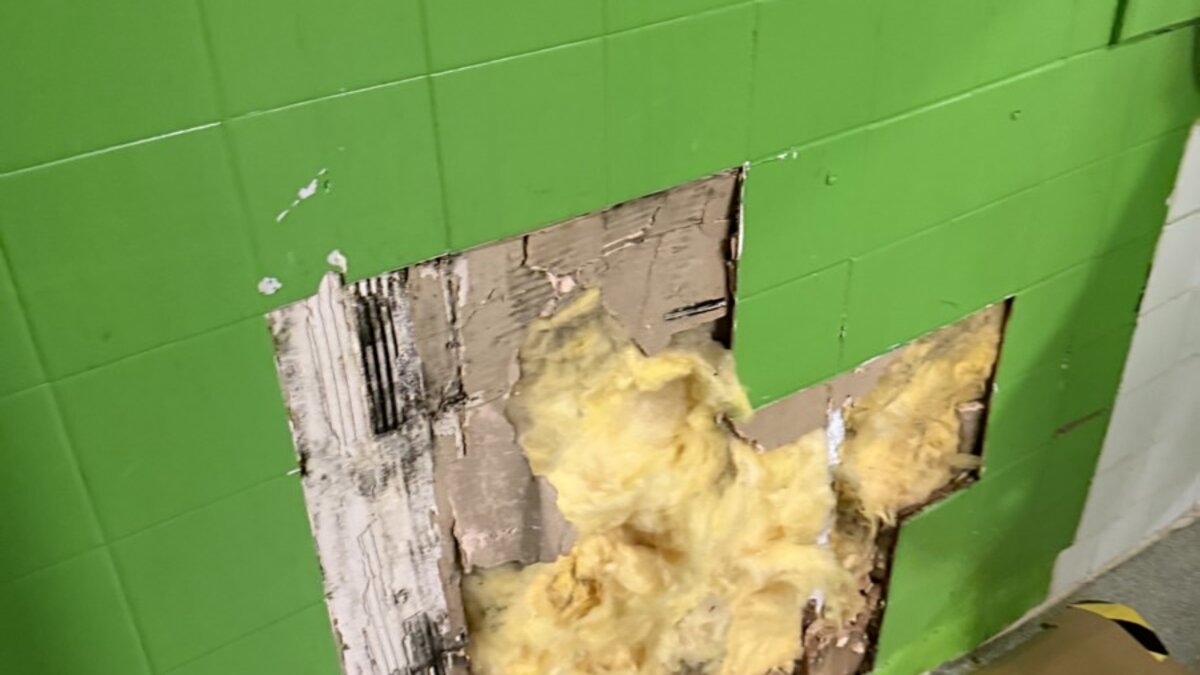
| 7 | General | Damaged walls by drift trikes area |
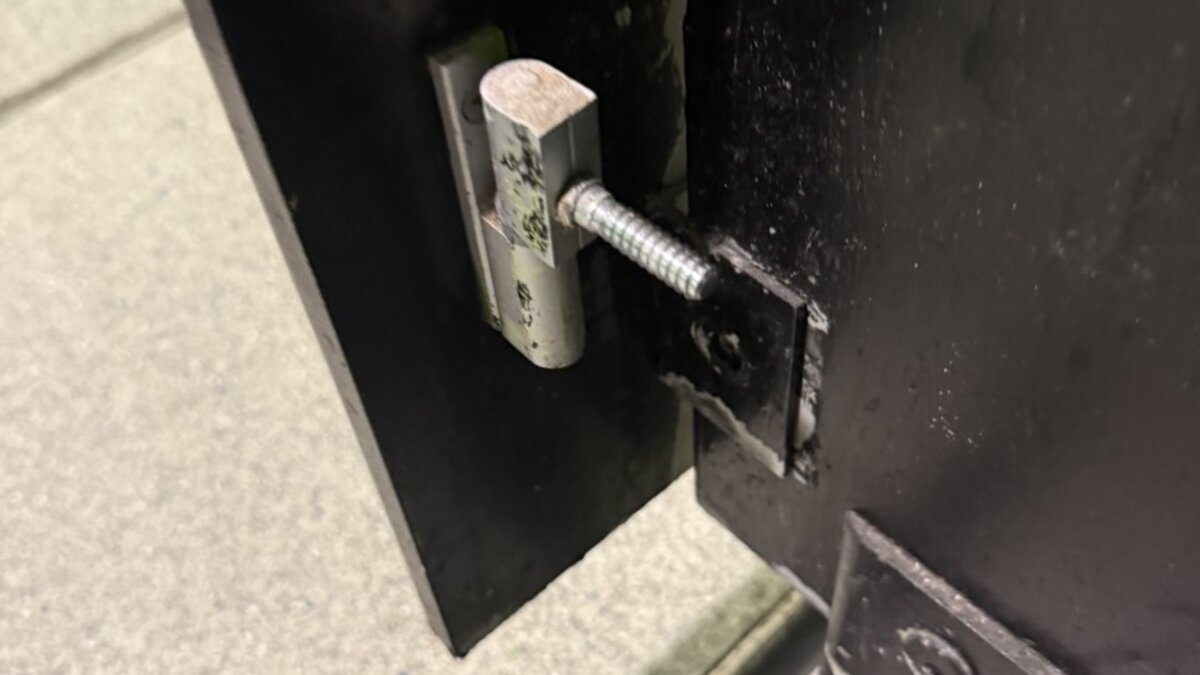
| 8 | Carpentry | Men’s toilet door off its hinges |
| 9 | General | Men’s toilet wall panels need repairing |
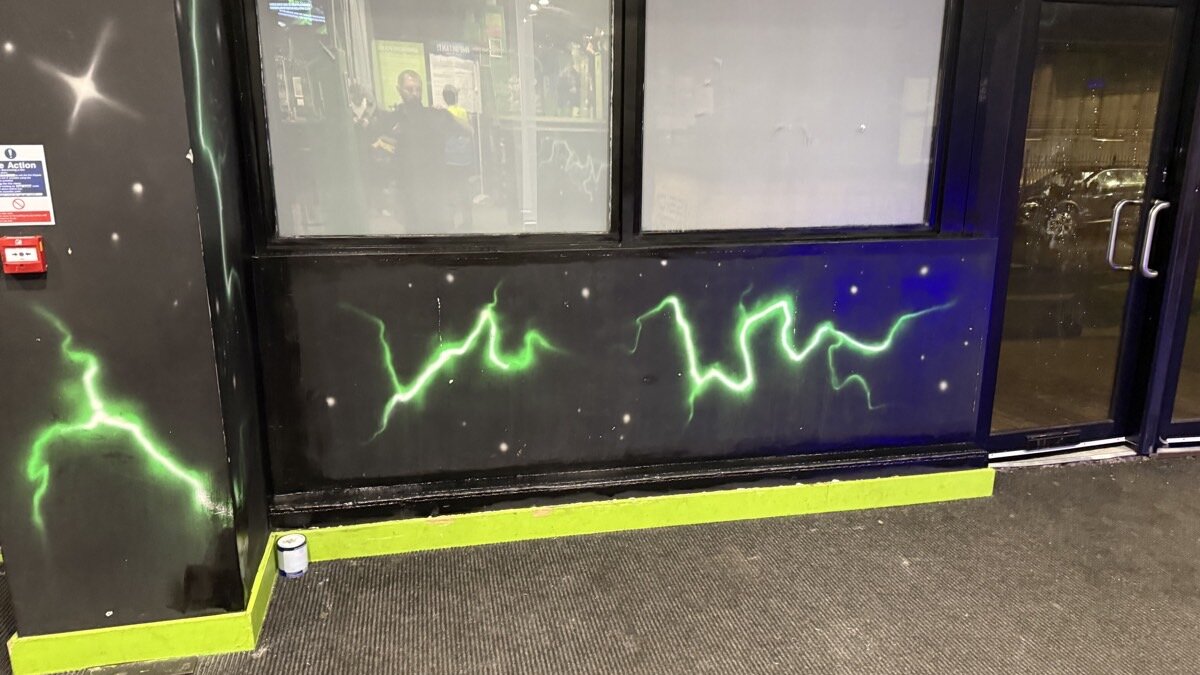
| 10 | General | Entrance wall is loose |
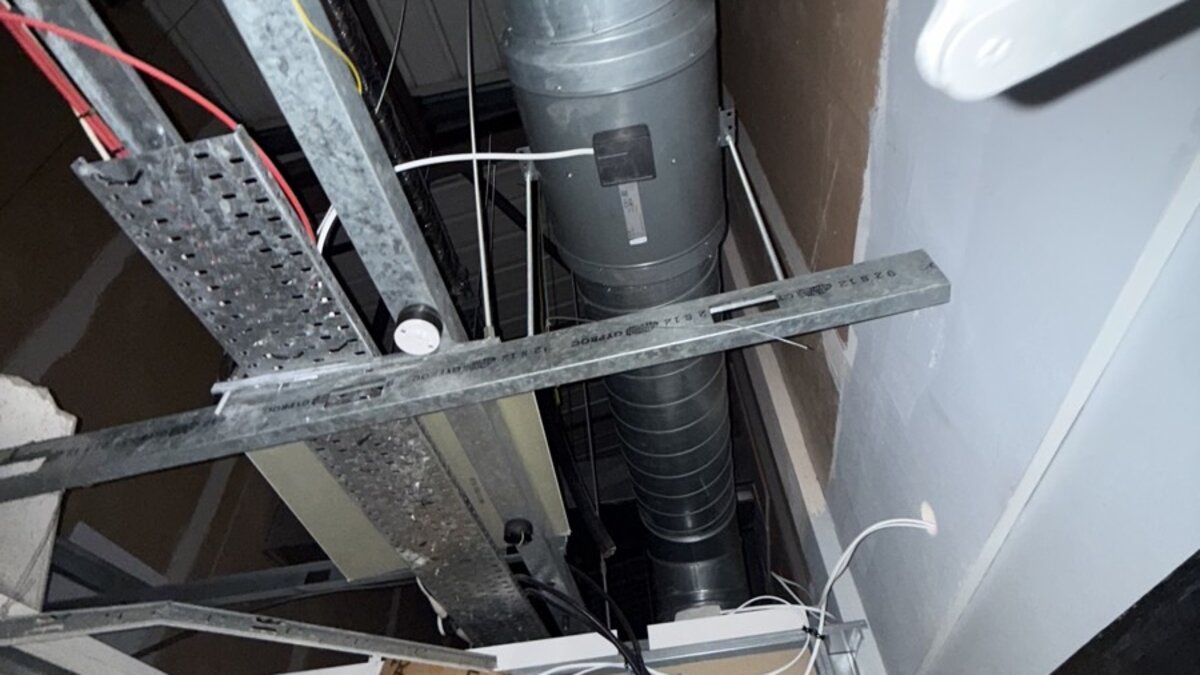
| 11 | General | Ceiling tile repairs in fridge/freezer room and staff toilet |
This breadth of scope across at least four trade disciplines is precisely the scenario where a multi-skilled engineer delivers maximum value. Scheduling separate specialist contractors for each trade would multiply mobilisation costs, extend the repair timeline across weeks, and require the venue to coordinate multiple access arrangements during operating hours.
The Response
Our multi-skilled engineer attended site at 08:00 and worked systematically through the programme until 17:31 — a full nine-and-a-half-hour day. The methodology was deliberate: electrical safety items were prioritised first, followed by fire safety items, then plumbing and general fabric repairs.
Electrical Works: The cracked plug sockets in the diner area were replaced with new units, restoring safe, compliant operation. The dead double socket was investigated, the fault identified, and power restored. The loose socket in the VR room was secured. In each case, the engineer confirmed safe isolation before commencing work, verified correct operation after reconnection, and ensured that faceplate integrity was restored to prevent any exposure of live components.
Fire Safety Items: The loose panel adjacent to the LQ fire exit was refixed securely. The fire door that was not opening freely was assessed and adjusted to restore correct operation. Fire doors in commercial premises must close fully into their frames under the force of their closer mechanism and must open freely from the escape side without the use of a key — requirements set out in BS 8214 and enforced under the Fire Safety Order.
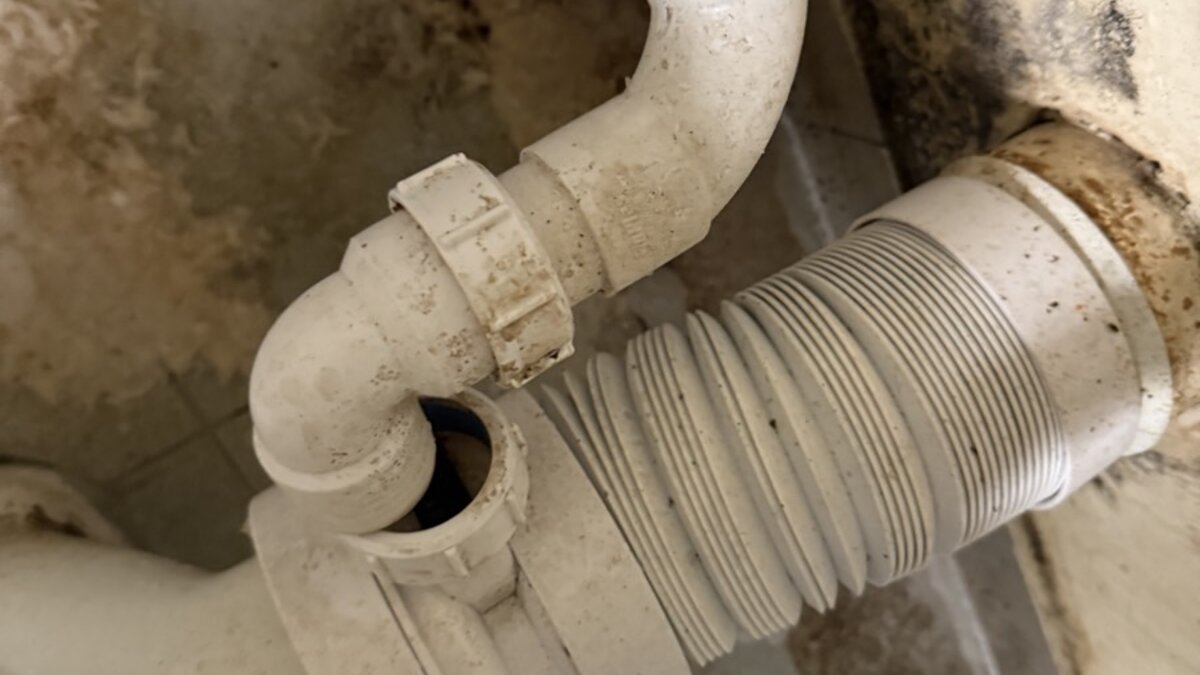
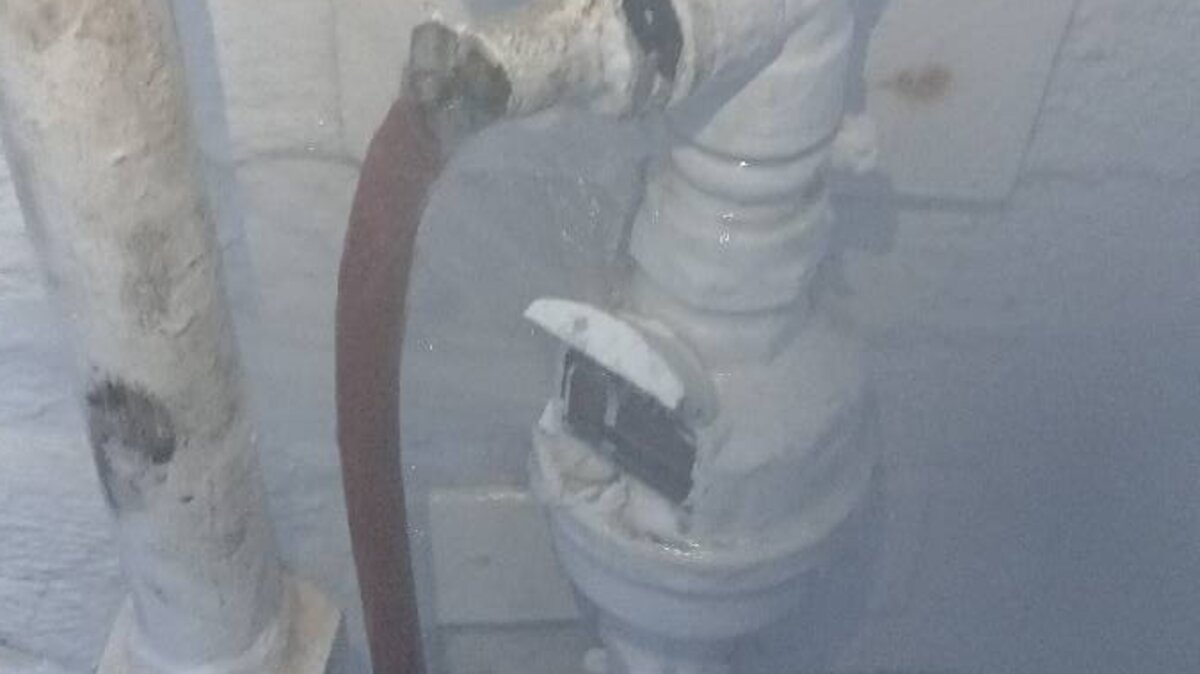
Plumbing and Drainage: During the visit, the engineer identified and resolved two additional plumbing issues not included in the original scope. A urinal was found to have a dislodged trap, causing flooding to the floor — a hygiene and slip hazard in a public toilet. The trap was refitted and sealed. Upstairs, a toilet was leaking because the waste pipe from the Saniflo macerator had become disconnected, resulting in flooding. The pipe was reconnected and securely fixed.
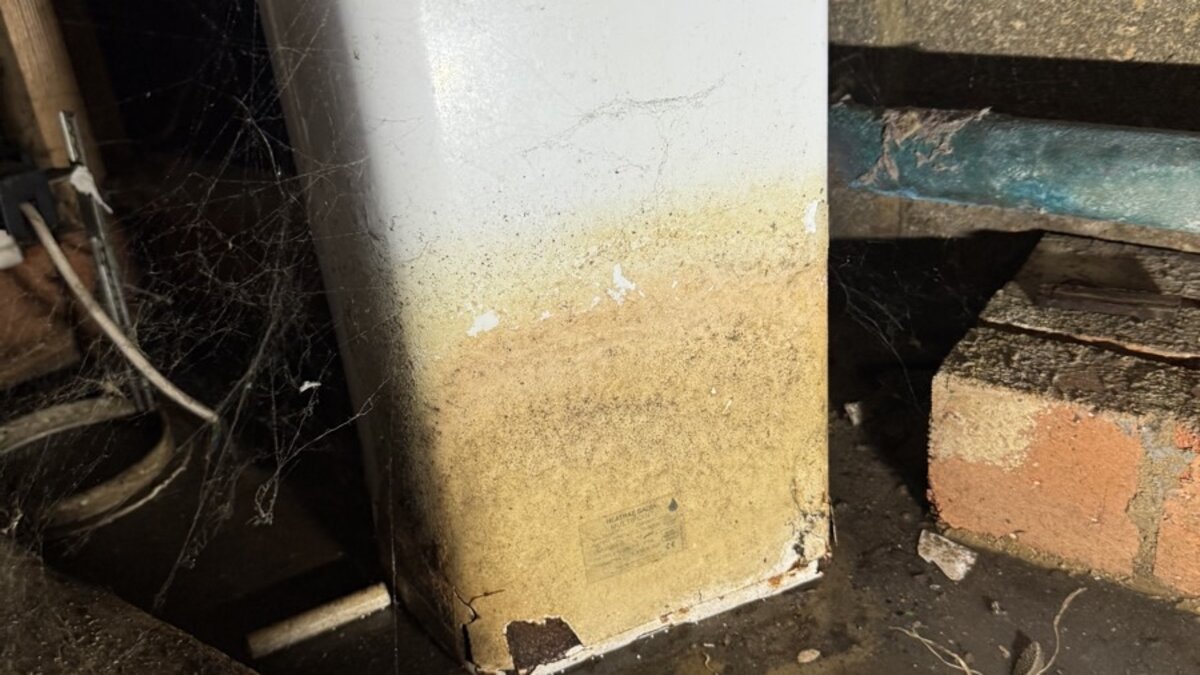
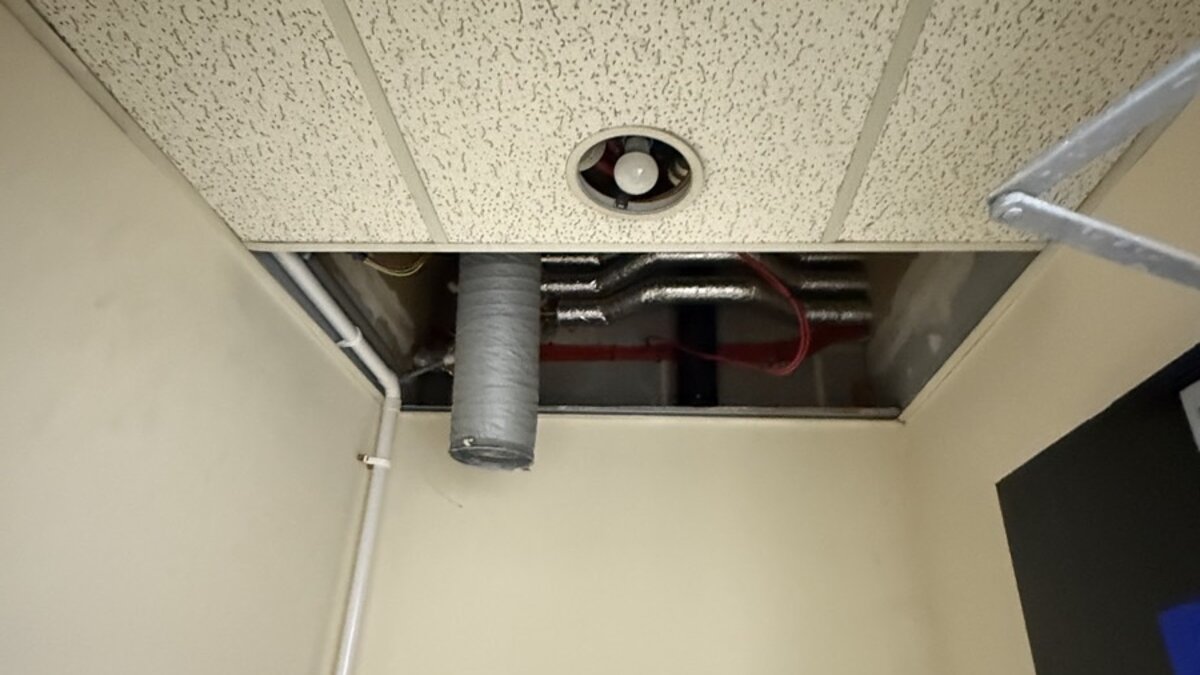
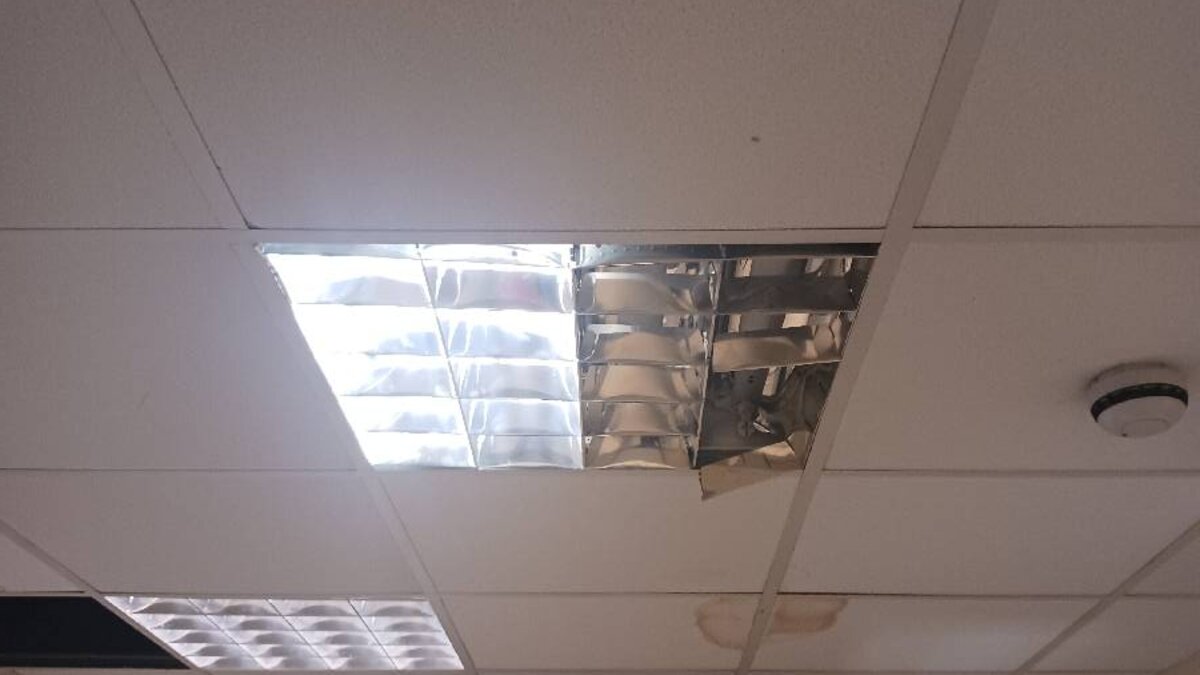
General Fabric Repairs: The men’s toilet door was rehung on its hinges. Toilet wall panels were repaired. Ceiling tiles in the fridge/freezer room and staff toilet were replaced. The entrance wall was secured. The damaged wall near the drift trikes area was repaired, with the engineer identifying that the damage was caused by a leak from the basin waste below — a root cause that, if not addressed, would cause the wall to deteriorate again.
Completion Summary
| Item | Status | Notes |
|---|---|---|
| Cracked plug sockets (diner) | Completed | Replaced to restore safe operation |
| Dead double socket | Completed | Fault identified, power restored |
| Loose taps (male and female toilets) | Not completed | No access underneath fixtures |
| Loose socket (VR room) | Completed | Secured to backbox |
| Loose panel (fire exit) | Completed | Refixed securely |
| Fire door restriction | Completed | Freed to open correctly |
| Wall damage (drift trikes) | Completed | Repaired; underlying basin waste leak flagged |
| Toilet door (off hinges) | Completed | Rehung and aligned |
| Toilet wall panels | Completed | Repaired |
| Ceiling tiles (freezer room and staff toilet) | Completed | Replaced |
| Entrance wall | Completed | Secured |
| Urinal trap (additional — discovered on site) | Completed | Dislodged trap refitted, flooding resolved |
| Saniflo waste pipe (additional — discovered on site) | Completed | Reconnected, leak resolved |
Of the eleven original items, nine were completed in full. Two taps (male and female toilets) could not be secured due to lack of access underneath the fixtures — this was reported to the client with a recommendation for follow-up works requiring fixture removal. Two additional faults were discovered and resolved during the visit.
Common Maintenance Issues in High-Footfall Commercial Venues
Entertainment and leisure venues experience maintenance patterns that differ significantly from office or retail environments. The table below outlines the most common issues and their typical causes.
| Issue Category | Common Cause | Warning Signs |
|---|---|---|
| Cracked sockets and switches | Impact damage from equipment, furniture, or foot traffic | Visible cracks, exposed internals, loose faceplates |
| Fire door malfunction | Dropped hinges, swollen frames, failed closers, obstruction | Door not closing fully, slamming, sticking |
| Loose sanitaryware | Heavy use and vibration loosening fixings over time | Taps rotating, basins moving, toilet seats unstable |
| Wall and panel damage | Impact from activities, water damage from leaks | Cracks, swelling, delamination, staining |
| Ceiling tile degradation | Moisture ingress, impact, age | Sagging, staining, missing tiles |
| Plumbing leaks | Mechanical failure, blockages, disconnected waste pipes | Water on floors, odour, damp patches |
Proactive maintenance scheduling — monthly or quarterly walkarounds with a snagging list — helps venues identify these issues before they accumulate into the kind of backlog addressed in this visit.