Reserve Fund Planning PPM Services – 5, 10, 20-Year CAPEX Forecasting & Asset Lifecycle
Boards, freeholders and managing agents use reserve fund planning and PPM services to see when major assets will need renewal and what that means for 5, 10 and 20-year CAPEX. Condition surveys, asset registers and maintenance records are organised into evidence-based forecasts, depending on constraints. You finish with a clear schedule of works, contribution pathways and timing assumptions that can be explained to boards, residents and investors with agreed scope. A short conversation about your current reserve position can start that process.



Author
Izzy Schulman

Boards and owners need more than a headline reserve balance when major roofs, lifts or life-safety systems are approaching renewal. Without a structured plan, costs arrive as shocks, service charges spike, and conversations with residents become harder to manage.
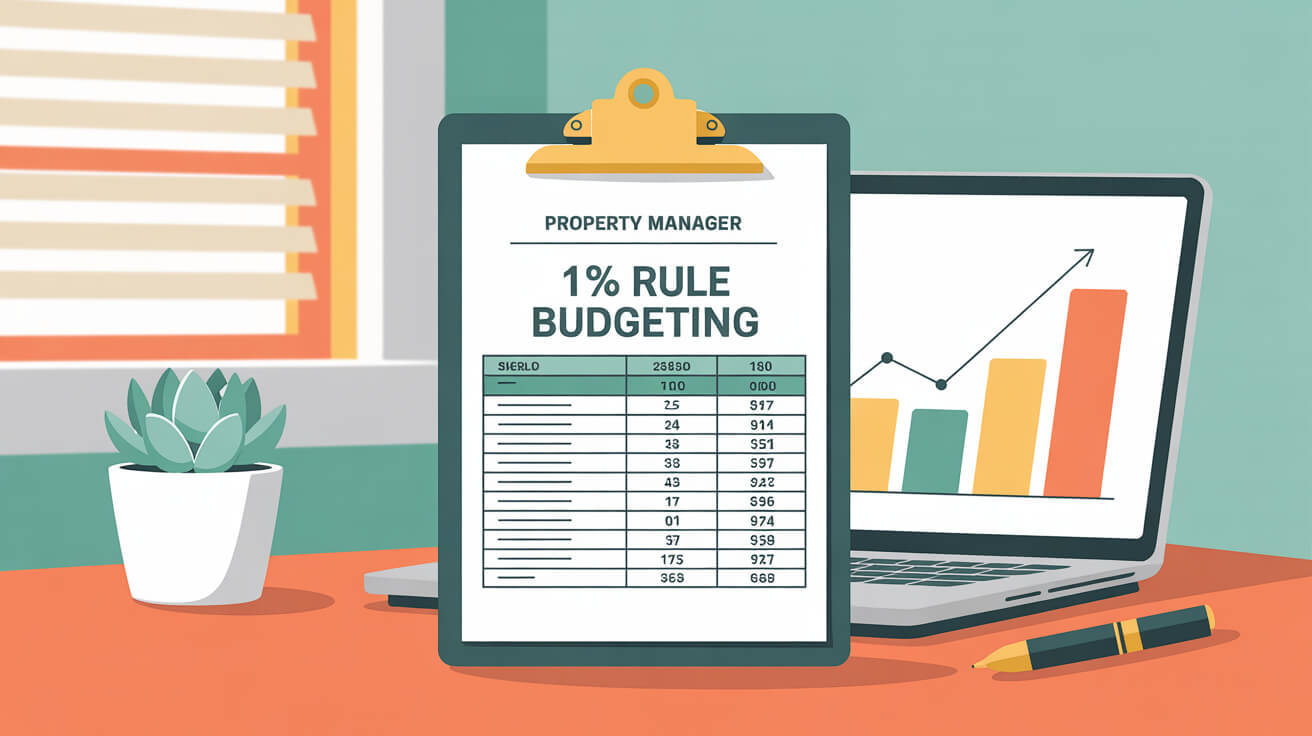
A condition-based reserve forecast links each asset to its likely renewal window over 5, 10 and 20 years, using PPM records and lifecycle assumptions. This turns reactive spending into phased, evidence-led contributions, giving you a clearer route for funding major works before they become urgent.
- See upcoming liabilities across 5, 10 and 20 years
- Link reserve targets to real assets and condition evidence
- Support calmer, better informed board and resident decisions</p>
Need Help Fast?
Locked out, leak at home, or electrical issue? All Services 4 U provides 24/7 UK locksmith, plumbing, electrical.
Testimonial & Clients Who Trust Us
With 5 Star Google Reviews, Trusted Trader, Trust Pilot endorsements, and 25+ years of experience, we set industry standards for excellence. From Dominoes to Mears Group, our expertise is trusted by diverse sectors, earning us long-term partnerships and glowing testimonials.
Worcester Boilers

Glow Worm Boilers

Valliant Boilers

Baxi Boilers

Ideal Boilers

Why Boards And Owners Use Reserve Fund Planning Before Costs Spike
You need a funding plan before major components become urgent, expensive decisions.
Reserve fund planning moves you from reactive spending to phased, evidence-led contributions. Instead of waiting for a roof, lift, communal plant or fire system to force a large demand, you map likely renewal points in advance and build a clearer route for funding them over time.
A reserve balance on its own tells you very little. A fund can look healthy and still leave you exposed if several high-value liabilities sit inside the next few years. A modest balance is not automatically a failure if upcoming obligations are lighter and your contribution path is realistic.
When your plan is tied to inspected assets, condition evidence and lifecycle assumptions, you gain a defensible position. You can show your board, residents, investors or finance team what the liability is and why it sits in a particular period.
If you want fewer surprise bills, calmer board conversations and better timing for major works, start with a reserve planning review that links your assets to a real capital strategy.
What “PPM” Must Mean Here: Planned Preventive Maintenance Feeding Capital Decisions
Planned preventive maintenance is the evidence base that makes long-range capital planning credible.
PPM is not just a diary of service visits. It is the inspection, servicing, testing and minor remedial history that shows what assets exist, where they are, how they are performing, and which components are already signalling future renewal pressure.
What PPM adds to the forecast
A budget sheet can list expected costs, but it cannot tell you whether a specific lift, roof covering, pump set or smoke-control system is nearing the end of its useful life. PPM records close that gap by showing recurring faults, inspection findings, maintenance burden and condition trends.
Age alone is rarely enough. Two assets installed in the same year can perform very differently because of usage, environment, repair history and compliance pressure.
How PPM becomes capital evidence
Once your PPM data is organised properly, it feeds directly into reserve forecasting and gives boards and asset directors a clearer basis for decision-making. A verified asset register gives you the component list. Inspection records and survey findings show current condition. Maintenance history helps you judge whether an item still has usable life left or is becoming uneconomic to keep patching.
From there, you can separate short-term maintenance spend from planned renewal CAPEX. You can also group future works by trade, location and access constraints, which makes procurement easier to defend.
Why this matters to your board
When timing assumptions change, your board needs to know why. PPM gives you that audit trail. If a spend line moves forward, you can point to condition evidence or repeated failures. If it moves back, you can show why the asset still has serviceable life.
That makes reserve planning less subjective and much easier to stand behind when contributions, timing or scope are challenged.
How 5-, 10-, And 20-Year CAPEX Views Answer Different Board Questions
Different planning horizons answer different decisions.
A single long list of future projects does not give you enough control. A usable reserve strategy separates near-term action from medium-term sequencing and long-term exposure.
The five-year view
This is your short-range decision window. It usually captures urgent renewals, known compliance-driven works, and components where current condition already points to near-term intervention. You use it for practical budgeting, programme planning and early procurement preparation.
If your building has visible deterioration, repeat failures or known major works pressure, this is the horizon your board will feel first.
The 10-year view
This is where contribution smoothing becomes useful. A 10-year forecast helps you avoid stacking several major liabilities into the same cycle and gives you room to sequence interdependent works properly.
If your roof is nearing renewal while your communal plant is also showing failure pressure, a flat reserve figure can give false comfort. A 10-year view exposes that conflict early, while you still have time to phase, resequence or test alternatives.
The 20-year view
This is your strategic exposure map. It shows the wider pattern across envelope, services, vertical transport, life-safety systems, common finishes and external works. Exact dates are naturally less certain at this range, but the shape of future demand becomes much clearer.
That matters when you are reviewing reserve adequacy, portfolio risk, refinancing, long-term service charge pressure or acquisition due diligence. If you need that joined-up picture, a scoped review with All Services 4U is a practical next step.
How A Condition-Based Forecast Is Built From Real Asset Data
A defensible forecast starts with one clean record for each major component.
That record usually includes the asset type, quantity, location, age or install period, current condition, likely duty level, statutory relevance, useful life, and who is responsible for funding it. Without that structure, a 20-year model becomes difficult to trust.
Building the asset decision record
The first job is to verify what sits in scope. That means defining the component properly, not just calling something “roof works” or “plant replacement”. Better records break the estate into real decision units that can later be costed, prioritised and packaged.
That is how you stop duplication, vague allowances and blurred responsibility before they reach your budget.
Turning condition into timing
Once the asset record exists, the next step is lifecycle modelling. A base life assumption is useful, but asset directors should adjust it using condition evidence, maintenance burden and known risk factors. That moves you away from a crude “replace at age X” rule and towards a more realistic timing model.
Some assets need earlier intervention because condition has deteriorated faster than expected. Others can move back because inspection evidence supports continued service life.
Converting timing into cost and funding
After timing is set, you cost the likely intervention in current prices, apply your stated inflation logic, and phase the spend into the appropriate year. You can then test contribution paths, funding pressure and risk clustering over time.
A strong model also shows confidence levels, exclusions and review triggers, so your team can see which lines are evidence-strong and which need further survey work before they become firm board assumptions.
What Goes In, What Stays Out, And How Replacement Cycles Are Judged

Scope discipline stops reserve forecasting from turning into guesswork.
In most residential and mixed-use settings, reserves are intended for major, infrequent, predictable common-part liabilities rather than routine annual operating costs.
What usually belongs in the plan
Typical in-scope items include roofs, façades, windows, communal heating and hot water plant, lifts, pumps, fire and life-safety systems, shared lighting, external works, surfacing, boundary elements and significant common-area finishes.
If your building is mixed-use, those items also need to be allocated to the correct cost pool so shared, residential-serving and commercial-serving liabilities do not get blended together.
What usually stays out
Routine servicing, minor reactive repairs and low-value recurring maintenance usually belong in the annual service charge budget rather than the reserve fund. If those boundaries are blurred, your contributions become harder to explain and your reserve model becomes weaker.
The goal is not to make the reserve bigger. The goal is to make it accurate enough to support decisions.
How timing and criticality are judged
Replacement timing is normally based on a blend of age, condition, maintenance history and consequence of failure. Criticality matters. A younger life-safety system may need earlier funding attention than an older decorative finish because the consequences of failure are much greater.
Where records are incomplete, you do not pretend certainty. You document the assumption and set a review trigger when fresh inspection data becomes available.
What Standards, Governance Rules, And Update Cycles Make A Forecast Trustworthy

A forecast only helps you if it stays transparent, reviewable and current.
That means the methodology must be more than a one-off report. It needs visible assumptions, clear boundaries, and a refresh rhythm that fits how your building or portfolio changes.
What should be visible
You should be able to see what is included, what is excluded, how ownership boundaries have been interpreted, what lifecycle assumptions were used, how costs were escalated, and where confidence is high or low.
That visibility is what makes a reserve plan defensible under board scrutiny and easier to explain to residents, investors and finance stakeholders.
How often it should be updated
There is no universal timetable, but your plan should be refreshed when new condition evidence lands, major works complete, statutory obligations change, or budget cycles require a more current funding picture. Higher-risk or fast-changing assets may justify more frequent review than lower-risk components.
A static model gets stale. A live model stays decision-useful.
How uncertainty should be handled
Long-range CAPEX forecasting is not exact certainty, and it should not be presented as if it is. Better plans use clear assumptions, confidence grading and scenario logic so you can discuss timing and cost ranges without losing control of the decision.
When your board can see both the limits and the logic, confidence usually improves rather than falls.
Accreditations & Certifications








When To Commission A Study And How To Compare Providers Without Guesswork

The right time is usually when a practical pressure is already visible.
That pressure might be refinancing, reserve shortfall concerns, visible asset deterioration, major works preparation, disputed service charge assumptions, or a board making decisions with weak evidence. At that point, the question is not whether planning matters. It is whether your current data and method are strong enough.
Signs you should act now
You are likely ready for a proper reserve planning review when one or more of these are true:
- Your reserve balance feels disconnected from actual liabilities
- Your PPM records exist but do not translate into capital timing
- Your board cannot explain the basis for future contributions
- Section 20 planning is approaching without a clear technical foundation
- A major component is visibly ageing and timing is contested
That is usually the point where delay costs more than clarity.
How to compare providers properly
Do not compare proposals on headline fee alone. You need clarity on inspection scope, asset verification, lifecycle method, condition adjustment, deliverables by horizon, assumptions register, update cadence, and how the output will support budgeting and communication.
A real method links evidence to timing and timing to funding. A weak method gives you generic allowances with little traceability.
What better planning changes
When you plan earlier, you gain options. You can phase contributions, resequence projects, test alternatives and prepare procurement more calmly. Planned renewal almost always creates a better decision environment than failure-led spending under time pressure.
If you are choosing between providers, ask who will verify your asset base, show you the timing logic, separate maintenance from capital liability, and leave you with a model your board can defend.
Reliable Property Maintenance You Can Trust
From routine upkeep to urgent repairs, our certified team delivers dependable property maintenance services 24/7 across the UK. Fast response, skilled professionals, and fully insured support to keep your property running smoothly.

Book Your Free Consultation With All Services 4U Today
You can start with your current data, even if it feels incomplete.
If you already hold a budget pack, asset list, PPM schedule, survey notes or a known major works concern, we can use that as the starting point. We review what you have, identify where the forecast is already usable, and show you which gaps are weakening your reserve logic.
From there, we can recommend the most useful next step for your position: a five-year clarity piece, a 10-year contribution and sequencing model, or a fuller 20-year lifecycle roadmap. You leave with a clearer view of asset priorities, funding pressure and where stronger evidence will make the biggest difference to your next decision.
You do not need perfect records to move forward. You need a clear line between what you know, what you can evidence, and what still needs inspection before your next major funding decision.
Bring your current reserve position, recent PPM records or your main upcoming liability, and we will help you turn it into a funding conversation your board can use. Book your consultation with All Services 4U today.
Frequently Asked Questions
How can you tell whether a reserve fund forecast will stand up under board, resident, and lender scrutiny?
A reserve fund forecast stands up when your board can trace every major cost back to an asset, a timing reason, and a funding consequence.
That is the difference between a document that looks organised and one that actually supports service charge planning. A weak forecast often relies on rounded lifespans, broad headings, and assumptions nobody can explain once the meeting turns difficult. A stronger forecast shows why a roof sits in one year and not another, why plant replacement moved forward, what evidence shaped that change, and how the funding impact should be understood by directors, residents, lenders, and valuers.
RICS service charge guidance has long reinforced the value of transparent assumptions because reserve planning only works when another reviewer can follow the logic. In property maintenance terms, that means your forecast should be rooted in an accurate asset register, a believable intervention point, a visible cost basis, and enough building maintenance data to show why the model changed. If your team cannot explain the shift in simple language, the number will not carry much weight when contributions rise or works timing tightens.
A forecast stops arguments when the reasoning is stronger than the anxiety around the number.
This is where many reserve fund models start to fail. They are not obviously chaotic. They just cannot answer ordinary questions cleanly. Why is the lift in year eight rather than year six? Why is a communal boiler still treated as patch-and-repair spend when maintenance history suggests a larger lifecycle issue is coming? Why does the reserve line move while the narrative stays vague?
If your role is to protect budget credibility before the next board review, lender query, or resident challenge, reserve fund planning needs to feel more like decision support and less like a familiar spreadsheet. That is usually the point where a reserve planning diagnostic becomes commercially sensible.
What usually exposes a weak reserve fund forecast first?
The first thing that exposes a weak reserve fund forecast is not the maths. It is the explanation.
Boards, resident directors, and finance teams tend to challenge the model the moment they see a number that affects contributions or timing. If nobody can explain why one item sits in one year rather than another, trust falls quickly. The problem is not that people are being difficult. The problem is that the model has not translated building maintenance evidence into a defensible funding story.
Common pressure points usually include:
- Why the same asset appears in both reactive repairs and lifecycle maintenance planning
- Why costs move faster than the narrative around them
- Why ageing assumptions ignore actual maintenance history
- Why scope headings are too broad to test properly
- Why the forecast gives certainty where the evidence is still mixed
That is when a reserve forecast stops looking prudent and starts looking fragile.
How should a stronger forecast show its logic without becoming unreadable?
A stronger reserve fund forecast should make the logic easier to follow, not heavier to read.
The safest approach is to show just enough detail for another reviewer to understand the chain from asset to future cost. That gives your team a cleaner basis for service charge planning, future major works discussions, and lender-facing explanations.
A practical structure usually looks like this:
| What the forecast shows | Why it matters | What it supports |
|---|---|---|
| Defined shared asset | Prevents hidden omissions and double counting | Board confidence |
| Timing tied to condition or maintenance evidence | Reduces age-only guesswork | Capital works forecasting |
| Visible cost basis and assumptions | Makes future cost pressure testable | Budget credibility |
| Confidence level or uncertainty note | Stops false precision | Lender and resident scrutiny |
That level of visibility does not turn the report into a technical essay. It simply makes the assumptions reviewable.
Why should you test the model before the next major works discussion starts?
You should test the model early because once contribution pressure becomes visible, your options narrow fast.
A weak reserve model rarely causes trouble in silence. It causes trouble when a large liability starts becoming real. That is when residents feel blindsided, board members start asking whether earlier years were underfunded, and managing agents are left defending timing they did not create. If refinance or valuation pressure appears at the same time, the issue stops being internal.
If you need to walk into the next board meeting with a reserve fund forecast you can defend, the safer move is to review asset register accuracy, timing logic, and building maintenance data before the next major works cycle forces the conversation. All Services 4U can help you test whether the current model is genuinely decision-ready or simply familiar.
Why should you decide whether a future cost belongs in reactive spend, planned maintenance, or lifecycle CAPEX before it distorts your service charge plan?
You should decide early because cost category discipline protects reserve fund planning from becoming a blurred maintenance budget.
A large share of service charge tension starts here. The dispute is rarely about whether money is being spent. It is about whether the spend is being classified honestly. If the same asset keeps drawing reactive cost, planned maintenance cost, and future capital pressure without a clear split, your funding model starts to lose shape. Boards become less confident. Residents become more sceptical. Forecasting becomes harder to defend.
IWFM practice supports a simple distinction because each category does a different job. Reactive spend restores service after failure. Planned maintenance preserves a working asset through inspection, testing, servicing, and minor remedials. Lifecycle CAPEX sits above both. It funds the major repair or replacement that the building maintenance data is already pointing towards.
That matters because a tired asset does not become capital expenditure just because one invoice is painful, and it does not remain a repairs issue forever just because the team is used to patching it. The more useful question is this: are you restoring failure, preserving function, or funding a known future liability?
If your team gets that wrong, the reserve fund line starts understating future capital works forecasting. Then service charge planning becomes a confidence problem rather than a budgeting problem.
How can you test where a future cost genuinely belongs?
You can test the category by asking what problem the spend is actually solving.
If the answer is “service has failed and must be restored,” you are usually in reactive territory. If the answer is “the asset still works but needs routine attention to stay safe, compliant, or reliable,” that usually points to planned maintenance. If the answer is “we can already see a larger intervention coming and repeated patching is becoming hard to defend,” you are moving into lifecycle CAPEX.
A useful internal test is:
- Has the asset failed unexpectedly and disrupted service?
- Is the spend part of a scheduled maintenance routine?
- Are repeat faults or compliance findings showing deeper decline?
- Would another patch still look reasonable under board scrutiny?
- Is this work preserving the asset or delaying a replacement everybody already expects?
HSE-style risk logic also supports this approach. Failure history and repeat findings are not background noise. They are signals.
What does that split look like in practice?
The split usually becomes easier once you map purpose to spend type.
| Spend type | Main purpose | Typical property maintenance example |
|---|---|---|
| Reactive spend | Restore service after failure | Urgent leak response or electrical fault |
| Planned maintenance | Slow failure and keep systems operating | Lift servicing, alarm testing, TMV service |
| Lifecycle CAPEX | Fund major repair or replacement | Roof renewal, plant replacement, door set upgrade |
That is easier to defend in a board pack than one broad maintenance heading covering everything.
Why does weak categorisation distort reserve contributions so quickly?
Weak categorisation distorts reserve contributions because the model starts hiding future liabilities inside day-to-day spend.
Repeated boiler failures are a good example. If the plant is clearly nearing the end of practical life but the cost still sits inside repairs, your reserve fund planning looks calmer than reality. The reverse also happens. Some teams move medium-term items into capital too early, making annual funding heavier than it needs to be. In both cases, the problem is classification, not arithmetic.
If your role is to keep service charge planning credible rather than merely balanced on paper, a targeted review of disputed items against maintenance history, failure patterns, and intervention logic usually resolves the issue faster than another round of spreadsheet edits. All Services 4U can help you separate reactive spend, planned maintenance evidence, and lifecycle maintenance planning in a way that stands up later.
Which shared assets should a reserve fund plan include in a residential or mixed-use building without turning the forecast into a dumping ground?
A reserve fund plan should include predictable shared capital liabilities, not routine property maintenance dressed up as long-term planning.
This is where many models either become too thin to trust or so broad that nobody believes the scope. In residential and mixed-use buildings, the right reserve asset list is not a catalogue of everything on site. It is a reasoned list of shared components likely to create meaningful future capital pressure, mapped against lease responsibility, building function, and realistic intervention timing.
RICS principles and lease-based service charge logic both push in that direction. Reserve fund planning works best when assets are identified by component, responsibility, and future liability rather than by loose headings such as external works or plant repairs. That means you should know what the asset is, who benefits from it, who funds it, and why it belongs in long-term capital works forecasting rather than annual maintenance.
For many buildings, that will include roofs, rainwater goods, lifts, communal boilers, pumps, calorifiers, shared electrical distribution, access control, fire alarm systems, emergency lighting, smoke-control interfaces, paving, drainage interfaces, entrance doors, windows where the lease allows, and selected façade elements. In mixed-use schemes, the analysis gets harder because retail, podium, parking, commercial plant, and residential circulation areas rarely align neatly. If the asset serves more than one use type, the reserve logic must be able to explain apportionment before anyone starts arguing about fairness.
Scope is where future dispute is prevented, not where it gets politely explained afterwards.
That is why asset register accuracy matters so much. If the reserve model still relies on generic labels, the challenge will come later and usually in a less forgiving setting.
Which assets usually belong in scope?
Assets usually belong in scope when they are shared, material, and predictably capable of producing a future major liability.
Typical items often include:
- Roof coverings, flashings, gutters, and rainwater goods
- Lifts, controllers, and major lift components
- Communal heating, hot water, and pressurisation plant
- Fire alarms, emergency lighting, and smoke-control interfaces
- Shared power distribution, access systems, and entrance controls
- Door sets, windows, and external building elements where lease liability permits
- Paving, boundary items, podium interfaces, and drainage-related capital works
The common feature is not that they are expensive today. It is that they are visible future liabilities in a shared building.
Which costs usually stay out of the reserve plan?
Routine services, consumables, ad hoc callouts, and minor recurring tasks usually stay out because they belong in annual operational budgets.
That includes spend your team expects to see as part of normal property maintenance delivery. If those costs are pushed into the reserve model, the forecast becomes noisier, more political, and less useful.
Why does mixed-use reserve planning need extra care?
Mixed-use reserve planning needs extra care because shared benefit and lease apportionment are easier to challenge.
A podium slab over parking, a plant room serving multiple uses, or a roof covering both residential and commercial areas can all produce contribution disputes later if the asset scope is broad and the benefit logic is weak. This is why mixed-use reserve fund planning usually needs a more deliberate review of building maintenance data, lease structure, and capital works forecasting than a straightforward residential block.
If your current reserve list still relies on headings that would struggle in a board meeting or service charge challenge, the safer move is to test the scope before the next contribution debate starts. All Services 4U can review the live asset list, test what genuinely belongs in reserve planning, and show where the scope is too vague, too broad, or too exposed.
When should you refresh a 5-year, 10-year, or 20-year capital forecast if you want the numbers to reflect the building rather than the calendar?
You should refresh a capital forecast when evidence changes timing, cost, or confidence, not just when the annual review cycle says so.
An annual refresh is sensible, but it is not the same as an evidence-led update. A model becomes stale when the building changes and the funding logic does not. That may happen because a condition survey shifts the likely intervention year, a major work package is cancelled or accelerated, repeat failures change confidence, labour and materials move sharply, or a compliance issue pulls an asset forward.
That is why stronger reserve fund planning treats the five-year, 10-year, and 20-year horizons differently. The five-year view is the most active. It affects near-term service charge planning, board approvals, procurement readiness, and resident communication. The 10-year view should show clustering risk and medium-term pressure clearly enough to shape strategy. The 20-year horizon is broader and less precise, but it still needs revisiting when assumptions materially change.
HSE-style risk thinking and good lifecycle maintenance planning both point the same way: forecasts should respond to evidence, not to habit. If your team already has building maintenance data showing recurring failure, parts obsolescence, or rising compliance pressure, the forecast should not sit still simply because the report is less than two years old.
Which events usually justify a reforecast?
A reforecast is usually justified when a new event changes either the timing or confidence of a future liability.
Common triggers include:
- A new condition survey or intrusive inspection
- A major project completing early, late, or not at all
- Repeat failures on the same shared asset
- Large cost movement in labour, materials, or access
- Fire safety or Building Safety Act-driven interventions
- Refinance, disposal, acquisition, or major change of use
- Evidence that the reserve balance no longer reflects likely liabilities
Those triggers do not all require a full rebuild. They do require a serious look at whether the current model still tells the truth.
How should each forecast horizon be treated?
Each horizon should do a different job rather than pretending to offer the same level of certainty.
| Forecast horizon | Main decision use | Review pressure |
|---|---|---|
| 5 years | Budgeting, timing, project readiness | Highest |
| 10 years | Medium-term funding pressure | Moderate |
| 20 years | Strategic long-life direction | Lower, but still live |
That distinction helps prevent a common mistake: spending too much time polishing long-range figures while near-term capital works forecasting drifts quietly out of date.
What should stay stable even when assumptions change?
The method should stay stable even when the assumptions move.
That means your classification rules, confidence grading, treatment of planned maintenance evidence, and separation between annual spend and lifecycle CAPEX should remain consistent. What moves is the evidence: condition, access, pricing, compliance pressure, and maintenance history.
If you need to walk into the next budget cycle with numbers that reflect the building you actually manage, not the one described in an old report, a focused reserve review is often enough to test whether the five-year and 10-year assumptions still hold. All Services 4U can help you identify where the model needs updating before the next live funding decision exposes the gap.
Why does linking planned maintenance evidence to reserve forecasting reduce service charge shocks and Section 20 pressure?
Linking planned maintenance evidence to reserve forecasting reduces shocks because early warning turns sudden liabilities into manageable decisions.
When PPM records live in one place and reserve fund planning sits somewhere else, the building usually starts warning you long before the budget does. Engineers note recurring faults. Service visits show rising remedial burden. Fire door surveys keep returning similar failures. Communal plant becomes harder to stabilise. Parts become scarce. But unless that building maintenance data feeds the long-term model, none of it becomes an early funding decision.
That is where service charge pressure often starts to build. The warning signs existed. The capital conversation arrived late.
A better link changes the order of events. Repeat failure history, condition decline, compliance findings, and parts obsolescence begin to influence intervention timing earlier. That gives your board more room to think clearly. It creates more time to prepare specifications, consider options, discuss contribution levels, and plan consultation properly if Section 20 is likely to follow.
The Building Safety Act makes this evidence flow even more important in higher-risk settings, where inspection outcomes and system findings should feed both maintenance decisions and future funding logic. The benefit is not perfect certainty. The benefit is fewer avoidable surprises.
What changes when planned maintenance evidence and reserve planning actually connect?
When the two connect, your team sees liabilities sooner and explains them better.
The main gains are usually:
- Earlier visibility of future capital pressure
- Better service charge planning before resident concern hardens
- Stronger timing logic for board approval
- More orderly preparation for consultation and procurement
That is why linked planning feels calmer. You are not waiting for one more failure to force a rushed decision.
How does this support cleaner Section 20 preparation?
It supports cleaner Section 20 preparation because the project rationale develops gradually rather than being assembled under pressure.
If plant servicing history, roof inspection records, fire door surveys, or repeated remedial trends already show a pattern, your team can start shaping the future works narrative before consultation becomes urgent. That improves scope quality and usually reduces the sense that a large project has appeared from nowhere.
Leasehold consultation tends to work better when the evidence trail is visible. Residents may still challenge cost, but timing becomes easier to defend when the records show the issue was recognised, tracked, and reviewed over time.
Why is the gap riskier in RTM, RMC, and mixed-use buildings?
The gap is riskier there because scrutiny arrives faster and fairness is tested harder.
In resident-led buildings, poor sequencing quickly becomes a confidence issue. In mixed-use schemes, weak links between planned maintenance and reserve timing can also intensify apportionment disputes between residential and commercial interests. Once that happens, the conversation stops being about good lifecycle maintenance planning and starts becoming a trust problem.
If your role is to stop the next major works discussion from feeling abrupt, linking planned maintenance evidence to reserve timing is one of the cleanest moves available. All Services 4U can help you connect maintenance records, asset condition, and capital works forecasting before the next service charge or Section 20 discussion hardens into challenge.
How should you compare reserve fund planning providers if you want a decision-ready model rather than another generic report?
You should compare reserve fund planning providers on method, evidence discipline, and decision usefulness, not on fee alone.
A generic report usually fails quietly. It looks polished enough, but nobody trusts it when the real decision arrives. The board cannot defend the timing. Residents do not understand the scope. Finance teams still need to rebuild the assumptions before using them. At that point, you have paid for a document rather than an operating tool.
RICS value-for-money thinking makes the same point in a different way: low fee is not strong value if the scope is vague, assumptions are opaque, and the output does not support service charge planning, capital works forecasting, or future consultation. In practice, you are not buying a reserve report. You are buying a method that either reduces future friction or leaves your team carrying it.
That means provider comparison should focus on how the work will be done, not how the cover page reads. A stronger provider should be able to explain how the asset register is verified, how planned maintenance evidence is used, how reactive spend is separated from lifecycle CAPEX, how mixed-use scope is handled, how confidence is shown, and how the model will be refreshed when building data changes.
A provider earns trust before appointment by making the method hard to misunderstand.
If the method sounds vague before commission, it will not become clearer afterwards.
Which questions reveal the real difference fastest?
The fastest way to compare providers is to ask questions that expose process rather than presentation.
Useful questions include:
- How do you verify asset register accuracy before forecasting?
- How do you use condition evidence rather than age alone?
- How do you separate reactive spend, planned maintenance, and lifecycle CAPEX?
- How do you handle mixed-use scope and disputed liabilities?
- What confidence grading or uncertainty logic do you show?
- What will the board receive beyond a spreadsheet?
The answers usually tell you more than any proposal summary.
What warning signs should make you cautious?
The clearest warning signs are usually method problems disguised as efficiency.
| Weak provider pattern | Likely result later | Who feels it first |
|---|---|---|
| Age-only assumptions | Timing becomes hard to defend | Board and finance lead |
| Broad asset groupings | Scope and fairness disputes grow | Managing agent and residents |
| No confidence grading | The model looks firmer than it is | Lender or valuer |
| No refresh logic | The report ages fast | Asset manager and compliance team |
That is why a tidy spreadsheet is not enough. The output has to support decisions under pressure.
What is the safer first step if you are not ready for a full commission?
The safer first step is usually a diagnostic review, not a large generic study.
That lets your team test one live forecast, one disputed future liability, or one building with obvious reserve pressure before paying for a larger exercise. It also answers a more useful question: is the current logic repairable, or does the model need rebuilding from the ground up?
If you need to choose a reserve planning provider without paying twice for the same learning, bring one live budget pack, one current forecast, or one disputed liability to All Services 4U. That gives your team a practical basis for judging whether the current reserve fund planning logic is strong enough to defend, strong enough to refresh, or too weak to carry into the next board, resident, or lender conversation.
- Why Boards And Owners Use Reserve Fund Planning Before Costs Spike
- What “PPM” Must Mean Here: Planned Preventive Maintenance Feeding Capital Decisions
- How 5-, 10-, And 20-Year CAPEX Views Answer Different Board Questions
- How A Condition-Based Forecast Is Built From Real Asset Data
- What Goes In, What Stays Out, And How Replacement Cycles Are Judged
- What Standards, Governance Rules, And Update Cycles Make A Forecast Trustworthy
- When To Commission A Study And How To Compare Providers Without Guesswork
- Book Your Free Consultation With All Services 4U Today
- Frequently Asked Questions
- Related PPM Services
Case Studies


Related Articles

Your Guide To Identifying And Treating Minor Mould Outbreaks

Why Planned Preventative Maintenance (Ppm) Saves Money And Ensures Compliance