Balcony & Terrace Maintenance PPM Services UK – Waterproofing, Drainage, Safety Inspections
Balcony and terrace PPM services for UK managing agents, freeholders, RTMs, RMCs and housing providers who need to cut leak risk, drainage failures and safety issues across residential blocks. A single planned regime inspects waterproofing, outlets, surfaces and guarding, with risk-based priorities and practical recommendations depending on constraints. By the end you have a defensible, site-specific starting plan, clearer ownership and a more predictable maintenance route agreed with specialists. The next step is a straightforward conversation about your blocks and the scope you need.


Author
Izzy Schulman

If you manage residential blocks, small balcony and terrace defects can quickly turn into leaks, slip hazards, complaints and costly reactive works. You need more than ad hoc visits; you need a clear, repeatable way to see issues before they escalate.
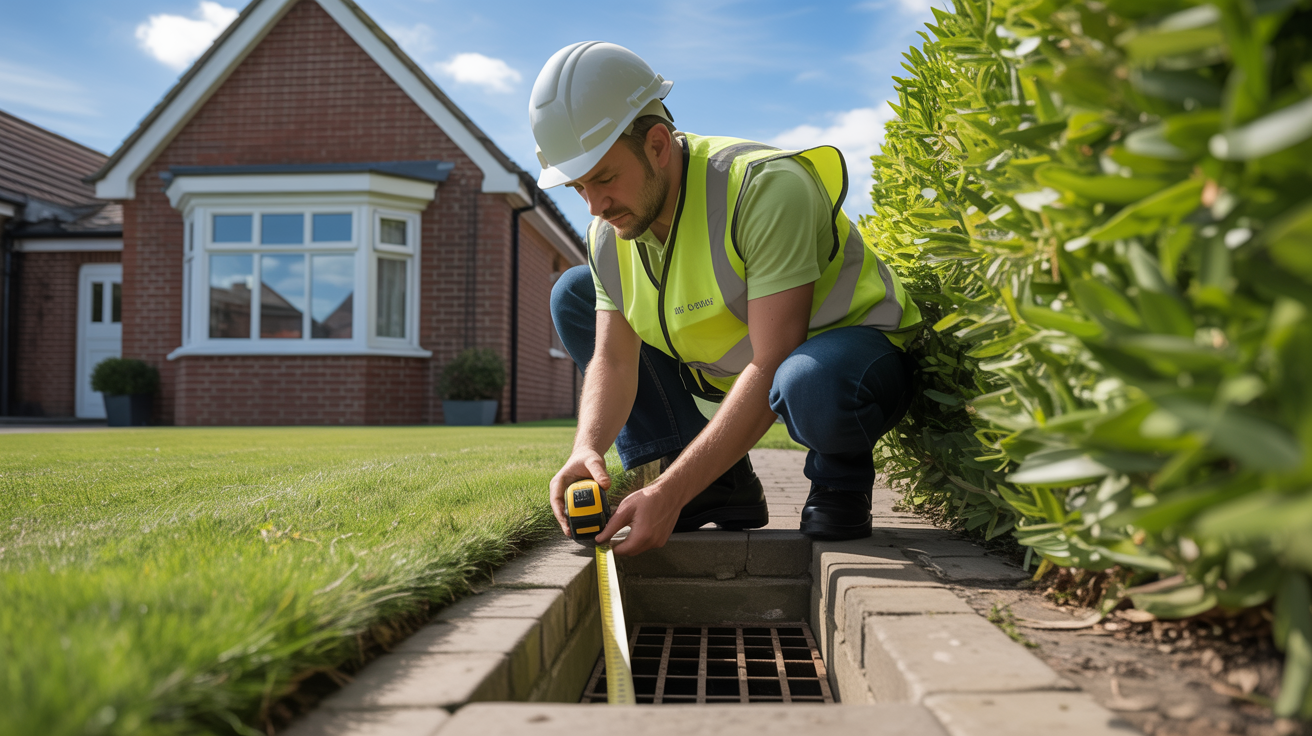
A joined-up PPM regime brings waterproofing, drainage and safety checks into one structured visit, with risk-based reporting that separates routine maintenance from urgent hazards. This gives property teams stronger evidence, clearer priorities and a more defensible basis for planning works across their portfolio.
- Joined-up checks for waterproofing, drainage and safety
- Clear, risk-based reports with practical next steps
- Site-specific starting plans for residential block managers</p>
Need Help Fast?
Locked out, leak at home, or electrical issue? All Services 4 U provides 24/7 UK locksmith, plumbing, electrical.
Testimonial & Clients Who Trust Us
With 5 Star Google Reviews, Trusted Trader, Trust Pilot endorsements, and 25+ years of experience, we set industry standards for excellence. From Dominoes to Mears Group, our expertise is trusted by diverse sectors, earning us long-term partnerships and glowing testimonials.
Worcester Boilers

Glow Worm Boilers

Valliant Boilers

Baxi Boilers

Ideal Boilers

Keep Your Balconies and Terraces Leak-Resistant, Safe and Easier to Manage
You need a balcony maintenance plan that stops small defects becoming leaks, slip risks and expensive reactive works.
If you manage residential blocks, you already know how these issues begin. A blocked outlet. A weak threshold detail. A slippery surface. Movement in a balustrade fixing. None of it looks dramatic. Then it becomes a complaint, a claim or a board-level problem. The real cost sits in delay, repeat visits, resident disruption and unclear ownership.
If you are a managing agent, freeholder, RTM or RMC director, housing provider, surveyor or part of an asset team, you need a defensible, risk-based regime. We inspect what matters, record what is changing, and help you separate routine maintenance from repairs and urgent hazards. You leave with clearer priorities, stronger evidence and a more predictable route forward.
We work the way residential buildings demand. That means practical scopes, clear reporting, and one joined-up view of waterproofing, drainage and safety.
Book a free consultation and leave with a site-specific starting plan.
What Balcony and Terrace PPM Actually Includes
A proper PPM visit covers more than surface cleaning or a quick visual walk-round.
You need one repeatable regime that checks how the balcony or terrace sheds water, how the waterproofing is performing, and whether the area remains safe to use. That means a structured visit, a clear record and a place in your wider maintenance programme.
Waterproofing condition
You need checks that look past appearance alone. A finish can look sound and still hide weak joints, failing coatings, damaged terminations, or movement around penetrations and upstands. The real job is to find early failure points before water moves into the build-up or the structure below.
Typical waterproofing checks include:
- Surface cracking, blistering, lifting or debonding
- Threshold, upstand and edge-detail condition
- Open joints, failed sealants and local damage
- Signs of water tracking at penetrations and abutments
That gives you an evidence-led view of what needs monitoring, repair or renewal planning.
Drainage performance
You also need to know whether water is leaving the surface as intended. Ponding is not always just blocked drainage. It can point to poor falls, local settlement, backfall towards the building, or outlets that exist but do not perform.
Typical drainage checks include:
- Outlet, gully and grating condition
- Debris, silt and biological growth build-up
- Surface falls and persistent standing water
- Overflow routes and visible discharge problems
That matters because slow-draining surfaces raise both leak risk and slip risk.
Safety and access condition
A balcony is not only an exposed envelope element. It is also a fall-risk area used by residents, staff and contractors. Your maintenance regime should therefore include checks to guarding, fixings, surfaces and trip points, not just waterproofing.
Typical safety checks include:
- Balustrade and handrail stability
- Corrosion, distortion or missing fixings
- Slip-prone contamination or worn finishes
- Loose boards, pavers or level changes
If you already have routine estate inspections or a cleaning contractor, that helps. It does not replace a balcony-specific regime that ties waterproofing, drainage and guarding into one inspection record.
Why Waterproofing, Drainage and Safety Need One Inspection Regime
The same failure route often affects all three, so separate checks can miss the cause and drive repeat spend on the wrong fix. You reduce risk faster when one inspection connects water behaviour, surface condition and edge protection.
One defect can create three problems
Standing water after rain is not just an aesthetic issue. It can stress joints, sit against thresholds, feed algae growth, and make the walking surface less safe. If that area sits near guarding or a door threshold, one drainage defect can quickly become a water-ingress issue and a slip hazard.
You may first notice it as a resident complaint about a slippery patch outside a balcony door. Not long after, the same area may start staining the soffit below and raise questions about whether guarding fixings have been sitting wet for too long.
That is why your inspection regime should treat balconies and terraces as systems, not disconnected trades.
Cleaning is not the same as condition control
A balcony can look cleaner and still be deteriorating. Surface washing does not prove the waterproofing remains continuous, confirm that falls are adequate, or tell you whether a balustrade fixing is starting to move. You need cleaning where it improves safety and drainage performance, but you also need structured condition checks that show what is changing underneath.
One visit gives you one usable record
From your side, a joined-up inspection is easier to manage. Instead of separate notes from separate contractors, you get one record that shows what was checked, what was found, what the risk is, and what should happen next.
That makes it easier for you to brief boards, surveyors, residents and follow-on contractors without losing the line between diagnosis and action.
Common Defects That Need Action Before They Escalate
Most serious balcony problems begin with visible signs that are easy to brush off.
You make better decisions when those signs are treated as early warnings instead of minor nuisances. The point is not to overreact. It is to catch the right issue while the fix is still proportionate.
Signs of waterproofing failure
The clearest warning signs are usually water-related. You may see staining to soffits below, damp smells near doors, discolouration in rooms behind the terrace, or repeated leaks after heavy rain. On the deck itself, cracked tiles, lifting finishes, open joints, blisters and failed sealant lines are all reasons to investigate properly.
If water appears to be running back towards the building, the issue may be more than surface wear. It may point to falls, detailing or drainage defects that need targeted remedial work.
Signs of drainage failure
Persistent ponding is one of the strongest signs that something is wrong. If water remains on the surface long after rain has stopped, you may be dealing with blocked outlets, ineffective drainage points, poor falls or local settlement. Overflowing outlets, heavy debris build-up, and repeated algae in the same zones also suggest that the surface is staying wet for too long.
Those are the defects that often lead to the familiar pattern of ponding, overflow, and then internal leak complaints.
Signs of urgent safety risk
Some defects can wait for planned repairs. Others need urgent control. If guarding feels loose, fixings show serious corrosion, a panel is cracked, a surface becomes dangerously slippery, or material is visibly unstable at height, you should treat that as a safety issue first.
The same applies if you see sudden movement, widening cracks, falling fragments or obvious instability. In those situations, the first priority is make-safe action and access control, followed by a documented forward plan.
How Often Your Balconies and Terraces Should Be Inspected
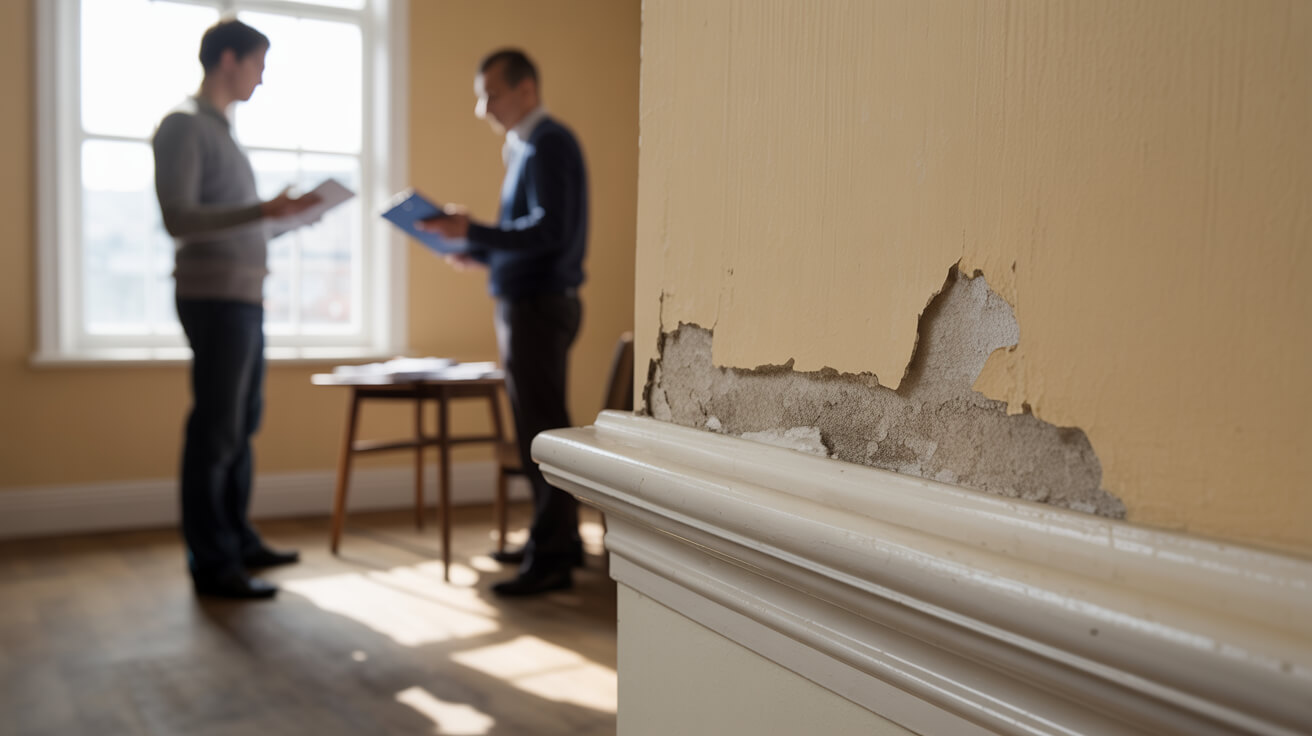
There is no single legal interval that suits every balcony, so your inspection schedule should be risk-based, written down, and tied to the building you actually manage. Exposure, age, height, occupancy, complaint history and known defect patterns all shape what a reasonable interval looks like.
Build the schedule around risk
Lower-risk blocks with limited communal balcony use may suit a lighter formal cycle supported by routine estate awareness. Older, exposed, coastal, high-rise, or defect-prone sites often justify more frequent formal review. The key point is simple. You should be able to explain why a given interval is right for that asset.
Add event-based inspections
Some triggers sit outside the normal calendar. Severe weather, overflow events, impact damage, recurring complaints, active leaks below, or known disturbance by contractors can all justify a targeted follow-up visit.
You do not always need a full survey in response. Sometimes you need a focused inspection that confirms whether the issue is isolated, worsening or creating an urgent risk.
Adjust the programme as the evidence changes
A good PPM regime is not static. If defects repeat, staining spreads, or winter slip complaints increase, you should tighten the cycle. If findings stay stable and low-risk over time, you can hold the regime steady with more confidence.
We help you document that logic so your maintenance plan moves with evidence, not habit.
How We Inspect, Report and Help You Act
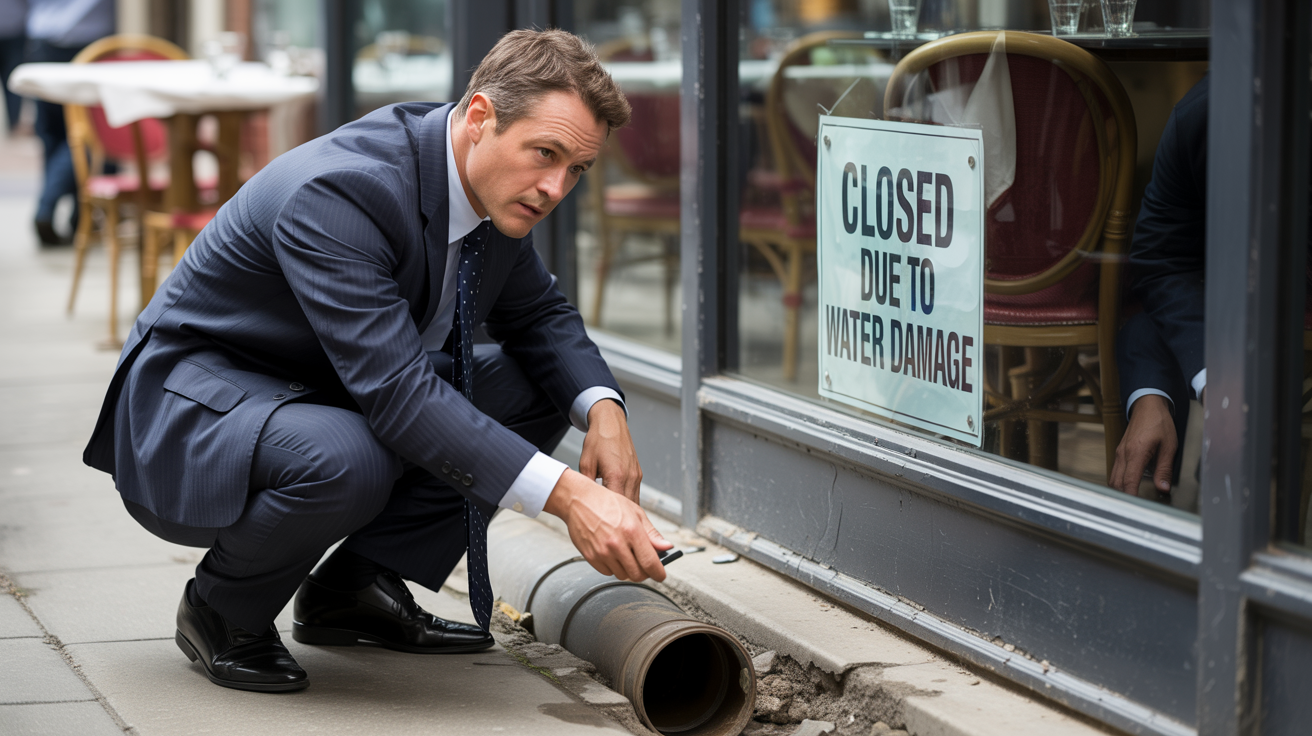
You need more than a fault list; you need a process that turns site findings into clear next steps so you can authorise work, brief others and manage risk without delay.
What we check on site
We inspect how water moves across the surface, how the waterproofing or wearing layer is performing, and whether the balcony remains safe to use. That includes falls, outlets, gratings, joints, thresholds, upstands, surface condition, guarding, fixings and visible soffit evidence below.
Where access constraints affect the inspection, we record that clearly so you know what was seen, what was not seen, and what may need a follow-up approach.
How we rate risk and priority
Not every defect needs the same response. Some findings belong in routine maintenance, some need near-term repair planning, and some require urgent control because they affect safety or active water ingress. We classify findings so you can separate monitor, repair and make-safe decisions without fighting through vague technical language.
What you receive after the visit
You receive reporting built to be used, not parked in a folder. That usually includes:
- Condition summaries by area or asset
- Defect photographs and location references
- Clear priority ratings and next actions
- Notes on access limits or follow-up needs
That gives you something you can use with residents, boards, surveyors and contractors immediately.
If you want a first-round scope that fits your blocks, we can map that out in a free consultation before the first visit is booked.
Accreditations & Certifications








Why Planned Maintenance Costs Less Than Reactive Repairs
The real saving comes from avoiding escalation, duplication and uncertainty. You are not buying inspections for their own sake. You are buying clearer control over defects that would otherwise turn into repeat attendance, internal reinstatement, complaint handling and rushed approvals.
Reduce claim and leak exposure
Many of the costliest water-ingress events start with the same three triggers: blocked drainage, weak detailing at thresholds or upstands, and small areas of membrane or surface damage left too long. Catching those early is usually cheaper than tracing a live leak through occupied parts of the building.
It also gives you better evidence if an insurer or loss adjuster later asks what was known and what was done.
Lower disruption and repeat attendance
Reactive-only repairs often create fragmented site activity. One visit diagnoses, another investigates, another returns with parts, and a later visit deals with internal making-good. Residents see repeated disruption and you spend more time coordinating access and communication than expected.
Planned inspection and minor works reduce that friction by clustering visits and creating clearer scopes for anything larger that follows.
Turn findings into a workable programme
Over time, PPM helps you see which balconies need quick intervention, which need closer monitoring, and which may need renewal planning in future budgets. That helps you move from one-off decisions to a workable programme.
All Services 4U can help you turn those findings into phased actions, so you are not forced to treat every balcony defect as an isolated event.
Reliable Property Maintenance You Can Trust
From routine upkeep to urgent repairs, our certified team delivers dependable property maintenance services 24/7 across the UK. Fast response, skilled professionals, and fully insured support to keep your property running smoothly.

Book Your Free Consultation With All Services 4U Today
You make better decisions when you can talk through your actual buildings, risks and constraints. That is the point of this consultation.
In one focused conversation, we can review your balcony types, defect history, resident complaints, access issues and reporting needs. We can then outline the right first step for you, whether that is a one-off diagnostic, a pilot inspection round or a wider PPM programme.
At the end of that conversation, you should have a clearer view of what needs checking, how often the regime should run, and what reporting and remedial planning should follow. That gives you a stronger basis for briefing your board, your residents or your internal teams.
Book your free consultation with All Services 4U today.
Frequently Asked Questions
What should a balcony inspection and terrace inspection give you on site, not just on paper?
A balcony inspection should give you a usable risk picture, a clear action list and a record that supports approvals.
That is the difference between a balcony inspection that looks active and one that actually helps you manage the asset. On site, a proper terrace inspection should test how the balcony or terrace performs in real conditions. Your team should look at waterproofing, drainage, slip resistance, guarding stability, exposed fixings and visible movement in one joined-up review. It should also confirm whether water clears properly, whether outlets are blocked, whether thresholds and upstands remain weather-tight, and whether finishes are still safe to walk on. Upstands are the raised edges that help stop water passing into walls or doors. If they are weak or damaged, the defect can spread fast.
For a board director, that visit should support a spending decision. For a managing agent, it should support a contractor brief. For an insurer or broker, it should show reasonable maintenance control. For a lender or valuer, it should help demonstrate that balcony maintenance is being handled before deterioration affects wider confidence in the building. RICS-aligned asset management and planned preventative maintenance both support this logic: inspect early, record clearly and intervene before small failures become reactive cost chains.
A balcony visit only proves its value when it changes the next decision.
If your current balcony condition survey ends with vague wording like monitor condition and little else, you do not have a maintenance tool. You have a loose note. A sharper balcony inspection usually gives you more control with less argument.
What should your balcony maintenance team check every time?
Your balcony maintenance team should check the balcony or terrace as one system, not as separate cosmetic defects.
That normally includes:
- waterproofing surfaces, joints, thresholds and upstands
- outlets, channels and gullies
- ponding or slow drainage after rainfall
- balustrades, handrails and exposed fixings
- loose finishes, trip points and contamination
- staining or leakage to the *soffit*, meaning the underside, below
A strong balcony condition survey should also record access limits. If a high edge, hidden junction or occupied area could not be inspected safely, that should be stated clearly. That protects your team and avoids false reassurance later.
Why does a generic balcony inspection checklist miss the commercial point?
A generic checklist often records items without showing what they mean for risk, cost or timing.
That is where many balcony maintenance plans weaken. A blocked outlet may look minor, but it can cause ponding. Ponding can stress a joint. The failed joint can then drive a balcony leak investigation, internal staining and resident complaints. If the inspection does not connect those points, you are left approving isolated fixes without seeing the pattern.
That matters commercially. Boards need a reason to release budget. Managing agents need enough detail to brief works once, not twice. Insurers need proof that deterioration was being monitored. Residents need an explanation that sounds competent and calm, not improvised. NBS planned maintenance guidance supports structured, reusable defect information for exactly this reason.
How should inspection outputs make approvals and claims easier?
The best outputs make the next decision easier to defend.
| Output | Why it matters | What it helps you do |
|---|---|---|
| Photo-led defect schedule | Shows what was found | Brief contractors clearly |
| Priority rating | Separates monitor, repair and urgent risk | Approve works faster |
| Access limitation note | Shows what was not seen | Plan follow-up properly |
| Recommended next action | Turns findings into decisions | Build a credible maintenance plan |
| Location markup | Fixes the defect to a place | Avoid duplicated visits |
| Closure trail | Shows what changed after inspection | Support insurer or board queries |
That level of reporting is not excessive. It is what turns a balcony inspection into a management document. If your current terrace inspection does not support approvals, reserve planning and resident communication, a focused diagnostic review is often the most practical next move.
Why do balconies and terraces keep leaking after patch repairs that looked minor?
Balconies and terraces usually keep leaking because the visible mark is rarely the real water entry point.
That is why a balcony leak investigation often matters more than the first repair. A stain gets cleaned. A joint gets resealed. A finish looks better for a few weeks. Then rain returns and so does the complaint. In many cases, water is entering at a threshold, around a penetration, through failed detailing, under a finish, or because falls and drainage are not performing as intended. NHBC guidance has long stressed the need for correct falls and drainage because standing water turns small weaknesses into recurring failures.
For you, the cost is rarely just the patch repair. It is the second attendance, the resident complaint, the internal making good, the management time and the awkward budget line that follows. For a board, that raises governance questions. For a managing agent, it creates avoidable call-chasing. For an insurer, repeated balcony leaks can start to look like weak maintenance control rather than an isolated incident. For a lender or valuer, a pattern of unresolved balcony maintenance can undermine confidence in the wider asset.
A repeat leak usually points to a weak diagnosis before it points to a weak repair.
A better balcony leak investigation changes the question. Instead of asking what can be sealed today, you ask where water is likely travelling, why it is staying there, and which defect is allowing it to enter. That shift is what stops your team paying twice for the same problem.
Why can a balcony look cleaner but still perform badly?
A cleaner balcony is not always a better-performing balcony.
Cleaning removes algae, grime and loose debris. It does not correct poor falls, failed drainage, movement at junctions or weak waterproofing. A terrace inspection can show a balcony that looks improved but still holds water after rainfall. Fresh sealant can hide the symptom for a while, but if the drainage path is still wrong, the defect remains active.
That is why some of the most frustrating balcony maintenance cases are the ones that have already been “fixed.” The visible surface changed. The water route did not.
What failure patterns does a balcony condition survey misread most often?
These patterns are often underestimated:
- blocked outlets treated as simple housekeeping
- fresh sealant applied while drainage defects remain
- soffit staining treated as isolated damp
- one dwelling investigated while the wider balcony layout is ignored
- local cracking treated cosmetically while movement continues
CROSS reporting has repeatedly shown that ordinary-looking balcony details can create disproportionate consequences when movement, corrosion or moisture pathways are misunderstood. That matters for managing agents and compliance leads because a small defect can become a large claim when the diagnosis misses the system around it.
How should you decide whether to approve another patch repair?
You should ask one direct question first: where is the water likely travelling, and what site evidence supports that view?
If the answer is broad reassurance, guesswork or another suggestion to “monitor and reseal,” you still do not have enough to approve spend with confidence. That is the point where a fuller balcony condition survey or terrace inspection becomes commercially sensible. It helps you decide whether the issue needs local repair, broader balcony maintenance, or phased renewal.
If your block is already seeing repeat balcony leak investigation callouts, the safer step is not another isolated patch. It is a site-specific review that converts repeated symptoms into a plan your board, insurer and residents can all understand.
When should a balcony defect or terrace defect be treated as an urgent safety issue?
A balcony defect should be treated as urgent when safe use is affected now, not when the defect merely looks untidy.
That line matters because weak classification creates risk from both directions. If every issue is labelled urgent, budgets distort and serious defects lose meaning. If unstable defects are treated as routine Terrace Maintenance PPM, you expose residents, visitors and decision-makers to a trail that becomes difficult to defend later. CROSS has repeatedly highlighted that visible warning signs can be present before balcony and balustrade failures occur. The Building Safety Regulator context also matters here, especially for higher-risk buildings, because poor escalation logic can become more than a maintenance issue.
Routine balcony maintenance usually covers stable conditions such as light contamination, early wear, local sealant fatigue or minor finish deterioration. Planned repair sits in the middle: recurring ponding, repeated damp signs, local waterproofing breakdown or loose finishes that are worsening but not yet creating immediate danger. Urgent response begins when use itself becomes unsafe. That can include balustrade movement, loose paving near an edge, shedding material, severe corrosion to fixings or a walking surface that presents a live slip hazard.
For a board, that affects duty and record keeping. For a managing agent, it affects access control and contractor instruction. For an insurer, it affects whether the response looked reasonable. For residents, it affects trust fast. If your inspection notes do not show where routine ends and urgent begins, your regime is relying too heavily on individual judgement.
What questions should you ask first when classifying balcony risk?
Three questions usually clarify the response:
- could someone fall, slip badly or be struck now?
- is the defect unstable or visibly worsening fast?
- would delay be difficult to justify if an incident happened?
If the answer is yes to any one of those, treat the issue as urgent until a competent inspection says otherwise.
What should happen first when the balcony risk is immediate?
Control should happen first.
That may mean restricting access, isolating a terrace area, notifying residents, recording the defect and arranging a competent inspection without delay. If guarding moves under load, or paving is loose near a drop, there is little value in waiting for a later review. The record should show who identified the issue, what control was applied, what evidence was captured and what next step was instructed.
That protects people first. It also protects your decision trail.
How should common balcony findings sit in different risk categories?
| Finding | Likely category | Typical next step |
|---|---|---|
| Light algae build-up | Routine | Clean and review |
| Persistent ponding after rainfall | Planned repair | Assess drainage and falls |
| Small isolated joint failure | Planned repair | Local remedial works |
| Loose paving near edge | Urgent | Make safe and restrict use |
| Balustrade movement | Urgent | Immediate control and inspection |
| Material shedding from edge | Urgent | Isolate area and inspect |
If your balcony inspection reports do not separate these categories clearly, your team is making cost and safety decisions with blurred signals. A sharper terrace inspection brief now is usually cheaper than an overreaction later, or worse, an avoidable incident.
How should you set balcony inspection and terrace inspection frequency so the regime stands up?
You should set balcony inspection frequency on a risk-based basis that you can explain to a board, insurer or lender.
There is no single interval that suits every building. A sheltered low-rise block with simple private balconies does not carry the same exposure as a coastal high-rise, a podium deck over occupied space or a heavily used communal terrace. Design complexity, age, leak history, access difficulty, weather exposure and occupancy all affect the right schedule. IHBC guidance supports regular, proportionate inspection because defects are easier and cheaper to manage when deterioration is tracked early.
For most portfolios, the strongest planned preventative maintenance regime combines formal balcony inspection visits with trigger-led reviews. That means a planned cycle, plus extra checks after storms, repeated complaints, impact damage, blocked drainage, visible staining below or recurring slip concerns. The strength of the regime is not that it sounds strict. The strength is that you can justify it.
That matters in practice. A board will ask why this interval was chosen. An insurer may ask whether inspections were proportionate to known risk. A lender or valuer may ask whether the asset has a credible control framework. A managing agent needs a schedule that can actually be delivered. If your answer is just “once a year because that is what we do,” the regime may not stand up well under pressure.
Which balconies and terraces usually need more frequent inspection?
Balconies and terraces usually need more frequent inspection when one or more of these apply:
- high exposure to wind-driven rain
- older waterproofing or known detailing weaknesses
- previous balcony leak investigation history
- high-rise or difficult access conditions
- heavy communal use
- recurring slip complaints
- repeated repairs in the same zone
The point is not to inspect more for the sake of it. It is to inspect more where hidden deterioration or repeat failure is more likely.
What should a workable balcony inspection regime look like in practice?
A workable regime often includes several layers:
| Inspection type | Purpose | Typical trigger |
|---|---|---|
| Formal balcony inspection | Condition review and prioritisation | Set annual or risk-led cycle |
| Interim visual review | Catch obvious change early | Seasonal or operational review |
| Event-led terrace inspection | Confirm no deterioration after stress event | Storm, complaint or incident |
| Repeat-risk review | Recheck known weak areas | After leaks, ponding or slips |
That structure helps you show the regime is active, proportionate and evidence-based.
Why is “once a year” often not a real balcony maintenance strategy?
Because “once a year” is only useful if it reflects the actual asset.
If it is just a copied default, it gives little protection when defects repeat between visits or when directors ask why warning signs were visible earlier. A building-specific balcony maintenance schedule, even if modest, is usually more defensible than a generic annual line with no rationale behind it.
If your current planned preventative maintenance cycle cannot be explained by risk, use and history, it is usually time to review the schedule before the next complaint forces the conversation.
What records should balcony maintenance create if you need decisions to stand up later?
Balcony maintenance records should show what happened, why it mattered, who owned it and what changed next.
That is what makes the file defensible later. Many balcony defects become governance problems because the record is thin. Someone remembers a leak. A contractor attended. A few photos exist. An email chain mentions a loose tile or staining below. But when the board, insurer, lender or legal adviser asks for the full trail, the information is scattered and hard to reconstruct.
That weakens confidence fast. Not because nobody acted, but because the evidence does not tell a coherent story. A proper balcony maintenance trail within a Terrace Maintenance PPM should show the inspection date, exact location, defect description, risk category, recommended action, owner, target date and closure proof. If access was limited, that should be recorded. If the issue was judged stable rather than urgent, the reason should be recorded. If the defect links to a wider balcony leak investigation, envelope issue or safety concern, that should be visible too.
For a board, that supports approval decisions. For a managing agent, it reduces back-and-forth with contractors. For an insurer or broker, it supports reasonable management. For a lender or valuer, it supports confidence in condition control. For legal or tribunal review, it helps show proportionate action rather than loose memory.
What should the minimum balcony evidence trail include?
At minimum, the record should include:
- inspection date and exact area inspected
- photographs with enough context to show location
- plain-English defect description
- risk or priority category
- recommended action and timescale
- named owner or responsible party
- closure evidence and closure date
- note of any access limitation or uncertainty
That is not over-reporting. It is what turns balcony inspection into a defendable decision trail.
Why do weak balcony records create more cost than they seem to?
Weak records create cost in places that rarely sit on the first quote.
They slow approvals. They create duplicated visits. They weaken resident communication. They force managers and surveyors to rebuild the story later. They also make it harder to challenge poor contractor advice because there is no stable evidence baseline. NBS and wider planned maintenance practice support traceable, reusable information because planned preventative maintenance only works well when findings can be used again.
How do stronger records help each stakeholder differently?
| Stakeholder | What they need | Why the record matters |
|---|---|---|
| Board or RTM director | Risk and spend rationale | Faster, safer approvals |
| Managing agent | Action ownership and status | Better delivery control |
| Resident services team | Plain explanation of progress | Fewer escalations |
| Insurer or broker | Evidence of reasonable management | Stronger claim or renewal position |
| Lender or valuer | Confidence in asset controls | Cleaner lending discussions |
If your current balcony maintenance file still depends on inbox searches or old phone photos, improving the evidence trail is one of the quickest practical wins available.
How can planned balcony maintenance reduce service-charge pressure without just adding more spend?
Planned balcony maintenance reduces service-charge pressure by preventing small defects from turning into reactive cost chains.
Most expensive balcony problems do not start as dramatic failures. They start as ordinary defects left to drift. A blocked outlet causes ponding. Ponding stresses a joint. Water reaches the soffit or room below. A resident reports staining. A contractor attends reactively with limited context. Access is arranged twice. Internal repairs follow. Complaint handling time rises. Then the board asks why the spend looks so high compared with the visible defect.
That is where planned preventative maintenance earns its place. It catches low-cost defects while they are still low-cost. It reduces duplicated attendance, improves scope clarity and lets you phase larger works instead of absorbing them as surprises. NBS planned maintenance guidance supports that principle: the value is in timing, prioritisation and structured decision-making, not maintenance for its own sake.
For boards and finance leads, that improves budget control and reserve planning. For managing agents, it reduces repeated callouts and scope confusion. For insurers, it supports a stronger maintenance narrative at renewal or claim stage. For residents, it reduces the feeling that the same balcony issue is being “fixed” over and over again with no real result.
The cost problem is rarely the first defect. It is the unmanaged chain that follows.
How does planned balcony maintenance save money in practice?
The biggest savings usually come from avoiding hidden cost around the repair.
That can mean:
- fewer emergency attendances
- fewer repeated access visits
- less internal reinstatement after balcony leaks
- cleaner contractor scopes
- better sequencing of local repairs and renewals
- less complaint handling time
- fewer rushed approvals outside normal governance
That is how balcony maintenance becomes cost control rather than another line of spend.
Why does reactive balcony spend feel higher than expected?
Reactive spend feels high because it is fragmented.
You are not only paying for labour and materials. You are paying for urgency, repeated diagnosis, resident coordination, temporary controls, management time and uncertainty. In many cases, the balcony defect itself is the cheapest part of the event.
That is why a board-ready balcony condition survey often pays back before major works begin. It improves the quality of the spend decision, not just the quality of the inspection.
What is the lowest-friction way to move from reactive to planned balcony maintenance?
You do not need a portfolio-wide programme on day one.
A sensible first move is usually one of these:
- a site-specific balcony condition survey on the highest-risk block
- a review of repeat balcony leak investigation locations
- a sample terrace inspection round on exposed communal areas
- a board summary of defect patterns and likely next steps
That gives you evidence before commitment. It also helps you decide whether the next pound should go to local repair, further balcony inspection, or phased renewal.
If service-charge pressure is already appearing in resident or board conversations, this is often the right point to build that condition history. The stronger move is not to wait for the next complaint. It is to show that your team can see the pattern, prioritise it and act before the budget starts following the defect instead of controlling it.
- Keep Your Balconies and Terraces Leak-Resistant, Safe and Easier to Manage
- What Balcony and Terrace PPM Actually Includes
- Why Waterproofing, Drainage and Safety Need One Inspection Regime
- Common Defects That Need Action Before They Escalate
- How Often Your Balconies and Terraces Should Be Inspected
- How We Inspect, Report and Help You Act
- Why Planned Maintenance Costs Less Than Reactive Repairs
- Book Your Free Consultation With All Services 4U Today
- Frequently Asked Questions
- Related PPM Services
Case Studies


Related Articles

Your Guide To Identifying And Treating Minor Mould Outbreaks
Why Planned Preventative Maintenance (Ppm) Saves Money And Ensures Compliance