Gutter Cleaning PPM Services UK – Bi-Annual Gutter Clearance & Downpipe Maintenance
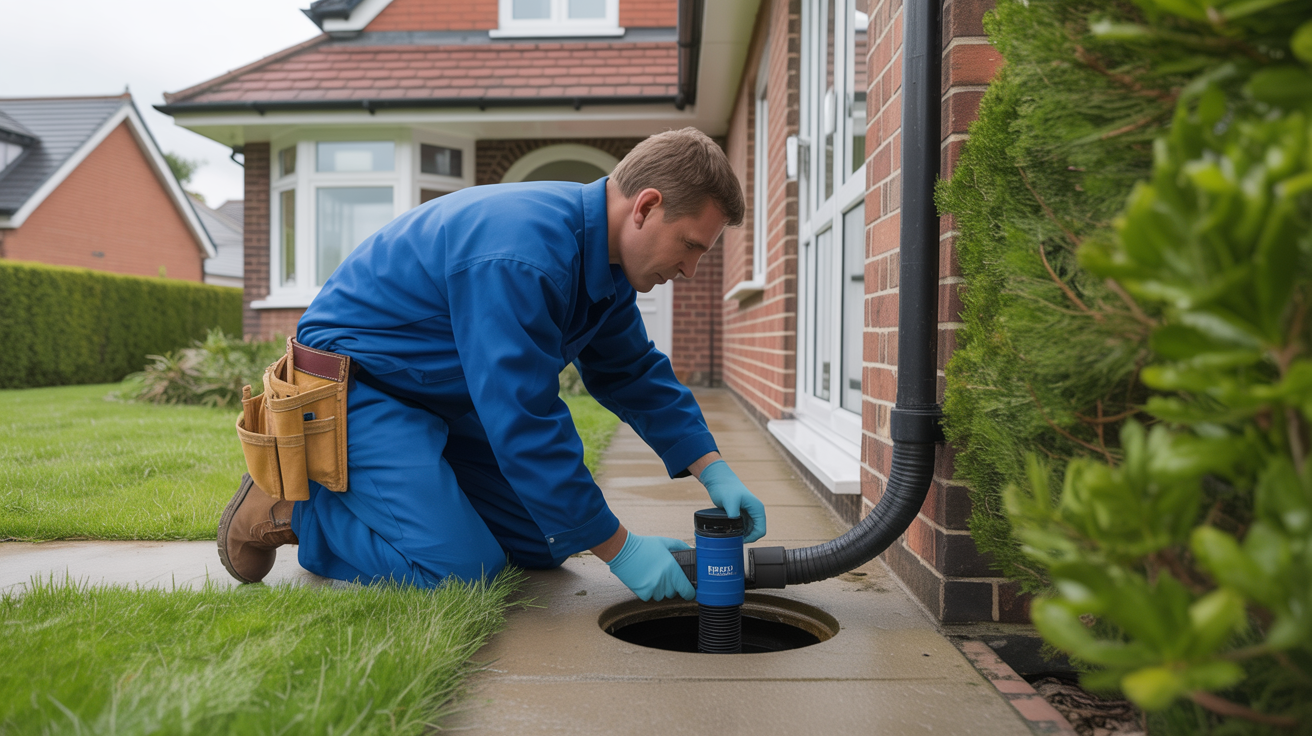
Property managers and asset teams responsible for blocks, estates or mixed-use sites can keep gutters and downpipes working with a bi-annual planned maintenance programme across the UK. Scheduled clearance, defect checks and photo-backed reporting reduce avoidable water ingress and repeat complaints, depending on constraints. Each visit ends with restored flow, documented issues and a clear record of care agreed to your scope. A structured plan makes it easier to justify budgets and move maintenance decisions forward with confidence.



Author
Izzy Schulman

Managing shared buildings means blocked gutters and downpipes can quietly turn into staining, damp and avoidable complaints. Without a planned approach, you spend more time reacting to problems than maintaining a clear record of care for your blocks, estates and mixed-use sites.

A bi-annual gutter cleaning and downpipe maintenance programme gives you scheduled visits, practical clearance and usable evidence after each job. With flow restored, defects identified and site-specific photo reporting, you gain a service that is easier to budget, instruct and explain to residents, directors and clients.
- Reduce avoidable water ingress and repeat gutter callouts
- Get photo-backed reports and clear maintenance records each visit
- Support budgeting, oversight and follow-up decisions across your portfolio</p>
Need Help Fast?
Locked out, leak at home, or electrical issue? All Services 4 U provides 24/7 UK locksmith, plumbing, electrical.
Testimonial & Clients Who Trust Us
With 5 Star Google Reviews, Trusted Trader, Trust Pilot endorsements, and 25+ years of experience, we set industry standards for excellence. From Dominoes to Mears Group, our expertise is trusted by diverse sectors, earning us long-term partnerships and glowing testimonials.
Worcester Boilers

Glow Worm Boilers

Valliant Boilers

Baxi Boilers

Ideal Boilers

You get a planned gutter maintenance service that reduces avoidable water ingress and gives you a clear record of care.
If you manage a block, estate, mixed-use building, or residential portfolio, you need more than a one-off clean. You need a scheduled, documented routine that keeps rainwater goods working, spots defects early, helps you answer residents, directors, insurers, and clients with confidence, and gives you a service you can budget, instruct, track, and review without guesswork.
A twice-yearly programme is a common starting point in the UK because it fits the periods when debris build-up and weather exposure tend to show weaknesses. That does not mean every building needs the same schedule. It means you start with a sensible baseline and adjust it to the site.
If you want fewer reactive callouts and stronger evidence after each visit, ask us to map the right cadence for your building.
What you get on each planned visit starts with proper clearance and ends with usable evidence.
A planned visit should leave you with flow restored, defects identified, and records you can use.
What we clear
Your gutters are cleared of leaves, moss, silt, and debris across the runs included in your scope.
We remove the material that stops water reaching the outlet properly. We also check the collection points where blockages often build first, because a gutter can look clear from one angle and still fail when heavy rainfall hits the system.
If your building has hopper heads, awkward corners, or repeat problem areas, those points should be covered within the planned visit instead of becoming separate problems later.
What we check
Your downpipes, outlets, joints, and visible fixings are checked so the system can discharge properly.
That means looking for the issues that turn a routine maintenance item into a larger repair: leaks, loose brackets, corrosion, cracks, poor alignment, staining, or signs that water is escaping where it should not. Downpipe maintenance is not a quick glance. It is a practical check that the route is intact and discharge is happening properly.
Where the system can be tested safely, flow should be confirmed rather than assumed. That is the difference between debris removal and maintenance you can rely on.
What you receive afterwards
You should receive completion notes, site-specific images, and a clear record of anything that needs follow-up.
That matters because it separates three things that often get blurred together: what was maintained, what was observed, and what now needs approval as a repair. When those are split properly, you spend less time debating whether the visit was completed and more time making the right next decision.
The right visit frequency depends on your building, not just the calendar.
Twice-yearly clearance is a sensible baseline, but the right schedule follows risk, debris load, and building form.
The common starting point
Your building will often suit spring and autumn visits if debris patterns are moderate and access is straightforward.
This works well if you manage a residential block or similar site where debris levels are predictable and access is relatively simple. It catches build-up after leaf fall and checks the system again after winter weather. It is a practical default for shared gutters, common parts, and portfolio planning.
If your history is quiet and the site is low-risk, you may review that frequency. If your site repeatedly overflows, that review should move the other way.
When the schedule needs to increase
Your gutters may need more attention if trees, wind exposure, or past blockages make failure predictable.
Overhanging branches, pine needles, sheltered valleys, internal outlets, parapets, and mixed-use roof layouts all change the risk. A building with one troublesome elevation may need an extra targeted visit there rather than a generic uplift across the whole site.
Storm events matter as well. A post-storm inspection is not the same as a full planned cycle, but it can be the right extra control when recent weather is likely to have pushed debris into the system.
How we shape the plan
Your schedule should be based on condition, layout, and operational reality rather than assumption.
We review building height, roof form, tree cover, access constraints, complaint history, and whether you need reporting by block, elevation, or portfolio. You get a recommendation that is easier to defend internally because it follows the site, not a blanket promise.
Neglected gutters usually create a chain of problems before they create one obvious failure.
Blocked or poorly performing rainwater goods often show up first as overflow, repeated wetting, staining, damp, or recurring complaints.
How the damage starts
Your walls and roof edges can be wetted repeatedly when water cannot leave the gutter as designed.
That repeated overflow matters because it drives moisture onto elements that should stay comparatively dry. Over time, that can contribute to penetrating damp, roof-edge leakage, fascia and soffit deterioration, and internal symptoms that later get treated as isolated faults even though the cause began outside.
Why small defects become expensive
Your minor maintenance issue can become a wider repair package when nobody catches it early.
A loose joint, corroded section, sagging fall, or partially blocked outlet is usually cheaper to address when it is found during routine maintenance. Left alone, the same issue can lead to reactive attendance, internal making-good, resident dissatisfaction, and harder conversations about why the problem was allowed to build.
That is why planned maintenance protects more than the gutter itself. It protects the surrounding fabric and the time you would otherwise spend dealing with the fallout.
Why documentation changes the outcome
Your records often matter almost as much as the maintenance when questions start later.
Buildings insurance will usually respond more comfortably to sudden insured events than to gradual deterioration, wear, or neglect. If overflow, damp, or staining becomes part of an insurance or causation discussion, a documented maintenance trail leaves you in a far stronger position than a pile of invoices with no clear proof behind them.
Clear reporting makes the service easier to approve, monitor, and justify.
You need maintenance records that support operations, governance, and budget decisions, not just proof of attendance.
What a useful audit trail looks like
Your file should show the date, location, findings, images, and next actions in one place.
That gives you something practical to send to a board, client, freeholder, surveyor, or leaseholder group. It also makes follow-on decisions cleaner because you can see whether the system was maintained, whether a defect was identified, and whether a repair is now waiting for approval.
Why this matters for boards and managers
Your oversight gets easier when you can show what was planned and what actually happened.
If you sit on an RTM board, manage service charges, or report into a landlord or asset owner, you need evidence that is easy to read and hard to misread. Good reporting reduces friction because it answers the obvious questions early: Was the work done? What was found? What now needs a decision?
How All Services 4U helps you reduce admin
Your team should not have to chase basic proof after every planned visit.
We structure gutter PPM around straightforward outputs: visible completion evidence, location-specific findings, and a clear distinction between maintenance and remedial recommendations. That helps you review the result quickly and move to the next decision without avoidable back-and-forth.
If you want reporting that is ready for internal approval rather than internal translation, ask to see a sample pack.
Safe access and disciplined site delivery matter as much as the cleaning itself.

A credible gutter maintenance provider should make access, disruption, and evidence quality part of the service from the start.
How access is planned
Your building needs an access method that reflects its height, layout, and surrounding risk.
The starting point is not convenience. It is choosing a method that suits the site and controls work-at-height risk properly. Ground conditions, pedestrian routes, parked vehicles, restricted areas, and occupied entrances all shape how the work should be carried out.
How disruption is controlled
Your occupiers and residents should not deal with avoidable disruption during a routine visit.
Scheduling, site setup, debris control, and communication all matter here. A well-run visit respects entrances, trading hours, shared areas, and the fact that you may already be managing several moving parts across the building at once.
What completion should look like
Your close-out should make it obvious whether the visit fully covered the planned scope.
If part of the system was inaccessible, interrupted, or unsafe to complete on the day, that should be recorded clearly rather than buried inside a vague completion statement. Good delivery gives you confidence. Honest reporting about limits gives you control.
Accreditations & Certifications








This works best where gutter performance affects more than just the roofline.

You get the strongest value from this approach when you manage a block, estate, mixed-use site, or portfolio where rainwater maintenance needs to be routine, visible, and repeatable.
Residential blocks and RTM-managed buildings
Your building benefits when routine upkeep can be explained clearly to residents and directors.
Shared gutters, communal risk, and service-charge scrutiny make documentation especially valuable here. You are not only preventing overflow. You are protecting trust in how the building is being managed.
Mixed-use buildings and estates
Your site benefits when one maintenance routine can cover shared roofs, varied occupiers, and different access conditions.
Mixed-use properties often create awkward boundaries around control, responsibility, and disruption. A planned service helps because it turns rainwater maintenance into a defined programme instead of a blame point after heavy weather.
When ad hoc cleaning stops being enough
Your building needs more than reactive attendance when the same issues keep returning.
If you are dealing with recurring overflow, damp concerns, insurer queries, resident complaints, or patchy maintenance records, the problem is usually not just debris. It is the lack of a proper cycle of inspection, clearance, evidence, and follow-up.
Reliable Property Maintenance You Can Trust
From routine upkeep to urgent repairs, our certified team delivers dependable property maintenance services 24/7 across the UK. Fast response, skilled professionals, and fully insured support to keep your property running smoothly.

Book Your Free Consultation With All Services 4U Today
You need a gutter maintenance plan that fits your building, your reporting requirements, and your level of risk.
We will review your site type, access constraints, tree cover, blockage history, and current maintenance pattern. You will leave with a clearer view of what a twice-yearly programme should include, where the schedule may need to increase, and what evidence you should expect after each visit.
If you manage several properties, we can also help you standardise how planned gutter and downpipe maintenance is scheduled and reported across the portfolio. That makes your next approval, board update, or insurer query easier to handle.
Book your free consultation with All Services 4U today.
Frequently Asked Questions
Why should bi-annual gutter cleaning still include post-storm inspections on some UK buildings?
Bi-annual gutter cleaning sets a useful baseline, but a post-storm gutter inspection is what keeps that baseline realistic.
A spring-and-autumn gutter cleaning PPM schedule gives you order, budget visibility, and a repeatable maintenance pattern. What it cannot do is freeze roof drainage conditions between visits. One storm can move leaves, moss, nesting debris, gravel, or broken roof material into an outlet that was flowing properly a week earlier. The schedule may still be correct on paper while the building is already moving towards overflow.
Twice-yearly cleaning covers the calendar. Severe weather tests the building.
That is why planned gutter maintenance works best when it responds to exposure as well as dates. Historic England has long supported the wider principle that maintenance should reflect actual building condition and weathering, not a fixed timetable alone. A sheltered low-rise block with simple roof geometry may cope well with two routine attendances. A taller or more exposed block may not. Once wind, tree cover, parapets, valleys, stepped roofs, or hard-to-see rear elevations enter the picture, the risk changes.
For a landlord, RTM director, or managing agent, this is less about cleaning frequency and more about control. If one blocked hopper head leads to overflow staining, top-floor damp, resident frustration, or an insurer query, the discussion is rarely about whether a contractor attended in March. The real question is whether your gutter cleaning PPM matched the building you actually manage.
If you are the person expected to explain the next overflow to a board or broker, this is usually where a planned gutter maintenance review becomes easier than another apology.
Which buildings usually justify a post-storm gutter inspection?
Buildings with repeated weather exposure usually justify a post-storm gutter inspection even when bi-annual gutter cleaning is already in place.
That commonly includes taller residential blocks, buildings near mature trees, sites with parapets and valleys, mixed-use properties with several roof levels, and blocks with a history of one-sided overflow. The issue is not the label on the building. It is the drainage behaviour of the site. If one elevation repeatedly catches debris or one rear section regularly takes the weather hardest, your planned gutter maintenance should reflect that pattern.
A risk-led specification is stronger than a generic one. The building should not have to fail in the same place three times before the maintenance plan catches up.
What changes after a storm even when the last visit was recent?
A storm can change drainage performance overnight even when the last gutter cleaning visit was recent.
That change is not always obvious from ground level. A gutter can still look tidy while one outlet has filled with wind-blown debris or one joint has shifted just enough to alter flow. Once the next spell of heavy rain arrives, appearance stops mattering. Function takes over.
A post-storm gutter inspection should usually confirm:
- whether outlets and hopper heads are still clear
- whether downpipes are discharging properly
- whether joints, brackets, and fixings remain secure
- whether overflow staining has appeared
- whether awkward or concealed sections have trapped debris
For many property teams, this is the point where a small reactive task becomes an avoidable chain of resident contact, internal damp checks, and reporting pressure. A short inspection after severe weather is often cheaper than rebuilding the timeline later.
How should your gutter cleaning PPM specification deal with weather exposure?
Your gutter cleaning PPM specification should include weather-trigger logic, not just fixed dates.
A weak scope says clean gutters twice yearly. A stronger scope says clean gutters twice yearly and carry out post-storm inspections where severe weather, tree cover, prior overflow, or building form increase drainage risk. That wording changes the quality of the service immediately. It gives your contractor a clearer trigger, gives your property manager a cleaner approval route, and gives your board a more defensible explanation if extra attendance is needed.
The Royal Institution of Chartered Surveyors and the RICS Service Charge Residential Management Code both support the broader expectation that maintenance decisions should be proportionate, explainable, and properly recorded. In practical terms, that means your specification should fit the site rather than relying on a generic phrase copied into every block contract.
If your portfolio already includes one or two known overflow locations, this is the point to tighten the wording before the next storm makes the decision for you.
Why is waiting for the next complaint usually the more expensive option?
Waiting for the next complaint usually turns a small drainage issue into a bigger management issue.
Once residents notice visible overflow, staining, or internal damp, the cost is no longer limited to clearing one gutter run. You may also be paying for complaint handling, internal inspections, emergency access coordination, extra attendances, and awkward questions about whether the maintenance regime was ever suitable.
That wider cost can include:
- internal damp investigations
- resident contact handling
- reattendance and callout charges
- contractor coordination time
- board or client reporting pressure
- disputes about whether routine maintenance was adequate
This is where planned gutter maintenance earns its place. You are not over-servicing the asset. You are reducing the chance that one blocked outlet creates several separate workstreams across operations, compliance, and resident communication.
If you need a calmer operating position before the next weather event, a specification review with All Services 4U is often a lower-friction step than another reactive instruction after failure.
How should a board-safe next step protect both budget and credibility?
A board-safe next step should connect exposure, inspection, reporting, and trigger points in one simple decision.
That usually means keeping the bi-annual gutter cleaning schedule, identifying which buildings or elevations need a post-storm inspection trigger, and making sure the gutter maintenance report records condition, access limits, and defects clearly. That is a modest adjustment, but it changes the quality of the maintenance history you can rely on later.
It also helps you explain spend properly. Instead of defending a one-off reactive instruction after overflow, you can show that the building has known exposure and that the planned gutter maintenance programme already anticipated the risk.
That is the kind of decision stakeholders tend to trust: not dramatic, not over-engineered, just properly matched to the building and supported by evidence. If you want that level of control without adding unnecessary noise to your programme, a practical review of your gutter cleaning PPM scope is usually the right place to start.
How can you tell whether damp or mould is linked to gutters rather than condensation inside the flat?
You can usually tell by matching rainfall timing, symptom location, and external rainwater evidence before deciding on the repair route.
That distinction matters because a damp or mould complaint can look simple while the cause is not. A resident may report mould to a bedroom corner or staining near a ceiling line, but the real source could sit in one of several places: overflowing gutters, leaking downpipes, poor ventilation, thermal bridging, failed seals, or a mixture of those factors. If a gutter-related problem gets treated as ordinary internal condensation, the wrong team attends first and the complaint stays live longer than it should.
RICS guidance on damp and mould supports the principle that diagnosis should follow evidence, not assumption. The Housing Ombudsman has also pushed the sector towards clearer investigation standards where recurring damp is involved. For landlords, managing agents, RTM companies, and resident services teams, that is not just technical language. It affects complaint handling, repair sequencing, resident trust, and how defensible your records look later.
If symptoms worsen after heavy rain, recur on one exposed elevation, or appear close to wall heads, soffits, top-floor ceilings, or window heads, your gutters and downpipes need to be part of the investigation early.
Which signs usually point towards a gutter or rainwater goods problem?
Gutter-linked damp usually follows weather patterns and external drainage routes more than daily living patterns.
The common signs are fairly consistent. Damp patches may worsen after rainfall, staining may appear near top-floor ceilings or wall heads, and the same elevation may keep presenting problems. You may also see overflow marks below a hopper head, external streaking on brickwork or render, or a history of blocked downpipes nearby.
That combination does not prove the source on its own. It does, however, justify an external rainwater inspection as part of the first response rather than as an afterthought. If your building is showing both internal symptoms and visible rainwater defects, treating them as unrelated usually creates delay rather than clarity.
Which signs point more strongly to condensation or internal moisture?
Condensation usually tracks occupancy, cold surfaces, and ventilation weakness more than rainfall events.
That often means mould in corners, recurring condensation on glazing, symptoms behind furniture, or patterns that become more obvious in colder months without a clear link to rain. Kitchens, bathrooms, and bedrooms with restricted airflow often sit at the centre of that picture.
The difficulty is that buildings do not always give you a clean either-or answer. A top-floor flat may have both poor ventilation and an overflowing gutter above one elevation. A resident may be generating internal moisture while external rainwater is also entering the building fabric. That is why rigid diagnoses often fail. The job is not to choose the most convenient explanation. It is to test the most likely sources in a sensible order.
Why does the diagnosis matter so much for landlords, boards, and managing agents?
Because the wrong diagnosis damages trust, wastes time, and weakens your management record.
If a resident reports damp and your file shows no rainwater check despite known gutter issues, your team looks slow to connect the obvious. If a contractor clears gutters but records no condition evidence, no flow observations, and no defect notes, your timeline stops helping you when the complaint comes back. The visible problem may still be damp, but the real management failure is that the evidence trail has gone thin.
That usually leads to:
- repeat visits without resolution
- resident frustration rising faster than confidence
- poor coordination between contractors and housing teams
- weak files if the complaint escalates
- slower approvals for the correct remedial works
For any organisation carrying complaint exposure, this is where a joined-up approach matters. You want to show that the building was assessed as a system, not guessed at from the first visible symptom.
What should a gutter maintenance report help you prove when damp complaints arise?
A gutter maintenance report should help you prove whether external drainage risk was present, absent, or still unresolved.
That means the report should record when the inspection happened, which areas were checked, whether outlets and downpipes were flowing, whether overflow or leakage was seen, whether any access limits affected the inspection, and what follow-on actions were raised. The stronger the report, the easier it becomes to place guttering properly within the wider damp investigation.
That is the real value of planned gutter maintenance. A dated gutter maintenance report does not replace a full building pathology review, but it gives your team an evidence point that can support or challenge the idea that rainwater is involved. If the complaint sits directly below a gutter run that recently overflowed, that matters. If the report shows clean discharge and no external staining at the relevant location, that matters too.
For a board, housing provider, or managing agent, this is often the difference between a controlled diagnosis and a sequence of loosely connected visits.
What is a board-safe next step when the source is still uncertain?
A board-safe next step avoids false certainty and creates a clean evidence trail quickly.
That usually means comparing complaint timing against rainfall, inspecting gutters and downpipes externally, recording any visible overflow evidence, checking whether the internal symptom location aligns with the rainwater route, and then raising clear next actions for both external and internal follow-up where needed. This approach does not pretend every damp issue is caused by gutters. It simply stops obvious external risk from being ignored.
The fastest way to lose trust is to sound certain before the building has been checked.
If you are accountable for complaint outcomes, that matters. You want a process that protects the resident experience while also protecting your credibility with board members, clients, or regulators. A coordinated site review with All Services 4U is often helpful at this stage because it keeps the investigation practical, site-led, and easier to explain to the people waiting for answers.
Why is this worth solving properly before the next complaint cycle begins?
Because recurring damp complaints become more expensive each time they return without a firmer diagnosis.
They consume staff time, create distrust, and leave your records looking thinner than they should. A better first investigation does not guarantee a simple answer, but it does reduce the chance that the same complaint circles back with the same uncertainty attached to it.
For a managing agent, landlord, or resident services lead, that is often the real objective: not over-diagnosing, not under-reacting, but creating enough evidence to move from recurring suspicion to a decision you can stand behind.
What evidence should you expect after each gutter cleaning PPM visit if you need board, insurer, or client-ready records?
You should expect a gutter maintenance report that proves scope, condition, findings, and next actions clearly enough for somebody else to rely on it.
That is where many gutter cleaning PPM services become weaker than they first appear. A contractor may attend, clear debris, issue an invoice, and leave the building technically visited but commercially exposed. If an overflow appears later, or a board member, insurer, or client asks what was actually done, the paperwork often shows attendance rather than control. Those are not the same thing.
The RICS Service Charge Residential Management Code supports the wider expectation that maintenance activity in managed property should be recorded properly and explained clearly. The Institute of Workplace and Facilities Management also reflects the same principle in facilities practice more broadly: evidence should support decisions, not simply confirm that a visit took place. For planned gutter maintenance, that means your records need to show function, coverage, limitations, and defects in a way that can survive scrutiny later.
If your organisation needs cleaner board packs, faster insurer responses, or fewer internal follow-up emails, the gutter maintenance report is doing more work than many procurement exercises admit.
What should a useful gutter maintenance report contain after each visit?
A useful gutter maintenance report should show what was inspected, what was found, and what still needs action.
That usually means a record with dated photos, area-by-area notes, observations on discharge or flow, a clear defect summary, any access limitations, and a distinction between routine gutter cleaning and separate remedial works. A report does not need to be bloated to be useful. It does need to be specific.
A practical evidence pack often includes:
| Item | Why it matters | Typical user |
|---|---|---|
| dated site photos | confirms condition and attendance | board, client, resident team |
| area notes by elevation | shows what was covered | property manager, FM team |
| flow observations | shows function, not just appearance | insurer, surveyor |
| defect summary | supports budgeting and approvals | directors, owners |
| access limitations | records inspection gaps honestly | compliance, procurement |
| next-step recommendation | separates maintenance from repairs | board, landlord |
If one outlet remained partially obstructed, the report should say so. If one rear elevation could not be accessed properly, that should be stated directly. Good reporting reduces ambiguity before ambiguity becomes a problem.
Why is “general maintenance completed” rarely enough?
Because vague reporting creates uncertainty the first moment anything goes wrong.
Phrases such as general clearance completed or cleaned where accessible sound harmless until someone needs to know whether all outlets were tested, whether one downpipe remained slow, or whether a visible defect was seen and not raised. If your report cannot answer those questions quickly, the evidence is not helping the people who depend on it.
The practical risk is simple. Somebody later has to rebuild the story from memory, emails, and invoices. That is slow, and it is rarely persuasive. Boards want confidence. Managing agents want defensible records. Insurers and surveyors want proof that routine care was real. A weak gutter maintenance report leaves all three groups doing extra work.
What do insurers, surveyors, and risk-sensitive stakeholders usually want from the records?
They usually want proof of control rather than proof of attendance.
For those audiences, the useful questions are rarely complicated. Was the planned gutter maintenance visit completed on time? Were key rainwater components inspected and functioning? Were defects identified and separated from routine cleaning? Were any inaccessible areas recorded? Was follow-on action recommended and tracked?
That is especially important where the building has prior leak history, recurring overflow, complaint sensitivity, or insurance exposure. A clear gutter maintenance report helps your records survive those conversations without being padded or defensive.
If you are carrying insurance risk on a portfolio, this is one of the easiest reporting standards to tighten before the next renewal cycle.
Which weaknesses should a board or managing agent challenge straight away?
You should challenge any report that confirms attendance but leaves condition unclear.
The usual warning signs are familiar:
- no photo evidence
- no site-specific wording
- no distinction between routine cleaning and repairs
- no note of flow or discharge
- no record of inaccessible areas
- no defect categorisation or recommendation
Those gaps often look minor at contractor level and expensive at management level. They create admin chase, slow decisions, and weaken your position if records are later tested by an insurer, client, or tribunal adviser.
How does better evidence change the commercial value of planned gutter maintenance?
Better evidence shortens decisions and reduces friction across every stakeholder who touches the file later.
It helps directors approve remedials faster, allows managing agents to brief clients more cleanly, gives surveyors a firmer maintenance history, and helps insurers understand whether the building had a real routine care regime in place. That is not paperwork for its own sake. It is operational leverage.
If you are procuring planned gutter maintenance now, ask for a sample gutter maintenance report before appointment. For many buyers, that one document tells you more about the quality of the service than the headline price ever will. If you are the person who has to defend the contract later, that is usually the safer commercial test.
It becomes more than admin the moment the records are expected to answer a difficult question later.
That question might come from a board member, a broker, a resident, a surveyor, or a finance lead. The wording changes, but the real issue stays the same: can your file show that the building was inspected properly and managed with enough care to justify the decisions that followed?
If the answer matters to your role, a stronger reporting standard with All Services 4U is usually not an upgrade. It is part of buying planned gutter maintenance properly in the first place.
Which pricing factors change the cost of gutter cleaning PPM services across blocks, estates, and mixed-use sites?
The cost of gutter cleaning PPM changes most when access, building form, debris load, and reporting demands make the site harder to inspect and manage properly.
This is where a low quote can become the most expensive option on the sheet. Two contractors may both price gutter cleaning, but one may mean simple debris clearance while the other includes safe access planning, outlet and hopper clearance, downpipe checks, condition observations, and a usable gutter maintenance report. Those are not equivalent services. If you compare them as though they are, you are comparing risk without naming it.
For managed residential, mixed-use, and estate environments, the better question is not what does gutter cleaning cost? It is what building conditions are making this site more demanding than the next one? Once you start there, the pricing logic becomes easier to defend to a board, procurement lead, client, or freeholder.
Propertymark and RICS both reinforce the broader principle that value in property services is tied to scope clarity and explainable spend, not just the lowest first number.
Which site conditions usually move the price most?
The main pricing factors are the ones that increase time, method complexity, safety planning, or reporting effort.
That usually includes building height, access method, number of separate runs and downpipes, awkward roof geometry, heavy tree cover, severe debris loading, rear access restrictions, resident-sensitive timing, and mixed-use operational constraints. A straightforward low-rise block with open access and visible runs tends to sit at one end of the range. A taller mixed-use site with concealed sections, restricted courtyards, and detailed evidence requirements sits at the other.
Those differences are practical rather than cosmetic. The site may still be buying planned gutter maintenance, but the work needed to do it safely and properly changes materially.
Why does access often change the price more than buyers expect?
Access affects time, risk, equipment, and what can be inspected well enough to report properly.
A contractor pricing simple ladder access is not pricing the same visit as one dealing with difficult rear elevations, internal courtyards, fragile roofing details, commercial frontage constraints, or limited working windows. Even where the task sounds identical, access changes duration, method statements, traffic management, working assumptions, and the amount of evidence that can be captured cleanly.
That is why some low quotes later attract variation requests. The number looked attractive because it assumed a simpler building than the one actually standing on site.
How do reporting and governance requirements change the cost?
The more useful you need the report to be, the more the contractor is delivering a management support service as well as a cleaning visit.
A board-ready or insurer-ready gutter maintenance report may need dated photos by elevation, area notes, defect categorisation, discharge observations, access limits, and clear separation between routine maintenance and remedial items. If your organisation relies on those outputs, that is not unnecessary overhead. It is part of the service outcome.
The same applies where leasehold challenge, client oversight, or insurer sensitivity exists. Clear reporting often saves more downstream admin time than it adds to the site visit. Cheap visits with weak records can shift hidden cost back onto your property team very quickly.
What usually creates better value over time rather than just a lower one-off quote?
A stable planned gutter maintenance cycle usually creates better value than a pattern of reactive callouts.
That is because regular attendance tends to reduce emergency mobilisation, repeat blockages, missed defect visibility, resident complaint handling, and rushed approvals after overflow events. Once a building settles into a clear gutter cleaning PPM rhythm, debris loads become easier to predict, vulnerable elevations are monitored better, and reporting becomes more consistent.
The visible unit cost may not always be the lowest. The overall management cost often is.
Cheap scope is expensive when your records have to explain the failure later.
If you are buying for a board or client rather than for yourself, that distinction matters. Your job is not simply to buy a visit. It is to buy a service that still looks reasonable when somebody asks what was included and why.
Which procurement questions usually expose weak pricing fastest?
The fastest way to test a quote is to ask what risk the price leaves behind.
A simple comparison often tells you a lot:
| Question | Low-clarity quote risk | Better commercial answer |
|---|---|---|
| Is access fully allowed for? | variations later | method stated clearly |
| Are outlets and downpipes included? | partial cleaning only | full scope confirmed |
| Is reporting included? | weak records | usable evidence pack |
| Are defects identified separately? | blurred accountability | maintenance and repairs split |
| Are storm triggers allowed for? | reactive spend later | condition-led option available |
That is the difference between buying a line item and buying something you can manage.
What makes the next commercial step easier to defend internally?
A site-based recommendation is easier to defend than a generic rate pulled from a schedule.
If you are reviewing gutter cleaning PPM across blocks, estates, or mixed-use properties, ask for a recommendation that explains the access assumptions, evidence standard, and weather or debris risk built into the price. That gives you a stronger basis for internal approval and makes later conversations with clients or directors much cleaner.
If your role includes explaining spend as well as placing it, a scoped review with All Services 4U is often the calmer option. It gives you a price attached to the site you actually manage, not a generic number that starts to unravel once the first visit begins.
When does planned gutter maintenance make more sense than reactive cleaning alone?
Planned gutter maintenance makes more sense when repeat disruption, weak records, and emergency spend cost more than routine control.
Reactive gutter cleaning sounds efficient because you only instruct work when something goes wrong. In practice, by the time somebody notices the problem, you are rarely dealing with a clean and simple maintenance task. You are dealing with overflow, damp suspicion, resident contact, access pressure, or a client asking why the issue was not prevented. That changes the economics immediately.
The Institute of Workplace and Facilities Management has long reflected the wider facilities management principle that planned maintenance usually improves control, cost visibility, and lifecycle outcomes compared with a reactive-only approach. Guttering follows the same pattern. It is a modest element of the building until it fails. Once it fails, it creates disproportionate noise across operations, compliance, and resident communication.
If your current model begins only when somebody spots an overflow, you already have a maintenance strategy. It is simply the least controlled version of one.
Which signs show that reactive gutter cleaning is no longer enough?
Reactive cleaning usually stops being enough when the same risk starts repeating in different forms.
That often shows up as repeat blockages, complaints after heavy rainfall, top-floor damp linked to overflow history, scattered maintenance records, emergency attendance becoming normal, or brokers and clients asking for proof of routine care. At that point, the building has already shown that waiting for visible failure is creating more work than it saves.
The issue is not whether reactive visits are ever useful. They are. The issue is whether they are now doing the job that a planned gutter maintenance contract should have been doing earlier and more cheaply.
Why does planned gutter maintenance reduce more than just emergency callouts?
It reduces uncertainty because it creates a repeatable system around inspection, reporting, and decisions.
A proper gutter cleaning PPM arrangement helps you budget visits, compare conditions over time, separate routine care from defects, identify recurring pressure points early, and keep records in a consistent format. That gives property managers, boards, and client teams something they can actually work with. It also helps resident-facing staff answer questions with more than guesswork.
Once the same gutter issue has appeared three times, residents do not hear efficient reactivity. They hear that nobody has fully taken control of the problem.
What does planned gutter maintenance change for governance and stakeholder confidence?
It gives you a better management story because it gives you a better management system.
Boards, landlords, freeholders, and clients rarely expect perfection. They do expect a building to be managed in a way that is proportionate, explainable, and documented. A reactive-only model weakens that position because it leaves too many obvious questions hanging: when was the last proper inspection, what was found, was the issue predictable, and what changed between one event and the next?
A planned gutter maintenance contract answers those questions more clearly because each visit forms part of a documented history rather than an isolated response. That history matters when budget, complaints, insurance, or service quality are under review.
Why can reactive cleaning feel cheaper while behaving more expensively?
Reactive cleaning often hides the wider cost outside the contractor invoice.
Those hidden costs usually include extra resident communication, internal coordination time, repeated site attendance, emergency access arrangements, rushed approvals, and weak evidence if the issue escalates into dispute. The gutter may be cleared quickly, but the building still pays in management time and credibility.
Planned gutter maintenance moves a larger share of cost into a predictable line. For many organisations, that predictability is more useful than the illusion of savings created by waiting until the problem is visible.
If you are responsible for explaining both spend and service outcomes, that difference matters.
When is the crossover point usually reached for a block or portfolio?
The crossover point is usually reached as soon as gutters stop being quiet.
That may mean one of three things: repeat overflow events, internal complaints linked to rainwater performance, or increasing stakeholder requests for evidence rather than reassurance. Once any of those are in play, a planned gutter maintenance contract is often easier to justify than repeated reactive instructions.
That is not over-management. It is recognising that the pattern has already started and choosing to deal with it before it grows into a standing issue.
What is the most credible next step if you suspect the crossover point has already arrived?
The most credible next step is a brief review of repeat events, current records, and the true scope of the reactive spend.
That review should ask whether the same elevations keep appearing, whether reports are detailed enough to support decisions, whether complaint-linked damp issues overlap with rainwater defects, and whether the current model still makes sense commercially. If the answer is no, a planned gutter maintenance proposal becomes less about buying more visits and more about reducing noise across the whole operation.
If you are the person expected to keep the building calm, defensible, and easier to explain, this is usually where a practical review with All Services 4U starts looking less like extra cost and more like overdue structure.
How should a managing agent, RTM company, or landlord write a gutter cleaning PPM specification or tender?
A strong gutter cleaning PPM specification should define scope, access, reporting, defects, and trigger points clearly enough that weak bids stand out immediately.
This is one of the simplest ways to improve service quality before any contractor attends site. If your tender says only gutter cleaning twice yearly, bidders are free to interpret that line however they choose. One may price straightforward debris removal from visible runs. Another may include outlet clearance, hopper attention, downpipe checks, condition observations, and a proper gutter maintenance report. Both can say they answered the brief. Only one may deliver what the building actually needs.
LEASE and the RICS Service Charge Residential Management Code both reflect the broader governance principle here: when instructions are vague, comparisons become weak and later decisions become harder to defend. Even modest planned gutter maintenance works benefit from a specification that describes not only the task but also the management outcome.
A better tender does not need to be long. It needs to remove guesswork.
Which core items should every gutter cleaning PPM specification include?
Every gutter cleaning PPM specification should define scope, frequency, evidence, and exclusions clearly enough for like-for-like pricing.
At minimum, set out the blocks or elevations in scope, visit frequency, review trigger points, access assumptions, working hour restrictions, whether outlets and hopper heads are included, whether downpipe discharge checks are required, what post-visit evidence must be supplied, and how inaccessible areas must be reported. It should also state how defects are to be identified and priced separately from routine planned gutter maintenance.
Without that level of detail, you are not really tendering a comparable service. You are inviting interpretation and then trying to compare interpretations as though they were fixed commercial offers.
Why should reporting sit inside the specification rather than be agreed later?
Reporting belongs in the specification because it is part of the outcome you are buying.
If your board, client, insurer, lender, or resident services team may later need maintenance evidence, the report standard needs to be set before tender return. That usually means confirming whether you require dated photos by elevation, area notes, flow observations, defect lists with clear location references, access limitations, and a clear split between routine maintenance and remedial works.
A contractor who is not asked for evidence at tender stage rarely volunteers a reporting standard that later solves your governance problem. That gap usually gets discovered after the first complaint, first claim, or first board question lands.
How should a specification deal with recurring trouble spots or weather exposure?
It should name them directly so bidders price the real risk rather than an idealised site.
If one rear elevation repeatedly blocks, one hopper head overflows after storms, or tree cover creates predictable seasonal loading, the specification should say so. If the site justifies a post-storm gutter inspection trigger, state that too. This gives contractors a clearer pricing basis and gives you a stronger way to assess whether they have understood the building.
It also improves contract management after award. Known trouble spots can be monitored explicitly rather than disappearing into generic wording about routine clearance.
What does a stronger tender look like in practical terms?
A stronger tender links task, reporting, and governance in one clear scope.
A simple comparison shows the difference:
| Specification element | Weak wording | Stronger wording |
|---|---|---|
| frequency | clean twice yearly | clean twice yearly and review post-storm trigger need |
| scope | clean gutters | clear runs, outlets, hopper heads, and check downpipe discharge |
| reporting | provide report | provide dated photos, area notes, defects, and access limits |
| defects | note issues | separate maintenance completed from defects requiring approval |
| access | attend site | state assumptions, restrictions, and exclusions clearly |
That is not bureaucracy. It is commercial clarity. It gives procurement, directors, and property teams a firmer basis for comparison and a cleaner route for challenge if delivery later drifts.
Why does this matter for procurement defensibility and service charge challenge?
Because a clear specification protects you long before any disagreement begins.
A better scope gives you cleaner bid comparison, fewer post-award arguments, stronger value-for-money reasoning, and a more defensible distinction between routine maintenance and extra works. In leasehold and managed property environments, that matters. If you are later asked why one contractor was selected, or whether the service represents proportionate spend, the answer is much easier to support when the tender itself required clear scope and evidence.
For RTM boards, landlords, and managing agents, that is often the real gain. You are not simply buying a cleaner gutter. You are buying a service you can explain without having to invent the missing logic afterwards.
What is the safest next step before you release the tender?
The safest next step is to test the draft scope against the actual building, not against a generic maintenance template.
That means checking whether recurring overflow points are named, whether reporting requirements are explicit, whether post-storm triggers are justified, and whether access assumptions match the site as it is now. If your organisation is about to re-tender planned gutter maintenance, a brief pre-tender scope review with All Services 4U can save a large amount of ambiguity later.
If you are the person expected to defend the contract to directors, clients, residents, or procurement, getting the tender right before the first visit is usually the lowest-friction decision available. It gives you cleaner prices, fewer grey areas after award, and a gutter cleaning PPM contract that is easier to trust when the weather turns.
- You get a planned gutter maintenance service that reduces avoidable water ingress and gives you a clear record of care.
- What you get on each planned visit starts with proper clearance and ends with usable evidence.
- The right visit frequency depends on your building, not just the calendar.
- Neglected gutters usually create a chain of problems before they create one obvious failure.
- Clear reporting makes the service easier to approve, monitor, and justify.
- Safe access and disciplined site delivery matter as much as the cleaning itself.
- This works best where gutter performance affects more than just the roofline.
- Book Your Free Consultation With All Services 4U Today
- Frequently Asked Questions
- Related PPM Services
Case Studies


Related Articles

Your Guide To Identifying And Treating Minor Mould Outbreaks

Why Planned Preventative Maintenance (Ppm) Saves Money And Ensures Compliance