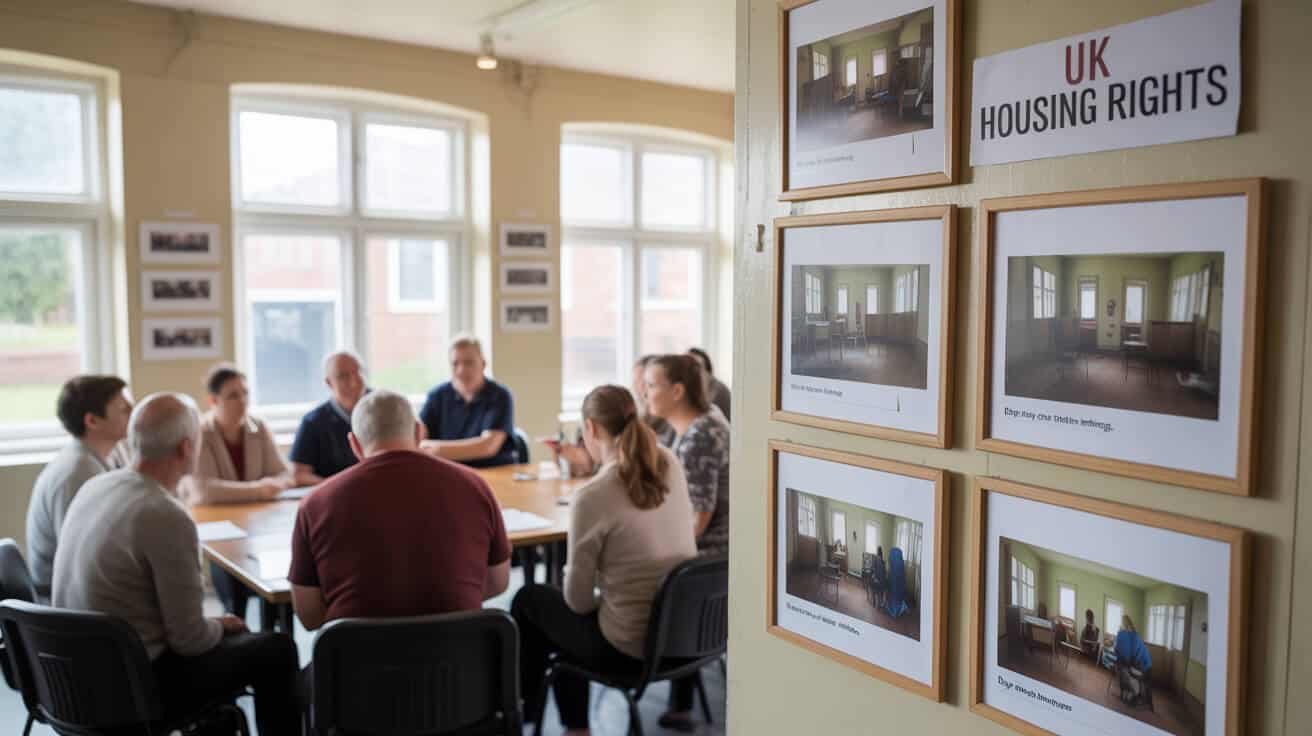
CQC Compliance PPM Services for Care Homes UK – Safe Domain Evidence Packs
For UK care home leaders who need their building and equipment to clearly support a strong CQC “Safe” judgement, this service turns routine maintenance into a coordinated, inspection-ready evidence trail. Multi‑trade planned preventive maintenance, mapped to CQC expectations, centralises servicing, records and remedials into one accountable schedule and evidence pack, depending on your existing systems and constraints. “Done” means a single, current file per home showing what was tested, when, by whom and what happened next, backed by clear maintenance plans and traceable follow‑up. It’s an opportunity to replace last‑minute scrambles with calm, well‑evidenced inspections.


Author
Izzy Schulman

Turn care home maintenance into CQC “Safe” evidence
Running a care home leaves little time to chase certificates, coordinate multiple contractors and assemble proof that buildings, equipment and utilities are safe. Yet CQC expects clear, current evidence that risks are controlled and safety‑critical systems are maintained, not just assurances that checks “usually” happen.

A CQC‑focused planned preventive maintenance regime changes this from fragmented servicing and scattered paperwork into one coordinated safety calendar and inspector‑ready evidence pack. By mapping routine checks to the “Safe” domain and structuring records around what inspectors actually look for, you gain calmer inspections and clearer internal assurance without adding another job to your team.
- One accountable partner for statutory servicing and safety records
- Single, joined‑up evidence pack for each care home site
- Fewer inspection surprises, clearer answers to detailed safety questions
Need Help Fast?
Locked out, leak at home, or electrical issue? All Services 4 U provides 24/7 UK locksmith, plumbing, electrical.
Testimonial & Clients Who Trust Us
With 5 Star Google Reviews, Trusted Trader, Trust Pilot endorsements, and 25+ years of experience, we set industry standards for excellence. From Dominoes to Mears Group, our expertise is trusted by diverse sectors, earning us long-term partnerships and glowing testimonials.
Worcester Boilers

Glow Worm Boilers

Valliant Boilers

Baxi Boilers

Ideal Boilers

Turn maintenance and paperwork into calm, inspection‑ready CQC “Safe” evidence
CQC‑focused planned maintenance turns the safety work your team already does into calm, inspection‑ready “Safe” evidence instead of last‑minute panic. By structuring servicing, centralising records and building everything around the CQC “Safe” domain, your everyday checks become a single, joined‑up evidence trail of tests, remedials and certificates, so inspections become a straightforward walk‑through of what you already do, not a scramble to prove that your building and equipment are safe.
Running a care home already stretches every hour you have; keeping up with CQC, changing guidance and a stack of maintenance certificates can feel like a second full‑time job. Many homes live with piecemeal servicing, contractor files scattered across inboxes and ring binders, and no quick way to prove that fire, water, electrical and lifting systems are safe day‑to‑day – until an inspection letter lands and everyone scrambles.
All Services 4U is set up to remove that scramble. Our CQC‑focused Planned Preventive Maintenance (PPM) service for care homes combines:
- multi‑trade statutory PPM across your critical building and equipment systems
- structured “Safe” evidence packs that turn routine checks into one inspector‑ready file for each home
Put simply, you get one accountable partner and one clean, current evidence trail that supports your CQC “Safe” judgement, as well as internal assurance, insurer reviews and lender checks.
Calm inspections usually follow calm, well‑evidenced routines behind the scenes.
Nothing here is legal or clinical advice; it is about how your team can organise maintenance and evidence so your professional advisers and responsible individuals can meet their duties with far less stress.
What changes when you have one accountable PPM partner
Having one accountable PPM partner means your care home stops juggling separate fire, gas, electrical, water and lift contractors and starts working to a single, coordinated safety schedule. Instead of your staff trying to stitch together multiple reports, you have one safety calendar, one evidence trail and one point of contact for care home PPM, so your team spends less time chasing paperwork and more time caring for residents, while still being able to answer detailed inspection questions.
In practice, that looks like a single PPM calendar covering alarms, emergency lighting, gas appliances, electrical testing, water hygiene, lifts and hoists, doors and roofs, mapped to CQC and HSE expectations. Site visits are planned to minimise disruption to residents, with multi‑trade engineers dealing with as many tasks as possible in each visit. After every job, evidence flows into a structured digital or physical file rather than disappearing into email chains.
Because All Services 4U’s engineers are used to working in live care settings and are security‑checked and competency‑assessed, you can rely on them to balance residents’ dignity with the need to inspect and test.
The result for you is fewer surprises, fewer gaps and fewer “we will have to get back to you” moments when an inspector or family member asks, “When was this last tested?” or “How do you know this is safe?”
Why inspection‑ready evidence matters more than ever
Inspection‑ready evidence matters because CQC looks not only at what you say you do but at the proof that you do it consistently and safely. If your home cannot quickly show that buildings, equipment and utilities are serviced and safe, this naturally affects the “Safe” domain and can feed through to enforcement action or unfavourable ratings.
Being able to put a concise evidence pack in front of an inspector is now as important as doing the work itself. When records clearly show what was tested, when, by whom and what happened next, you demonstrate a consistent safety culture instead of isolated good intentions.
A strong PPM regime gives you dated, legible records for all safety‑critical assets, linked to clear remedial actions and sign‑off. When your evidence pack is well organised, inspectors can see the pattern: risks are identified, mitigations are in place, and checks happen when they should. That creates confidence.
It also makes internal reviews, insurer queries and lender questions easier to handle, because you are not recreating your safety history from memory each time. In one home we supported, the main change was not the volume of maintenance but putting four different contractors’ reports into one coherent pack; the next inspection focused on residents’ experience, not chasing missing certificates.
For your team, inspection‑ready evidence also changes the culture. Everyone understands that closing out a maintenance task is not just “fixing the thing” but updating the record that protects residents, staff and the organisation. Homes that have worked with All Services 4U for some time often report that inspections feel calmer simply because they know where everything is.
What CQC expects under “Safe” for your building and equipment
CQC’s “Safe” domain expects your building, equipment and utilities to be maintained so people are protected from avoidable harm. In practice, inspectors want to see that you understand where the main environmental and equipment risks sit in your home, control them through planned maintenance, testing and timely remedial work, and can show clear, dated evidence – a sensible maintenance schedule, current test records and a simple way to demonstrate what you did when something was found.
For premises and equipment, that means thinking systematically about fire, water, gas, electricity, lifting equipment, access and basic environmental safety in and around your home.
Under “Safe”, inspectors expect you to understand the main risks in your setting and show how you control them through maintenance, testing and prompt remedial work. They will look at whether systems such as fire detection, emergency lighting, hot water, lifting equipment, nurse call and security are kept in good order and whether staff know how to report and respond to faults.
Key “Safe” themes a PPM regime should support
A robust PPM regime for CQC “Safe” should support the environmental and equipment safety themes that inspectors routinely check. At a minimum, you need a clear testing and maintenance schedule for fire, gas, electrical, water and lifting systems, as well as structural and access‑related elements that affect residents’ safety, set out so that you can see at a glance how often key systems are checked, by whom and how defects are followed up, aligned with statutory requirements and CQC expectations.
In most care homes this translates into regular servicing and inspection of:
- fire alarms, emergency lighting, signage and fire doors
- gas boilers, heaters, flues and associated ventilation
- fixed electrical installations, distribution boards and residual‑current devices
- portable appliances where relevant and risk‑assessed
- water systems for Legionella control, including temperatures and flushing
- passenger lifts, hoists, slings and other lifting equipment
- doors, locks, window restrictors, handrails, ramps and steps
- roofs, gutters and external areas that could cause leaks or slips
Your PPM plan should show how often each of these is checked, by whom, and how defects are escalated and resolved. All Services 4U aligns this with statutory and good‑practice requirements so you can explain your approach with confidence.
How inspectors look at your maintenance and records
Inspectors will usually triangulate what they see on site, what staff and residents tell them, and what your records show. If they find a fire door that clearly does not close properly, they will naturally ask when it was last inspected and what happened next. If hot water feels too hot at an outlet, they will look for evidence of water hygiene checks and temperature control measures.
Inspectors test whether your maintenance regime works in real life by comparing what they see on the day with what your paperwork says. Clear records that match conditions on the ground quickly build trust; visible gaps or contradictions prompt extra questions.
During visits, CQC often asks to see:
- current certificates and reports for fire, gas, electrical and lifting equipment
- maintenance logs and remedial action records for key systems
- risk assessments and associated action plans for premises and equipment
- how you record and respond to staff or resident reports of faults
When these records are easy to locate, up to date, consistent in format and clearly linked to actions, you give inspectors confidence that your home is run safely, even if isolated issues are found. A coherent maintenance and evidence service from All Services 4U is designed to support exactly that picture, using formats inspectors will recognise and find easy to follow.
Why ad‑hoc maintenance and scattered paperwork put your CQC rating at risk
![[ALTTOKEN]](https://allservices4u.co.uk/app/uploads/2026/01/00-CQC-Compliance-PPM-Services-for-Care-Homes-UK-Safe-Domain-Evidence-Packs.png)
Ad‑hoc maintenance and scattered paperwork put your CQC “Safe” rating at risk because they make it hard to show that safety is managed consistently, not just when something goes wrong. If servicing is reactive and records are incomplete, you may be doing your best day‑to‑day, but you cannot easily prove it when challenged.
Ad‑hoc maintenance often means you are relying on memory and goodwill rather than a documented system, which is hard to defend under inspection. Without a clear calendar and evidence trail, it is difficult to reassure CQC, insurers or lenders that your buildings and equipment are being kept consistently safe.
Many homes rely on long‑standing relationships with individual engineers or small firms, booking work only when they remember or when something obviously fails. Certificates arrive by email, paper is filed inconsistently, and knowledge often sits in one or two people’s heads. That can appear to work until someone leaves, an incident occurs, or an inspector wants to see a clear history of tests and remedial work.
The same gaps that worry CQC also undermine insurance renewals and valuation conversations, because it is hard to demonstrate that the asset is being managed in a controlled, predictable way.
Homes that move from this model to a clearer maintenance and evidence approach often find that inspection conversations become shorter and more focused on residents’ outcomes, because the basics are clearly under control.
Common failure patterns we see in care homes
Common failure patterns often share the same root causes: no central calendar, no standard evidence pack and no single owner for premises safety. Once you recognise these patterns, it becomes clear why CQC, insurers and lenders become uneasy.
Typical issues include:
- missed or late statutory tests such as EICR, gas safety, Legionella and lift inspections
- staff test records for fire alarms or lighting not linked to engineer visits
- duplicate contractors servicing similar assets with no joined‑up overview
- remedial actions identified on reports but not tracked through to completion
- evidence scattered across inboxes, filing cabinets and shared drives with no index
In one care home we supported, a long‑standing manager retired and a new leader discovered that several key certificates had quietly expired. Nothing serious had gone wrong on site, but pulling the evidence together for an inspection consumed weeks of time and created avoidable anxiety.
These gaps not only increase risk but also consume time when anyone tries to reconstruct the storey. They also make it hard to show value for money, because there is no single view of what has been spent on what.
What happens when inspectors cannot see clear evidence
When inspectors cannot see clear, consistent evidence, they naturally start asking more probing questions. They may still find that residents are safe in practice, but the lack of documentation makes it harder to demonstrate this and to show that safety will be sustained over time.
If your records are patchy or hard to follow, inspection conversations shift from “How do you improve?” to “How do you know you are safe at all?” That change in tone often leads to more conditions, follow‑up visits and external scrutiny than would otherwise be necessary.
In the worst cases, this can lead to:
- negative comments in inspection reports about premises and equipment safety
- lower “Safe” ratings where gaps appear systemic
- action plans or warning notices that require urgent remedial programmes
- knock‑on effects for insurers, lenders and commissioners who read CQC reports
A joined‑up maintenance and evidence model does not guarantee a particular rating, but it greatly reduces the risk that your home is marked down simply because you cannot quickly show what you already do. If you recognise some of these patterns in your own service, a short discussion with All Services 4U can help you see what a more robust model could look like.
How All Services 4U builds CQC‑focused PPM around your home
All Services 4U builds CQC‑focused PPM regimes by mapping your specific care home, its risks and its existing contracts to statutory and good‑practice maintenance requirements. Rather than dropping in a generic schedule, we design a practical plan that fits your layout, your residents and your budget.
Our approach starts with understanding your current buildings, records and pressures, then designing a realistic maintenance and evidence model that supports your “Safe” domain. You end up with a single plan and evidence trail that reflects how your home actually runs, not a theoretical template.
We start from the reality on the ground. Every home has a different history: some have recent refurbishments and strong records; others have inherited patchy documentation and a mixture of old and new equipment. Our job is to take that starting point and build a clear, forward‑looking maintenance and evidence model that supports your “Safe” domain and satisfies your responsible individuals and advisers.
Mapping your assets to regulatory and good‑practice requirements
The first step is a structured premises and asset review. We walk the building with your manager or maintenance lead, look at plant rooms, circulation spaces and resident areas, collect the certificates and reports you already hold and turn them into an asset and compliance map, giving you and your advisers a shared, factual picture of what equipment you have, which rules apply and where the gaps are, so the plan that follows is targeted rather than based on guesswork or inherited habits.
That map typically includes:
- a list of safety‑critical assets by area, such as alarms, panels, distribution boards, boilers, lifts, hoists, tanks, doors and roofs
- the legal or guidance‑based drivers for each asset group, such as fire, gas, electrical, water or lifting obligations
- the required PPM frequency and test types for each system or component
- current contractor coverage and any gaps or overlaps that increase risk or cost
This gives you a clear, shared picture of where you are today, what is already in hand, and where the risks and quick wins lie. It also creates the backbone for your future PPM plan and evidence pack. Because All Services 4U works across many building types, we can also flag where your regime is already strong compared with sector norms.
Designing a realistic PPM calendar for a live care environment
Once we know what needs to be done and how often, we design a PPM calendar that respects your residents’ needs and staffing patterns. Care homes are not empty offices; work must be sequenced to minimise disruption, avoid peak care times and consider the needs of people living with dementia or other conditions.
A realistic calendar balances statutory frequencies, staff availability and resident routines so that safety work actually happens when due. When the plan fits your home’s rhythms, your team is much more likely to support it and inspections become easier to manage.
Typical design considerations include:
- clustering tasks so multi‑trade engineers can complete more in one visit
- avoiding mealtimes and medication rounds for noisy or intrusive works
- planning higher‑risk activities, such as hot works or water chlorination, when leadership is on site
- aligning PPM with your own internal checks and night/day staffing model
We agree this calendar with you before go‑live so your team knows what to expect. Over time, we refine it based on what works best for your home, not just what looks tidy on paper. That collaborative approach makes it easier for managers and nurses to support the programme rather than feeling that maintenance is being done “to” them.
Accreditations & Certifications




What goes into your CQC “Safe” evidence pack
![[ALTTOKEN]](https://allservices4u.co.uk/app/uploads/2026/01/03-CQC-Compliance-PPM-Services-for-Care-Homes-UK-Safe-Domain-Evidence-Packs.jpg)
A CQC “Safe” evidence pack for premises and equipment is a structured, easy‑to‑navigate file that shows how you identify, control and monitor environmental and equipment risks over time. It is built around CQC’s expectations but is equally useful for internal audits, insurers and lenders.
A good evidence pack lets you tell a simple, consistent storey about premises safety in minutes: what you have, how you maintain it, what was found and how you responded. This saves time during inspections and reassures anyone reviewing your home’s safety.
Your pack is designed so that, when an inspection or review comes, you can open one file and calmly step through your safety storey: what assets you have, what risks they present, how often they are checked, what has been found, and what remedial actions were taken.
Core documents we organise for every home
The exact content of each pack depends on your building, but most include clear sections that mirror both statutory tests and the way inspectors think about premises. This structure means anyone reviewing the file can find the right information quickly.
Typical sections include:
- current certificates and reports for fire alarms, emergency lighting, gas safety and fixed electrical installations
- Legionella risk assessments together with temperature and flushing logs
- lift and hoist inspection reports, plus records of related remedial works
- fire door and compartmentation surveys along with documented follow‑up actions
- roof and gutter inspections, with photos, defect notes and completion records
- premises risk assessments that touch building and equipment safety
Each section is dated, labelled and cross‑referenced to the asset and PPM calendar, so it is easy to see both the latest position and the trend over time. When All Services 4U produces these packs, we keep the layout consistent across your homes so regional managers and auditors can move between sites without relearning a new system each time.
How we keep evidence current and easy to share
An evidence pack is only as good as its last update, so our service is built around keeping it live rather than treating it as a one‑off project. After each planned visit or significant reactive job, we capture the relevant documents, photos and notes and slot them into the right part of your pack.
Keeping your pack current is about disciplined routines rather than big one‑off exercises. Each visit produces a small, tidy update so that, at any point, you can confidently hand the file to an inspector, insurer or internal auditor.
Depending on your preference, this can be:
- a structured digital folder in your own system
- a shared secure location aligned with your policies
- a carefully managed physical file on site, mirrored digitally for resilience
We also maintain a simple index so your managers, auditors and inspectors can find what they need in seconds rather than leafing through months of paperwork. If you already use a CAFM or document system, we work with it rather than forcing you into a new platform. If you want to see whether this would suit your organisation, All Services 4U can walk you through a redacted example structure during an initial discussion.
Mobilisation: how we onboard your care home with minimal disruption
Mobilisation is the process of moving from your current, often fragmented maintenance setup into a single, coordinated PPM and evidence model. Done badly, mobilisation can be disruptive; done properly, it feels like a tidy‑up that brings clarity without disturbing residents’ routines.
A careful mobilisation gives you a better maintenance and evidence model without turning daily life in the home upside down. By taking a short, structured project approach, All Services 4U can reach inspection‑ready status quickly while keeping residents and staff at ease.
All Services 4U approaches mobilisation as a short, structured project with clear steps, ownership and communication. The aim is to be inspection‑ready as quickly as practical, without overwhelming your team or trying to fix everything at once. Our mobilisation leads are used to working alongside existing agents and contractors so you are not taking unnecessary risks during the transition.
Step‑by‑step mobilisation for an existing home
For an established home, mobilisation usually follows a predictable pattern that you can share with your board and staff. This helps everyone understand what will happen and when.
Step 1 – Discovery and evidence harvest
We meet your manager and maintenance lead, capture your priorities, and collect existing certificates, reports and logs. This creates the first version of your asset and evidence map.
Step 2 – Risk‑based gap analysis
We highlight urgent gaps such as overdue EICR or gas certificates and missing FRA actions, then agree immediate actions alongside a medium‑term tidy‑up plan.
Step 3 – PPM calendar and contractor alignment
We design your PPM calendar, agree which services our multi‑trade teams will take on, and clarify where existing specialist contractors should remain in place.
Step 4 – Go‑live and first cycle
We begin delivering PPM visits and evidence pack updates, checking in with your leaders to fine‑tune timing, communication and access arrangements.
From the start, you know what will happen when, who is responsible and how progress will be measured. That clarity can be particularly reassuring if you are responding to a recent inspection, incident or insurer review.
Working with your existing agents and contractors
Many care homes already have relationships with managing agents or specialist contractors that work well in certain areas. Our goal is not to tear that down but to make the whole picture coherent and inspection‑ready, with clear lines of responsibility.
Working with existing agents and specialists usually gives the fastest route to a stable, inspection‑ready position. We focus on clarifying scopes, hand‑offs and evidence, so you keep what works while removing duplication and grey areas.
We can:
- work under your managing agent, providing multi‑trade support and evidence packs that they can present to you and CQC
- integrate specialist contractors, such as lifts or complex nurse‑call systems, into the PPM calendar and documentation
- agree clear scopes and hand‑offs so there is no duplication, confusion or missed ownership
By building around what already works and filling the gaps, we minimise disruption and make it easier for your team to support residents while we strengthen your “Safe” position. That collaborative style also tends to reduce friction between landlord, agent and provider, because everyone can see the same evidence.
Pricing, contract options and how engagement works
Pricing for CQC‑focused PPM and evidence support is designed to be transparent, scalable and aligned to the reality of running a care home. You need to know what you are paying for, how it supports compliance and how it compares with your current spend on fragmented contractors.
A clear pricing structure helps you explain to boards, landlords and leaseholders how safety spend supports CQC “Safe”, insurance conditions and long‑term asset protection. It also makes it easier to defend budgets at audit, service charge review or tribunal.
All Services 4U typically structures costs around the number of homes, size and complexity of each building, and the mix of systems in scope. Within that, we keep the model simple enough that you can explain it to boards, commissioners and residents if needed.
How we price CQC PPM and evidence support
Most engagements combine a fixed element for the PPM plan and evidence management with variable elements for remedial works and projects. This helps you budget for the routine while still allowing flexibility when unplanned issues arise.
Typical pricing components include:
- a fixed monthly or quarterly fee per home for PPM scheduling, multi‑trade visits and evidence pack management
- clearly priced statutory tests such as EICR, gas safety or Legionella sampling where these are not already under separate contracts
- agreed rates or schedules for remedial works following inspections or risk assessments
- optional add‑ons for project‑level support, such as major fire door replacements or roof works
Because your current spend is often scattered across many invoices and suppliers, part of our early work is to help you compare “before and after” so you can see where consolidation reduces waste or risk. We can also provide simple summaries you can share with finance teams and boards to explain the value of moving to a coordinated model.
Engagement models: single home, groups and pilots
Not every provider wants to move an entire portfolio at once. We therefore offer flexible engagement models so you can start where the need is greatest and grow from there, without over‑committing.
Different engagement options allow you to test the model at a pace that suits your risk appetite and capacity. You stay in control of which homes to include, in what order and against which success measures.
Common patterns include:
- starting with a single home that has upcoming CQC or insurer scrutiny, then expanding once the model is proven
- onboarding a cluster of similar homes, such as all high‑risk buildings or dementia‑care units, to standardise PPM and evidence packs
- working alongside your existing Tier‑1 managing agent as a Tier‑2 execution and evidence partner, where they retain client‑facing responsibilities
To reduce perceived risk, we are happy to structure an initial pilot with defined outcomes, such as “complete asset and evidence map, implement PPM calendar, and deliver first inspection‑ready evidence pack within an agreed period”. That gives you something concrete to measure us against before wider rollout and helps you demonstrate due diligence to boards and commissioners.
Reliable Property Maintenance You Can Trust
From routine upkeep to urgent repairs, our certified team delivers dependable property maintenance services 24/7 across the UK. Fast response, skilled professionals, and fully insured support to keep your property running smoothly.

Book Your Free Consultation With All Services 4U Today
All Services 4U makes it easier for your care home to stay CQC “Safe” compliant by combining care home PPM with clear, inspection‑ready evidence and practical mobilisation support. A short, focused consultation is often enough to clarify where you stand today and what the next sensible steps look like.
A free consultation gives you a low‑risk way to test whether a coordinated maintenance and evidence model fits your homes. In one conversation you can clarify your current position, explore options and decide whether to pilot a new approach without committing to long‑term contracts.
In your free consultation, we will talk through your current maintenance and evidence picture, the pressures you are feeling from CQC, insurers or commissioners, and any specific concerns about particular buildings or systems. You do not need to prepare anything beyond whatever certificates or recent reports you already have to hand.
What we cover in your free consultation
The consultation is a working session, not a sales script; in practical terms it walks through your homes, risks and options in a structured but conversational way so that, by the end, you have a clearer view of your risks and options and a simple next step, regardless of whether you decide to work with us.
Typically, we will:
- sketch a simple map of your key safety‑critical assets and compliance drivers
- identify any obvious gaps or duplication in your current maintenance arrangements
- outline what a CQC‑aligned PPM calendar and evidence pack could look like for your home
- discuss realistic timelines and phasing that fit with your operational pressures
You will also have the chance to ask detailed questions about how our engineers work in live care environments, how we minimise disruption, and how we interface with your existing systems and agents.
Simple way to prepare for the session
- Gather any recent FRA, EICR, gas and Legionella reports you can easily access.
- Note any homes with upcoming inspections, incidents or insurer reviews.
- List the contractors you currently rely on for core safety systems.
- Think about where maintenance causes most disruption or anxiety today.
Even if you cannot find everything in advance, this quick preparation helps us focus the conversation where it matters most to you.
What happens after the call
After the consultation, we can, if you wish, follow up with a short written summary setting out the main points. This gives you something concrete to share internally and to use as a sense‑check against other options.
That summary will usually cover:
- where your current approach already supports “Safe” well
- where the main risks or uncertainties appear to be
- a simple, phased proposal for PPM and evidence support
From there, the next step is entirely up to you. Some providers choose to commission an initial asset and evidence mapping exercise only; others move straight to a pilot home or small group of homes. You remain in control of which homes to onboard and at what pace, so you can match change to your internal capacity.
If you are ready to take the pressure out of CQC “Safe” for premises and equipment, you can arrange a free consultation at a time that suits you and your team. It is a low‑risk way to see whether a coordinated PPM and evidence service from All Services 4U is the right fit for your organisation and residents, and it gives you a clear baseline even if you ultimately choose another route.
Frequently Asked Questions
Explore our FAQs to find answers to planned preventative maintenance questions you may have.
How does planned preventive maintenance actually help if you’re fed up with unreliable contractors?
Planned preventive maintenance gives you a landlord‑grade system that stops every small issue turning into a drama, a dispute or a bill you can’t defend.
Why living in “reactive mode” quietly eats your time, money and reputation
When you’re stuck with inconsistent Tier‑2 contractors, your life looks like this: leaks at 10pm, “we’ll try to get someone there tomorrow”, no clear logs, and a sinking feeling every time an insurer, valuer or solicitor asks for proof.
A proper PPM spine changes the game:
- Everything sits on one calendar: – gas safety, EICR, FRA, emergency lighting, L8, roof/gutter, fire doors. You can see by building where you’re solid and where you’re exposed, instead of relying on people’s memories.
- Every visit leaves a paper trail, not just an invoice: – photos, readings, pass/fail, certs and “next due” dates are captured the same way every time, so you can answer “what did we do and when?” in under five minutes.
- You spend on prevention, not on fallout: – clearing gutters before storms, tightening up fire doors before FRA, tracing damp properly instead of painting over it. That’s how you avoid disrepair, compensation and repeat call‑outs.
Over 12–24 months, landlords who shift from “ring around and hope” to planned maintenance usually see fewer emergencies, fewer repeat jobs and a much cleaner relationship with insurers and valuers. You also stop being dragged into operational noise and go back to thinking at portfolio level.
If you want your properties to feel managed instead of haunted by the next failure, moving to a planned, multi‑trade maintenance model is the first real lever. All Services 4U can take your existing chaos, map it by building and turn it into a single PPM plan that protects both your asset value and your sleep.
What evidence do insurers and lenders actually look for from a landlord?
Insurers and lenders want fast, clean evidence that you manage fire, services, water, structure and “headline” risks like cladding and damp, not just promises that you care.
The “evidence spine” that keeps renewals and refinancing calm
Think in terms of a minimum backbone of proof for each building, organised so you can send it in one go.
Fire and life safety
They expect to see:
- A current Fire Risk Assessment with an action log and closure notes.
- Fire alarm: testing/servicing records that line up with BS 5839 cycles.
- Emergency lighting: logs that reflect BS 5266 (monthly checks and annual duration tests).
- Fire door: inspection records with photos and remedial evidence where you’ve replaced or adjusted sets.
That’s what underpins both Fire Safety Order duties and most property policy conditions.
Services, hygiene and structure
For plant and services, they look for:
- Up‑to‑date Gas Safety (CP12) for boilers and communal plant.
- Recent EICR reports and documented remedials, not just “satisfactory”.
- Legionella: risk assessment plus temperature logs, flushing routines and TMV service sheets.
- Roof/gutter inspections: with date‑stamped photos, especially after major weather.
This is what insurers use to judge whether you’re actively managing the most common claim drivers.
Cladding, damp and higher‑risk buildings
For certain blocks, especially HRBs or those with a history of damp/mould:
- EWS1: or equivalent façade evidence where lenders require it.
- Damp/mould survey reports, moisture readings, remedial records and re‑inspection sign‑off.
- For HRBs, inputs to the Safety Case and Golden Thread documentation.
Landlords who can pull this into a simple binder or digital index by building typically see fewer insurer queries, smoother renewals and less friction in refinancing. Those relying on ad‑hoc PDFs from five different contractors are the ones stuck in email chains when money or liability is on the line.
If you’d rather be in the first camp, it’s worth having a maintenance partner who bakes evidence into every job. All Services 4U builds those insurer/lender‑ready binders alongside the work itself, so you’re not scrambling when someone upstream asks “prove it”.
How can I tell if my current maintenance setup is quietly damaging value or increasing legal exposure?
You can tell your current setup is hurting you when reasonable questions from an insurer, valuer, solicitor or resident trigger confusion, delay, or obvious gaps in the storey.
A three‑point “would this survive scrutiny?” check for your buildings
Treat one typical block as a test case and run through this honestly.
1. Can you find the essentials at building level without phoning three people?
Try to surface, quickly:
- Latest FRA and its action tracker.
- Last EICR and a clear list of what was fixed, when and by whom.
- Current CP12 set for all relevant dwellings/plant.
- Most recent L8 risk assessment and at least a few months of temperature/flushing logs.
If any of that takes more than a few minutes or relies on a particular individual’s inbox, that’s a warning sign. In a claim, disrepair case or refinance, those time‑lags look like disorganisation or non‑compliance.
2. Do complaints have a documented arc from issue to resolution?
Pick a real‑world problem — a damp complaint, repeat leak or recurring alarm fault:
- Is there a clear chain from first report → survey/diagnosis → remedial works → re‑inspection?
- Or is it “we sent someone, they did something, then it went quiet until the next complaint”?
In the post‑Awaab environment, lawyers and ombudsmen are looking very closely at that trail for damp, mould and other health‑related issues. Thin evidence equals expensive conversations.
3. Do you close out identified risks, not just log them?
Take a recent FRA, EICR or water hygiene report:
- For each high/medium risk, can you show a linked work order, completion notes and photos where relevant?
- Or does it feel like a to‑do list that never quite translates into “done”?
That gap between “found” and “fixed” is where regulators, insurers and courts now press hardest. It’s also where property value quietly erodes, because persistent unresolved risks drag down valuations and scare lenders.
If two or more of those tests feel uncomfortable, it’s a signal that your current contractor mix isn’t just an irritation — it’s a liability. That’s the point where it usually pays to bring in a partner who designs maintenance around risk, evidence and value rather than ad‑hoc call‑outs.
A provider like All Services 4U will start by mapping exactly these gaps per building and then rebuilding the process so that every attendance moves you closer to “yes, and here’s the proof” when someone important asks.
What really changes when I swap a patchwork of trades for one multi‑trade, evidence‑driven partner?
What changes is the shape of your day: from juggling plumbers, sparkies, roofers and fire firms, to managing one accountable system with one standard of proof.
Why a patchwork of Tier‑2 trades keeps you stuck in the weeds
With separate contractors for everything, you already know the pattern:
- Jobs fall into gaps between scopes or are bounced as “not our bit”.
- Reports, if you get them, arrive in different formats and live in different places.
- Access is a mess: multiple visits to the same flat, residents fed up, no‑shows stacking up.
- When something goes wrong, there’s a blame circle instead of a fast resolution.
None of that helps you discharge your legal duties or protect value. It just adds noise.
What a multi‑trade, landlord‑centric model feels like instead
When you work with one partner that’s set up for landlords, RTMs and managing agents, the texture of the work shifts:
- One plan, many skills: – plumbers, electricians, roofers, fire technicians and damp specialists all operate against a single maintenance and evidence plan, not their siloed diaries.
- One reporting language: – every job, whatever the trade, lands as “found / fixed / next due” with clear asset and building references, so you can trend issues and prove closure.
- One ownership line: – if there’s a problem, you don’t waste time arguing about whose van was on site last. You escalate once and it gets resolved.
That structure doesn’t just make life easier; it reduces repeat faults, compresses access pain, improves complaint statistics and makes your binders look like they belong to a professional landlord, not a disjointed club of trades.
If your goal is to be seen by boards, lenders, insurers and residents as the person who has the building under control, consolidating around a single, evidence‑driven multi‑trade partner is one of the few decisions that actually moves the needle. All Services 4U is engineered around exactly that role: total building coverage, one reporting spine, one escalation route.
As a landlord or RTM director, what should a safe, realistic first 90 days of switching contractor look like?
The first 90 days should feel like a structured clean‑up: a clear picture of risk, a few targeted fixes, a workable plan and the beginnings of proper evidence packs — not a disruptive reset.
How to switch without dropping any plates
Handled badly, switching contractors feels like ripping out the plumbing while the taps are still on. Handled properly, it’s a staged project.
Weeks 0–3: Map what you’ve really inherited
- Short briefing to understand your buildings, policies, leases and any active insurer, lender or legal pressure.
- Harvest what already exists: FRAs, EICRs, CP12s, L8 RAs, asbestos reports, roof/gutter surveys, door inspections, damp surveys.
- Build a simple grid: per building → what documents exist, what’s expired, what’s missing, what’s clearly high‑risk.
You and your board/agent see, probably for the first time, where you’re well‑covered and where you’re skating on luck.
Weeks 3–6: Close obvious “trip‑wires” first
- Identify items likely to hurt you in a claim, valuation, regulator visit or disrepair case — e.g. expired EICR on a key block, no FRA on a stair‑cased building, recurring leaks with no roof evidence, unresolved damp complaints.
- Agree tight, focused actions against those risks, not a 200‑line shopping list.
- Deliver those works with full evidence packs, so you can redraw your risk picture quickly.
That should materially reduce your downside without destroying your cashflow.
Weeks 4–8: Design a calendar that respects both law and real life
- Build building‑specific calendars for statutory checks and PPM, tagging each task back to its legal or insurer driver.
- Combine visits so a single access slot can cover gas, electrics, fire doors and minor repairs where possible.
- Phase out underperforming contractors as new coverage comes online, so you don’t have gaps — particularly on life‑safety systems.
You move towards one coherent plan while still keeping the building safe today.
Weeks 8–12: Run a first cycle and test the model
- Deliver the first wave of PPM and priorities with the new team.
- Assemble landlord‑grade evidence packs per building: what was tested, what was found, what was fixed, what’s next, with supporting photos and certs.
- Sit down for a short review: what worked, what needs tuning on communication, scheduling or report detail.
By then, you should be able to answer calmly, for any test building, “Show me the last year of compliance and maintenance and where the proof lives.”
If that’s not how your first 90 days with a new contractor usually feel, you’re not wrong to be wary of changing. It’s why working with a partner like All Services 4U, who treats mobilisation as a risk project not just “starting a new job”, is often the difference between another messy supplier swap and a genuine upgrade in how your buildings are run.
How can I push to replace underperforming contractors without starting a political fight with my agent or board?
You avoid a political fight by shifting the discussion from “I don’t like these people” to “this current setup doesn’t control risk or produce evidence, and that exposes all of us”.
Agents, fellow directors and freeholders all carry legal and reputational risk. They listen when you frame change in those terms:
- Evidence framing:
“On Blocks A and B, we can’t produce up‑to‑date FRA, EICR, CP12 and L8 documents within minutes. If we faced a serious incident or claim tomorrow, that delay and those gaps would be very hard to justify.”
- Pattern framing:
“We’ve logged repeated roof leaks and damp complaints with no structured survey, no root‑cause record, and no before/after photo sets. That doesn’t just irritate residents — it weakens our insurer and tribunal position.”
- Outcome framing:
“Our re‑attendance rate and complaint volumes are significantly higher than comparable schemes using integrated, evidence‑first maintenance. We’re burning budget and goodwill at the same time.”
That kind of language moves the conversation from preference to duty.
Bring a credible alternative, not just frustration
Then, instead of just venting, you lay a path forward:
- A short, visual “current vs desired” sketch of how maintenance and evidence could work (one calendar, one partner, one binder per building).
- Sample redacted reports, logs and binders from a provider working to that standard, so people can see the difference in black and white.
- A low‑risk pilot on a single block or problem area with clear success criteria: evidence completeness, SLA performance, complaint reduction, fewer insurer queries.
You position yourself as someone trying to protect the building and the board, not as someone taking shots at staff or contractors.
A partner like All Services 4U can help you assemble exactly that: before/after diagrams, evidence samples and a pragmatic pilot proposal. That makes it much easier for a managing agent, RTM board or freeholder to say “yes — let’s test this properly” instead of digging in to defend the status quo.
- Turn care home maintenance into CQC “Safe” evidence
- Turn maintenance and paperwork into calm, inspection‑ready CQC “Safe” evidence
- What CQC expects under “Safe” for your building and equipment
- Why ad‑hoc maintenance and scattered paperwork put your CQC rating at risk
- How All Services 4U builds CQC‑focused PPM around your home
- What goes into your CQC “Safe” evidence pack
- Mobilisation: how we onboard your care home with minimal disruption
- Pricing, contract options and how engagement works
- Book Your Free Consultation With All Services 4U Today
- Frequently Asked Questions
- Related PPM Services
Case Studies


Related Articles

Your Guide To Identifying And Treating Minor Mould Outbreaks
Why Planned Preventative Maintenance (Ppm) Saves Money And Ensures Compliance