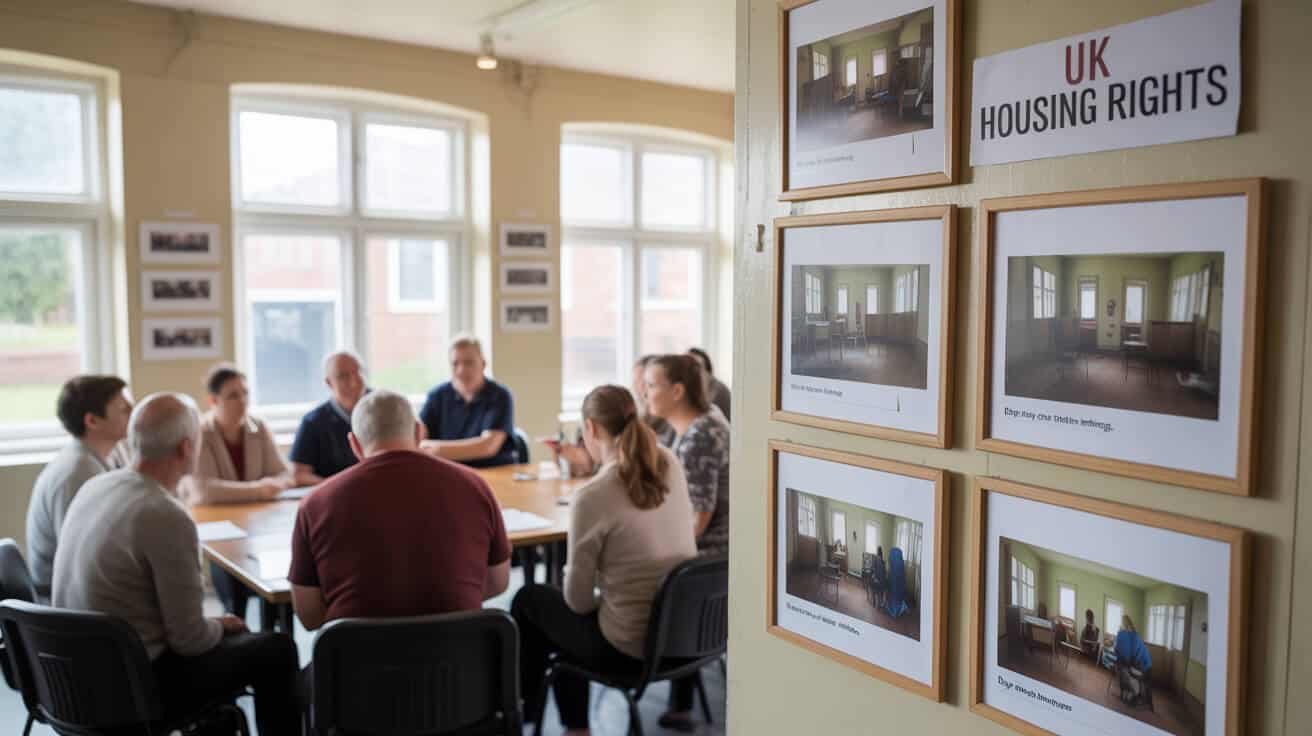
Fire Safety PPM Services for Care Homes UK – Alarms, EL, Doors & PEEPs
Care home owners, managers and responsible persons need fire safety PPM that proves residents could be evacuated safely tonight, across alarms, emergency lighting, doors and PEEPs. A joined-up maintenance regime links your fire risk assessment, British Standards checks and clinical realities, based on your situation. By the end, you have a clear pattern of tasks, records and responsibilities that stands up to inspections and supports real evacuation plans. It’s a practical way to protect residents, compliance and reputation with less guesswork.


Author
Izzy Schulman

Fire safety PPM that matches real care home risk
UK care homes carry higher fire risk because many residents cannot evacuate quickly or independently, especially at night. That makes routine checks on alarms, emergency lighting, doors and PEEPs central to protecting residents, complying with the Fire Safety Order and reassuring families and regulators.
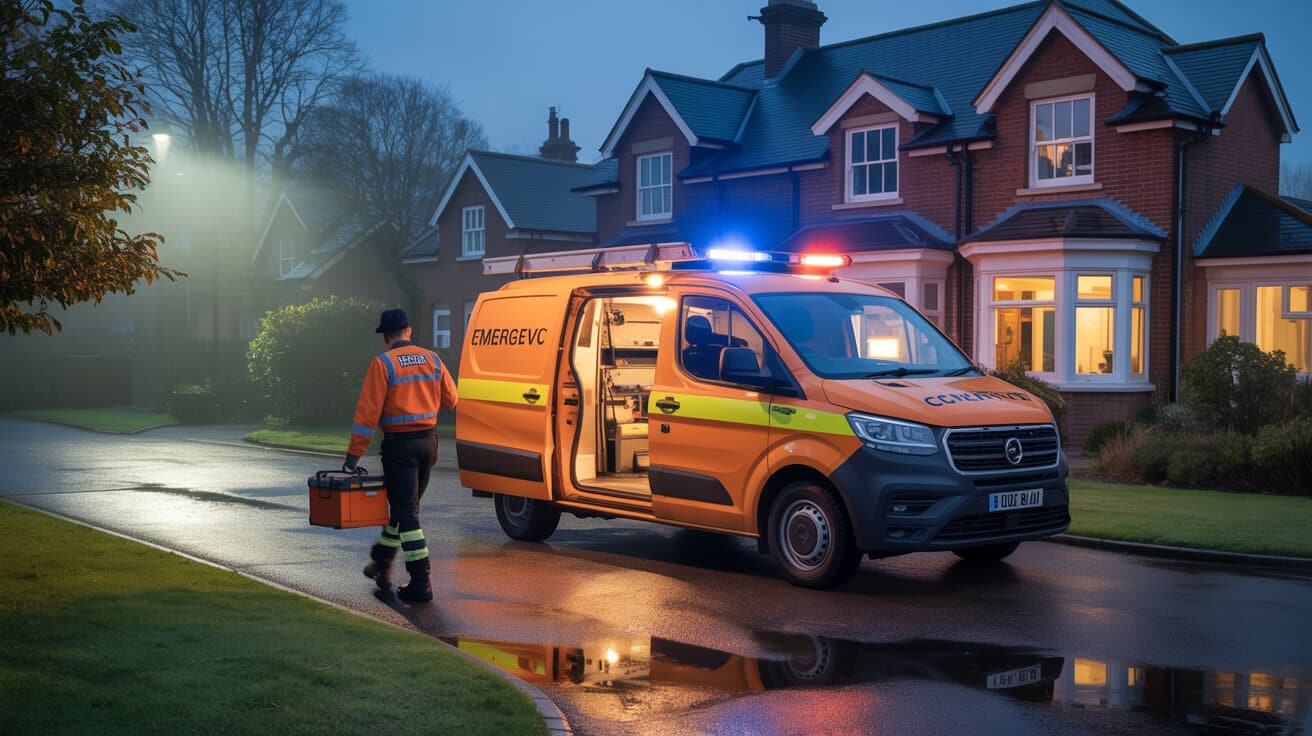
Instead of ad-hoc fixes when something fails, a planned preventative maintenance regime links your fire risk assessment, British Standards and staffing model into one coherent system. This helps you design checks your team can sustain, close common gaps early and show inspectors that your evacuation strategy is realistic and supported.
- Aligns PPM with resident needs and British Standards
- Reduces repeat issues seen in care home inspections
- Makes fire safety tasks deliverable for busy care teams
Need Help Fast?
Locked out, leak at home, or electrical issue? All Services 4 U provides 24/7 UK locksmith, plumbing, electrical.
Testimonial & Clients Who Trust Us
With 5 Star Google Reviews, Trusted Trader, Trust Pilot endorsements, and 25+ years of experience, we set industry standards for excellence. From Dominoes to Mears Group, our expertise is trusted by diverse sectors, earning us long-term partnerships and glowing testimonials.
Worcester Boilers

Glow Worm Boilers

Valliant Boilers

Baxi Boilers

Ideal Boilers

Fire Safety PPM for UK Care Homes – Protect Residents, Compliance and Reputation
Fire safety PPM in a care home is about being able to show, on any given day, that residents could be evacuated safely if a fire occurred tonight. It brings together alarms, emergency lighting, fire doors and PEEPs into a structured, documented pattern of checks, servicing and reviews that reflect your residents’ dependency, your building and the law. This information is general and does not constitute legal advice; you should always seek guidance from a competent fire safety professional.
Why care homes sit in a higher‑risk category
Care homes sit in a higher‑risk category because many residents cannot evacuate quickly or independently, especially at night, often living with dementia, mobility issues, sensory impairment or complex medication needs. Night staffing is lean and evacuation is usually based on progressive horizontal movement, not everyone heading straight for a single exit.
That reality changes what “good enough” looks like. You typically need:
- A higher level of automatic fire detection and alarm coverage.
- Reliable emergency lighting along escape routes.
- Effective compartmentation and fire doors that close and latch properly.
- Detailed, realistic PEEPs for most residents, not just a handful.
Planned preventative maintenance (PPM) is the mechanism that keeps those measures working in the background so staff can focus on care.
What the Fire Safety Order expects from your PPM
The Fire Safety Order expects you to have a “suitable system of maintenance” that keeps fire precautions in efficient working order and can be demonstrated with clear records. In a care home, that usually means aligning your PPM with your fire risk assessment, following appropriate British Standards, and being able to show who checks what, when, and what they found.
Current fire safety law in England and Wales puts duties on a “responsible person” rather than issuing universal checklists. In a care home that is usually the provider, owner, or someone they nominate. They must:
- Complete and keep under review a suitable fire risk assessment.
- Put in place appropriate fire precautions for that risk.
- Keep those precautions in efficient working order, using a “suitable system of maintenance”.
- Keep records to demonstrate all of the above.
In plain terms, a suitable system of maintenance is a planned pattern of checks, servicing and repairs that is sensible for your building, equipment and resident risk, not ad‑hoc visits when something fails.
For alarms, emergency lighting and fire doors, that normally means following recognised British Standards (for example BS 5839‑1 for alarms, BS 5266‑1 for emergency lighting, BS 8214 and similar guidance for doors) and being able to show clearly who does what, when, and what was found.
Seeing fire safety as one joined‑up system
A joined‑up PPM regime treats alarms, emergency lighting, doors, staffing and PEEPs as parts of one fire‑safety system rather than separate jobs or contracts, and inspecting officers and advisers now look at your fire risk assessment, PPM schedule, staffing model and PEEPs as one system rather than isolated documents; if your evacuation strategy depends on staff moving people horizontally behind fire doors, they will expect to see that all of those elements support each other and match your stated approach.
If the evacuation strategy depends on staff moving people horizontally behind fire doors, they will expect to see:
- Clear evidence that those doors are inspected and maintained.
- Alarm and emergency lighting tests that match the risk profile.
- PEEPs that are current, realistic and understood by staff.
When alarms, emergency lighting, doors and PEEPs are handled under separate contracts with no overall view, gaps appear quickly. A coherent fire safety PPM regime makes it much easier to demonstrate that all the moving parts support each other in inspections, insurance reviews and board assurance.
Strong fire safety in a care home is the quiet sum of many small, consistently recorded actions.
Benchmarking against common care‑home issues
Looking at common failings in other care homes is a quick way to benchmark your own PPM regime, because if you have read any number of fire risk assessments or inspection reports for care homes you will have seen the same themes; if those themes keep appearing in your own documents, your maintenance system is probably not robust enough and needs tightening.
If you have read any number of fire risk assessments or inspection reports for care homes, you will have seen the same themes:
- Weekly alarm tests not logged, or always done from the same call point.
- Emergency lighting without recent duration tests recorded.
- Fire doors wedged open or damaged, with no formal inspection regime.
- PEEPs that are generic, missing, or not updated when residents’ needs change.
Recognising these patterns in your own home or group is the first step. A good PPM regime makes it routine to spot issues early and close them down, rather than waiting for an inspector, insurer or ombudsman to point them out.
Linking clinical risk to technical precautions
In a care home, fire safety is inseparable from clinical risk management, so your PPM programme has to account for residents’ real needs, not just technical standards; residents with poor mobility may need more time and staff to move, people with dementia may not respond predictably to alarms, and those on oxygen or with bariatric needs may require specific equipment and routes, so the way you service alarms, emergency lighting and doors should be driven by how quickly you must detect a fire, how long escape routes must stay safe, and what your residents can physically tolerate.
Your PPM for alarms, emergency lighting and doors must therefore be driven by:
- How quickly you need to detect and act on a fire.
- How long escape routes must remain usable.
- How evacuation aids and doors will withstand real use, not just tests.
When you view servicing and checks through that lens, they stop feeling like abstract engineering tasks and start to look like part of care planning.
Designing PPM your team can actually deliver
PPM only protects residents if your team can carry it out consistently under real staffing and workload pressures, and staffing and turnover pressures in social care are very real, so a sustainable plan must split tasks sensibly between staff and contractors, fit into existing routines, and avoid creating single points of failure where one person “knows how to do the test” and nobody else does, otherwise a gold‑plated schedule will quietly fail.
Staffing and turnover pressures in social care are very real. Weekly alarm tests, daily visual checks, monthly emergency lighting tests and PEEP reviews all take time. If you design a gold‑plated PPM schedule that your team cannot sustain, it will quietly fail.
An effective approach:
- Splits tasks sensibly between on‑site staff and competent contractors.
- Uses clear, simple forms and checklists that fit into existing routines.
- Avoids creating single points of failure (for example, one person who “knows how to do the test”).
- Builds in training and refreshers so new starters understand fire routines from day one.
Whether you run a single independent home or a small group, a specialist provider such as All Services 4U can help you strike that balance between legal expectations, clinical realities and the capacity of your team.
The Hidden Risk and Cost of Weak Fire Safety Maintenance in Care Homes
Weak fire safety maintenance in a care home quietly increases risk to residents while storing up regulatory, financial and reputational problems for the future. Everything may appear calm until an inspection, claim or incident exposes missing tests, poor records or neglected remedial works that should have been addressed months ago.
How maintenance gaps show up in inspections
Maintenance gaps usually first surface when regulators or fire authorities ask for evidence and find logbooks, certificates or action plans that are incomplete or out of date. Even if frontline care is compassionate, weak fire safety records can pull overall ratings down and trigger additional scrutiny.
CQC reports increasingly include explicit references to fire safety arrangements, and similar themes appear in local authority and fire‑authority reports. Inspectors will usually check whether providers:
- Identify and manage fire risks in a structured way.
- Maintain equipment and systems.
- Keep up‑to‑date fire risk assessments and PEEPs.
- Have governance and oversight of these issues.
Where weekly tests are missing from logbooks, alarm or emergency lighting servicing is overdue, fire doors are defective, or PEEPs are out of date, inspectors often link this to failures under safe care and treatment and good governance. That can drag ratings down, even if frontline care is compassionate and well regarded.
Legal and enforcement consequences
From an enforcement perspective, the key question is whether you have taken reasonable steps to keep people safe and can prove it. Where poor maintenance is evident, fire authorities can issue notices, impose restrictions or, in serious cases, prosecute individuals and organisations.
If a fire authority finds serious deficiencies, or if a fire occurs and poor maintenance is a factor, they may issue:
- An alterations notice, requiring you to notify them before making specified changes.
- An enforcement notice, requiring you to remedy identified failures within a set timescale.
- A prohibition or restriction notice, limiting use of part or all of the premises.
- Prosecution of individuals and the organisation in more serious cases.
In those situations, missing or weak evidence of PPM can be just as damaging as the defects themselves. Being able to produce clear maintenance records, certificates and remedial action logs is a central defence for the responsible person and the wider organisation.
The financial case for structured PPM
Structured PPM often costs less over time than a loose mix of cheap call‑outs and short‑term fixes. Planned inspections and servicing reduce breakdowns, avoid repeat visits for the same fault, and give you a firmer base for budgeting, insurance negotiations and board discussions.
Many providers worry that a comprehensive PPM regime will cost more than a patchwork of “cheap” contractors and ad‑hoc call‑outs. In practice, the reverse is often true when you consider:
- Fewer unplanned breakdowns and emergency engineer visits.
- Less disruption to residents and staff from repeated faults.
- More predictable annual budgeting, with known inspection and servicing costs.
- A stronger position when negotiating insurance terms.
- Reduced risk of bed closures or lost income after a serious incident.
Planned maintenance of alarms, emergency lighting and fire doors, aligned with your risk assessment and PEEPs, is usually less expensive and far less stressful than managing repeated crises.
A simple comparison highlights the difference:
Before introducing a table, it can help to see how reactive‑only maintenance compares with structured PPM on a few key points.
| Aspect | Reactive‑only approach | Structured PPM approach |
|---|---|---|
| Resident disruption | Frequent repeat call‑outs | Fewer, planned visits |
| Cost profile | Spikes and unknowns | Smoother, more predictable |
| Inspection experience | Defensive and stressful | Evidence ready and calm |
| Insurance discussions | Higher challenge risk | Easier to demonstrate responsible control |
Lessons from real care‑home fires
Reviews of real care‑home fires repeatedly show that small, unresolved weaknesses combine into serious incidents. Poor coverage, ignored faults, failed lighting, damaged doors and unclear PEEPs rarely appear alone; they tend to stack up in homes where maintenance is piecemeal rather than systematic.
Investigations into care‑home fires regularly identify a mix of building, system and management issues. Common themes include:
- Detectors not covering the area where a fire started.
- Alarm faults that staff had become accustomed to ignoring.
- Emergency lighting not functioning when mains power failed.
- Fire doors wedged open or in poor condition, allowing smoke to spread rapidly.
- Staff unsure which residents needed priority assistance, or how.
Each individual issue may seem small when you are busy running a home. Together, in the wrong moment, they can mean the difference between a contained event and a major tragedy. Systematic PPM is one of the main ways to prevent that chain of failure.
How insurers view your maintenance regime
Insurers and risk surveyors judge your maintenance regime as part of your overall risk profile. If you can show that alarms, emergency lighting, doors and PEEPs are maintained and documented sensibly, conversations about premiums and claims tend to be easier than if you arrive with scattered paperwork and unresolved actions.
Insurers and risk surveyors pay close attention to fire protection in care homes because the consequences of a fire can be severe. They look for:
- Evidence that alarms, emergency lighting and fire doors are serviced to appropriate standards.
- Up‑to‑date fire risk assessments and action plans.
- Records of staff training and fire drills.
- Clear PEEPs for residents who need assistance.
Persistent gaps or poor documentation can lead to higher premiums, tougher conditions or challenges at claim stage. A robust PPM programme, supported by clean records, helps demonstrate that you are managing risk responsibly.
Impact on staff morale and recruitment
Staff confidence in leadership is affected by how seriously you take safety and maintenance. When faults linger, doors fail to close, or drills feel chaotic, it sends a message that safety comes second. A visible, reliable PPM regime has the opposite effect: it reassures staff that they and their residents are being looked after properly.
Staff notice when maintenance is repeatedly deferred, doors are unreliable, or drills feel chaotic. It undermines confidence in leadership and can contribute to stress, whistleblowing and difficulties recruiting for key roles such as night supervisors or responsible persons.
Conversely, when:
- Tests are carried out regularly.
- Faults are picked up and fixed quickly.
- PEEPs are clear and practised.
- External partners are responsive and respectful of residents.
staff tend to feel safer and prouder of where they work. That is another return on investing in a planned, well‑communicated PPM regime.
If your instinct is that an inspector, insurer or board would ask difficult questions about your current maintenance evidence, it is usually safer to explore improvements now in a planned way than to respond under pressure after an incident or enforcement action.
Our Integrated Fire Safety PPM Service for Care Homes
![[ALTTOKEN]](https://allservices4u.co.uk/app/uploads/2026/01/02-Fire-Safety-PPM-Services-for-Care-Homes-UK-Alarms-EL-Doors-PEEPs.jpg)
An integrated fire‑safety PPM service brings alarms, emergency lighting, fire doors and PEEPs into one coherent plan, delivered by a single specialist partner who understands care‑home risk. All Services 4U provides that joined‑up model so you are not left coordinating multiple suppliers and trying to work out whether everything truly supports your evacuation strategy.
All Services 4U has extensive experience working in regulated UK care environments, supporting homes and groups through inspections, insurer surveys and remedial programmes across alarms, emergency lighting, doors and PEEPs.
One specialist partner, one joined‑up plan
Choosing one specialist partner means your fire risk assessment, PPM calendar, remedial works and PEEPs can be aligned instead of running in separate silos. For your care home, that usually translates into fewer gaps, less duplication and much clearer accountability when inspectors, insurers or boards ask who is responsible for what.
Care homes are not like offices or shops. Evacuation routes often involve corridors, stair cores and compartments; night staffing is lean; residents may depend on staff for every movement. Our engineers and consultants work within that reality.
An integrated contract typically covers:
- Design and commissioning support for fire alarm and emergency lighting systems.
- Routine servicing and statutory testing to appropriate British Standards.
- Fire door and compartmentation surveys, remedials and reinspection.
- Support with PEEPs, drills and training, in line with your risk assessment.
- Documentation and reporting tailored to CQC, fire authority and insurer expectations.
This model can scale from a single independent home to a multi‑site group, with the same principles applied at the right level of detail. Our teams are appropriately trained and accredited for the systems they work on and are used to operating in regulated care environments.
Making audits and inspections less painful
When PPM, PEEPs and remedials sit under one integrated plan, preparing for audits becomes more about printing reports than chasing missing paperwork. For each home, you should be able to see at a glance when key systems were last tested, what was found, and how quickly issues were closed.
When you have one PPM plan, one asset register and consistent
logbooks across your homes, preparing for scrutiny becomes much easier. For each property you can see, at a glance:
- When alarms and emergency lighting were last serviced, and by whom.
- The current status of fire door inspections and remedials.
- When each resident’s PEEP was last reviewed.
- What defects were identified, how they were categorised, and when they were closed.
Care‑home‑specific templates and terminology mean managers are not constantly translating generic reports for inspectors. For multi‑site groups, we can also provide portfolio‑level summaries that highlight trends and hotspots and underpin board‑level assurance and insurer discussions.
PPM designed around residents, not just plant
A resident‑centred PPM plan starts with who lives in your home, how they move and what support they need, then builds out the technical schedule from there. All Services 4U works with your managers and clinical leads to understand dependency levels, specialist equipment and night staffing, so the maintenance regime supports real PEEPs rather than an abstract generic standard.
For All Services 4U, your residents’ needs sit at the heart of the PPM plan. We work with you to understand:
- Typical dependency levels, including where residents would need full staff assistance.
- Use of specialist equipment such as evacuation chairs or slide sheets.
- Night‑time staffing patterns and how they affect evacuation.
- Any clinical factors (for example oxygen use, bariatric needs) that may affect routes and timing.
We then ensure that:
- Systems and devices that PEEPs rely on are part of the maintenance schedule.
- Tests and drills reflect real evacuation strategies.
- Reports highlight risks that might compromise PEEPs, not just technical faults.
This approach helps ensure that the fire safety measures described in your policies will actually work for your residents on the day you need them.
Clear scope and division of responsibilities
Clear division of responsibilities between on‑site staff and external engineers is one of the easiest ways to reduce confusion and missed tasks. Our contracts make it explicit who handles routine tests, who performs formal inspections, who approves remedials and how new risks from FRAs or incidents feed back into the PPM plan.
Many homes struggle with blurred lines between what staff should do and what contractors should do. In our contracts we define, in plain language:
- Tasks for on‑site staff (for example weekly call‑point tests, daily door and escape‑route checks, basic logbook entries).
- Tasks for All Services 4U (for example periodic servicing, formal inspections, system configuration, detailed reporting).
- How findings from fire risk assessments, incident debriefs and audits will feed into the PPM plan.
That clarity protects your team, supports consistent practice between shifts and helps ensure nothing falls between the cracks, while the governance detail and documentation structure are expanded further when we set up your processes.
Turning data into decisions
A good PPM regime generates data you can use to make better decisions, not just archived paperwork. By looking at trends across faults, tests and remedials, you can prioritise investment, support struggling homes and demonstrate continuous improvement to regulators, boards and investors.
A well‑run PPM regime generates a rich stream of information. Rather than leaving it buried in paper files, we can help you use it to:
- Spot repeat faults and underlying issues.
- Prioritise capital spend where it will materially reduce risk.
- Demonstrate continuous improvement to regulators and stakeholders.
- Provide assurance to boards and investors that fire risk is understood and managed.
You get both the comfort of knowing day‑to‑day maintenance is under control and the insight to plan medium‑term improvements for residents, staff and owners.
Moving from fragmented suppliers to one coherent model
Moving from multiple uncoordinated suppliers to one integrated model is often simpler than expected. The key is to start by consolidating what you already have, agree priorities with leadership, then phase changes across homes so improvements feel manageable rather than overwhelming.
Switching to a single integrated provider does not have to be disruptive. A typical transition might involve:
- Gathering existing certificates, reports and logbooks.
- Completing baseline surveys to confirm current system condition.
- Reconciling and validating asset registers.
- Agreeing a prioritised action plan for urgent remedials.
- Phasing the introduction of new routines and documentation, home by home.
Throughout, we aim to minimise disruption to residents and staff, scheduling visits and works carefully around mealtimes, personal care and activities so fire‑safety improvements feel like part of normal life rather than a rolling building site.
If you would find value in talking through how a single, integrated model could replace multiple inconsistent contracts, an informal conversation about your current PPM position can help clarify options without any obligation.
Fire Alarm and Emergency Lighting PPM – Technical Compliance Made Practical
Fire alarm and emergency lighting PPM for care homes should turn technical standards into a simple calendar of weekly, monthly and annual tasks that staff and contractors can actually deliver. When that calendar is followed and recorded, you gain real confidence that systems will work in an emergency and that you can prove compliance quickly when inspectors or insurers ask.
Converting standards into a workable calendar
The practical essence of fire alarm and emergency lighting standards is a predictable rhythm of user tests and engineer visits. In most care homes, that means weekly alarm tests from different call points, periodic servicing by a competent engineer, monthly emergency lighting checks and an annual full‑duration test, all recorded clearly in logbooks and reports.
Standards such as BS 5839‑1 and BS 5266‑1 are detailed and technical, but their essence can be rendered into a practical schedule. For example, you would normally expect to see:
- Weekly user tests of the fire alarm from different manual call points, recorded in the logbook.
- Prompt investigation and rectification of any alarm faults, rather than “living with” intermittent beeps or warnings.
- Periodic servicing of the alarm system by a competent engineer, typically at least twice a year.
- Monthly functional tests of emergency lighting to ensure fittings switch to battery operation when required.
- An annual full‑duration emergency‑lighting test, usually around three hours.
Each engineer visit and annual test should result in a clear report and certificate that you can file and produce quickly for inspections and insurer reviews. All Services 4U can build these expectations into a visual calendar for each home, showing exactly what should happen, when, and who is responsible.
Respecting residents while meeting test requirements
In a care home, alarm and lighting tests must balance technical obligations with residents’ comfort and dignity. That calls for regular test windows, clear communication and careful phasing of lighting checks so you do not leave long corridors or lounges darker than usual.
Testing fire alarms and emergency lighting in a care home is not as simple as pressing buttons at any time of day. Residents may be distressed by sudden noise or darkness; many will be asleep or receiving care at night.
A thoughtful PPM plan:
- Sets regular test windows that staff and residents become familiar with.
- Uses clear communication to explain tests in advance where appropriate.
- Phases emergency lighting tests to avoid leaving large areas darker than usual.
- Takes particular care around people living with dementia, who may react strongly to alarms or changes in light.
Our engineers work with home managers to schedule visits around mealtimes, medication rounds and activities, so necessary tests cause the least possible disruption and still meet your compliance duties.
From “we tested it” to “we can prove it”
Regulators, insurers and boards are reassured when you can evidence tests and servicing, not just say they happened. That means logbooks and digital records that show what was tested, when, where, by whom, and what was done when faults were found.
Doing tests is one thing; being able to demonstrate them is another. Insurers, fire officers and CQC inspectors are all interested in how you keep records as well as how you maintain systems.
Good records typically include:
- Date and time of each user test or engineer visit.
- Location and device tested.
- Any faults found, with a clear description.
- Actions taken and by whom.
- Confirmation when issues are closed.
All Services 4U supplies logbooks and digital summaries that follow these principles. When someone asks, “Show me your emergency lighting tests for the last twelve months”, you should be able to answer confidently and quickly, across one home or an entire group.
Ensuring alarm behaviour matches your evacuation strategy
Alarm configuration in a care home has to support staff decision‑making under pressure. Staff alert tones, staged evacuation signals, cause‑and‑effect programming and any links to doors or lifts must all match your written policy and PEEPs so there is no confusion in a real incident.
Modern alarm systems can be configured in many ways: staff alert tones, delayed evacuations, staged alarms by zone, links to off‑site monitoring and more. In a care home, that configuration must align with your evacuation policy and PEEPs.
As part of commissioning and periodic servicing we can:
- Review cause‑and‑effect charts against your fire risk assessment and evacuation plans.
- Test staff alert and evacuation tones are clearly distinguishable.
- Confirm that staff know which panel indications relate to which parts of the building.
- Check any interfaces (for example with door controls, lifts or smoke control systems) operate as intended.
This reduces the risk of confusion in a real alarm, when staff are under pressure and residents may need rapid reassurance and guidance.
Maintaining reliability in older buildings
Older care‑home buildings often have layered systems and mixed modifications, which can hide weaknesses until a fault appears. Structured PPM by experienced engineers helps you find ageing cables, tired batteries and incompatible devices before they disrupt service or fail during an incident.
Many care homes operate from older buildings with complex wiring routes and varying levels of refurbishment. Over time, this can lead to issues such as:
- Ageing or damaged cables.
- Battery packs that no longer hold charge.
- Mixtures of device types and brands introduced through ad‑hoc repairs.
A structured PPM plan, backed by experienced engineers, helps identify these vulnerabilities, prioritise remedial work and plan replacements. That keeps the system dependable without constant fire‑fighting.
Treating testing as part of resident experience
Handled well, routine testing can reinforce residents’ and families’ sense that the home is well run and safe. Handled badly, it becomes a source of fear and complaints. Building communication and predictability around tests helps turn them into part of normal life rather than a series of unpleasant surprises.
Residents and families notice how you handle alarms and testing. Sudden, unexplained noise or darkness can be frightening; well‑signposted, calm tests can actually increase confidence.
We encourage homes to:
- Embed explanation of fire drills and routine tests into admission and family information.
- Use staff briefings to prepare teams for test days.
- Treat recurring tests as part of the rhythm of the home, not as inconvenient intrusions.
That way, your PPM efforts support both safety and the sense of a professionally run, caring environment.
Accreditations & Certifications





Fire Doors and Compartmentation – Keeping Protected Routes Effective
![[ALTTOKEN]](https://allservices4u.co.uk/app/uploads/2026/01/03-Fire-Safety-PPM-Services-for-Care-Homes-UK-Alarms-EL-Doors-PEEPs.jpg)
In a care home, fire doors and compartmentation buy the time staff need to move residents to safer areas. PPM for these elements is about keeping protected routes genuinely usable in a fire, with doors that close, latch and resist smoke the way your evacuation strategy assumes they will.
Understanding the role of fire doors in care homes
Fire doors are critical control points in care‑home evacuation: they slow down fire and smoke, protect escape routes and allow staff to move residents horizontally between compartments. If those doors are damaged, wedged or altered, the entire strategy can be undermined even when alarms and lighting work as intended.
In most care homes, evacuation is planned in stages. Staff may move residents from one compartment to another, rather than straight out of the building. Fire‑resisting doors and walls are what make that possible; they delay the spread of fire and smoke so protected routes remain tenable.
An effective fire‑door PPM regime usually includes:
- Routine local checks by staff to spot obvious damage, missing seals or wedged doors.
- More detailed, scheduled inspections by someone trained in fire‑door construction and performance.
- Prompt remedial work when defects are found, whether that is adjusting closers, replacing seals or, where necessary, replacing doorsets.
- Clear records of inspections, defects and repairs.
All Services 4U can weave these elements into your overall PPM schedule, rather than leaving them as occasional, standalone projects that are difficult to evidence in inspections or insurance reviews.
How often doors should be checked and by whom
A layered approach to checking doors works best: frequent quick checks by staff, regular documented reviews by a trained on‑site person, and periodic inspections by a fire‑door specialist. The exact pattern should follow your fire risk assessment, but having all three layers reduces the chance that defects go unnoticed until an inspection or incident.
Exact frequencies should be driven by your fire risk assessment, building design and resident profile, but a sensible framework for care homes is often:
- Frequent local checks (for example weekly walk‑rounds) by staff to make sure doors are not wedged, damaged or obviously not closing.
- Regular documented checks (for example monthly) by someone on‑site given basic fire‑door awareness training.
- Periodic inspections by a competent person with specific fire‑door expertise, often annually or more often where risk justifies it.
By formally allocating those layers, you move away from hoping that “someone will notice” towards a verifiable programme that you can discuss with inspectors, boards and insurers.
Reducing disruption while improving performance
Fire‑door surveys and remedials can be noisy and intrusive, so planning them carefully matters in a care‑home setting. Bundling work, choosing suitable times of day and coordinating with families where bedroom access is required all help you improve door performance without unsettling residents.
Door works can be intrusive in a home environment. Noise, dust and the presence of strangers in bedrooms and corridors can be unsettling, especially for people living with dementia.
Bundling door surveys and remedials with other PPM visits and planning them carefully allows you to:
- Limit how often particular areas are affected.
- Choose times of day that minimise impact.
- Coordinate with families where bedroom access is required.
- Provide clear explanations to residents and staff about what is happening and why.
Our teams are briefed to work sensitively in care settings, balancing technical requirements with the need to preserve a sense of calm and privacy.
Giving boards meaningful line‑of‑sight
Boards do not need technical minutiae, but they do need a simple view of how well fire doors and compartments are being maintained. High‑level metrics on open defects, closure times and recurring issues give them the assurance they need without overloading them with engineering detail.
Directors and non‑executives do not need to know every technical detail of every door, but they do need assurance that the compartmentation strategy remains sound. Simple metrics can help, such as:
- Number of significant door defects open at any time.
- Average time taken to close high‑risk issues.
- Trends by area or building.
We can provide summary reporting that turns inspection findings into clear, board‑level insights, supporting your wider governance, risk and insurance frameworks.
Protecting certification when repairs are made
Poorly planned repairs can quietly remove a door from its certified performance range, even if it still looks solid. Using compatible components, following manufacturers’ guidance and documenting what was done all help show that doors still do the job your PEEPs and evacuation strategy rely on.
Well‑intentioned repairs can sometimes undermine the fire performance of a door if non‑compatible parts are used or construction details are altered. Part of our role is to:
- Identify the original specification where possible.
- Use appropriate certified components.
- Avoid modifications that could invalidate fire‑test evidence.
- Document repairs clearly for future reference.
That care up‑front helps avoid expensive “rip‑out and start again” scenarios later and reassures inspectors that post‑repair doors still perform as intended.
Balancing safety with independence and wayfinding
Good fire‑door design in a care home supports safety without sacrificing residents’ independence and orientation. That usually means using suitable hold‑open devices rather than wedges, consistent and easy‑to‑use ironmongery, and thought‑through signage and colours that assist wayfinding.
Fire doors in care homes must be easy to use and, where possible, support independence. Residents may rely on sightlines and familiar features to orient themselves. Good design and maintenance can support that by:
- Using appropriate hold‑open devices where the risk assessment supports them, rather than wedges and hooks.
- Keeping ironmongery and furniture consistent and easy to operate.
- Thinking about signage and colour contrast as part of the overall environment.
In other words, fire‑protection measures should be felt as part of a supportive home rather than an obstacle course.
PEEPs, Training and Drills – Making Evacuation Plans Work in Practice
PEEPs, staff training and drills are where your written fire strategy meets real people and behaviour. Even the best‑maintained systems will not keep residents safe if staff do not know who needs help, how they will move them or how the alarm and building will behave in a real fire.
What robust PEEPs look like in a care‑home setting
In most care homes, a large proportion of residents would struggle to evacuate without help, so PEEPs must be specific, current and practical. A robust PEEP sets out how each resident will be warned, where they will go, what support and equipment they need, and any time‑critical clinical factors that might affect an evacuation.
In many care homes, almost every resident needs some level of assistance in a fire. A Personal Emergency Evacuation Plan should therefore be a clear, concise document that covers:
- How the resident will be warned of a fire.
- Which route they will take, and to where.
- What assistance they require, and from how many staff.
- Any equipment needed, such as chairs, boards or slide sheets.
- Time‑critical clinical factors (for example, dependency on equipment or treatments).
PEEPs should be updated whenever residents move rooms, their mobility or cognition changes, or there are significant changes to staffing or building layout.
What inspectors expect to see
Inspectors want to see that your PEEPs are more than a paper exercise: they look for realistic, individual plans, evidence of staff awareness and drills, and alignment between PEEPs, staffing levels and the building’s fire strategy. They also expect evacuation aids and PEEP‑dependent systems to appear in your PPM schedule, not just in narrative policies.
CQC and fire authorities are interested in both the existence and the quality of PEEPs. They typically look for:
- Individual PEEPs for those who would struggle to self‑evacuate, not just a generic statement.
- Evidence that staff know the plans and can describe what they would do in a fire.
- Records of fire drills that test elements of those plans.
- Consistency between PEEPs, staffing levels and the building’s fire strategy.
All Services 4U can support you in aligning plans, drills and maintenance so that what is written down is realistic and demonstrably implemented, and making sure that any equipment or systems relied upon in PEEPs are captured in the PPM plan.
Integrating PEEPs into everyday care and PPM
The more closely PEEPs are woven into everyday care documentation and PPM, the less likely they are to drift out of date. Reviewing them alongside care plans, handovers and asset schedules keeps evacuation planning live and grounded in real practice rather than sitting in a separate folder.
PEEPs work best when they sit alongside care plans, not as a separate, rarely revisited folder. Practical steps include:
- Reviewing PEEPs at the same time as care reviews.
- Flagging key PEEP information in handover tools and at nurse stations.
- Ensuring that evacuation equipment identified in PEEPs appears on your asset list and PPM schedule.
- Using drill feedback to adjust both PEEPs and maintenance priorities where needed.
This stops evacuation planning from drifting out of date and keeps it grounded in day‑to‑day reality.
Building the right staff skills
Evacuation plans rely on staff who are confident with alarms, equipment and moving residents safely under pressure. Training should therefore cover panel indications, evacuation aids, communication with residents and teamwork so that drills and real incidents feel controlled rather than chaotic.
Even the best PEEPs depend on staff who are confident and practised. Effective programmes usually cover:
- How to recognise and respond to alarms and panel indications.
- Safe use of evacuation aids.
- Techniques for horizontal and, where necessary, vertical movement.
- Supporting frightened or confused residents during an incident.
- Working as a team under pressure.
Training can be integrated into induction, refreshers and supervision. All Services 4U can coordinate technical input so that what staff are taught matches how systems behave.
Designing realistic, respectful drills
Drills need to be realistic enough to test your plans but sensitive enough not to distress residents or families. That might mean a mix of live moves, partial evacuations and table‑top exercises, with clear explanations before and after so people understand what is happening and why.
Fire drills should test likely scenarios, including:
- Night‑time events with reduced staffing.
- Fires starting in high‑risk areas such as kitchens or laundry rooms.
- Situations where lifts are not available.
At the same time, drills must be handled sensitively so as not to distress residents. That may mean:
- Using partial evacuations and table‑top exercises.
- Providing clear explanations before and after.
- Choosing timing carefully.
Our role is to help you design a drill programme that is stretching enough to be meaningful but considerate enough for your residents and staff.
Closing the loop after incidents and drills
Capturing learning after every alarm, near miss or drill is one of the simplest ways to raise standards over time. Short, structured debriefs that feed back into PEEPs, training and PPM help you correct weak spots before they show up in inspections or incidents.
Every false alarm, near miss or drill is an opportunity to learn. The key is to:
- Capture observations promptly.
- Identify what worked and what did not.
- Feed insights back into PEEPs, training and maintenance.
We can help you design simple forms and review routines so that learning becomes part of your continuous improvement processes, not just a verbal debrief that fades quickly.
How We Work With Your Care Home Team – Process, Governance and Documentation
Fire safety PPM only works in the long term when roles, processes and documentation are clear and sustainable. All Services 4U aims to strengthen your existing governance rather than replace it, so your team can own fire safety with confidence and still draw on specialist support when needed.
Clarifying roles and responsibilities
A simple, written roles matrix is often the fastest way to remove confusion about who does what. By agreeing who maintains the fire risk assessment, orders remedials, performs checks, manages PEEPs and reviews reports, you make it easier for staff, managers and boards to pull in the same direction.
We work with you to agree who is responsible, accountable, consulted and informed for key activities such as:
- Maintaining the fire risk assessment and action plan.
- Approving and funding remedial works.
- Carrying out routine checks and tests.
- Managing PEEPs and drills.
- Reviewing reports and escalating issues.
Documenting this in a simple roles matrix reduces uncertainty and sets expectations for everyone, from front‑line staff to board members.
Designing logbooks and reports that people actually use
Logbooks and reports work best when they are easy to complete on a busy shift and structured so inspectors and insurers can find key information quickly. That means consistent headings, plain‑English prompts and clear spaces for dates, signatures, findings and close‑out notes.
A common complaint is that logbooks and reports are overly complex or poorly structured. We design documentation that is:
- Clear enough for staff to complete accurately on busy shifts.
- Detailed enough to satisfy inspectors and insurers.
- Structured so important information can be found quickly.
For example, separate but linked sections for alarms, emergency lighting, fire doors and PEEPs, all sharing consistent dates, references and sign‑off conventions. The same structures can then be used in insurer and lender dossiers without extra re‑work.
Turning engineering outputs into board‑level assurance
Boards need to understand whether fire risk is trending up, down or holding steady across one or more homes. Converting technical PPM data into simple RAG summaries and a handful of clear metrics makes it much easier to brief committees and respond to challenge.
Boards and senior leaders need to know whether fire risk is increasing, stable or reducing across their portfolio. Our reporting can:
- Highlight red, amber and green areas by site or theme.
- Track completion of high‑priority remedials.
- Summarise patterns in faults or incidents.
These summaries can feed straight into your risk register, assurance committees and annual reports, demonstrating active oversight and supporting conversations with regulators and investors.
Mobilising a new PPM regime
Mobilising a new PPM regime is a change project, not just a new contract. Starting with a clear scope, baselining assets and condition, and lining up PPM with your fire risk assessment helps ensure the new model lands smoothly and delivers visible benefits early on.
Introducing a structured PPM regime is a project in its own right. A typical mobilisation with All Services 4U includes:
- Confirming scope and objectives with senior leaders.
- Surveying each home to validate assets and system condition.
- Aligning PPM activities with fire risk assessment findings.
- Agreeing priorities and timescales for any necessary upgrades.
- Rolling out training and documentation templates.
Progress reviews ensure that you can see what has been achieved and what remains, and that nothing stalls once the initial energy has passed. We are careful to phase visits and works to minimise disruption to residents and staff, particularly in bedrooms and high‑dependency areas.
Supporting multi‑site groups with consistent tools
For providers with several homes, consistent tools and KPIs make it much easier to manage fire safety across the portfolio. Standardised forms, dashboards and thresholds reduce the time you spend on basic comparisons and free you up to focus on the homes or themes that most need support.
We can:
- Standardise forms, schedules and KPIs across locations.
- Adjust for local differences in layout and risk.
- Provide group‑level dashboards alongside site reports.
This makes it easier to compare performance, target support and tell a coherent storey to regulators, commissioners and insurers while still giving individual managers tools that feel practical and relevant.
Encouraging ownership rather than “compliance fatigue”
Fire safety routines stick when people understand the purpose and feel they have a voice in how things are done. Explaining the “why”, providing usable tools and listening to feedback helps your team treat PPM as part of professional care rather than a series of hoops imposed from outside.
Any change can meet resistance if people feel done‑to rather than involved. We support change by:
- Explaining the “why” behind new routines in clear, care‑focused language.
- Providing quick‑reference guides that sit easily in nurse stations and offices.
- Inviting feedback from staff and managers to refine tools and processes.
That collaborative approach helps ensure that improvements persist long after the initial roll‑out and that fire safety remains part of everyday professionalism, not a short‑lived project.
Reliable Property Maintenance You Can Trust
From routine upkeep to urgent repairs, our certified team delivers dependable property maintenance services 24/7 across the UK. Fast response, skilled professionals, and fully insured support to keep your property running smoothly.

Book Your Free Consultation With All Services 4U Today
All Services 4U helps your care home turn fire‑safety obligations into a clear, prioritised plan backed by evidence you can trust. A short consultation can turn vague worry about maintenance gaps or inspection findings into a practical view of where you stand and what to do next.
What you can expect from a consultation
A well‑run consultation should leave you with a clearer picture of your current position and realistic next steps, whether or not you change contractors. You should come away with a simple high‑level risk view, an outline PPM calendar and example documentation you can start to use immediately.
By the end of the session you should have:
- A high‑level traffic‑light view of your current arrangements for alarms, emergency lighting, fire doors and PEEPs.
- A sense of how your existing schedules and records compare with typical expectations for care homes.
- A draught outline of a PPM calendar tailored to your setting, showing how weekly, monthly and annual tasks could be organised.
- Example logbook and report formats you can use, whether or not you proceed further with us.
You keep this material and can use it to brief your own team, your current contractors or your fire risk assessor.
Step 1 – Gather what you already have
The most efficient consultations start with a frank look at what is already in place. Collecting recent FRAs, servicing reports, logbooks and PEEP templates before we speak helps you see your own baseline and speeds up the conversation.
Collect recent fire risk assessments, service reports, logbooks and any PEEP templates so you can see your starting point clearly.
Step 2 – Identify obvious gaps
Once you can see your current evidence in one place, you can quickly spot missing certificates, overdue checks or unresolved actions. Highlighting these before the consultation helps focus the discussion on the areas that matter most.
Look for missing certificates, overdue tests, unresolved FRA actions or areas where PEEPs and staffing clearly do not align.
Step 3 – Prioritise urgent risks
Not every gap is equally urgent. During and after the consultation, you can work through which issues directly affect life safety or legal compliance and which can be planned into medium‑term improvements.
Highlight issues that directly affect life safety or legal compliance and plan how they could be addressed first after your consultation.
Options for next steps
After the consultation, you stay in control of scope and pace. Some homes choose a focused piece of work for a single site; others pilot a cluster or start with documentation and governance changes while keeping existing contractors in place.
If you decide you would like more support, there are several ways to proceed:
- A focused piece of work for a single home, such as an initial condition survey and PPM design.
- A pilot across a small cluster of homes, to test how an integrated PPM model works in your organisation.
- Documentation‑only support, where we help you improve schedules, logbooks and governance while you retain existing contractors.
At each stage you remain in control of scope, budget and pace, whether you manage one home or a wider portfolio.
Planning around your existing pressures
Any improvement work has to fit around your existing inspection, staffing and project pressures. Discussing these openly at the outset means the plan you agree has a better chance of being delivered rather than sitting on paper alongside many other competing priorities.
We understand that care homes are under pressure from many directions. Any work must fit around:
- Planned CQC inspections and local authority visits.
- Fire risk assessment review cycles.
- Refurbishments or capital projects.
- Staff capacity and wellbeing.
During the consultation we discuss realistic timeframes and how to phase any follow‑up steps so that improvements are achievable rather than aspirational.
Why a conversation now is safer than waiting
Addressing fire‑safety maintenance when things appear calm feels optional; after an incident or difficult inspection, it becomes urgent and stressful. A short conversation now can uncover simple improvements, confirm what is already strong and clarify which issues genuinely need investment.
It is easy to defer fire safety until after the next inspection, refurbishment or winter. Yet most of the issues that cause difficulty in audits and incidents are solvable with clear planning and steady action. A short discussion now can:
- Reveal simple, low‑cost improvements available immediately.
- Highlight where existing strengths can be built on.
- Clarify which risks truly need investment and which are already well‑managed.
Whether you ultimately choose All Services 4U or not, you gain a clearer picture of your position.
Building a long‑term partnership on clear measures of success
Where we do go on to work together, success is defined in advance and monitored openly. That typically means agreed timeframes for PPM and remedials, improved inspection feedback, fewer serious system faults and stronger confidence from residents, staff and boards.
Where we do go on to work together, we define success in advance. That might include:
- Completing agreed PPM tasks and remedials within set timescales.
- Improving inspection feedback on fire safety and governance.
- Reducing the number and severity of system faults.
- Strengthening confidence among residents, staff, boards and insurers.
With those measures in place, both sides can see progress and adjust course as needed. If you are ready to move from worry and guesswork to clarity and control over fire safety in your care home, arranging a free consultation with All Services 4U is a straightforward, low‑risk first step.
Frequently Asked Questions
Explore our FAQs to find answers to planned preventative maintenance questions you may have.
How often should our care home actually test and service fire alarms, emergency lighting and fire doors?
You should follow a weekly, monthly and annual pattern that your team can sustain and that matches UK fire standards.
What a realistic weekly and monthly routine looks like
Short staff checks keep you safe between engineer visits and are often the first thing CQC or the fire service will sample.
- Fire alarms – weekly: Test once a week from a *different* manual call point each time. Record date, location, result and any faults in a fire logbook.
- Escape routes – weekly: While testing, walk the main routes. Final exits should open easily, corridors should stay clear and signs should be visible.
- Emergency lighting – monthly: Do a brief functional test so each fitting proves it switches to battery and illuminates. Keep a simple register of fittings and outcomes.
- Fire doors – weekly or fortnightly: On walk‑rounds, look for wedged doors, damaged edges or seals, and closers that don’t pull the door fully onto the latch.
If this basic fire safety maintenance pattern isn’t happening consistently, stabilise it before you think about new technology or extra systems.
What competent engineers should be doing six‑monthly and annually
On top of user checks, external servicing under the right British Standards is non‑negotiable in a care environment.
- Fire alarm servicing: Typically every six months to BS 5839‑1 by a competent contractor. Keep service sheets, fault reports and closure notes with the logbook.
- Emergency lighting testing: Monthly user tests plus an annual full‑duration test (often three hours) to BS 5266‑1, with failed fittings repaired and re‑tested.
- Fire‑door inspections: At least annually by someone trained in fire‑door inspection. Higher‑risk homes (night‑time evacuation issues, dementia units, HRBs) often move to six‑monthly checks in line with the fire risk assessment.
A quick self‑check: if a fire officer arrived unannounced today, could you show one clear calendar that links weekly tests, monthly checks and periodic servicing? If not, that’s one of the highest‑leverage changes you can make.
All Services 4U can help you map out that calendar, align it with your fire risk assessment and build logbooks that your team actually use, rather than expecting managers to hold the whole regime in their heads.
How should PEEPs connect to fire safety maintenance so they don’t just sit in a folder?
PEEPs should quietly drive parts of your fire safety regime; if they never influence maintenance, they’re not really protecting anyone.
How do you turn each PEEP into clear maintenance requirements?
Every PEEP assumes that specific systems and equipment will work on the day of a fire. For each resident who needs help, ask:
- Does this plan rely on evac chairs, boards or slide sheets being in the right place, regularly checked and safe to use?
- Does it rely on fire doors and hold‑open devices releasing and closing fully when the alarm operates?
- Does it depend on visual alarms, vibrating pads, pagers or nurse‑call alerts for residents who won’t respond to sound alone?
- Does it assume emergency lighting will keep particular corridors, refuges or stair cores usable while staff move residents horizontally or vertically?
Anything a PEEP depends on should appear on your asset list and in your planned preventive maintenance (PPM) schedule, not just in someone’s memory. That way, when a CQC inspector or fire officer asks whether your evacuation plans are realistic, you can show that the underlying equipment is being checked and serviced on purpose.
Paper that doesn’t change how the building is maintained is just decoration with a liability attached.
How do you keep PEEPs, staffing and PPM in sync as the home changes?
Care homes are never static. Residents move rooms, their mobility changes, staffing levels flex and equipment gets relocated. To keep reality and paperwork aligned:
- Trigger PEEP reviews when:
- Rooms or wings change residents.
- Mobility, cognition or behaviour changes in ways that affect how fast or how far someone can move.
- Staffing models or evacuation strategy change (e.g. from phased to horizontal).
- A drill or real incident shows a plan doesn’t work as imagined.
- Anchor reviews to existing rhythms:
- Link PEEP updates to care‑plan reviews so it becomes one joined‑up process, not an extra chore.
- Add a simple PEEP sense‑check into fire drills and annual training so staff keep testing whether paper and reality still match.
If you’re aware that PEEPs, equipment locations and maintenance have drifted apart, you don’t have to sort it in isolation. All Services 4U can sit with your team, map PEEPs ↔ assets ↔ PPM and build a single view that shows, for any resident, “this is the plan and this is how we maintain what it relies on.”
What fire safety PPM evidence do CQC, fire officers and insurers actually want to see?
They’re looking for proof that fire safety is designed, delivered and reducing risk over time, not just a collection of certificates.
What design documents should be ready to put on the table?
You should be able to reach for three things without hunting through email:
- A current fire risk assessment (FRA) with actions, owners and target dates clearly recorded.
- A joined‑up PPM calendar showing weekly, monthly, six‑monthly and annual tasks for alarms, emergency lighting, doors and other critical systems.
- A clear evacuation strategy and set of PEEPs that match your actual layout, staffing model and resident mix.
If your FRA recommends one evacuation approach, your PEEPs assume another and your PPM doesn’t obviously support either, regulators will see the disconnect very quickly.
What delivery evidence convinces them the regime is real?
When inspectors or insurers sample your records, they typically want to see:
- Fire alarm testing and servicing: Weekly test records; six‑monthly service reports; clear defect lists and closure evidence.
- Emergency lighting: Monthly function tests; annual three‑hour duration test with failed fittings tracked from fault to closure.
- Fire doors: Periodic inspection reports; documented repairs and replacements in line with risk.
- Training and drills: Attendance lists, scenarios used, and specific changes made off the back of them.
- Action tracking: A log that shows FRA and PEEP actions moving from “open” through “in progress” to “closed”, not stuck indefinitely.
Well‑kept logbooks and a simple action tracker – even in a spreadsheet – usually help you more than a sophisticated system that nobody has time to feed properly.
How do you show that risk is actually lower, not just documented?
Paperwork lands best when it demonstrates change, not just activity:
- Fewer repeat faults on the same devices, circuits or doors.
- High‑risk FRA actions: consistently closed within agreed timescales.
- Staff who can explain the fire plan in language that matches your documents and floor plans.
- PEEPs and maintenance both aligning with the way residents are actually moved and supported.
If it would currently take you more than an hour to pull this together for an unannounced visit, you’re not unusual. The opportunity is to consolidate everything into one clean binder or digital pack. All Services 4U often starts there – rationalising what you already have into a single, inspection‑ready view so you stop scrambling whenever someone in a uniform appears at reception.
How can you tell if your current fire contractor is really suitable for a care‑home environment?
A contractor who works adequately in offices can still be the wrong fit for frail, confused or bed‑bound residents. You need technical depth and care‑sector awareness.
What questions reveal whether they truly understand care homes?
Use questions that pull them beyond generic “commercial” answers:
- “Talk me through how you handled a night‑time alarm upgrade in a dementia wing – what changed in your method?”
- “How do you approach testing sounders so residents aren’t repeatedly startled or distressed?”
- “What’s different about evacuation design and drills in a care home versus a normal office?”
If their examples are all offices and warehouses, or they struggle to name recent care clients, you’re probably training them instead of being supported by them.
How should they be joining up standards, systems and paperwork for you?
A care‑credible contractor should be comfortable moving between British Standards, hardware and your documentation:
- Referencing BS 5839‑1, BS 5266‑1 and fire‑door standards in reports, not just model numbers.
- Helping you build a single, coherent PPM schedule, rather than issuing isolated certificates with no narrative.
- Grading defects by risk and timescale so you can see what is life‑safety urgent versus medium‑term.
- Providing logbooks, labels and reports that your staff, board and regulators can read without translation.
If you consistently rewrite their reports for CQC, the fire service or insurers, that’s telling you their output isn’t aligned with your regulatory reality.
How much attention do they pay to residents and staff on the day?
In a care setting, behaviour on site matters as much as the paperwork:
- Do they schedule noisy or disruptive work around medication rounds, mealtimes and personal care?
- Do engineers protect privacy, explain in plain language and treat residents as people, not “obstacles”?
- Do they brief and debrief your managers so everyone understands the testing plan, findings and next steps?
If you and your team are the ones constantly joining up standards, systems, paperwork and resident impact, you’re effectively doing Tier‑1 integration while paying for Tier‑2 delivery. All Services 4U is designed to sit in that integration seat for you – a single partner who understands care, coordinates multiple trades and stands next to you when inspectors, insurers and boards start asking hard questions.
What early warning signs tell you your fire safety PPM is drifting towards inspection trouble?
The findings that hurt you in inspections almost always start as small compromises that everyone slowly accepts as “normal”.
Which on‑the‑floor patterns show the regime only works on paper?
Instead of looking at the week before an audit, watch a typical week:
- Weekly alarm tests happening “when we remember”, always from the same call point, or not written down at all.
- Fire doors propped open because “the closer is stiff” or “we need to keep an eye on residents.”
- Staff unsure where the fire logbook lives, or nervous about recording tests incorrectly.
- Residents or families complaining about frequent false alarms and not getting a clear explanation.
These tell you fire safety is surviving as a concept, but operational habits are drifting away from the written regime.
What document habits make regulators and insurers uneasy?
You’ll often see the next set of signs in the office:
- Certificates and service reports buried in long email chains or mixed ring‑binders, not linked to an asset list or central tracker.
- FRA actions flagged “intolerable” or “substantial” but still open months later with “awaiting budget” as the only note.
- PEEPs that clearly don’t match reality – wrong room numbers, out‑of‑date mobility or missing aids.
- No single, owned calendar that tells staff “this is what we test this week, this month, this quarter.”
From a regulator’s perspective, disorder looks a lot like lack of control, even if you’re spending significant sums.
How does language on site betray whether fire risk is truly managed?
How people talk about fire safety reveals mindset:
- “We’ve never had a fire” used as reassurance instead of asking if controls are strong enough today.
- Confusion over who the responsible person is versus who “books the contractor.”
- Contractors who dodge plain questions, default to jargon or resist helping you prioritise actions.
None of these signs mean you’re failing. They’re invitations to pause before CQC, the fire service or an insurer interpret them for you. A focused, time‑boxed health check with a specialist like All Services 4U can convert these loose signals into a ranked action list with owners and timescales that match your risk and budget.
How can you strengthen fire safety PPM across homes without overwhelming already stretched teams?
You improve your fire regime by making it simpler to execute accurately under pressure, not by layering on more complexity and anxiety.
What’s a realistic path for one care home to upgrade fire PPM?
A workable route usually contains four steps:
Baseline honestly, without blame
Pull FRAs, certificates, PEEPs, logbooks and service reports into one place. Assume there are gaps. The smart move is seeing them clearly so you can decide what to fix in what order.Stabilise clear life‑safety weaknesses first
Deal rapidly with anything that directly affects resident safety:
- Non‑functioning sounders or a fire panel sitting in fault.
- Dead emergency lights on escape routes, stair cores or refuges.
- Badly damaged or non‑closing fire doors on bedrooms, lobbies or stairs.
Once these are under control, everyone has more headroom to refine the system itself.
- Move to a one‑page calendar that survives staff turnover
Replace scattered instructions with a simple pattern:
- One weekly slot for alarm test plus escape‑route walk‑through.
- One monthly slot for emergency‑lighting tests.
- A visible cycle for fire‑door checks and external servicing.
Assign tasks by role – e.g. “duty senior,” “maintenance lead” – so the regime survives rota changes and leavers.
- Standardise documentation so new managers can understand it fast
Shift to:
- Clear, short logbooks for alarms and emergency lighting that staff aren’t afraid to fill in.
- A single action tracker for FRA items, PEEP changes and engineer defects, with owners and deadlines.
Aim for a position where a new manager can sit down and understand your fire position in under an hour.
All Services 4U often runs this as a joint exercise with managers on site – you bring the reality, we bring the structure and fire‑engineering discipline.
How do you scale improvements across a group without creating change fatigue?
Across several homes, the risk isn’t lack of intent, it’s overload. To raise the baseline safely:
- Use shared, light‑touch templates: One logbook format, one FRA action tracker, one simple PEEP checklist, one core KPI set.
- Roll out in controlled waves: Pilot in one or two homes; refine; then roll through the rest in phases so managers can absorb the changes.
- Focus on a small, meaningful KPI set: For example: FRA action closure %, evidence completeness %, time to contain serious alarms.
- Offer support, not just scrutiny: Short, structured check‑ins where local leaders can surface blockers – access, budget, contractor performance – before they become findings.
A strong partner doesn’t just instal a new process and leave. At All Services 4U we typically begin by stabilising the highest‑risk conditions and consolidating documentation, then co‑design PPM and evidence flows your homes can live with for years. If you want to move from “inspection firefighting” to quiet confidence, the best next step is often simple: pick one representative home, walk it together, and map what’s working, what isn’t and what should move first.
- Fire safety PPM that matches real care home risk
- Fire Safety PPM for UK Care Homes – Protect Residents, Compliance and Reputation
- The Hidden Risk and Cost of Weak Fire Safety Maintenance in Care Homes
- Our Integrated Fire Safety PPM Service for Care Homes
- Fire Alarm and Emergency Lighting PPM – Technical Compliance Made Practical
- Fire Doors and Compartmentation – Keeping Protected Routes Effective
- PEEPs, Training and Drills – Making Evacuation Plans Work in Practice
- How We Work With Your Care Home Team – Process, Governance and Documentation
- Book Your Free Consultation With All Services 4U Today
- Frequently Asked Questions
- Related PPM Services
Case Studies


Related Articles
Your Guide To Identifying And Treating Minor Mould Outbreaks
Why Planned Preventative Maintenance (Ppm) Saves Money And Ensures Compliance