Heating Reliability PPM Services for Care Homes UK – Winter Resilience
UK care home leaders who need reliable winter heating and hot water can use a structured PPM and resilience plan to protect residents and avoid cold-weather crises. The approach links clinical risk thinking with engineering checks, clear temperature targets, monitoring and escalation pathways, adjusted based on your situation. By the end, you have agreed room temperature ranges, a tested autumn service regime, named responsibilities and records that stand up to questions from families, boards and inspectors. Exploring your options early in the season keeps decisions calm, factual and defensible.


Author
Izzy Schulman

Why care home heating needs a winter-ready PPM plan
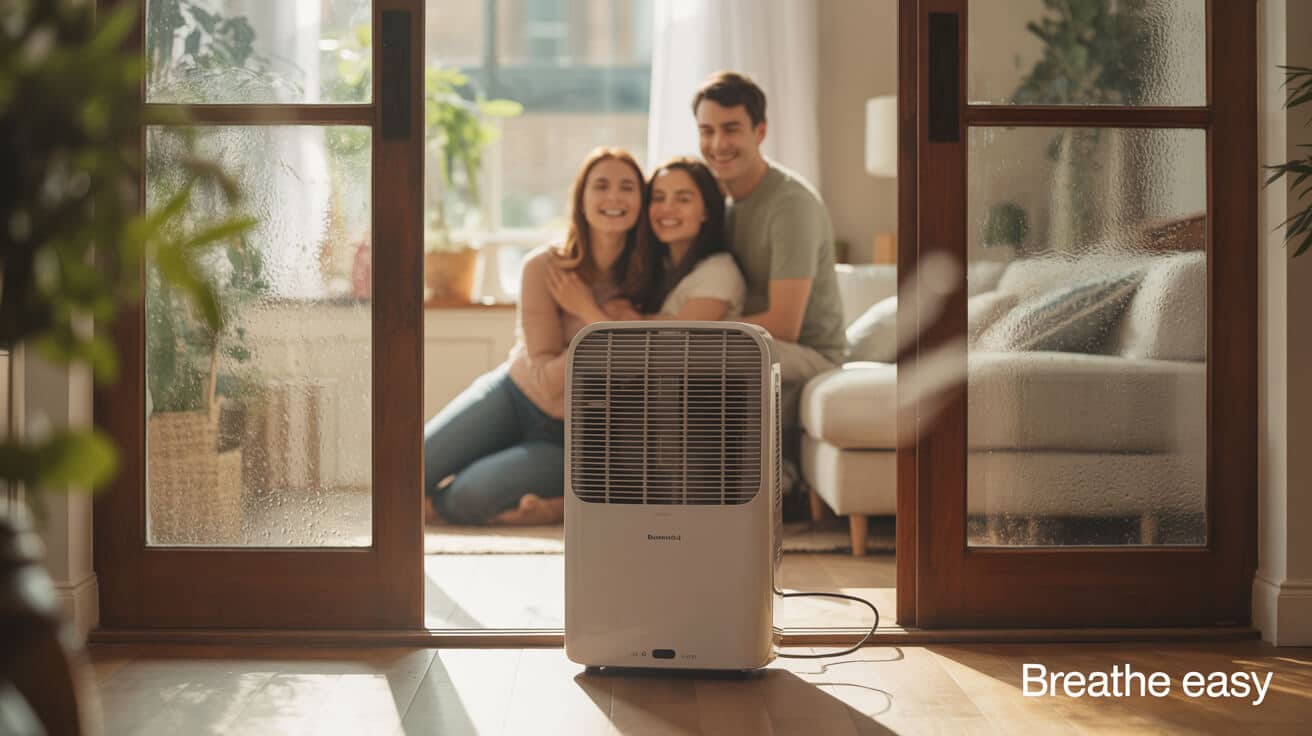
For UK care homes, heating and hot water are safety-critical, not just comfort features. Cold snaps can quickly turn minor faults into clinical, safeguarding and reputational problems, especially for frail or clinically vulnerable residents who feel the impact of low temperatures faster.
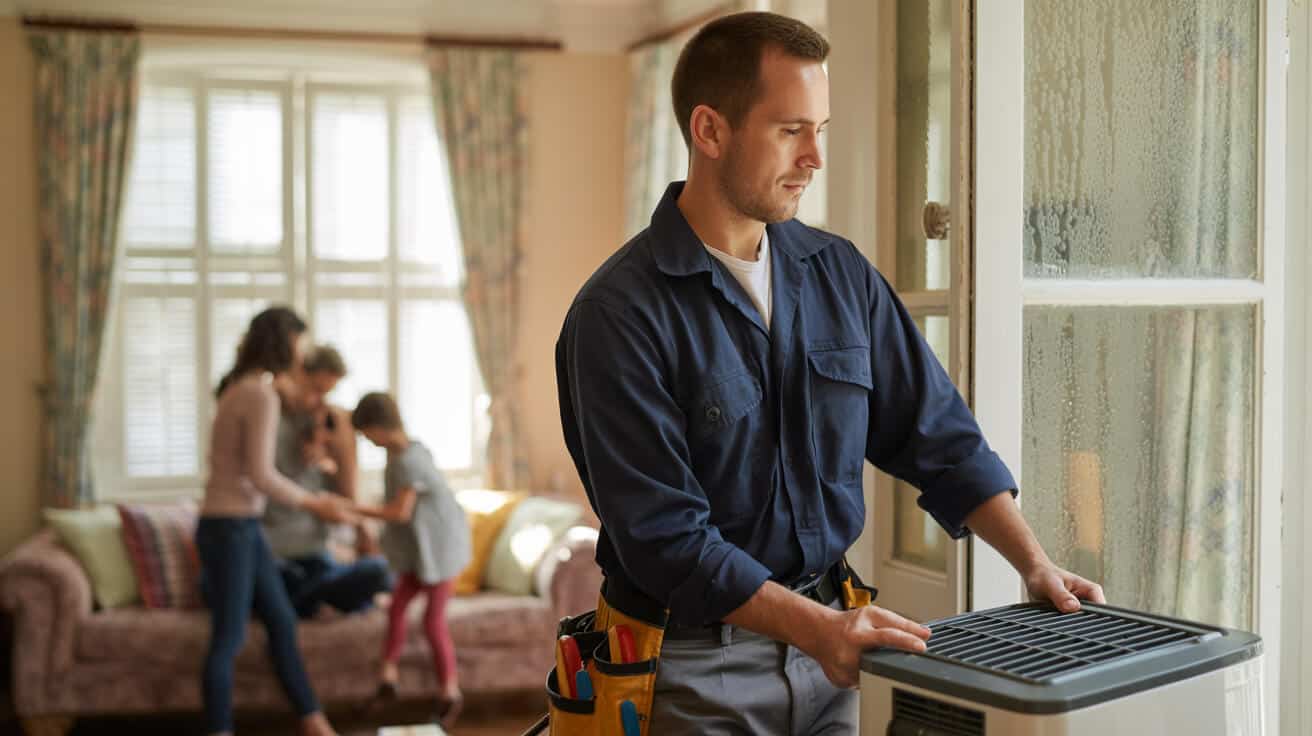
A winter-ready heating PPM programme shifts you from last-minute fan heaters and emergency callouts to defined temperature standards, deeper autumn servicing and clear escalation routes. This helps staff know what to watch, how to respond and how to evidence that residents were kept warm, washed and comfortable throughout winter.
- Reduce clinical and safeguarding risks from cold rooms and outages
- Cut emergency callouts, disruption and unpredictable winter maintenance costs
- Show families, boards and CQC a clear, auditable winter plan
Need Help Fast?
Locked out, leak at home, or electrical issue? All Services 4 U provides 24/7 UK locksmith, plumbing, electrical.
Testimonial & Clients Who Trust Us
With 5 Star Google Reviews, Trusted Trader, Trust Pilot endorsements, and 25+ years of experience, we set industry standards for excellence. From Dominoes to Mears Group, our expertise is trusted by diverse sectors, earning us long-term partnerships and glowing testimonials.
Worcester Boilers

Glow Worm Boilers

Valliant Boilers

Baxi Boilers

Ideal Boilers

Winter-Ready Heating Reliability PPM for UK Care Homes
A winter‑ready heating PPM programme treats heating and hot water as safety‑critical systems, with a clear plan in place before temperatures fall. It links plant maintenance, monitoring and escalation so residents stay warm, washed and comfortable even during cold‑weather alerts, and so you can explain your approach clearly to residents, families and inspectors.
A winter‑ready plan moves you away from last‑minute fan heaters or “hoping the boiler copes” and towards agreed temperature ranges, defined roles and tested responses. For care homes, that means your team understands what “warm enough” looks like in different spaces, who watches the gauges, who responds to alerts and how you prove it afterwards.
Warmth is not a luxury in care homes; it is part of safe care.
Why heating in a care home is a clinical safety system
Heating in a care home works like a clinical safety system because temperature directly affects frailty, infection risk and overall stability. Older and clinically vulnerable residents feel cold faster and more severely, so short periods in under‑heated rooms can drive falls, chest infections, confusion and distress, putting heating alongside medication, staffing and nutrition as part of how you keep people well.
A winter‑ready mindset starts by treating heating as a clinical risk, not only an estates issue. Registered managers, clinical leads and maintenance should sit together and ask what happens to residents if the main boiler, controls or circulation pumps fail at two in the morning during a cold‑weather alert. Walking through that scenario exposes gaps in escalation, temporary heating, observation of high‑risk residents and communication with families, and makes clear why “we’ve always coped before” is no longer enough.
Families and inspectors increasingly expect you to be able to explain how you ensure residents are kept warm and washed in comfort throughout winter. That is hard to do if your approach relies on ad‑hoc staff checks, fan heaters bought in a crisis, or an annual boiler service and little else. A winter‑ready PPM programme gives you a clear storey: agreed temperature ranges, planned checks, named people responsible and a tested response when things go wrong.
All Services 4U works with care homes that have reached this point—often after a difficult winter or a CQC query about temperatures—and want to replace “fingers crossed” with a documented, auditable plan.
What “winter-ready” PPM actually looks like in practice
A winter‑ready PPM programme turns ad‑hoc good practice into a repeatable pattern that staff and engineers can follow. It starts by agreeing internal temperature targets for different areas and resident groups, informed by widely used benchmarks and your clinical profile, so bedrooms and lounges have agreed minimums and monitoring and escalation are built around those expectations.
On the engineering side, winter‑ready PPM means you are not discovering failing expansion vessels, seized valves, blocked strainers or unreliable burners during the first cold snap. Instead, you have an autumn programme that deeply services boilers and hot water plant, tests safety devices, checks pumps and controls, verifies frost protection and confirms that condensate and exposed pipework are protected against freezing. Through winter, you top this up with visual checks, pressure checks and log entries, rather than waiting for complaints.
Operationally, winter‑ready means roles and responsibilities are explicit. Staff know who they call for what kind of issue, which residents to check first if temperatures fall, when to deploy safe, pre‑approved temporary heaters and when to escalate to management or external partners. Your governance meetings and quality reports treat heating reliability and room temperatures as standing items, not occasional afterthoughts.
The Real Cost of Heating Failure in a Cold Snap
Heating failures in a cold snap create clinical, operational, financial and reputational risks that usually dwarf the apparent savings from a minimal maintenance regime. Residents can come to harm, staff time is diverted, emergency costs spike and trust from families, inspectors and insurers is damaged, which is why a winter‑ready approach is easier to defend than a “run to failure” pattern.
Clinical, safeguarding and reputational risks when heating fails
When heating fails in winter, residents face immediate clinical and safeguarding risks that go well beyond feeling uncomfortable. Cold rooms increase cardiovascular strain, raise blood pressure and worsen breathlessness in people with heart or lung disease; shivering, stiffness and rushing to warmer areas can drive falls, and for people with dementia, feeling cold and disoriented can quickly escalate into distress, agitation or wandering.
If a failure coincides with a wider cold‑health alert, you may already be under pressure from overstretched primary care and ambulance services. A prolonged outage in one wing or the whole home can rapidly become a safeguarding concern, especially if high‑risk residents are not monitored closely or moved to safer areas. Families who arrive to find their relatives in cold rooms or unable to bathe in warm water understandably lose confidence, and that loss of confidence can travel quickly through local networks.
Incidents have shown that services are expected to anticipate and manage environmental risks, not simply react when things go wrong. A single high‑profile event can colour inspection findings, trigger conditions on registration and damage local reputation in ways that take years to repair. In that light, heating reliability acts as both a clinical safeguard and a key part of how people judge the quality of your service.
Operational and financial impact of reactive winter maintenance
Reactive winter maintenance tends to be expensive, disruptive and hard to control once the cold weather hits. Emergency callouts often arrive at premium rates, sometimes with limited choice of engineer if your regular contractor is fully committed, while staff time is diverted to moving residents, sourcing temporary heaters, fielding family calls and manually checking temperatures.
Routine infection‑prevention work, bathing schedules and therapy sessions are all disrupted when parts of the home are too cold to use. Financially, a reactive pattern leads to unpredictable peaks in spend: you may face multiple emergency visits, temporary plant hire, unplanned parts, overtime and, in the worst cases, compensation or refunds. When budgets are tight, these spikes can cut into other planned works and contribute to a cycle of under‑investment.
There is also an insurance and lending angle. Insurers may scrutinise environmental conditions and maintenance records closely when deciding whether to pay out following a claim linked to cold, burst pipes or resulting damage. Lenders and investors increasingly look at environmental and asset‑management performance when assessing risk, particularly for larger groups. A visible pattern of winter heating incidents can influence terms and confidence.
A well‑designed heating PPM and winter‑resilience programme reduces unplanned breakdowns, shortens any unavoidable downtime and provides clear evidence that you took reasonable steps before and during cold snaps. That, in turn, makes conversations with boards, insurers and regulators more straightforward and less adversarial.
If you would like an early view of how your current approach would fare in a harsh winter, it is sensible to schedule a short, factual review before the next cold spell rather than waiting for a crisis.
Meeting CQC, Health and Safety and Winter-Guidance Expectations
![[ALTTOKEN]](https://allservices4u.co.uk/app/uploads/2026/01/02-Heating-Reliability-PPM-Services-for-Care-Homes-UK-Winter-Resilience.jpg)
CQC, health and safety law and cold‑weather guidance all expect care homes to keep residents warm enough, provide reliable hot water and maintain equipment properly. In settings where comfort and dignity form part of luxury in care homes, a winter‑ready PPM programme turns those expectations into concrete tasks, records and conversations, so you can explain your approach in language inspectors, health and safety officers and commissioners recognise.
What CQC and H&S frameworks actually expect
Regulatory and health and safety frameworks expect safe, well‑maintained premises where people are protected from avoidable environmental risks, including cold. Under the regulated activities framework, providers must ensure care and treatment are provided in a safe way and that premises and equipment are suitable and properly maintained; in winter, that includes being able to keep residents warm enough, provide reliable hot water and act quickly when systems fail.
Inspectors will look at your environment, talk to residents and staff and review records to see whether this happens in practice. General health and safety law requires employers to ensure, so far as is reasonably practicable, the health, safety and welfare of employees and others affected by their undertaking. Workplace regulations talk about maintaining a reasonable indoor temperature and having effective heating where needed.
While exact numbers may vary, guidance commonly uses temperatures around the high teens or above for most indoor spaces, with higher expectations in settings with vulnerable people. Cold‑weather guidance for adult social care managers adds further detail: it expects services to plan before winter, understand which residents are at greatest risk from cold, check heating systems and controls, and have contingency arrangements in place when cold alerts are issued.
Experience from past incidents shows that services must recognise when room temperatures fall below safe thresholds and have a clear, prompt response. A winter‑ready heating plan, backed by a PPM schedule, makes that response easier to demonstrate and to defend.
Integrating water safety, scald risk and mental wellbeing
Heating and hot water must be considered alongside water safety, scald risk and residents’ mental wellbeing. Hot and cold water systems in care environments need to be managed to minimise the risk of Legionella and other pathogens, while also controlling scald risks at outlets. That typically involves a combination of system design, thermostatic mixing valves, temperature settings, flushing regimes and monitoring, so your winter PPM should include checks that support both warmth and water safety.
There is also a mental health and wellbeing dimension. Cold, damp or draughty environments can worsen low mood, anxiety and behavioural symptoms in residents, and erode morale among staff. Consistently warm, comfortable spaces support sleep, appetite, social interaction and overall quality of life, and regulators increasingly interpret “dignity and respect” as including the environment in which people live, wash and receive care.
A compliant winter‑ready heating strategy therefore brings together several strands: health and safety law on temperature, care regulation on safe treatment and premises, water safety requirements, cold‑weather and health guidance, and your own internal policies for safeguarding and wellbeing. The outcome should be a single, clear storey: your systems, checks and contingency plans are designed to protect people and meet these expectations, and you can evidence that when asked.
Designing a Winter-Ready Heating PPM Programme
A winter‑ready heating PPM programme is a structured, risk‑based plan that covers assets, people, tasks and scenarios from late summer through to spring. It gives you a practical roadmap for what must happen, when, by whom and how you will know it has been done, so that “preparing for winter” becomes a series of scheduled actions rather than good intentions.
Governance, risk and planning foundations
Strong winter planning starts with clear ownership of risk, a simple asset picture and a shared view of last winter’s lessons. You need an up‑to‑date register for each home covering boilers or plant, distribution, hot water generation, controls and any backup systems, alongside a practical sense of condition—age, known issues, recent failures and advisory notes from previous engineers.
Next, agree who owns winter heating risk. Some homes nominate a winter or environmental lead, often the registered manager or facilities manager, supported by a responsible person for heating and hot water. Clinical leads, quality or compliance officers and maintenance staff should all have a defined role in design and delivery. Bringing these people together to review last winter’s incidents, complaints and callouts creates a shared starting point that feels real rather than theoretical.
You can then carry out a basic risk assessment on heating for each home. Consider likelihood of failure (for example older or heavily used plant, known issues, complex systems) and impact (resident acuity, single‑point‑of‑failure boilers with no backup, layout, ability to decant temporarily). This does not need to be complex to be useful; a simple scoring matrix can quickly highlight homes and assets that should be first in line for deeper checks and upgrades.
Steps to build your winter heating risk view
Step 1 – Map your heating and hot water assets
List boilers, plant, distribution, controls and backups for each home with age and known issues.
Step 2 – Agree who owns winter heating risk
Nominate a lead and define roles for managers, clinicians, compliance and maintenance teams.
Step 3 – Score likelihood and impact for each home
Combine plant condition and resident acuity to prioritise sites that need the most attention.
These steps build a shared, evidence‑based view of risk that you can use to prioritise work and investment.
Building a seasonal PPM and response calendar
A seasonal PPM and response calendar translates risk into concrete tasks across late summer, autumn and winter. In care settings, where heating reliability supports comfort, safety and even perceptions of luxury in care homes, many providers start with in-depth services of boilers and associated plant in late summer or early autumn, when engineers can work without the pressure of peak demand, cleaning and inspecting burners and heat exchangers, testing safety devices, checking flues and combustion, reviewing controls and confirming expansion vessels and pressure relief arrangements are working.
From autumn through to spring, you add more frequent, lighter‑touch checks. These might be monthly engineer visits in higher‑risk homes and simple weekly or fortnightly in‑house checks on pressures, plant status and obvious faults. You can also increase temperature monitoring where residents are particularly vulnerable. The aim is to detect early warning signs—noisy pumps, slow warm‑up, unusual lockouts—before they become outages and complaints.
Practical seasonal actions to schedule
- Plan autumn deep services for boilers, hot water plant and key controls.
- Set weekly or fortnightly in‑house checks on pressures, fault lights and leaks.
- Increase temperature checks and staff vigilance during cold‑weather alerts.
Taken together, these seasonal actions give your team a realistic calendar to follow and reduce the chance of being surprised by the first hard frost.
You should also build in explicit scenario and escalation planning. For example, if a cold‑weather alert is issued, you might bring forward certain checks, verify that portable heaters and extension leads are available and safe, brief staff on high‑risk residents, and agree what temperature thresholds will trigger additional action. Running one or two tabletop exercises before winter, walking through how you would respond to a boiler failure overnight, is a powerful way to test and refine your plan.
All Services 4U can support you in this design phase, from asset surveys and condition scoring through to drafting winter task lists and escalation protocols that your team can realistically deliver.
Accreditations & Certifications







Assets We Cover: From Boilers to Backup Systems
![[ALTTOKEN]](https://allservices4u.co.uk/app/uploads/2026/01/03-Heating-Reliability-PPM-Services-for-Care-Homes-UK-Winter-Resilience.jpg)
Heating resilience in a care home depends on more than a single boiler service; it relies on every part of the chain that delivers warm rooms and safe hot water. A robust PPM programme therefore considers generation, distribution, controls, hot water, safety devices, building fabric and any backup systems, so you understand where single points of failure sit and how to manage them.
Critical heating and hot water assets in care homes
Critical assets in care homes include boilers or primary plant, pumps and valves, distribution pipework, emitters, controls and hot water equipment. For each, you need to understand configuration (for example single boiler, duty/standby pair or modular cascade), capacity, age and service history, because homes with no redundancy in plant rooms face much higher stakes if something fails.
Beyond the plant room, pumps, valves and distribution pipework determine whether heat actually reaches resident areas. Sticking valves, failing pumps or unbalanced systems can leave some rooms cold even when overall capacity is sufficient. Emitters—radiators, underfloor heating circuits and convectors—need to be free of air and sludge and protected from resident contact where surfaces get very hot.
Controls, including timeclocks, thermostats, room sensors, frost protection and building management systems, are another critical asset set and need their own inspection and testing routines. Hot water generation and storage equipment, such as calorifiers, cylinders and heat exchangers, also falls within the scope of winter resilience and is tightly linked to water‑safety obligations.
Finally, do not overlook flues, chimneys, condensate and safety devices. Clogs, leaks or freezing in these can stop an otherwise sound boiler from operating, turning a small, preventable issue into an avoidable outage.
Redundancy, backup and temporary heating strategies
Redundancy and safe fallback options determine how much time you have to protect residents while a fault is resolved. In some homes this takes the form of a second boiler or modular plant capable of carrying most or all of the load if one unit fails. In others, zoning and the ability to isolate and prioritise certain wings or floors can buy you time during repairs, keeping the most vulnerable residents warm while work continues elsewhere.
Backup arrangements using temporary or portable heaters must be carefully designed. Portable equipment needs to be suitable for care settings, properly tested and stored, with clear rules on where and how it can be used without creating fire, trip or burn hazards. You should also consider whether you have pre‑planned arrangements for temporary boiler hire or other plant, particularly in larger or higher‑acuity homes where a prolonged failure would be unacceptable.
In addition to mechanical assets, the building fabric—insulation, windows, external doors and roofs—plays a major role in how quickly internal temperatures fall if heating stops. Homes with poor insulation or significant draughts will lose heat much faster, shrinking your safe response window and increasing the pressure on staff during incidents.
A specialist partner such as All Services 4U can help you map and classify these assets, identify single points of failure and propose sensible combinations of plant upgrades, control improvements and backup options over several winters, rather than relying on emergency decisions under pressure.
Monitoring, Records and Evidence for Inspectors and Families
Monitoring and records are what turn a winter‑ready plan into day‑to‑day assurance you can demonstrate. You need to know when room temperatures or systems are drifting out of tolerance, act quickly and show afterwards what you did. Good evidence reassures residents and families, satisfies regulators and insurers, and gives you material for learning and improvement each year.
Temperature and plant monitoring that actually works
Effective monitoring starts with knowing which spaces you check, what “too cold” means and who acts when thresholds are crossed. Many homes choose a mix of spot checks, wall thermometers in key areas, digital logging and, in some cases, integrated building management systems that alert when temperatures fall below set thresholds, with the right mix depending on the size and layout of each home and the vulnerability of your residents.
For higher‑risk residents—for example those who are bedbound, have serious heart or lung disease or struggle to communicate discomfort—you may decide to monitor their rooms more frequently or set tighter temperature ranges. Night periods, when staffing is leaner and people are less mobile, often warrant particular attention. Whatever you choose, the key is that your approach is written down, understood and followed consistently.
Plant monitoring need not be complex. Simple daily or weekly checks of boiler pressure, status indicators, visual signs of leaks, unusual noises and fault codes can pick up issues early. For homes with more sophisticated controls, system dashboards can show run hours, flow and return temperatures and alarm histories. What matters is that someone is responsible for looking, logging and acting, especially in the run‑up to and during cold spells.
Records that stand up to inspections and, if needed, claims
Records that stand up to scrutiny give you a consistent storey across inspections, audits and, if necessary, claims. Core documents usually include:
- Gas safety certificates and boiler service reports for each plant room.
- Maintenance records for pumps, calorifiers, controls and safety devices.
- Temperature logs for representative rooms and any follow‑up actions.
- Incident, complaint and escalation logs linked to cold or hot‑water loss.
A short governance note after each winter can then capture what went well and what you plan to improve.
For CQC inspections, being able to produce up‑to‑date, signed‑off records and talk confidently about how you monitor and respond to cold conditions makes a strong impression. Inspectors do not expect perfection; they expect awareness, plans, follow‑through and learning. The same is true for health and safety officers or environmental health colleagues looking at workplace and environmental conditions.
In the unfortunate event of an incident or claim linked to cold or lack of hot water, such records become even more important. They can demonstrate that you took reasonable steps, followed recognised guidance, maintained equipment appropriately and responded to emerging risks. While they cannot remove all liability, they can significantly affect how regulators, ombudsmen, coroners and courts view your actions.
Families and resident representatives are also important audiences. Sharing, in accessible language, how you monitor temperatures and heating reliability, and what you do when there is a problem, helps to maintain trust. Some homes include brief summaries in newsletters, families’ meetings or noticeboards during winter, alongside reassurance that residents will not be left cold if equipment fails.
All Services 4U builds record‑keeping and reporting into its heating PPM services for care homes, supplying structured visit reports, defect grading, temperature and fault observations, and simple dashboards that you can reuse for governance and inspection purposes.
How Our Service Model Delivers Proven Winter Outcomes
Heating reliability in care homes needs more than ad‑hoc engineering visits; it needs a service model tuned to regulated care, winter risk and the realities of your budget. All Services 4U combines specialist PPM, 24/7 response and sector‑aware reporting so you can show residents, families, inspectors and owners that your heating risks are actively managed, not left to chance.
Specialist PPM and resilience services for care homes
Our specialist PPM and resilience services are built around a diagnostic view of your homes rather than a generic “boiler service” contract. For a single home, that might mean a survey of boilers and hot water plant, a review of recent incidents and callouts, and a look at how you currently monitor temperatures and log maintenance; for groups, it can scale to a portfolio‑wide asset and condition review that highlights higher‑risk homes and systems.
From there, we design a heating PPM schedule that reflects your risks, budgets and operational realities. Typically this includes an autumn deep service of boilers and hot water plant by appropriately qualified engineers, in‑season plant checks and integrated support for gas safety, water safety and relevant pressure‑system obligations. Where helpful, we can recommend improvements to controls, zoning, insulation or redundancy to be phased in over several years.
Recognising that downtime is especially disruptive in care settings, we build clear response and escalation routes into our agreements. For example, we can commit to defined response times for “no heat” or “no hot water” calls in winter, 24/7 cover options and named escalation contacts. Our engineers are briefed and accustomed to working around residents, infection‑prevention measures and clinical routines, minimising disruption during visits.
How we scope, price and mobilise for winter
We scope and price winter‑ready heating support by separating essential safety work from sensible risk‑reduction and longer‑term upgrades. We know budgets are tight and business cases are scrutinised, so our proposals explain what is needed to meet legal and regulatory expectations, what will significantly improve resilience and reduce emergency spend, and what might be planned as future capital projects when funds allow.
Pricing is transparent. Planned maintenance visits, statutory checks and optional services are clearly itemised. For groups, framework or multi‑site arrangements can standardise rates and reduce administrative overhead. Where you share data on previous winters’ emergency callouts and repairs, we can provide a broad comparison of typical costs under reactive versus proactive regimes, helping you explain the financial case internally.
Steps we typically take when mobilising
Step 1 – Understand your current position
We review plant, incidents, monitoring and existing contracts for one or more homes.
Step 2 – Propose a risk‑based PPM and response plan
We set out seasonal tasks, response times and reporting in plain language.
Step 3 – Align mobilisation with the calendar
We schedule surveys and deep services before cold snaps and stabilise performance mid‑winter where needed.
Mobilisation is geared to the calendar. For homes coming to us before autumn, we focus on completing surveys and deep services before temperatures fall and on putting interim controls in place where plant condition is poor. For those approaching us mid‑winter, we concentrate on stabilising performance, improving monitoring and planning a fuller programme for the following year.
Throughout, you remain in control. Our role is to provide specialist engineering capability, sector‑aware advice and reliable execution, so your team can concentrate on running a safe, warm and well‑governed service.
Reliable Property Maintenance You Can Trust
From routine upkeep to urgent repairs, our certified team delivers dependable property maintenance services 24/7 across the UK. Fast response, skilled professionals, and fully insured support to keep your property running smoothly.

Book Your Free Consultation With All Services 4U Today
All Services 4U can help your organisation move from hoping the boilers cope each winter to having a clear, defensible heating resilience plan across your homes. In one focused conversation, you can sense‑check current arrangements, identify quick gains and decide whether a more structured heating PPM approach is the right next step for you.
Low-friction ways to get started
The easiest first step is a winter‑heating resilience review call. We will ask about your homes, resident profile, existing plant, recent breakdowns, current maintenance regime and how you monitor temperatures. In return, you will get a clear view of obvious vulnerabilities, simple changes you can make quickly and where a deeper PPM review might offer value.
If you prefer to test change on a small scale, we can carry out a one‑off diagnostic and PPM design for a single home. That typically includes an asset and condition survey, a risk‑based winter task list and suggested monitoring and escalation processes. You can then decide whether to implement with your own team, ask us to support delivery or use the findings to challenge and improve your existing contracts.
For multi‑home operators, we can scope a portfolio review that consolidates data from multiple sites into a single picture. This highlights higher‑risk homes, shows patterns in breakdowns and emergency spend, and forms the basis for a standardised heating PPM framework and outline pricing. It also gives you material you can use in board, insurance and regulator conversations.
What you can expect from the consultation
The consultation is consultative, not a hard sell, and is designed to give you clarity rather than pressure. You remain free to act on any insights yourself, with existing suppliers or with us. Where we believe our heating reliability PPM services can make a meaningful difference, we will explain how, in plain language, with indicative costs and realistic timescales.
You can expect us to:
- Listen to your constraints, from budgets and staffing to buildings and inspections.
- Reflect back the technical and clinical risks in language you can share internally.
- Suggest practical, staged steps that balance quick wins with longer‑term improvement.
- Be candid where plant condition or design means maintenance alone will not remove all risk.
These behaviours are designed to give you confidence that any decision you make is grounded in a realistic understanding of both risk and opportunity.
If you choose to proceed, next steps might include a written recommendations summary, a pilot proposal for one home or a presentation to your leadership team. Whatever you decide, the goal is the same: to help you keep residents warm, safe and comfortable through winter, with heating arrangements that stand up to clinical scrutiny, CQC inspections and family expectations.
If you are ready to move from “hoping the boilers make it through another winter” to having a clear, defensible heating resilience plan, now is the time to book your consultation with All Services 4U. Starting the conversation before the next cold snap gives you the widest range of options and the best chance of a calm, well‑managed winter.
Frequently Asked Questions
Explore our FAQs to find answers to planned preventative maintenance questions you may have.
- Why care home heating needs a winter-ready PPM plan
- Winter-Ready Heating Reliability PPM for UK Care Homes
- The Real Cost of Heating Failure in a Cold Snap
- Meeting CQC, Health and Safety and Winter-Guidance Expectations
- Designing a Winter-Ready Heating PPM Programme
- Assets We Cover: From Boilers to Backup Systems
- Monitoring, Records and Evidence for Inspectors and Families
- How Our Service Model Delivers Proven Winter Outcomes
- Book Your Free Consultation With All Services 4U Today
- Frequently Asked Questions
- Related PPM Services
Case Studies


Related Articles

Your Guide To Identifying And Treating Minor Mould Outbreaks
Why Planned Preventative Maintenance (Ppm) Saves Money And Ensures Compliance