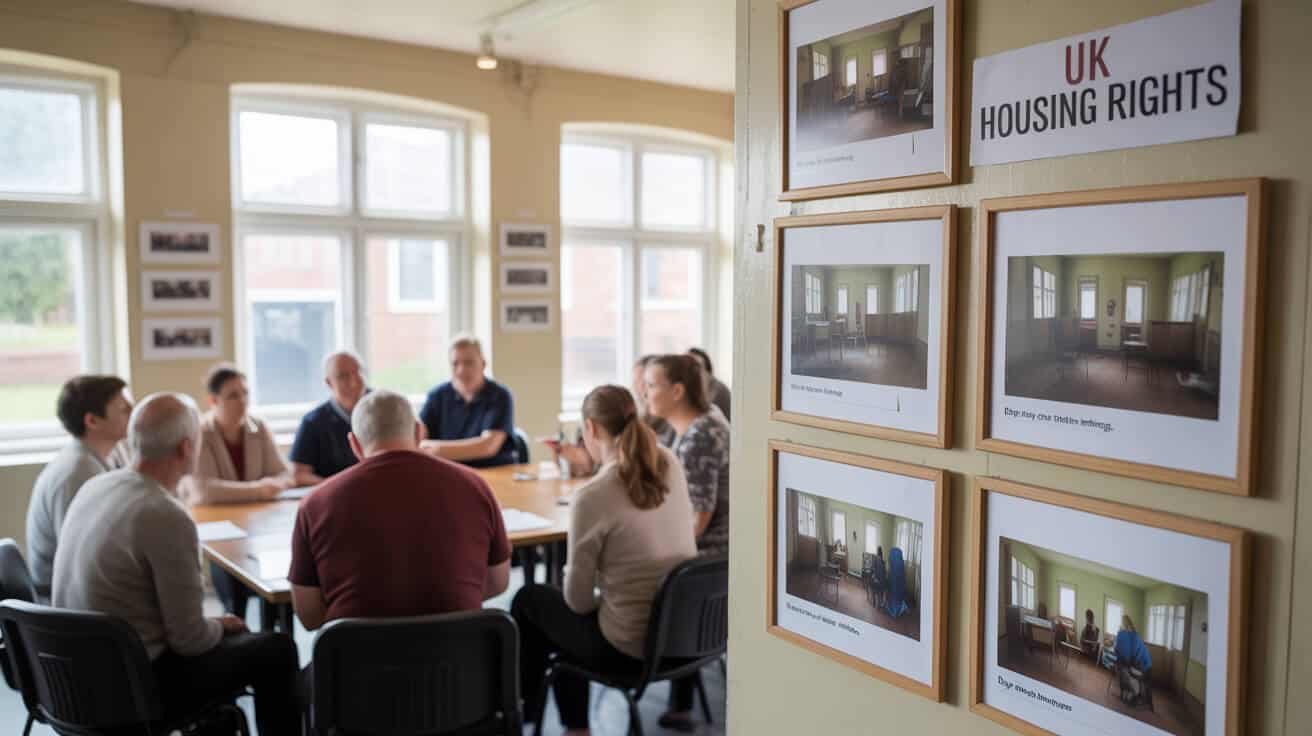
PEEP & Evacuation PPM Services for Care Homes UK – Personal Emergency Plans
UK care home providers need personal emergency evacuation plans and PPM support that actually work on their floors at night, not just on paper. All Services 4U helps you turn resident needs, staffing levels and building layout into clear, shift-proof PEEPs, realistic drills and joined-up records, based on your situation. You finish with concise plans staff can follow under pressure, a drill programme that tests real risk, and documentation that stands up to inspectors and fire officers. It becomes easier to move from quiet concern to a structured, manageable improvement plan.


Author
Izzy Schulman

Why robust PEEPs and PPM matter in UK care homes
For UK care homes, evacuation planning is not just a policy requirement; it is the difference between calm, controlled movement and chaos when alarms sound. Residents with mobility, cognitive or sensory needs rely on staff having clear, realistic instructions they can trust in those first seconds.

When PEEPs, drills and records drift away from day-to-day reality, you carry avoidable operational and regulatory risk. By grounding plans in real impairments, staffing patterns and building layout, and by testing the hardest scenarios, you can turn vague anxiety into a practical, stepwise improvement path.
- See quickly if current PEEPs match real resident needs
- Design drills that test the residents and shifts that matter most
- Join up assessments, PEEPs and records into a coherent evidence trail
Need Help Fast?
Locked out, leak at home, or electrical issue? All Services 4 U provides 24/7 UK locksmith, plumbing, electrical.
Testimonial & Clients Who Trust Us
With 5 Star Google Reviews, Trusted Trader, Trust Pilot endorsements, and 25+ years of experience, we set industry standards for excellence. From Dominoes to Mears Group, our expertise is trusted by diverse sectors, earning us long-term partnerships and glowing testimonials.
Worcester Boilers

Glow Worm Boilers

Valliant Boilers

Baxi Boilers

Ideal Boilers

What Does a Robust Personal Emergency Evacuation Plan Look Like in a UK Care Home?
A robust Personal Emergency Evacuation Plan in a care home is a short, resident‑specific guide that staff can follow calmly under pressure to move that person to safety. Within a wider care home PPM approach, it turns fire‑safety and care‑planning duties into clear steps that still work with night staffing levels, agency cover and the real layout of your building. A partner such as All Services 4U helps you turn those duties into live, workable plans rather than static paperwork.
From generic template to clear, individual plan
A clear PEEP turns a generic template into a quick‑read, shift‑proof guide that any competent staff member can follow. It should set out, in practical language, how the resident will be alerted, who will support them and exactly how the move to safety will work on each shift, using the routes and equipment that really exist in your home.
For each named resident, a PEEP should answer three practical questions in plain language so staff know what to do immediately.
- How will the resident know there is an emergency?
- Who will help them during the evacuation?
- How exactly will they be moved to a place of safety?
That means setting out where they usually are (bedroom, lounge, unit), how they move today (walks with frame, wheelchair, hoist, bedbound), which routes are safe, and what equipment and staffing are required on day, evening and night shifts. Staff should be able to scan the key points in seconds: “Two staff, ski sheet, move horizontally to lounge refuge, then down evacuation chair when instructed.” Room numbers, zones and equipment locations should match your signage and fire‑alarm zoning, so no one is trying to translate between different reference systems while alarms are sounding.
Instead of long narratives, good PEEPs use short, consistent sections and plain language. That keeps them accessible for permanent staff, bank staff and agency workers alike, even when English is not their first language or they are new to the home.
Built around real impairments, not labels
Effective PEEPs are built around what a resident can and cannot do in an emergency, not just diagnostic labels. That makes the plan usable for any competent member of staff, including those who do not know the resident well.
- Mobility: distance, speed, use of aids, bariatric needs, and whether stairs are possible.
- Cognition: response to alarms, confusion, wandering, refusal, freezing and calming approaches that work.
- Sensory: how alerts will be noticed with reduced hearing or vision, and how instructions should be delivered.
By describing functional ability rather than just diagnoses, you create PEEPs that can be understood by new or agency staff who may not know the resident. That also makes it easier to review plans regularly as abilities change, without rewriting everything from scratch. Clinical and care teams can adjust a few key lines as mobility, cognition or sensory needs shift, and the plan stays usable.
Aligned with your building and staffing reality
A PEEP that assumes three staff for a resident on a floor that usually runs with one waking night worker and one sleeper is not a safe plan; it is evidence of unmanaged risk. Plans need to reflect how many competent staff are realistically present on each shift, what training they have, and how long it would take to reach and move several high‑dependency residents at once.
In many care homes the right approach is progressive horizontal evacuation: moving residents into adjacent fire‑resisting compartments first, then only using staircases or full evacuation if absolutely necessary. Well‑designed PEEPs support that strategy, indicating first‑stage moves, refuges and then final exits. When All Services 4U designs or reviews PEEPs, the starting point is always your current staffing model, your actual compartmentation and your alarm cause‑and‑effect, not an idealised picture.
Safety on the night of a fire is built months in advance, one realistic resident plan at a time.
How Can You Tell If Your Current PEEPs, Drills and Records Are Putting You at Risk?
You can usually tell your PEEPs, drills and records are putting you at risk if they are out of date, untested in realistic scenarios, or poorly documented. When you are unsure whether staff could move your highest‑risk residents at the worst possible time, you are carrying avoidable operational and regulatory exposure. The good news is that a structured review can turn this into a manageable improvement plan rather than a source of anxiety.
Spotting weak or outdated PEEPs
Weak or outdated PEEPs are easy to spot once you look deliberately for them. The warning signs are plans that no longer describe the resident in front of you, do not match current care records or leave staff guessing what to do in the first few seconds of an alarm.
Outdated PEEPs are one of the quickest ways that evacuation planning drifts away from reality and undermines confidence during an incident. Residents move rooms, become less mobile, start using oxygen, gain or lose weight, or develop new behaviours that affect evacuation, yet paperwork often stays frozen at admission. Templates may still show “walking with stick” when the person is now hoisted, or mention equipment that has been moved.
You can test quality by sampling a handful of PEEPs and asking three questions:
- Does this still describe the resident in front of you?
- Does it match their care plan and risk assessments?
- Is it obvious what staff should do within the first 10–15 seconds of reading?
If the answer is no to any of these, the plan is no longer safe. All Services 4U often starts engagements with a light‑touch “PEEP health check” that scores plans against these simple, practical criteria and gives you a clear view of quick wins.
Drills that do not test real risk
Drills that only prove the alarm sounds and people move once are not enough for a modern care home; they rarely show how the home would cope under real strain. The real test is whether you can move the residents who are hardest to evacuate, at the toughest times, with the staff who are actually on duty. That might mean running a night‑time drill with agency staff, or simulating fire in the worst possible compartment rather than the easiest.
A useful exercise is to take your list of residents needing assistance and plot how many would need to move and in what order if a fire started in each compartment. If your drills never touch those combinations, you are not rehearsing your real risk. Part of All Services 4U’s PPM service is to help you design a drill programme over the year that cycles through different zones, shifts and staff mixes, while minimising disruption to residents and respecting their dignity.
Documentation that will not stand up to scrutiny
Inspectors, fire officers and insurers increasingly expect to see a clear link from identified risk to action, supported by organised, consistent records. That means your fire‑risk assessment, PEEPs, drill logs, defect reports and maintenance records should join up into a coherent narrative that makes sense to someone who does not work in the home every day.
Red flags in documentation include:
- Missing PEEPs for residents who obviously cannot self‑evacuate.
- No evidence that issues found in drills are addressed and closed.
- Gaps in servicing records for alarms or emergency lighting.
- Inconsistent room or zone labelling between documents and signage.
When All Services 4U reviews documentation, the aim is not to criticise but to highlight where the storey breaks down, and then help you put in place simple registers, templates and review routines so future audits are far less stressful. Clear, consistent records also make it easier for new managers to understand what they are inheriting and where to focus first.
What Do UK Fire Law, CQC and Building Regulations Actually Expect?
![[ALTTOKEN]](https://allservices4u.co.uk/app/uploads/2026/01/03-PEEP-Evacuation-PPM-Services-for-Care-Homes-UK-Personal-Emergency-Plans.jpg)
Law and regulators expect you to identify individual fire risks, plan realistic evacuation for those at special risk, and keep those arrangements under review. They do not prescribe one template or drill frequency for every care home, but they do judge whether your approach is suitable, sufficient and kept up to date for your residents and buildings. This overview is for general information only and should sit alongside advice from your fire‑risk assessor and other competent professionals.
Fire‑safety duties under the Fire Safety Order
Fire‑safety law expects every care home to carry out a suitable and sufficient fire‑risk assessment, identify people at particular risk and put realistic evacuation procedures in place. In practice, that means someone must understand who can self‑evacuate, who will always need help and how that help will be provided on each shift, across all compartments of your building.
The fire‑safety order that replaced the old fire certificate regime requires the “responsible person” (the organisation or person in control of the premises) to carry out a suitable and sufficient fire‑risk assessment, identify people at particular risk, provide appropriate fire precautions and establish procedures for serious and imminent danger.
In a care home, where many residents sleep and cannot self‑evacuate, this inevitably leads to individual evacuation planning. Even though the law does not use the term “PEEP”, fire authorities and guidance documents make clear that personal evacuation arrangements for residents who need help are expected. You do not need legal language in your plans; you need to be able to show, in plain terms, that you have recognised individual risks and made realistic arrangements that fit your staffing and building.
How CQC looks at fire safety and PEEPs
CQC’s fundamental standards require providers to keep people safe from avoidable harm and to ensure that premises and equipment are safe, suitable and properly used. Fire safety and evacuation planning sit within those expectations, especially under the “Safe” and “Well‑led” key questions that inspectors use.
Inspectors will often look at how your fire‑risk assessment, evacuation strategy and PEEPs join up, whether staff know their roles, and whether there is evidence of training, drills and learning from incidents or near‑misses. They may pick a resident’s PEEP at random and ask staff how they would move that person. A well‑designed PEEP and a confident answer from a care worker can quickly build confidence in your culture, while confusion or contradictory answers can quickly erode it.
If you are unsure how your current documents would stand up to that kind of scrutiny, a light‑touch review can give you a clear baseline without committing you to a full programme.
Why Building Regulations and design still matter
Building Regulations, and in particular the fire‑safety volume of Part B, shape the physical environment you are working in. For care homes, that usually means protected routes, compartmentation and an assumed evacuation strategy such as progressive horizontal evacuation (moving sideways into another fire‑resisting compartment before considering full evacuation). New builds may have more generous compartments and modern systems; older or converted properties may be less forgiving.
You are not expected to be a designer, but you are expected to understand, at a basic level, how your building is supposed to be evacuated and how that interacts with your resident mix. When All Services 4U works with homes, a key early step is to map residents who need assistance onto compartments and routes, checking that the proposed PEEPs are feasible given door widths, stairs, refuges and expected fire and smoke behaviour.
A short, clear statement in your fire‑safety documentation that links your building design, your evacuation strategy and your individual PEEPs can go a long way towards satisfying both regulators and insurers that you have thought this through and are managing risk consciously rather than by accident.
What Does an Integrated PEEP & Evacuation PPM Service Look Like?
An integrated service ties resident‑level PEEPs, your overarching evacuation strategy and the planned preventive maintenance of your fire‑safety systems into a single, manageable programme. Instead of separate conversations about documents, drills and devices, you have one calendar, one set of responsibilities and one set of records. That is the essence of All Services 4U’s PEEP and evacuation PPM offering.
Linking resident plans to systems and layout
An integrated approach makes sure personal evacuation plans, building layout and fire‑safety systems all tell the same storey. Each resident’s PEEP is checked against real routes, refuges, equipment and maintenance status, so staff are never relying on equipment that does not exist or systems that have not been tested recently.
Personal plans cannot sit in isolation from the building and systems that must support them. A PEEP that assumes an evacuation chair on a landing where none is installed, or a refuge that is not clearly signed or equipped, creates risk and confusion. Similarly, there is no point telling staff to rely on emergency lighting in a corridor if maintenance records show those fittings are overdue for testing.
In an integrated model, every PEEP is cross‑checked against the physical environment and the maintenance status of key systems. That might involve simple measures like a shared asset register showing where evacuation chairs, ski sheets and refuges are located, and which residents depend on them. It might also mean walking key routes with staff and asking them to demonstrate, physically, how they would carry out the plan. Those findings then feed back into both PEEP revisions and PPM priorities, so you gradually remove mismatches between paper and practice.
Creating a joined‑up calendar for reviews, drills and maintenance
A clear, joined‑up calendar makes it easier to keep evacuation arrangements live without overwhelming your team. An integrated evacuation PPM programme typically schedules:
- Regular PEEP reviews for residents who need assistance to evacuate.
- Fire‑risk assessment reviews and follow‑up on significant findings.
- Drills on each shift pattern, including nights and weekends.
- Servicing and testing of alarms, emergency lighting and related systems.
- Checks of evacuation equipment such as chairs, ski sheets and signage.
Some activities can be combined to reduce disruption. For example, a quarterly alarm service visit might be followed by a short staff walk‑through of evacuation routes, or a scheduled drill might double as a test of particular doors or refuges. All Services 4U helps you build a realistic schedule that reflects your risk profile, staffing and other pressures rather than imposing a one‑size‑fits‑all pattern.
If your current arrangements feel fragmented, starting with a simple integrated calendar for one home is often enough to test whether this model suits your team.
Working with your existing contractors and teams
Most care homes already have contracts for alarms, extinguishers and emergency lighting. The missing piece is often coordination and interpretation, not more suppliers. An effective PEEP and evacuation PPM service works alongside your existing contractors, clarifying what they do, what you do, and where information must flow so everyone is pulling in the same direction.
That might mean asking contractors to tag reports in ways that make sense for your PEEPs (for example, flagging defects that affect key escape routes), or using their visit schedule as anchors for your own reviews. Internally, roles for managers, clinical leads, maintenance staff and administrators must also be clear. All Services 4U will usually map the process end‑to‑end: who triggers a PEEP review, who updates it, who trains staff, who logs drills, who files certificates, and who checks the whole cycle is working. That clarity reduces the chance that critical tasks “fall between chairs”.
Once these pieces are aligned, the next question is how you keep them working month after month without slipping back into a reactive pattern.
Accreditations & Certifications







How Our Planned Preventive Maintenance Model De‑Risks Your Evacuation Strategy
![[ALTTOKEN]](https://allservices4u.co.uk/app/uploads/2026/01/01-PEEP-Evacuation-PPM-Services-for-Care-Homes-UK-Personal-Emergency-Plans.png)
A planned preventive maintenance model for evacuation is about more than servicing hardware; it is a way of making sure your plans, people and systems are tested, refreshed and documented to a clear, risk‑based schedule. Instead of worrying about what might have been missed, you can see, in one place, what has been done and what is due next. That gives managers, boards and regulators far greater confidence in how evacuation is managed.
Annual schedule and risk‑based priorities
A risk‑based annual schedule gathers every evacuation‑related task into one view and weights them by impact on resident safety. High‑risk residents, complex buildings and critical systems are given more focus and frequency, so you spend time and money where it matters most while still meeting your legal duties and inspection expectations.
An effective annual schedule pulls together all recurring tasks related to evacuation and weights them according to life‑safety impact. Rather than treating everything as equal, tasks are prioritised based on resident vulnerability, building complexity and regulatory duties.
Core elements of the schedule usually include:
- PEEP reviews, prioritised for residents with higher dependency or changing needs.
- Fire‑risk assessment updates and follow‑up on significant findings.
- Drills for each shift pattern, including nights and bank‑holiday cover.
- Servicing and testing of fire alarms, emergency lighting and related systems.
- Checks and servicing of evacuation equipment such as chairs and aids.
- Training refreshers for permanent and agency staff.
For example, reviews for residents who are bedbound, bariatric or on oxygen might be scheduled more frequently than for someone who can still self‑evacuate with minimal support. Drills might be weighted towards night shifts in multi‑storey homes. All Services 4U helps you define these priorities so resources are directed where they matter most, while still meeting legal and contractual obligations.
Turning visits and drills into feedback loops
In many organisations, servicing and drills are treated as ticks on a list. A more mature approach treats every visit and every exercise as a source of information that improves future performance. After each activity, the basic question should be, “What did we learn about our ability to evacuate safely?”
Useful debrief prompts include:
- Did staff know where evacuation equipment was stored and how to use it?
- Did doors, alarms and emergency lighting perform as expected on the route?
- Was the time taken to move mock or real residents acceptable for staffing levels?
- Did anyone report confusion about routes, roles or communication?
Our model builds simple debrief steps into the programme. After each drill, key observations are recorded along with any follow‑up actions and deadlines. After each PPM visit, any issues that could affect evacuation (for example, detector coverage, sounder audibility or emergency‑lighting performance) are highlighted. Those insights then feed back into PEEPs, training content and future maintenance priorities. Over time, you accumulate a powerful record of real‑world testing and learning rather than isolated, unconnected events.
Governance‑ready reporting for boards and insurers
Boards, investors and insurers are less interested in the technical detail of individual devices and more in the assurance that overall risk is being managed. A planned maintenance model makes it easier to present that assurance clearly and consistently. Periodic reports can pull together PEEP coverage and review status, drill frequency and outcomes, key defects and how quickly they are resolved, and overall compliance with your defined schedule.
For groups with multiple homes, this can be presented as a dashboard or heatmap, showing which locations are on track and which need attention. That enables senior leaders to target support, explain decisions to regulators and commissioners, and demonstrate to insurers that fire‑safety and evacuation are being managed systematically. Finance and service‑charge leads also gain a clearer view of planned versus unplanned spending on fire‑safety and how effective that investment has been in reducing risk over time.
If you want a low‑commitment way to test this, starting with a single‑home schedule and quarterly report often gives enough evidence to decide whether to expand the model.
What Evidence and Standards Do We Build Your Programme Around?
A credible evacuation programme is not invented from scratch; it is built on recognised standards, professional guidance and lessons from the sector, then tailored to your residents and buildings. All Services 4U’s role is to do that translation work for you, so you do not need to wade through every document yourself and can still speak confidently to regulators and families about your approach.
Person‑centred and clinically realistic PEEPs
Person‑centred, clinically realistic PEEPs reflect how residents live and respond today, not an idealised or purely technical view. They must fit alongside care plans and clinical risk assessments so that staff are not juggling conflicting instructions when seconds matter during an evacuation.
Modern guidance recognises that evacuation plans must be person‑centred and clinically realistic, not merely technical. In care homes, that means PEEPs need to reflect not just mobility but cognition, sensory needs, behaviours, medication and clinical conditions such as dementia or respiratory disease. They also need to respect dignity and autonomy wherever possible, including how residents are moved and who supports them.
Our consultants therefore work closely with clinical and care teams when designing or reviewing PEEPs. We look at how plans sit alongside care plans, behaviour‑support plans and other risk assessments. Where there are residents with complex needs—for example, those who may resist evacuation, become distressed by alarms or need continuous medical support—we help you design approaches that are both clinically sound and practically achievable for staff on each shift. This reduces the gap between what looks good on paper and what can actually be done safely in the middle of the night.
Aligning with national guidance and professional bodies
Fire‑safety and health‑and‑social‑care bodies publish a substantial amount of guidance on means of escape for disabled people, fire safety in care homes, statutory compliance, training and governance. Rather than quoting these at you or overwhelming your team, we embed their principles into your policies, templates and training in a practical way.
That typically includes aligning your approach with national fire‑safety guides for care homes, guidance on means of escape for disabled people, professional nursing and health‑and‑social‑care expectations around safety responsibilities, and relevant housing‑with‑care good‑practice documents. When regulators or commissioners ask what your programme is based on, you can point to a coherent suite of references rather than ad‑hoc decisions, increasing their confidence that your arrangements will stand up over time and across different inspections.
Keeping an inspection‑ready evidence pack
Regulators and fire authorities increasingly value clear, organised evidence over sheer volume of paper. An inspection‑ready evidence pack brings together, in one place, your current fire‑risk assessment summary, a list of residents with PEEPs and their review dates, examples of completed PEEPs, drill logs and debriefs, servicing and maintenance certificates, training records and any recent improvement actions.
All Services 4U helps you design and populate such a pack, whether in physical form, digital form or both. We also build in simple version‑control and review cues, so you can show not only what your arrangements are, but how they are kept live. That shifts conversations with inspectors from “where is that record?” to “this is how we manage and review evacuation risk across the home.” It also means that when managers change, the new team inherits a clear picture rather than a scattered archive.
An organised evidence trail turns inspection from interruption into proof that resident safety comes first.
Where these foundations are weak or missing, the operational and financial impact can be significant, even if no one is physically harmed.
What Is the Operational and Financial Cost of Weak Evacuation Planning?
Weak evacuation planning usually shows up at the worst possible moment and can be operationally and financially expensive even when no one is harmed. It tends to reveal itself during night shifts, staffing shortages, inspections or incidents, when there is little time to improvise or correct underlying weaknesses. For private owners and landlords this can mean higher premiums, disputed claims and challenge from leaseholders over service charges.
Impact on residents, staff and regulators
The immediate impact of weak evacuation planning is felt by residents, staff and regulators. Residents and families lose confidence, staff feel exposed and stressed, and regulators question whether harm could reasonably have been avoided. Even without injury, near‑misses can trigger complaints, reputational damage and increased scrutiny.
From a resident and family perspective, poor evacuation arrangements undermine trust. Even a near‑miss—such as a small fire that reveals confusion about who does what—can generate complaints, negative feedback and anxiety, especially among families who are already worried about loved ones’ vulnerability. For staff, being unsure how to move residents or discovering that equipment is unusable creates stress and moral injury, and can contribute to burnout or retention problems.
Regulators and fire officers will focus on whether harm could reasonably have been avoided. If PEEPs are generic or out of date, if drills do not cover high‑risk scenarios, or if maintenance is patchy, their confidence in your service drops. That can translate into requirements actions, warning notices, more frequent inspections or, in serious cases, enforcement. Insurers, too, may harden their stance if they see weak management of life‑safety risk, potentially increasing premiums or narrowing cover.
Hidden financial costs of reactive fixes
When weaknesses are identified late—through an incident, a complaint or a difficult inspection—the response is often reactive, resource‑intensive and disruptive. Instead of small, planned improvements, managers are forced into large, urgent changes that are more expensive and harder to control.
Typical unplanned cost drivers include:
- Emergency consultancy and unbudgeted specialist surveys.
- Overtime for staff to attend extra drills or training sessions.
- Rush purchases or short‑notice hire of evacuation equipment.
- Rework of policies, templates and records under external pressure.
Service‑charge budgets and reserves can be strained, and managers can find themselves spending weeks firefighting rather than leading. By contrast, a planned PPM approach allows you to phase improvements, negotiate supplier terms, and align capital and revenue spending with your wider business plan. It is usually less expensive, over time, to invest steadily in good documentation, drills and maintenance than to repeatedly patch gaps after they are exposed. All Services 4U can help you cost and sequence this work so it becomes part of normal operations rather than an occasional crisis.
Risks of fragmented or low‑cost providers
Low‑cost or fragmented service models often focus on a narrow slice of the problem: perhaps a one‑off PEEP template exercise, or a standalone alarm‑servicing contract. Without integration into your wider evacuation strategy, staffing, drills and governance, these efforts can create a false sense of security and leave landlords or providers exposed.
Common failure patterns with fragmented or purely low‑cost approaches include:
- Plans that are created once but never embedded into daily practice.
- Recommendations that sit in reports without follow‑up or clear owners.
- Responsibilities split so finely that no one has overall oversight or accountability.
- Poor communication between technical contractors and care teams, leading to surprises.
In the worst cases, paperwork looks impressive but reality has not changed. By choosing a partner that understands both the care context and the technical requirements, you reduce the chance of paying twice: once for a cheap fix, and again to put it right after an incident or inspection.
If you recognise some of these patterns in your own services, a focused diagnostic can quickly show whether you face isolated gaps or a more systemic problem.
Reliable Property Maintenance You Can Trust
From routine upkeep to urgent repairs, our certified team delivers dependable property maintenance services 24/7 across the UK. Fast response, skilled professionals, and fully insured support to keep your property running smoothly.

Book Your Free Consultation With All Services 4U Today
All Services 4U helps UK care homes turn Personal Emergency Evacuation Plans, evacuation maintenance and wider care home PPM from a worry into a calm, repeatable system that protects residents and satisfies regulators. A short, no-obligation consultation can turn concern about PEEPs, drills and records into a clear view of where you stand now and what a proportionate improvement plan might look like for your service.
What we cover in your initial review
Your initial review focuses on how evacuation really works in your home today, not how it looks on paper. In under an hour, you gain a straightforward picture of resident PEEPs, drills, staffing and maintenance, plus a shortlist of practical improvements you can implement at your own pace.
In a short, structured conversation focused on one home, we will explore how you currently identify residents who need PEEPs, how plans are written and reviewed, what your drill programme looks like across different shifts, and how your fire‑safety maintenance is scheduled and recorded. You will come away with a clear sense of strengths, gaps and quick wins, without any obligation to proceed further.
If you wish, we can also discuss how evacuation responsibilities are divided between managers, clinical leads, maintenance staff, external contractors and landlords, and whether that picture is as clear as it needs to be in policy and practice. That often surfaces simple improvements in role clarity and communication that cost little but significantly reduce risk and inspection stress.
Low‑friction ways to get started
There is no single “right” way to engage; the starting point should match your risk, capacity and governance position. Some providers start with a one‑off diagnostic and targeted recommendations for a single home. Others ask for help designing group‑wide templates, registers and schedules that their own teams then populate over time. Multi‑home operators sometimes begin with a pilot across two contrasting homes—perhaps an older conversion and a newer build—to test approaches before deciding on a wider roll‑out.
For ease of comparison, typical entry routes include:
- A focused PEEP and evacuation “health check” for one home.
- Design of group‑wide templates, calendars and evidence packs.
- A time‑boxed pilot across two or three homes with different profiles.
Whichever route you choose, the aim is the same: to give you confidence that, if the alarm sounded in the early hours, every resident who needs help has a realistic plan, staff know what to do, systems will support them, and you can evidence all of it when asked. If that is the outcome you want, a free consultation with All Services 4U is a straightforward next step and an opportunity to test whether our approach fits your culture before making any larger commitment.
Frequently Asked Questions
Explore our FAQs to find answers to planned preventative maintenance questions you may have.
1. Make each FAQ answer more “answer‑first”
Right now you do this reasonably well, but you can make the very first sentence of each FAQ even more direct and snippet‑friendly. For example:
- Instead of:
“Property maintenance reduces insurance and finance risk when it is structured around conditions precedent…”
Try:
“Property maintenance lowers your insurance and finance risk when it’s built around conditions precedent and lender expectations, not just ‘keeping things working’.”
You’re basically there; just check each H3 has a first sentence that:
- Names the user’s outcome (risk, insurance, board confidence, etc.)
- Mentions property maintenance or contractor/partner explicitly.
2. Reduce some repeated phrasing
You occasionally lean on the same phrases:
- “evidence packs / evidence binder / evidence regime”
- “time‑boxed slice”
- “single‑site diagnostic”
They’re good phrases, but you can vary a little to avoid feeling templated:
- Swap “evidence binder” sometimes with “compliance file” or “audit‑ready folder”.
- “Time‑boxed slice” once, “fixed‑period closure sprint” elsewhere.
- “Single‑site diagnostic” vs “one‑block health check”.
The underlying ideas are solid; this is just about lexical variety.
3. Add one or two short, numbers‑anchored proof lines
You’re very strong on process and law references. You could add 1–2 credible, non‑sensational numbers to anchor it:
- E.g. “In most portfolios we audit, at least 20–30% of completed jobs are missing one or more evidence items a broker or valuer would expect to see.”
- Or: “Boards almost always find that one ‘pilot’ block with structured PPM and evidence has half the noise at AGMs compared to the rest.”
This kind of line reassures a sceptical landlord or board member that you’ve actually seen enough estates to speak in ranges.
Your CTAs are already subtle, which is good. You can sharpen them very slightly towards action without sounding salesy. For example:
- “If you want to sanity‑check your position…” could end with:
“If you want to sanity‑check your position, we’re happy to walk that three‑job sample with you and show you exactly where an insurer or valuer would start asking questions.”
- In the “test us” FAQ, you might add one line at the end:
“If you’ve got one building that already worries you, that’s usually the best place to start.”
Everything stays conversational, but there’s always a low‑friction next move.
5. Make the landlord/owner angle explicit once per FAQ
You’re already speaking to RTMs, boards and landlords in aggregate. Since you now know you want to target dissatisfied landlords/owners, add one explicit nod in each answer:
Examples:
- “For most landlords and RTM boards…”
- “For landlords who are tired of hearing ‘we attended’ with no proof attached…”
- “If you’re the person who will be in the firing line when a claim or dispute lands…”
This keeps the lens tight on the people who are actively unhappy with current Tier‑2s.
If you want, I can now:
- Rewrite one of the FAQs (for example, the first one on “How do I know if my contractor is putting my asset at risk?”) applying those tweaks,
- Or generate 3–5 extra question ideas specifically tuned to “dissatisfied landlord/owner” queries you can add as bonus FAQs further down the page.
- Why robust PEEPs and PPM matter in UK care homes
- What Does a Robust Personal Emergency Evacuation Plan Look Like in a UK Care Home?
- How Can You Tell If Your Current PEEPs, Drills and Records Are Putting You at Risk?
- What Do UK Fire Law, CQC and Building Regulations Actually Expect?
- What Does an Integrated PEEP & Evacuation PPM Service Look Like?
- How Our Planned Preventive Maintenance Model De‑Risks Your Evacuation Strategy
- What Evidence and Standards Do We Build Your Programme Around?
- What Is the Operational and Financial Cost of Weak Evacuation Planning?
- Book Your Free Consultation With All Services 4U Today
- Frequently Asked Questions
- Related PPM Services
Case Studies


Related Articles
Your Guide To Identifying And Treating Minor Mould Outbreaks
Why Planned Preventative Maintenance (Ppm) Saves Money And Ensures Compliance