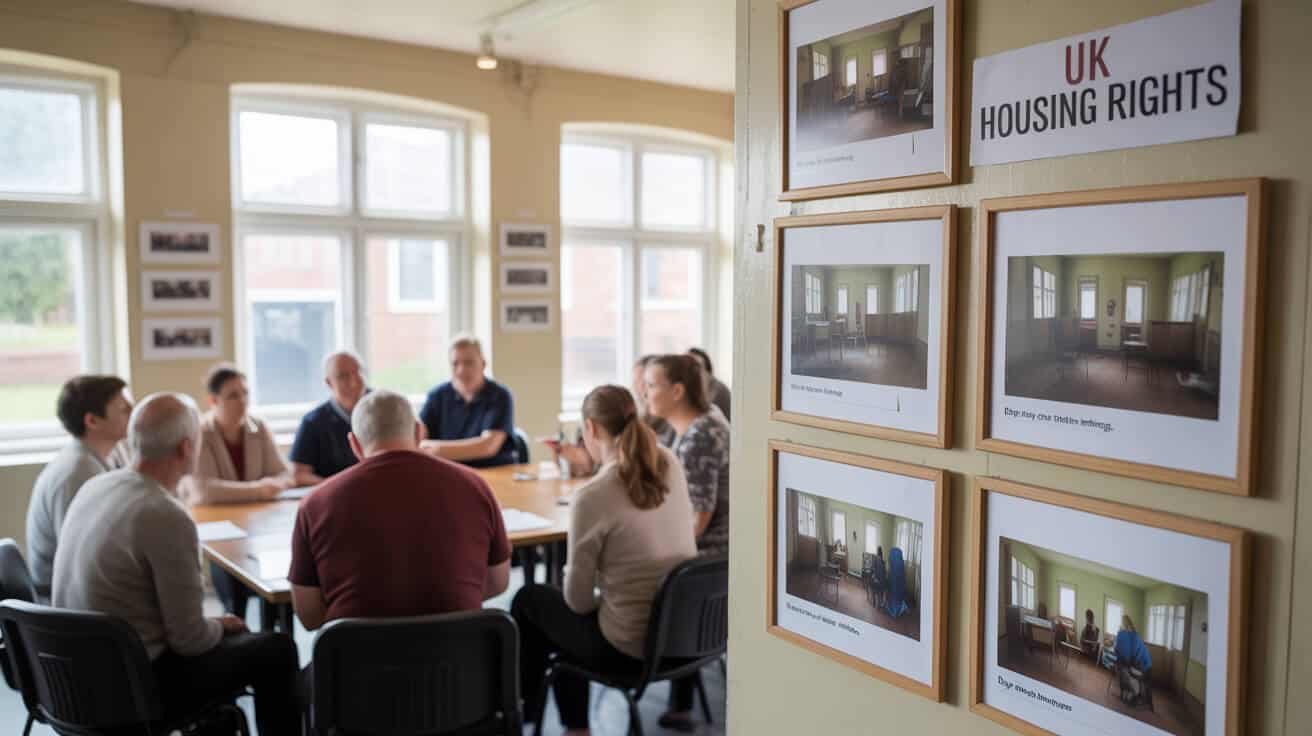
Water Hygiene PPM Services for Care Homes UK – L8, TMV3 & Legionella Control
UK care home owners, managers and Responsible Persons use structured water hygiene PPM to keep residents safe and satisfy CQC, HSE and insurer expectations around L8, HSG274 and TMV3. A clear regime turns risk assessments into realistic monitoring, flushing, testing and record-keeping, based on your situation. By the end you have a defendable timetable, joined-up Legionella and TMV3 controls, and evidence you can show regulators and families with confidence. It’s a straightforward way to replace vague worry with a controlled, auditable water safety system.



Author
Izzy Schulman

How structured water hygiene PPM protects UK care homes
For UK care homes, water hygiene is a clinical and governance risk, not just a maintenance task. Residents are vulnerable, systems are complex and regulators expect you to show how Legionella and scalding risks are controlled day to day.

A structured PPM regime turns ACoP L8, HSG274 and your Legionella risk assessment into a workable schedule of checks, TMV3 servicing and records your team can actually deliver. This approach reduces surprises, supports CQC inspections and stabilises operational and financial risk.
- Turn guidance and risk assessments into a clear PPM timetable
- Join up Legionella, TMV3 and record-keeping into one coherent regime
- Reduce enforcement, disruption and reputational damage from weak water controls
Need Help Fast?
Locked out, leak at home, or electrical issue? All Services 4 U provides 24/7 UK locksmith, plumbing, electrical.
Testimonial & Clients Who Trust Us
With 5 Star Google Reviews, Trusted Trader, Trust Pilot endorsements, and 25+ years of experience, we set industry standards for excellence. From Dominoes to Mears Group, our expertise is trusted by diverse sectors, earning us long-term partnerships and glowing testimonials.
Worcester Boilers

Glow Worm Boilers

Valliant Boilers

Baxi Boilers

Ideal Boilers

What “good” water hygiene PPM looks like in a UK care home
Good water hygiene PPM in a care home is a simple, repeatable routine within broader care home PPM that keeps residents safe and shows you follow UK Legionella guidance. It should turn documents like ACoP L8 and HSG274 into a clear timetable and evidence trail you can put in front of the CQC, HSE, insurers and families without panic.
A strong regime lives in your diary and logbooks, not just in a folder on the shelf. It has to work for owners, Registered Managers, Responsible Persons and compliance leads who juggle staffing, inspections and day‑to‑day care.
All Services 4U focuses on turning that maze of guidance into a workable timetable and evidence set for real care homes, not just idealised diagrams.
A clear, realistic schedule turns water hygiene from a vague worry into a routine, controlled part of running your home.
The building blocks of a safe water regime
The foundations of a safe water regime in a care home are a suitable Legionella risk assessment, a written water safety plan, and monitoring tasks your team can actually deliver. When these are joined up properly you have a system that protects residents and gives you defendable evidence whenever someone asks detailed questions about water safety.
A “suitable and sufficient” regime for a residential or nursing home starts with a formal Legionella risk assessment of your hot and cold water systems. That assessment should cover storage (tanks and calorifiers), distribution pipework, outlets in bedrooms and assisted bathrooms, showers, therapy baths, sluice rooms and any other areas where warm aerosols may be produced.
From that assessment you should have a written scheme or water safety plan which sets out:
- the main control measures, usually temperature control and avoiding stagnation
- the monitoring tasks needed to keep those controls effective
- who is responsible for each task – dutyholder, Responsible Person, staff or contractors
- what happens when temperatures or other readings fall outside agreed limits.
Once that written scheme is clear, it becomes much easier to decide what needs to be checked, how often and by whom.
In practice, a care‑home water hygiene PPM plan usually includes:
- routine temperature checks at “sentinel” outlets on each hot and cold loop
- regular flushing of clearly little‑used taps and showers
- periodic cleaning and descaling of shower heads and hoses
- inspection and cleaning of tanks and calorifiers at appropriate intervals
- TMV3 testing, cleaning and servicing on resident‑used outlets
- defined escalation steps when results are outside tolerance.
For your team, this should appear as a simple timetable: what happens daily, weekly, monthly, quarterly and annually, and what must be documented each time. A single page showing key tasks and frequencies helps staff see how their routine checks fit into the wider safety regime.
Right‑sizing “good enough” for your home or group
Right‑sized water hygiene in a care setting means a regime that matches your risks without overwhelming managers and staff. A small single home with domestic‑type systems needs the same principles as a large group, but checks, frequencies and documentation should reflect the complexity of your estate and resident profile.
Guidance recognises proportionality. Higher‑risk residents, larger systems, multiple storage points or a history of issues justify more frequent checks and closer oversight. Conversely, a small, well‑designed system with strong temperature control may not need as much sampling or intrusive work. The crucial point is that your controls and PPM frequencies are clearly justified in writing from your own risk assessment, not guessed or copied from another provider.
A common misconception is that once a Legionella risk assessment has been done, the box is permanently ticked. In reality, regulators expect to see that:
- the assessment is updated when systems, occupancy or building use change
- its findings have been turned into specific PPM tasks and remedial actions
- those tasks are completed and recorded over time
- non‑compliances are spotted, escalated and resolved.
When that is in place you get fewer surprises: less chance of urgent remedial projects closing bedrooms at short notice, fewer unplanned disruptions, fewer awkward conversations about missing records and a more stable operational and financial picture for your home. It also becomes much easier to brief new managers and Responsible Persons, because you can show them a coherent system rather than a pile of historic paperwork.
The cost of getting Legionella, L8 and CQC water safety wrong
Getting water hygiene wrong in a care home exposes you to serious harm, regulatory enforcement, insurance disputes and long‑term reputational damage that dwarf the cost of a robust PPM regime. When you understand that exposure, it is easier to judge whether your current contractor arrangements and maintenance spend really match the risk you are carrying.
Regulators, insurers and families will all look beyond a single incident to how you managed water safety overall. Weak controls or poor records can turn a manageable technical problem into a prolonged operational and reputational crisis.
Weak water controls cost far more than repairs, eroding routines, confidence and long‑term trust.
Legal, regulatory and reputational exposure
Your organisation has a general duty to protect residents, staff and visitors from health and safety risks “so far as is reasonably practicable”, and Legionella bacteria are treated as a hazardous biological agent. If an investigation finds that basic controls and monitoring were missing or poorly documented, consequences can be severe for both the organisation and individuals.
Care home providers sit under this duty through health and safety law, sector‑specific regulation and the CQC’s expectations around the “Safe” and “Well‑led” domains. If controls are missing or records are absent, enforcement can include:
- improvement or prohibition notices
- prosecution of the organisation and, in some cases, individuals
- significant fines, legal costs and remedial works.
For a care home, the impact rarely stops with formal enforcement. A serious incident or near miss may:
- trigger critical CQC findings against the “Safe” and “Well‑led” domains
- undermine commissioners’ and families’ confidence in your service
- attract local or national media attention that is hard to repair
- prompt civil claims from residents or families.
Scalding incidents linked to hot water create similar exposure, particularly for vulnerable residents. Investigators will ask whether TMV3 controls were appropriate, correctly set, properly maintained and tested, and whether your records support what you say happened. If water hygiene and TMV3 regimes sit in separate silos, it becomes harder to give a coherent account.
Taken together, this means water hygiene is both a clinical safety issue and a governance issue. Owners, boards and senior managers need to be able to show they took reasonable steps, not simply that they delegated tasks to a contractor and hoped for the best.
The hidden financial cost of weak PPM
Weak water hygiene controls usually show up as a stream of avoidable, unpredictable costs rather than one dramatic bill. Looking back over a year or two, those avoidable call‑outs, disruptions and remedial projects often dwarf the cost of a structured PPM regime.
Beyond fines and legal fees, the financial impact of poor water hygiene controls often appears as:
- repeated emergency call‑outs and out‑of‑hours visits
- temporary closure of bedrooms, bathrooms or whole units during investigations
- extra agency staffing and management time when routines are disrupted
- higher insurance premiums or stricter conditions at renewal
- delays or discounts in sales, leases or refinances when surveyors flag water concerns.
Directors and finance leads often find that a clear PPM programme with defined scope and pricing is cheaper and more predictable over time than a pattern of reactive repairs, last‑minute sampling and hurried attempts to reconstruct missing records before inspections.
Weak governance multiplies this risk. If it is unclear who the dutyholder and Responsible Person are, or if water hygiene is split between several generic contractors with no single accountable specialist, important tasks can be missed. In enforcement or litigation, the argument that you assumed “someone else was taking care of it” is unlikely to be persuasive.
Seeing water hygiene as a planned, budgeted risk‑management activity, rather than as a discretionary facilities cost, makes it easier to justify the right level of investment and to have sensible conversations with insurers and boards about how your risk is being controlled.
Your legal duties under L8, HSG274, HTM 04‑01 and care regulation
![[ALTTOKEN]](https://allservices4u.co.uk/app/uploads/2026/01/01-Water-Hygiene-PPM-Services-for-Care-Homes-UK-L8-TMV3-Legionella-Control.png)
Your legal duties on water hygiene in care settings sit on top of each other: health and safety law, HSE Legionella guidance, healthcare water guidance and care regulation all push you towards the same core requirements. When you see how they fit together, it is easier to document who is accountable and why your chosen controls are “reasonably practicable” for your homes.
In simple terms, every framework is asking you to do three things: understand your risks, control them, and prove what you have done over time.
How the main pieces fit together
In a care‑home context, several layers of law and guidance combine to define what a defendable water hygiene regime looks like. They use different language, but they converge on the same essentials: assess risk, implement a written scheme, monitor controls and keep records.
For Legionella and water systems, four layers matter most in a care‑home context:
- primary health and safety legislation, such as the Health and Safety at Work etc. Act and regulations on hazardous substances and risk management
- the HSE’s Approved Code of Practice L8, which explains how those general duties apply to Legionella in water systems
- the HSE’s technical guidance HSG274 (especially Part 2 for hot and cold water), which sets out practical control and monitoring methods and typical frequencies
- sector‑specific expectations, including NHS guidance such as HTM 04‑01 for higher‑risk healthcare water systems, and the CQC’s focus on safe premises and good governance.
Together, these create a framework in which dutyholders must:
- identify and assess the risk of exposure to Legionella from their water systems
- implement a written scheme or water safety plan with defined control measures
- appoint a competent Responsible Person to manage and monitor the scheme
- keep suitable records to demonstrate what has been done.
Guidance is not law, but it is the benchmark the HSE, regulators and courts tend to use when assessing whether you have done enough. Being able to show how your scheme reflects L8, HSG274 and relevant healthcare guidance is a powerful part of any defence.
A simple way to picture this is as a stack: law at the base, L8 and HSG274 in the middle explaining how to comply, and HTM 04‑01 and CQC expectations at the top describing what “good” looks like in health and care environments.
Roles, governance and defendable decision‑making
Clear roles and documented decisions are what make your water hygiene regime defendable if something goes wrong. If you can show who the dutyholder and Responsible Person are, how you interpreted guidance, and how you review that regularly, you are in a much stronger position with regulators and insurers.
In a care home or group, it should be explicit who acts as:
- the dutyholder, usually the organisation that controls the premises
- the Responsible Person for water, often a manager, estates lead or clinical lead
- any deputies or alternates when the main Responsible Person is absent.
These roles should appear in policies, job descriptions and water safety documents, and be understood by staff and contractors. A simple RACI (Responsible, Accountable, Consulted, Informed) map for key tasks – risk assessment, PPM checks, sampling, incident response – helps prevent gaps and overlaps.
You also need to decide, and document, which parts of guidance you will follow as written and where you will take a proportionate approach. For example, you may choose to:
- apply healthcare‑style TMV3 regimes to assisted baths and showers used by high‑risk residents
- use a simpler, domestic approach in low‑risk staff‑only facilities.
If those decisions are grounded in a documented risk assessment, explained in your water safety plan and revisited when things change, you can show that you have managed risk thoughtfully, not casually.
Finally, water safety should link into your wider governance: health and safety committees, clinical governance groups, risk registers and board assurance reports. When your water hygiene PPM programme and contractor outputs feed into those structures, it becomes easier to demonstrate that you are “well‑led” as well as technically compliant.
Our end‑to‑end water hygiene PPM programme for care homes
An effective water hygiene PPM programme for care homes is a joined‑up process from risk assessment through PPM tasks and remedials to periodic review. The aim is simple: safe residents, calm inspections and predictable costs, instead of firefighting across disconnected contractors and spreadsheets.
In a busy home, that only works if the programme is designed around how you actually operate and if it is easy to explain to managers, inspectors and boards. All Services 4U’s role is to shape that process, deliver the specialist elements and give you clear reporting rather than just adding more isolated visits.
Turning guidance into a single, joined‑up process
The core value of an end‑to‑end programme is that it replaces fragmented tasks and suppliers with one process you can describe on a single page and defend to any inspector. Instead of wondering who is doing what, you can see the full flow from risk assessment to remedial work and review.
A well‑designed programme joins up the following elements into one managed process:
- Legionella risk assessment tailored to each building, system and resident profile
- a water safety plan or written scheme, derived from that assessment, setting out controls, tasks, roles and escalation routes
- planned preventive maintenance tasks – temperature checks, flushing, cleaning, inspections, TMV3 servicing – with frequencies aligned to L8/HSG274 and, where you choose, healthcare water guidance
- remedial works, such as removal of dead legs, insulation improvements, valve replacements, system balancing or disinfection, scheduled logically from findings
- staff training and toolbox talks so frontline staff understand why they flush outlets, record temperatures and report concerns
- periodic review to update the risk assessment and scheme when buildings or occupancy patterns change, or after incidents.
Rather than several disconnected contractors (for plumbing, tanks, TMVs, sampling) and scattered paperwork, you get a single, coherent regime that you can explain in a few sentences and evidence from end to end.
Step 1 – Assess and design
- Carry out or review a Legionella risk assessment for each home.
- Draught or refine the water safety plan based on real risks and resident profiles.
Step 2 – Implement and record
- Deliver PPM tasks to agreed frequencies, using clear task sheets.
- Capture results in structured logs or digital systems that can be audited easily.
Step 3 – Fix and review
- Plan remedials logically from findings, grouping work where possible.
- Revisit the assessment and scheme when systems, layouts or occupancy change.
All Services 4U manages this flow so that you and your managers can see where each home stands, what has been done and what still needs attention, without having to knit together reports from multiple suppliers.
Making it work around residents and staff
A water hygiene PPM programme only succeeds in a care home if it respects how your home actually runs, including care routines, staffing levels, infection‑prevention rules and residents’ dignity. That means designing visits and tasks around daily rhythms rather than dropping a generic schedule into an already busy rota.
Any regime that ignores medication rounds, bathing routines, mealtimes, infection‑control needs and staffing realities will quickly fail. A good PPM programme is therefore built around your operating patterns:
- visits agreed at times that minimise disruption to residents
- engineers trained to work sensitively in dementia and end‑of‑life settings
- infection‑control protocols followed for room entry and equipment handling
- clear lines of communication with the Registered Manager and on‑call teams.
All Services 4U designs water hygiene PPM schedules that reflect how your home actually runs. We work with managers and estates leads to agree which tasks can be done by your staff – for example, simple weekly flushing – and which are better carried out by our specialist engineers. That division is captured in the scheme, and we train your team so everyone understands their role.
For groups with multiple homes, we standardise the framework – asset registers, task lists, reporting formats – while allowing local flexibility in timing and access arrangements. That gives you consistency for governance and enough adaptability to respect each home’s character and resident mix.
Accreditations & Certifications


TMV3 management: scald protection without increasing Legionella risk
![[ALTTOKEN]](https://allservices4u.co.uk/app/uploads/2026/01/02-Water-Hygiene-PPM-Services-for-Care-Homes-UK-L8-TMV3-Legionella-Control.png)
TMV3 management in care homes is about balancing two serious risks at once: scalding from hot water and infection from Legionella growth in complex systems. A robust TMV3 regime lets you keep water hot enough to control bacteria while delivering safe temperatures at taps and showers that regulators, insurers and coroners can see you have managed responsibly.
In many homes that balance is uneasy, and TMV3s are either ignored or managed informally. Making TMV3s part of your formal water hygiene PPM closes that gap and gives clinical, estates and governance teams a shared view of how scald and infection risks are controlled.
Why TMV3 valves matter in care homes
TMV3 valves matter because they sit exactly where scald protection and Legionella control meet, allowing hot water systems to stay effective against bacteria without exposing vulnerable residents to dangerous temperatures. Without them, you must either run systems cooler, raising bacterial risk, or accept a higher chance of scalding people who cannot move away quickly.
Hot water stored and distributed at higher temperatures is one of the main controls against Legionella growth. However, water at those temperatures can cause serious scald injuries very quickly, especially in frail or cognitively impaired residents who cannot react.
TMV3 valves are designed for high‑risk settings such as hospitals and care homes. They blend very hot water with cold to deliver a safe, stable outlet temperature – typically in the mid‑40s °C for baths and showers – and should shut down rapidly if the cold supply fails. That makes it possible to:
- keep calorifiers at temperatures that discourage bacterial growth
- maintain distribution systems that reach safe temperatures at sentinel outlets
- still provide comfortable, scald‑protected water at the point of use.
In many care homes, guidance expects TMV3‑type devices on baths, showers and some washbasins used by residents, particularly where assistance is needed or sensation is reduced. Investigators will look at TMV3 records in both scalding and infection cases, so a weak record here can cause problems on two fronts at once.
What good TMV3 PPM looks like in practice
Good TMV3 PPM means having a complete, current picture of where your valves are, what they protect, how they are performing and what has been done to maintain them. In a serious incident, that picture becomes the backbone of your defence and shows you took both scald and infection risks seriously.
A robust TMV3 regime in a care home usually includes:
- an asset list of all TMV3s, linked to locations and outlet IDs
- clear identification of which residents or areas each valve protects
- commissioning records showing set‑point temperatures and performance at installation
- routine in‑service tests, typically at least every six months in high‑risk areas, checking outlet temperature, stability and failsafe operation
- regular cleaning, strainer checks and descaling to limit biofilm and limescale build‑up
- prompt repair or replacement of any valves that do not meet performance criteria.
All of this should be recorded in a way that is easy to audit: date, engineer, outlet, test results, any adjustments, actions taken and retest results. If a serious scalding or infection incident were ever investigated, that trail would be essential in showing that you had selected appropriate devices and maintained them diligently.
All Services 4U incorporates TMV3 management directly into care home PPM water hygiene schedules. Our engineers are trained and supervised to test performance, carry out failsafe checks, clean and maintain valves, and record everything in structured logs or digital systems. Clinical and estates teams can then see that scald and Legionella risks are being balanced properly, not traded off against each other.
When those elements are in place, TMV3s move from being a technical worry to a clear, auditable control that strengthens your overall water safety storey.
Why leading care providers look for a specialist water hygiene partner
Leading care providers increasingly look for a specialist water hygiene partner because generic plumbing or FM contracts often leave gaps in risk, records and accountability. A focused partner closes those gaps, supports governance and helps you satisfy regulators and insurers with less internal effort and uncertainty.
Specialist support also frees Registered Managers and clinical leaders from having to design complex technical regimes themselves, so they can concentrate on care while knowing that water safety is under control.
Competence, sector experience and safeguarding
The first reason to look for a specialist is proven competence in settings like yours. Care homes are not offices, and your partner needs to understand both technical guidance and the realities of working around vulnerable adults in their own bedrooms and bathrooms.
A specialist water hygiene partner for care homes should be able to demonstrate:
- current understanding of ACoP L8, HSG274 Part 2 and relevant healthcare water guidance
- significant experience in residential and nursing homes, not just commercial sites
- engineers who are trained to work respectfully around vulnerable adults, with appropriate background checks and safeguarding awareness
- robust internal quality systems for planning, delivery, supervision and checking of work
- clear processes for incident support, from initial advice to investigation and follow‑up actions.
By contrast, many providers have struggled with a patchwork of general plumbers and FM contractors who:
- treat water hygiene as an add‑on rather than a core safety function
- do not produce records that map clearly back to L8, HSG274 or HTM 04‑01
- leave no single person or organisation clearly accountable for the overall scheme.
All Services 4U focuses strongly on the health and care sector, including care homes and supported living. Our engineers are DBS‑checked, trained specifically for care settings and supervised under a formal quality system, so you know who is on site, what they are doing and how their work is checked.
Governance and assurance benefits
The second reason leading providers seek specialist support is the governance benefit: it becomes much easier to give your board, regulators and insurers a clear, coherent storey about how water risks are being managed across your estate. That in turn makes inspections, renewals and external reviews far less stressful.
From a governance perspective, working with a specialist can:
- reduce the burden on internal managers who would otherwise have to design regimes themselves
- improve the quality and consistency of records across homes, making audits and inspections simpler
- provide a single point of contact and accountability for water hygiene, rather than multiple overlapping contracts
- strengthen your position with regulators and insurers, who increasingly expect to see evidence of competent external support in higher‑risk settings.
All Services 4U provides structured reporting that maps each PPM task to relevant legal and guidance requirements, using standardised formats across homes. This allows compliance leads and boards to see, at a glance, how PPM activity translates into risk reduction and where any outstanding issues still need attention. It also gives you a credible narrative when you explain your approach to commissioners, families and external reviewers.
How our service works in practice: schedules, records and budgets
In practice, you need to know how a water hygiene programme fits into your homes’ daily routines, your existing systems and your budgets. The structure has to satisfy Registered Managers, estates teams and finance colleagues at the same time, without creating an unmanageable layer of extra work.
A good implementation feels like a clear rota combined with a predictable budget and a tidy evidence trail, rather than a confusing extra system running alongside everything else.
Example care‑home PPM schedule
A sensible PPM schedule for a care home sets out who does what, when and how results are recorded, using language your staff can understand. It should read like a clear rota rather than a technical manual that only estates specialists can interpret.
While every home’s schedule is driven by its own risk assessment, a typical medium‑sized care home might see:
- weekly flushing of clearly little‑used outlets by staff, logged on simple sheets or digital forms
- monthly temperature checks at hot and cold sentinel outlets by staff or engineers, using agreed tolerances
- quarterly cleaning and descaling of shower heads and hoses
- six‑monthly TMV3 performance checks and failsafe testing in resident areas
- annual review of the risk assessment and water safety plan, or sooner if there are significant changes
- periodic tank and calorifier inspections and cleaning as indicated by risk and guidance
- additional sampling and remedial work when temperatures or other indicators are repeatedly non‑compliant.
All Services 4U can deliver all of these tasks directly, or agree a split where some routine tasks are carried out by your team under our guidance and others by our engineers. We supply clear task sheets and training so people know exactly what to do, and we collate results into a format that is easy to interrogate and present at audit or inspection.
A simple matrix that shows tasks down one side and weekly, monthly, six‑monthly and annual columns across the top can help managers and staff see at a glance how the regime fits into everyday work.
Packages, transition and budgeting
From a commercial point of view, you need options that match your risk profile and internal capacity, and you need to see how costs will behave over the next one to three years. Some providers want a one‑off check on where they stand; others want a full framework that covers multiple homes with consistent standards and predictable pricing.
Providers often choose between:
- a one‑off gap assessment and remedial plan to understand their position against L8/HSG274 and sector expectations
- a single‑site PPM and TMV3 servicing contract, with a defined schedule and agreed pricing
- a multi‑site framework, where homes share common standards and reporting, and economies of scale improve value.
Transition is usually phased. High‑risk homes or those with imminent inspections are prioritised; existing risk assessments and records are reviewed; and PPM schedules are aligned to avoid double‑work or gaps. Throughout, the emphasis is on maintaining safe temperatures and flushing regimes, not pausing controls while contracts change.
Finance directors and owners typically want cost stability. Because PPM tasks and frequencies are set out in advance, you can see the likely spend over the year, compare it with historic reactive costs and adjust scope in a risk‑based way. Many providers find that structured PPM reduces unplanned call‑outs, protects occupancy and reduces the chance of expensive, last‑minute projects forced by enforcement or failure.
All Services 4U works with you to agree a scope that is proportionate to your risks and resources. We explain what is essential, what is advisable and where there is flexibility, so you can make informed choices rather than feeling pushed into a one‑size‑fits‑all package.
Reliable Property Maintenance You Can Trust
From routine upkeep to urgent repairs, our certified team delivers dependable property maintenance services 24/7 across the UK. Fast response, skilled professionals, and fully insured support to keep your property running smoothly.

Book Your Free Consultation With All Services 4U Today
All Services 4U’s free consultation is a low‑risk way for you to understand your current water hygiene position and identify realistic options to strengthen it before regulators, insurers or families start asking harder questions. It is designed to give you structure, not pressure, so you can decide what level of support makes sense for your homes while keeping full control of the next steps.
This session is information‑only and does not replace legal or clinical advice, but it will help you ask better questions and make more confident decisions about what to do next.
What you get from the consultation
The consultation focuses on your homes, your residents and your current arrangements, then turns that into a short, prioritised action plan you can use with or without further support. You leave with a clearer picture of your risk and of how a proportionate PPM regime could look in your setting, without obligation to proceed.
During the consultation, we will typically:
- discuss your homes, resident profile and any known water‑related concerns
- review any recent Legionella risk assessments, temperature logs or TMV3 records you are able to share
- map your current arrangements against the expectations of ACoP L8, HSG274 and the CQC’s focus on safe premises and good governance
- identify any obvious gaps or inconsistencies and suggest sensible priorities for action.
Step 1 – Understand your position
- Talk through your homes, systems and resident risks in plain language.
- Review any existing assessments, logs and key records you can easily access.
Step 2 – Outline your options
- Highlight priority gaps and practical next steps by risk and effort.
- Sketch a proportionate PPM approach for one home or for your wider group.
You leave with a high‑level, risk‑prioritised action list, an outline of what a proportionate PPM regime for your setting could look like, and an indication of where All Services 4U could help if you choose to work with us. The action list and any high‑level plan are yours to keep and use, even if you decide not to commission further work.
Who should be in the room and what happens next
The consultation works best when the people who carry risk and those who run the homes day to day are both involved. That way you can balance legal duties, clinical realities and operational constraints in one conversation instead of passing notes between teams.
For a single‑home session, it usually helps to have the owner or director, Registered Manager and whoever leads on estates or maintenance present. For a group, you may also involve compliance leads, a Building Safety Manager for HRBs, or finance colleagues who need to understand the cost and risk picture.
After the consultation you can:
- use the action list to sharpen your in‑house arrangements and contractor briefs
- ask All Services 4U to prepare a proposal for one home as a pilot
- plan a phased multi‑home programme if you already know that is where you need to go.
Choose All Services 4U when you want your care homes’ water safety to feel as calm and defensible as the care you provide: clear tasks, clean records and a partner who understands both the technical standards and the realities of running a busy home.
Frequently Asked Questions
Explore our FAQs to find answers to planned preventative maintenance questions you may have.
How can a frustrated landlord or owner tell when it’s time to replace their current maintenance contractor?
You know it’s time to replace a contractor when issues start repeating, records are weak, and you’re the one taking all the heat.
What does “contractor not fit for purpose” really look like day to day?
A few isolated snags are normal. A pattern is not. Watch for:
- Same problems coming back: – recurring leaks, persistent damp, doors and locks that never quite stay “fixed”.
- Slow or vague responses: – no clear ETA, no root-cause explanation, just “we’ll get someone out”.
- Weak or missing evidence: – no photos, no job sheets that tie to assets, no clear link to compliance duties.
- You’re doing the chasing: – residents, managing agents, brokers and solicitors all come to you because the contractor is invisible.
- Costs that don’t match outcomes: – big invoices with little improvement in asset condition or complaint volume.
If you recognise more than one of these, your contractor isn’t just underperforming – they’re shifting operational and compliance risk back onto you.
What’s the simplest way to sanity‑check your current provider?
Pick one recent “messy” issue – a leak, damp/mould complaint or fire door problem – and pull the trail:
- First report date and description.
- Contractor attendance dates and notes.
- Evidence (photos, readings, certs).
- Final resolution and any re‑visits.
If you can’t pull a clear, end‑to‑end storey in under ten minutes, that’s exactly where a partner like All Services 4U makes your life easier: we build job → asset → evidence flows so you’re not piecing it together every time someone asks “what actually happened here?”
How does weak property maintenance really hit landlords with insurers, lenders and tribunals?
Weak maintenance doesn’t just annoy you – it quietly undermines claims, refinancing, and your position in any dispute.
Why do insurers care so much about your day‑to‑day maintenance?
Insurers don’t just look at the one incident; they look for patterns:
- No regular roof and gutter inspections before a water ingress claim.
- No gas or electrical certs in date before a fire/explosion claim.
- No logs for fire alarm/EL tests that are written into the policy wording.
- No evidence of damp/mould being investigated and followed through.
When they see gaps, the storey becomes: “You didn’t manage the risk, so we don’t have to pay the full claim.” A well‑designed maintenance regime with clear evidence gives your broker leverage to fight your corner instead of apologising for missing records.
How does the same weakness show up with lenders and tribunals?
- Lenders/valuers: see missing EICR/CP12, damp issues, unclear fire safety actions, or no EWS1/Safety Case for HRBs – that’s where mortgage or refinance decisions stall.
- Tribunals and courts: look at whether repairs were reasonable, timely, and properly evidenced. A shaky trail feeds disrepair awards, service charge challenges and Section 20 pain.
All Services 4U builds maintenance around insurer, lender and legal expectations, not just “fix the thing today”. That means every job is another brick in your defence wall, not just another line on an invoice.
What kind of maintenance and evidence standards should landlords expect as a minimum?
You should expect more than “we turned up and fixed it”. You should expect structured maintenance plus an audit‑grade evidence trail.
What does a modern landlord maintenance standard actually include?
At portfolio and building level, you should be able to pull:
- PPM calendar: – gas, electrical, fire, water, roof, lifts/plant, with clear due/overdue status.
- Reactive job history: – who called, what was wrong, when we attended, what we found, what we fixed.
- Certificates & inspections: – CP12, EICR, FRA, L8 logs, roof/gutter surveys, lift/LOLER, door/fire inspections.
- Asset‑level records: – plant, doors, roofs, TMVs, pumps, with last service dates and notes.
- Resident‑facing closure: – plain‑English notes, photos, and where needed, re‑inspection dates.
None of that is “nice to have” any more. It’s becoming the expectation from insurers, lenders, regulators and residents.
How does All Services 4U raise the bar without drowning you in admin?
We design maintenance so that evidence is captured by default, not added as an afterthought:
- Standard job templates with mandatory photos, readings and basic cause/defect coding.
- Clear tags like “Part B – Fire”, “LTA s.11 – Structure”, “HFHH – Damp/Mould” where relevant.
- File structures and exports you can hand straight to agents, brokers, solicitors or boards.
You still get the “we’ll get there and fix it” speed, but with the paper trail of a high‑end risk partner.
What should landlords look for when switching away from underperforming Tier‑2 contractors?
When you switch, you’re not just replacing one set of vans with another – you’re choosing who you want carrying the risk with you.
Which contractor traits make future problems more or less likely?
Priority signals when you’re choosing a new partner:
- Coverage + competence: – can they handle plumbing, electrics, fire, damp and roof in one joined‑up approach, or are you piecing together five suppliers again?
- Evidence discipline: – do they talk confidently about logs, binders, compliance mapping, not just “we’ll send an engineer”?
- Sector‑fit: – care, social housing, RTM blocks, BTR, PBSA; your world has specific rules and politics.
- Governance comfort: – can they stand in front of a board, insurer or valuer and walk through how they manage risk?
- Behaviour on site: – DBS‑checked, resident‑aware, good at explaining what they’re doing without scaring or confusing people.
The wrong partner drags you back into firefighting. The right one makes you look calm, competent and in control when the heat is on.
How does All Services 4U structure a low‑risk contractor switch?
A typical transition with us:
- Start with 1–2 representative buildings (or one “problem block”).
- Baseline: quick compliance and evidence review; current issues and hot spots.
- Define: PPM and reactive model that lines up with your leases, policies, and insurer/lender expectations.
- Deliver: 3–6 months of work with full evidence.
- Review: we sit down with you (and your agent/broker if you like) with a simple “before vs after” view.
You get real data on how a different model works for you before you move your whole portfolio.
How does a more disciplined maintenance regime protect a landlord’s asset value over time?
Disciplined maintenance isn’t a cost sink; it’s the thing that keeps insurance, mortgageability and buyer confidence intact.
How does maintenance show up in valuations and buyer due diligence?
Valuers, buyers and their advisors look for:
- Clean EICR/CP12 trail and current FRA with actions closed or clearly programmed.
- Evidence that damp/mould has been identified and treated properly, not just painted over.
- Regular roof/gutter photo surveys and structural reports where appropriate.
- MEES/EPC position and credible improvement plan (especially for investors and ESG‑sensitive buyers).
If they see gaps, they translate them into price chips, conditions, or outright refusals. If they see structure and evidence, they translate it into confidence that future surprises are less likely.
How does All Services 4U turn maintenance into a value storey, not just a cost line?
We run maintenance with the end in mind:
- Evidence binders and digital packs you can hand to valuers, buyers or lenders when you refinance or sell.
- Simple risk and works history summaries per block: what’s been done, what’s planned, and where the big exposures have already been dealt with.
- MEES/EPC and capex‑linked views so you can talk about planned improvement rather than “we’ll get to it”.
Instead of arguing about why something went wrong, you’re showing how you’ve systematically reduced risk, which is exactly what serious buyers and lenders want to see.
How can All Services 4U help landlords move from “reactive firefighting” to a risk‑managed maintenance model?
All Services 4U helps you move from chasing leaks and complaints to owning a joined‑up, evidence‑driven maintenance regime across your buildings.
What does an engagement with All Services 4U actually look like?
We don’t start by throwing vans at your portfolio. We start by understanding your risk:
- Review a small set of buildings (often one “problem” site and one typical site).
- Pull existing certs, logs, photos, reports and complaints into a simple baseline.
- Map where you’re strong today and where insurers, lenders or tribunals would quickly find holes.
From there we co‑design with you:
- A PPM schedule that fits your buildings, not a generic SFG20 spreadsheet.
- A reactive playbook: priority levels, make‑safe rules, attendance and close‑out standards.
- An evidence architecture: how jobs, assets, photos and certs get structured so you can prove what’s been done without hunting through inboxes.
Then we deliver:
- Multi‑trade field teams handling plumbing, electrical, fire, damp, roofing and general fabric.
- 24/7 emergency coverage where required.
- Consistent, board‑ and insurer‑safe evidence after each job.
You still control strategy and spend; we take the noise out of day‑to‑day delivery and hand you back a clear, defensible picture of your portfolio.
If you want to see what that feels like without committing to a full changeover, an easy next step is to pick one building that’s been causing you headaches and let us review its last 6–12 months of maintenance, certs and complaints. You’ll get a straight, operator‑level view of where a different model would reduce risk, stress and wasted money — and you can decide from there how far you want to go.
- How structured water hygiene PPM protects UK care homes
- What “good” water hygiene PPM looks like in a UK care home
- The cost of getting Legionella, L8 and CQC water safety wrong
- Your legal duties under L8, HSG274, HTM 04‑01 and care regulation
- Our end‑to‑end water hygiene PPM programme for care homes
- TMV3 management: scald protection without increasing Legionella risk
- Why leading care providers look for a specialist water hygiene partner
- How our service works in practice: schedules, records and budgets
- Book Your Free Consultation With All Services 4U Today
- Frequently Asked Questions
- Related PPM Services
Case Studies


Related Articles

Your Guide To Identifying And Treating Minor Mould Outbreaks
Why Planned Preventative Maintenance (Ppm) Saves Money And Ensures Compliance