Board Compliance PPM Services for Residential Blocks UK – RTMRMC Assurance Packs
RTM and RMC directors and managing agents for UK residential blocks need a single, defensible view of safety and compliance, not scattered reports and goodwill. A compliance-led planned-preventive maintenance model maps each asset, risk, duty and evidence source into one board-owned register, depending on your building’s specific constraints. By the end, you hold a live asset and risk register with clear responsibilities, evidence locations and review cycles agreed and visible to your board. It becomes much easier to move from hoping you are covered to calmly showing you are in control when challenged.



Author
Izzy Schulman

Build a defensible Compliance PPM model for your block
RTM and RMC directors are often left stitching together FRAs, EICRs, lift reports and service logs from inboxes, portals and shared drives. That patchwork feels workable until regulators, insurers or residents ask for one clear picture of how safety and statutory duties are being controlled.
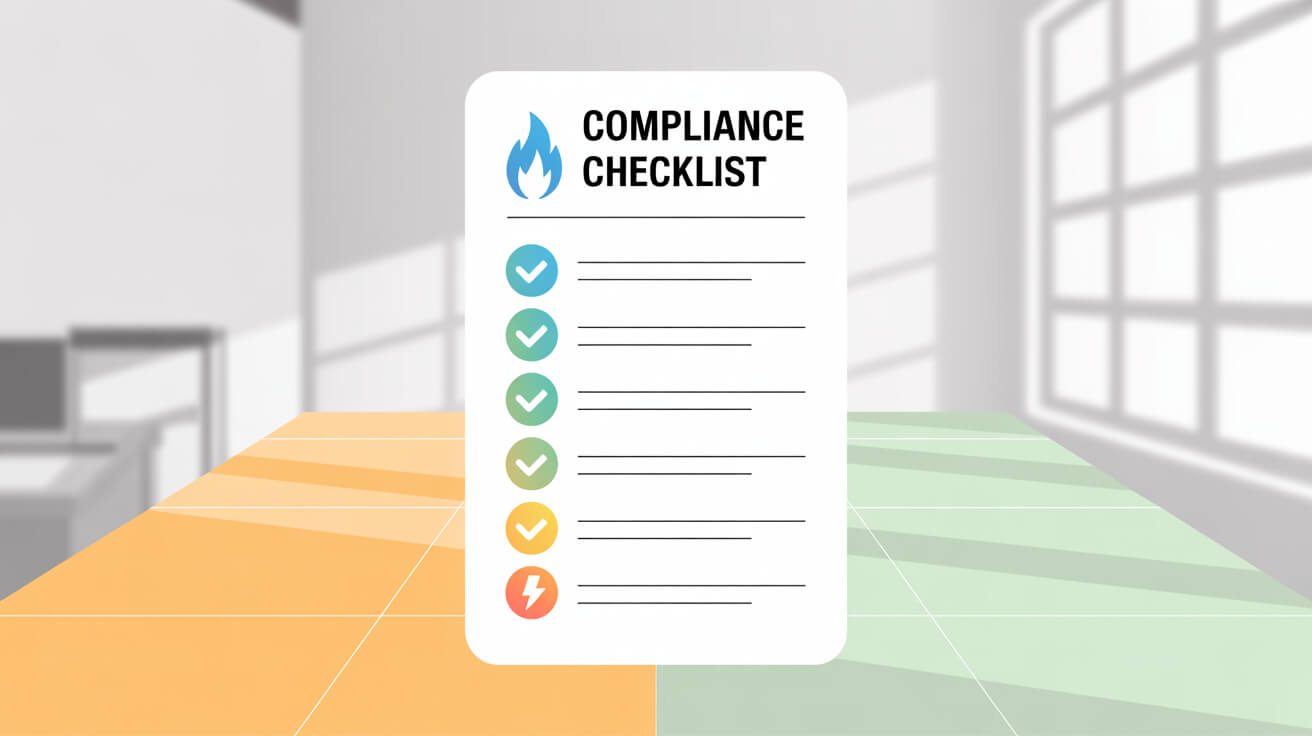
A compliance-led PPM model turns that fragmentation into a structured, board-owned asset and risk register, linked to duties, checks and evidence. Instead of relying on contractors’ task lists, you define what must be done, by whom and how often, so you can demonstrate control rather than scramble for documents.
- See duties, risks and evidence in one live register
- Define checks and responsibilities instead of relying on contractors
- Answer firm questions from regulators and insurers without scrambling
Need Help Fast?
Locked out, leak at home, or electrical issue? All Services 4 U provides 24/7 UK locksmith, plumbing, electrical.
Testimonial & Clients Who Trust Us
With 5 Star Google Reviews, Trusted Trader, Trust Pilot endorsements, and 25+ years of experience, we set industry standards for excellence. From Dominoes to Mears Group, our expertise is trusted by diverse sectors, earning us long-term partnerships and glowing testimonials.
Worcester Boilers

Glow Worm Boilers

Valliant Boilers

Baxi Boilers

Ideal Boilers

Turn fragmented checks into a defensible Compliance PPM model — RTM/RMC directors & managing agents
A compliance‑led planned‑preventive maintenance (PPM) model gives your RTM/RMC board one clear, defensible view of duties, risks and evidence. Most RTM and RMC boards recognise the pattern: FRAs, EICRs, lift reports and service sheets exist, but they sit in inboxes, portals and shared drives, not in a structured model. Instead of chasing separate pieces, a defensible Compliance PPM framework pulls those threads together into an asset‑based plan mapped to duties, responsibilities, evidence locations and budget, so your board can move from “we hope it’s fine” to “we can show it’s under control” and answer firm questions from regulators, insurers, lenders and residents without scrambling.
A quick note before we go further: everything here is general information, not legal advice. Your board should always take specific advice from competent fire, safety, legal and engineering professionals for your buildings.
The reality for RTM/RMC boards today
The reality for most RTM/RMC boards is that safety and compliance live in separate files, not in a single, trusted system. You may have good contractors and diligent volunteers, but when someone asks for a simple, joined‑up picture of risk and control, the gaps and overlaps in that patchwork become painfully visible. That may feel manageable day to day, but it becomes fragile the moment someone asks you to prove, on one page, how the building is being kept safe and compliant. Evidence‑ready PPM starts by being honest about this fragmentation and turning it into a coherent model.
Most RTM/RMC structures live with:
- a fire risk assessment saved in one folder,
- an electrical installation condition report in another,
- lift LOLER inspections arriving by email,
- water‑hygiene logs on a contractor’s portal, and
- actions scattered across minutes and task lists.
That may feel workable in quiet periods, but it leaves you exposed when someone says “show us, clearly, what you are doing about safety and compliance in this block.” A robust model starts by acknowledging that your current state is fragmented reports plus goodwill, not a system.
An RTM or RMC that has taken on management has stepped into many landlord‑style health and safety duties for the common parts. That means your board needs to move from “we think it’s being done” to “we can demonstrate what is being done, by whom, how often, and with what evidence.”
Strong governance starts when you can point to one clear place.
From scattered tasks to an asset and risk register
An asset and risk register is how you move from scattered tasks to a structured, board‑owned picture of your building. By listing each asset, the risks it relates to and the duties that apply, you can decide what must be checked, by whom and on what cycle, instead of letting contractors define your regime.
Instead of starting with supplier task lists, you start with three simple questions:
- What assets and systems do you have? (for example fire alarms, emergency lighting, smoke control, lifts, communal boilers, water tanks, doors, roofs, fall‑arrest systems, access control, CCTV and play areas)
- What risks do they relate to? (for example fire, structural, electrical, gas, legionella, security and public liability)
- Which regulations or standards drive checks on them? (for example fire‑safety duties, gas and electrical safety, lift regulations, water‑hygiene guidance, asbestos control and general health and safety law)
Once you know what you own and why it matters, you can decide what needs doing, how often and by whom. That turns PPM from a contractor‑defined menu into a board‑owned risk and compliance tool, and it becomes much easier to explain to residents and professional advisers.
A simple spreadsheet or CAFM/CMMS system can hold this. What matters more than the technology is that it is complete, updated when things change, and actually used for planning and reporting rather than being a static document.
Making evidence easy to find and easy to trust
Evidence turns a paper PPM schedule into something you can actually defend when challenged. If you cannot quickly show proof that checks were done and actions closed, regulators and insurers will treat your systems as weaker than they look, however diligent your intentions.
For every statutory or safety‑critical activity, your model should answer four questions:
- What is the activity? (for example six‑monthly passenger‑lift thorough examination)
- What standard or duty does it support?
- Where is the latest evidence stored? (certificate, report, log, photos)
- Who is responsible for commissioning, reviewing and closing out actions?
A simple, ruthless test helps: if an external reviewer asked tomorrow, could you find and show the right document within five minutes? If the answer is no, that duty is not yet under proper control, however solid the contractor’s work might be in practice.
A service such as All Services 4U’s Compliance PPM and Assurance Pack can sit over your existing contractors and systems, rationalising this into one live register and evidence index. That means you do not need to rip out what already works to gain a defensible, evidence‑ready position.
Why evidence‑ready compliance matters for boards, freeholders and insurers
Evidence‑ready compliance means you can show, quickly and clearly, what you have done about safety and statutory duties across each building. Instead of relying on memory and scattered files, you have a structured record that stands up with regulators, insurers, lenders and residents when it matters most.
For modern boards, it is no longer enough to say “we have an FRA” or “we service the lifts.” Regulators, insurers, lenders and residents expect you to be able to demonstrate that you have identified your duties, put proportionate controls in place, and are monitoring them. For higher‑risk or politically sensitive buildings, that expectation is now explicit.
Moving from “we hope we’re covered” to “we can show we’re in control”
The crucial shift is from hoping that everything important is being done to being able to show, calmly, that you understand your risks and are managing them. When you can do that, conversations with regulators, insurers and residents stay practical; when you cannot, they quickly become adversarial and expensive.
In practice, when regulators and professional bodies look at a block they will want to see:
- a current fire risk assessment and action tracker,
- current gas and electrical safety certificates where relevant,
- evidence of regular lift examinations, water‑hygiene controls and other key checks,
- records that show who is responsible for common parts and building‑safety risks, and
- minutes or reports showing that the board or accountable persons have considered and acted on this information.
If preparing that picture would involve days of searching emails, ringing contractors and recreating logs, then you do not yet have evidence‑ready compliance, however diligent your intentions may be. An assurance‑oriented PPM model removes that scramble by making the “whole‑building storey” visible each quarter in a form that boards, auditors and external reviewers can understand.
Insurers, lenders and residents are all reading the same signals
Insurers, lenders and residents approach your building from different directions, but they are all reading the same signals about control and care. They want to see that statutory checks are happening, recommendations are acted on and the building is being managed as a long‑term asset, not just patched reactively.
Insurers increasingly look beyond sums insured and claims history. They want to know, in plain terms:
- whether statutory checks (fire, gas, electrics, lifts, water) are being done on credible cycles,
- whether risk‑improvement recommendations are acted on and evidenced,
- whether roofs, façades and drainage are inspected often enough to avoid avoidable claims, and
- whether there is a record of incidents, near misses and lessons learned.
Lenders and valuers, particularly since cladding and building‑safety concerns came to the fore, are equally interested in whether a building’s safety and maintenance are actively managed, not just certified once. A thin or chaotic paper trail can delay or derail refinancing even where day‑to‑day repairs feel under control.
Residents, for their part, are more aware of their rights and more willing to challenge. They want to understand what has been done about fire safety, damp and mould, and structural defects, and they are more likely to escalate concerns to ombudsmen, regulators and the press if they feel ignored or patronised.
Evidence‑ready compliance does not mean perfection. It means you can show, calmly and consistently, that the block is being managed in a structured, proportionate and transparent way.
Structured oversight reduces both corporate and personal exposure for RTM/RMC directors, freeholder representatives and accountable persons. When something goes wrong, investigations focus on what you knew, what you did and what you can prove, not just on whether an individual task was on someone’s list.
A good board‑level compliance model:
- makes it clear what information is expected at each meeting,
- highlights exceptions and overdue items rather than burying them,
- records decisions and rationales, especially where cost, practicality and resident preference interact, and
- provides a clear route to escalate and resolve safety‑critical issues.
This is as much about governance as it is about engineering. When something goes wrong, investigators look at what you knew or should have known, what you did about it, and what evidence supports that storey. An evidence‑ready PPM and assurance pack makes that storey fairer and easier to tell, and it reassures insurers and lenders that your building is a safer long‑term risk.
What a compliant RTM/RMC PPM brief must contain in the UK
![[ALTTOKEN]](https://allservices4u.co.uk/app/uploads/2026/01/03-Board-Compliance-PPM-Services-for-Residential-Blocks-UK-RTMRMC-Assurance-Packs.jpg)
A compliant PPM brief turns vague duties into clear, contractable expectations for your buildings. It translates laws and guidance into “who does what, where and how often” so you can procure, monitor and, if necessary, challenge services on more than price and goodwill.
Once you are clear why compliance needs to be structured and evidenced, the next step is to capture that in a practical brief for your managing agent or compliance PPM provider. A well‑written brief protects your board, supports your contractors and makes it much easier to procure and measure the right service.
The first job of a PPM brief is to explain, in ordinary language, what must be looked after in your buildings, why, and on what cadence. If you cannot say it plainly, it will be hard to hold anyone to account later or to explain decisions to residents and other stakeholders.
A good brief does not simply list regulations; it translates them into building‑and‑board language. For example:
- Fire safety regime: which systems, doors, structures and external walls must be assessed, inspected, tested and maintained, and how often.
- Electrical safety: which fixed‑installation testing and inspection is needed in common parts, plant rooms and landlord‑supplied circuits.
- Gas safety: which boilers, pipework and plant are under the RTM/RMC or landlord’s control and need regular checks.
- Lifts and lifting equipment: which thorough examinations and routine servicing must be in place, and on what cycles.
- Water hygiene: which risk assessments, temperature monitoring and flushing regimes are necessary, and where.
- Other health and safety duties: asbestos management, communal areas and access, play equipment, roofs and working‑at‑height systems, waste and storage.
Writing these out in clear terms forces you and your provider to think about where your specific buildings sit in the regulatory landscape. It also reduces the risk that tricky areas, such as external wall systems or flat entrance doors, fall into a gap between different parties.
A strong brief also explains who is competent to do what, and how their work must be reported to you. Many failures are not technical but communicative: good work is done, but the board never sees digestible, decision‑ready information, so risks drift and opportunities are missed.
The brief should therefore be explicit about competence and reporting, not assume that “the agent will sort it.” It should cover:
- minimum expectations for those undertaking FRAs, electrical testing, lift examinations, water‑hygiene work and other specialist tasks,
- how you will satisfy yourself that they are competent, such as qualifications, professional memberships, schemes and references,
- how results must be reported: not just raw certificates, but clear summaries, action priorities, risk ratings and suggested timescales, and
- the format, timing and content of board‑level reports drawn from this activity, so that directors can see quickly what matters.
This is where many arrangements fail: work is done competently, but the output is not packaged in a way that supports board oversight. Including reporting explicitly in your Compliance PPM brief helps you avoid that gap and gives agents and contractors a fair standard to meet.
Setting review rhythms, continuity and success measures
A PPM brief should also describe how the model will be kept current and how success will be judged. That turns compliance from a one‑off project into part of your normal governance cycle and reduces dependence on particular individuals or firms.
Your brief should say, in plain language:
- how often the PPM schedule and risk assessments will be reviewed and updated, and what will trigger an early review,
- what happens to data and documents if you change agent or provider; who owns the records, and in what form they must be handed over, and
- which handful of KPIs you will use to judge whether the Compliance PPM service is working, such as percentage of checks completed on time, number and age of high‑risk actions, volume of unplanned emergencies and trends in insurance conditions.
Spelling this out may feel formal, but it is much easier to agree at the outset than during a dispute. It also prepares the ground for a Board Compliance & PPM Assurance Pack that everyone understands and can rely on, whether you run it in‑house or with a specialist partner such as All Services 4U.
Statutory checks, inspections and insurer‑aligned PPM scope
Your PPM schedule earns its keep when it captures the statutory checks, core safety activities and insurer expectations that genuinely reduce risk and future cost. A scope built this way spends money where it protects people, compliance and asset value, rather than on duplicated or cosmetic tasks.
With a clear brief in hand, you can turn to the practical question: exactly which checks and activities should sit inside your PPM schedule and feed your assurance packs? This is where legal duties, guidance, insurer expectations and building‑specific risks all meet.
Anchoring the schedule in statutory and safety‑critical checks
Most residential blocks share a core set of systems that link directly to your legal duties. These should sit at the heart of your PPM schedule, with clear frequencies and responsibilities, not be left to ad‑hoc requests or “when someone remembers.”
For most schemes your schedule will need to cover at least:
- Fire safety: FRAs, maintenance and testing of fire‑alarm systems, emergency lighting, smoke vents, firefighting equipment, signage, fire doors and compartmentation.
- Gas: annual gas‑safety checks and servicing for landlord‑controlled boilers, plant and pipework.
- Electrical: periodic fixed‑wire testing in common parts and plant rooms, plus visual inspections where appropriate.
- Lifts and lifting equipment: thorough examinations on legally appropriate cycles, plus routine servicing and call‑outs.
- Water hygiene: legionella risk assessments, temperature checks, flushing regimes and tank inspections where relevant.
- Asbestos and general health and safety: maintenance of asbestos registers and management plans, and checks on communal areas, access routes, lighting, glazing and handrails.
Your schedule should also take account of building height, complexity, occupancy, vulnerable residents and any specialist systems such as smoke control, dry risers, sprinklers or communal heating and cooling. Higher‑risk blocks justify more frequent checks and more detailed assurance.
Beyond strict legal minima, there are practices that insurers and competent advisers now treat as baseline expectations. Capturing these in your PPM schedule helps avoid avoidable claims disputes, especially for water ingress, storm damage and security incidents.
Common examples of “expected” practice include:
- regular roof and gutter inspections, especially after storms, to prevent avoidable water ingress,
- monthly functional tests of emergency lighting, backed by an annual three‑hour duration test recorded and signed off,
- weekly or monthly user checks of fire‑alarm systems, supported by periodic engineer testing and clear fault resolution,
- visual inspections and maintenance of playground equipment, fencing, external lighting and access control, and
- periodic review of escape routes, signage, housekeeping and storage in common parts.
A good Compliance PPM provider will help you distinguish what you must do, what you should strongly consider doing, and what you might choose to do depending on risk tolerance and budget. That clarity supports honest conversations with leaseholders, residents, insurers and lenders about where money is being spent and why.
Handling slippage, escalation and visibility
No PPM schedule runs perfectly; checks will sometimes slip. The real risk arises when nobody sees the slippage, understands the exposure or takes responsibility for putting it right. Visibility and escalation are therefore as important as the schedule itself.
Your model should therefore define:
- what counts as acceptable delay for a given activity and what does not,
- when and how overdue items are escalated from operational logs into the board assurance pack, and
- how you will see, at a glance, which activities are overdue, which actions are high risk and what mitigations are in place.
Many boards find simple RAG dashboards effective here: red for overdue or high‑risk items, amber for near‑term expiries or medium‑risk actions, and green for current and low‑risk areas. The key is that these views are driven by real, current data, not manual guesswork or anecdote.
Accreditations & Certifications


Board Compliance & PPM Assurance Packs built for external challenge
![[ALTTOKEN]](https://allservices4u.co.uk/app/uploads/2026/01/02-Board-Compliance-PPM-Services-for-Residential-Blocks-UK-RTMRMC-Assurance-Packs.jpg)
A Board Compliance & PPM Assurance Pack is how you turn registers and calendars into something boards and external reviewers can actually use. It gives directors a clear line of sight from risks to actions and evidence, and it gives regulators, insurers and residents a coherent storey rather than a bundle of unconnected documents.
With a structured PPM and statutory‑checks register in place, you can turn to the heart of the service: a Board Compliance & PPM Assurance Pack that can stand up to questions from regulators, insurers, lenders and residents, as well as from your own directors.
Framing the pack around a few board‑level questions
Packs work best when they answer a small set of practical questions that directors genuinely ask. If the first pages clearly address those questions, technical detail can live behind them without overwhelming the meeting.
A useful starting point is to design the pack around three or four questions:
- Are you meeting your statutory and contractual duties for this block?
- What significant risks or overdue items exist, and how are they being managed?
- What decisions, approvals or funding do you need from the board now?
- What is coming over the next one to five years in terms of safety‑related works and spend?
The main section of the pack can then provide:
- a one‑ or two‑page dashboard summarising key KPIs and risk status,
- a short exception report listing material issues and recommended actions,
- a governance page showing roles, delegations and any changes since the last meeting, and
- a forward‑look section linking PPM outputs to forthcoming projects and budgets.
Everything else – detailed reports, certificates, action trackers – can sit behind this as annexes, physically or digitally. That way, busy directors see the headline picture first and can drill down only where needed. If you want to sense‑check whether your current packs would stand up to that level of scrutiny, an initial diagnostic call with All Services 4U can highlight where structure and clarity could be strengthened.
Making roles, data and decisions obvious
Under external scrutiny, one of the first questions is always “who knew what, when, and what did they do about it?” Your assurance pack should make those answers obvious, not force people to reconstruct them from scratch.
Strong packs therefore make three things very clear:
- Who is responsible for what: named fire, building‑safety, agent and contractor roles, with duties clearly allocated.
- Where each item comes from: each risk or exception linked to a dated report, work order, certificate or log.
- What the board did: decisions, approvals and challenges recorded and linked to the relevant risks or actions.
This transparency helps directors feel more confident in their oversight and helps external parties see that governance is active rather than passive. It also makes it easier to defend the board’s position in complaints, insurance claims or tribunal proceedings.
Supporting both routine oversight and deep dives
Your assurance pack has to work in quiet periods as well as in crises. It should support quick, routine sign‑off when things are broadly under control and structured deep dives when a particular area deserves more attention.
You will not want or need a full deep dive on every topic at every meeting. A well‑designed assurance pack supports both:
- routine quarterly oversight: , where the focus is on new issues, overdue items and changes since the last report, and
- periodic deeper reviews: , where you might take a whole section (for example, fire safety, lifts or water hygiene) and walk through the underlying reports, actions and funding plans in more detail.
Using the same pack format for both, simply with different emphasis, helps directors and agents build familiarity and reduces the learning curve when new people join the board. It also makes it easier for an external partner such as All Services 4U to support you, because everyone is working to the same template.
Our Board Compliance PPM service for RTM/RMC residential blocks
All Services 4U’s Board Compliance PPM service provides the coordination, evidence management and board‑ready assurance layer that most RTM/RMC structures and smaller freeholders struggle to build alone. It sits alongside your managing agent and contractors, adding structure and oversight without forcing you to abandon relationships that already work.
At this point, many boards and managing agents say they understand the goal but do not have capacity to pull everything together consistently. A dedicated Compliance PPM and Assurance Pack service provides that backbone without requiring you to rebuild your entire supply chain.
A diagnostic‑first framework, not a list of extra tests
A diagnostic‑first approach respects the work you have already commissioned and focuses on gaps, overlaps and quick wins. Rather than pushing more tests, it asks what you already have, how it is stored and how it is being used for decisions.
All Services 4U’s approach begins with a structured diagnostic for each block rather than selling more inspections blindly.
Step 1 – Collect what you already have
We review your existing FRAs, EICRs, gas, lift, water and other key reports.
Step 2 – Compare against a clear checklist
We compare coverage against statutory and best‑practice expectations for your building type.
Step 3 – Assess storage and reporting
We examine how reports are stored, tracked and reported to the board.
Step 4 – Identify gaps and quick wins
We highlight missing pieces, duplication and early risks that can be addressed quickly.
From this we build a prioritised action plan and PPM framework that makes best use of what you already have, fills gaps sensibly and sets a realistic path towards a fully evidence‑ready assurance pack.
Bundling coordination, evidence and reporting
In many schemes, coordination is the missing ingredient: contractors do their work, but nobody is tasked with making sure the right checks happen at the right time, that reports are captured centrally, and that the board hears about exceptions clearly. That is exactly the layer our service provides, in cooperation with your agent rather than in competition.
Our service is designed to sit in that gap by:
- scheduling statutory and key best‑practice activities in a living PPM calendar,
- coordinating with your chosen contractors (or recommending and onboarding specialists where needed),
- capturing certificates, reports, logs and photos into a structured evidence library, and
- generating a standardised, board‑ready assurance pack each quarter.
We work alongside your managing agent, not instead of them, providing a specialist compliance and PPM layer they can lean on. For many clients this reduces friction rather than increasing it, because the agent gains clearer instructions, better information and fewer last‑minute emergencies.
Named accountability, flexible onboarding and periodic review
Named accountability gives directors and managing agents a clear point of contact and removes the “grey zone” where nobody feels quite responsible for compliance. It also makes it easier to ask hard questions and to improve the model over time as regulations and expectations evolve.
For each block, All Services 4U provides a named compliance lead who is responsible for:
- maintaining the PPM register and calendar,
- monitoring due and overdue activities,
- compiling the assurance pack in time for board meetings, and
- being the first point of contact for questions from directors, agents and insurers.
Onboarding can start with a single block or a small cluster, often those with the highest risk or regulatory pressure, and then expand as confidence and value are proven. We also build periodic independent review into the model, so that as guidance, regulation and your own risk profile evolve, the framework can be refreshed without starting again.
The goal is calm, repeatable control of your building’s compliance.
Governance, oversight and ongoing director support
Strong PPM and assurance‑pack structures only deliver if governance and people are aligned. Clear roles, simple decision rules and director support ensure that compliance is part of your normal board rhythm, not an occasional crisis topic that depends on one or two over‑stretched volunteers.
Even the best PPM and assurance‑pack model will falter if governance is unclear or director turnover is high. A sustainable approach supports your people and processes as well as your plant and paperwork, so control does not depend on one or two over‑stretched individuals.
Clarifying who decides, who acts and when to escalate
Governance works when everyone knows which decisions belong to the board, which sit with the agent or compliance provider, and when specialist advice is required. Writing this down and linking it to your assurance pack removes guesswork and reduces the personal load on volunteer directors.
One of the most powerful steps a board can take is to write down, in plain terms:
- which decisions must come to the board (for example, changes to risk appetite, major capital works, variations in inspection frequency),
- which can be taken by the managing agent or compliance provider within agreed budgets and policies, and
- when specialist advice (legal, fire engineering, structural, water hygiene) must be sought.
Having these decision rights and delegations linked to your assurance pack means that, when an issue appears in red or amber, everyone knows who is expected to do what next.
Embedding safety and compliance into the annual cycle
Compliance becomes more reliable when it is built into your annual cycle of budgets, meetings and resident engagement. Treating it as part of “how you run the building” rather than as an occasional project makes funding and communication much easier.
A well‑run RTM/RMC or freeholder board will build an annual calendar that includes:
- quarterly review of the assurance pack and PPM progress,
- at least one deeper review each year of building‑safety risks and capital planning,
- periodic training or briefings for directors on new regulations or guidance, and
- regular resident‑engagement activities that feed real‑world concerns into your risk and action registers.
Aligning these with your budget, service‑charge and major‑works cycles reduces surprises and helps you explain decisions to leaseholders and residents more easily. It also generates the kind of governance record that regulators and ombudsmen now expect to see.
Supporting directors and connecting resident voice
Directors and resident representatives need confidence, tools and feedback loops that connect lived experience with technical controls. Many issues appear first as complaints or “soft” concerns before they surface as hard data.
Useful support can include:
- simple handbooks explaining your block’s main risks, duties and assurance processes,
- induction sessions for new directors using your actual assurance pack as the teaching tool,
- clear guidance for chairs and company secretaries on how to minute decisions and challenges, and
- structured routes for resident feedback and complaints to inform your risk registers and PPM priorities.
Connecting resident voice to board‑level oversight – rather than leaving it to sit in a separate complaints channel – not only improves safety outcomes, it also shows regulators and ombudsmen that your governance is listening and responsive. All Services 4U can help you design these feedback loops so that they are manageable for volunteer boards and professional agents alike.
Reliable Property Maintenance You Can Trust
From routine upkeep to urgent repairs, our certified team delivers dependable property maintenance services 24/7 across the UK. Fast response, skilled professionals, and fully insured support to keep your property running smoothly.

Book Your Free Consultation With All Services 4U Today
All Services 4U gives your board and managing agent a calm, structured way to understand where you stand on compliance today and what a defensible PPM and assurance model could look like tomorrow. A short, free, no‑obligation consultation is a low‑risk way to turn vague concern into a clear plan of action, using your real buildings and existing reports as the starting point, with an emphasis on clarity and options, not on a hard sell.
What you can expect from the consultation
A focused conversation with someone who understands both technical duties and board dynamics can be more valuable than another lengthy report. The aim is to give you a simple, honest picture of your current position and realistic next steps, so your next board discussion feels more controlled and less reactive.
In a typical session we will:
Step 1 – Map your existing information
We map your current FRAs, EICRs, gas, lift and water‑hygiene checks.
Step 2 – Review how evidence is handled
We see how evidence is stored, tracked and reported to your board today.
Step 3 – Identify priority concerns
We identify the three to five areas that worry you most or attract external scrutiny.
Step 4 – Sketch a 90‑day plan
We outline what a first assurance pack and PPM schedule could cover in the next ninety days.
You walk away with a clearer sense of your current position, the main gaps and options for addressing them, without having committed to a long‑term contract. If you prefer, the output can be framed as a short gap note to support discussions with your existing agent or contractors.
Choosing the right starting point and defining success
The first step does not need to be grand or expensive. Many of the best programmes start with a small pilot that proves value and builds confidence before anything wider is attempted, particularly where boards or residents have had mixed experiences with contractors in the past.
For many clients, the best way to start is with one or two representative blocks: perhaps a higher‑risk building, one under lender or insurer pressure, or a block where residents are asking more searching questions. Together you can identify:
- which sites have enough information and engagement to make early progress,
- what success would look like at the end of a pilot (for example, no critical checks overdue, a complete first assurance pack and a documented PPM schedule), and
- how you want responsibilities to sit between your board, agent and our team.
From there, you can decide whether you prefer to use a written gap analysis and outline plan to drive internal change, or whether you would like All Services 4U to provide the ongoing Compliance PPM and Assurance Pack service as your specialist partner.
If you want your next board meeting to focus on clear information and sensible decisions rather than chasing missing certificates and vague assurances, booking a short consultation with All Services 4U is a straightforward way to begin that shift.
Frequently Asked Questions
Explore our FAQs to find answers to planned preventative maintenance questions you may have.
How can a dissatisfied landlord or RTM tell if it’s time to replace their current maintenance contractor?
You know it’s time to replace a contractor when they make you carry all the risk while they just “do jobs.”
What warning signs show your current Tier‑2 is quietly exposing you?
A few patterns nearly always show up before a serious dispute, claim refusal or tribunal:
- You’re constantly chasing paperwork.: Certificates arrive late (or not at all), reports are thin, and you can’t lay your hands on a clean FRA/EICR/CP12/L8 trail when a lender, insurer or solicitor asks.
- Jobs are “done” but you still feel exposed.: Fire doors are ticked as passed but your FRA keeps flagging them; damp keeps coming back; the same roof leaks after every heavy rain.
- Nobody can explain the law or standard behind a visit.: Ask, “Which duty does this visit discharge, and which standard are you working to?” If the answer is foggy, that’s a red flag.
- Board meetings feel like ambushes.: You walk in hoping the agent has “everything in hand,” and walk out with more questions than answers – or with directors losing confidence in the whole setup.
- Insurers and lenders are starting to hesitate.: Renewal questionnaires get more detailed, conditions creep into policies, or a valuer comes back asking for EWS1/FRA/EICR bundles you don’t actually have lined up.
A good property maintenance partner makes your compliance position easier to explain, not harder. If every conversation with your agent or contractor ends with “we’ll see what we can find,” they’re not protecting your asset, they’re using it as cover.
How should a replacement partner change your day‑to‑day reality?
A serious upgrade shows up fast in three places:
- Clarity: you can see a single PPM schedule that lines up with law, standards and insurer wording.
- Evidence: every job comes back with the proof you agreed, stored where your team and advisers can actually use it.
- Confidence: board packs, lender packs and insurer dossiers stop being a last‑minute scramble and start looking like routine outputs.
If you’re already thinking, “Our current contractor would fail that basic test,” that’s the point where it’s worth letting All Services 4U review one block with you. One short session looking at your existing paperwork and outcomes will tell you whether you need to squeeze your current suppliers harder – or quietly line up a replacement path.
What kind of property maintenance content actually attracts frustrated landlords and owners instead of generic “DIY landlord tips” readers?
You attract serious landlords by talking about risk, evidence and value protection, not how to fix a dripping tap.
Which topics speak directly to landlords fed up with weak contractors?
If you want to pull in risk‑aware landlords and RTM directors, aim for content that sounds like the way they complain privately:
- “Why your insurer can legitimately refuse a claim – even if you ‘did the work’.”:
Talk about missing logs, untracked FRA actions, no roof evidence, and policy conditions that sound small but bite hard.
- “How to brief a contractor so they can’t hide behind ‘we were never told’.”:
Show how to translate duties and standards into a simple law‑plus‑risk‑plus‑evidence spec.
- “Section 20 challenges: what tribunals look for in your files – and what they ignore.”:
Break down drivers (FRA, surveys), options considered, consultation notes, and why vague “advice from our contractor” doesn’t survive cross‑examination.
- “Damp and mould that keeps coming back: when it’s no longer a routine repair problem.”:
Walk through HFHH, Awaab’s Law, protocol timelines, moisture data, and how proper diagnostics protect both tenants and landlords.
- “The real cost of a missing EICR, CP12 or L8 log when you try to refinance.”:
Explain how valuers and lenders now view safety documentation as part of the asset, not an optional extra.
When you write about property maintenance at this level, the people who have been burnt by weak Tier‑2 contractors recognise themselves instantly. They’re not looking for DIY instructions; they’re looking for someone who understands why their current setup feels so fragile.
If you want those readers to see All Services 4U as the obvious next call, build content around these angles and show, case by case, how a compliance‑first maintenance regime would have avoided the pain they’re living with.
Which keywords should you target if you want to reach landlords and RTMs specifically frustrated with their existing contractors?
You reach dissatisfied landlords by mixing risk language with contractor language – not just “landlord tips” or “property maintenance advice.”
What search phrases signal “I’m done with my current provider”?
Here are clusters that consistently map to fed‑up owners and RTMs rather than casual landlords:
- Contractor failure / trust issues:
- “bad maintenance contractor landlord UK”
- “property management contractor not doing repairs”
- “change maintenance contractor block of flats”
- “how to replace managing agent contractor UK”
- Insurance, lender and tribunal pain:
- “insurance claim refused due to maintenance”
- “Section 20 challenge contractor evidence”
- “landlord evidence for insurance claim leak”
- “EWS1 FRA EICR pack for mortgage”
- Damp, mould, fire and safety frustrations:
- “landlord damp mould contractor not fixing”
- “repeated damp mould problems social housing”
- “fire door contractor failed FRA actions”
- “building safety act contractor support landlords”
- Portfolio and professional landlord phrases:
- “portfolio landlord maintenance partner UK”
- “block management compliance contractor”
- “landlord risk management property maintenance”
If you pair those phrases with strong page titles – for example:
- “Insurance claim refused? How your contractor’s maintenance left you exposed.”
- “Repeated damp and mould: when it’s time to fire your contractor.”
– you stop attracting “how do I bleed a radiator?” readers and start drawing in the owners who actually feel the downside of weak Tier‑2 performance.
If you’re not sure where to start, All Services 4U can help you map these keyword themes onto your current portfolio: which blocks, which risks, which insurers or lenders are already uneasy – and then design content and service offers that speak straight to those situations.
How do you turn frustrated landlords into long‑term clients using evidence‑first property maintenance instead of just offering “better service”?
You keep landlords for the long term by making them feel safer and more in control, not just “happier” with response times.
Which levers actually change how a landlord feels about their risk?
Most serious owners don’t wake up excited about “service excellence;” they care about:
- Not getting embarrassed in front of their board, RTM, or residents.:
If they can walk into a meeting with a clean PPM schedule, assurance pack and clear decisions, they feel like the grown‑up in the room.
- Not being blindsided by insurers and lenders.:
When a renewal or refinance comes up, they want to know the binder is already there – not discover at T‑minus three days that nothing is indexed.
- Not fighting the same damp, fire or leak problems every year.:
They want to see patterns in your reporting and a plan to remove root causes, not keep paying you to mop up symptoms.
You convert that emotional need into a service model by:
- Defining a named compliance lead for each client or cluster.
- Publishing a single, visible schedule that covers statutory checks, best‑practice inspections and event‑based work.
- Committing to board‑ready assurance packs before every key meeting, renewal or refinancing cycle.
That’s the engine behind an “evidence‑first” promise. It’s also how All Services 4U builds relationships: give the landlord a tangible sense that their risk is now mapped, managed and provable, and they stop thinking about you as just “one more contractor” and start treating you as a partner they’d be foolish to lose.
What kinds of case studies resonate most with landlords and boards who’ve already been burnt by previous property maintenance providers?
The stories that land hardest are the ones that look like their nightmares but end differently.
Which case study angles cut through contractor fatigue?
Focus each storey on a specific “we were exposed” moment, then show how a different property maintenance model changed the outcome:
- Insurance claim nearly refused after a leak or fire.:
- Before: no roof photos, no alarm logs, vague contractor notes.
- After: structured PPM, roof/gutter packs, BS 5839/5266 logs, insurer dossier assembled in hours.
- Section 20 challenge over major works.:
- Before: thin spec, missing observation logs, weak award rationale.
- After: law‑linked scope, tender matrix, consultation log, tribunal‑ready file.
- Repeated damp/mould cases in the same stack.:
- Before: “wash and paint” cycles, residents furious, HFHH risk.
- After: moisture diagnostics, Part C/F based remedials, Awaab‑style protocol with evidence and re‑inspection.
- HRB with shaky Safety Case position.:
- Before: fragmented FRA updates, no Golden Thread, AP under pressure.
- After: integrated PPM schedule, evidence mapped into a Safety Case and Golden Thread that the Regulator can actually follow.
The more you can show numbers – reduction in repeat faults, claim paid rather than rejected, premium stabilised instead of rising, complaints dropped after X months – the easier it is for a landlord or RTM board to see themselves in the storey.
If you’re collecting this kind of data but it’s buried in engineer notes or agent emails, All Services 4U can help you convert it into structured, anonymised case studies you can show to boards, brokers and new prospects without breaching privacy or creating new liabilities.
Which long‑form and FAQ topics should All Services 4U build next if the goal is to own the “compliance‑first property maintenance” space for landlords and RTMs?
You build authority by answering the questions nervous, experienced owners are slightly embarrassed to ask out loud.
What should sit in your next wave of content if you want to dominate this niche?
Some high‑leverage articles and FAQs that play directly to dissatisfied landlords and RTMs:
- “How to audit your current contractor in 90 minutes: a practical checklist for landlords and RTMs.”:
Show exactly what to ask for (logs, certs, SLA data) and how to spot red flags.
- “Property maintenance and the Building Safety Act: what smaller landlords can’t ignore anymore.”:
Explain how BSA thinking changes expectations even for non‑HRBs – especially around evidence and resident engagement.
- “Designing a property maintenance programme lenders and insurers will actually trust.”:
Join up FRA, EICR, CP12, L8, roof, façade and fire door data into something that looks like what underwriters wish you already had.
- “From managing agent to risk partner: what a real property maintenance contract should look like.”:
Compare a traditional “we’ll look after your block” contract with a compliance‑first, evidence‑heavy agreement tied to law and standards.
- “Five property maintenance mistakes that quietly destroy block values.”:
Link recurring damp, ignored FRA actions, weak evidence, latent structural issues and MEES failures to valuation and refinancing problems.
Wrap each of those with a clear, low‑commitment next step – for example:
- a one‑block maintenance and evidence review,
- a Section 20/insurer file health‑check, or
- a Safety Case readiness scan for any building that feels like it’s edging into HRB territory.
If you consistently show up as the voice that understands the landlord’s risk and can back it with disciplined property maintenance, All Services 4U stops being “another contractor” in the search results and becomes the obvious partner for anyone who’s already been burned once and doesn’t fancy going through that again.
- Build a defensible Compliance PPM model for your block
- Turn fragmented checks into a defensible Compliance PPM model — RTM/RMC directors & managing agents
- Why evidence‑ready compliance matters for boards, freeholders and insurers
- What a compliant RTM/RMC PPM brief must contain in the UK
- Statutory checks, inspections and insurer‑aligned PPM scope
- Board Compliance & PPM Assurance Packs built for external challenge
- Our Board Compliance PPM service for RTM/RMC residential blocks
- Governance, oversight and ongoing director support
- Book Your Free Consultation With All Services 4U Today
- Frequently Asked Questions
- Related PPM Services
Case Studies


Related Articles

Your Guide To Identifying And Treating Minor Mould Outbreaks

Why Planned Preventative Maintenance (Ppm) Saves Money And Ensures Compliance