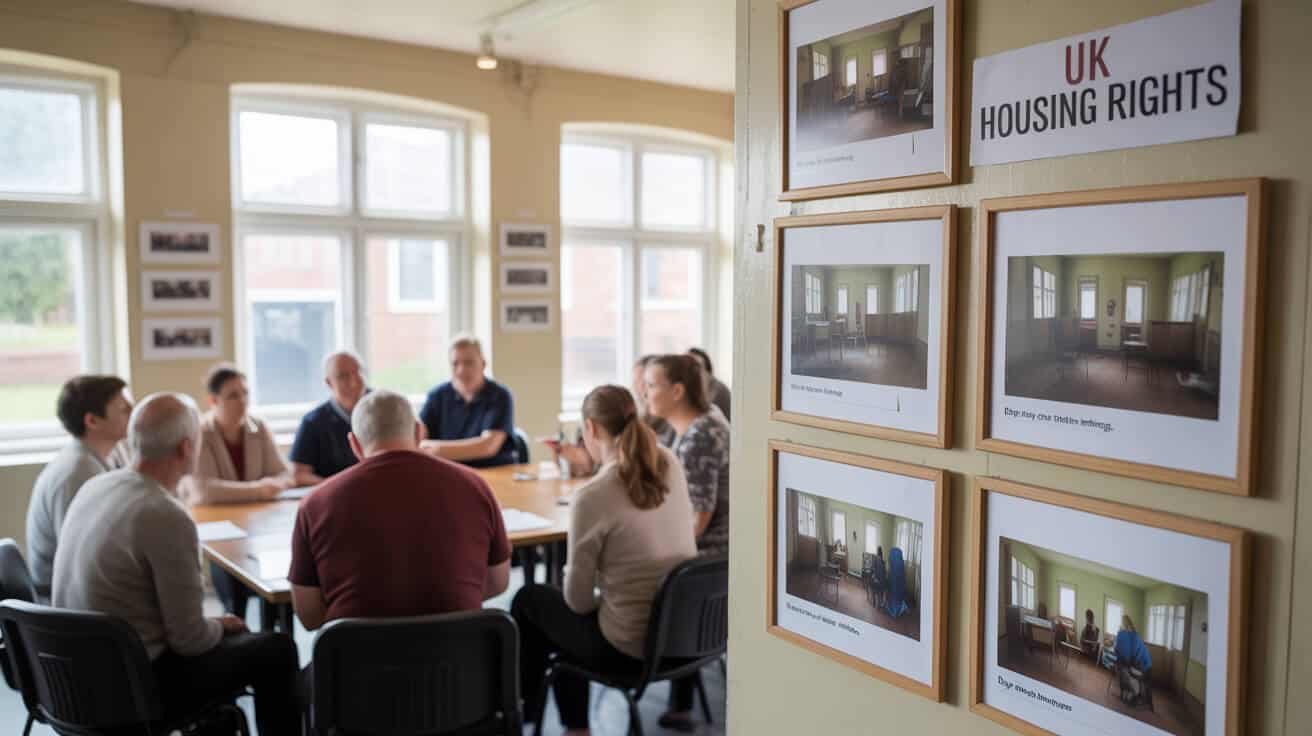
Damp & Mould PPM Services for Residential Blocks UK – Awaab's Law 14-Day Response
Built for landlords, RTM/RMC boards and managing agents, this damp and mould PPM service helps you meet Awaab’s Law expectations across UK residential blocks. A zero‑tolerance, 14‑day investigation model turns every report into a governed compliance event, with triage, surveys and remediation sequenced and documented, based on your situation. You finish with time‑stamped evidence for each case, clear make‑safe and long‑term actions, and portfolio‑level insight into high‑risk blocks that regulators, insurers and boards can review. Exploring this approach now keeps your organisation ahead of scrutiny and complaints.


Author
Izzy Schulman

Why damp and mould now demand a compliance‑grade PPM model
For landlords, RTM/RMC boards and managing agents, damp and mould in residential blocks is no longer a routine repairs issue. Awaab’s Law and existing fitness and hazard duties have turned each credible report into a direct test of your governance, investigation speed and evidence.

Slow, ad hoc responses now carry escalating legal, financial and reputational risk, as well as real health consequences for residents. A structured, 14‑day, zero‑tolerance PPM service reframes damp and mould as a managed compliance process, giving your teams clear triggers, timeframes and audit trails without paralysing day‑to‑day operations.
- Cut repeat visits and disrepair costs with planned block‑level fixes
- Prove timely, structured action with time‑stamped case evidence
- Spot high‑risk blocks early and target remediation investment
Need Help Fast?
Locked out, leak at home, or electrical issue? All Services 4 U provides 24/7 UK locksmith, plumbing, electrical.
Testimonial & Clients Who Trust Us
With 5 Star Google Reviews, Trusted Trader, Trust Pilot endorsements, and 25+ years of experience, we set industry standards for excellence. From Dominoes to Mears Group, our expertise is trusted by diverse sectors, earning us long-term partnerships and glowing testimonials.
Worcester Boilers

Glow Worm Boilers

Valliant Boilers

Baxi Boilers

Ideal Boilers

Zero‑Tolerance Compliance & Cost of Delay for Residential Blocks
A zero‑tolerance damp and mould stance means treating every credible report as a potential health and safety risk, investigated quickly and evidenced clearly within defined timeframes. Awaab’s Law has turned damp and mould in residential blocks from a simple “repairs issue” into a direct test of your legal compliance and governance, with clear expectations on how fast you investigate, how you communicate with residents, and how you prove what you did. For landlords, RTM/RMC boards, managing agents and housing providers, that shifts damp from a vague maintenance problem into a governed compliance process and means proving not only that you acted, but that you did the right things fast enough, in the right order, for the right reasons; if your current approach is mainly reactive, you are carrying legal, financial and reputational risk that will only grow as scrutiny increases.
This information is general and does not constitute legal advice; your organisation should take specific advice on its statutory position.
For most landlords and managing agents, the uncomfortable truth is that damp and mould processes have grown organically around legacy repairs systems. Jobs are coded as “condensation”, “leak” or “stain”; surveyors attend when they can; works are raised if someone has time to pull a quote together. On paper, the job is “complete”. In reality, there may be no structured triage, no clear view of vulnerability, and no joined‑up picture of what is happening at block or portfolio level.
The death of Awaab Ishak and subsequent inquiries showed what happens when that ad hoc culture collides with serious hazards. The new regime expects you to treat significant damp and mould as a health and safety risk, not as tenant “lifestyle” or a low‑priority repair. That means being able to show, case by case, when you first became aware, how you assessed urgency, who attended, what they found, what you did to make matters safe, and how you followed through until the hazard was removed.
A single unresolved damp case is now a risk item, not just a repair ticket.
Cost is the other side of this shift. Slow, piecemeal responses drive multiple call‑outs, repeated redecorations, replacement of damaged belongings and, increasingly, disrepair claims and ombudsman determinations. They also erode trust with residents, which feeds into complaint volumes and political pressure. A block‑based damp and mould planned‑preventive maintenance (PPM) service allows you to move that spend upstream: identify patterns earlier, fix root causes in roofs, drainage, ventilation and fabric, and reduce both the number and severity of cases you are dealing with.
Awaab’s Law‑aligned PPM is not only about social housing stock. Private rented blocks, build‑to‑rent schemes and mixed‑tenure developments are already being judged informally against the same expectations by residents, local authorities and the media. If you manage residential blocks of any tenure, adopting a 14‑day investigation standard and a zero‑tolerance posture now places your organisation on the front foot, rather than scrambling to retrofit processes after a serious incident.
All Services 4U’s Damp & Mould PPM service is built for that shift: a multi‑trade, compliance‑grade contractor acting as a single risk‑aware partner who treats every report as a compliance event and closes it with evidence your board, insurers and residents can see.
What changes when you adopt a zero‑tolerance approach?
A zero‑tolerance approach means your organisation stops treating damp and mould as low‑priority “lifestyle” issues and starts treating every credible report as a potential health hazard until proven otherwise. That shift creates simple triggers for action, clear timeframes, and an expectation that every step is recorded in a way that can be audited later across blocks and portfolios.
For your teams this means:
- Log every damp and mould report as a compliance event, not just a repair.
- Train contact centre and housing staff to ask structured health and vulnerability questions.
- Send surveyors or trained operatives within set timeframes to complete documented investigations.
- Separate and track short‑term “make‑safe” actions and longer‑term remediation.
Together, these changes ensure no significant damp report is quietly downgraded or left to drift because it “looks cosmetic”.
This approach does not have to paralyse your operation. With clear categories, simple decision trees and a defined 14‑day envelope for investigation, you can prioritise high‑risk cases while still keeping routine work moving. All Services 4U can help you design and run those decision trees so your team are confident about what to do from the moment a resident first makes contact.
How a 14‑day PPM service changes your risk profile
A structured damp and mould PPM service built around the 14‑day duty gives you a predictable response framework and audit trail that regulators and insurers increasingly expect. Instead of hoping individual jobs were handled well, you know that every significant report has followed the same, time‑stamped pathway from first call to sign‑off, with evidence that can be retrieved on demand, and you can see at a glance where cases are at risk of breaching agreed timeframes.
A well‑designed 14‑day model delivers three concrete advantages. First, it creates predictable timeframes: you know that all significant reports will be investigated within 14 calendar days and that emergencies will be attended far sooner, typically within 24 hours. Second, it gives you evidence: every step from first contact to agreed action plan is time‑stamped and recorded in a way you can retrieve for boards, regulators, insurers and courts. Third, it allows you to act at block scale: by combining case data with inspections and stock‑condition information, you can identify problem blocks and invest in targeted remediation rather than waiting for claims to appear.
If you need a low‑risk way to test this, you can start with a single high‑risk block, run a 14‑day PPM pilot with All Services 4U, and compare complaints, repeat visits and governance confidence before and after.
Your Legal Framework: Awaab’s Law, HFHH 2018 and HHSRS
Understanding how Awaab’s Law sits alongside HFHH 2018 and HHSRS lets your team turn overlapping duties into a simple, defensible process for every damp and mould case, rather than treating each legal regime in isolation and leaving gaps in timeframes, thresholds or hazard assessments. Awaab’s Law does not replace your existing duties on damp and mould; it adds hard time limits on top of obligations you already hold under fitness and hazard laws, so to design a workable PPM service you need a simple map of how those duties interact and which law drives each step in your process.
At the core is the Landlord and Tenant Act 1985. Section 11 implies repairing obligations into most residential tenancies under seven years, covering structure, exterior and installations for water, gas, electricity and space heating. The Homes (Fitness for Human Habitation) Act 2018 (“HFHH”) then amends this framework so that properties must be fit at the start and remain fit throughout the tenancy. In plain terms, serious damp and mould that affects health or damages the building can make a home legally “unfit”.
The Housing Health and Safety Rating System (HHSRS), introduced by the Housing Act 2004, is the method local authorities use to assess hazards in homes. Damp and mould growth is one of the defined hazards. Inspectors look at the likelihood of harm and the severity of the outcome; the worst are “category 1 hazards”. Where they find such hazards, councils can issue improvement notices, undertake works in default, or restrict use of the building.
Parallel to this, the Decent Homes Standard for social landlords expects homes to be free of category 1 hazards and to provide reasonable thermal comfort. In practice, that pushes landlords to address the underlying causes of cold, damp and condensation rather than just repainting or cleaning mould off the surface. When the regulator talks about “zero tolerance” on damp and mould, it is this blend of fitness, hazard and decency duties they have in mind.
Awaab’s Law sits on top of these duties. Through regulations made under the Social Housing (Regulation) Act 2023, it introduces fixed timescales for social landlords in England to act when they become aware of certain hazards, with damp and mould explicitly in scope. Government guidance indicates that for significant hazards landlords should investigate within 14 calendar days, start repairs within seven calendar days of identifying a hazard, and complete works within a reasonable period. Emergency hazards attract much faster expectations, typically attendance within 24 hours and immediate steps to make the home safe or arrange alternative accommodation.
Why this matters beyond social housing
Even where Awaab’s Law does not apply directly, aligning with its expectations reduces fitness, enforcement and reputational risk across private and mixed‑tenure stock, because courts, regulators and residents increasingly judge all landlords against the same basic questions: how quickly did you act, and can you prove it?
A private block may not be caught by social housing regulations, but the same dwelling can still be:
- Unfit under HFHH 2018 if damp and mould are severe enough to affect health.
- Hazardous under HHSRS, allowing the local authority to enforce against the landlord.
- Below the standard expected by lenders, insurers and institutional investors.
Residents, journalists and campaigners are unlikely to draw fine distinctions between social and private stock when they see photos of black mould in a child’s bedroom. For institutional investors, lenders and managing agents, aligning to Awaab‑style timeframes across mixed‑tenure portfolios is a practical way to show that you take health and safety seriously, regardless of technical scope.
Turning overlapping duties into a simple duty map
Turning overlapping regulations into a simple duty map helps your staff act confidently under pressure, rather than hesitating over legal detail during live cases. A one‑page view that links “clock”, “threshold” and “hazard” gives you a practical script for both policy and frontline decisions.
You do not need a long legal treatise; you need a one‑page duty map that your team can follow. A simple version might look like this in practice:
- Awaab’s Law gives you the clock: 14 days to investigate, seven days to start repairs, faster for emergencies, and clear expectations on resident updates.
- HFHH 2018 tells you the threshold: homes must not be so damp or mouldy that they are unfit or unsafe to live in.
- HHSRS defines the hazard: “damp and mould growth”, with extra concern where children, older people or those with breathing problems are involved.
- Decent Homes and regulator statements set the tone: a proactive, zero‑tolerance stance, particularly for social and affordable housing.
Once you have that map, you can align policies, tenancy agreements, leases and service charge provisions so they all reinforce, rather than undermine, your legal duties. You can also brief colleagues and members in plain language on what must happen when a report comes in, what “investigation” means in practice, and what your organisation considers a reasonable completion period in different scenarios.
All Services 4U designs its damp and mould workflows against exactly this map, so that each step in our process has a clear legal or regulatory purpose, not just an operational habit.
Our 14‑Day Damp & Mould PPM Model for Residential Blocks
![[ALTTOKEN]](https://allservices4u.co.uk/app/uploads/2026/01/02-Damp-Mould-PPM-Services-for-Residential-Blocks-UK-Awaabs-Law-14-Day-Response.jpg)
A 14‑day damp and mould PPM model for residential blocks gives you a single, repeatable way to move from report to investigation to remediation, tied to stock‑wide inspection and capital planning, rather than letting each case be handled differently by different contractors. A compliant model has to do more than wedge another time target into your existing repairs contracts: it must join up block‑level building pathology, day‑to‑day repairs, resident communication and compliance evidence into one coherent workflow so that every significant damp or mould report is investigated within 14 days and you can prove it.
The starting point is to understand your stock. Different blocks carry very different moisture risks: older deck‑access schemes with cold bridges and ageing roofs; tower blocks with mechanical ventilation and complex services; converted houses with awkward drainage and mixed occupancies; modern build‑to‑rent with highly insulated envelopes but high moisture loads. A one‑size‑fits‑all approach will either be over‑engineered in some places or dangerously light in others.
A practical approach is to group your blocks into a few archetypes and define, for each:
- Inspection frequency for common parts and, where the tenancy allows, inside dwellings.
- Standard inspection methods such as visual checks, moisture readings, thermal imaging and ventilation performance tests.
- Known risk factors such as previous damp clusters, construction details and exposure to prevailing weather.
- Any additional seasonal or event‑based triggers such as heavy rainfall, storm damage or known leaks.
For each archetype, you can then define what triggers the 14‑day investigation workflow. In some high‑risk blocks, any damp or mould report might move straight into the formal process; in others, you may use triage to distinguish minor, localised condensation from cases that warrant a full inspection. The key is that once a case is classed as a significant hazard, it is tracked and managed inside the 14‑day framework, not lost among general repairs.
All Services 4U can help you complete this archetyping exercise once, then maintain it as your portfolio changes, rather than reinventing the wheel every time a new block is added.
Linking PPM, reactive repairs and capital works
Linking your PPM, reactive repairs and capital programmes around damp and mould turns scattered jobs into a coherent risk‑reduction plan. Instead of firefighting individual flats, you start to see which roofs, stacks, ventilation systems or elevations are driving repeated issues.
PPM inspections and surveys feed your understanding of where damp risks are emerging before residents complain. Reactive reports show you where your current controls are not working or where resident behaviour is interacting badly with building design. Capital works, such as roof renewals, window replacements, ventilation upgrades or insulation schemes, provide opportunities to bake in damp and mould resilience.
In this model, All Services 4U operates as a specialist partner across all three layers. Surveyors and operatives attend under the 14‑day response framework, carry out structured investigations, recommend immediate and medium‑term actions, and supply reports that plug directly into your asset and compliance systems. Over time you build a picture not only of how quickly you respond, but of where you need to invest to reduce the volume of cases in the first place.
Making the model workable for your teams
A PPM model only helps if your team can run it confidently on a busy day without reaching for a manual. That demands simple tools, clear responsibilities and realistic assumptions about residents, access and internal capacity.
Any model is only as good as your team’s ability to run it. That means:
- Simple, standardised forms and checklists, not long guidance documents no one reads.
- Clear hand‑offs between call centre, housing officers, surveyors and contractors.
- Realistic assumptions about access, especially for vulnerable residents or those with shift work.
- Back‑up options such as remote assessments for low‑risk cases, used carefully and recorded clearly.
A 14‑day PPM model should reduce pressure over time by cutting repeat visits and avoidable escalation. In the early stages, though, you may need specialist support to absorb survey work, complex diagnostics and block‑level planning. That is precisely the gap a service such as All Services 4U’s Damp & Mould PPM is designed to fill. We can take on the heavy lifting at the start and hand a stable, documented process back to your in‑house team when you are ready.
SLA, Triage and Evidence‑Ready Workflows
Sensible SLAs, clear triage and evidence‑ready workflows convert the legal 14‑day duty into a repeatable operational pattern. By defining priorities, timeframes and minimum data capture for every case, you give your team a way to prove compliance instead of relying on ad hoc decisions and incomplete notes, and you turn Awaab’s Law from an abstract time limit into something your call handlers, housing staff and contractors can work with every day.
If Awaab’s Law provides the legal clock, your service level agreements (SLAs) and triage processes provide the operational engine. Without a disciplined way to prioritise cases and standardise evidence capture, hitting a 14‑day investigation duty across a large portfolio is extremely difficult.
The first step is to design a triage framework that recognises three dimensions: health, building and history. Health factors include age, pregnancy, respiratory or immune conditions, and disability. Building factors include the location and extent of mould, as well as signs of leaks or structural problems. History includes previous damp reports, earlier works and whether issues reappear after apparent fixes.
A typical framework might use three or four priority bands:
- Emergency: extensive mould in sleeping areas, widespread water ingress, visible structural compromise, or high‑risk residents. Attendance expected within 24 hours to make safe.
- Urgent: clearly visible mould patches on walls or ceilings, persistent condensation with discolouration, or recurring leaks. Investigation within 14 days; works scheduled promptly afterwards.
- Routine: minor condensation or staining with no evident health or structural risks; advice and monitoring, with inspection where patterns emerge.
This structure makes it much easier for call handlers and housing staff to code reports consistently, and for your contractors to understand what “good” looks like for each category.
Designing SLAs that support Awaab’s Law
Designing SLAs that sit slightly ahead of Awaab’s Law time limits gives you operational breathing space and a clear benchmark for contractor performance. Everyone understands what must happen, by when, and what happens if a case risks breaching its target.
Once you have triage categories, you can fix SLAs that align with, and where possible slightly exceed, the legal minima. For example:
- Acknowledge any damp and mould report within one or two working days, confirming the initial risk category.
- Investigate any case deemed potentially significant within 10 days, giving you a buffer against the 14‑day statutory duty.
- Start works within seven days of confirming a hazard, or faster for emergencies.
- Set completion times by type of work, with clear criteria for when temporary moves or decants are considered.
All Services 4U can operate to these SLAs as part of a PPM contract, with clear performance metrics and escalation paths when a case approaches a deadline. That removes much of the “chasing contractors” frustration that many landlords and managing agents describe.
Building evidence‑ready workflows your board can stand behind
Evidence‑ready workflows ensure every damp and mould case leaves a clean, retrievable record from first report to final sign‑off. When a regulator, ombudsman or insurer asks what you did, you can respond with documents, not recollections.
In practice, this means designing your workflow so that:
- Every report is time‑stamped at first contact, with the resident’s description and any health information recorded.
- Triage decisions and changes in priority are logged with reasons, not just codes.
- Site visits capture structured data: moisture readings, photographs, suspected causes, interim actions and resident advice.
- Follow‑on works, access attempts and completions are all tracked against the original case, not scattered across separate tickets.
All Services 4U’s operatives and surveyors work to standard data templates agreed with you, so every visit produces the information your compliance, legal and finance teams need. That same data can be exported into your CAFM or housing system, feeding dashboards for boards and investors. Over time, these workflows become your best defence: they show a pattern of reasonable, timely, well‑evidenced responses, even when a case is complex or a resident is understandably distressed.
If you know your current repairs system cannot support that level of evidence, starting with a contained PPM project for damp and mould can be a practical way to build a parallel, stronger workflow without having to replace everything at once.
Accreditations & Certifications





What Success Looks Like: Outcomes, Risk Reduction and Resident Trust
![[ALTTOKEN]](https://allservices4u.co.uk/app/uploads/2026/01/03-Damp-Mould-PPM-Services-for-Residential-Blocks-UK-Awaabs-Law-14-Day-Response.jpg)
Success in damp and mould PPM is measured by fewer repeat cases, calmer governance discussions and residents who feel heard and protected, not just by hitting a 14‑day investigation target, and you should be able to see the change in your data, your insurance conversations and the tone of complaints as the model beds in.
Over the first year of an Awaab‑aligned PPM service, landlords and managing agents typically notice three broad shifts. First, there are fewer “surprise” cases that have been simmering unnoticed for months; structured triage and inspections pull issues into view earlier. Second, the number of repeat visits on the same property drops as root causes in roofs, drainage and ventilation are addressed instead of simply repainting. Third, complaint narratives begin to shift from “no one listens” to “they investigated and explained what would happen next”.
Portfolio‑level risk reduction
At portfolio level, success looks like damp and mould being visible, prioritised and managed rather than hidden in ad hoc repairs, so that risk registers, insurer renewals and board papers begin to show deliberate programmes instead of a trail of one‑off incidents and claims, and your organisation can talk credibly about risk control rather than damage limitation.
With a year of structured data, you can expect to:
- Identify blocks with disproportionately high damp reports and target capital works accordingly.
- Demonstrate to insurers that you have systematic controls in place, supporting premium stability and claim acceptance.
- Present to boards a clear picture of open damp cases, actions taken and trends over time, rather than isolated anecdotes.
All Services 4U builds these portfolio views into its reporting, so your team can see both the day‑to‑day caseload and the longer‑term pattern. That makes it easier to justify investment in roofs, ventilation or insulation where it will have the greatest impact on both resident wellbeing and financial risk.
Resident and stakeholder confidence
Success is also felt in the tone of resident, member and scrutiny interactions. You will still receive complaints, but they are resolved more quickly, with clearer explanations and fewer escalations to senior stakeholders.
In a mature 14‑day PPM model you should see:
- Fewer escalations to senior management or members about damp and mould.
- Clearer, more consistent resident letters and visit notes, reducing misunderstandings.
- Better feedback from scrutiny panels, resident groups and, where relevant, the regulator.
For RTM/RMC boards and private landlords, that change often feels like a weight lifted: instead of every damp case carrying the fear of a headline or a claim, it becomes a managed risk with a clear playbook. For housing associations and local authorities, it contributes directly to meeting safety and quality standards.
If you want to quantify this, you can track complaint volumes and themes, repeat visit rates, and the proportion of damp cases resolved within agreed timeframes before and after introducing the PPM model. All Services 4U can help you set up that measurement so you can show progress to boards, residents and regulators in a way that goes beyond simple “jobs closed” counts.
How We Work With Your Teams: From Single‑Block Pilot to Portfolio Programme
Working with a specialist PPM partner should feel like de‑risking your portfolio, not losing control. Introducing a new damp and mould PPM model does not mean ripping out your existing repairs contracts or systems overnight; a structured path from one‑block pilot to portfolio programme lets you prove the concept, tune the processes with your team and only scale when you are confident in the outcomes and the internal buy‑in.
The safest place to start is usually the block or small group of blocks that are causing you the most anxiety: high damp complaint volumes, vulnerable residents, complex construction, or a mix of all three. All Services 4U can work with you to ring‑fence those schemes and run the full 14‑day investigation and evidence model for every new damp and mould report over a defined period.
Step‑by‑step engagement model
A clear engagement path helps your team understand what will change and when, and makes it easier to secure buy‑in from boards and residents. By breaking the journey into simple stages, you keep risk low while still making visible progress.
A typical route into a full programme looks like this:
Step 1: Discovery and document review
You share your current processes, sample damp cases, FRA findings and any recent disrepair or ombudsman decisions. We identify obvious gaps in triage, SLAs and evidence.
Step 2: Pilot design for one or more blocks
Together we select pilot blocks, agree triage rules, SLA targets and reporting formats, and define how All Services 4U will plug into your existing repairs and housing systems.
Step 3: Live pilot and weekly reviews
Our surveyors and operatives attend all pilot damp and mould reports under the agreed 14‑day framework. We hold short, regular reviews with your team to resolve snags and share early insights.
Step 4: Evaluation and scale‑up plan
At the end of the pilot we provide a concise evaluation: what changed, what was learned, and what it would take to expand the model to more blocks or your whole portfolio.
This structure gives your team a clear sense of control. You can stop, adjust or scale at each stage based on evidence, not guesswork.
Working alongside existing agents and contractors
Working alongside your existing agents and contractors avoids unnecessary disruption and helps everyone focus on the same damp and mould outcomes. The PPM service handles investigation and evidence, while your current providers continue with agreed remedial or capital works, now on a clearer brief.
For many landlords and RTM/RMC boards, the concern is not just “can this work?” but “will this upset existing relationships?”. A targeted PPM service for damp and mould does not have to replace all your current providers; it can sit alongside them and often makes their work easier.
All Services 4U can:
- Take on the investigation and diagnosis piece for damp and mould while your existing contractors deliver agreed remedial works.
- Feed structured reports back to your managing agents or in‑house teams so their work orders are clearer and more defensible.
- Provide independent, evidence‑rich input into Section 20 consultations or capital planning where damp and mould is a driver.
For corporate and mixed‑use estates, we can coordinate with your FM provider so that damp and mould is handled consistently across residential and commercial parts of the estate, even where different service charge structures apply.
If you are unsure where to start, a short discovery call focused on one or two problem blocks is often enough to identify a sensible pilot that gives you fast learning without locking you into a long‑term commitment.
Scope, Suitability and Commercial Model for Damp & Mould PPM
Clarifying where a damp and mould PPM service fits best in your estate helps you invest where it will move the needle most. Not every building or portfolio needs the same level of intervention, and not every organisation is equally ready; by being explicit about scope, you can choose contract structures that are simple to explain to boards and residents while still reflecting different risk profiles across blocks.
All Services 4U’s Damp & Mould PPM offer is designed for residential blocks and estates where you have recurring damp and mould issues, heightened regulatory or political attention, or a high proportion of vulnerable residents. That includes:
- Social housing blocks managed by housing associations or local authorities.
- Private rented and build‑to‑rent schemes managed by agents or institutional investors.
- Mixed‑tenure developments where different landlord entities share building risks.
When a structured PPM service makes sense
A structured PPM service delivers most value where damp and mould is not an occasional nuisance but a recurring, politically sensitive and financially risky issue. Recognising that pattern early helps you justify moving from ad hoc spending to a defined programme.
You are likely to benefit most from a dedicated PPM service if you recognise some of these patterns:
- Frequent damp and mould complaints in the same blocks or stacks.
- Repeated redecorations with little investigation of underlying causes.
- Insurer or lender queries about damp‑related claims or valuations.
- Internal concern that current processes would not stand up to regulatory scrutiny.
In these cases, a structured PPM service turns a vague “we should be doing better” into a concrete, measurable programme with clear duties and outputs.
Commercial and contractual options
Clear commercial and contractual options make it easier for finance leads, landlords and leaseholders to support a PPM model. A simple core‑and‑variable structure lets you keep day‑to‑day visibility of spend while showing how the service reduces long‑term risk and costs.
Commercially, the model needs to be simple enough for finance teams and landlords to understand, while flexible enough to reflect very different portfolios. Without quoting figures, the principles are:
- Block‑based or portfolio‑based: you can contract for a single block, a group of similar schemes, or your full portfolio, with pricing scaled to unit numbers and risk profile.
- Core plus variable: a core PPM and investigation service (triage, surveys, reporting) can sit alongside variable remedial works, which are priced per job or via agreed schedules of rates.
- Clear inclusions and exclusions: the contract spells out what is covered within the PPM service (investigations, moisture readings, reports, resident advice) and what counts as separate remedial or capital work.
This clarity is particularly important for RTM/RMC boards and private landlords who must justify service charges to leaseholders. It allows you to explain, in simple terms, what residents are paying for in the PPM service and how it reduces long‑term costs and risk.
If you want to explore options without committing, you can use a single‑block discovery and pilot as a commercial “toe in the water”, then take any decision to widen scope back through your usual governance and procurement routes.
Reliable Property Maintenance You Can Trust
From routine upkeep to urgent repairs, our certified team delivers dependable property maintenance services 24/7 across the UK. Fast response, skilled professionals, and fully insured support to keep your property running smoothly.

Book Your Free Consultation With All Services 4U Today
All Services 4U offers a free consultation so you can see how your current damp and mould arrangements compare to an Awaab’s Law‑ready 14‑day PPM model, and what it would take to close any gaps.
What you can cover in a free consultation
A focused consultation should leave you with a clearer picture of risks, options and next steps, even if you decide not to change supplier immediately. By walking through a real block and real cases, you can see where your processes already work and where a PPM service would add value.
During that conversation we can:
- Look at how damp and mould reports currently flow through your organisation.
- Identify where legal duties and SLAs are not yet aligned.
- Discuss which blocks would make the most sensible pilots for a 14‑day investigation standard.
- Outline what evidence a regulator, insurer or tribunal would expect to see from you.
There is no obligation to proceed beyond that stage. Many clients use this initial session simply to validate their internal thinking and test whether a structured PPM approach would add value.
If you are tired of chasing multiple contractors, worried about what would happen if a serious damp case hit the headlines, or simply want to move from reactive fixes to planned prevention, this is a safe, low‑friction first step. You will leave with a clearer view of your risks, options and likely next moves, whether you choose to work with All Services 4U or not.
Who this consultation is designed for
This consultation is particularly useful if you are responsible for compliance, resident safety or asset value in residential blocks and know that damp and mould is a recurring concern. It gives you a structured way to test whether a 14‑day PPM model and a specialist partner are the right next moves.
If you want your residential blocks to meet the expectations emerging from Awaab’s Law, HFHH and the wider regulatory climate, now is the time to act. A single call can start the process of turning damp and mould from a constant source of anxiety into a managed, evidence‑backed part of your compliance and asset strategy.
Whether you are an RTM/RMC board, a managing agent, a housing provider or a portfolio landlord, All Services 4U can help you design, pilot and scale a damp and mould PPM service that fits your stock and governance. Booking a consultation is the simplest way to see how a 14‑day PPM model and an evidence‑first partner can reduce your risk and give your organisation, and your residents, greater confidence.
Frequently Asked Questions
Explore our FAQs to find answers to planned preventative maintenance questions you may have.
How does Awaab’s Law actually change what you must do on damp and mould in your buildings?
Awaab’s Law turns serious damp and mould into a timed legal duty with an evidence test, not a repair you fit in “when capacity allows”.
In plain terms, you’re no longer judged just on whether you eventually sent someone out. You’re judged on:
- How quickly you move: from first report to proper investigation.
- How you assess health and building risk: , especially where children and vulnerable residents live.
- How clean your evidence trail is: when the Ombudsman, regulator, insurer or a court asks what you did.
That means you’re now expected to:
- Treat significant damp and mould as a health hazard, not lifestyle or “just cosmetic”.
- Start the clock: the moment a credible report lands – call, portal, email, RLO note.
- Complete a structured investigation inside 14 days: triage, visit or robust remote assessment, diagnosis and plan.
- Escalate high‑risk cases: (vulnerable residents, severe defects) for same‑day/24‑hour attendance.
- Keep residents informed in writing about what you found, what you’ll do, and when.
- Keep records in one place so an external reviewer can follow the storey without guesswork.
You’re still under HFHH 2018, HHSRS and the Building Safety Act – Awaab’s Law just makes time and traceability non‑negotiable. If you can’t show who did what, when and why, regulators will treat it as if it never happened.
All Services 4U treats every significant damp and mould report as a compliance event: clock started, risk triaged, survey completed, evidence captured, and a defendable plan produced inside the window – then your existing contractors carry out works against a clear, risk‑tested brief. If you share just one or two recent “problem flats”, we can map exactly where your current process would survive – or crack – under Awaab‑style scrutiny.
What does a robust 14‑day investigation process look like in practice?
A workable 14‑day model is simple enough for your board and frontline teams to understand and strict enough to stand up to inspection:
- Day 0–1 – Intake and clock start:
Log the report, resident details, vulnerability flags, severity, and any photos. “Day 0” is when the complaint hits your system, not when someone finally opens an inbox.
- Day 1–5 – Risk‑based triage:
Band the case as emergency, urgent or planned using occupants, description, photos and property history. A child with asthma and bedroom mould is never “routine”. High‑risk cases move to same‑day/24‑hour attendance.
- Day 5–14 – Investigation and plan:
A competent surveyor or trained operative attends, takes moisture readings, photographs affected areas, checks ventilation/roofs/stacks/plumbing, records suspected causes and gives interim advice. The output is a clear, time‑bound plan: what to fix, in what order, and whether decant or programme works are needed.
If you can’t reproduce that journey – with dates, names, readings and photos – for a sample of cases in your worst blocks, Awaab’s Law has already exposed a weak point. A short discovery session focused on one of those blocks will show you, in black and white, how far your reality is from a defendable 14‑day process and where a specialist layer like All Services 4U can carry some of that risk for you.
How should you triage damp and mould reports so you consistently stay inside a 14‑day window?
You stay inside the 14‑day expectation by making smart decisions at the first contact, not by firefighting old emails a week later.
Triage is where organisations quietly win or quietly lose under Awaab’s Law. It has to be:
- Usable at speed: by call‑handlers and helpdesks.
- Structured enough: that an Ombudsman, regulator or lawyer can see the logic months later.
Every damp or mould report should capture three things at intake:
- Who lives there: children, pregnancy, older residents, asthma/COPD, immunosuppression, disability, shielded status, other vulnerability flags.
- What it looks and feels like: size of area, rooms affected, bedroom vs hallway, visible leaks, musty smell, bubbling plaster, condensation patterns.
- What’s happened before: first report or repeat? Previous “condensation” jobs, known block‑level issues (roof, stacks, vents, drainage).
From that, your teams can use a simple three‑band model:
- Emergency: – extensive mould in bedrooms, active leaks near electrics, clear structural risk, or high‑risk occupants.
→ Same‑day / within 24‑hour attendance to make safe and stabilise.
- Urgent: – clear visible mould or chronic damp with no immediate structural danger.
→ Investigation booked inside 10–14 days, with early advice and monitoring.
- Planned / monitor: – light condensation, no vulnerability or repeat‑pattern flags.
→ Provide guidance, monitor for change, escalate if severity or pattern shifts.
If your intake team can’t confidently band a case in under 90 seconds, you’re effectively gambling with the 14‑day window and with Awaab‑related expectations.
All Services 4U uses a handful of your toughest historic cases to build a tailored triage matrix: one page your call‑centre can live from, one view for coordinators and compliance. That matrix folds HFHH, HHSRS and Awaab’s Law into everyday decisions, so when a regulator asks “How do you factor vulnerability and health into your triage?”, you have more than good intentions to point at.
What should your damp and mould intake script always capture?
A good intake script gives your team just enough to pick the right SLA and risk band without drowning them in detail:
- Occupant profile: adults/children mix, pregnancy, respiratory conditions (asthma, COPD), disabilities, known vulnerability markers.
- Location in the home: rooms affected, floor level, proximity to sleeping areas and wet rooms, shared risers or party walls.
- Severity snapshot: rough size, visible leaks vs “just damp”, odour, peeling or bubbling finishes, how long it’s been visible.
- Evidence request: ask for photos or a short video there and then, or via portal/WhatsApp upload.
- History prompt: any previous damp or mould reports or works at that address or block.
You’re not trying to turn your call‑centre into surveyors. You’re trying to make sure your first 60–90 seconds of information are strong enough that, six months later, you can explain – and defend – why a case was treated as emergency, urgent or planned. Starting with a refreshed script for just one or two high‑risk schemes is a low‑risk way to show your board and regulator that you’re changing the way you handle damp and mould, not just the rhetoric.
What evidence should every damp and mould case file contain if you want to withstand complaints, claims and regulator scrutiny?
To survive complaints, disrepair claims and regulator checks, each serious damp and mould case file needs to read like a clear storey, not a pile of unrelated screenshots.
When the Ombudsman, a regulator, an insurer or a court looks at a file, they’re effectively asking:
- When did you first know there was a problem?
- How did you rate the risk and vulnerability at that point?
- When and how did you investigate?
- What did you actually do, and in what order?
- How did you decide it was resolved – and did it stay resolved?
If your records can’t answer those questions, you’ll feel it in outcomes, settlement sizes and commentary about your organisation.
For each significant case, a minimum “evidence‑ready” file should hold:
- Initial contact record: date/time, channel, resident’s own words, health/vulnerability notes, and copies of any photos or videos they provided.
- Triage record: risk band (emergency/urgent/planned), name/role of decision‑maker, and a short reasoning note.
- Investigation report: survey date; person attending; moisture readings for affected areas; clear photos (wide, mid, close‑up); suspected causes; immediate advice given to residents.
- Works timeline: jobs raised (with meaningful categories); access attempts; scheduled dates; works completed; method and materials used so another professional can understand what changed.
- Closure and follow‑up: final condition, resident feedback where appropriate, and any planned re‑inspection if risk remains.
A lot of this is happening already – just not in a structured, retrieve‑in‑60‑seconds format. That’s what turns every complaint, Ombudsman case or legal claim into a painful excavation exercise.
We build that structure into how our teams operate. All Services 4U uses standard templates and reading/photography routines so that your legal, insurance and complaints colleagues can pull one coherent case file per property and date rather than chasing four different systems. When we apply that discipline on just the two or three blocks that give you the most grief, the tone of Ombudsman decisions and pre‑action letters usually starts to shift: less “you ignored us for months”, more “you engaged but need to go further”.
How can you raise the evidence bar without overwhelming your frontline teams?
You don’t need to bury everyone under a massive checklist. You need a few simple rules that always apply:
- A single damp and mould survey template (digital or paper) that every surveyor or operative uses.
- A 3‑photo rule: one wide shot to show context, one mid‑range, one close‑up of the worst area.
- A small, fixed set of cause tags – roof, gutter, stack, window, ventilation, plumbing, bridging, occupancy – that everyone selects from.
- A system rule that if there are no photos and no readings, the job cannot be marked complete.
You can update your specifications and CAFM rules so existing contractors have to play at that level, or you can let a specialist investigation layer like All Services 4U capture that evidence and hand your frameworks a tidy, scope‑tight brief. Either way, you’re raising the evidential floor so you’re not scrambling to build a storey every time something escalates.
How does a structured damp and mould PPM approach actually reduce complaints, disrepair and Ombudsman findings?
A structured damp and mould PPM approach changes more than the number of jobs; it changes the pattern of behaviour Ombudsman, regulators and claimant solicitors see when they open your files.
Look at the common threads in negative decisions:
- Long gaps between first report and meaningful action.
- Multiple “treat and paint” visits with no attempt at diagnosis.
- Patchy, inconsistent or dismissive communication with residents.
- Records that don’t agree with each other or are clearly incomplete.
When you deliberately treat damp and mould as part of your planned maintenance and compliance regime, several things shift:
- You spot more issues before they explode.:
Regular block inspections, moisture checks and ventilation reviews surface problems before residents feel ignored enough to head for the Ombudsman, social media or a lawyer.
- Serious cases follow a standard, visible path.:
Intake, triage, investigation, works and closure all leave consistent footprints. That makes it far easier to show you acted reasonably, even when the underlying building is challenging.
- You start fixing causes, not symptoms.:
Across a block or estate, patterns jump out: recurrent stack issues, cold‑bridging corners, failing roofs, persistent under‑ventilation. That feeds a capital or PPM plan rather than endless flat‑by‑flat firefighting.
- You remove “nobody owned this” from your vocabulary.:
Triage, investigation, resident comms, specification, delivery and sign‑off are all assigned to named roles internally or to specific partners. It’s clearer who dropped which ball, and easier to stop it happening twice.
You will still get complaints – that’s reality in housing and FM. But a PPM‑backed approach means that when cases reach the Ombudsman or court, the narrative looks like a landlord or RP managing risk in a structured way rather than relying on luck and goodwill.
Where we overlay a 14‑day investigation and evidence layer onto an organisation’s existing capital and PPM programmes, the patterns we usually see include:
- A fall in repeat damp/mould complaints from the pilot blocks.
- Fewer high‑emotion letters claiming “you did nothing for months”, because timelines and communication improved.
- In‑house legal and complaints teams becoming more confident about defending cases instead of defaulting to settlement.
If you’re the RTM director, RP, AP/BSM, asset manager or landlord whose name features on those files, that shift in pattern is a direct reduction in your personal and organisational risk.
How does a structured PPM contract help with insurers, lenders and boards too?
Insurers, lenders and boards read the same patterns differently, but they all care:
- Insurers look for evidence that conditions precedent – fire testing, roof inspections, water hygiene, damp management – are real and recorded.
- Lenders want to know the asset isn’t on a slow slide into “too risky to mortgage” territory because of unmanaged fire, damp or structural issues.
- Boards want to see that tenant safety and fitness duties are being managed with more than spreadsheets and apologies.
A documented PPM regime around damp and mould – ideally backed by a specialist partner where it matters most – lets you show each of those audiences consistent evidence: reduced repeat defects, measurable response times, clear programmes for high‑risk blocks, and files that line up with what you say in board papers and annual reports. That’s the kind of alignment that keeps premiums stable, refinancing moving and governance discussions calmer.
Why is relying on “as‑is” general repairs contractors now a high‑risk strategy for damp and mould?
Because most general repairs frameworks were built around throughput, not around a regulated health hazard with statutory time and evidence expectations.
Under Awaab’s Law and HFHH, the test is no longer:
- “Did someone attend?”
- “Did the wall look better afterwards?”
The test looks more like:
- Did you factor health and vulnerability in at the first report?:
- Did you investigate quickly, using a consistent, competent method?:
- Did you prioritise high‑risk households appropriately?:
- Does your record show a coherent set of decisions and outcomes?:
The cracks in a repairs‑only model tend to look like this:
- Jobs coded as “condensation” or “decorating” with no link to hazards or health.
- Appointments booked purely on “next slot” and contractor capacity, not risk‑based SLAs.
- Operatives under pressure to “make it presentable” – wipe, spray, paint – with no time or tools to diagnose roofs, stacks, drains, ventilation or construction issues.
- Notes and photos living inside contractor systems or on phones, never making it into your compliance, legal or case files.
From a distance, the KPI pack looks tidy. Under scrutiny, years of “condensation” can suddenly be reclassified as years of unmanaged HFHH‑level damp and mould, and that’s when insurers, regulators and courts start joining the dots.
You don’t have to rip up your entire supply chain to reduce that risk. You do have to stop asking generic repairs contractors to carry your compliance and evidence burden on top of everything else.
A lower‑risk approach is to plug in a specialist investigation and PPM layer – whether that’s an internal unit or a partner like All Services 4U – that:
- Treats damp and mould reports as compliance cases at intake.
- Investigates consistently, with readings, photos and structured cause analysis.
- Issues tight, technically accurate work orders to your existing trade contractors.
- Verifies outcomes and updates a central evidence file for each property.
Your current contractors still get the work and the income. You just stop letting your risk profile ride on whether a rushed multi‑trade operative happened to take good notes that day.
How can you add a specialist damp and mould layer without derailing existing frameworks?
You separate risk and design from delivery and execution.
On your highest‑risk blocks, a pragmatic model looks like this:
- All damp/mould cases are routed into a specialist queue first – run by us or a dedicated internal team – for triage and investigation.
- Each case is risk‑banded and investigated on a standard template inside the 14‑day expectation, with proper health and building assessments.
- The specialist team produces clear work scopes for roofing, plumbing, electrics, ventilation or fabric – written so your existing frameworks can price and deliver without guessing.
- Once works are complete, the same specialist layer checks whether the problem has resolved and flags any patterns that belong in your capital or PPM pipeline.
You keep your commercial relationships, but you move the part of the process that scares regulators, insurers and courts – timing, triage, investigation and proof – into a controlled system with clear ownership. That’s the change that turns Awaab’s Law from an existential threat into a set of rules you can show you’re following.
What’s the lowest‑risk way to tighten your damp and mould response – and what does a pilot with All Services 4U actually involve?
The lowest‑risk move isn’t a sweeping re‑procurement or a glossy new policy. It’s a contained, time‑boxed pilot on the blocks you already worry about.
Think of:
- Buildings with constant damp and mould complaints and repeat visits.
- Schemes with high concentrations of children, clinically vulnerable or sheltered residents.
- Awkward construction – conversions, 1960s towers, complex roofs or façades.
- Sites already on the Ombudsman’s radar, in insurer files or in live legal cases.
On those blocks, a 3–6 month pilot gives you hard evidence about what actually changes when you treat damp and mould as a managed risk rather than a series of tickets.
A typical All Services 4U pilot looks like this:
- Discovery and current‑state mapping:
Together we review a handful of recent damp/mould cases from the pilot blocks: complaints, CAFM entries, photos, FRA/EICR/L8 context, legal or Ombudsman references. You see where you already track against Awaab‑style expectations – and where the process consistently falls over.
- Designing your 14‑day response playbook:
We co‑design triage bands, SLA targets, survey templates, evidence standards, and hand‑offs between your teams, your contractors and us. That playbook is something you can show to your board, resident panels and regulators as a concrete, tested response to the damp/mould agenda.
- Running live investigations on all new damp/mould reports in those blocks:
For the pilot period, every new damp/mould report in the chosen blocks is handled through our specialist layer: risk‑based triage, on‑site survey, readings, photos, diagnosis, and a written plan. Your existing gas, electrical, roofing and fabric contractors then price and deliver the works from that plan; we verify and tidy the evidence.
- Reviewing the results and deciding what to scale:
At the end, you see hard numbers and real‑world shifts: investigation times, complaint volume and tone, repeat rates, legal and Ombudsman feedback, insurer questions, internal effort. You can see, in one place, what improved and what still needs work.
You stay in control the whole time. If the pilot doesn’t justify itself, you stop. If it does, you walk away with:
- A tested operating model you can expand block‑by‑block or region‑by‑region.
- A portfolio of before/after case files you can show to boards, regulators, insurers and residents as proof of progress.
- A lived sense of how a specialist partner like All Services 4U plugs into your RTM structures, HA/RP compliance framework, managing agents and Tier‑2 contractors without chaos.
If you’re the person whose name appears on RTM minutes, compliance returns, AP registers, lender packs or board papers, this is an upgrade in how you’re seen: not as someone reacting to headlines, but as someone who saw the risk early, tested a solution and built a system that stands up when people come looking.
- Why damp and mould now demand a compliance‑grade PPM model
- Zero‑Tolerance Compliance & Cost of Delay for Residential Blocks
- Your Legal Framework: Awaab’s Law, HFHH 2018 and HHSRS
- Our 14‑Day Damp & Mould PPM Model for Residential Blocks
- SLA, Triage and Evidence‑Ready Workflows
- What Success Looks Like: Outcomes, Risk Reduction and Resident Trust
- How We Work With Your Teams: From Single‑Block Pilot to Portfolio Programme
- Scope, Suitability and Commercial Model for Damp & Mould PPM
- Book Your Free Consultation With All Services 4U Today
- Frequently Asked Questions
- Related PPM Services
Case Studies


Related Articles

Your Guide To Identifying And Treating Minor Mould Outbreaks

Why Planned Preventative Maintenance (Ppm) Saves Money And Ensures Compliance