Flue Integrity Testing PPM Services UK – Gas Flue Inspections & CO Safety Checks
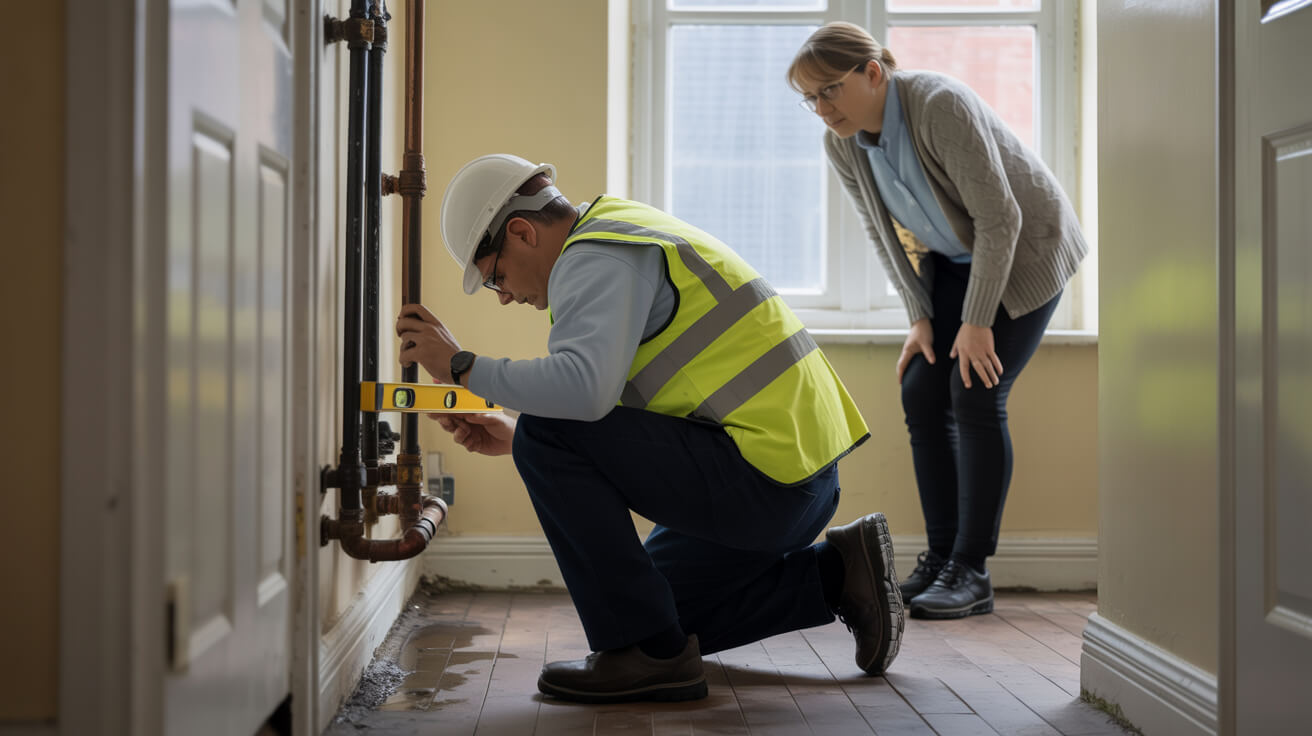
Flue integrity testing PPM services are for UK landlords, dutyholders and property managers who need clear evidence that gas flues and CO risks are under control across their buildings. All Services 4U carries out structured gas flue inspections, combustion checks and CO safety testing within planned maintenance visits, depending on constraints. You finish with written findings that show what was inspected, how it was tested, what defects were found and what action is recommended, supported by defined methods and agreed risk grading. It’s a straightforward way to bring flues into a repeatable safety regime you can stand behind.


Author
Izzy Schulman

If you manage housing or commercial property, gas flue defects can sit out of sight until a complaint, incident or audit exposes them. When carbon monoxide and hidden flue routes are involved, a basic “gas check” is not enough to show systems are safe to keep in service.

A structured flue integrity testing and CO safety programme gives you repeatable methods, defined scope and written records you can rely on. By building this into planned preventive maintenance, All Services 4U helps landlords and dutyholders see real flue condition, understand the risks and decide on remedial work with confidence.
- Clear evidence to decide if flues stay in service
- Structured inspections that go beyond a basic gas check
- Written reports that support audits, governance and resident safety</p>
Need Help Fast?
Locked out, leak at home, or electrical issue? All Services 4 U provides 24/7 UK locksmith, plumbing, electrical.
Testimonial & Clients Who Trust Us
With 5 Star Google Reviews, Trusted Trader, Trust Pilot endorsements, and 25+ years of experience, we set industry standards for excellence. From Dominoes to Mears Group, our expertise is trusted by diverse sectors, earning us long-term partnerships and glowing testimonials.
Worcester Boilers

Glow Worm Boilers

Valliant Boilers

Baxi Boilers

Ideal Boilers

What Flue Integrity Testing Actually Proves in a UK Building
Flue integrity testing proves whether combustion products stay inside the flue and leave the building safely.
You are not just checking that a boiler lights and runs for a few minutes. You are confirming that the full discharge route is continuous, correctly assembled, correctly terminated and not leaking products of combustion, including carbon monoxide, into voids, risers or occupied space. Where appliances are room‑sealed, you are also proving that the combustion circuit is properly separated from the room.
Within a planned preventive maintenance (PPM) programme, this becomes a repeatable control system, not a diary reminder. Scope, method, evidence, remedials and review intervals are agreed up front, then repeated consistently, so you are not relying on whatever an individual engineer happens to do on the day.
CO alarms still matter, but they are a last warning line, not a substitute for proving the flue is sound. A good integrity test leaves you with clear, written evidence you can rely on between visits when you decide whether a flat, block, plant room or estate is safe to keep in service.
All Services 4U builds this into structured PPM visits, so you see not only that the boiler has been looked at, but that the combustion products are going where they should every time. Bring your flues into a defined integrity testing programme instead of hoping that isolated annual checks are “good enough”.
Why Flue Integrity Matters for CO Safety, Dutyholder Risk, and Audit Readiness
Flue integrity sits where resident safety, legal duty and governance all meet in one uncomfortable question: “Is it safe enough to run?”
If you hold the landlord or dutyholder role, you already carry responsibilities around gas appliance safety. Those duties extend to the flues serving those appliances and, in many cases, to communal or shared flue systems. Even when you outsource delivery, you still own the call on whether systems stay in service.
Carbon monoxide risk is often framed as an appliance issue, but incidents frequently involve a mix of appliance condition, flue defects, poor ventilation and changed building layouts. An appliance can pass a basic function check while a hidden joint, void section or shared riser is no longer performing as designed.
From a governance perspective, gas safety failures rarely start with one spectacular mistake. They usually grow from ordinary weaknesses: incomplete asset lists, fuzzy ownership of communal elements, repeated no‑access that is never truly solved, and variable evidence standards across contractors or regions. When a regulator, insurer, board, resident or tribunal asks “Who knew what, and when?”, those gaps are exactly what get pulled apart.
Treating flue integrity as a defined strand of your gas safety regime helps you close that loop. You gain a named owner for exceptions, a clear escalation route for difficult sites and a record set that stands up when questions land months or years later.
What a Gas Flue Inspection and CO Safety Check Should Include
A useful inspection gives you more than a ticked “gas check” box; it leaves you with a clear picture of condition, risk and next steps you can actually act on.
Core elements of a flue and CO safety visit
At a minimum you should expect:
- Identification of each appliance and the flue or chimney serving it.
- Visual inspection of the flue route as far as is reasonably accessible, including joints, supports and termination.
- Checks that the flue type is suitable for the appliance and installation.
- Assessment of ventilation and combustion air paths where relevant.
- Combustion performance checks using a calibrated analyser where the appliance and guidance call for it.
- CO‑related safety checks, such as confirming effective discharge of combustion products and, where present, basic checks on CO alarm location and operation.
For open‑flued appliances and certain commercial plant, this may also include flue‑flow or spillage tests. For room‑sealed appliances, it may include specific integrity checks around the case and terminal.
What should be in the report
Afterwards, your record should show more than “service completed.” You should see:
- What was inspected and where.
- What method was used (visual only, combustion analysis, additional integrity tests).
- Any defects found, graded by risk and urgency.
- Any situations where the engineer classified an appliance or installation as unsafe and what was done in response.
- Clear recommendations and, where applicable, whether operation is acceptable with monitoring, requires remedial work, or must be isolated.
When you can read a report and immediately see what was checked, what was found and what you are expected to do next, you are buying risk control, not just attendance.
When Flues Should Be Tested Within a PPM Schedule
Flue testing frequency should follow the tightest of your legal duties, manufacturer guidance and risk assessment, not just habit.
For most rented properties, the familiar pattern is an annual gas safety check that covers the appliance and its flue. In commercial or complex premises, the law gives you a duty to maintain safety, and the way you discharge that will depend on appliance type, occupancy and system design. In practice, you may adopt an annual baseline and then tighten intervals where your risk genuinely justifies it.
When you may tighten beyond annual
You may reasonably move beyond a simple annual cycle where:
- Flues are shared between dwellings or serve multiple appliances.
- Flues run in voids, boxed‑in routes or difficult‑to‑inspect locations.
- There is a history of defects, fumes complaints, alarm activations or poor combustion readings.
- Occupants are particularly vulnerable, such as certain supported or healthcare settings.
- Plant is critical to business continuity and failure would cause major disruption.
CO alarms should be tested and maintained in line with manufacturer guidance, but they are only one layer in this picture. They do not change the need for checks that show whether the flue is intact and performing properly.
In a structured PPM plan, you decide once, in writing, which assets receive the baseline, which receive enhanced attention and how those decisions will be reviewed over time. That avoids both under‑specifying high‑risk sites and overspending on low‑risk, easily inspected systems.
Where Risk Concentrates and What Faults Commonly Turn Up
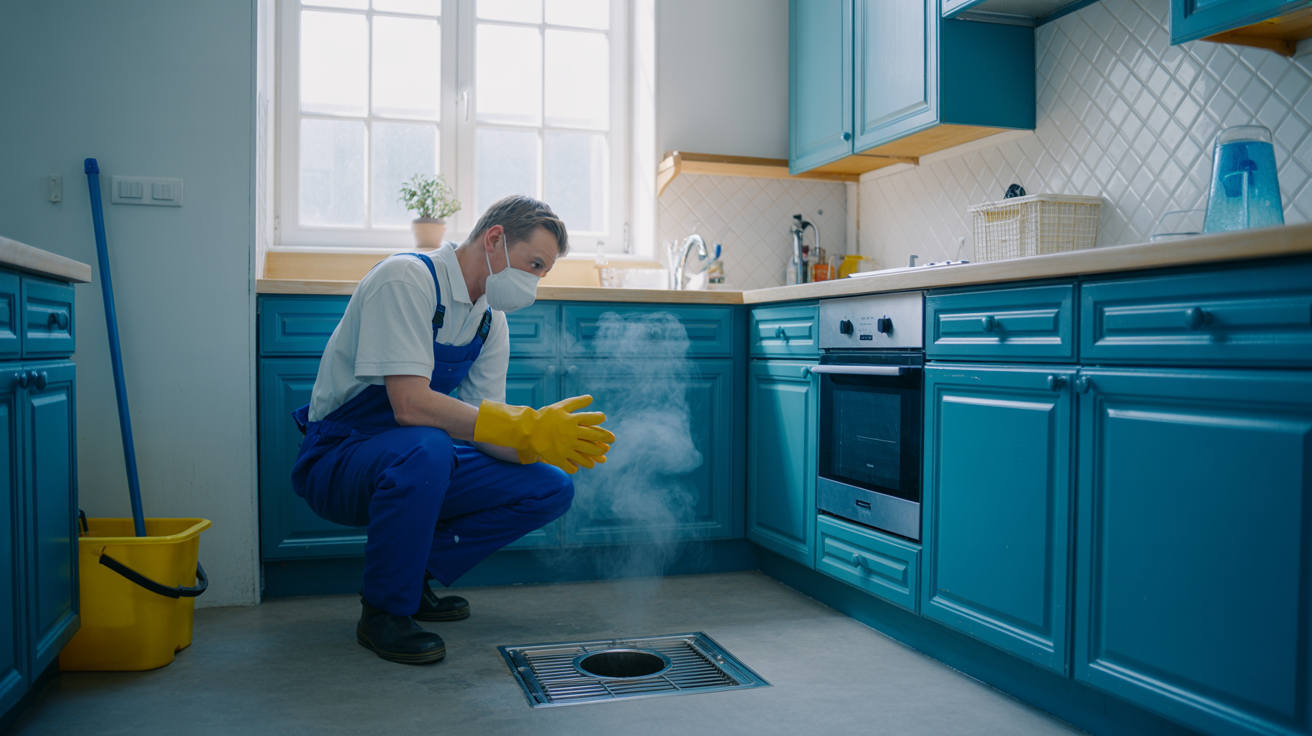
Not every flue carries the same level of risk, and the same types of issues tend to turn up again and again.
Places where flue risk is highest
Experience across housing and commercial estates points to a few recurring hotspots:
- Concealed flues running through voids, ceilings or risers without inspection hatches.
- Shared or communal chimneys and flues in blocks of flats or older conversions.
- Plant rooms with multiple appliances connected to common flues or headers.
- Mixed‑use buildings where later fit‑outs have added penetrations, ductwork or alterations near flue routes.
- Refurbished buildings where drawings and actual routes no longer match.
In these locations, defects can develop or routes can be altered without anyone noticing until a complaint, alarm activation or audit forces the issue.
Typical defects found during inspections
Common findings during flue integrity and CO safety checks include:
- Missing or damaged supports, leading to sagging or stressed joints.
- Poorly assembled or incompatible flue components.
- Gaps, cracks, failed seals or evidence of flue gas staining.
- Terminals obstructed, too close to openings or in wind‑affected positions.
- Evidence of previous alterations that have not been assessed against current guidance.
- Inadequate access to sections of the flue, meaning effectiveness cannot be confirmed.
Knowing where these issues are most likely to be found lets you focus your first wave of enhanced checks where the payoff is highest, instead of spreading effort thinly and hoping for the best.
How Reporting, Remedials, and Competence Checks Make the Programme Defensible

A flue testing programme is only as strong as the people executing it and the records they leave behind when you are challenged.
When you are answering to a board, regulator, insurer or tribunal, you are rarely judged on a single visit. You are judged on whether your system for planning, executing, recording and following up work is reasonable and consistently applied over time.
Competence and method
You should be confident that:
- Engineers are properly registered and authorised for the categories of work and appliances on your sites.
- They are familiar with the types of flue and plant you operate, including any shared or commercial systems.
- Their combustion analysers and other instruments are correctly maintained and calibrated.
- Their chosen tests are appropriate to the appliance and flue arrangement, and aligned with recognised UK guidance.
A shortfall in any of these areas can turn apparently neat paperwork into weak evidence under scrutiny.
Records and follow‑up
Defensible programmes also show:
- Why particular intervals and methods were chosen for different asset groups.
- How defects are prioritised, acted on and closed.
- How exceptions such as no‑access properties, partial inspections or unresolved hazards are handled and escalated.
- How changes in standards, building layout or occupancy are reflected in updated plans.
All Services 4U’s flue integrity testing and CO safety checks are delivered by Gas Safe registered engineers within a documented framework, so your records show not just that visits happened, but how decisions were reached and carried through.
Accreditations & Certifications





Which Sites We Support Across the UK, and Why Delivery Model Matters

You may be responsible for a single building or a dispersed national portfolio; either way, delivery model matters as much as technical content if you want control rather than noise.
Different sites bring different combinations of duty, risk and access challenges. A school with a plant room, a high‑rise housing block with shared risers, a business park with multiple boiler houses and a supported housing scheme all need a consistent framework, but not necessarily identical scopes.
Multi‑site and mixed‑use estates
If your organisation operates across regions, you are probably already managing:
- Different property archetypes, from small HMOs to large communal systems.
- Local variations in expectations from fire and building safety partners.
- Patchy legacy records inherited from previous owners or contractors.
- Varying levels of resident or tenant engagement around access.
In this context, ad hoc attendance quickly becomes costly. You can end up chasing certificates, repeating visits, discovering missing evidence when a lender or insurer asks for a pack, or trying to reconstruct what was done at a particular plant room two years ago.
A managed PPM approach brings assets, visit dates, access outcomes, defects, escalations and closure into a single picture. Regional managers can see where risk is rising or falling. Central teams can produce consistent summaries for boards and external stakeholders without trawling through individual job sheets.
All Services 4U works across the UK with organisations like yours – housing providers, managing agents, landlords and FM operators – aligning site‑level reality with portfolio‑level control.
Reliable Property Maintenance You Can Trust
From routine upkeep to urgent repairs, our certified team delivers dependable property maintenance services 24/7 across the UK. Fast response, skilled professionals, and fully insured support to keep your property running smoothly.

Book Your Free Consultation With All Services 4U Today
A short, structured conversation can show you quickly whether your current programme genuinely covers flue integrity and CO risk, or whether important gaps remain. Book a free consultation and turn that uncertainty into a clear, proportionate plan you can stand behind.
You can come to the call with an asset list, recent gas safety records, any known problem addresses, and any concerns raised by residents, auditors, insurers or lenders. Together, we can map where you already have good coverage, where flue routes or shared systems may justify enhanced attention, and where record quality is likely to be questioned.
You can expect clear language about inspection scope, engineer competence, reporting, remedial categorisation and escalation, so you can compare your current arrangements fairly against a managed PPM option.
By the end of the discussion, you will have a proportionate next step: which buildings to sample first, what evidence to review, and what a sensible flue integrity testing and CO safety schedule could look like for your portfolio.
Book a free consultation with All Services 4U today and give yourself a clearer, more defensible view of your gas flues and CO safety checks across the UK.
Frequently Asked Questions
What are flue integrity testing PPM services in UK property maintenance, and who usually needs them?
Flue integrity testing PPM services help you prove that combustion gases are discharged safely and that flue risk is actively controlled.
In property maintenance, that matters because a gas appliance can appear to work normally while the flue route behind it is damaged, poorly sealed, altered by past works, or only partly accessible. A routine attendance record does not always tell you that. A stronger planned preventive maintenance approach gives you scope certainty, inspection evidence, access limitations, defect visibility, and a clear route into remedial action. That is the difference between a visit being logged and a risk being managed.
For a high-intent property decision-maker, the value is practical. You want to know what has been checked, what has not been checked, what standard shaped the visit, what happens next, and whether your records would stand up if a resident, insurer, board member, broker, or lender asked for proof. Gas Safe Register expectations, manufacturer instructions, and the wider legal framework around gas safety all push in the same direction: flue safety should be evidenced, not assumed.
The real risk is not always the fault itself. It is the quiet gap between attendance and proof.
This service usually matters most where flue routes are concealed, shared, altered, or hard to inspect without planning. It also matters where your organisation carries a wider governance burden, such as resident safety, insurer scrutiny, lender readiness, complaint handling, or board reporting. In those settings, weak wording in a service sheet turns into operational drag very quickly.
Who tends to need tighter flue integrity control?
You are more likely to need a structured flue integrity testing programme when the building is harder to evidence or the consequences of failure are wider.
That often includes:
- Blocks of flats with concealed or shared flue routes
- Housing stock with ageing layouts or incomplete records
- Supported or sheltered accommodation
- Communal boiler systems serving multiple dwellings
- Mixed-use properties with historic alterations
- Portfolios where access failure is common
For a managing agent, this is about contractor accountability and fewer grey areas after site visits. For an RTM board or RMC chair, it is about defensible oversight. For a housing association or registered provider, it is about resident safety, complaint prevention, and vulnerable occupiers. For an insurer or lender, it is about whether the file shows active control rather than hopeful administration.
What makes this different from a routine gas service?
A routine gas service focuses on the appliance, while flue integrity testing PPM focuses on whether the discharge route remains safe and evidenced.
That distinction matters commercially as much as technically. A standard service may confirm that an appliance was checked. It may not tell you enough about the flue path, any concealed sections, access restrictions, discharge safety, or whether building changes have introduced risk. Approved Document J helps frame the wider combustion and flue context, while appliance-level instructions shape what should happen at asset level.
A quick comparison makes the difference clearer:
| Focus | Routine gas service | Flue integrity testing PPM |
|---|---|---|
| Core question | Is the appliance operating? | Is the flue route safe and managed? |
| Typical record | Attendance and service notes | Evidence trail with findings and limits |
| Management outcome | Basic maintenance history | Better control, escalation, and reporting |
If your present contractor gives you annual paperwork but little clarity on the flue side, the gap is operational, not cosmetic. That is often where a scope review with All Services 4U becomes useful. You are not simply buying another visit. You are deciding whether your current property maintenance regime is built to reduce uncertainty before it becomes a complaint, claim, or governance issue.
When should gas flue inspections and carbon monoxide safety checks sit within a PPM schedule?
Gas flue inspections usually begin with an annual baseline, but your PPM schedule should follow the building’s risk, layout, and evidence needs.
That is where many portfolios get stuck. The annual cycle feels tidy, but tidy is not the same as sufficient. Under the Gas Safety (Installation and Use) Regulations 1998, annual gas safety duties are familiar territory. Yet a prudent flue integrity testing programme does more than repeat an annual date. It identifies where simple annual rhythm is enough and where concealed routes, vulnerable residents, shared systems, or access problems justify a more deliberate review structure.
For BOFU buyers, this is really a question of programme resilience. If one missed access appointment or one weak report creates a scramble, the schedule is too brittle. A stronger property maintenance approach links flue inspections to the wider gas PPM regime, then adds review triggers for sites where risk can change between annual visits. HSE guidance and Gas Safe Register practice both support a disciplined, risk-aware approach to gas safety management rather than a tick-box mindset.
When should you go beyond a simple annual cycle?
You should usually add control points when the building creates more uncertainty or when delayed action would create wider operational fallout.
Typical triggers include:
- Concealed or boxed-in flue routes
- Shared flue arrangements across flats
- Older stock with patchy service history
- Repeated no-access events
- Recurring resident complaints
- Supported housing or care-linked settings
- Recent refurbishment affecting flue routes
That does not always mean more frequent intrusive work. Sometimes it means better exception handling, clearer escalation, improved record quality, or a more formal review of access limitations and open defects. The aim is not to create activity for the sake of it. The aim is to reduce unmanaged time between known risks and known decisions.
Where do carbon monoxide alarms fit into that schedule?
Carbon monoxide alarms support your safety controls, but they do not replace gas flue inspection or combustion management within PPM.
They are warning devices, not evidence systems. A CO alarm can alert residents or staff to danger, but it cannot tell you whether the flue route remains intact, whether discharge is behaving as intended, or whether hidden defects have developed since the last visit. That is why prudent property maintenance does not treat alarms as a substitute for flue integrity testing.
A simple control split helps:
| Control | What it does well | What it does not prove |
|---|---|---|
| CO alarm | Warns of possible gas risk | Flue condition or route integrity |
| Annual gas visit | Supports legal gas safety rhythm | Full visibility of every flue route |
| Risk-based PPM schedule | Builds inspection and escalation control | Nothing if records stay vague |
If your records show annual attendance and alarm provision but do not show what happened with flue-specific risk, your programme may look stronger than it is. A records review or schedule reset can fix that early. If you want a low-friction way to test that, All Services 4U can review your current PPM structure and show where the schedule is sound, where it is thin, and where operational drag is likely to build.
What should a compliant gas flue inspection include if you want records that stand up under scrutiny?
A compliant gas flue inspection should record the asset, the flue route, the checks completed, the limits of access, and the actions required.
That is the point where many service regimes either become defensible or become awkward. A short note saying the appliance was checked may help with attendance history, but it does not give your team much control. A stronger inspection record shows what appliance was involved, what type of flue serves it, what could be seen, what tests were performed, what assumptions were avoided, what defects were found, and what remains unresolved. That level of reporting helps property managers coordinate works, helps boards understand exposure, and helps insurers or lenders judge whether the wider maintenance regime is disciplined.
BS 7967 is relevant where combustion checking forms part of the wider assessment context, and manufacturer instructions remain important at appliance level. Those references matter because they push the report away from generic boiler-service language and toward asset-specific explanation. Good records do not overclaim certainty. They show both findings and limits.
What should appear in a strong inspection report?
A strong report should tell you what was verified, what could not be verified, and what your team now needs to do.
You would usually expect to see:
- Appliance and flue identification
- Description of accessible flue sections
- Visual condition observations
- Relevant combustion-related checks where applicable
- Defects, concerns, or signs of deterioration
- Access restrictions and unknown areas
- Risk-based remedial recommendations
- Named next steps, ownership, and urgency
That level of detail reduces operational drag. Your team spends less time chasing clarifications, arguing about scope, or reopening jobs because the original note was too thin to act on. It also gives you cleaner handover from contractor to property manager, compliance lead, resident liaison team, or board.
Why should findings, testing, and access limits be kept separate?
You should separate visible findings, technical checks, and access limitations so your records do not create false confidence.
A visible terminal may look fine while concealed sections remain uncertain. Combustion readings may be acceptable while the route serving the appliance still has unresolved questions. Equally, an access limitation is not proof of a defect, but it is proof that certainty has not been achieved. Gas Safe Register expectations and manufacturer instructions both support accurate, honest reporting over broad assumptions.
That is why better providers keep these points distinct:
| Record element | Core question answered | Management benefit |
|---|---|---|
| Visual findings | What was actually seen? | Helps identify obvious defects |
| Testing results | What did the checks indicate? | Supports technical judgement |
| Access limits | What remains unknown? | Prevents overstatement and drift |
For BOFU readers, this is buying clarity. If a provider cannot show you a reporting format that separates those elements cleanly, it is harder to trust the rest of the programme. A practical next step is to review the report structure before comparing price. That usually tells you more about contractor quality than a headline rate ever will.
Which UK laws, standards, and competence checks shape flue integrity testing PPM services?
Flue integrity testing PPM services are shaped by legal duties, technical standards, manufacturer instructions, and the competence of the engineer carrying out the work.
That hierarchy matters because many buyers are offered vague “compliance” language that sounds reassuring without being specific enough to govern performance. In property maintenance, strong control starts by separating duty from method. The legal framework tells you what must be managed. The technical standards and guidance help shape how the work is approached. Manufacturer instructions refine the task at appliance level. Competence evidence helps show that the person on site was suitable for the work being done.
The Gas Safety (Installation and Use) Regulations 1998 remain central for gas appliances and flues. Approved Document J is relevant to the wider combustion and flue context. BS 5440 may be relevant depending on the flue arrangement, while BS 7967 can help frame combustion checking in the right setting. Gas Safe Register requirements matter because registration alone is not enough; scope relevance and practical method also count. In some portfolios, HSE guidance will shape how the maintenance regime is interpreted from a management standpoint.
What should you check before appointing a contractor?
You should check whether the contractor can explain the asset, the method, the evidence standard, and the escalation route with confidence.
That normally means looking for:
- Gas Safe registration with relevant scope
- Familiarity with the appliance and flue type
- A clear explanation of the inspection method
- Suitable and maintained test equipment
- Reporting that separates facts from limitations
- A remedial pathway when defects are found
- A record standard that fits insurer and lender scrutiny
This is not procurement theatre. It is operational risk control. If your provider cannot explain why a certain check is appropriate, what cannot be verified, or how unresolved findings move into action, your team inherits the uncertainty.
Why does this legal and technical hierarchy matter commercially?
It matters commercially because poor scope definition creates avoidable cost, avoidable delay, and avoidable dispute.
When providers blur duty, guidance, and method into one soft promise, you can end up with a cheaper service that under-controls the risk or a padded scope that does not fit the building. Neither outcome helps a board, managing agent, housing provider, or asset manager. Cleaner hierarchy means cleaner procurement:
- Law sets the duty
- Guidance and standards shape the method
- Manufacturer instructions refine the asset-level task
- Competence evidence supports delivery
That gives you sharper tender comparisons, clearer contract management, and better evidence if an insurer, lender, resident, or legal adviser asks questions later. If your present specification feels broad but unhelpful, a scope review with All Services 4U can help you test whether the wording is strong enough to support real contractor accountability.
Why do weak flue records, missed defects, and poor combustion control create wider property risk?
Weak flue records create wider property risk because uncertainty spreads quickly from technical files into claims, governance, resident trust, and lender confidence.
That is the commercial reality. A hidden flue defect or under-evidenced inspection does not stay neatly inside the maintenance team. It starts to affect resident communication, remedial ownership, insurance questions, board reporting, complaint handling, and refinance readiness. In property maintenance, poor control is rarely expensive only once. It becomes expensive in repeat attendance, internal chasing, disputed scope, resident frustration, and delayed decisions.
HSE guidance, Gas Safe Register expectations, and the wider logic of defensible building safety all point toward the same conclusion: if your records cannot explain what was checked, what was limited, and what happened next, the file becomes harder to trust. That affects more than safety. It affects whether your organisation looks organised under pressure.
Records do not just explain the past. They decide how painful the next problem becomes.
Which failure patterns usually signal a weak regime?
The most common warning signs are not dramatic. They are repeatable small failures that make the portfolio harder to manage.
Typical patterns include:
- Concealed flue risk left unresolved after refurbishment
- Repeated no-access with no clear escalation
- Shared responsibility across flats left unclear
- Combustion concerns logged but not actioned
- Reports too vague for insurer or audit review
- Annual attendance mistaken for active control
Each one creates drag. The maintenance issue itself may still be solvable, but the surrounding record becomes harder to defend. That is where time is lost and confidence drops.
Where do insurers, lenders, and residents feel the effect?
Insurers feel it in claim defensibility, lenders feel it in confidence, and residents feel it in whether your team sounds credible when problems arise.
A simple comparison shows the knock-on effect:
| Weak control leaves you with | Strong control gives you |
|---|---|
| Incomplete service history | Usable inspection trail |
| Ambiguous remedial ownership | Named actions and dates |
| Slow insurer queries | Faster evidence retrieval |
| More lender hesitation | Cleaner decision packs |
| Lower resident confidence | Better explanations and follow-up |
That is why urgency should be framed as prudence, not panic. You do not tighten a flue integrity regime because disaster is inevitable. You tighten it because unmanaged uncertainty becomes expensive across safety, property operations, reputation, and finance. If your current records generate more follow-up questions than firm answers, that is often the signal to act while the issue is still quiet and manageable.
How can you build a flue integrity testing PPM programme that is easier to manage, easier to evidence, and easier to defend?
You build a better flue integrity testing PPM programme by defining the assets clearly, setting risk-based scope, and making evidence and escalation non-optional.
That is where strong property maintenance programmes separate themselves from reactive ones. A weak regime depends on memory, contractor goodwill, and annual repetition. A stronger regime depends on defined rules. Which flue routes are concealed? Which sites need enhanced review? What evidence must be captured every time? Who owns access failures? How quickly do defects move into works? Which records must be lender-ready or insurer-ready? If those questions already have answers in your workflow, control becomes easier. If they do not, every issue feels larger than it should.
A disciplined programme should also reduce operational drag. BOFU buyers are not just looking for technical language. You are looking for fewer ambiguous reports, fewer repeat visits, cleaner contractor accountability, clearer resident communication, and faster board-level reporting. That is why the best next step is often not a full overhaul on day one. It is a structured gap review that tells you where your existing regime is already sound and where it is leaving avoidable exposure.
Your workflow should move in a repeatable sequence from asset clarity to inspection, action ownership, escalation, and audit.
A practical structure usually looks like this:
| Step | What you set up | Why it reduces drag |
|---|---|---|
| 1 | Asset list and flue classification | Removes uncertainty early |
| 2 | Baseline and enhanced review rules | Matches effort to risk |
| 3 | Mandatory evidence fields | Makes reports usable later |
| 4 | Action owners and target dates | Stops defects drifting |
| 5 | No-access escalation route | Keeps unknowns visible |
| 6 | Review and file audit cycle | Improves control over time |
That sequence matters more than software alone. A platform cannot rescue a weak scope. But once the rules are clear, your CAFM workflow, compliance binder, board pack, insurer dossier, and lender pack all become easier to maintain.
What is the safest next step if your current regime feels patchy?
The safest next step is to review your current asset list, recent gas records, and known problem sites against a stricter evidence standard.
Start with the basics:
- Your current asset register
- Recent gas servicing and flue-related records
- Any repeated no-access history
- Open defects and recurring complaints
- Buildings with concealed or shared flue routes
- Current reporting templates and escalation rules
That gives you a clearer picture of whether your current programme is controlling flue integrity or simply repeating visits. If you want a low-commitment option, begin with a records review. If you want a firmer answer, move into a scope and gap assessment. If you already know the gaps are real, rebuild the programme before the next cycle locks those weaknesses in again.
That is usually the smartest route for a property team that wants to be seen as careful, credible, and in control. If that is where you want to get to, All Services 4U can help you review the existing regime, tighten the scope, and build a flue integrity testing PPM programme that is easier for your team to run and easier to defend when scrutiny arrives.
- What Flue Integrity Testing Actually Proves in a UK Building
- Why Flue Integrity Matters for CO Safety, Dutyholder Risk, and Audit Readiness
- What a Gas Flue Inspection and CO Safety Check Should Include
- When Flues Should Be Tested Within a PPM Schedule
- Where Risk Concentrates and What Faults Commonly Turn Up
- How Reporting, Remedials, and Competence Checks Make the Programme Defensible
- Which Sites We Support Across the UK, and Why Delivery Model Matters
- Book Your Free Consultation With All Services 4U Today
- Frequently Asked Questions
- Related PPM Services
Case Studies


Related Articles

Your Guide To Identifying And Treating Minor Mould Outbreaks
Why Planned Preventative Maintenance (Ppm) Saves Money And Ensures Compliance