Gas Appliance Replacement PPM Services UK – Boiler, Cooker, Fire Installation – Gas Safe
Landlords, housing managers and portfolio owners use planned Gas Safe boiler, cooker and gas fire replacement to cut repeat faults, disruption and compliance pressure. All Services 4U scopes, installs, tests and commissions replacement appliances as a planned programme, based on your situation. You finish with clear handover records, traceable decisions and one accountable route from survey through to close-out. A short conversation can confirm whether planned replacement is the right next step for your assets.


Author
Izzy Schulman

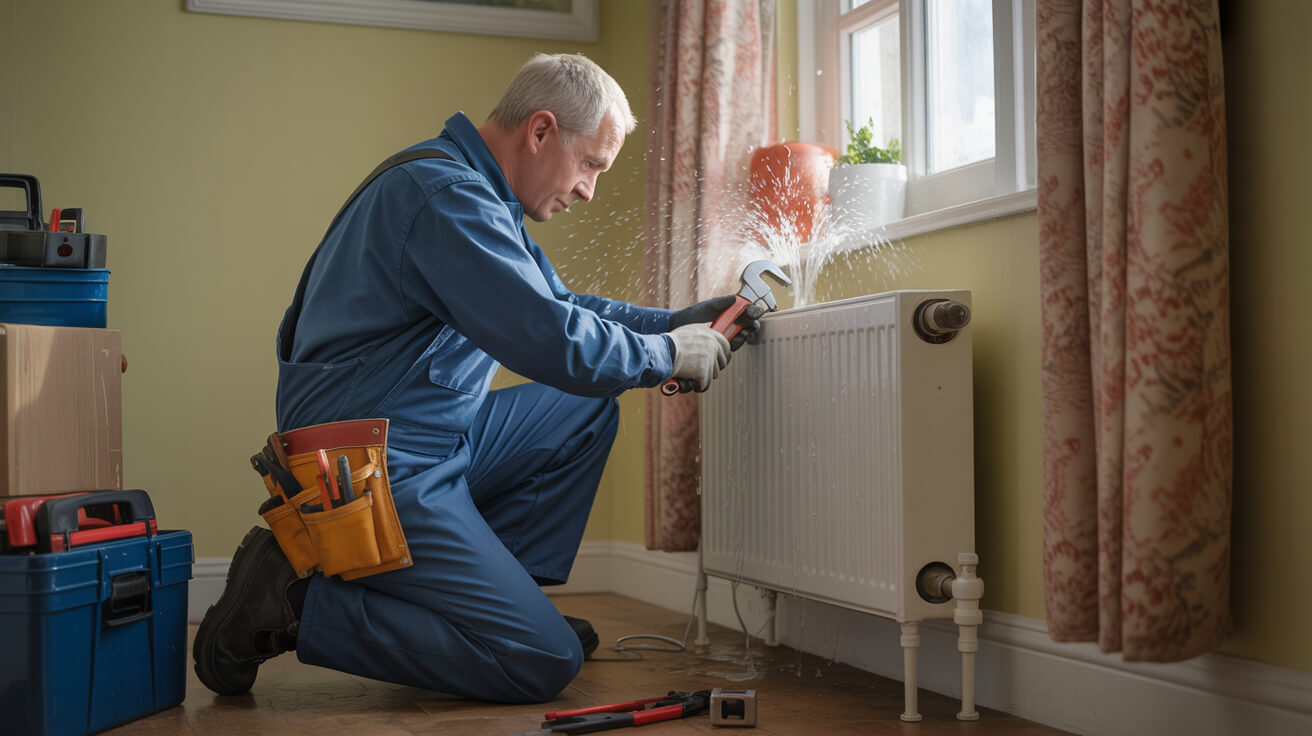
If you manage rented homes or residential blocks, ageing boilers, cookers and gas fires can turn into repeat callouts, resident disruption and growing compliance risk. Waiting for breakdowns forces rushed decisions and weak records that are harder to defend later.

Planned Gas Safe replacement gives you a clearer route from survey to handover, with scope defined up front and installation treated as a renewal decision, not a rushed repair. All Services 4U structures the work around access, continuity and documentation so you can manage risk with more control.
- Reduce repeat faults, disruption and last-minute emergency visits
- Turn servicing history into defendable replacement decisions and records
- Use one accountable route from survey through to compliant handover</p>
Need Help Fast?
Locked out, leak at home, or electrical issue? All Services 4 U provides 24/7 UK locksmith, plumbing, electrical.
Testimonial & Clients Who Trust Us
With 5 Star Google Reviews, Trusted Trader, Trust Pilot endorsements, and 25+ years of experience, we set industry standards for excellence. From Dominoes to Mears Group, our expertise is trusted by diverse sectors, earning us long-term partnerships and glowing testimonials.
Worcester Boilers

Glow Worm Boilers

Valliant Boilers

Baxi Boilers

Ideal Boilers

Planned gas appliance replacement gives you a safer, clearer route from ageing asset to compliant handover.
If you manage homes, blocks or a residential portfolio, boiler, cooker and gas fire replacement is not just a fitting job. You are balancing resident safety, access, programme timing, budget control and the records that support gas safety PPM, annual checks, complaints, insurers, lenders or internal assurance.
We handle Gas Safe appliance replacement as a planned service, not a last-minute scramble. We assess what needs replacing, define the real scope, carry out the installation with the right competence, including Cooker installation where required, complete the necessary testing and commissioning, and return the handover information you need to keep your records clean.
You get a route that works for occupied properties, voids and portfolio planning alike, with All Services 4U acting as one accountable point from survey through to close-out. If you already know which appliances are exposed, you can ask us to review the list and map the next replacement steps.
Gas appliance replacement PPM is planned renewal built around condition, risk and service continuity.
Planned preventative maintenance only works when it leads to better decisions before failure forces your hand.
Planned maintenance and planned renewal are not the same thing
Routine PPM usually covers inspection, servicing, testing and minor remedial work. Full appliance replacement is a planned renewal decision shaped by maintenance history, not a standard service visit hidden inside a day rate.
That distinction matters because it affects budget approval, scope, programme timing and the documents you should expect at the end.
Replacement decisions should come from evidence, not surprise breakdowns
You are in a stronger position when replacement is triggered by age, condition, repeated faults, poor parts availability, resident impact or compliance risk. That gives you time to survey properly, plan access and separate essential works from optional upgrades.
When replacement is only discussed after failure, the job usually arrives with weaker scoping, more disruption and a higher chance of variation.
Good planning closes the gap between servicing and delivery
A strong replacement programme connects survey findings, servicing history, asset records and handover requirements. That is what turns scattered engineer notes into a decision you can defend.
For you, that means fewer assumptions at quote stage and a cleaner path from approval to completion.
Replacement becomes the better choice when another repair stops improving reliability, safety or control.
A low repair invoice can still cost you more if it locks you into repeat callouts, weak records and avoidable disruption.
Repeated faults are usually the first warning sign
If the same boiler keeps dropping out, the same cooker connection keeps causing issues or the same gas fire keeps returning to the defects list, you are no longer dealing with a one-off event. You are looking at an asset that is draining time, access effort and resident goodwill.
At that point, another repair may restore function briefly without restoring confidence.
Risk rises when a simple swap turns out not to be simple
A like-for-like label can hide wider issues with flues, ventilation, pipework, controls, clearances or the surrounding condition of the installation. Those issues often stay invisible during reactive attendance and only become clear when a full replacement is assessed properly.
That is why planned replacement should start with suitability, not just appliance selection.
Delayed renewal often creates wider cost than the quote shows
The real cost of delay is not just another engineer visit. It can include repeated access attempts, void extension, resident complaints, out-of-hours response, governance pressure and internal rework caused by missing records.
If you need clarity before approving more spend, ask us to review the fault pattern and current scope so you can decide whether repair, monitor or replace is the better route.
A proper replacement scope should separate appliance work, site conditions and handover responsibilities.
The safest quote is the one that makes the full job visible before work starts.
Boiler replacement usually includes more than the boiler itself
A boiler replacement scope should normally cover survey, suitability checks, safe isolation, removal of the old unit, installation of the new appliance, connection work, commissioning, operating checks and handover. Depending on the property, it may also involve controls, condensate arrangements, flue considerations or related alterations.
If those items are not described clearly, the headline price can mislead you.
Cooker installation needs connection checks, not just a quick swap
A straightforward cooker replacement may be simple when the existing connection is suitable and no changes are needed. It becomes a different job when shut-off access is poor, the bayonet or pipework needs attention, clearances are wrong or the appliance position creates safety concerns.
You need those assumptions tested before installation day, not discovered after delivery.
Gas fire replacement often depends on the surrounding setup
Gas fires bring extra checks around flue or chimney condition, hearth suitability, opening size, ventilation and the type of fire being installed. A fire that looks like a direct swap can still need wider remedial work to make the new installation suitable and safe.
That is why we scope gas fire replacements with the room and flue arrangement in mind, not just the product name.
Gas Safe competence, landlord duties and the right records are what turn installation into compliant completion.
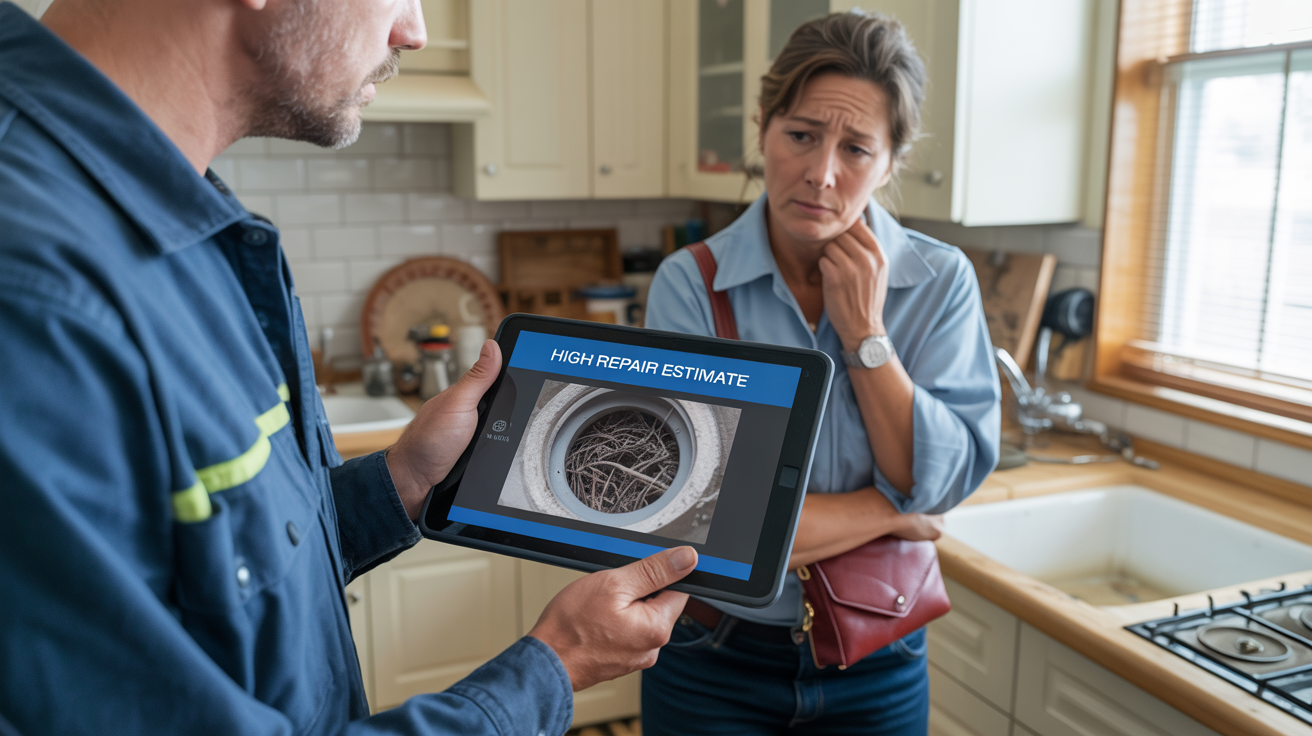
You need proof that the work was done by the right people, in the right way, with the right close-out.
Gas work must be carried out by the right registered competence
Where gas work is carried out as part of a business, the engineer or business must be Gas Safe registered and competent for that appliance category. That practical rule matters across installation, replacement, reconnection, commissioning and alteration work.
You should not rely on branding alone. You should expect the competence to match the appliance type actually being worked on.
Rented homes create an extra duty layer
If you provide the appliance in a rented property, you also need to think about ongoing landlord gas safety obligations, annual checking and record continuity. Replacement work should strengthen that position, not create a gap between the old record set and the new asset.
That matters even more when a replacement lands close to annual check dates, tenancy changes or complaint handling.
Your handover should be usable, not just technically complete
A clean close-out should usually include the relevant commissioning information, appliance details, test evidence, user handover information and any notification or compliance records that apply to that job.
A good handover pack should help you answer three things quickly: what was installed, how it was left safe, and what now sits on the asset record.
Occupied homes and void properties need different replacement planning even when the technical work looks similar.
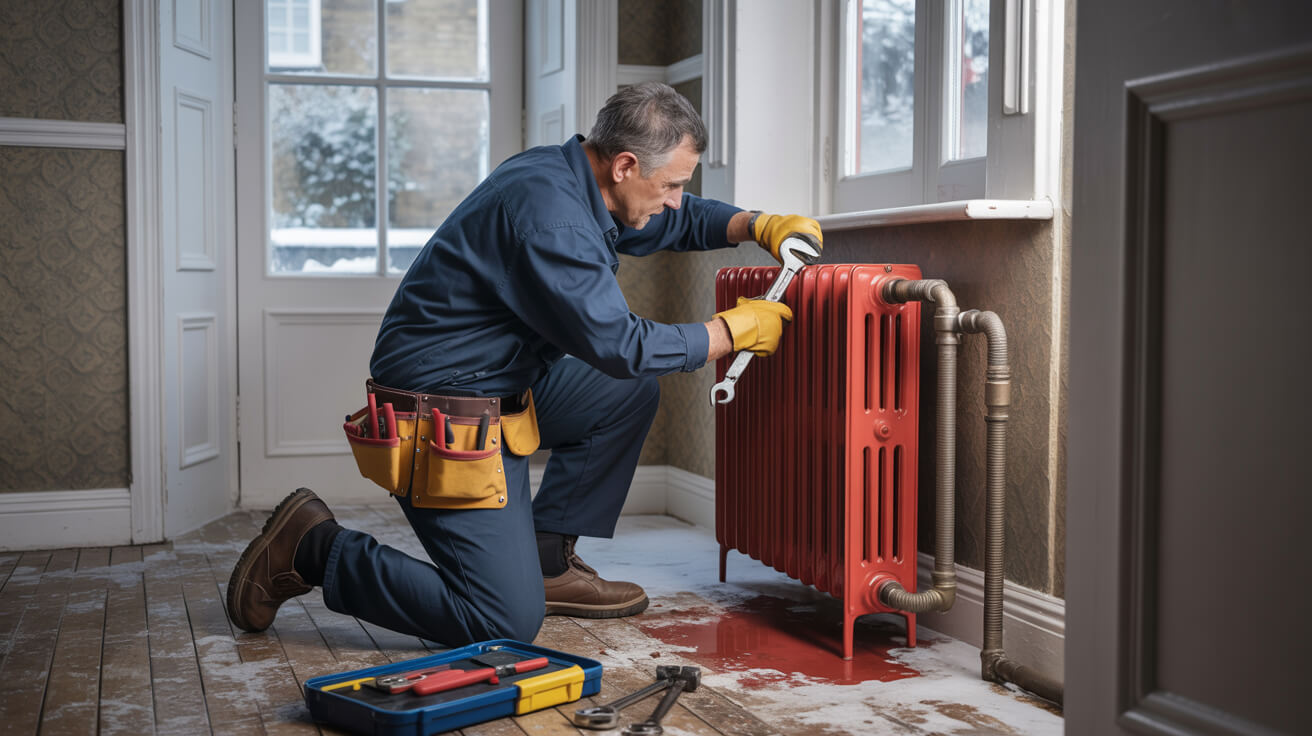
Access, communication and programme control often decide whether the job feels smooth or chaotic.
Occupied properties need resident-led coordination
When people are living in the property, replacement planning should account for access windows, notice periods, vulnerability flags, arrival communication and what the household should expect on the day. That reduces failed visits and avoids the frustration that comes from residents hearing one promise while the order says something narrower.
We build that planning into delivery so your installation is not undermined by poor coordination.
Void properties create a cleaner window for full scope checks
Voids often give you more freedom to deal with access, survey detail and wider remedial items before reoccupation. That makes them a strong point to replace ageing appliances that would otherwise fail mid-tenancy.
If you manage a portfolio, void periods can become part of your replacement strategy rather than a missed opportunity.
Quality assurance should continue after the engineer leaves
The installation is only one part of the job. You also need confirmation that the right records were returned, the asset list was updated, any variations were documented and the next compliance or service trigger is visible.
All Services 4U supports that operational layer so you are not left stitching the file together afterwards.
Accreditations & Certifications







Broad price ranges help you orientate, but scope detail is what makes a quote decision-safe.

The number you approve only has value when you can see what it includes, what it excludes and what could change it.
Straightforward jobs sit in different price bands by appliance type
As a broad UK guide, a simple labour-only cooker replacement may fall around £75 to £150 where the existing connection is suitable and no pipework changes are needed. A straightforward installed boiler replacement often sits around £1,800 to £4,500, and where gas safety PPM records help confirm condition and renewal timing, a like-for-like gas fire replacement may fall around £250 to £600 in labour before wider flue, fireplace or remedial items are added.
The table below shows how that usually looks at a high level.
| Appliance | Typical straightforward range | What commonly changes the price |
|---|---|---|
| Gas cooker | £75–£150 labour-only | Pipework changes, shut-off issues, unsuitable position |
| Gas boiler | £1,800–£4,500 installed | Flue route, controls, condensate, location, complexity |
| Gas fire | £250–£600 labour before wider remedials | Flue or chimney condition, hearth, opening, ventilation |
Those figures are for orientation only. Your actual quote depends on property condition, appliance type, access and any remedial work needed around the installation.
Variations usually come from the property, not the appliance label
Price differences are often driven by what the survey uncovers: flue changes, controls upgrades, making good, condensate alterations, access delays, disposal, safety corrections or the need to bring the surrounding setup into a suitable condition.
That is why two apparently similar quotes can be built on very different assumptions.
The quote should separate maintenance, replacement and exclusions
You are in a stronger buying position when survey costs, appliance supply, labour, commissioning, disposal, exclusions and change-control triggers are clearly separated. That helps you compare like with like and keeps routine PPM distinct from capital replacement.
If you want a second view on an existing quotation, we can review the scope before you commit.
Reliable Property Maintenance You Can Trust
From routine upkeep to urgent repairs, our certified team delivers dependable property maintenance services 24/7 across the UK. Fast response, skilled professionals, and fully insured support to keep your property running smoothly.

Book Your Free Consultation With All Services 4U Today
You need a next step that gives you clarity, not more guesswork. If you are weighing up boiler, cooker or gas fire replacement across one home, one block or a wider portfolio, we can help you define what is maintenance, what is renewal and what needs to happen now.
Bring the information you already have: asset list, recent safety records, fault history, photos, access constraints and any existing quotes. We will use that to identify scope gaps, likely risk points and the handover evidence your team should expect.
You leave with a clearer route to approval, delivery and compliance continuity. That may be a survey, a quote review, a pilot-property assessment or a wider replacement plan.
Book your free consultation with All Services 4U today.
Frequently Asked Questions
What records should you collect after a gas appliance replacement if you want the file to stand up later?
You need a complete handover pack that proves what changed, who did it, and what happens next.
A gas appliance replacement is not properly finished when the engineer leaves site. It is finished when your compliance records are clear enough to survive a complaint, an audit, an insurance query, or a lender review without anyone rebuilding the story from inboxes and memory.
That distinction matters in property maintenance because weak records make competent work look uncertain. For a property manager, that means more chasing. For a board director, it means weaker governance. For a compliance lead, it means avoidable exposure. For an asset manager, it can turn a simple evidence request into refinance friction.
The job ends twice: once on site, once in the file.
What should a defensible handover pack include?
A proper handover pack should show the old position, the new position, the safety checks, and the next control point.
For most gas appliance replacement work, your handover pack should include:
- Appliance make, model, and serial number
- Exact property and room location
- Removal and installation date
- Competent installer details and registration
- Commissioning outcomes and safety checks
- Relevant certification and notification records
- Photos of final setup where useful
- User handover notes where relevant
- Next servicing or inspection trigger
- Clear closure of the previous appliance record
That is the difference between a tidy job file and a durable one. Whether the work is a boiler change, gas fire replacement or Cooker installation, Gas Safe Register expectations and HSE guidance reinforce the same operational truth: if your compliance records do not connect the installation to future servicing and accountability, your file is incomplete even when the appliance works.
Which certificates and checks matter most after installation?
The most important records are the ones that prove the installation was checked, commissioned, and capable of being safely managed afterwards.
In practical property maintenance terms, that usually means the certification, commissioning details, test results, and installer credentials must sit together, not across separate systems. If the appliance was installed correctly but the evidence is fragmented, your team still carries unnecessary risk.
That risk shows up later in familiar ways. A resident calls with a fault. A new contractor attends. The appliance details do not match the property record. The annual gas safety route is unclear. The board asks for proof. Everyone loses time.
A short records review before the next gas appliance replacement goes live can save far more time than it costs, especially if your current handover pack still relies on invoice PDFs and scattered notes.
Why is an invoice never enough on its own?
An invoice proves payment. It does not prove safe completion, proper commissioning, or a workable future record.
That is where many compliance records fail. They contain the commercial trace, but not the operational proof. A good handover pack answers the questions that surface six months later, not just the ones needed to approve payment this week.
If your file cannot quickly answer these points, it is thin:
| Record question | Why it matters | What should exist |
|---|---|---|
| What was installed? | Asset continuity | Make, model, serial |
| Who completed it? | Competency assurance | Installer details |
| Was it checked? | Safety and compliance | Commissioning records |
| What replaces the old record? | Audit clarity | Closed and cross-referenced asset trail |
| What happens next? | Ongoing compliance | Next service date |
That structure gives your board, managing agent, or compliance team something defensible rather than something merely filed.
How should you file and index the records so they are usable later?
The file should sit where your team will actually look for it under pressure.
That means the handover pack should be indexed by property, asset, job date, and appliance reference, then linked into the wider compliance records for gas safety and planned maintenance. If the new appliance record cannot be found without asking three people, the file may as well be incomplete.
In stronger property maintenance systems, the handover pack is also tagged so future servicing, complaint handling, insurer questions, and lender pack exports all pull from the same source. That is not bureaucracy. It is operational self-defence.
If your current handover pack would struggle to support an audit trail without manual reconstruction, that is usually the moment to tighten your record standard before the next installation closes.
Why should you treat some gas appliance replacements as a programme instead of a one-off job?
You should treat them as a programme when repeated age, faults, and access pressure show the risk is portfolio-wide.
One gas appliance replacement is a repair decision. A cluster of similar replacements across the same block or portfolio is an asset-planning decision. If your team keeps handling each failure as an isolated surprise, your costs rise in ways the quote never shows: repeat mobilisation, resident disruption, uneven specifications, rushed approvals, and inconsistent compliance records.
For boards and asset managers, that is not just an engineering issue. It is a planning issue. ISO 55001 is useful here because it frames the question properly: decisions improve when you manage asset life cycles, not just breakdowns.
Which signals show that one-off replacements are no longer enough?
The key signals are usually repetitive rather than dramatic.
You should step back and review programme logic when you can see:
- Several appliances of similar age
- Repeat faults on the same model type
- Rising winter failures
- Poor parts support
- Hard access in occupied homes
- Upcoming void property opportunities
- Patchy handover pack quality across addresses
That combination tells you the operational cost sits in the pattern, not in the latest failure. In property maintenance, repeated reactive replacements often look cheaper until you add repeat attendance, complaint handling, and admin drag.
Six separate failures are often one planning decision you delayed.
How does programme thinking reduce cost and compliance risk together?
It reduces cost because planned sequencing cuts duplication. It reduces risk because the same process can standardise survey quality, specification, resident messaging, evidence capture, and handover pack quality.
That is where weaker providers often stumble. They can replace a unit. They struggle to run a controlled renewal programme across multiple homes with consistent compliance records and reliable close-out. The technical installation is only one part of the delivery model.
For resident services teams, the payoff is fewer surprises. For compliance teams, it is cleaner evidence. For finance leaders, it is more stable spend. For boards, it is proof that property maintenance decisions are being made deliberately rather than reactively.
A pilot review is often the cleanest first move. It gives you enough evidence to decide whether you are looking at one appliance failure or a wider replacement programme without committing the whole portfolio at once.
When does delay usually become more expensive than action?
Delay becomes expensive when failures are already clustering, winter demand is close, and access windows are narrowing.
That is especially true when void property periods are visible but not being used. A known ageing appliance with weak supportability is rarely cheaper to carry into occupied failure. It is simply easier to ignore until it fails on somebody else’s timetable.
A practical planning review should look at age, fault history, supportability, access difficulty, and resident impact. If those factors are all pulling in the same direction, you are no longer choosing between action and inaction. You are choosing between planned cost and chaotic cost.
What is the lowest-friction way to test the case?
Start with a sample review, not a blanket rollout.
Take one block, one scheme, or one asset cluster and review appliance age, repeat faults, handover pack quality, and access conditions. If the same issues keep appearing, the programme case is already visible.
That kind of review helps a managing agent defend the recommendation, helps an RTM board justify planned spend, and helps an asset manager decide whether the next step belongs in opex, capex, or a phased renewal plan.
If your portfolio is showing repeat age-related stress, this is the point to assess whether your current property maintenance model is still controlling the risk or just absorbing it.
Which quote differences should make you pause before approving a gas appliance replacement?
You should pause when quotes price different realities under similar headings.
The most expensive quote is not always the highest number. Sometimes it is the neatest low number attached to a vague scope. In gas appliance replacement work, the real difference between quotes often sits in what is assumed, excluded, or left blurry until the resident is booked and the job is underway.
That makes quote review a governance issue, not just a procurement task. Finance teams need spend clarity. Compliance teams need evidential clarity. Property managers need operational clarity. If a quote only works when nothing changes on site, it is not a strong quote. It is a fragile one.
Which commercial scope gaps create the most risk?
Commercial gaps usually sit in the unpriced edges of the job.
Common examples include:
- Flue alterations
- Ventilation corrections
- Pipework amendments
- Controls upgrades
- Electrical supply changes
- Condensate routing
- Making good
- Waste removal
- Access failure assumptions
These are not unusual extras. They are ordinary realities in property maintenance. If they sit outside the visible scope, the approval risk rises immediately because your budget line is already exposed before the first tool comes out.
Which compliance scope gaps should worry you most?
Compliance scope becomes risky when the quote is silent on who is responsible for testing, commissioning, notifications, and record return.
Building Regulations Part J matters where combustion appliances, flues, and ventilation are involved. Manufacturer commissioning requirements matter too. If the quote treats those items as implied rather than explicit, the delivery model is weak.
A stronger quote should make it obvious who owns:
- Survey assumptions
- Technical compliance checks
- Commissioning and safety testing
- Certification and notification
- Handover pack contents
- Close-out record standard
If those points are not visible in writing, your team is buying uncertainty, not clarity.
Which evidential gaps usually create pain after approval?
Evidential scope is where many “cheap” quotes quietly become expensive.
A quote may cover fitting but say almost nothing about the handover pack, photos, records, or filing expectations. That is a problem because weak close-out creates downstream cost in complaint resolution, contractor re-attendance, and insurer or lender queries.
A simple comparison table usually exposes the difference:
| Scope test | Strong quote | Weak quote |
|---|---|---|
| Commercial scope | Clear inclusions and exclusions | Generic line items |
| Compliance scope | Testing and commissioning named | Assumed or omitted |
| Evidential scope | Handover pack defined | “Paperwork provided” |
The Competition and Markets Authority’s transparency logic is relevant here even in technical services: if a buyer cannot see what is and is not included, the comparison is not clean.
How should you compare quotes without slowing everything down?
Compare completeness first, then price.
That sounds obvious, but many approvals still start with the headline number. A better route is to test three things in order: commercial scope, compliance scope, and evidential scope. Only then does price start to mean anything useful.
If your team is under pressure to approve quickly, the safest shortcut is not speed. It is a standard quote comparison sheet that forces those three checks before sign-off. That gives a finance lead clearer exposure, gives a property manager fewer variations, and gives a board a cleaner rationale if the decision is later challenged.
If competing gas appliance replacement quotes seem close on paper but uneven in delivery risk, that is usually the point to slow down for one more round of scope clarification instead of one more round of avoidable variation.
Who should sign off a gas appliance replacement before work starts if you want the decision to be safe?
The sign-off should cover technical scope, compliance, cost, and resident impact before the job is issued.
Most pre-start failures are not technical failures. They are approval failures. One person assumes the survey is sound. Another assumes the quote includes commissioning. Finance assumes the number is complete. Resident-facing teams assume the appointment can be delivered as promised. By the time those assumptions collide, the job is already live.
That is why FAQ one should govern the post-installation handover pack, while this decision stage should govern authority, thresholds, and sequencing only. The question here is not what records come back later. It is who must approve the work before it starts and on what basis.
Which approval roles should usually be involved?
The right route depends on value, risk, and context, but the pre-start workflow should usually cover four control points:
- Technical survey review
- Compliance or competency check
- Budget or threshold approval
- Resident and access readiness check
In lower-risk cases, those checks may sit within a defined operational route. In higher-risk or higher-value work, the board, RTM director group, compliance lead, or client approver may need to be involved directly.
Propertymark-style governance principles are helpful here because they reinforce something basic but often missed: authority should be visible, not assumed. If nobody can later show who approved the route and why, the decision chain is already weak.
A safe sign-off flow should answer these questions before booking:
| Approval test | Why it matters | Owner should be clear |
|---|---|---|
| Is this repair or renewal? | Prevents wrong budget route | Ops and asset lead |
| Has survey scope been confirmed? | Reduces variation risk | Technical reviewer |
| Is the installer competent? | Protects compliance | Compliance or contract lead |
| Are likely associated works visible? | Protects cost control | Survey and budget approver |
| Is resident access realistic? | Protects delivery | Resident-facing owner |
That is enough structure to reduce unnecessary risk without turning a normal property maintenance job into a committee exercise.
How do you tighten sign-off without creating delay?
By setting threshold rules in advance rather than improvising on each job.
For example, lower-value routine replacements can follow a standard route if survey quality, quote detail, and competent installer checks are all complete. Jobs with wider flue, ventilation, or access uncertainty can trigger a higher approval step. Higher-value works can trigger board or director-level sign-off. The point is consistency.
A managing agent does not need more bureaucracy. They need a route that lets them move fast without guessing. A board does not want more emails. It wants a decision trail that holds up later.
A short workflow design review is often enough to fix this. If your current sign-off depends more on habit than on thresholds, that is usually where future variation, complaint, and governance problems start.
When should a board or senior approver get involved?
Senior approval becomes more sensible when the work is high value, likely to create resident disruption, tied to wider asset decisions, or likely to affect insurance, service charge challenge, or reputation if it goes wrong.
For an RTM board or RMC chair, that means the sign-off route should not sit only in operations when the decision also affects governance and spend defensibility. For asset-heavy portfolios, it means recurring replacements may need to move out of reactive maintenance and into planned asset approval.
If you want a gas appliance replacement process that is quick without being casual, this is the stage to set the workflow before the next quote lands rather than after the next variation appears.
When is a void the right time to replace a gas appliance instead of carrying the risk into the next tenancy?
A void property is often the cleanest moment to replace an ageing appliance before the next resident inherits the risk.
A void changes the economics of gas appliance replacement. Access is easier. Scope is clearer. Associated remedials are easier to complete. The handover pack is cleaner. Most importantly, the next tenancy does not begin with a live reliability gamble hidden behind a “still working” appliance.
For landlords, asset managers, and managing agents, that makes void property planning one of the strongest tactical windows in property maintenance. It is not about replacing everything by default. It is about using the one moment when control is highest.
Which decision test should you use during a void?
The simplest test is whether carrying the appliance forward creates more risk than replacing it now.
That decision should consider:
- Appliance age
- Fault history
- Parts supportability
- Fuel efficiency
- Condition on inspection
- Ease of access now versus later
- Resident impact if failure occurs in tenancy
- Strength of current compliance records
If most of those indicators lean negative, the void property window is usually the smarter replacement point.
A practical decision table helps:
| Factor | Replace in void leans stronger when… | Defer may still be reasonable when… |
|---|---|---|
| Age | Nearing end of life | Mid-life and stable |
| Fault history | Repeat breakdowns | Clean recent history |
| Supportability | Parts are hard to source | Good support remains |
| Access | Easy now, disruptive later | Access equally easy later |
That keeps the call practical rather than emotional.
Why does delay often become false economy here?
Because “working today” is not the same as “sensible to carry forward.”
An ageing appliance in a void property may look like a saving if you defer replacement. In reality, you may just be moving the cost into a worse operating window: occupied access, resident dissatisfaction, emergency attendance, temporary heating arrangements, and more pressure on response teams.
Housing Ombudsman complaint themes repeatedly show the cost of letting predictable housing issues mature into occupied disruption. The principle applies more broadly than the social sector. In any managed stock, trust drops quickly when a foreseeable failure lands on a resident instead of being resolved during the empty period that made control easier.
How should landlords and asset managers use voids more strategically?
Void property reviews should happen before remarketing, not after the new tenant arrives.
That means checking appliance age, open defects, record quality, and associated opportunities such as controls upgrades or minor supporting works while access is still straightforward. Asset managers benefit because the records reset cleanly. Resident-facing teams benefit because the next tenancy starts with fewer avoidable defects. Boards benefit because the decision looks planned rather than reactive.
If you already have a run of upcoming void property dates, this is the point to create a simple screening list so the same opportunity is not missed repeatedly.
What is the safest low-friction next step?
Run a void property review against appliance age and repeat faults before each reletting decision is finalised.
That does not commit you to automatic replacement. It gives you a repeatable test that landlords, boards, and asset teams can defend. In high-volume property maintenance environments, that kind of consistent decision rule usually saves more money than trying to squeeze one more tenancy out of a weak asset.
If your team is still deciding void replacements ad hoc, you are probably carrying avoidable failure risk into occupation more often than you need to.
How can you reduce resident complaints during gas appliance replacement works without overcomplicating delivery?
You reduce complaints by making the experience feel controlled, predictable, and clearly explained.
Resident complaints rarely start because people object to essential work in principle. They start because the process feels disjointed. The appointment window is vague. The explanation is unclear. The contractor arrives with a different understanding. The job changes on site. Nobody explains the next step. Even a sound gas appliance replacement can feel mishandled if the resident experience lacks structure.
For resident services teams, that is a service quality problem. For property managers, it is an operational problem. For boards and landlords, it becomes a trust and reputation problem fast.
Residents can tolerate disruption. They struggle with confusion.
Which communication steps prevent most complaints?
The basics do most of the work when they are done consistently.
A stronger resident journey usually includes:
- Clear appointment windows
- Plain-English purpose of the visit
- Honest explanation of likely disruption
- Advance warning if timing may move
- Closure note after completion
- Clear contact route for follow-up
That sounds simple because it is. The value sits in consistency. The Regulator of Social Housing’s resident-outcome focus reflects the same principle: technical completion is not the whole story if the resident side still feels chaotic.
A resident comms review before a busy replacement cycle is often one of the quickest ways to reduce avoidable complaints without changing the technical model at all.
What should the closure note say in plain English?
The closure note should confirm what was replaced, whether it is operating normally, whether anything remains open, and who to contact next.
A good plain-English closure note usually covers four points:
| Closure point | Resident needs to know |
|---|---|
| What changed | Which appliance was replaced |
| Current status | Whether it is operating normally |
| Next step | Whether any follow-on work remains |
| Contact route | Who to call if there is a problem |
That one note can lower complaint risk far more effectively than a longer technical explanation the resident never asked for.
Why do some providers still create complaints after technically good work?
Because they treat communication as an afterthought.
A contractor may complete the installation properly and still leave the resident uncertain. The property manager knows there is a follow-on item. The compliance team knows the handover pack is pending. The resident believes the issue is closed. That mismatch is where complaint pressure starts.
In property maintenance, trust is shaped as much by the handover experience as by the repair itself. The delivery model has to connect technical work, resident communication, and compliance records into one coherent flow.
That is especially important for vulnerable residents, households with access sensitivities, and high-volume environments where a missed update multiplies into repeated calls.
How should you handle vulnerable residents or sensitive occupancies?
Use more preparation and fewer assumptions.
Where vulnerability flags, health conditions, access needs, or anxiety are known, the visit plan should reflect that before the appointment is issued. Better timing, clearer wording, and a more structured closure process are not optional extras in those cases. They are part of competent delivery.
For resident liaison teams, that reduces emotional fallout. For boards and owners, it shows the organisation is not just technically capable but operationally reliable. For managing agents, it lowers escalation volume.
If you want your gas appliance replacement process to leave residents feeling informed rather than managed around, the final test is simple: would the same record and closure note make your board, your residents, and your compliance lead equally comfortable?
That is the standard organised owners, trusted managing agents, and defensible boards are judged against. The teams that meet it do not just complete property maintenance work. They look in control while they do it.
- Planned gas appliance replacement gives you a safer, clearer route from ageing asset to compliant handover.
- Gas appliance replacement PPM is planned renewal built around condition, risk and service continuity.
- Replacement becomes the better choice when another repair stops improving reliability, safety or control.
- A proper replacement scope should separate appliance work, site conditions and handover responsibilities.
- Gas Safe competence, landlord duties and the right records are what turn installation into compliant completion.
- Occupied homes and void properties need different replacement planning even when the technical work looks similar.
- Broad price ranges help you orientate, but scope detail is what makes a quote decision-safe.
- Book Your Free Consultation With All Services 4U Today
- Frequently Asked Questions
- Related PPM Services
Case Studies


Related Articles

Your Guide To Identifying And Treating Minor Mould Outbreaks

Why Planned Preventative Maintenance (Ppm) Saves Money And Ensures Compliance