Water Tank Cleaning PPM Services UK – Annual Cold Water Storage Tank Disinfection – WRAS Approved
Facilities managers, duty holders and property teams managing UK cold water storage tanks need clear rules for when cleaning and disinfection are genuinely required. This approach ties your PPM to HSE L8 and HSG274, using annual inspections, risk assessments and condition-based triggers, depending on constraints. You finish with a documented scheme, inspection records and WRAS‑aligned tank hygiene decisions that stand up to external scrutiny. It’s a practical way to replace calendar chlorinations with risk-based control you can explain and defend.



Author
Izzy Schulman

Duty holders and facilities teams often feel pushed toward automatic annual cold water tank disinfection, even when conditions look acceptable. The real requirement is to control Legionella risk, prove you understand each tank, and show how your PPM decisions follow inspection evidence.
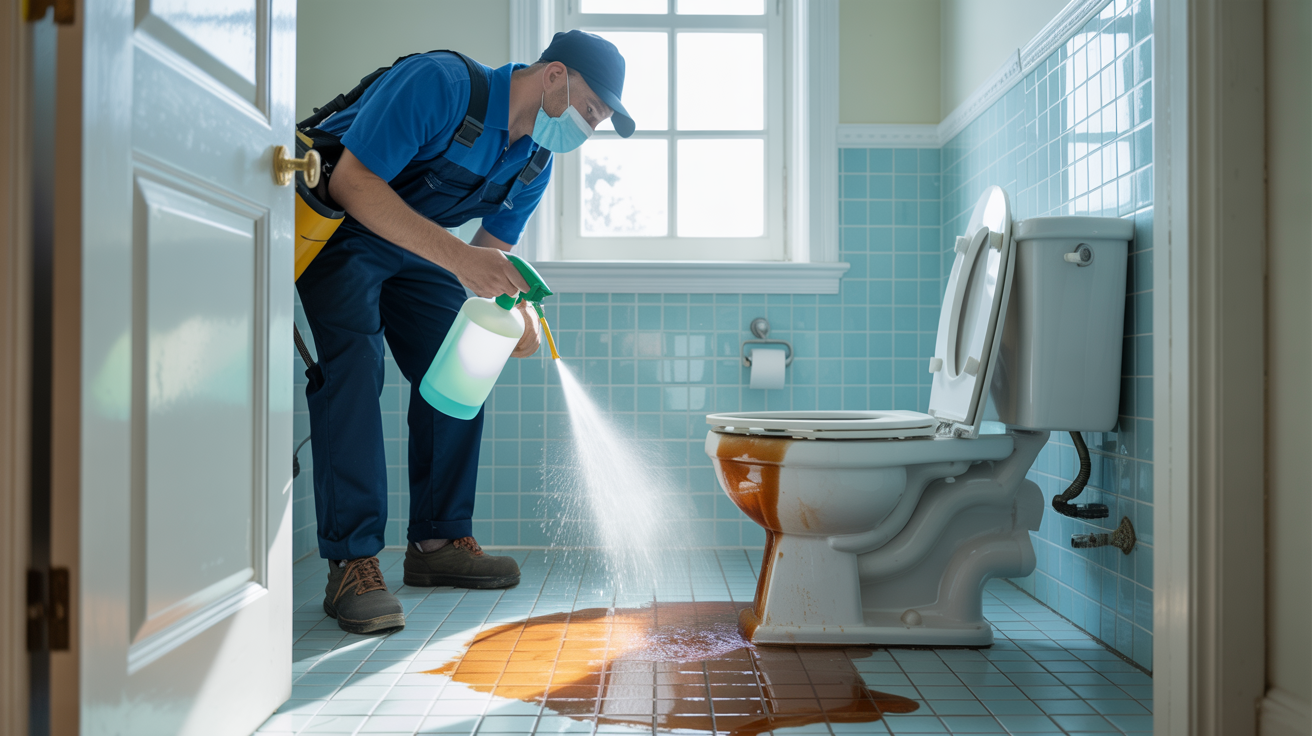
By anchoring your programme to HSE L8, HSG274 and WRAS‑aligned practice, you can use annual inspections, temperature checks and condition triggers to decide when cleaning and disinfection are justified. This keeps effort focused where risk is real, while strengthening your records and audit trail.
- Clarify when cleaning and disinfection are genuinely needed
- Align inspections, records and actions with HSE L8 and HSG274
- Reduce unnecessary tank work while strengthening compliance evidence</p>
Need Help Fast?
Locked out, leak at home, or electrical issue? All Services 4 U provides 24/7 UK locksmith, plumbing, electrical.
Testimonial & Clients Who Trust Us
With 5 Star Google Reviews, Trusted Trader, Trust Pilot endorsements, and 25+ years of experience, we set industry standards for excellence. From Dominoes to Mears Group, our expertise is trusted by diverse sectors, earning us long-term partnerships and glowing testimonials.
Worcester Boilers

Glow Worm Boilers

Valliant Boilers

Baxi Boilers

Ideal Boilers

Do Cold Water Storage Tanks Need Annual Cleaning And Disinfection?
The legal expectation is an annual review; cleaning and disinfection follow when inspection and risk assessment show they are needed.
Legionella guidance expects you to control risk, not just buy a yearly chlorination. In practice you inspect each tank at least once a year, check condition and temperatures, then decide whether cleaning and disinfection are justified. Some years you may only need inspection and minor remedials; in others, fouling, stagnation or system changes make a full clean and disinfection the sensible option.
Blanket promises of “annual cold water storage tank disinfection” are risky if they are treated as a rule rather than one possible outcome of your control scheme. You are on firmer ground when you can show how your written scheme, inspection findings and maintenance decisions line up for each asset, instead of relying on a one‑size‑fits‑all calendar package. When you brief a contractor, the stronger question is whether they can support inspection and risk‑based decisions for each system, so you buy help to run your scheme rather than a disconnected certificate exercise.
What HSE L8 And HSG274 Actually Expect For CWST Inspection, Cleaning, And Review
HSE’s guidance expects you to manage stored water through a documented Legionella control scheme, not a loose pile of disinfection certificates.
That usually means holding a current risk assessment, a written scheme that explains how you will control risk, and a monitoring and inspection regime that includes any cold water storage tanks. Technical guidance points to at least annual inspection and more frequent review if earlier checks show problems such as contamination, poor temperatures or configuration defects.
Your duty is to demonstrate control, not tick a cleaning box
From a Responsible Person’s point of view, the test is simple: could you show an inspector where each tank is, how it is configured, when it was last inspected, what was found and what you did next? If your only record is an occasional disinfection certificate with no context, it is hard to argue that you are managing risk rather than buying paperwork.
Competent contractors will therefore ask to see your risk assessment and written scheme, not just a list of tanks. That lets the service reinforce your control plan instead of sitting alongside it as an isolated activity.
How CWSTs are treated in HSE-aligned guidance
Technical guidance for hot and cold water systems generally sets out three expectations for tanks:
- inspect them regularly (commonly annually as a baseline)
- clean and disinfect when inspection or monitoring shows that it is necessary
- increase inspection frequency if conditions are repeatedly poor
This approach lets you avoid unnecessary work on clean, well‑controlled tanks, while making it hard to ignore assets that clearly need attention. Your PPM programme should mirror this logic.
Why your written scheme and records matter
If you face an audit, incident investigation or enforcement interest, your written scheme and records become your defence. They should show how often each tank is inspected, what the acceptance criteria are, when cleaning and disinfection are triggered, and how remedial work is raised and tracked.
A tank cleaning contract that does not plug into this picture may look busy but will not necessarily reduce your compliance risk or satisfy a regulator who wants to see control, not activity.
When Is CWST Cleaning Or Disinfection Actually Triggered?
Cleaning and disinfection should be triggered by what you see and measure, not by habit or sales templates.
The starting point is a proper internal and external inspection. If the tank is clean, structurally sound, well covered and running at appropriate temperatures, you may not need more than monitoring and minor tweaks. If the inspection tells a different story, your control scheme should make the next step clear.
Condition-based triggers inside the tank
You should expect cleaning and disinfection to be recommended when there is:
- visible sediment, sludge or scale on the base or walls
- slime, biofilm or staining suggesting microbial growth
- debris, insect remains or evidence of vermin ingress
- corrosion or damaged linings that trap contamination
These are signs that stored water quality can no longer be taken for granted. A clean‑and‑disinfect visit, aligned with recognised practice, lets you reset the hygiene baseline before the tank is put back into use.
System and usage factors that push risk up
Even a superficially clean tank can warrant intervention if the way it is used is undermining control. Red flags include:
- consistently low turnover because the tank is oversized for real demand
- prolonged stagnation during closures, low occupancy or vacancy
- poor temperatures that sit in the range where Legionella can proliferate
In these cases, you may need both hygiene work and a review of design or operation, such as reducing stored volume, removing redundant tanks or altering how the system is valved.
Certain events are strong triggers for full cleaning and disinfection, regardless of the routine schedule:
- new tank installation or major modification
- significant repair involving internal components
- long‑term isolation followed by recommissioning
- microbiological results that indicate a problem in the stored water
Disinfection after such events is part of putting the system safely back into service, not an optional extra.
What Is Included In A Risk-Based Water Tank Cleaning PPM Visit?
A good tank cleaning visit feels structured, predictable and well documented from first contact to sign‑off.
Rather than turning up “to clean a tank”, a competent team will walk through clear stages: preparation, on‑site work, recommissioning and reporting. That gives you control over disruption and a usable evidence trail.
Before we arrive
Ahead of the visit you should expect the contractor to:
- review your risk assessment, schematic and written scheme
- confirm how each tank is fed and what it supplies
- plan safe isolation and temporary supply arrangements where needed
- agree access routes, permits and any resident or tenant communications
This preparation is essential where water loss, access and stakeholder expectations need to be carefully managed.
On-site inspection and hygiene work
On the day, a typical risk‑based visit will include:
- external checks: lids, hatches, vents, insulation, supports, warning pipes and overflows
- internal inspection: surface condition, sediment, debris, biofilm, corrosion or liner damage
- temperature checks and, where specified, sampling or simple monitoring tests
- physical cleaning (drain down, removal of sludge, brushing and rinsing) where indicated
- disinfection of the tank and associated pipework when triggered by condition or events
Technicians should work to a method statement that sets out how cleaning agents are used, how contact time is controlled and how waste water is disposed of safely.
Recommissioning and handover
Once the hygiene work is complete, the system must be brought back into service in a controlled way. That typically means refilling and flushing until any disinfectant residuals are at acceptable levels, restoring normal valving and supply routes, checking outlets for flow and clarity, and updating asset logs and labelling.
Before the team leaves, you should know exactly what was done, what was found and what, if anything, still needs your decision or a separate remedial work order.
WRAS-Approved Products, Method Statements, And Safe System Of Work
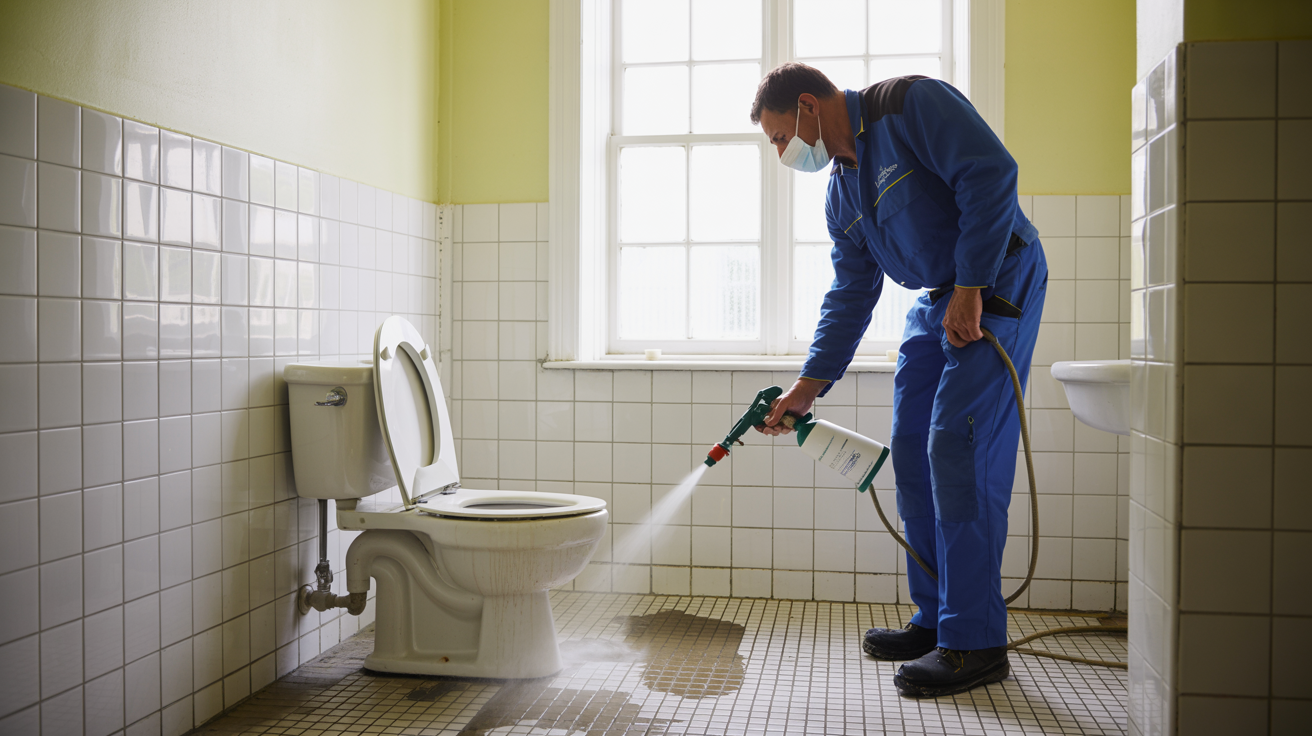
You protect wholesome water by combining competent people, safe methods and suitable products, not by chasing a single badge.
In UK practice, WRAS approval applies to products and materials that contact drinking water, while contractor competence is normally demonstrated through recognised schemes and experience. A clear service description should explain how these ideas come together on your site.
What “WRAS-approved” really means in this context
For tank cleaning and disinfection, the important question is which materials and chemicals actually touch the stored water system. Where disinfectants, hoses, hose linings, gaskets or replacement components will contact potable water surfaces, using products that hold appropriate approvals helps you show that you are not introducing contamination while trying to remove it.
That does not turn a contractor into a “WRAS‑approved company”, but it does show that they have thought carefully about material suitability for wholesome water, in line with the Water Fittings Regulations.
Safe systems of work around the tank
Because tanks are often in plant rooms, roof spaces or confined areas, the method statement and risk assessment for the job are as important as the chemical datasheets. You should see:
- how isolation, drainage and refilling will be managed
- how working at height or in restricted spaces will be controlled
- how chemicals will be dosed, contained and flushed
- how occupants and other trades will be protected from the works
This is particularly important where multiple contractors share space or where a single error could interrupt supplies to critical users.
Balancing compliance and practicality
A competent provider will help you balance product suitability, safety and logistics. That might mean agreeing alternative timings for high‑risk areas, tailoring disinfection method to the system, or bundling linked remedials so you are not exposing tanks twice for small fixes. The aim is a service that protects water quality and legal compliance without unnecessary disruption or complexity.
Reporting, Certificates, Photos, And Remedial Recommendations: What Evidence Should You Receive?
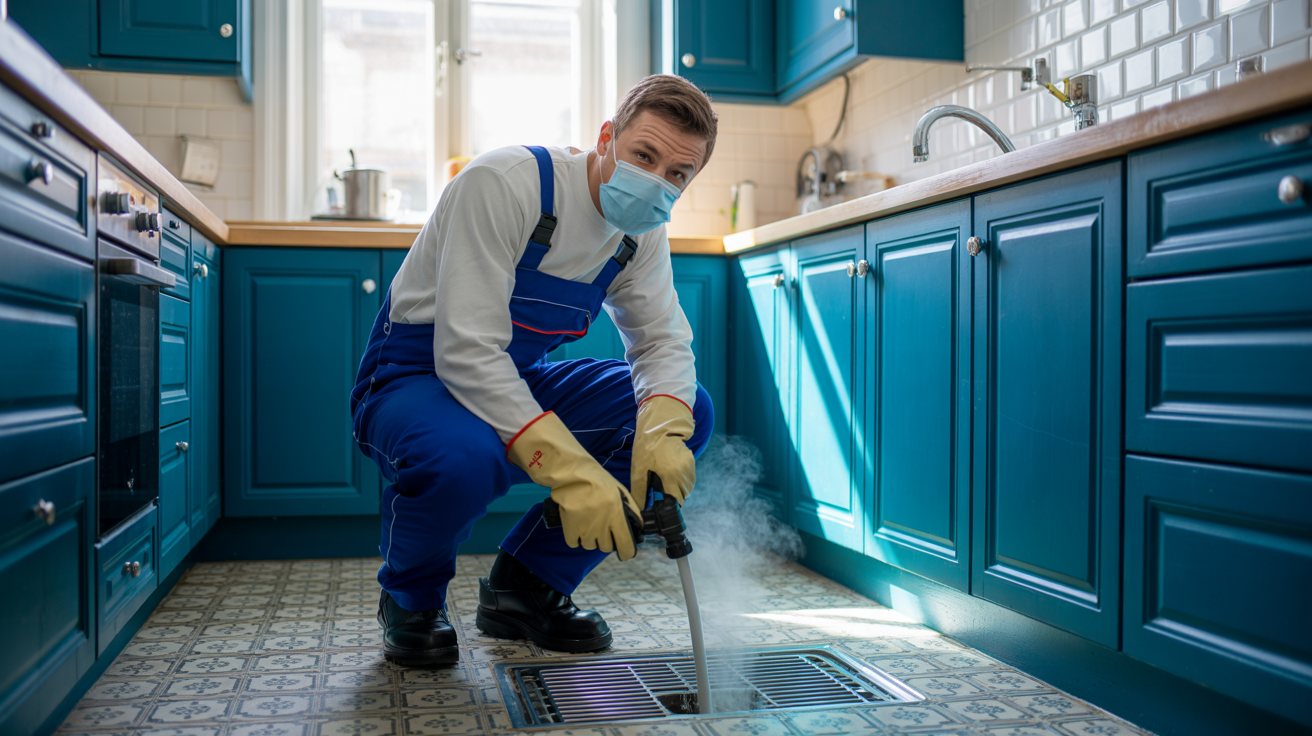
The value of a tank service is measured as much in the record it leaves behind as in the work on the day.
When something goes wrong—or when you are audited—the first question is usually “Show me what you found and what you did.” Your documentation should answer that clearly.
Core documents you should always receive
After each visit you should expect, as a minimum:
- an attendance record with dates, locations and named technicians
- an inspection report describing condition, temperatures and configuration issues
- clear confirmation of whether cleaning and disinfection were carried out, and why
- before‑and‑after photographs of key tanks and defects
- a summary of remedial recommendations with priorities
Where formal disinfection has been undertaken, a certificate or log sheet explaining the method used, contact times and recommissioning checks gives you a defensible record.
What makes evidence audit-ready
Audit‑ready documentation joins up three things: your written scheme, the site findings and the actions taken. An external reviewer should be able to see how the visit relates to your control plan, why certain tanks were cleaned or left as inspection‑only, and what remains outstanding.
That means avoiding one‑line certificates and instead insisting on reports that separate observations from risk judgements and actions. For portfolio estates, a simple summary of tanks, dates, status and open items can make board reporting much easier.
Using reports to prioritise remedials
Not every defect requires immediate capital spend, but some do need rapid attention. Good reports will code issues by urgency and type—for example, distinguishing hygiene‑critical faults (such as missing lids or severe contamination) from fabric improvements (such as insulation upgrades).
This lets you brief internal teams, managing agents, residents or clients on what must be done now, what can be planned into future budgets and how the overall risk picture is changing over time.
Accreditations & Certifications





Sectors We Support: What Changes Between Healthcare, Education, Housing, And Commercial Estates?
The core principles are the same everywhere, but each sector adds its own operational constraints and expectations.
If you manage a mixed estate or work alongside sector‑specific teams, it helps to understand how the same service flexes across different settings.
Healthcare and higher-risk care settings
In healthcare and similar environments, you are dealing with vulnerable users, water safety groups and more intensive governance. Tank work has to align with water safety plans, permits, clinical schedules and, in many cases, independent authorising engineers or advisors.
You will usually want clearer method statements, stronger sampling or monitoring integration, and tighter communication planning than in a standard commercial block. There is also little tolerance for unplanned loss of supply, so sequencing and contingency arrangements matter a great deal.
Education and campus environments
Schools, colleges and universities bring challenges such as safeguarding, term dates, partial occupancy and distributed blocks. You will often want work concentrated into holiday windows, weekends or agreed low‑use periods, with clear advance notice for on‑site teams.
In these settings, bundling tank work with other PPM tasks can reduce repeated disruption, provided you still capture tank‑specific findings and evidence clearly.
Housing and commercial estates
In residential blocks and housing portfolios, your main considerations are resident communication, safe access and keeping disruption as low as reasonably practicable. Clear, plain‑English explanations of why works are needed can prevent complaints and help with leaseholder engagement.
Commercial and mixed‑use estates bring business continuity into the picture. Here, you may want to phase work by core hours, tenant type or critical systems, while still maintaining a coherent inspection and cleaning cycle. In both cases, a consistent reporting format across buildings makes life easier for boards, asset managers and finance leads.
Reliable Property Maintenance You Can Trust
From routine upkeep to urgent repairs, our certified team delivers dependable property maintenance services 24/7 across the UK. Fast response, skilled professionals, and fully insured support to keep your property running smoothly.

Book Your Free Consultation With All Services 4U Today
A short, focused conversation can turn a vague “we should get the tanks done” into a clear, defensible plan you can stand behind.
Share your latest risk assessment, written scheme, any existing tank reports and a simple list of sites, and All Services 4U can help you decide whether you are looking at inspection only, condition‑led cleaning and disinfection, or a wider remedial and PPM review.
During that call, you can surface practical constraints—access, shutdown windows, resident or tenant sensitivities, permit requirements and internal approval routes—so the proposed programme fits both your governance duties and your operational reality. You should leave with a view of what each tank needs next and what evidence you will have afterwards.
From there, you can compare quotations on a like‑for‑like basis: agreed scope, exclusions, outputs, assumptions and post‑visit responsibilities, rather than relying on broad labels.
You want your cold water storage tanks to be managed in a way you can explain, defend and audit. Book your consultation with All Services 4U to set your control level and move this off your mental to‑do list.
Frequently Asked Questions
What is usually included in an annual cold water storage tank cleaning and disinfection PPM visit?
An annual cold water storage tank PPM visit should inspect condition, assess hygiene risk, and record any justified cleaning, disinfection, or follow-on action.
That is the core purpose. You are not buying a generic washout. You are buying a planned review of whether the tank remains suitable for service, whether contamination risks are developing, and whether your records would hold up under internal review, insurer scrutiny, or an audit against your water hygiene regime.
A proper visit usually starts before anyone reaches site. The contractor should review the asset reference, previous inspection records, risk assessment, written scheme, access constraints, tank location, service continuity requirements, and whether isolation can happen without creating unnecessary disruption. That pre-visit step matters because a tank in a roof void, a plant area, or a restricted residential block does not carry the same practical handling needs.
The real cost is rarely the visit. It is the gap that nobody noticed and nobody recorded.
What should happen before any cleaning starts?
Before any intervention begins, the tank should be identified correctly and the site method should be clear.
That means confirming the correct asset, checking access, reviewing safe isolation arrangements where needed, and deciding whether the visit is inspection-led, cleaning-led, or likely to require disinfection. Under HSG274 Part 2 and the wider control framework in ACOP L8, that judgement should be tied to condition and risk, not habit.
A stronger provider will also check whether there are operational sensitivities around supply interruption, vulnerable residents, commercial occupancy, or building access windows. For a managing agent or facilities manager, that helps protect service continuity. For an RTM chair or compliance lead, it shows the contractor is treating the visit as part of a controlled maintenance programme, aligned with broader Services UK arrangements, rather than a stand-alone trade callout.
What should be inspected on site during the visit?
On site, the tank should be inspected internally and externally for hygiene, integrity, and contamination risk.
That inspection typically covers the lid, vents, screens, overflows, warning pipes, insulation, internal surfaces, signs of corrosion, sediment, debris, biofilm, dead insects, water ingress routes, damaged coatings, and any defect that could affect wholesome water quality. The Water Supply (Water Fittings) Regulations context matters here because the arrangement of the tank and its fittings is part of contamination control, not just appearance.
If cleaning is justified, the visit should normally move through drain-down, debris and sludge removal, internal cleaning of accessible surfaces, and a controlled return-to-service sequence. If disinfection is justified, that should be tied to a defined reason such as contamination concern, intrusive works, recommissioning, or system condition. BS 8558 is relevant when disinfection method and recording are being considered.
A simple internal clean is not enough if the lid no longer seals properly, the screen is damaged, or the overflow arrangement leaves the system exposed. Those associated defects often matter more than the cleaning itself.
Which parts of the scope should be visible in the report?
The report should show what was inspected, what was found, what work was completed, and what remains open.
That means the close-out should identify the tank, record the attendance date, describe the inspection findings, confirm whether cleaning or disinfection was completed, and state whether defects remain. If the tank did not need full disinfection, that should be said clearly. If follow-on works are required, they should be described in language your team can authorise, price, and schedule.
For a board or asset manager, that creates a usable summary. For a property manager, it creates a practical action list. For a lender- or insurer-facing stakeholder, it provides evidence of control rather than a maintenance note with little substance.
Before you approve the next annual cycle, it is worth checking whether your current provider’s scope would actually answer those questions. If not, a scope review now is usually easier than another year of thin reporting. That is often the point where a more evidence-led partner such as All Services 4U starts to reduce workload rather than add another contractor into the file.
Which deliverables should you expect as standard?
You should expect a short but usable set of outputs after the visit.
| Deliverable | Why it matters | Who uses it |
|---|---|---|
| Tank identification and date | Confirms the correct asset was inspected | PM, compliance lead |
| Findings and action summary | Shows condition and next steps | Board, FM, RTM |
| Photos and intervention record | Supports evidence and internal review | Insurer, lender, audit |
If those basics are missing, the visit may still have happened, but the management value is weaker than it should be. That is why the annual visit should be judged on inspection quality and reporting clarity, not just attendance.
When should cold water storage tanks be cleaned and disinfected rather than just inspected?
Cold water storage tanks should be cleaned and disinfected when condition, contamination risk, or system events justify intervention beyond inspection alone.
That distinction matters because routine inspection and justified intervention are not the same thing. One common mistake is paying for the same hygiene treatment every year whether the tank needs it or not. The other is relying on annual inspection alone when the tank condition clearly points to a higher level of action.
In practice, the UK approach is risk-based. ACOP L8 sets the wider framework for control, while HSG274 Part 2 supports condition-led decisions around inspection, tank hygiene, and remedial action. In plain terms, you inspect regularly, then decide whether the findings support monitoring, cleaning, disinfection, repairs, or a wider review.
What findings usually justify cleaning?
Cleaning is usually justified when tank condition shows fouling, debris, sediment, biofilm, or another hygiene-related deterioration.
Visible sludge, dead insects, signs of ingress, poor integrity, failed screens, damaged lids, coating breakdown, or contamination pathways are all reasons to look beyond inspection only. The issue is not whether the tank looks imperfect. It is whether the condition creates a realistic water hygiene concern that should be addressed rather than recorded and left.
A condition-led decision is easier to defend than a blanket annual clean. That matters commercially as much as technically. Boards understand proportionate spend. Compliance teams understand evidence-led intervention. Asset managers and finance leads are more likely to support costs that follow a visible rationale.
What events can justify disinfection?
Disinfection is usually justified when the system has been exposed to a material hygiene risk or significant system change.
That can include intrusive works, contamination concerns, prolonged shutdown, recommissioning after vacancy, or findings that suggest the normal control position has been interrupted. NHS Estates water hygiene guidance is often useful in healthcare-related settings where recommissioning, hygiene-sensitive systems, and service validation need a more structured approach.
The key point is that disinfection should follow a reason, not a script. If the contractor cannot explain why this tank needs disinfection now, the process is not evidence-led. It is simply repetitive.
Which practical changes should trigger a review of the intervention plan?
Any change in building use, occupancy pattern, shutdown history, or recurring findings should trigger a fresh look at the intervention logic.
A tank that was stable last year may no longer be stable if the building has moved to lower occupancy, partial closure, seasonal use, or a changed operating profile. Repeated small findings also matter. One light debris note may not justify major action. Three similar findings over three cycles may point to a control weakness that the annual report alone is hiding.
The Drinking Water Inspectorate’s wider focus on wholesome water protection reinforces that point. If the storage arrangement, fittings, or building conditions create contamination opportunities, your response should reflect that reality rather than rely on the comfort of a calendar.
Why is a risk-based frequency easier to defend than a fixed annual treatment model?
A risk-based approach lets you justify both action and restraint.
If one tank needed cleaning and disinfection after shutdown, while another only needed inspection and minor defect follow-up, that is easier to explain than treating every tank identically without a meaningful reason. Fixed treatment programmes can look reassuring on paper, but they often blur the difference between control and habit.
For your compliance lead, that means a stronger audit trail. For your finance lead, it means less chance of paying repeatedly for work that is not technically justified. For your board, it shows management judgement rather than maintenance by routine alone.
If your current cycle feels too generic, the sensible next step is to review the last inspection records, system changes, and intervention decisions together. That can usually show whether your programme still fits the building. If it does not, a re-baseline now is safer than another year of drift. All Services 4U can support that through a focused review or, where broader Services UK planning is needed, a wider planned maintenance reset, depending on how much certainty you need.
Why does contractor competence matter more than a cheap tank cleaning quote?
Contractor competence matters because the wrong appointment leaves you carrying the risk after the job is finished.
That is the real buying issue. A low quote can still produce a completed visit, a short certificate, and a polite close-out. What it may not give you is clear intervention logic, proper hygiene discipline, defensible evidence, or a useful action trail. That gap becomes visible later, not at appointment stage.
Weak contractors do not always fail dramatically. More often, they leave ambiguity behind them. Your team is then left trying to explain what was found, why the intervention happened, whether the tank was genuinely suitable to return to service, and what defects remain open. At that point, the cheap quote has already become expensive in internal time and avoidable doubt.
Which competence questions should you ask before appointment?
Ask how the contractor decides between inspection, cleaning, and disinfection.
Then ask how they manage isolation, drain-down, internal cleaning, recommissioning, defect logging, and evidence capture. Ask what standards or guidance shape their method. Ask what records you will receive and how they separate findings from completed actions and future remedials.
You should also ask a more specific question about materials and fittings that may come into contact with wholesome water. Water Regulations Advisory Scheme context is relevant here, but only if it is explained accurately. Material suitability is one issue. Contractor method, hygiene discipline, and reporting quality are separate issues. If a provider blurs those together, the sales language may be stronger than the technical control.
For a procurement lead or compliance officer, those questions help expose whether the provider is operating from a method or from a generic trade habit. For a legal or insurer-facing stakeholder, they also reveal whether the paperwork is likely to stand up once the job is over.
How can you tell a basic washout from an evidence-led service?
The difference usually shows in the scope, the method, and the close-out.
| Area | Basic washout | Evidence-led service |
|---|---|---|
| Decision logic | Fixed annual clean | Condition and risk-based intervention |
| Site method | Attendance and clean only | Planned inspection, controlled work, recommissioning |
| Close-out | Short certificate | Findings, photos, actions, defects, service outcome |
A basic service sells activity. A stronger service gives you clarity. That matters because unclear work creates hidden cost later. Your team ends up chasing explanations, justifying spend, or revisiting an asset because the first visit produced weak evidence.
Because this is the moment when you choose who carries the operational and evidential burden.
At this stage, you are not trying to understand what tank cleaning is. You are deciding whether the provider can manage the task in a way that protects your organisation. You should be clear on what they will inspect, what could trigger disinfection, what reporting will follow, and how they will communicate with both technical and governance audiences.
If you are comparing quotes now, the safest move is to review the scope line by line before approval. That lets you see whether you are buying real hygiene control or simply attendance with a short certificate attached. If you want that review handled properly, All Services 4U can assess the scope, the evidence standard, and the likely risk transfer before you commit. That is usually the kind of decision careful owners, boards, and compliance teams prefer to be seen making.
What compliance risks build up when annual tank review or justified disinfection is missed?
The main risk is not only poorer tank visibility. It is the loss of a live control record.
That is where the issue becomes wider than maintenance. A tank can sit in the background for a long time without causing obvious noise. The absence of complaints can create the impression that everything is fine. Meanwhile, sediment can build, lids and screens can deteriorate, low-use patterns can shift water turnover, and minor defects can quietly turn into more material hygiene concerns.
Once review slips, your team starts losing trend, judgement, and proof at the same time.
What changes when routine review is missed?
You no longer know the current condition well enough to show active control.
That matters because ACOP L8 is built around demonstrating that water systems are being managed, not simply assumed to be acceptable. HSG274 Part 2 reinforces the need for inspection, condition review, and records that support decision-making. If your programme misses a cycle and the file contains no recent findings, photos, or action history, the weakness is managerial as much as technical.
The question then shifts. It is no longer only, “Was there contamination?” It becomes, “Can you show that the system was being managed in a planned and proportionate way?”
Which stakeholders feel that pressure first?
Different stakeholders feel it in different forms.
A facilities manager feels it when reactive issues rise or condition is discovered too late. A resident services manager feels it when questions become harder to answer confidently. A managing agent feels it when clients start asking for proof. An insurer surveyor may read it as a stewardship weakness. A lender or valuer may see it as part of a broader governance concern.
For legal and tribunal-facing teams, the paperwork gap can be even more damaging than the missed review. If an investigation asks what was due, what happened, what was found, and what action followed, thin records make the answer harder than it should be.
Why is this also a financial risk?
Because weak hygiene control does not stay inside the maintenance budget.
It can affect insurance discussions, delay approvals, add reactive cost, create management time loss, and reduce confidence in the wider maintenance regime. A drift in tank review can also signal weakness in planned maintenance control more broadly, which is not a message most boards, lenders, or insurers want to see in a file.
The cost is often cumulative rather than dramatic: extra callouts, repeated explanations, uncertain approvals, and remedial work that could have been planned earlier. That is why annual review should be treated as part of governance discipline, not just technical housekeeping.
What should you do if the review history already looks patchy?
Start by identifying the missing elements clearly.
Use a short checklist:
- Tank IDs and inspection dates
- Findings and photos
- Cleaning or disinfection rationale
- Defect records and close-out evidence
- Links to the written scheme or risk assessment
That gives you a factual starting point. Some gaps can be repaired through document review. Others will need a fresh inspection and reporting reset. If the current file already feels too thin to defend, it is better to correct that now than let another cycle pass. All Services 4U can help rebuild visibility through a targeted review or a site-based re-baseline, which is usually the move that more accountable owners and boards prefer to make before the gap gets harder to explain.
Which records should you insist on after tank cleaning and disinfection works?
You should insist on records that show the tank, the condition, the intervention, and the next decision.
That is the standard that makes the file useful later. Many reports confirm attendance without showing enough detail to support a board paper, insurance query, lender review, or internal audit. A tank report should do more than say that someone attended site. It should explain what was found, what was done, what was not done, and what still needs attention.
This is the one area where weak paperwork causes more damage than most buyers expect.
What should a usable close-out pack contain?
A proper close-out should identify the tank, record the date and scope, summarise the inspection findings, state whether cleaning was completed, state whether disinfection was completed, and confirm the service outcome.
Photos should be clear and labelled. Findings should be separated from recommendations. Open actions should not be buried in vague wording. If no disinfection was needed, that decision should be visible. If disinfection was carried out, the reason and method should be understandable. BS 8558 is useful here because it supports clearer recording when disinfection forms part of the intervention.
The report should also make the next step obvious. If the tank can remain in service, say so. If defects remain, say what they are and what category they fall into. If follow-on works are needed, describe them in a way your team can price and approve.
Which records save the most time later?
The most valuable records are the ones your team can reuse without rewriting them.
Your property manager should be able to file them. Your compliance lead should be able to use them in an audit. Your board should be able to understand the risk position without technical translation. Your insurer or lender-facing team should be able to extract the relevant pages quickly.
That means the sequence should be simple:
| Record element | What it answers | Why it matters |
|---|---|---|
| Asset ID and date | Which tank and when | Stops confusion between assets |
| Findings and actions | What was wrong and what happened | Supports decisions and approvals |
| Photos and service outcome | What changed and what remains | Strengthens audit and insurer use |
A good test is this: if someone who has never visited the site reads the report, can they still understand the tank condition and next step? If not, the record is too weak.
Why do vague reports create more risk than buyers expect?
Because weak reporting turns a finished visit into an unfinished management job.
Someone in your organisation then has to reconstruct the meaning later, often under pressure. That may happen before a board meeting, during renewal, during refinancing, or after a resident concern. At that point, the contractor is long gone and your internal team is left trying to turn a thin note into a defensible story.
For a compliance officer, this is a file-quality issue. For a finance lead, it is also a spend-defensibility issue. If the report does not show what risk the work addressed, later approval becomes harder.
What should you do if your current records are not strong enough?
Reset the minimum evidence standard before the next cycle.
That usually means defining the required report structure, the photo standard, the action log format, and the intervention logic that must be visible on every close-out. If you want to strengthen the programme without changing everything at once, a report review is often the lowest-friction place to start. If you want a cleaner evidence standard from the next instruction onward, All Services 4U can build those outputs into the scope from day one. That tends to appeal to teams that would rather look organised before they are asked for proof.
How do tank cleaning costs vary, and what should you compare before approving a quote?
Tank cleaning costs vary with size, access, condition, downtime planning, reporting standard, and whether disinfection or remedials are included.
That is why headline price is rarely the right first comparison. Two quotations can look similar while offering very different levels of control. One may include a limited clean and a short completion note. Another may include document review, inspection logic, controlled isolation, recommissioning checks, clear defect reporting, and evidence that supports governance decisions.
If you only compare cost, you can miss where the real risk is being transferred.
Which factors usually move price most?
Tank size and number of tanks affect cost, but so do access constraints, isolation complexity, service continuity planning, condition, and whether the file already contains reliable history.
A straightforward tank with good access, clear records, and stable condition is usually cheaper to manage than a poorly documented asset in a difficult location with uncertain shutdown impact. Unknown assets cost more because uncertainty costs time. Defective assets cost more because cleaning often exposes associated faults such as damaged lids, failed screens, poor insulation, or contamination routes.
The reporting standard also changes price. For some buyers, stronger evidence is not optional. A compliance lead may need audit-ready records. A managing agent may need client-ready reports. A lender-facing stakeholder may need a cleaner stewardship trail. Those are service outputs, not cosmetic extras.
Which lines should you compare before signing off?
Compare scope before price.
Check whether inspection, cleaning, and disinfection are clearly separated. Check whether the quotation explains isolation, drain-down, recommissioning, and defect handling. Check what evidence is included. Check whether the provider has quietly assumed simple access, easy shutdown, or no follow-on reporting.
A short review checklist helps:
- Is intervention logic clear?
- Are recommissioning steps visible?
- Are defects logged in a usable way?
- Is the close-out pack strong enough for internal and external review?
- What risk remains with your team after completion?
That final question is often the most important. A cheaper quote can look attractive because it excludes planning, evidence, or defect clarity. The saving is then recovered later through internal time, repeat visits, or weak decision-making.
Why does this matter to boards, procurement teams, and finance leads?
Because a quote should be defensible, not merely acceptable.
A board wants assurance that the risk is understood. A procurement lead wants genuine like-for-like comparison. A finance lead wants confidence that the spend reduces future pressure rather than just creating a maintenance line item with weak outputs. A compliance lead wants a file that supports the written scheme rather than undermines it.
That is why scope-led proposals usually age better than price-led ones. They make it easier to explain what was bought, what risk it addressed, and why the spend was proportionate.
What is the safest next step if approval is close?
If you are close to sign-off, pause the comparison and review the scope against risk, evidence, and follow-on action visibility.
That can usually show whether you are buying a controlled water hygiene service or a basic attendance model. If you want to keep your current options open, a quotation review is a low-commitment next step. If you want a full route into delivery, All Services 4U can provide a scope-led proposal that sets the intervention logic, evidence outputs, and action visibility up front. That is usually the more credible move for owners, boards, and managers who want approval to look disciplined rather than hurried.
- Do Cold Water Storage Tanks Need Annual Cleaning And Disinfection?
- What HSE L8 And HSG274 Actually Expect For CWST Inspection, Cleaning, And Review
- When Is CWST Cleaning Or Disinfection Actually Triggered?
- What Is Included In A Risk-Based Water Tank Cleaning PPM Visit?
- WRAS-Approved Products, Method Statements, And Safe System Of Work
- Reporting, Certificates, Photos, And Remedial Recommendations: What Evidence Should You Receive?
- Sectors We Support: What Changes Between Healthcare, Education, Housing, And Commercial Estates?
- Book Your Free Consultation With All Services 4U Today
- Frequently Asked Questions
- Related PPM Services
Case Studies


Related Articles

Your Guide To Identifying And Treating Minor Mould Outbreaks

Why Planned Preventative Maintenance (Ppm) Saves Money And Ensures Compliance