PPM Services for Social Housing UK – RSH Consumer Standards & Awaab's Law
Social housing landlords and asset managers need PPM services that control damp, mould and wider building risks while meeting RSH consumer standards and Awaab’s Law. This means a joined-up regime of inspections, servicing, remedials and renewals that links every task back to defined hazards and tenant safety, based on your situation. By the end, you have a clear, auditable PPM model that connects stock data, property condition and repair timescales to real outcomes for residents, with responsibilities and evidence pathways agreed. It’s a practical way to move from isolated jobs to a defendable, outcome-focused maintenance system.



Author
Izzy Schulman

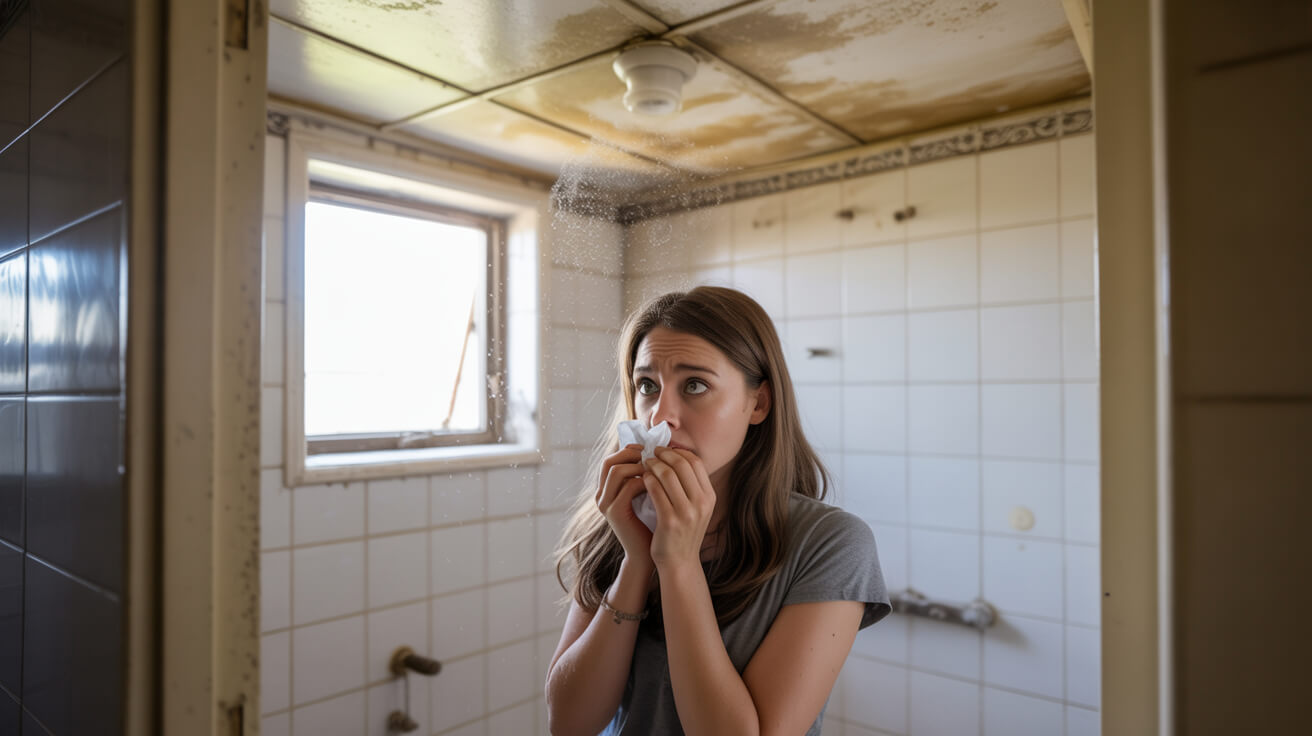
Social landlords across the UK are under pressure to control damp, mould and wider building risks while proving homes are safe, decent and well maintained. Planned preventative maintenance is the framework that turns scattered repairs into a structured, evidence-based regime.
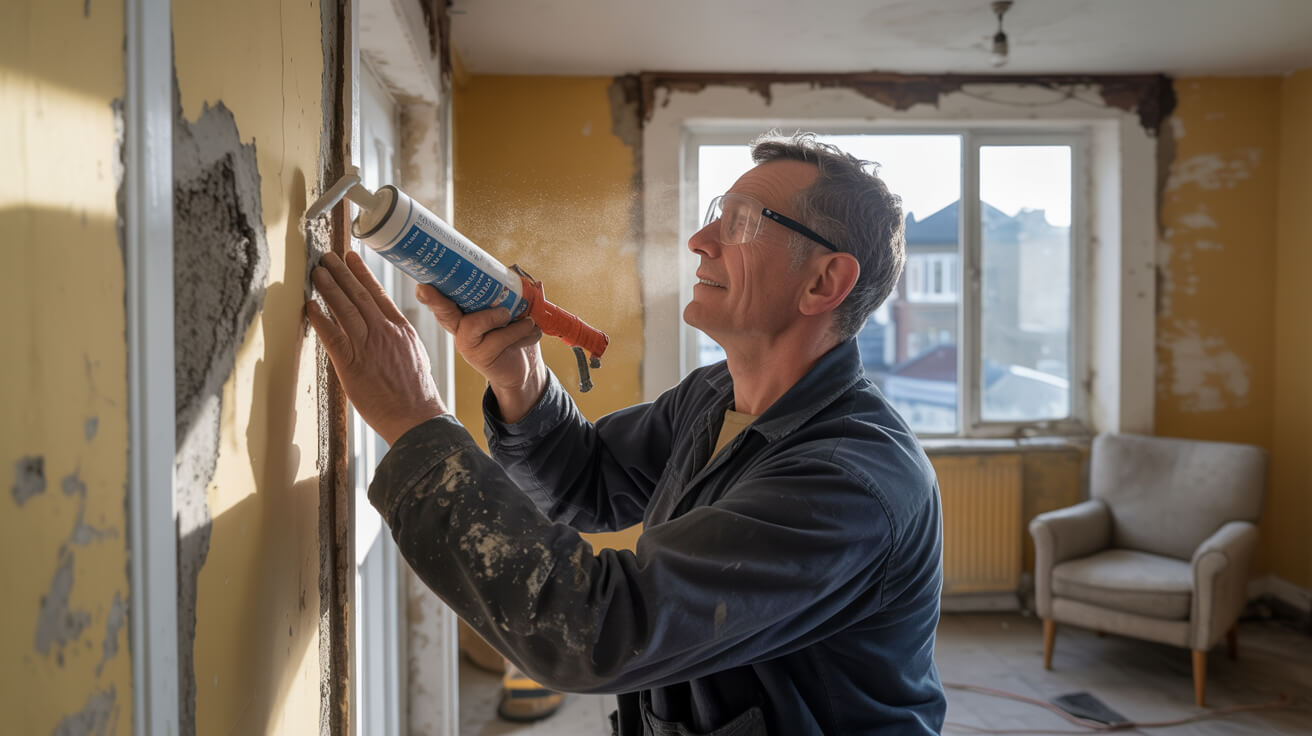
With new RSH consumer standards and Awaab’s Law, you are expected to show how inspections, servicing and remedial works actually reduce hazards, not just that policies exist. A clear PPM model helps you prioritise high‑risk homes, document decisions and give boards, residents and regulators confidence in how you manage your stock.
- Prioritise high‑risk homes and vulnerable residents consistently
- Link every task to clear risks, duties and evidence
- Move from reactive fixes to outcome‑focused maintenance</p>
Need Help Fast?
Locked out, leak at home, or electrical issue? All Services 4 U provides 24/7 UK locksmith, plumbing, electrical.
Testimonial & Clients Who Trust Us
With 5 Star Google Reviews, Trusted Trader, Trust Pilot endorsements, and 25+ years of experience, we set industry standards for excellence. From Dominoes to Mears Group, our expertise is trusted by diverse sectors, earning us long-term partnerships and glowing testimonials.
Super prompt service. Not taking financial advantage of an absent landlord. Kept being updated on what was going on and when. Was briefed by the engineer after the problem was fixed. Engineer was p...
Thomas who came out was honest, helpful - set my expectations and above all - did a fantastic job. What an easy service to use and would recommend. Told me the price upfront as well so no hidden su...
Had someone available to sort the lock out within the timeframe specified and the price was notified up front, the locksmith texted to confirm appointment and arrived when he said he would after co...
Our boiler stopped working, leaving us without heat and hot water. We reached out to All Service 4 UK, and they sent Kai, an engineer, who arrived promptly. Kai was professional and friendly, quick...
Locksmith came out within half an hour of inquiry. Took less than a 5 mins getting us back in. Great service & allot cheaper than a few other places I called.
Had a plumber come out yesterday to fix temperature bar but couldn’t be done so came back out today to install a new one after re-reporting was fast and effective service got the issue fixed happ...
Great customer service. The plumber came within 2 hours of me calling. The plumber Marcus had a very hard working temperament and did his upmost to help and find the route of the problem by carryin...
Called out plumber as noticed water draining from exterior waste pipe. Plumber came along to carry out checks to ascertain if there was a problem. It was found that water tank was malfunctioning an...
We used this service to get into the house when we locked ourselves out. Very timely, polite and had us back in our house all within half hour of phoning them. Very reasonable priced too. I recomme...
Renato the electrician was very patient polite quick to do the work and went above and beyond. He was attentive to our needs and took care of everything right away.
Very prompt service, was visited within an hour of calling and was back in my house within 5 minutes of the guy arriving. He was upfront about any possible damage, of which there was none. Very hap...
We are extremely happy with the service provided. Communication was good at all times and our electrician did a 5 star job. He was fair and very honest, and did a brilliant job. Highly recommend Pa...
Came on time, a very happy chapie called before to give an ETA and was very efficient. Kitchen taps where changed without to much drama. Thank you
Excellent service ! Lock smith there in 15 minutes and was able to gain access to my house and change the barrel with new keys.
Highly recommend this service 10/10
Thank you very much for your service when I needed it , I was locked out of the house with 2 young children in not very nice weather , took a little longer than originally said to get to us but sti...
The gentleman arrived promptly and was very professional explaining what he was going to do. He managed to get me back into my home in no time at all. I would recommend the service highly
Amazing service, answered the phone straight away, locksmith arrived in an hour as stated on the phone. He was polite and professional and managed to sort the issue within minutes and quoted a very...
Really pleased with the service ... I was expecting to get my locks smashed in but was met with a professional who carried out the re-entry with no fuss, great speed and reasonable price.
Called for a repair went out same day - job sorted with no hassle. Friendly, efficient and knowledgeable. Will use again if required in the future.
Even after 8pm Alex arrived within half an hour. He was very polite, explained his reasons for trying different attempts, took my preferences into account and put me at my ease at a rather stressfu...
The plumber arrived on time, was very friendly and fixed the problem quickly. Booking the appointment was very efficient and a plumber visited next day
Worcester Boilers

Glow Worm Boilers

Valliant Boilers

Baxi Boilers

Ideal Boilers

What PPM Services Mean in Social Housing Compliance
Planned preventative maintenance is your organised way of keeping homes safe, decent and predictable, not just ticking servicing dates.
In social housing, that means a regime of inspection, servicing, minor works, follow‑up and renewal planning that reduces failure before residents feel the impact. It is broader than cyclical decorating or annual gas checks. A strong PPM model holds a clear view of your assets, the risks they present, what is due when, and how that work links back to tenant safety, decency and value for money.
Every repair becomes the visible tip of a wider control system. Behind a single damp report you should see previous stock data, fabric and ventilation checks, historic leaks, earlier mould treatments and records of conversations with the resident. When those pieces join up, you are running a PPM system. When they live in separate places, you are running isolated jobs that are hard to defend.
Leasehold and mixed‑tenure blocks add another layer: you also need to be able to show that your planned tasks are technically justified, consulted on properly, and recoverable through service charges where appropriate. That becomes far easier when each task clearly traces back to a defined risk or duty.
When you want that definition turned into a workable, sector‑specific programme, you can book a short compliance and PPM review with All Services 4U so you are not redesigning this alone.
Why PPM Now Matters More in Social Housing Compliance
Regulation now expects you to prove that your planned regime actually controls risk, not just that a policy exists.
From April 2024, the Regulator of Social Housing’s consumer standards, especially the Safety and Quality Standard, move the focus to outcomes: safe, good‑quality, well‑maintained homes and effective landlord services that you can evidence at property level. Awaab’s Law adds mandatory repair timeframes for emergency hazards and serious damp and mould, turning some response times into legal clocks rather than internal targets.
These changes push you away from “fix what breaks” and towards “show how you systematically prevent harm”. When most of your work orders are reactive, repeat visits and one‑off initiatives, the pattern is hard to defend under that lens. When you can describe how risk is identified, prioritised, acted on and checked, it is much easier to stand behind your portfolio with your board, the Ombudsman and the regulator.
From activity to outcomes
You are no longer judged mainly on whether a certain percentage of jobs were completed on time. The tougher question is whether your activity reduces real‑world risks: serious hazards, disrepair trends, damp and mould recurrence, and complaints about landlord inaction.
If yearly programmes all show “completed” while the same homes still generate damp complaints, that is the signal that activity is not yet translating into safer, healthier outcomes for residents. PPM is where you decide which homes and systems move first, so it is where outcome control really starts.
From reactive to risk‑based
In a risk‑based model, you prioritise by hazard severity, resident vulnerability, stock risk and how confident you are in your data, not just by oldest job or loudest complaint. High‑risk buildings, known damp hot‑spots and vulnerable households sit higher in your planned schedule, and your PPM calendar is there to support that.
From paper compliance to real assurance
Your board and executive team now need assurance that goes beyond “we have a policy and a contract”. They need to see that when a pattern appears, the planned regime changes; when a hazard recurs, you adjust inspections, standards or contractors, and those changes are documented. PPM is the practical place to hard‑wire that learning loop so you can show how you corrected course, not just that you noticed a problem.
What PPM Services Include for Housing Associations, Councils, and Mixed Portfolios
Planned preventative maintenance should give you one joined‑up view of safety tasks, asset condition and future works.
For social landlords, that usually falls into four broad layers: statutory servicing and testing, condition‑led inspections, minor preventive works, and planned renewals or improvement programmes. A strong PPM service makes those layers explicit and avoids treating certificates as if they were the whole answer.
Core compliance tasks
At the base are your legal and contractual duties: gas safety, electrical safety checks, fire safety systems, water hygiene, lifts and other safety‑critical plant. A PPM service should schedule these, chase access, manage follow‑on remedials, record competence, and keep an auditable trail from due date to closure.
Condition and lifecycle tasks
Beyond pure compliance, you need structured stock‑condition insight: roofs and rainwater goods, external walls, windows and doors, common parts, and internal elements where condition affects safety, health or decency. PPM inspections in these areas inform your three‑, five‑ or ten‑year plans and help you avoid funding only what is noisy rather than what is actually failing.
Resident‑facing and commercial elements
In mixed‑tenure schemes, you also have to think about how planned work interacts with service charges, consultation duties and lease terms. A clear PPM scope and evidence base make it much easier to explain to residents what you are doing, why you are doing it now, and how it has been costed and apportioned. That same clarity also supports your value‑for‑money and procurement decisions when you are challenged by boards, leaseholders or auditors.
How PPM Supports RSH Safety and Quality Compliance From April 2024
Your PPM model is the practical engine room behind the Safety and Quality Standard.
The regulator expects you to hold up‑to‑date, property‑level information on condition, safety checks, hazards and remedial actions, based on physical inspection. That is hard to achieve if planned maintenance, compliance testing and repairs are run as separate “mini businesses” that never update a shared record.
Showing safe, decent, well‑maintained homes
For any given home, you should be able to see what was planned, what was inspected, what was found, what needed action, what was fixed, and what remains outstanding. If your PPM services are designed well, that story is easy to pull from your systems. If they are not, you may find yourself reconstructing events from emails and spreadsheets when an inspection or complaint arrives, which is exactly when you least want gaps or contradictions.
Linking PPM to consumer regulation
Weak planned maintenance does not only create technical breaches. It also undermines transparency, resident influence and complaint handling, because your tenants experience delays, conflicting information and repeat failures. A PPM regime that is visibly risk‑based, keeps records current and reacts to patterns gives you a stronger platform across all four consumer standards, not just Safety and Quality.
Inspection readiness as a design test
A useful test when you review your PPM specification is simple: assume the regulator or an independent reviewer arrives tomorrow and expects to use your planned maintenance records to demonstrate control, without needing separate exercises to build an evidence pack. Designing PPM for inspection readiness from the outset saves a great deal of time, pressure and reputation risk later.
Which Compliance Areas PPM Most Directly Supports
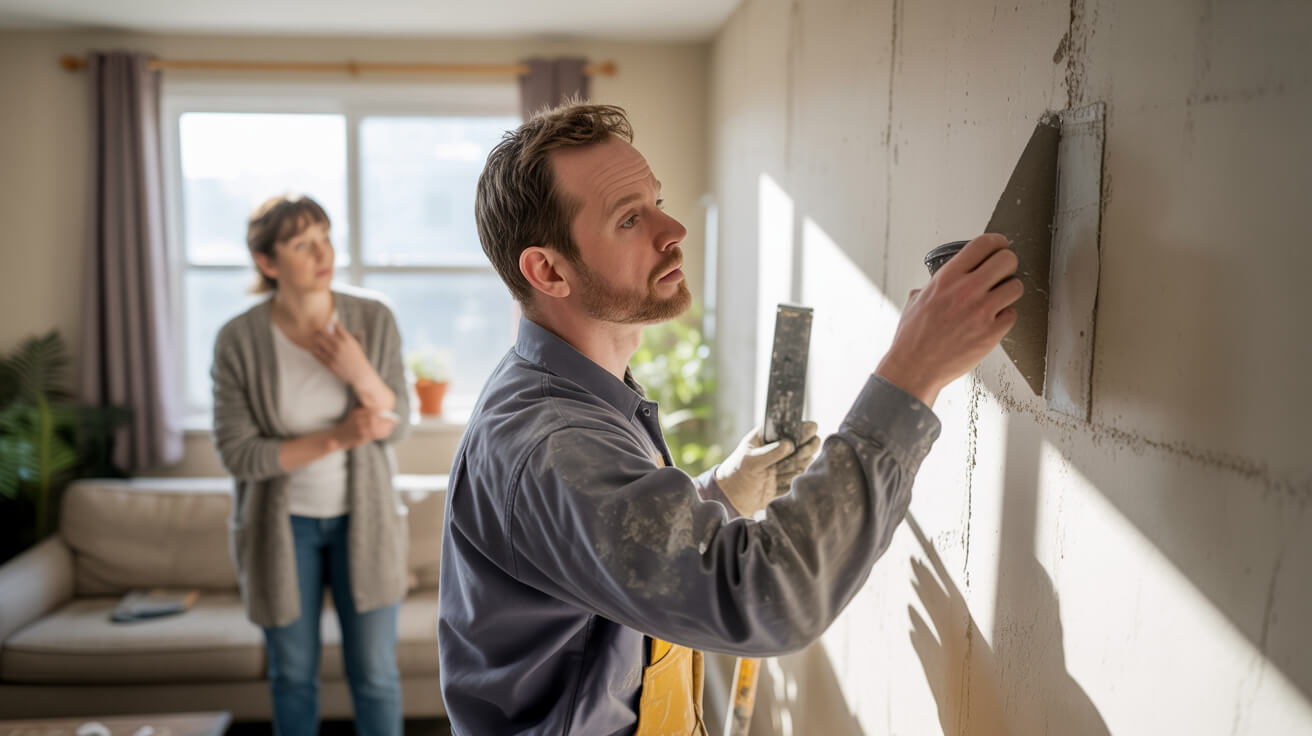
Planned maintenance has the biggest single impact where risk, health and repeat failure collide.
Under today’s expectations, that means damp and mould, ventilation, roofs and building fabric, water hygiene, and the core life‑safety disciplines of gas, electrics and fire. You already have duties in each of these areas; a strong PPM service connects them into one view of risk per home and per block.
Damp and mould
Damp and mould are now treated as indicators of landlord control, not lifestyle. Your planned regime needs regular, risk‑based inspections, clear triage routes, and a bias towards root‑cause diagnosis: leaks, cold surfaces, inadequate insulation, bridging, failed damp‑proof courses, or ventilation that does not perform. Cosmetic treatments alone no longer stand up well in complaints, Ombudsman investigations or regulatory scrutiny.
Ventilation and air quality
Ventilation sits alongside damp and mould rather than behind it. Planned maintenance should make sure fans, vents and air paths deliver sufficient fresh air, are clean, are repaired or replaced quickly when they fail, and are used correctly. In blocks and higher‑risk buildings, that might also extend to mechanical systems and any associated controls, with a clear link back into your PPM calendars and contractor briefs.
Roofs and building fabric
Roofs and external fabric are “high‑consequence” components. Small defects in coverings, gutters, abutments or seals can rapidly become water ingress, decay, damaged insulation and internal mould. Planned inspections that treat the roof as a system, and link findings straight into remedials and capital planning, are now a critical part of any modern PPM specification, especially where recurring hazards attract more scrutiny.
What Good Evidence Looks Like for RSH Consumer Standards and Awaab’s Law

The safest position is where you can show a clean, property‑level story from first report to risk reduction.
For each relevant asset or home, you want to be able to answer quickly and from primary records: what was reported, what you already knew, what was planned, what you found, what you decided, what you did, who did it, what you told the resident, and how you verified that the risk has reduced. PPM is where most of that information should originate.
Property‑level chronology
Good PPM evidence combines planned activity and responsive events into one chronology. That means inspection dates, servicing visits, test results, defects raised, hazard ratings, work orders, photos, notes, and sign‑off checks are linked and time‑stamped. When Awaab’s Law clocks apply, the same chronology should show when you received a report, when you inspected, when you started works and when you completed them.
Compliance binders and dashboards
You may already maintain digital “binders” per block, scheme or estate, alongside dashboards for portfolio‑wide KPIs. The key is that your planned maintenance data feeds those directly: completion rates, overdue actions, high‑risk exceptions, and remedial status. Headline percentages are not enough; you also need to be able to drill into the homes, systems and hazards that sit behind red or amber alerts when the regulator, Ombudsman, insurers or boards ask harder questions.
Governance, complaints and learning
Good evidence is also about what happens after something goes wrong. Complaint files and board reports should show how serious findings or patterns have changed the planned regime. That might mean new inspection frequencies, different contractor standards, extra checks on certain assets, or targeted programmes for known damp hot‑spots. When those changes are visible, you are demonstrating learning, not just activity, and your PPM offer becomes part of the governance story rather than just an operational line item.
Accreditations & Certifications








A Practical Delivery Model for Redesigning PPM Around Awaab’s Law
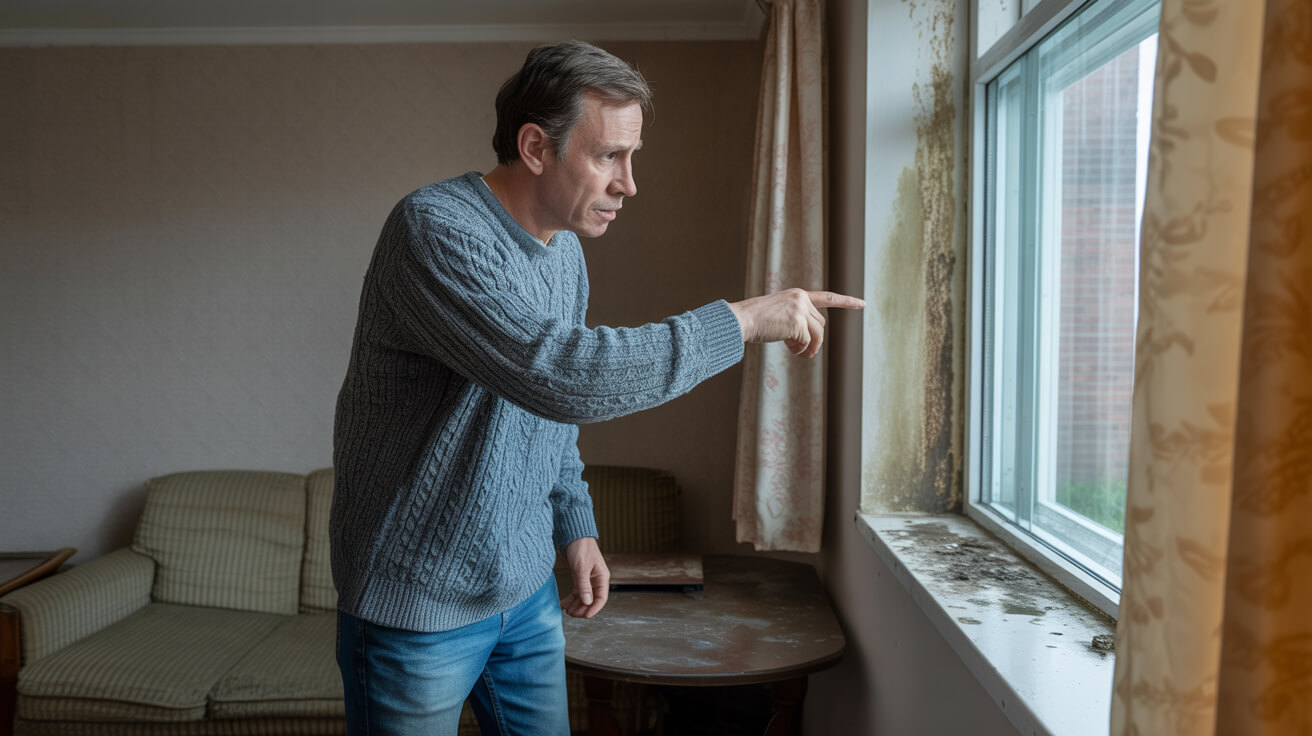
You now need a PPM model that respects hazard timeframes and resident vulnerability as much as technical tasks.
Awaab’s Law introduces fixed deadlines for investigating and responding to emergency hazards and serious damp and mould in social housing. That is not just a call‑centre or repairs issue; it changes how you design planned inspections, survey routes, contractor capacity and escalation paths across the year. If one estate already struggles to keep up with serious damp cases, you can clearly see how the new time limits would expose gaps in your survey patterns and contractor availability.
Start from the hazard clocks
Begin by mapping the legal clocks into your repairs and PPM policies: how quickly hazards must be inspected, decisions made, works started and works completed, and how exceptions are handled and recorded. Then work backwards into your planned regime: which homes and building types are most likely to generate those hazards, and how often you need to inspect or monitor them to avoid working permanently at the edge of the deadline.
Join up planned and responsive work
Planned visits are one of your best tools for uncovering hidden hazards early. To use them fully, your operatives, surveyors and contractors need clear rules on when a concern they find during PPM must be treated as a hazard under Awaab’s Law, rather than as a low‑priority follow‑on. Your scheduling model also needs protected capacity so that emergency and high‑risk work can commence within the required window without collapsing the rest of your programme.
Prioritise vulnerability and high‑risk stock
Not all homes carry the same risk. Your PPM redesign should use stock condition data, previous damp and mould cases, building type, location and resident vulnerability flags to set inspection bias and response rules. That might mean more frequent fabric and ventilation checks in specific blocks, faster escalation in homes with young children or known health issues, and tighter supervision of contractors working in those contexts.
If you would like external support to stress‑test your current plan against these demands, our team can run a focused readiness review so you know where to concentrate effort first and can move quickly from concern to a concrete plan.
Reliable Property Maintenance You Can Trust
From routine upkeep to urgent repairs, our certified team delivers dependable property maintenance services 24/7 across the UK. Fast response, skilled professionals, and fully insured support to keep your property running smoothly.

Book Your Free Consultation With All Services 4U Today
You can reduce a lot of uncertainty by turning this into a short, structured conversation.
In a free consultation, you and your colleagues can walk through how your current PPM programme, repairs model and evidence trails line up against the RSH Safety and Quality Standard and Awaab’s Law. You leave with a clearer view of where you are strong, where there are gaps, and which controls to tackle first.
The discussion typically covers how you schedule and prioritise key safety tasks, how damp and mould are handled from first report to close‑out, how property‑level records are built and maintained, and how board and executive reports draw on that information. The emphasis stays on practical steps you can take with the systems and teams you already have, not on theory.
If you are ready to move from reactive reassurance to planned, evidence‑led control, book your consultation with All Services 4U and put a clear, defensible PPM compliance plan in place.
Frequently Asked Questions
What should a social housing PPM programme include to reduce damp and mould risk across your homes?
A social housing PPM programme should connect building condition, hazard prevention, and proof of improvement so damp and mould risk falls across your homes.
If your planned preventative maintenance programme only proves a visit happened, it is not controlling damp and mould risk. It is recording movement. In social housing, the issue rarely sits with one trade or one defect. It usually builds through a chain of failures: roof coverings, gutters, extract ventilation, cold surfaces, heating reliability, window condition, access delays, and repeated low-grade repairs that never change the environment inside the home.
That is why a social housing PPM programme needs to behave like a control framework, not a calendar. The Housing Health and Safety Rating System treats damp and mould as a housing hazard, not a minor inconvenience. The Regulator of Social Housing expects current, reliable information about the condition of tenants’ homes. Landlord and Tenant Act 1985 section 11 keeps repair duties live around structure and key installations. If your programme keeps those issues in separate operational silos, your landlord may stay active while the home stays wet.
For a Head of Compliance, the consequence is weak assurance that hazards are being prevented rather than repeatedly revisited. For a Resident Services Manager, the consequence is predictable complaint pressure when residents see attendance without lasting change.
A programme that only counts visits will eventually be judged by the homes that keep going wrong.
Which components should sit inside the same damp-risk programme?
A damp-risk PPM programme should pull the main moisture drivers into one joined maintenance view.
That normally includes roofs, parapets, flashings, valleys, gutters, rainwater goods, windows, seals, trickle vents, extract fans, airflow performance, heating reliability, emitter output, insulation defects, known cold bridges, and recurring leak locations. It should also include responsive repair history and complaint patterns, because those often reveal what inspection-only regimes miss.
This matters because damp and mould often follow a sequence rather than a single fault. A blocked gutter can create saturation. Saturated fabric reduces internal surface temperature. Lower surface temperature raises condensation risk. Condensation becomes mould growth. If your PPM regime only records the final symptom, you keep treating the visible patch while the building continues to recreate the conditions.
SFG20 helps give maintenance tasks structure, but social housing needs more than generic task discipline. A fan marked as installed is not enough if airflow is weak. A roof marked as inspected is not enough if the same failed detail reappears every winter. A wash-down is not enough if the room remains cold, wet, and under-ventilated after the contractor leaves.
If you want a practical starting point, review one damp-prone block and test whether your roof, ventilation, heating, and complaint records can be read together in one file. That is the sort of discipline a serious landlord builds before the next complaint turns into a formal challenge.
Which design rules stop PPM from becoming a box-ticking exercise?
A risk-led programme needs explicit rules that tie inspection findings to action, verification, and escalation.
One rule should define when repeat moisture history changes the maintenance response. Another should define when a routine inspection becomes a hazard-led investigation. A third should define what evidence is required before a damp-related job can be treated as genuinely complete. Without those rules, planned maintenance becomes a set of isolated tasks rather than a coherent defence.
A stronger design usually includes:
- inspection frequencies linked to risk, stock type, and previous failure history
- mandatory defect coding for moisture source, not only visible damage
- links between planned inspections and responsive repair history
- verification checks after higher-risk repairs
- exception reporting for homes with repeated moisture-related activity
For a Board member, this is where the programme either becomes governable or stays opaque. If recurring damp addresses do not stand out, the organisation cannot show that it is learning from patterns. For an Asset Manager, this is where maintenance intelligence either supports better investment planning or leaves money trapped in repetitive revenue spend.
What should prove the programme is working in the home, not just on paper?
The strongest proof is evidence that conditions improved after intervention, not just that a task was closed.
That usually means dated findings, before-and-after images, readings where relevant, records of source correction, and a follow-up check where the original risk was meaningful. In damp and mould work, that may involve moisture readings, airflow confirmation, notes on thermal condition, leak-path evidence, or a reinspection after rainfall or after a heating and ventilation fix has bedded in.
Named standards help here. If ventilation is part of the issue, airflow checks should not be treated as optional. If a fire compartment or service penetration was disturbed during related fabric works, the repair standard must still be controlled. If water hygiene systems are implicated through underused or poorly performing services, ACoP L8 discipline matters too. The point is simple: one repair can touch several compliance consequences.
A practical maintenance partner should help your team see that connection early, not after a case escalates. If you are serious about reducing damp and mould risk, start by reviewing whether your current programme proves safer outcomes in the home. That is the standard a careful landlord should now expect, and it is the standard residents increasingly assume you already meet.
How should you align planned maintenance and responsive repairs to meet Awaab’s Law timescales?
You should align planned maintenance and responsive repairs through one hazard-led workflow so serious damp and mould issues move on one clock.
That is where many social housing systems still break down. Planned maintenance identifies issues on one timetable. Responsive repairs operate on another. Resident complaints travel through a third route. Awaab’s Law changes the tolerance for those gaps. The question is no longer whether each team did something within its own process. The question is whether the landlord acted quickly and intelligently from the moment a serious hazard became visible in the home.
The Housing Health and Safety Rating System matters here because damp and mould is not merely a maintenance defect. It is a health-related hazard. The Housing Ombudsman has repeatedly highlighted cases where landlords logged activity but failed to coordinate diagnosis, follow-on works, and communication. Under the Consumer Standards, that kind of fragmented response is much harder to defend.
For a Maintenance Coordinator, the consequence is operational overload when repeat jobs keep circulating without root-cause control. For a Resident Liaison Officer, the consequence is a resident journey full of updates but thin on resolution.
Which stages should sit inside one joined response pathway?
A joined pathway should run from first report or inspection finding to verified close-out without changing logic between teams.
A practical model usually includes four linked stages: triage, diagnosis, delivery, and verification. At triage, the landlord should record date, hazard indicators, vulnerability factors, and immediate severity. At diagnosis, the team should identify likely cause, not just visible effect. At delivery, the work should be routed to the correct response: repair, specialist survey, temporary measure, or escalation. At verification, the case should stay open until the organisation can show that conditions improved or that the next control step is actively managed.
That sounds obvious, but the operational failure points are usually simple. A serious damp report gets coded as routine condensation. A contractor attends without prior case history. A note tells the resident to ventilate better. No one checks whether the fan works, whether the room is under-heated, or whether the building fabric is taking in water. The file closes. The home does not improve.
A landlord with stronger control will treat those cases differently. Repeat damp history, vulnerable residents, and combined signs of fabric failure plus mould should all push the case out of business-as-usual handling. If your teams cannot explain where that threshold sits, the workflow is not ready.
Which handoffs usually break the timeline?
The most common failure is not speed in one team. It is weak transfer between teams.
The first handoff fails when contact-centre triage underestimates the hazard. The second fails when diagnosis records the symptom but not the source. The third fails when planned maintenance findings do not reserve responsive capacity for the necessary remedial works. The fourth fails when the work is closed without verification or a resident-facing explanation of what changed.
Building Safety Act 2022 has reinforced a broader expectation that higher-risk homes and higher-risk systems cannot be managed through fragmented information. Even where Awaab’s Law applies specifically to damp and mould hazards, the operating lesson is the same: responsibilities need to connect. If your planned and reactive functions still behave like separate businesses, your timescale risk sits in the handoffs, not only in the technical job.
For a Property Manager, this is where contractor oversight either protects the programme or quietly undermines it. For a Board sponsor, this is where dashboard confidence can collapse if exceptions are hidden too long.
What should change in live operations, not just in policy wording?
Live operations need capacity, escalation triggers, and evidence rules that reflect hazard reality.
A stronger model usually reserves rapid remedial capacity for findings coming out of inspections. It gives teams clear thresholds for escalation, such as repeated damp at the same address, vulnerable households with unresolved mould, or combined indicators of fabric failure and poor ventilation. It also defines what evidence is required before a serious case can move out of active monitoring.
This is where many policies look respectable but fail under pressure. They describe joined-up intent but leave teams competing for labour, diagnosis time, and contractor availability. The result is delay hidden inside workflow friction. That delay is exactly what residents feel and exactly what scrutiny bodies will interrogate later.
If you want a realistic first step, choose one recent damp case and map it from initial report to final close-out. Then ask where the clock stalled, where ownership blurred, and whether the right evidence existed at each stage. Leaders who do that early usually see the operational truth much faster than those who start with a policy rewrite. That is how you build a response model that can survive Awaab’s Law timescales in practice, not only in principle.
Which records should you keep to show your social housing maintenance service is compliant and defensible?
You should keep a property-level record that shows what was reported, what risk was identified, what action was chosen, what was done, and what changed afterwards.
That is the standard of recordkeeping social housing landlords increasingly need. A closed work order does not prove compliant action on its own. If a serious damp and mould case reaches the Housing Ombudsman, the Regulator of Social Housing, legal review, or a board committee, the question will not be whether something happened. The question will be whether the landlord can show why it acted in that way, when it acted, and whether the intervention reduced the hazard.
The Consumer Standards push toward current, reliable, property-level information. Landlord and Tenant Act 1985 section 11 makes repair responsibilities highly relevant where building fabric and installations are involved. ACoP L8 matters where water hygiene records are part of wider building safety evidence. BS 5839 and BS 5266 matter where life-safety servicing records form part of the wider compliance picture for common parts. In practice, your records need to support safe operational decision-making, not just document that work was instructed.
For a Legal or Tribunal Advisor, weak chronology can destroy an otherwise defensible position. For a Finance Director, poor records can turn into avoidable claim disputes, repeat spend, or difficult year-end questions about why the same issue kept returning.
Which records are essential at property level?
The essential records are the ones that let another competent person reconstruct the case quickly and accurately.
That usually includes inspection findings, responsive repair history, complaints linked to the address, dated work orders, contractor notes, diagnostic results, photos, access attempts, resident communication records, and completion evidence. Where relevant, it also includes EICR, CP12, Legionella records, fire alarm servicing, emergency lighting logs, roof surveys, and asbestos controls.
The useful discipline is to separate symptom evidence from source evidence. Symptom evidence captures what the resident or contractor saw: mould growth, staining, odour, visible dampness, failed heating, or condensation. Source evidence explains why it happened: ingress, failed ventilation, low surface temperature, thermal bridging, service failure, or blocked drainage.
If your file holds the first and not the second, the case is still weak. That is where many landlords get caught. The record looks active, but it does not show understanding.
Which records support board assurance and external scrutiny?
Board-level assurance records should aggregate risk clearly without losing traceability back to the home.
That usually means exception reports, high-risk action ageing, repeat address summaries, compliance currency reports, contractor performance trends, and decision logs for escalation into wider survey work or investment. Those records are not separate from the property file. They depend on it. A board pack without traceable source evidence is just a polished opinion.
RICS-style asset governance principles are helpful here because they push organisations to connect condition intelligence, lifecycle judgement, and decision records. In other words, the board does not need every photograph, but it does need confidence that photographs, readings, chronology, and close-out proof can be produced fast and read easily.
For a Non-Executive Director, this is where confidence is either earned or staged. For an Insurance Broker or Risk Surveyor, it is where claim defensibility often becomes visible before the claim itself exists.
What makes a record defensible when scrutiny arrives?
A defensible record is chronological, property-specific, easy to follow, and understandable without oral explanation.
The strongest test is speed plus clarity. If you choose one repeat damp address and ask your team to produce the full chronology in ten minutes, could they do it? Could they show the original complaint, the diagnosis, the work route, the resident contacts, the verification, and the management decisions without needing to explain around the gaps?
That is what scrutiny bodies notice. Organisations rarely fail because they hold no information at all. They fail because the information is partial, fragmented, duplicated, or practically unreadable. The difference between a compliant-looking record and a defensible one is often design, discipline, and ownership.
If you want an immediate improvement step, pressure-test one live address file against those questions now, before the next difficult case forces the exercise on harsher terms. That is the sort of evidence discipline serious landlords build early, because once a file is under external scrutiny, it is already too late to invent coherence.
Which KPIs best show whether your social housing maintenance model is reducing risk under the Consumer Standards?
The best KPIs show whether hazards, repeat failures, and weak evidence are falling, not just whether jobs were completed on time.
That is the KPI trap many landlords still fall into. Completion rates, attendance rates, and jobs closed by due date can look healthy while residents remain exposed to recurring damp, unresolved follow-on actions, or poor communication. Under the 2024 Consumer Standards, a better dashboard needs to connect service delivery to resident safety, evidence quality, and exception control. Otherwise you are measuring workflow neatness rather than safer homes.
The Regulator of Social Housing expects landlords to know the condition of their stock and the performance of their services. The Housing Ombudsman’s most serious findings repeatedly show that routine performance indicators can hide recurring operational failure. That is why a board-safe dashboard should make uncomfortable patterns visible early.
For a Compliance Officer, the consequence of weak KPIs is late discovery of overdue risk. For an Asset Manager, the consequence is spending decisions based on volume and cost, not on the real shape of building failure.
Which KPI families should sit on the main dashboard?
A useful dashboard usually needs four families: delivery, risk, evidence, and resident outcome.
Delivery measures include planned maintenance completed by due date and high-priority reactive cases delivered within target. Risk measures include overdue high-risk damp actions, repeated hazard addresses, and ageing open cases by band. Evidence measures include jobs with full close-out records, verified outcomes, and records attached correctly at property level. Resident outcome measures include repeat complaints, recurrence within a fixed window, and complaint escalation linked to earlier maintenance history.
Those families matter because each answers a different leadership question. Delivery asks whether the system moves. Risk asks where exposure is sitting. Evidence asks whether the landlord can defend its actions. Resident outcome asks whether the service changed the lived experience in the home.
A damp recurrence rate is especially useful if you define it clearly. For example, a repeat damp or mould case at the same address within ninety days tells you far more than a generic closure count. So does an evidence completeness rate that requires notes, photos, findings, resident contact, and verification where appropriate.
Which exception cuts should leadership insist on seeing?
Headline percentages are not enough. Leaders should see the same KPI cut by the patterns most likely to hide risk.
That usually means stock type, contractor, neighbourhood, vulnerability category, action age, and repeat address count. One portfolio-wide completion figure can conceal major variation. A contractor may be closing routine tasks well while underperforming on follow-on damp works. One archetype may be generating repeated mould cases because ventilation design is weak. One resident group may be concentrated in homes where heating and fabric problems interact badly.
This is where sharper assurance starts. For a Finance Director, these cuts help distinguish recurring revenue drain from investment need. For a Property Manager, they expose which contractors or workflows need intervention. For a Board sponsor, they show whether the organisation is acting on concentration of risk rather than waiting for a single severe case to force the issue.
Good dashboards do not protect comfort. They expose drift early enough for leadership to act.
What should sit in a board pack if decisions are the real goal?
A useful board pack should include the headline result, the exceptions driving risk, and the action being taken.
That usually means top repeat addresses by issue type, overdue high-risk actions by age band, evidence completeness in closed high-risk cases, contractor performance on follow-on works, and complaint escalation linked to maintenance history. If the pack cannot show which risks are concentrated, which are ageing, and who owns the next action, it is not yet a decision tool.
A stronger maintenance partner should help you build that view from live records rather than creating a second reporting burden. If your current dashboard still makes it hard to tell whether risk is falling in the homes that matter most, that is worth fixing now. Leaders who demand sharper KPI truth tend to reduce repeat harm faster, because they stop allowing cosmetic performance to pass for operational control.
When should repeat maintenance findings trigger wider surveys, capital works, or a change in investment priority?
Repeat maintenance findings should trigger wider surveys or capital review when the pattern shows routine repairs are containing symptoms rather than solving the underlying failure.
That is the point where maintenance intelligence becomes investment intelligence. One failed repair does not always justify a wider intervention. A recurring pattern often does. If the same component keeps failing, the same block type keeps producing similar defects, or the same responsive spend keeps returning without stable closure, you are not looking at a one-off maintenance problem any more. You are looking at evidence that the asset strategy may need to change.
RICS guidance is useful here because it supports linking maintenance evidence to lifecycle and capital planning. In social housing, that matters for more than efficiency. If repeated patching leaves homes damp, cold, or unreliable, the issue is not only financial. It becomes a resident safety, complaint, and governance issue as well. Defective Premises Act 1972 and Landlord and Tenant Act 1985 section 11 also sharpen the stakes where building defects keep recreating risk.
For an Asset Manager, the consequence is straightforward: repeated revenue spend may be disguising a capital need. For a Board member, the consequence is tougher: once the pattern is obvious, inaction becomes harder to defend.
Which patterns should move you beyond routine maintenance?
The strongest triggers are pattern-based, not emotionally driven.
Repeated roof ingress at one block, rising responsive spend on one component family, clusters of mould in one stock archetype, recurring ventilation failures in similar layouts, or repeated inspection findings that consistently exceed minor remedial scope should all prompt wider review. The same applies where complaints, repair records, and inspection evidence point to one underlying weakness.
A useful escalation test usually asks three questions. Is the issue repeating in the same place? Is it appearing across similar homes? Is the organisation spending repeatedly without stable closure? If the answer is yes to more than one, a wider survey or capital assessment is usually warranted.
That is how you stop mistaking persistence for bad luck.
How do you distinguish a repair problem from an investment problem?
The clearest distinction is not the size of one order. It is the durability of the fix and the spread of the pattern.
A repair problem is usually bounded and resolved through one technical intervention. An investment problem shows itself through recurrence, spread across similar stock, or evidence of hidden deterioration that normal maintenance can only slow, not solve. One failed extract fan is a repair issue. Repeated mould in homes with the same ventilation arrangement may point to a broader design or component problem. One local roof defect is a repair issue. Repeated ingress along the same elevation may point to envelope deterioration that needs a larger solution.
The Building Safety Act 2022 adds further weight where higher-risk buildings are concerned, because building information, safety evidence, and strategic interventions need to be joined more carefully over time. In those settings, repeated low-grade patching can become especially difficult to justify.
Why does this judgement matter under scrutiny?
Because repeated low-value intervention after the strategic signal was already visible is difficult to defend.
The Housing Ombudsman and the Regulator are not only interested in whether a landlord attended quickly. They also look at whether the organisation learned from the pattern. That is where many maintenance records become revealing. The clues were visible. The spend was visible. The repeat addresses were visible. But the wider decision did not change.
A stronger organisation shows that the evidence altered the plan. That might mean a wider survey, a revised replacement cycle, a stock-type programme, or a capital approval. If your landlord wants a practical first move, review repeat defects by stock type and component family over the last year. That is often enough to show where routine maintenance is still doing its job and where it is simply buying time at the wrong price.
Who should be involved in a social housing PPM review if you want operational change to hold and board decisions to stick?
A social housing PPM review should involve assets, compliance, repairs, resident-facing teams, finance, and leadership because recurring maintenance failure is usually shared long before it becomes visible.
That is why narrow reviews often go nowhere. Asset teams hold condition assumptions and replacement logic. Compliance leads understand statutory duties, evidence standards, and action ageing. Repairs teams know where diagnosis, access, and contractor handoffs fail. Resident-facing teams understand vulnerability, complaint patterns, and communication pressure. Finance sees recurring cost pressure and reserve implications. Leadership decides whether the resulting changes are actually backed, funded, and enforced.
The Consumer Standards make that cross-functional view more important, not less. Building Safety Act 2022 does the same in higher-risk settings. If the review follows the organisational chart rather than the real path from report to resolution, it tends to produce polite agreement and very little operational change.
For a Resident Services Manager, the consequence of being left out is a process that still fails residents at the point of communication. For a Finance lead, the consequence is being asked to support investment decisions without a strong enough operational case behind them.
Which roles should sit in the review and what should each contribute?
A useful review group usually includes asset management, compliance or building safety, repairs or maintenance operations, resident services or housing management, finance or service charge leadership, and an executive or board sponsor.
Asset management should bring stock intelligence, failure patterns, and replacement assumptions. Compliance should bring statutory duties, evidence standards, and action-age data. Repairs should bring workflow reality, contractor performance, and repeat-job insight. Resident-facing teams should bring access barriers, complaint chronology, and vulnerability context. Finance should bring budget pressure, recurring spend, and investment logic. Leadership should bring authority to lock in decisions rather than simply note them.
The review only works if each role leaves with something specific. Asset teams should leave with survey or investment triggers. Compliance should leave with tighter evidence and closure rules. Repairs should leave with improved triage and handoffs. Resident services should leave with stronger update and escalation routes. Finance should leave with clearer rationale for revenue versus capital treatment. Leadership should leave with owned decisions and deadlines.
How should you run the review so it changes live operations?
Start with one issue pattern and one or two real case files, not a generic discussion about maintenance maturity.
Damp and mould is often the right place to start because it exposes failures in diagnosis, communication, investment, evidence, and governance all at once. Follow a live case from first report to closure. Identify where the organisation knew enough to act differently but did not. Then split the findings into three groups: routine maintenance controls, responsive and diagnostic changes, and wider survey or investment implications.
That approach tends to produce better decisions than a broad policy workshop. It keeps the review tied to homes, dates, ownership, and real records. It also makes it much harder for teams to hide behind theory.
If you are leading this at board or executive level, ask one blunt question before the meeting ends: what will be different in the field within thirty days? That is where serious governance begins.
What makes the change hold after the review ends?
Three things matter most: ownership, system integration, and visible follow-through.
Every action needs a named lead, a due date, and a reporting route. New rules need to land in live systems such as PPM schedules, triage scripts, contractor scopes, dashboards, and board packs. Leadership then needs to track whether the agreed changes reduced recurrence, improved evidence completeness, shortened action age, and lowered complaint pressure.
This is where a strong maintenance partner adds real value. Not by writing a polished review document, but by helping your landlord turn findings into field rules and management controls that can survive pressure. If you want a manageable first move, run one cross-functional review on a repeated damp issue, assign actions within the meeting, and test outcomes thirty days later. That is the kind of operational discipline people trust because it produces movement where it counts: in the homes, in the records, and in the decisions your board will eventually have to defend.
- What PPM Services Mean in Social Housing Compliance
- Why PPM Now Matters More in Social Housing Compliance
- What PPM Services Include for Housing Associations, Councils, and Mixed Portfolios
- How PPM Supports RSH Safety and Quality Compliance From April 2024
- Which Compliance Areas PPM Most Directly Supports
- What Good Evidence Looks Like for RSH Consumer Standards and Awaab's Law
- A Practical Delivery Model for Redesigning PPM Around Awaab's Law
- Book Your Free Consultation With All Services 4U Today
- Frequently Asked Questions
Case Studies


Related Articles

Your Guide To Identifying And Treating Minor Mould Outbreaks
Why Planned Preventative Maintenance (Ppm) Saves Money And Ensures Compliance