Gas Appliance Replacement PPM Services UK – Boiler & Fire Installation
UK landlords and property managers who oversee boilers and gas fires need PPM that genuinely reduces breakdowns, complaints and enforcement risk across their portfolio. All Services 4U structures gas appliance replacement and maintenance around accurate asset registers, manufacturer guidance and clear separation of servicing, CP12 checks, breakdowns and planned replacements, depending on constraints. You end up with documented visit templates, audit-ready CP12 records, defined reactive response levels and a transparent programme that moves spend from emergencies into planned works with agreed scope. It’s a straightforward way to bring gas risk, resident experience and budgets under tighter control.


Author
Izzy Schulman

Structured gas PPM for UK boilers and gas fires
If you manage rented homes or mixed-use blocks in the UK, weak gas PPM shows up as winter failures, stressed residents and uncomfortable questions about records. Boilers and gas fires need more than a basic annual visit if you want real risk reduction.

A structured programme with All Services 4U aligns servicing, CP12 checks, reactive cover and planned replacements with how your estate actually operates. Clear scopes, visit templates and record-keeping standards give you fewer surprises, a stronger audit trail and a defensible approach to gas safety and reliability.
- Reduce winter breakdowns, complaints and emergency call-outs
- Strengthen CP12 compliance and audit-ready documentation
- Clarify scope, exclusions and replacement planning across your estate
Need Help Fast?
Locked out, leak at home, or electrical issue? All Services 4 U provides 24/7 UK locksmith, plumbing, electrical.
Testimonial & Clients Who Trust Us
With 5 Star Google Reviews, Trusted Trader, Trust Pilot endorsements, and 25+ years of experience, we set industry standards for excellence. From Dominoes to Mears Group, our expertise is trusted by diverse sectors, earning us long-term partnerships and glowing testimonials.
Worcester Boilers

Glow Worm Boilers

Valliant Boilers

Baxi Boilers

Ideal Boilers

Service overview: Gas Appliance Replacement PPM (Boilers & Gas Fires) — UK
You need gas PPM that actually reduces risk and winter stress, not another yearly tick‑box visit that leaves you exposed.
All Services 4U builds planned maintenance for boilers and gas fires around how you really run your portfolio. We align asset registers with site reality, use manufacturer instructions to shape visit templates, and keep a clear line between planned maintenance, statutory checks, breakdown cover and planned replacements.
Whether you look after single lets, HMOs, blocks of flats or mixed‑use estates, you stay in control of which appliances are in scope, who is responsible for them, and what evidence you receive after every visit. Within that Service overview: Gas Appliance framework, our Gas Safe–registered engineers work to the agreed standard, so you see fewer surprises, fewer emergency call‑outs and a cleaner audit trail when someone asks to “see the gas file”.
Book a short consultation and see how this structure would work across your properties.
Why this decision is time‑sensitive: the cost of inaction (safety, enforcement, voids, complaints)
You feel the cost of weak PPM most acutely in winter, when appliances fail and records are tested at the same time.
Safety and enforcement risk
Gas safety law expects relevant appliances and flues to be checked at regular intervals by competent engineers, with records you can produce on request. If checks slip, records are incomplete, or defects sit unresolved, you move from “tidy up later” into potential enforcement territory.
A structured PPM and CP12 cycle makes it easier to show that you scheduled checks on time, attempted access, and acted on anything that was at risk or immediately dangerous. That turns a potential investigation into a short, factual conversation instead of a long, uncomfortable file review.
Resident and operational impact
When heating or hot water fails, you have residents who are cold, frustrated and more likely to escalate complaints, especially where occupants are vulnerable or buildings carry higher fire or health risk.
By treating gas reliability as part of your resident‑experience strategy, you target PPM at the assets and buildings that cause the most disruption, rather than waiting for call volumes to spike in the first cold snap.
Financial and planning impact
Every unplanned failure brings direct and indirect costs: extra call‑outs, temporary heaters, possible decants, service‑charge disputes and void days. Because those costs often sit in different budgets, they are easy to underestimate.
When you stack them up, planned replacement and stronger PPM stop looking like extras and start looking like controlled investment. A joined‑up programme with our team helps you move money from emergency spend into planned works you can explain, phase and defend.
What UK PPM typically includes (and what it does not): boilers & gas fires
![[ALTTOKEN]](https://allservices4u.co.uk/app/uploads/2026/01/03-Gas-Appliance-Replacement-PPM-Services-UK-Boiler-Fire-Installation.jpg)
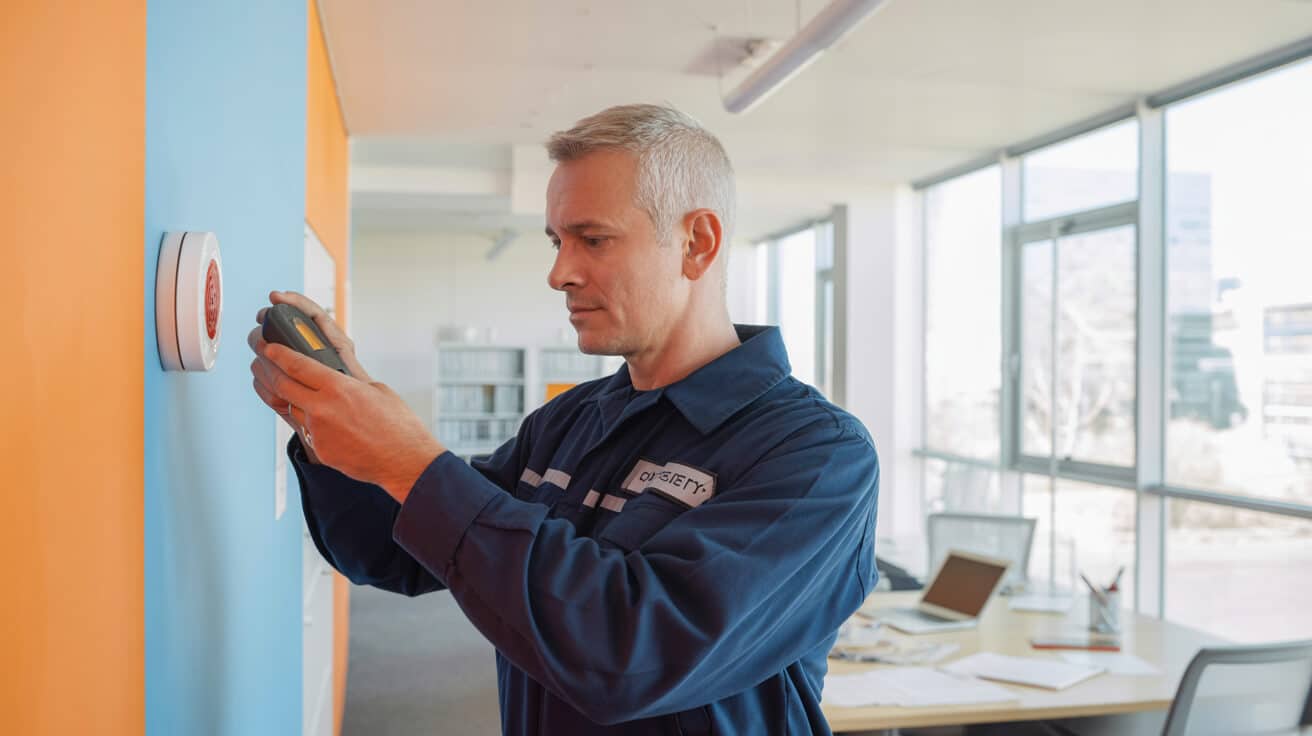
You protect your budget and reputation when the scope of PPM is explicit on paper, not implied in emails.
Core elements in scope
A typical gas PPM arrangement for boilers and gas fires covers four building blocks:
- Scheduled servicing visits aligned with manufacturer instructions and risk.
- Statutory gas safety checks and records where landlord or employer duties apply.
- Condition and performance feedback from each visit, with clear pass/fail and defect coding.
- A defined level of reactive response and make‑safe between planned visits, with agreed response times.
When this is written down, you and your teams know exactly what you are buying and what will be delivered.
Common exclusions to fix up front
Disputes usually come from what was never written down. Major components, flue relining, upgrades to controls, out‑of‑hours attendance, tenant‑owned appliances and works driven by improvement programmes are often outside core PPM.
By marking these as separate lines, you avoid scope creep during the contract term. You decide in advance which elements you want us to price as options and which you route through other budgets, such as extended‑hours cover, major component replacement, or upgrade packages for controls and efficiency.
Tailoring PPM to the risk in your estate
Not every appliance justifies the same attention. Open‑flued fires, older boilers, plant serving vulnerable residents or assets with a history of spillage, ventilation notes or repeat faults deserve closer focus than a new room‑sealed boiler in a low‑risk setting.
You move from a blunt “everything annually because it has always been done that way” approach to a simple, documented logic that explains why some assets see more monitoring and why some are candidates for earlier replacement.
If this scope fits how you manage gas risk today, book a short call to firm up details and pricing.
CP12 / Landlord Gas Safety Record: obligations, checks & documentation (boilers + fires)
You stay out of trouble when your gas safety record process is built on what the law actually expects in practice.
What the law actually requires
If you are a landlord or dutyholder for relevant rented property, you must ensure that gas appliances and flues you provide are checked for safety at prescribed intervals and that a written record is produced and retained. That record is commonly called a CP12 or Landlord Gas Safety Record.
All Services 4U ensures every CP12 issued contains the core information you need, including:
- Property details and address.
- Appliance and flue identification.
- Results of safety checks carried out.
- Any defects found and how risk was classified.
- Actions taken on the day and recommendations.
- Dates of inspection and engineer credentials.
How CP12 fits alongside servicing
A gas safety check record is not the same as a full service. Some visits sensibly combine both, but the outputs must remain distinct: a safety record that satisfies your statutory duty, and a service report that shows maintenance tasks completed to manufacturer guidance.
Visit templates and job descriptions are set so you can see, at a glance, whether a visit delivered a safety check, a service, or both, and what still needs to happen next.
Keeping records audit‑ready
A good record that nobody can locate is almost as risky as no record. You need a simple system for scheduling due dates, logging access attempts, recording exceptions, and storing CP12s and related evidence in a way that survives staff and contractor changes.
We can work within your existing systems or provide a straightforward structure for naming, storing and retaining records. Our gas and compliance teams are used to external audits and spot checks, so the records you receive are built to stand up to scrutiny when regulators, insurers or boards ask detailed questions.
Accreditations & Certifications








Annual servicing scope: boiler service vs gas fire service (including flues/combustion)
![[ALTTOKEN]](https://allservices4u.co.uk/app/uploads/2026/01/04-Gas-Appliance-Replacement-PPM-Services-UK-Boiler-Fire-Installation.jpg)
You reduce breakdowns and false confidence when servicing follows manufacturer guidance and takes combustion and flue risks seriously.
Boiler servicing that follows manufacturer guidance
A proper boiler service is more than taking the case off and vacuuming the inside. It follows the manufacturer’s instructions and includes inspection, cleaning where specified, safety control checks, flue and condensate checks, and, where appropriate, combustion or flue‑gas analysis.
Our engineers document what they did and what they found, so you can see the difference between a superficial visit and maintenance that actually supports reliability and safety.
Gas fire servicing and flues
Gas fires bring their own risks, especially where they rely on open chimneys, older flues or room ventilation. Servicing needs to consider clearances, guards where relevant, condition of the hearth and surround, operation of safety devices and, where applicable, flue performance and spillage tests.
You receive a clear record of the fire type, flue arrangement, tests carried out, results and any recommendations. You can then decide whether continued use is acceptable or whether remedial work or replacement is the safer option.
Using servicing data to drive lifecycle decisions
Every service visit is a chance to learn about the health of your estate. Patterns such as repeated ignition faults, frequent pressure issues, persistent dirty system water or ongoing ventilation comments all point towards deeper problems.
By trending these signals, you decide when continued repair stops being sensible and when to move an appliance into a structured replacement programme, rather than waiting for it to fail at the worst possible moment.
Breakdown response under PPM: triage, SLAs, no‑access rules, and make‑safe governance
You avoid chaos when reactive cover is defined in terms of resident impact and risk, not just engineer hours on a contract.
Triage and response that reflect real risk
When a gas fault is reported, your call‑handlers and systems need to ask the right questions every time: symptoms, carbon‑monoxide alarm status, presence of vulnerable occupants, and whether other services are affected. That triage determines whether the right response is to attend urgently, book a standard visit, or offer advice.
We help you set realistic service level agreements (SLAs) for response and attendance that are aligned with resident impact, then report against them in a way you can actually use.
Managing no‑access and unsafe situations
No‑access visits waste time and money and can leave you exposed if a safety check goes overdue. You need a repeatable way to show when you tried, how you communicated, and what you did next.
Equally, when an appliance is unsafe, engineers must be empowered to advise, isolate and label as required, and to notify the agreed dutyholder quickly. These pathways are agreed with you in advance, so nobody is guessing on the day.
The KPIs you should see
You cannot improve what you do not measure. For gas PPM and breakdowns, practical key performance indicators (KPIs) work best: completion rate to plan, first‑time fix, repeat fault rate and missed or late appointments.
Reporting is structured so those numbers are easy to see at contract meetings. That gives you a clean basis to decide whether to adjust PPM, upgrade assets, or change how calls are handled.
Evidence packs and replacement programmes: audit‑ready records and Building Regulations governance
You satisfy auditors and insurers when every visit and installation feeds the same clear, traceable evidence chain.
What a good evidence pack contains
For both maintenance and installations, an evidence pack should allow someone who was not there to understand what was done, to which asset, when, by whom, using what tests, and with what results.
That usually means:
- Clear asset identification and location.
- Named engineer and competence details.
- Test results or readings where relevant.
- Defects found and how they were classified.
- Actions taken and outstanding recommendations.
- Proportionate photos showing key stages or risks.
- Final sign‑off or commissioning record.
We build this into the way jobs are planned and closed, so you are not trying to assemble audit evidence months later from scattered emails. We already support landlords, housing providers and managing agents across the UK, so you benefit from structures that have been exercised in similar portfolios.
Planned boiler and gas fire replacements are, in effect, small construction projects. You benefit from a simple governance path: survey, specification, resident communication where needed, installation by appropriately registered engineers, commissioning, notification where required, and a clear handover.
We map this out with you at programme level, then repeat it for each address. That makes it easier to show how you have met gas safety law, Building Regulations combustion requirements and energy‑efficiency expectations.
Planning lifecycle replacements instead of panic instals
Deciding when to replace is ultimately a business judgement, but it should be informed by data. Useful criteria include:
- Appliance age and known design life.
- Breakdown history and trend of fault types.
- Safety concerns and access constraints.
- Availability and cost of critical parts.
- Energy performance and running costs.
- Impact on residents when failures occur.
For example, you might have one block where the same older boilers fail every winter and generate complaints. Servicing and breakdown data let you show why a phased replacement is a better decision than another round of short‑term repairs.
By combining servicing and breakdown data with simple lifecycle criteria, you build a forward replacement plan that you can share with boards, funders, insurers and residents, rather than relying on last‑minute approvals when an appliance fails.
Reliable Property Maintenance You Can Trust
From routine upkeep to urgent repairs, our certified team delivers dependable property maintenance services 24/7 across the UK. Fast response, skilled professionals, and fully insured support to keep your property running smoothly.

Book your free consultation with All Services 4U today
When you book a consultation with our team, you see how your current gas position compares with sound practice and where the quickest wins sit.
In a short conversation, you walk through your property types, current gas PPM approach, record-keeping and any upcoming challenges such as winter risk, audits or planned refurbishments. We then outline how a joined-up PPM and replacement service would work for you in practice, with a Service overview: Gas Appliance focus covering mobilisation steps, visit structure, evidence outputs and governance.
You leave the consultation with:
- A clearer view of portfolio gas risk and any obvious record gaps.
- An outline of PPM, CP12 and breakdown scope and responsibilities that fits your estate.
- A suggested starting approach, such as a single block, pilot group or broader roll‑out.
If you decide to go further, the next step is usually a light‑touch asset and records review, so your first full PPM cycle starts from reliable data rather than guesswork.
Book your consultation with All Services 4U today and put your gas PPM, boiler replacements and gas fire installations onto a safer, more predictable footing across your portfolio.
Frequently Asked Questions
Explore our FAQs to find answers to planned preventative maintenance questions you may have.
How is a gas PPM contract different from just getting a CP12 every year?
A gas PPM contract turns gas safety from an annual scramble into a managed programme that protects your residents, evidence and reputation. A one‑off Landlord Gas Safety Record (CP12) simply confirms that, on a specific date, a Gas Safe–registered engineer checked an appliance under the Gas Safety (Installation and Use) Regulations 1998. Planned preventative maintenance wraps around that legal minimum: it adds asset strategy, manufacturer‑aligned servicing, risk logic, and clean evidence across your whole property portfolio.
Where does a CP12‑only model quietly weaken your position?
A CP12‑only approach usually fails you in three ways, especially at scale:
- it doesn’t prove you’ve followed manufacturer service instructions, which matters for warranty and insurer conversations
- it tells you nothing about patterns – where boilers or gas fires are repeatedly failing or drifting towards “no heat” events
- it scatters paperwork across inboxes instead of giving you an estate‑wide view you can put in front of your board, broker or lender
That’s how you end up in uncomfortable meetings where someone asks, “Why wasn’t this spotted earlier?” and nobody has a clean answer.
If you are running property maintenance for multiple blocks or schemes, “just get the CP12 done” is the minimum, not the operating model.
What does a gas PPM contract look like across your estate?
In a properly designed gas PPM contract you start with a usable gas asset register: make, model, serial number, exact location, fuel type and which dwellings or zones each appliance serves. Then you classify by risk and role:
- individual boilers in rented dwellings that must meet annual Landlord Gas Safety Record requirements
- communal or central plant serving many homes or commercial units
- open‑flued or decorative gas fires in higher‑risk spaces
For each class you agree:
- safety‑check frequency aligned to at least PRS 2020 requirements for rented homes
- servicing intervals based on manufacturer guidance and your own risk assessment
- enhanced regimes where failure has a bigger impact, such as HRBs, sheltered schemes or blocks with vulnerable residents
You also bake in response standards for gas emergencies and loss of heat – target response, contain and restore times that your call centre, residents and insurers can understand.
Behind that sits an evidence structure: every visit generates a structured record into your CAFM or compliance binder, rather than disappearing into van notebooks. All Services 4U builds that structure as standard, so your property maintenance data is ready the moment someone asks for it.
How does this show up in your KPIs and board papers?
Once PPM is live, you can stop arguing feelings and start showing numbers. For a Head of Compliance, Building Safety Manager or RTM Board, you can report:
- percentage of gas assets with in‑date CP12s across your property portfolio
- service completion rates against the manufacturer schedule and your gas maintenance plan
- first‑time fix rates on boiler and gas fire breakdowns
- failure patterns by building, contractor or asset type
You move from “we think we’re on top of gas” to “here is why our insurer, lender and regulator can be comfortable with our gas compliance regime”.
If you want your next renewal, refinance or board review to feel like a formality rather than a scramble, this is the moment to pivot from CP12‑only to a gas PPM contract that actually matches the size of your estate.
What should you expect to see in an evidence pack after servicing or installation?
A good gas evidence pack lets you defend your decisions calmly in front of an insurer, lender, regulator or tribunal. At minimum you should see clear asset identification, engineer competence, tests performed with results, safety grading, photos where they add clarity, and any follow‑on actions with target dates, all tied to your property maintenance and risk registers.
What is the core structure of a defensible gas evidence pack?
For a boiler or gas fire service, one job record should reliably tell you:
- property and asset ID, make, model, serial number and location
- engineer name, Gas Safe registration number and relevant work categories
- date and time on site
- tests performed (visual checks, flue integrity, combustion readings where appropriate)
- results as numbers and tolerances, not just “OK”
- defects raised, risk grading and any immediate actions taken
- recommendations for remedials or replacement
- the next due date for safety check and servicing
After an installation, that pack extends to commissioning records, benchmark data and, where relevant, Building Regulations Part J notification through a competent person scheme or building control.
If you’re ever asked to reconstruct events after an incident in a high‑risk residential building, this is the level of detail you will wish every job had.
All Services 4U treats this as part of the work, not a nice‑to‑have: every gas visit generates a structured record aligned with your compliance binder, not a vague “job done” note.
How does this evidence change difficult conversations with insurers, lenders and auditors?
When something goes wrong, you are judged on whether you acted reasonably and can prove it. A clean gas evidence pack that follows the Gas Safety (Installation and Use) Regulations 1998, manufacturer instructions and your own policies lets you show:
- to an insurer: the appliance that failed was installed, commissioned and serviced by competent people, with no ignored red‑risk comments
- to a lender or valuer: replacement plant was notified, built and signed off in line with Building Regulations Part J and your gas maintenance strategy
- to an internal or external auditor: defects were raised, prioritised and closed within agreed timescales, with repeat issues escalated
That is very different from rummaging through inboxes for missing CP12s or trying to explain repeated “no access” on the same property.
How does this support wider property risk and portfolio decisions?
Once your evidence packs are consistent, you can step up from single‑asset questions to portfolio thinking:
- Which blocks generate the highest number of gas breakdowns or red‑risk comments?
- Which contractors have the strongest or weakest evidence discipline?
- Where are you seeing repeated spillage notes or ventilation concerns on gas fires?
- How does gas compliance line up with decisions on reserve planning, damp and mould programmes or Building Safety Act priorities?
That kind of joined‑up view is only possible if job‑level evidence is captured in a structured way every time. If you want insurers, lenders and your own board to treat you as a grown‑up operator, it pays to make that the default rather than the exception.
How often should boilers and gas fires be serviced or safety‑checked in different property types?
Boilers and gas fires should be safety‑checked at least every 12 months in rented homes, then serviced at intervals set by manufacturer instructions and your own risk assessment. The legal clock for Landlord Gas Safety Records stays the same whether the asset sits in a single let, HMO, block, HRB or mixed‑use building; you layer extra servicing around that baseline to match your property maintenance strategy.
How do legal duties, guidance and risk shape your servicing calendar?
Think of frequency in three layers:
- Legal minimum: – Gas Safety (Installation and Use) Regulations 1998 and PRS 2020 require annual safety checks and records for landlord‑controlled gas in rented property.
- Manufacturer guidance: – most boilers and many gas fires require annual servicing to maintain safe operation and any warranty or extended guarantee.
- Your risk assessment: – you may increase attention for central plant feeding many dwellings, open‑flued appliances, older equipment, vulnerable residents or buildings with a history of gas issues.
A Build‑to‑Rent portfolio with central plant, sheltered schemes and HRBs will typically land on a more intensive gas maintenance calendar than a small portfolio of low‑risk single lets. Done properly, that’s planned, not chaotic: one calendar, different tracks.
How do you justify your frequency decisions to regulators, lenders or boards?
You show that your servicing calendar is the product of thought, not habit. That means being able to evidence that you:
- schedule safety checks before due dates and make reasonable access attempts
- complete safety records and services in line with Gas Safe rules and manufacturer instructions
- log and escalate repeated issues, such as persistent spillage notes or recurring flue concerns
- move higher‑risk appliances onto enhanced regimes or into planned replacement programmes, and record why
When a Building Safety Manager, Head of Compliance or Asset Manager can put that reasoning in front of the Building Safety Regulator, Housing Ombudsman, insurer or lender, the tone of the conversation shifts in your favour.
All Services 4U designs gas PPM calendars that reflect your property types, resident mix and tolerance for winter surprises, then ties them back to the regulations and guidance you’re judged against.
How can you avoid gas calendars becoming just more admin?
The risk with any property maintenance schedule is that it becomes a spreadsheet nobody trusts. To avoid that, make the gas calendar the engine of your day‑to‑day work:
- integrate it with your CAFM so work orders and safety checks flow from the same source
- align PPM visits with other trades where it makes sense, to cut visits and disruption
- use calendar data to forecast labour, parts and access planning block by block
If you keep this joined up, your gas calendar stops feeling like a compliance chore and starts acting like a control panel for safe, predictable operations across your estate.
What does good boiler and gas fire servicing look like on the ground?
Good servicing is deliberately unexciting: manufacturer‑led, methodical and fully recorded so you can trust your gas maintenance data. For boilers, that means following the service schedule in the manufacturer’s instructions, not just a quick look and a reset. For gas fires, it means taking spillage, ventilation and guarding seriously, especially in higher‑risk homes.
What should you see an engineer actually doing and recording on a boiler service?
On a modern boiler, a competent engineer should typically:
- visually inspect the appliance, casing and immediate surroundings
- check flue integrity, terminations and supports
- test safety devices, operating pressures and expansion components as required
- clean or inspect key components where the manufacturer specifies it
- run and record combustion checks where appropriate
- scan for wider system issues such as poor water quality or faulty controls
The service report should then state:
- what was tested and cleaned
- what was adjusted or replaced
- any warnings or advisory notes
- the next recommended service and safety‑check date
“Serviced – OK” with no detail is not service data; it’s a missed opportunity in your property maintenance record.
What should competent servicing of a gas fire look like?
On a gas fire, you should expect structured checks on:
- condition and suitability of hearth, surround and guards
- ventilation routes and, where relevant, room volume and air supply
- flue performance, including spillage tests where required
- operation of flame‑supervision devices and other safety controls
- any signs of contamination, damage or poor previous work
Those observations should be written down in a way that helps you make decisions later: whether to repair, decommission or replace certain fire types across a block or portfolio.
All Services 4U trains engineers to document these points clearly, so every service visit feeds your gas compliance and replacement planning, not just today’s “no fault found”.
How does better servicing data reduce breakdowns and winter stress?
When service reports capture genuine tests and observations, patterns become obvious:
- repeated ignition or pressure faults on the same model across one block
- recurring spillage or ventilation notes on certain gas fire designs
- frequent comments about system contamination or poor water quality
Instead of signing off another call‑out, you can decide to flush a system, change controls, adjust parts stocking or plan replacements for an entire run of poor‑performing appliances. That is how gas maintenance starts to feel calm and controlled, even in January.
If you want your servicing budget to buy you fewer breakdowns and fewer awkward calls from residents, a stronger servicing standard and record format is one of the quickest levers you can pull.
How should gas breakdown response be set up inside a PPM contract?
Gas breakdown response should be framed in terms your residents, board and insurers all care about: how fast someone answers, how quickly an engineer attends, how soon the home is made safe, and how long people are usually without heat or hot water. The contract detail behind that – inclusions, exclusions, “no access” logic – is where you avoid disputes and protect your gas compliance storey.
What does a clear, defensible gas breakdown SLA look like?
A useful gas breakdown SLA normally defines:
- priority bands, for example:
- total loss of heat or hot water in winter
- partial loss or minor issues in shoulder seasons
- response, contain and restore targets for each band
- what “make‑safe” means for gas (isolation, temporary heating, resident advice)
- inclusion rules (attendance, labour, small parts) versus exclusions (major components, out‑of‑hours work, repeated “no access” visits)
- communication standards with residents, site teams and your client
From that you can track meaningful KPIs:
- first‑time fix rates on gas breakdowns
- repeat fault rates within 30 days
- average days without heat by building or scheme
- appointment adherence and complaint levels
Those are numbers a Finance Director, Resident Services Manager or RTM Board can get behind.
What changes when every breakdown is wrapped in the same evidence pattern?
When every breakdown follows the same steps – triage, attendance, make‑safe, clear notes, photos and, where appropriate, certification – several benefits show up quickly:
- your call handlers know exactly what to promise and what to ask at first contact
- your residents hear consistent, realistic timeframes instead of vague reassurances
- your insurers see that you acted promptly and proportionately when something went wrong
- your board sees fewer surprises in emergency spend and fewer queries about repeat visits
All Services 4U can bring a structured gas breakdown framework with us or map into your existing CAFM, logbooks and policies. The goal is not bureaucracy; it is being able to show, in black and white, that gas emergencies are handled with the same discipline as planned property maintenance.
If you tighten this now, before your next winter season or renewal cycle, you buy yourself calmer evenings and much more credible conversations with brokers and regulators.
How do you decide when to replace a boiler or gas fire instead of repairing it again?
You replace a boiler or gas fire when age, fault history, risk and cost together say that ongoing repairs are no longer reasonable. “It finally failed” or “the part isn’t in stock today” are weak triggers; a grown‑up gas maintenance decision weighs how the asset behaves, what it costs, what it risks and how it fits your wider property strategy.
What simple, defensible triggers can you use for replacement decisions?
You do not need an elaborate model to improve decisions. You can flag boilers and gas fires for replacement consideration when they meet criteria such as:
- over a certain age band for that make and model
- more than a set number of breakdowns in the last 12–24 months
- any red‑risk safety comments that recur or cannot be resolved cost‑effectively
- parts officially obsolete or consistently difficult to obtain
- efficiency meaningfully below your target for that building or class of building
For a Head of Compliance, Building Safety Manager or Asset Manager, those triggers create a simple, board‑safe line: “We are taking the worst performers out of play first, and here is the logic we are using.”
All Services 4U can pull those patterns straight out of your existing job history, so you are not starting from a blank sheet.
How does a planned replacement programme change your financial and risk picture?
Once you shift from reactive swaps to a planned replacement programme, several things become easier to explain and manage:
- you can phase capital spend over three to five years instead of reacting to every winter breakdown
- you can tell residents what is being changed, when and why, reducing anxiety and complaint volumes
- you can align new specifications to current standards, Building Regulations, energy targets and insurer expectations, not yesterday’s design
- you can show your board, lender or broker a clear link between this spend and reductions in call‑outs, downtime and risk over future winters
That moves boiler and gas fire replacement out of the “painful surprise” bucket and into your normal property maintenance planning.
How does this support your reputation as a competent risk partner?
In a world of Building Safety Act scrutiny and Housing Ombudsman expectations, “we just kept repairing it until it died” is not a storey any senior leader wants to tell. A documented replacement programme that targets the worst gas performers first sends a very different signal:
- to residents: you are not willing to leave them with unreliable heat year after year
- to boards and NEDs: you are de‑risking the portfolio ahead of regulatory and insurance pressure
- to insurers and lenders: you are investing in resilience, not just extracting short‑term savings
If you want to be the person in the room who never gets ambushed by “why is this failing again?”, moving from repair‑until‑collapse to a planned, evidence‑backed replacement programme is one of the clearest moves you can make.
- Structured gas PPM for UK boilers and gas fires
- Service overview: Gas Appliance Replacement PPM (Boilers & Gas Fires) — UK
- Why this decision is time‑sensitive: the cost of inaction (safety, enforcement, voids, complaints)
- What UK PPM typically includes (and what it does not): boilers & gas fires
- CP12 / Landlord Gas Safety Record: obligations, checks & documentation (boilers + fires)
- Annual servicing scope: boiler service vs gas fire service (including flues/combustion)
- Breakdown response under PPM: triage, SLAs, no‑access rules, and make‑safe governance
- Evidence packs and replacement programmes: audit‑ready records and Building Regulations governance
- Book your free consultation with All Services 4U today
- Frequently Asked Questions
- Related PPM Services
Related PPM Services
Case Studies


Related Articles

Your Guide To Identifying And Treating Minor Mould Outbreaks
Why Planned Preventative Maintenance (Ppm) Saves Money And Ensures Compliance