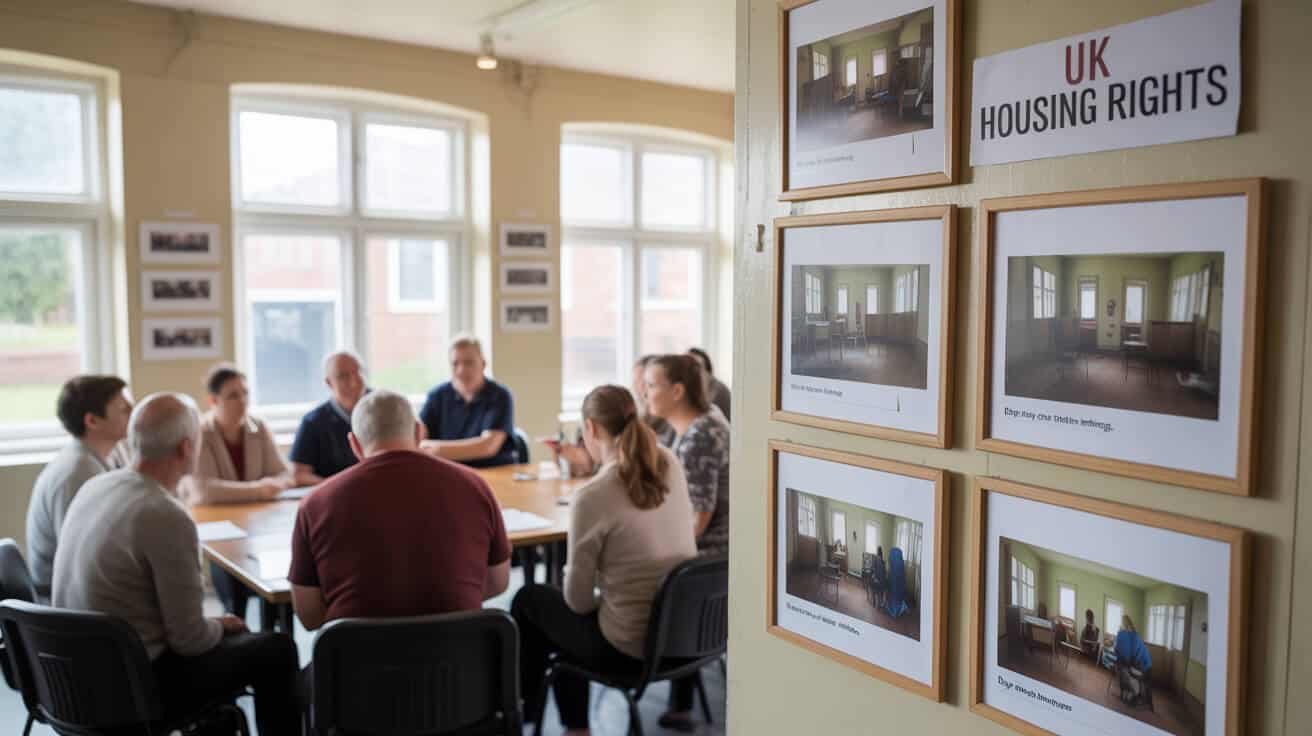
Building Safety Act PPM Requirements – HRB Safety Case
Building safety leaders responsible for higher-risk residential buildings need PPM regimes that actively support a robust Building Safety Act Safety Case, not just a history of servicing. By mapping each maintenance task to specific fire and structural risks, controls and evidence, you can show how real-world activity keeps critical safeguards effective over time, based on your situation. Completion looks like a clear chain from risks to controls to PPM tasks and records that regulators, insurers, boards and residents can follow without specialist knowledge, with duties and boundaries agreed. From there, conversations about budgets, access and disruption start from visible risk reduction rather than abstract maintenance spend.


Author
Izzy Schulman

Align HRB Planned Maintenance With Building Safety Act Duties
If you manage higher-risk residential buildings, traditional “we’ve always done maintenance” thinking no longer satisfies the Building Safety Act. Regulators now expect your PPM regime to demonstrate how fire and structural risks are controlled over the life of each asset, not just that equipment is serviced.

That shift means clarifying which buildings are in scope, who holds which duties, and how each key risk control is supported by defined inspections, tests and records. By treating the Safety Case as a live system and using gap reviews to prioritise improvements, you can turn fragmented maintenance into coherent, defensible safety evidence.
- Map HRB scope, duties and accountable roles clearly
- Link PPM tasks directly to fire and structural risk controls
- Use gap reviews to target quick, high-impact safety improvements
Need Help Fast?
Locked out, leak at home, or electrical issue? All Services 4 U provides 24/7 UK locksmith, plumbing, electrical.
Testimonial & Clients Who Trust Us
With 5 Star Google Reviews, Trusted Trader, Trust Pilot endorsements, and 25+ years of experience, we set industry standards for excellence. From Dominoes to Mears Group, our expertise is trusted by diverse sectors, earning us long-term partnerships and glowing testimonials.
Worcester Boilers

Glow Worm Boilers

Valliant Boilers

Baxi Boilers

Ideal Boilers

Make Your HRB PPM Work For Your Building Safety Act Safety Case
Your higher‑risk building PPM only really supports your Safety Case when it is designed as formal safety evidence that links tasks to specific fire and structural risks, not just as “good engineering practice.” Every key activity should be tied to a risk, a control and clear evidence, showing how defined activities keep critical controls effective and how records prove that over time in a way regulators, insurers, residents and boards can follow quickly, with standards and duties aligned through a compliance hub approach. In the post‑Grenfell regime, the Building Safety Act expects you to demonstrate how your PPM keeps fire and structural risks managed over the life of each higher‑risk building, not simply that equipment is serviced, and providers such as All Services 4U can help you reframe maintenance so it reads as Safety Case evidence rather than routine activity.
This information is general and does not constitute legal, engineering or fire‑risk advice; you should always take competent professional advice on your specific buildings.
Clarity about risk, control and evidence turns routine maintenance into real assurance.
Clarify which buildings are HRBs and who holds the duties
You cannot design a credible HRB PPM regime until you know exactly which buildings are in scope and who holds the legal duties for each, which is why many teams start by aligning definitions and responsibilities with a compliance hub. A clear schedule of higher-risk buildings and a simple duty map for structure, exterior and common parts is the foundation for every later decision on tasks, evidence and governance. A higher-risk building is generally a residential building over a defined height or storey threshold with at least two residential units, and each such building must have one or more Accountable Persons, with a single Principal Accountable Person coordinating building safety. In practice, the first step is to produce a definitive list of your HRBs and a visual map showing who is responsible for which parts of each asset.
Without that agreed baseline, you cannot sensibly design or audit maintenance against legal expectations, nor can you explain to residents who is carrying which duty. It also becomes very difficult to prioritise across multiple HRBs or to defend decisions about sequencing when regulators or boards ask why one building moved before another.
Turn “maintenance” into explicit Safety Case evidence
To support a Safety Case, every significant PPM activity on an HRB should trace back to a specific risk, a specific control and a defined argument about why that risk is acceptable. Regulators are not reassured by generic statements about servicing; they want to see how your inspections, tests and servicing keep key risk controls effective and how your records demonstrate that over time.
Under the new regime, regulators will ask how your inspection, testing and servicing prevent uncontrolled fire spread or structural failure. That means you should be able to point from each major risk in the Safety Case to the controls that manage it, and then to the PPM tasks that keep those controls effective and available when needed.
A pragmatic way to do this is to list your key risk controls (for example, compartmentation, automatic detection, smoke control, firefighting lift availability) and then, for each, identify the inspections and tests that prove it is still working as designed. Those tasks, their frequencies and their records form the backbone of your Safety Case evidence and make it much easier to answer direct questions from regulators and insurers.
Make the risk–PPM–evidence chain visible to non‑specialists
Non‑specialists will back intrusive PPM programmes far more readily when they can see the link between disruption, cost and risk reduction. A short, visual chain from “building and residents” through “main risks and controls” into “key PPM activities and evidence” makes that connection much easier to grasp than a long technical description.
Boards, residents and even some senior managers will not read legislation or standards, but they are still accountable for decisions. A one‑page diagram showing “building → main risks → main controls → key PPM activities → evidence” is often more powerful than a long narrative or a dense schedule of tests and visits.
When you can show, for example, that quarterly fire door inspections, monthly lift checks and annual structural surveys all sit under a clear fire and structural risk storey, conversations about budget, access and disruption become easier. People can see exactly what they are buying in terms of risk reduction, not just line items on a maintenance spreadsheet.
Treat the Safety Case as a live system, not a document project
A Safety Case should describe how risk is actually controlled today, not a future state you hope to reach later, so you need to improve the regime and the evidence in parallel with drafting. Trying to write a polished document first and retrofit practice afterwards almost always exposes gaps when regulators ask for real‑world proof.
A common early mistake is to treat the Safety Case as a one‑off report that can be drafted first and “back‑filled” with maintenance arrangements later. The Building Safety Regulator expects the opposite: a Safety Case that accurately describes how you are already managing risk in practice, including your PPM regime and how you respond to defects, near misses and resident concerns.
If your maintenance is still largely reactive, undocumented or weakly governed, it will show in the Safety Case and in any review of your golden thread. The realistic path is to improve the regime and the evidence, then use that reality as the basis of your Safety Case arguments so the document and the day‑to‑day practice reinforce each other.
Use an initial gap review to set priorities
A short, honest review of a single HRB against Safety Case expectations will quickly show where your PPM is weakest and where you can improve most quickly. You are looking for gaps in scope, frequency, responsibilities and evidence, not minor formatting issues, so you can target effort where it most reduces risk.
Once you have a basic understanding of scope, duties, risk controls and communications, it is sensible to ask a blunt question: “If we had to submit this building’s Safety Case tomorrow, where would our PPM look weak, patchy or unjustified?” The answer is almost always that some systems are well covered while others have thin or inconsistent evidence.
A focused gap analysis against Safety Case expectations will highlight quick wins such as consolidating certificates, plugging obvious inspection gaps, clarifying responsibilities, and standardising templates. That gives you early risk reduction and builds momentum for the deeper redesign work that follows, whether you handle it internally or with support from a specialist such as All Services 4U.
Where HRB PPM Typically Fails Under the New Regime
Most organisations have “always done maintenance,” but the Building Safety Act exposes old weaknesses that were easy to ignore, such as fragmented records, a narrow legal focus on only a few regimes, reactive culture, weak governance and unclear boundaries in complex buildings. Under the new regime, the same habits now appear as control failures: scattered records, regimes built around one piece of legislation, reactive make‑safe jobs, boards treating PPM as “just FM,” incompatible data across systems and fuzzy boundaries in mixed‑use assets. Seeing these patterns clearly helps you avoid treating Safety‑Case preparation as a simple paperwork tidy‑up.
The main failure patterns you tend to see in HRB PPM are:
- Fragmented information: – records scattered across portals, emails and paper.
- Narrow legal focus: – only fire, gas and electrical regimes in view.
- Reactive habits: – make‑safe jobs with little analysis or learning.
- Weak governance: – boards see cost lines, not safety controls.
- Incoherent data: – no link between assets, tasks and records.
- Fuzzy boundaries: – shared systems falling between different dutyholders.
When you recognise these patterns, it becomes easier to explain why a simple “tidy the paperwork” approach will not be enough under the higher‑risk building regime.
Fragmented information makes you look out of control
If a regulator, insurer or accountable person asked for the status of safety‑critical maintenance on one tower today, you should be able to answer in minutes, not days, with a clear picture of tasks, findings and open defects. That is impossible if your records are scattered across contractor portals, email chains, paper logbooks and under‑configured CAFM systems. In many portfolios, records live in separate contractor portals, email folders, paper logbooks and loosely configured CAFM systems, with no single view for each building. Teams then spend days assembling ad hoc evidence packs for audits or incidents.
That fragmentation is more than an inconvenience. It makes it hard to demonstrate that all required checks are being done on time, that defects are picked up and closed, and that trends are understood. From a regulator’s or insurer’s perspective, it suggests weak management control over critical risk controls rather than an organised building‑safety regime.
Over‑reliance on a single piece of legislation
The Safety Case regime expects you to manage the combined effect of several legal frameworks, not only the historic fire, gas and electrical obligations. If your PPM still mirrors a narrow, pre‑BSA compliance checklist, you will miss important systems and scenarios that now sit firmly in scope.
Before the Building Safety Act, many landlords focused primarily on the Fire Safety Order and on gas and electrical regulations. Fire risk assessments, annual gas checks and periodic EICRs were treated almost as a compliance checklist, with other elements handled as budget and time allowed.
The new regime does not remove those duties; it layers on additional expectations around higher‑risk buildings, Safety Cases, accountable persons and golden‑thread information. If your PPM regime still reflects only the older fire and workplace regimes, you are likely to have blind spots in areas such as façade systems, smoke control, firefighting lifts and structural monitoring that now matter to regulators and insurers alike.
Reactive culture and undocumented fixes
A make‑safe culture that is not matched by analysis, learning and documentation is no longer defensible under a Safety‑Case regime. You need to be able to show how repeated faults and near misses are understood and how they change maintenance, design or operation.
A long‑standing pattern in some housing and FM teams is to “get someone out” and “make safe” in response to issues, then move on without full investigation or documentation. That might have been tolerated historically; it now sits uneasily with a regime that asks you to show that risks are being managed so far as reasonably practicable and that systems perform as intended over time.
If repeated faults in a smoke control system or firefighting lift are only recorded as individual jobs, with no analysis of root causes, no linkage to risk controls and no update to the Safety Case, you will struggle to justify ongoing risk levels. In the worst case, this can be seen as a failure to learn from defects and near misses.
Governance that treats PPM as “just FM”
When boards and audit committees see PPM only as an operating expense rather than a safety control, safety‑critical issues do not get the attention they need and funding decisions become short‑term. Under the Building Safety Act, that gap is itself a governance risk.
Under the Building Safety Act, planned maintenance of safety systems is part of building safety governance, not just operational delivery. Yet in many organisations, boards and audit committees see maintenance primarily as a cost centre rather than as a core risk control.
Signs of this include limited visibility of overdue safety‑critical tasks at board level, PPM performance reported in purely financial terms, and weak challenge on contractor competence and evidence quality. In that environment, even well‑intentioned technical teams may struggle to secure the support they need to meet new expectations or to deliver the PPM regime the Safety Case assumes.
Poor data structures across systems and disciplines
Safety‑Case logic assumes you can follow a clear trail from risk to control, to asset, to task and record. When each discipline labels assets, locations and documents differently, even simple questions become painful to answer and confidence in the data declines rapidly.
Higher‑risk buildings often have complex mechanical, electrical, fire and structural systems. If each discipline uses different asset identifiers, location names and document structures, it becomes extremely difficult to answer simple questions such as “how many doors in this compartment have failed inspection in the past year?” or “which floors have repeated faults on the smoke control system?”
A Safety Case and golden‑thread logic assume that you can follow the trail from risk, to control, to asset, to maintenance tasks, to records and outcomes. Without joined‑up data, you will end up producing ad hoc spreadsheets and manual cross‑references each time you prepare evidence or respond to scrutiny, which increases cost and reduces confidence.
Unclear boundaries in complex or mixed‑use HRBs
In mixed‑use or layered ownership structures, assets that are vital to resident safety often sit on, or serve, spaces held by different parties. If maintenance responsibilities are not spelled out, everyone assumes someone else is dealing with the problem and key systems fall into gaps.
Many higher‑risk buildings are part of mixed‑use schemes or sit above commercial podiums, car parks or other structures owned by different parties. Where repairing obligations and control over systems such as risers, smoke shafts, plant rooms and access routes are shared or split, it is easy for critical items to fall into gaps.
If it is not crystal‑clear which accountable person or responsible person is maintaining which assets, on what schedule, and under which regime, the risk is that nobody has complete assurance. That ambiguity will be of particular interest to regulators and insurers if anything goes wrong, and it makes it harder to persuade residents that you are truly in control.
Our Safety‑Case‑Led HRB PPM Advisory and Delivery
![[ALTTOKEN]](https://allservices4u.co.uk/app/uploads/2026/01/04-Building-Safety-Act-PPM-Requirements-HRB-Safety-Case.jpg)
To bring your HRB PPM regime up to Building Safety Act expectations, you need more than an updated calendar; you need a risk‑based, evidence‑led design that sits comfortably inside a Safety Case and can be delivered by your current teams and suppliers. Against that backdrop, a Safety‑Case‑led approach is about designing PPM from first principles of risk and evidence, then making it workable for your existing teams and supply chain. All Services 4U focuses on turning maintenance into Safety‑Case‑ready evidence rather than simply adding more visits and certificates, helping you translate legal and technical expectations into a practical regime instead of simply increasing task volume.
Working backwards from the Safety Case
The most reliable way to design Safety‑Case‑ready PPM is to decide what you will claim about fire and structural risk, then identify the minimum evidence needed to support each claim by asking a simple question: “What are we claiming in our Safety Case, and what evidence do we need to support those claims?” You can then build your PPM regime around generating and keeping that evidence, instead of treating tasks in isolation, and focus on safety‑critical elements rather than on every single asset or traditional trade grouping.
For example, if your Safety Case relies on compartmentation, automatic detection, smoke control and firefighting access to control a particular fire scenario, then your PPM must include targeted inspections and tests of fire doors, fire‑stopping, detection loops, dampers, fans and lifts that directly support that scenario. Each task should be traceable to a risk, a control and a Safety Case argument rather than appearing as an isolated line in a contract.
Building an integrated PPM matrix for life‑safety systems
For each HRB, you need a single, consistent view of the life‑safety systems, the tasks that keep them reliable and the evidence that proves it. An integrated PPM matrix delivers that in a format boards, regulators and suppliers can all understand and removes the need to reconcile multiple contractor schedules by hand.
In many organisations, each contractor has its own schedule and reporting format, making it hard to see the whole picture. A Safety‑Case‑aligned matrix brings the key systems together on one page per HRB: alarms, emergency lighting, smoke control, risers, sprinklers, firefighting lifts, evacuation lifts, fire doors, structural elements and façade systems.
For each, the matrix can set out scope, frequency, standard or guidance reference, responsible party and evidence output. That becomes the reference point for CAFM configuration, contract specifications and Safety Case mapping. It also reveals where no one is currently inspecting or maintaining something that is critical to your risk storey and prompts targeted action instead of generic “do more” messages.
Clarifying responsibilities across all dutyholders and providers
If several organisations share the building, you need a clean, written view of who maintains which safety‑critical assets, on what basis and under which legal duty. Without that, even a well‑designed PPM regime will leave regulators unsure who is actually in control and residents unclear who to trust.
The Building Safety Act introduces Accountable Persons and the Principal Accountable Person, but the Fire Safety Order, workplace regulations, CDM and lease obligations continue to allocate duties to responsible persons, employers and others. In practice, that can create overlapping or unclear responsibilities for PPM on key systems.
As part of an advisory engagement, it is sensible to produce a straightforward responsibility matrix for each HRB, covering systems, tasks and records. This avoids situations where the landlord assumes the managing agent is handling something, the agent assumes the specialist contractor is doing it, and the contractor believes it sits with another party entirely, leaving no one clearly in charge.
Working with, not against, your existing supply chain
A workable Safety‑Case‑ready regime has to fit your current people, systems and contracts or you will only see short‑term improvement before old habits resurface. The aim is to upgrade scopes, templates and workflows so existing providers generate the evidence you actually need, rather than replacing everyone at once.
Few organisations have the appetite or budget to throw away all their existing contracts and systems. A more sustainable approach is to work with your current consultants, FM providers and in‑house teams to refine scopes, templates and workflows so they align with Safety Case and golden‑thread expectations without breaking day‑to‑day service.
That might involve adding specific tasks or frequencies, changing report formats to capture the data you actually need, clarifying escalation routes for critical defects, or resetting expectations about evidence quality. All Services 4U typically helps clients co‑design these changes with the people delivering the work, rather than imposing them unilaterally.
Linking technical delivery to resident engagement
Residents will only support intrusive inspection and remedial work if they understand how it protects them, so your technical storey and your resident communications need to line up. When that happens, access and cooperation become easier to secure and complaints tend to fall.
PPM inevitably interacts with residents through access requests, noisy works and periodic disruption. If safety teams design PPM in isolation and resident engagement teams communicate in generic terms, friction is inevitable and missed appointments multiply.
Advisory support can include developing communication packs that explain, in building‑specific language, why certain checks are done, how often, what residents can expect on the day, and how findings feed into wider safety management. That coherence reduces refusals, missed appointments and complaints, and it reassures residents that maintenance is part of a serious, structured approach to building safety.
Providing interim leadership where capacity is limited
Many organisations know what needs changing but lack the capacity to lead a multi‑disciplinary programme while also running day‑to‑day operations. In those situations, short‑term external leadership for a few priority buildings can unlock progress and give your team a model to copy.
Some organisations, particularly smaller landlords or those with many higher‑risk buildings, do not have the internal bandwidth to design and drive a new regime while meeting day‑to‑day obligations. In those cases, short‑term external leadership can help get the first few buildings into good order while mentoring internal staff to take over.
That might mean leading multidisciplinary working groups, chairing a building safety committee for a period, or owning specific workstreams such as asset register improvement or evidence consolidation. The aim is always to build lasting internal capability, not permanent dependence on outside support.
Regulatory, Technical and Commercial Assurance for HRB PPM
Once you have a sensible design for your HRB PPM regime, you still need to show that it works in practice and stands up to scrutiny from regulators, insurers, lenders and boards. Assurance activities turn a written plan into something you can defend in a Safety Case, in audits and in commercial negotiations. These assurance steps also reassure residents and staff that your approach is more than a paper exercise and that you are prepared to confront uncomfortable findings rather than smoothing over them, so All Services 4U typically treats assurance as a core workstream, not an afterthought.
Embedding PPM into your building‑safety management system
PPM for an HRB should sit inside a formal building‑safety management system, with policies, procedures, roles and review cycles, not as an isolated operational schedule. That system is what you point to when asked how you know your maintenance regime is effective and properly governed. A building‑safety management system is the set of policies, processes, roles and monitoring arrangements you use to control fire and structural risks, and in a higher‑risk building PPM should appear clearly in that system as a controlled process, not just as an operational activity tracked in isolation by a CAFM platform or supplier portal.
That includes defined objectives for maintenance, documented procedures, competence requirements, change control for systems and configurations, and regular management review. When auditors or regulators ask how you know your PPM is effective, you should be able to point to this system, not just to a stack of certificates or spreadsheets created for one‑off inspections.
Stress‑testing Safety Case arguments against real evidence
Periodically testing your Safety Case claims against actual PPM records helps you pick up drift between “what we say” and “what we do.” It also shows regulators and boards that you are looking for gaps and responding to them, not relying on optimistic assumptions.
A Safety Case often starts from risk assessments, design intent and professional judgement, then adds evidence in the form of surveys, test certificates and maintenance records. Over time, however, there is a risk that reality drifts away from the original assumptions as buildings are altered, occupancy changes and budgets tighten.
A structured “stress‑test” involves taking key Safety Case claims and asking two questions: “What would we expect to see in the world if this claim were true?” and “What do our PPM records actually show?” If, for example, you claim that smoke control will clear escape routes within a certain time, but maintenance logs reveal repeated failures or overdue remedial works, that gap must be addressed openly and quickly.
Considering how the market sees your maintenance culture
Your maintenance culture now shapes how insurers, lenders, valuers and rating agencies perceive your organisation. A clear, risk‑based PPM regime with strong evidence can support easier negotiations and help you avoid the harshest terms or restrictions on cover.
Insurers, lenders, valuers and rating agencies increasingly ask questions about building safety, cladding, fire risk management and maintenance practices. Their view of your risk culture can influence premiums, terms, valuations and access to finance in ways that directly affect your board and investors.
If you can show a coherent, risk‑based PPM regime, clear responsibilities, good evidence and honest treatment of residual risks, you are more likely to be seen as a competent, improving organisation. If, instead, you appear to be doing the legal minimum with poor documentation and weak follow‑through, you may face tougher conditions or struggle to secure approvals when you most need them.
Bringing golden thread principles into day‑to‑day operations
The golden thread becomes real when day‑to‑day maintenance creates accurate, structured, reusable data about assets and performance. You want to reach a point where any Safety Case question can be answered quickly from those records, without a fresh evidence‑gathering exercise each time.
The golden thread concept can sound abstract, but at maintenance level it is tangible: structured, accurate, up‑to‑date information about assets, risks, controls and performance. That requires more than scanning certificates into a folder or uploading PDFs to a portal.
For PPM, golden‑thread alignment might involve using a standard data structure for assets, recording tests and defects against those assets, linking records to drawings or models, and ensuring that any significant change to a system is captured in both design and maintenance information. When done well, this reduces the time and effort needed to answer technical questions and improves decision‑making across teams.
Using independent technical challenge on critical systems
For unusual or complex systems, independent peer review of your maintenance strategy adds credibility and reduces the risk of false comfort. It also helps boards feel more confident signing off Safety Cases that rely on those systems in high‑consequence scenarios.
Some aspects of an HRB, such as complex smoke control, unusual structural arrangements or novel façade systems, can raise questions that go beyond routine maintenance. In those areas, independent peer review of your inspection, testing and servicing strategy can give you and your board confidence that your approach is defensible if challenged.
That might cover whether your chosen test intervals are appropriate, whether your inspection methods are likely to reveal relevant defects, or whether your criteria for “pass” and “fail” are robust. It is particularly valuable where original design intent is unclear or disputed, or where you are relying on existing systems for longer than initially intended.
Aligning commercial contracts with evidence needs
Your contracts must explicitly require the data and reports that your Safety Case depends on, not just the physical visits. If evidence is not clearly specified, contractors will understandably focus on getting to site rather than on delivering documentation that stands up in audits.
Finally, consider whether your contracts with FM providers and specialist contractors explicitly require the outputs your Safety Case depends on. If evidence is treated as a “nice to have” rather than a contractual deliverable, it will be at risk when workloads or margins are tight.
Contracts can, for example, specify the content and format of reports, the time allowed to close defects of different severities, the requirements for traceability to assets and locations, and expectations for cooperation in audits or regulatory interactions. This closes the loop between what you promise in your Safety Case and what your suppliers are obliged to deliver.
Accreditations & Certifications






How We Design and Implement a Compliant HRB PPM Regime
![[ALTTOKEN]](https://allservices4u.co.uk/app/uploads/2026/01/03-Building-Safety-Act-PPM-Requirements-HRB-Safety-Case.jpg)
Designing a compliant PPM regime is only half the task; you then need to embed it across real buildings with real constraints. A structured implementation approach lets you lift standards, simplify oversight and increase evidence quality without paralysing day‑to‑day operations or overwhelming stretched teams. In practice, that means clearing up asset data, aligning tasks and frequencies with risk and guidance, making roles explicit, piloting on selected HRBs, building useful reporting and linking everything to remediation and legacy risk work, which All Services 4U typically phases so you see early gains before committing to full rollout.
Establishing a robust, risk‑classified asset register
A Safety‑Case‑grade PPM regime starts with a reliable, safety‑focused asset register for each HRB. You need to know exactly which assets matter most, where they are and how they relate to risk controls before you can decide what to maintain and how often. Every decision about what to maintain, how often and with what evidence starts from knowing what you have, and many organisations discover, when they look closely, that their asset registers are incomplete, inconsistent or not clearly linked to locations and systems, particularly for legacy stock.
An effective first phase is therefore to clean, consolidate and structure asset information for each HRB, tagging items by their safety relevance. Safety‑critical elements such as fire‑resisting doorsets, smoke dampers, risers, firefighting lifts, structural bearings and key façade components should be clearly identified. That enables you to focus effort where it matters most, rather than treating all assets as equally important.
Aligning tasks and frequencies with standards and risk
You then need to decide what you will check, how often and why that pattern is reasonably practicable for each building. That means combining standards, guidance and specific risk factors, and being ready to explain your reasoning in the Safety Case when asked by regulators or insurers.
Once assets and criticality are clear, you can design task lists and frequencies that make sense both in law and in practice. For many systems, British Standards and sector guidance offer suggested inspection and servicing intervals. Recent regulations add some specific recurring duties for high‑rise residential buildings.
However, you are still expected to exercise judgement and to document why particular intervals are reasonably practicable, considering building design, use, occupancy and history. Where you diverge from common practice, you should have a reasoned argument in your Safety Case, not just a budget constraint or “that is how we have always done it” as justification.
Embedding competence and role clarity in the process
For safety‑critical tasks, you must be able to show that the right people are doing the right work at the right level of supervision. Clear role definitions and competence criteria protect residents and support any later investigation or challenge.
A PPM plan is only as good as the people delivering it. For higher‑risk buildings, you should be able to show that safety‑critical tasks are done by suitably competent personnel, whether in‑house or external. That involves specifying qualifications, experience, supervision and ongoing training in a way you can evidence.
Clarity about who is responsible, accountable, consulted and informed for each task and system helps avoid confusion and delay. It also supports investigation if something goes wrong, showing that you had thought through responsibilities rather than leaving them to custom and practice or vague job descriptions.
Phasing rollout through pilots and learning loops
Rolling out changes across all buildings at once is usually unrealistic and risky. Instead, you can pilot the new regime on one or two HRBs, refine the approach based on real feedback, then expand with more confidence and less disruption.
Trying to change everything everywhere at once is rarely successful. A more resilient approach is to select one or two HRBs representing different risk profiles or management arrangements, implement the new regime there first, and learn from the experience.
Pilots allow you to refine workflows, adjust CAFM configurations, agree evidence formats, test resident communications and iron out unexpected issues. Lessons from those pilots can then be applied systematically to other buildings, creating a virtuous cycle of improvement rather than a series of disconnected fixes.
Step 1 – Clean and classify your asset data
Bring asset lists together, remove duplicates and tag safety‑critical items so you know where to focus effort and what information is missing.
Step 2 – Design risk‑based task sets and intervals
For each critical asset, agree tasks and frequencies that reflect legal duties, standards and local risk, and document your reasoning so it can feed into the Safety Case.
Step 3 – Set competence and responsibility rules
Define who can do which tasks, under what supervision, and who signs off completion and evidence, so you can show regulators that roles and skills are controlled.
Step 4 – Pilot, review and refine on priority HRBs
Trial the new regime on a small number of HRBs, fix issues and document lessons before wider rollout so you avoid repeating the same problems at scale.
Creating meaningful reporting for operations and governance
Reports must help teams run the building day to day and give senior decision‑makers clear assurance. That means designing views that highlight critical exceptions and trends, not just long lists of tasks or raw data dumps that no one has time to interpret.
To manage and assure PPM effectively, you need reporting that is both operationally useful and informative for governance. At building level, teams need to see due and overdue tasks, defect statuses, access constraints and resource needs. At portfolio level, senior leaders need a view of overall completion rates, high‑severity exceptions and the readiness of evidence packs for each HRB.
Designing reports that answer those questions, without drowning people in data, is a critical design task. It is often helpful to co‑design dashboards with users so they reflect real decisions rather than abstract metrics, and to keep the Safety Case structure visible so people can see how their reports support the overall risk storey.
Integrating PPM with remediation and legacy risk management
PPM cannot compensate for fundamental design or construction defects, but it can reveal them earlier and help you manage risk while you plan remediation. You need a joined‑up view of what maintenance is showing you and how remediation will change future PPM needs and Safety Case arguments.
In many higher‑risk buildings, especially older stock, maintenance alone cannot bring risks to an acceptable level. Known issues with cladding, compartmentation, structure or services may require remediation programmes or compensatory measures that sit alongside PPM.
A mature regime therefore links PPM and capital works planning, so that inspections feed into remediation priorities and remediation changes feed back into maintenance needs and Safety Case arguments. That integration avoids duplication and ensures that your efforts all point in the same direction rather than pulling against each other.
Bringing residents into the implementation picture
As you implement new PPM regimes, you will need cooperation from residents for access and tolerance of disruption. Explaining what you are doing, why it matters and what will happen when things go wrong helps build that cooperation and supports your wider resident‑engagement duties.
Intrusive inspections, access requests and disruptive remedial works are now part of the safety landscape for many higher‑risk buildings. If residents only ever see works as inconvenience or cosmetic, your access rates and programme delivery will suffer, and frustration will grow.
By explaining clearly, in plain language and simple visuals, how regular checks on alarms, doors, risers, smoke vents, cladding and structure contribute to keeping the building safe, you start to build consent. That explanation should reference your legal duties in an accessible way and link specific tasks to tangible outcomes such as safer escape routes or reduced fire spread, rather than relying on technical terms alone.
Engagement Models, Fees and Risk‑Sharing Options
You will get more value from outside support if the engagement model matches your starting point, capacity and appetite for change. The aim is to de‑risk your Safety Case and raise your HRB maintenance standard without committing to more than you can realistically absorb in one step. In practice, that often means starting small with a bounded diagnostic, then moving into phased programmes and, where appropriate, limited outcome‑linked elements once both sides understand what is achievable, and All Services 4U structures engagements with those constraints in mind.
Starting with a bounded diagnostic
A tightly scoped diagnostic on one priority HRB lets you see your true position before you commit to wider change. You get a concrete gap list and early quick wins, not just a generic “do better” message that leaves teams unsure where to start. For many organisations, the lowest‑risk entry point is a focused diagnostic on one priority higher‑risk building that reviews your current PPM schedules, asset information, records, responsibilities and Safety Case draughts, then sets out gaps, quick wins and medium‑term actions.
A fixed‑fee, time‑boxed diagnostic gives you clarity on exposure and effort without committing to a full programme. It also allows you to test the working relationship and the practicality of recommendations with a limited, clearly defined scope.
Phasing broader programmes in clear stages
If you decide to move beyond a single‑building review, breaking the work into clear phases makes change manageable. Each phase should have specific outputs, decision points and success measures that your board can understand and track over time.
Where you decide to go further, it helps to break the work into understandable phases. One common pattern is to begin with evidence clean‑up and data alignment, then move into PPM regime redesign and pilot implementation, and finally roll out and embed across the portfolio.
Each phase can have clear deliverables, acceptance criteria and governance checkpoints. That structure helps you manage internal expectations, align with board decision cycles and track value over time, which is especially important where service charges, rents or budgets may be affected.
Aligning incentives around outcomes
In some cases, linking part of the fee to clearly defined outcomes can support focus and confidence on both sides. Outcomes must be realistic, measurable and under joint control, such as complete evidence packs for defined systems or timely delivery of agreed high‑priority tasks.
For some clients, it is appropriate to link elements of fee structure to agreed outcomes. Those outcomes might include delivery of complete evidence packs for particular systems, on‑time completion of defined high‑priority tasks, or improved assurance ratings in audits.
Outcome‑linked elements do not remove your responsibilities as dutyholder, but they can help ensure that external support remains focused on what makes a tangible difference to risk and compliance, rather than on producing documentation for its own sake or chasing lower‑value activity.
Working alongside existing consultants and providers
Any engagement that tries to displace all your current advisors and contractors at once is likely to meet resistance and create risk. A more realistic approach is to fit around what already works and only recommend change where there is a clear safety or assurance benefit.
Building safety touches many advisors and contractors: fire engineers, structural engineers, risk consultants, managing agents, FM providers and technology vendors. Any credible PPM engagement should fit into that ecosystem rather than trying to displace everyone else.
That means coordinating scopes, sharing information appropriately, agreeing boundaries and avoiding duplicate work. Vendor‑neutral advice is particularly valuable when you are considering new systems, platforms or frameworks and want a view that is not driven by product sales or by any single supplier’s preferences.
Planning affordability and funding pathways
As you uncover PPM and evidence gaps, you will also uncover underlying investment needs. Finance and service charge impacts have to be part of the conversation from the start, otherwise good ideas will stall when budgets are set and stakeholders push back.
Improving PPM regimes and evidence often reveals underlying maintenance or capital investment needs. Boards and finance teams need to understand how these will be funded, over what time frame, and with what impact on service charges or rents.
Early financial modelling of different scenarios, including phasing, can prevent unpleasant surprises and help you make realistic commitments. It also supports your conversations with residents, regulators, insurers and lenders about how you are managing both risk and affordability within legal and contractual constraints.
Prioritising across multiple higher‑risk buildings
If you are responsible for several HRBs, you need a simple way to decide where to act first. A basic risk‑based prioritisation supports honest conversations with regulators and residents about sequencing and protects you from accusations of cherry‑picking when resources are limited.
Where you are responsible for several higher‑risk buildings, it is rarely possible or necessary to treat them all identically at once. Factors such as height, occupancy, known construction issues, cladding type, previous incidents and regulatory deadlines should influence sequencing.
A simple risk‑based prioritisation can help you decide where to pilot new regimes, where to run diagnostics first, and where to schedule more in‑depth work later. That shows regulators and stakeholders that you are acting systematically and proportionately, not simply responding to the loudest voices or the buildings that shout first.
DIY and Generic FM vs Safety‑Case‑Ready PPM
It is tempting to assume that updating a spreadsheet, tweaking CAFM tasks or leaning harder on your generic FM framework will be enough for the Building Safety Act, but this usually produces a neater version of the old regime rather than a Safety‑Case‑ready one. The key difference is whether maintenance is explicitly designed as risk evidence rather than as a list of trades and visits. A useful way to think about this is to compare DIY or generic FM updates with a Safety‑Case‑ready approach across design intent, risk mapping, documentation quality and external confidence, which helps you justify why more structured change is worth the effort.
The difference between a neater calendar and a Safety‑Case‑ready regime
DIY updates usually improve task descriptions and frequencies but stop short of linking activities to specific risks and Safety Case arguments. A Safety‑Case‑ready regime, by contrast, starts from risk and works forward to tasks, evidence and governance that you can explain in plain language, whereas adjusting task descriptions or frequencies in a CAFM system can certainly improve housekeeping but, unless you have explicitly mapped tasks to risks, controls and Safety Case arguments, you may simply have a tidier version of the old regime that still fails when challenged.
A Safety‑Case‑ready regime requires you to be able to explain why each safety‑critical task exists, how often it is done, who does it, how results are interpreted and how issues are escalated. That is more than a calendar exercise; it is a design and governance exercise that has to stand up in front of regulators, insurers and residents.
Trade‑based PPM in a risk‑based world
Generic FM is often structured by trade, not by risk, so contracts read as fire, lifts, HVAC and so on. Under the new regime you are assessed on how well you manage building‑level scenarios, so you need to understand and maintain the way systems interact, not just each component in isolation.
Traditional FM contracts tend to group tasks by trade: the fire contractor, the lift contractor, the HVAC contractor and so on. Each optimises within its own silo and may deliver well against that narrow scope.
The Building Safety Act, Safety Cases and golden‑thread logic ask a different question: how do all these systems work together to prevent major incidents and to protect residents? If you continue to design and assess PPM purely on a trade basis, you risk missing cross‑system interactions and dependencies that matter in real fire or structural scenarios.
Documentation that stops at “visit completed”
DIY templates and some FM portals record attendance but not the storey of performance over time. For Safety Case purposes, you need records that reveal patterns, support investigation and show that you respond to emerging risk, not just tick boxes to confirm that someone attended site.
Many existing templates and portals record that a visit took place and perhaps that equipment “passed” or “failed,” but do not capture trends, root causes, actions, closure times or the impact on risk controls. For a Safety Case, you often need to show patterns over time and your response to them.
That might include repeatedly failing doors in a particular lobby, frequent alarms on a specific smoke control zone, or recurring faults on risers serving certain floors. Without that level of insight, your ability to argue that risks are managed as low as reasonably practicable is weakened and you have less to offer insurers or investigators after an incident.
Consequences beyond regulatory compliance
Relying on minimal or generic PPM regimes does not only affect your relationship with the regulator; it can also undermine insurance terms, lender confidence, valuations and resident trust. Those consequences tend to surface at the worst possible time, such as after an incident or during refinancing when you most need support.
Weak or generic PPM regimes do not only raise the risk of regulatory challenge. They can also contribute to tougher insurance conditions, reduced lender confidence, valuation discounts and resident distrust. When incidents occur, investigation reports increasingly look at how maintenance and evidence were managed over time, not just at a single point.
A stronger regime, by contrast, gives you a basis for more constructive discussions with insurers and lenders and a better storey to tell residents about how you are looking after their building. The same evidence that supports your Safety Case can also support these wider commercial and reputational conversations.
Complexity from tenure and ownership structures
Standard FM templates rarely handle intricate ownership and repairing obligations well. HRBs with mixed tenure and layered freehold, leasehold and head‑lease structures need tailored PPM regimes that respect who is actually responsible for what and which legal duties they are discharging.
Off‑the‑shelf maintenance templates are rarely designed to handle complex tenure mixes and repairing obligations. Higher‑risk buildings may have leasehold flats, rented units, shared ownership homes and commercial spaces, with different parties responsible for different elements.
Unless your PPM regime explicitly reflects who is responsible for which assets and spaces, you may end up maintaining things you are not obliged to maintain, or failing to maintain things you are. That is both a legal and a financial risk and it becomes harder to defend when residents, leaseholders, insurers or regulators start asking detailed questions.
Being realistic about internal capacity
A DIY approach absorbs time and attention that are already in short supply. If your team is already stretched, you should be honest about whether you can safely take on a full PPM redesign alongside normal operations and Safety Case work, or whether limited external help would allow you to move faster with less risk.
Interpreting evolving guidance, consulting residents, coordinating with multiple advisors, updating contracts and reconfiguring systems can be demanding. Some organisations have the internal capability to do most of this work; others benefit from targeted external support to accelerate progress and avoid avoidable missteps.
The decision is less about pride and more about risk and opportunity cost. If internal capacity is tight, a short, focused engagement with a provider such as All Services 4U can help you move faster while still keeping ownership of key decisions and ensuring that long‑term competence stays in‑house.
Reliable Property Maintenance You Can Trust
From routine upkeep to urgent repairs, our certified team delivers dependable property maintenance services 24/7 across the UK. Fast response, skilled professionals, and fully insured support to keep your property running smoothly.

Book Your Free Consultation With All Services 4U Today
All Services 4U gives you a straightforward way to see whether your current HRB PPM regime will stand up to Building Safety Act scrutiny and what to fix first. A short, no‑obligation consultation can turn vague concern into a clear, prioritised plan for one of your higher‑risk buildings and help you decide how much you want to handle internally. If you know that your higher‑risk buildings will face tougher questions from regulators, insurers, lenders or residents in the coming months, this is a simple way to get ahead of those conversations, save weeks of reactive work later and build a Safety Case that rests on solid, demonstrable maintenance practice.
If you know that your higher‑risk buildings will face tougher questions from regulators, insurers, lenders or residents in the coming months, this is a simple way to get ahead of those conversations. A focused discussion now can save weeks of reactive work later and help you build a Safety Case that rests on solid, demonstrable maintenance practice.
What we cover in a short consultation
In a typical session, you walk through one priority building, outline how maintenance is currently organised and evidenced, and flag any upcoming regulatory, insurance or internal deadlines. That live discussion helps surface where your regime already supports your Safety Case and where it may leave you exposed or relying on undocumented practice, and you can bring together asset, FM and risk or compliance leads so everyone hears the same analysis, can ask their own questions and request anonymised examples of Safety‑Case‑aligned PPM matrices, evidence packs and golden‑thread dashboards to compare your own arrangements against and share with your board or accountable persons.
In that conversation, you can bring together asset, FM and risk or compliance leads so everyone hears the same analysis and can ask their own questions. You can also request anonymised examples of Safety‑Case‑aligned PPM matrices, evidence packs and golden‑thread dashboards, so you have concrete models to compare your own arrangements against and to share with your board or accountable persons.
What you gain, whether or not you work with us
The aim of the consultation is to leave you with a short, realistic list of PPM and evidence improvements specific to your building, not a generic checklist that ignores your constraints. You can then decide whether to implement them internally, use existing partners or ask All Services 4U for further support on terms that suit your organisation.
If you are comfortable doing so, you can use the time to test All Services 4U’s approach against real situations you have faced recently, whether incidents, near misses or audit findings. That helps you assess cultural fit and the practicality of support on offer before you commit to anything more than the initial conversation.
Even if you decide not to proceed immediately, the aim is that you leave the session with a short, prioritised list of PPM and evidence improvements specific to your building. From there, you can choose to implement changes internally, work with existing partners, or invite All Services 4U to support you further on a phased, affordable basis.
If you are ready to move from concern to a clear plan, booking a free consultation with All Services 4U is a low‑risk first step. It gives you an informed view of your current regime, a set of practical next actions and a clearer sense of how well your PPM will support the Safety Cases you need to stand behind in front of regulators, insurers, lenders and residents.
Frequently Asked Questions
Explore our FAQs to find answers to planned preventative maintenance questions you may have.
How can a landlord or owner tell their current contractor is quietly putting them at risk?
You know a contractor is quietly putting you at risk when you’re holding all the liability and doing all the thinking, but they’re holding the tools and doing the bare minimum.
What are the clearest day‑to‑day signs your contractor is a liability, not an asset?
A few patterns come up again and again when owners switch away from underperforming providers:
1. You only see evidence when you chase hard
If every FRA log, CP12, EICR, L8 record, damp survey or roof photo needs three emails and a phone call, your contractor is not running an evidence‑first operation.
That matters because insurers, lenders and tribunals care about dated, traceable records, not “we did our best.” If you can’t forward a clean, per‑building pack in minutes, you own the downside when something goes wrong.
A safe baseline: for any building, you should be able to pull a single, indexed bundle of fire, gas, electrical, water hygiene and roof evidence without going on a forensic hunt through inboxes and WhatsApp threads.
2. The same problems keep coming back
Repeated leaks on the same stack, the same front door failing to close, the same alarm head generating call‑outs, the same damp patch painted over again and again usually means:
- No root‑cause diagnosis.
- No link from reactive jobs back into planned maintenance.
- No interest in protecting your long‑term repair bill or asset value.
When a contractor is genuinely protecting your property maintenance risk, you see a pattern of defects eliminated, not just invoices raised.
3. You hear reality from residents before you hear it from them
If the first you hear of operational issues is:
- “The lift’s always down.”
- “No one ever turns up when they say.”
- “We’ve reported this three times already.”
…your contractor is letting your brand and reputation take the hit. A risk‑aware partner will:
- Flag service pressure points before residents do.
- Give you a short, clear storey per job you can pass straight to residents, boards or insurers.
You shouldn’t be the one stitching together the narrative they should already be managing.
4. Spend goes up but your sense of risk doesn’t go down
If your service charge or OPEX is rising and you still feel exposed on:
- Fire safety (FRA actions, alarms, emergency lighting, fire doors).
- Damp and mould (under Awaab’s Law expectations).
- Insurance (conditions precedent for locks, roofs, inspections).
- Refinancing (EWS1, EICR, CP12, water hygiene).
…you’re buying labour hours, not risk reduction.
A simple test you can run today: pick one building and one recurring issue – for example, persistent damp in a corner flat or a roof that keeps leaking. If you cannot, on a single page, answer:
- What’s been done?
- When it was done?
- Who did it and with what competence?
- What they found?
- Whether the root cause was fixed and re‑checked?
…then your current contractor is operating off your balance sheet and your reputation. That is exactly the gap an evidence‑first, risk‑aware maintenance partner is designed to close for landlords and owners who are tired of carrying other people’s risk.
- Align HRB Planned Maintenance With Building Safety Act Duties
- Make Your HRB PPM Work For Your Building Safety Act Safety Case
- Where HRB PPM Typically Fails Under the New Regime
- Our Safety‑Case‑Led HRB PPM Advisory and Delivery
- Regulatory, Technical and Commercial Assurance for HRB PPM
- How We Design and Implement a Compliant HRB PPM Regime
- Engagement Models, Fees and Risk‑Sharing Options
- DIY and Generic FM vs Safety‑Case‑Ready PPM
- Book Your Free Consultation With All Services 4U Today
- Frequently Asked Questions
- Related PPM Services
Related PPM Services
Case Studies


Related Articles

Your Guide To Identifying And Treating Minor Mould Outbreaks
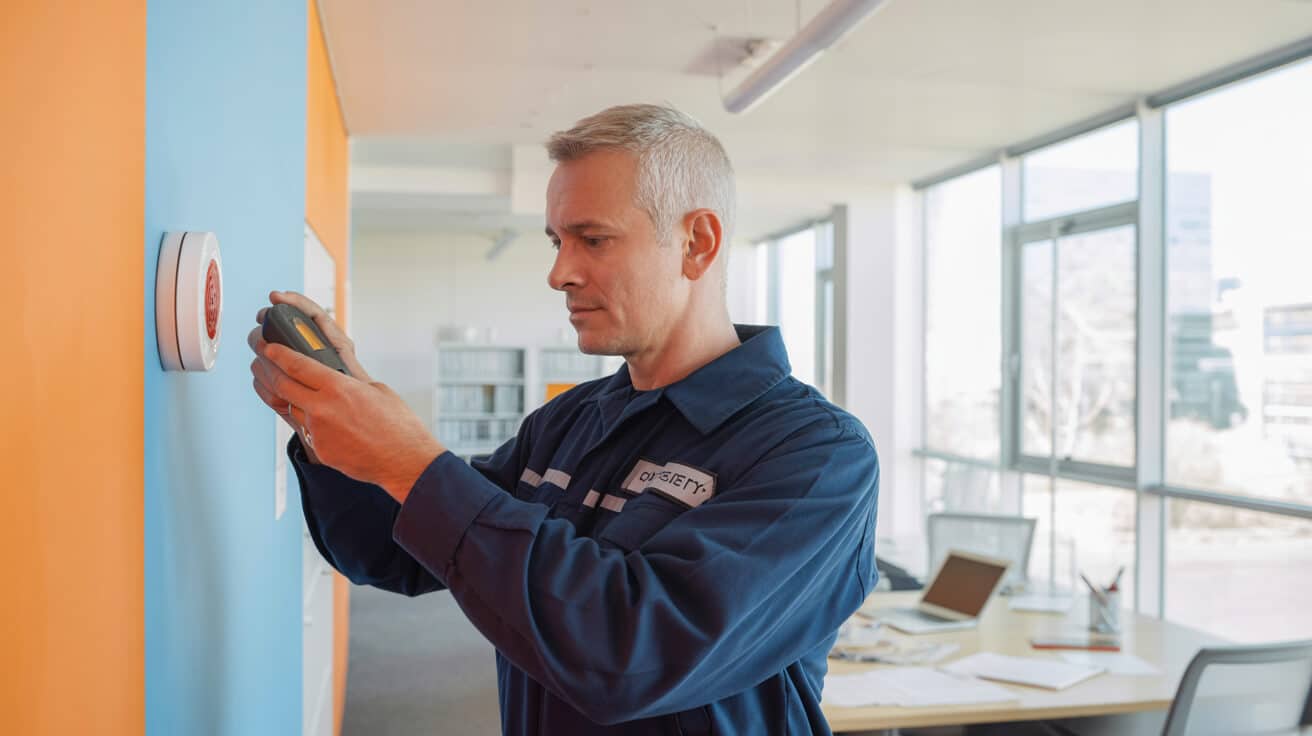
Why Planned Preventative Maintenance (Ppm) Saves Money And Ensures Compliance