Book an Expert Witness Consultation – Fixed-Fee Initial Report
Homeowners, landlords, property managers and legal teams use our fixed-fee expert witness consultation to understand damp, mould and property damage risks before committing to full expert evidence. We review an agreed document bundle, test your assumptions in a structured consultation and provide an independent initial report, based on your situation. By the end you have a clear preliminary opinion, key assumptions, exclusions and next-step options set out in plain language and agreed scope. It’s a focused first step when you want clarity and control before larger spend.



Author
Izzy Schulman

When damp, mould or building defects turn into a dispute, you need more than a contractor’s opinion or a vague quote. A fixed-fee initial expert report gives you a clear, disciplined first view of the technical issues and whether a viable case exists.
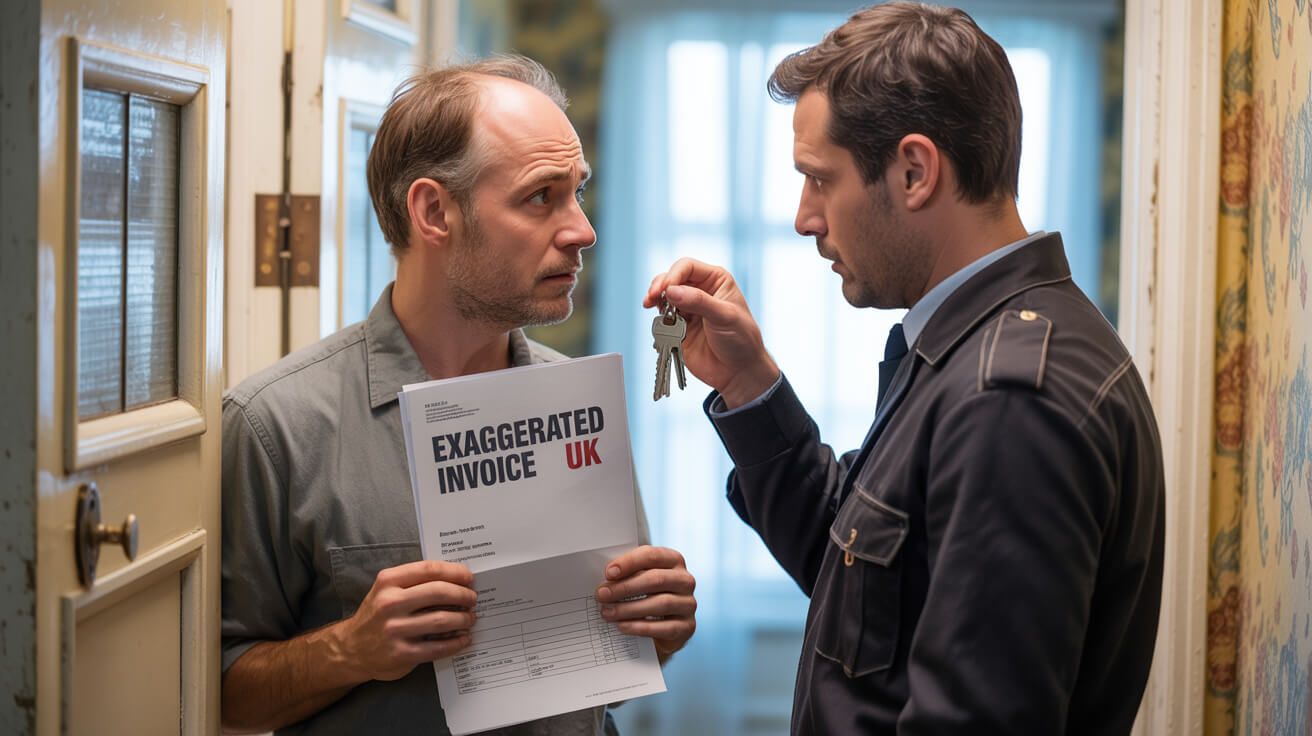
Instead of jumping straight into costly full reports, you book a tightly scoped first opinion that reviews core documents, tests your understanding and highlights gaps. This helps you decide if expert evidence is proportionate, what it should cover and when to escalate towards litigation, ADR or remedial work.
- Clarify whether your dispute justifies full expert evidence
- Understand inclusions, exclusions and fee change triggers upfront
- Time your booking to protect evidence and procedural options</p>
Need Help Fast?
Locked out, leak at home, or electrical issue? All Services 4 U provides 24/7 UK locksmith, plumbing, electrical.
Testimonial & Clients Who Trust Us
With 5 Star Google Reviews, Trusted Trader, Trust Pilot endorsements, and 25+ years of experience, we set industry standards for excellence. From Dominoes to Mears Group, our expertise is trusted by diverse sectors, earning us long-term partnerships and glowing testimonials.
Worcester Boilers

Glow Worm Boilers

Valliant Boilers

Baxi Boilers

Ideal Boilers

What You Are Booking at the Fixed-Fee Initial Report Stage
You are booking a tightly defined first opinion so you can decide whether to commit to full expert evidence.
At this stage you need an independent technical view on whether there is a viable case, what is missing, and what a full expert report would involve, from someone used to court and tribunal rules rather than a contractor’s informal view.
A good fixed‑fee package makes that purpose explicit. You usually receive:
- a conflict and suitability check
- a review of an agreed core bundle
- a structured consultation where you test your understanding and ask focused questions
- a short written initial report or note setting out preliminary views, key assumptions and suggested next steps
That report should still be independent. The expert tests the case against their discipline, points out weaknesses, gaps or alternative explanations, and explains them in plain language so you can use it internally and, if needed, plan later formal instructions.
If you may later need a court‑compliant report (for example, under rules on expert evidence such as Part 35), you should say so now, so this first work informs your decisions without cutting across procedural requirements later.
If that is the kind of focused first step you need, you can book a free consultation with All Services 4U to frame the fixed‑fee instruction and check that a first opinion is proportionate before you commission full expert work.
What the Fixed Fee Usually Includes, Excludes, and Escalates
You reduce surprises when you know exactly what the fixed fee buys and what it does not.
Most fixed‑fee initial report packages are built around a limited, pre‑defined scope. When you understand that scope before you book, you avoid frustration, disputes over extras and unplanned spend later.
What is typically included
Within a well‑defined fixed fee, you can usually expect:
- a conflict and independence check
- a review of an agreed bundle of core documents, such as letters of claim and response, key records and a small number of photographs or plans
- a time‑boxed consultation with you or your legal team to clarify the issues and answer discipline‑specific questions
- one written initial report or opinion, to an agreed length and format, explaining preliminary views and highlighting any major evidential gaps
Within that scope, the expert can flag likely strengths and weaknesses, outline possible mechanisms or causes, and indicate whether moving to a fuller report would be proportionate.
Common exclusions
The first fee almost never covers everything the case might ultimately need.
Common exclusions include:
- site visits, opening‑up works or laboratory testing
- reviewing large or late bundles beyond the agreed limit
- extensive follow‑up questions or conferences with counsel
- joint expert meetings, joint statements or formal responses to written questions
- attendance at mediation, tribunal hearings or trial
Those items are separate stages of work. A clear engagement letter should spell out what is in scope, what is out, and how you can authorise further stages if the case justifies them.
When the fee may change
A fixed fee can still change if the assumptions behind it change in a material way, for example if:
- the document set grows significantly beyond what was agreed
- new technical issues are added
- you decide that a site inspection, testing or a longer report is required
- the timetable shortens and you ask for urgent turnaround
You protect yourself by asking, before you book, what assumptions sit behind the fee and what would trigger a revised quote. Any additional work should be scoped and quoted for your approval before it proceeds.
When to Book Before Litigation, Tribunal, ADR, or Remedial Work
You get most value when you book once you can state the problem clearly, but before you lose key evidence or options.
You do not need every document lined up, but you do need enough shape to ask a sensible technical question and to tell the expert which forum you are working towards.
Pre‑action and early‑stage disputes
In many civil and housing disputes, you are expected to exchange information and explore settlement before issuing proceedings. An initial expert opinion at that stage can:
- help you frame a letter of claim or response more accurately
- stop you overstating or understating technical points
- inform whether you push towards litigation, negotiation or alternative resolution
If you wait until directions are set, expert deadlines may be tighter than you would like, and early pleading choices can be harder to unpick once they are on the record.
When the physical evidence may change
In property, construction and housing matters, physical conditions often change quickly. Repairs, strip‑out, replacement or mould treatment can make later reconstruction harder. Booking an initial report before major remedial work takes place gives you a more reliable technical baseline.
The same applies where records can degrade or be overwritten. If key evidence may not be available in the same form later, it is sensible to ask an expert at this stage whether early involvement is needed.
Around timetables, protocols and ADR
Courts, tribunals and regulatory bodies have their own rules and case‑management cultures. Some require permission before you rely on expert evidence. Others expect you to bring a clear technical understanding to mediation or preliminary hearings.
You put yourself in a stronger position when you decide which upcoming step the first opinion needs to inform and by when. That decision tells you whether you should book now, or wait until a particular trigger is reached.
What Common Booking Mistakes Make the First Report Less Useful
You often control how useful the first report is by the way you book it.
Several recurring mistakes make competent experts look less helpful than they are, simply because the instruction was unfocused or mis‑scoped.
Unfocused questions and oversized bundles
Sending everything “just in case” is tempting, especially if the dispute has been running for months or years. However, a sprawling, unfocused bundle:
- slows the expert down
- blurs the real issues
- increases the risk that you pay for time spent on material that never mattered
You get more value if you define one or two technical questions for this stage and send only what genuinely supports those questions.
Using the wrong type of opinion
Contractor notes, repair quotations, internal engineering comments or maintenance emails can be useful background. They are not the same as an independent expert opinion anchored to a dispute forum, and they are usually written to justify or sell a remedial route rather than to weigh alternative explanations neutrally.
An initial screening report is also not the same as a compliant court report. Treating it as if it were may lead to disappointment later, when you discover that form, declarations or instructions do not meet formal requirements.
Treating the expert as an advocate
It is natural to want the expert to be “on your side”. If the instruction invites advocacy rather than evaluation, you risk:
- a less credible opinion
- difficulties if you reach court or tribunal
- a missed opportunity for an honest reality check
You gain more, especially at the fixed‑fee stage, by asking the expert to explain strengths, weaknesses, unknowns and options in clear language, not to argue your case. In many matters, that kind of neutral evaluation has allowed an earlier, better‑informed settlement decision instead of a long, uncertain run‑up to trial.
A short consultation can help you frame a tight, neutral instruction so you avoid these traps and make the first report genuinely decision‑ready.
How a Fixed-Fee First Report Reduces Case, Cost, and Governance Risk

A well‑scoped fixed‑fee report is a filter for your case, not just another cost line.
Used properly, it improves strategy, contains spend, and strengthens your governance trail with boards, insurers, funders and residents.
Case strategy and proportionality
An early neutral opinion helps you:
- test whether allegations or defences are technically sustainable
- identify which issues are central and which are peripheral
- see what further evidence would actually move the dial
That makes it easier to decide whether to proceed, narrow, settle, challenge or stop. You can also show that you considered whether full expert evidence was reasonably required before you incurred larger fees.
Budget control and audit trail
If you answer to a board, auditors, landlords, residents or regulators, the “why” behind expert spend matters. A fixed‑fee first step with a clear written scope:
- shows that you started with a contained, decision‑oriented instruction
- allows you to explain later why you did or did not escalate to fuller work
- reduces arguments about wasted costs if a matter settles or changes course
You can, for example, explain that you began with a capped screening opinion and only moved to a full report once the expert confirmed it was proportionate. That is easier to defend than an open‑ended hourly instruction that grew without clear checkpoints.
Working with intermediaries and panels
You may already have panel experts or intermediaries in place. The test is whether the process:
- gets you to the right discipline and seniority
- screens conflicts and independence properly
- helps you frame a tight first instruction
All Services 4U is set up to support that first step, drawing on a vetted network of independent, court‑experienced experts across the relevant disciplines. The role is to help you identify the right type of expert, clarify scope and agree a fixed‑fee initial report that fits your forum and timetable, not to over‑specify work you do not yet need.
If you have panel routes in place, you can still book a free consultation to walk through how a fixed‑fee first instruction would work alongside your existing experts and your internal governance.
What to Prepare Before You Book the Consultation

You keep control of cost and usefulness by preparing a few specific items before you book.
You do not need a perfect file. You do need a clear question, a realistic bundle and the essential context.
Define the question in one sentence
Start by writing one sentence that finishes the phrase, “We need the expert to…”. For example:
- “…give an initial opinion on whether the damp pattern is consistent with building defects or lifestyle.”
- “…assess whether the documented delays are likely to meet the threshold for repudiatory breach.”
If you cannot do this yet, it may be too early to book. You may need a short internal discussion first, so you agree what you are really asking.
Assemble a core bundle, not the whole file
From your wider material, pull out:
- the key contractual or background documents
- the main letters before action and responses
- a small number of representative photographs, plans, test results or records
Leave out duplicates, long email chains that add no new facts, and historic documents that do not bear on the current issues. You can send more later if the expert identifies a specific need.
Clarify forum, deadlines and intended use
Before you book, decide:
- which forum you are working towards (for example, civil court, tribunal, arbitration, pre‑action only)
- the next hard deadline the opinion must inform (for example, protocol response, ADR, case management, internal reserve review)
- whether this first report is for internal advice and negotiation only, or whether you may later ask for a court‑compliant report
If you share that information up front, the expert can tell you how far this fixed‑fee stage can go and what would be needed beyond it. When you arrive at the consultation with these pieces in place, you can usually scope the fixed‑fee report in a single call.
Accreditations & Certifications








How to Compare Fixed-Fee Quotes Before You Book

You make a better decision when you compare quotes on fit and output, not just headline price.
Two similar figures can represent very different levels of work once you look at what you actually receive and how you will use it.
Look beyond the headline price
When you read a quote, check:
- whether the deliverable is clearly described (call only, short note, screening report, longer written opinion)
- how many hours or pages of review are assumed
- whether a short follow‑up clarification is included
A lower fee that buys only a brief verbal steer may be less valuable than a slightly higher fee that includes a concise written opinion your team can rely on.
Assess fit, format and assumptions
Ask yourself whether:
- a specific expert, or at least discipline and seniority level, has been identified
- the proposed format matches how you plan to use the opinion
- the assumptions about bundle size, number of issues and timescales reflect your reality
If any of those points are unclear, it is better to ask now than to find out after you have sent the papers.
Plan the possible next steps
Consider how easily you can move from this first step to whatever may be needed next. You will be in a stronger position if you know in advance:
- what additional work would be needed for a formal court or tribunal report
- whether the same expert could do that work
- how any additional stages would be scoped and priced
Thinking that through before you book helps you avoid commissioning a report that cannot sensibly carry forward. If you are weighing several quotes, you can use the consultation to walk through them and see which one fits the way you need to run the case.
If you want help comparing offers, you can book a short fixed‑fee consultation and use that time to test which quote genuinely fits your forum, budget and governance needs.
Reliable Property Maintenance You Can Trust
From routine upkeep to urgent repairs, our certified team delivers dependable property maintenance services 24/7 across the UK. Fast response, skilled professionals, and fully insured support to keep your property running smoothly.

Book Your Free Consultation With All Services 4U Today
You can now see how an early expert view, framed correctly, can protect your case, spend and governance trail.
When you book a free, no‑obligation consultation, you use that time to explain the issue, the forum you are working within, the key dates and what you hope the initial report will help you decide.
During the consultation, you leave with a clear view on whether a fixed‑fee initial report is the right starting point, a suggested discipline and seniority level for the expert, and a draft scope, bundle and turnaround that you can approve or refine.
If the matter later needs more than this first stage, you stay in control. Any further site work, testing, joint statements or attendance is always scoped and quoted separately, then agreed before it proceeds.
When you are ready, book a free consultation with All Services 4U so you can turn an unclear dispute into a scoped, fixed-fee expert instruction, supported by expert witness services you can explain to boards, funders and residents. Gather your short summary, the core documents and your deadline, and book your consultation now.
Frequently Asked Questions
What does a fixed-fee expert witness consultation and initial report usually include?
A fixed-fee expert witness consultation usually gives you an early technical view, not the whole dispute process.
That distinction protects both budget and decision quality. In most property, building defect, valuation, and compliance disputes, your first need is not every expert task at once. You usually need a disciplined initial view on the issue, the likely strengths and weaknesses, the gaps in the evidence, and whether the matter justifies further spend.
The Expert Witness Institute places real weight on clear instructions and a defined scope for exactly this reason, and that is central to effective expert witness services. If the scope is vague, the output often becomes vague too. If the question is tight, the first-stage opinion is more likely to help your board, legal team, insurer, or lender decide what should happen next.
A well-bought opening instruction should answer one commercial question clearly. It should not try to impersonate a full litigation pathway before the dispute is ready for one.
If you want that first step to support a stronger later route, All Services 4U can help you shape the brief around the actual decision in front of you, whether that is insurer-readiness, lender scrutiny, settlement posture, or early technical triage.
Which elements are normally included in the first fixed-fee instruction?
Most first fixed-fee instructions include a conflict check, a review of a limited core document set, a consultation, and a short written opinion.
That written opinion will usually identify the issue as instructed, the material reviewed, the assumptions used, the present limits of the view, and the further evidence likely to matter. It is there to help you make the next decision with less guesswork.
A typical first-stage brief often includes:
- conflict and independence checks
- review of an agreed core bundle
- one structured consultation call or meeting
- a concise written opinion
- a note on key evidence gaps
- practical next-step options
This is where disciplined scope pays off. A tightly framed brief is more likely to produce a usable initial view than a broad instruction loaded with duplicate documents and half-formed questions.
Which items are usually excluded from the first fixed-fee stage?
Most opening fixed-fee instructions do not include site inspection, testing, hearing attendance, or extensive follow-up work.
That is where buyers sometimes misread the value of a quote. A modest fee may only cover a desk-based review and a concise early opinion. If the dispute later needs a site inspection, sampling, valuation analysis, or formal responses to legal questions, those stages are usually priced separately.
The Academy of Experts makes the broader point that expert fees vary by assignment type and complexity. In practical buying terms, that means the scope line matters more than the headline number.
A quick comparison makes that clearer.
| Usually included | Usually excluded | Why it changes the fee |
|---|---|---|
| Core bundle review | Site inspection | Travel, method, and time on site |
| Consultation call | Testing or sampling | Separate technical process |
| Short written opinion | Hearing or mediation attendance | Different procedural stage |
| Early evidence-gap note | Extensive follow-up questions | Wider analytical scope |
| Initial next-step view | Review of a large later bundle | More reading and analysis |
A small fee works well when the first question is small enough to answer properly.
Why should you define the deliverable before the expert starts?
A defined deliverable keeps the work useful and stops the first note from becoming expensive drift.
If what you need is an early merits check, say so clearly. If your likely route is a formal report later, say that early too. That allows the first-stage brief to support the later process rather than cut across it.
Without that discipline, you can end up paying twice. First for a broad but weak early note, then again for a properly framed report once the dispute becomes more serious.
That is where All Services 4U can add real value. Instead of simply helping you “scope the instruction,” we can help you separate three different risks before the expert starts:
- buying the wrong deliverable
- sending the wrong records
- asking a question too wide to answer at fixed fee stage
That makes the first spend easier to defend internally and easier to build on later.
How should you book a fixed-fee expert witness consultation without wasting time or budget?
You should book a fixed-fee expert witness consultation around one clear issue, one deadline, and one defined question.
That sounds basic, but it is where a surprising amount of cost gets lost. Instructions usually slow down when the issue is still broad, the expert discipline is not yet matched properly, or the buyer has not decided what the first opinion is meant to achieve.
The Civil Justice Council has repeatedly emphasised the importance of clear expert instructions. That matters commercially as much as procedurally. If the intake is vague, the expert has to reverse-engineer the real question. That means more emails, more clarification, more delay, and less value from the opening fee.
In a property or compliance dispute, the right first question is rarely “tell us everything.” It is more often “help us decide whether to proceed, defend, settle, investigate further, or stop here.”
If you are about to instruct, this is often the point where a short pre-instruction triage saves more time than a rushed booking ever will. All Services 4U can help you reduce a broad dispute narrative into a first-stage brief that an expert can answer cleanly.
What should you have ready before you book?
Before you book, you should have a short case summary, a likely forum, a live deadline, and one or two precise technical questions.
Keep the file lean. A disciplined document set usually produces a better first-stage opinion than a bloated bundle filled with repetition. If the purpose is decision support, the papers should serve that purpose directly.
A practical pre-booking pack will usually include:
- a short summary of the dispute
- the likely court, tribunal, or ADR route
- the next important procedural or commercial deadline
- one or two defined technical questions
- the core records needed to answer them
- any known access, testing, or timing constraints
That is also where buyer quality starts to show. Strong buyers do not send everything. They send the right records first.
Which mistakes most often delay the booking process?
Booking usually slows down when the issue is too broad, the discipline is mismatched, or the intended use of the opinion is unclear.
That creates avoidable delay long before the expert starts writing. The expert has to ask what the real question is. Your team has to answer intake queries. The timetable slips before any real technical work has happened.
Common causes of delay include:
- describing the dispute too generally
- selecting the wrong expert discipline
- sending an oversized bundle
- leaving the forum uncertain
- asking for an informal note when a formal pathway is already likely
- treating the deadline as urgent without stating it clearly
The cost of that delay is not just administrative. It can affect insurer reserves, mediation preparation, lender review, or board sign-off.
How do you make the first instruction more useful from day one?
The first instruction becomes more useful when the first question becomes narrower and more practical.
Instead of asking whether the whole claim succeeds, ask whether the present records support one defect theory, one compliance concern, one valuation position, or one causation argument. That shift usually improves the quality of the first answer immediately.
A smaller question tends to produce:
- a sharper initial view
- a cleaner evidence gap analysis
- a more defensible first spend
- a better basis for deciding whether to widen scope
This is one of the stronger differentiators for All Services 4U. We do not just help you “book efficiently.” We can help you pressure-test whether the first-stage brief is precise enough to avoid overbuying, while still giving your insurer, lender, board, or legal team something they can actually use.
When should you instruct an expert witness before litigation or tribunal proceedings?
You should instruct an expert when the issue is specific enough to test and early enough to influence the next move.
That is usually the point where expert input creates the most value. In property, valuation, building defect, and compliance disputes, delay often makes the picture harder rather than clearer. Repairs may alter the condition on site. Access history can become harder to reconstruct. Records may be incomplete. Positions may harden before the technical issues have been tested properly.
That is why earlier issue definition often matters more than perfect certainty. In practical terms, expert input is most valuable when it still has time to shape strategy, not just comment on it after positions are fixed.
The pre-action culture in England and Wales generally rewards earlier clarity over late-stage technical reconstruction. That does not mean you need a perfect file before moving. It means you need enough information to ask a focused question that can change a real decision.
If a mediation date, letter before action, insurer review, board approval, or planned works programme is approaching, that timing question is probably already live. All Services 4U can help you judge whether you are ready to instruct now or whether the file needs evidence sorting first.
Which moments usually justify earlier instruction?
Earlier instruction is usually justified when a procedural, evidential, or commercial milestone is close.
Typical triggers include:
- a letter before action or defence deadline
- a mediation or settlement meeting
- upcoming works that may alter the physical condition
- insurer review or reserve-setting
- lender, valuer, or board scrutiny
- uncertainty over cause, scope, repair strategy, or value impact
Each of those moments changes the cost of waiting. Once evidence shifts or positions harden, the same instruction often becomes more expensive and less useful.
Why can delay become more expensive than early instruction?
Delay often costs more because the question becomes harder, the evidence becomes weaker, and the timetable becomes tighter.
A late instruction may require urgent review, compressed drafting, or reconstruction of site conditions after the fact. It can also reduce the commercial value of the first opinion. By the time the expert gets involved, the parties may already be working from assumptions that are harder to unwind.
This timing view is often the most practical one.
| Stage | Why expert input helps | What delay can cost |
|---|---|---|
| Pre-action | Clarifies strengths, gaps, and options | Weak assumptions harden |
| Before repairs | Preserves the technical picture | Physical evidence changes |
| Before mediation | Improves negotiating position | Settlement on poor assumptions |
| Before board or insurer review | Supports controlled decision-making | Late surprises on exposure |
When is it genuinely too early to instruct?
It is too early when you cannot yet identify the issue, the decision to be informed, or the records that actually matter.
That does not mean do nothing. It usually means the file needs evidence triage before formal instruction. If you still cannot explain what the expert is being asked to decide, the opening fee is unlikely to buy much value.
Strong buyers do not wait for perfect certainty. They wait for just enough clarity to ask the right first question. That is the point where a fixed-fee initial view usually earns its place.
Why does the fee for a fixed-fee initial expert witness report change so much in the UK?
The fee changes because scope, complexity, urgency, and discipline change more than the phrase “fixed fee” suggests.
That is why headline comparisons can mislead. Two quotes may look similar but buy very different outcomes. One may include a short consultation and a basic note. Another may include a more useful written opinion, better assumption control, and a cleaner route into the next stage if the matter continues.
The Academy of Experts has long recognised that expert fees vary according to field and assignment complexity. In real buying terms, that means the better question is not simply “what is the fee?” but “what decision does this fee allow us to make?”
If the answer is still fuzzy after you receive the quote, the scope is probably still under-defined. If the answer is precise, the fee becomes easier to judge against legal, technical, insurer, or board risk.
If you need to compare offers on substance rather than headline price, All Services 4U can help you test what is included, what is excluded, and what the likely second-stage cost will be if the dispute moves on.
Which factors usually increase the price?
Fees usually rise with bundle size, technical scarcity, urgency, inspection needs, and formal reporting demands.
The most common cost drivers are:
- large or disordered document sets
- specialist or niche technical disciplines
- accelerated turnaround
- site inspection or testing requirements
- a likely path toward formal litigation use
- several technical questions instead of one precise issue
These drivers matter because they increase either time, complexity, or procedural exposure. They also explain why one fixed-fee proposal may be sensible for screening but poor value if your real need is more formal.
What should you compare across expert quotes?
You should compare scope, assumptions, exclusions, deliverable quality, and the likely cost of the next stage.
That gives you a more reliable buying view than price alone. A lower quote may still turn into the more expensive option if it only produces a thin note that cannot support the next decision.
Check these points every time:
- what written deliverable is included
- how much material the price assumes
- whether post-delivery clarification is included
- whether site work or testing is excluded
- whether the work is advisory only or future-facing
- how follow-on stages would be priced
A quote is only truly comparable if the scope is comparable too.
Why is the cheapest quote often the wrong benchmark?
The cheapest quote is often the wrong benchmark because it may answer the wrong question too lightly to reduce uncertainty.
That is where false economy shows up. A short, under-scoped note may leave your legal team, insurer, board, or lender asking the same questions again. At that point, you have not saved money. You have delayed proper clarity.
A better test is whether the first instruction gives you a reliable decision point. Can it help you decide whether to proceed, pause, settle, investigate, or widen scope? If yes, the fee is doing useful work.
This is another area where All Services 4U can add a more specific commercial check. We can help you compare quotes against buyer risk, such as:
- insurer-readiness
- lender-readiness
- tribunal-proof file structure
- board confidence in the next spend
That gives you a practical benchmark, not just a cheap one.
Why does the intended use of the initial expert report matter for court, tribunal, or insurer reliance?
The intended use matters because an advisory note is not automatically suitable for formal reliance.
That is one of the most important distinctions in the buying process. A concise early technical opinion can be highly useful for internal decision-making, early negotiation, or board approval, but that does not make it formal expert evidence. The Ministry of Justice framework and CPR Part 35, where applicable, make it clear that expert evidence used for formal proceedings carries different duties, structure, and declarations from a private advisory opinion.
The same logic applies outside court. Insurers, lenders, and boards also need clarity about what the report is, what material it considered, and what limits apply. A technically competent note can still become difficult to rely on if the assumptions are unclear or the scope is too loose.
RICS professional standards are especially relevant in property-related disputes because reliability depends on disciplined instructions, transparent reasoning, and clearly stated limits.
If the matter may move beyond internal screening, it is worth deciding that early. All Services 4U can help you frame the first instruction around the audience that is most likely to rely on it next, whether that is your board, insurer, lender, or a future formal process.
Which features usually make an early report more dependable?
A dependable early report usually defines the question, identifies the records reviewed, states its assumptions, and explains its limits.
Strong first-stage reports usually show:
- the exact question asked
- the material considered
- the boundaries of the present opinion
- alternative explanations that were considered
- what further work may still be needed
That makes the report easier to use properly and harder to overstate internally.
Which features usually weaken reliance on an early report?
Reliance weakens when the brief is vague, the discipline is wrong, or the note is treated as more formal than it was ever meant to be.
That is where internal confusion often starts. A short screening opinion gets circulated as if it settles the issue. Later, the team discovers that key records were missing, a different expert discipline was needed, or the note was never designed for tribunal, insurer, or lender scrutiny.
This comparison keeps that risk visible.
| Early advisory opinion | More formal reliance route | Main difference |
|---|---|---|
| Tests issues internally | Supports procedural or external reliance | Purpose |
| Uses a narrow bundle | Uses a fuller evidential base | Input depth |
| Gives a concise opinion | Follows a more structured format | Output form |
| Helps decision-makers decide | Faces wider scrutiny | Audience |
| Accepts limited assumptions | Manages assumptions more tightly | Risk profile |
How do you choose the right route at the start?
You choose the right route by asking who needs the report next and what they need it to do.
If the immediate audience is internal, a first-stage advisory opinion may be enough. If the likely next audience is a tribunal, insurer, or lender, the structure may need to anticipate that from the start.
That does not always mean buying the fullest report immediately. It means not buying an opening product that quietly damages the next stage.
The safer route is rarely the fastest document. It is the one that fits the actual use now and does not trap you later.
Can a fixed-fee initial expert witness report help you judge the strength of a property, building defect, or compliance dispute?
Yes, it can help you test whether the dispute is technically strong enough to justify the next level of spend.
That is often where an expert creates the most commercial value. In technical disputes, the headline allegation can sound persuasive while the underlying evidence is weak. What looks like a clear defect may involve mixed causation, incomplete maintenance history, poor access records, alternative repair explanations, or a loss theory that does not survive technical scrutiny.
A disciplined early opinion helps expose that before the matter becomes more expensive and more rigid. In property and compliance disputes, that can be the difference between moving with confidence and spending into uncertainty.
RICS professional standards remain highly relevant here because technical property disputes depend on evidence-led reasoning rather than momentum or broad assertion.
If your matter is moving from suspicion to financial exposure, this is usually the point to test it properly. All Services 4U can help you turn a vague dispute summary into a sharper evidence-led brief, especially where the next audience may be an insurer, lender, board, or tribunal adviser.
Which decisions can the first report help you make?
A first report can help you decide whether to proceed, defend, settle, investigate further, document remedial work, or stop before wider cost follows.
It is particularly useful where there is uncertainty about:
- technical causation
- scope of defect or remedial work
- compliance failure
- valuation impact
- evidential sufficiency
- pressure from lenders, insurers, boards, or residents
That makes the report a filter for spend as much as a technical opinion.
Why is this especially valuable in property and compliance disputes?
It is especially valuable because these disputes often look simpler in the first email than they really are.
A water ingress claim may involve maintenance history, weather exposure, design weakness, and access limitations rather than one obvious repair failure. A compliance allegation may turn on record quality, testing history, and reasonable management steps rather than one missing certificate. A valuation dispute may depend on market reaction, remediation scope, and lender attitude rather than the defect label alone.
A technical dispute usually becomes more expensive at the exact point you stop testing your assumptions.
That is why an early reality check can protect both position and budget.
How does an early report protect both strategy and cost?
It protects strategy by grounding decisions in evidence, and it protects cost by stopping avoidable escalation.
That is the commercial role buyers often underestimate. The report is not just a technical document. It is an early decision tool. It can show when a claim is stronger than it looks, when a defence needs better records, when site conditions should be documented before they change, or when the matter does not yet justify a larger instruction.
That is also where brand differentiation matters. All Services 4U can help you do more than “get a report.” We can help you build a first-stage brief that is:
- tightly scoped
- evidence-led
- insurer-aware
- lender-aware
- capable of supporting later formal use if needed
If you need a calmer, better-structured way to test exposure before the wider spend begins, that is often the right next step.
- What You Are Booking at the Fixed-Fee Initial Report Stage
- What the Fixed Fee Usually Includes, Excludes, and Escalates
- When to Book Before Litigation, Tribunal, ADR, or Remedial Work
- What Common Booking Mistakes Make the First Report Less Useful
- How a Fixed-Fee First Report Reduces Case, Cost, and Governance Risk
- What to Prepare Before You Book the Consultation
- How to Compare Fixed-Fee Quotes Before You Book
- Book Your Free Consultation With All Services 4U Today
- Frequently Asked Questions
- Related PPM Services
Related PPM Services
- Expert Witness
- Building Regulations Expert Witness
- Expert Witness Case Studies
- Expert Witness CV & Qualifications
- Damp & Mould Expert Witness
- Electrical Safety Expert Witness
- Fire Safety Expert Witness
- Gas Safety Expert Witness
- Legionella Expert Witness
- Free Tribunal Expert Report Template
- Section 20 Expert Witness
Case Studies


Related Articles

Your Guide To Identifying And Treating Minor Mould Outbreaks

Why Planned Preventative Maintenance (Ppm) Saves Money And Ensures Compliance