Damp & Mould Expert Witness Services UK – Awaab's Law & Disrepair Claims
Damp and mould disputes in UK housing need clear, independent evidence, not another quick opinion. This service provides structured damp surveys and expert witness reports that trace cause, mechanism and impact, based on your situation. You receive a court-ready report that separates building causation from legal and medical issues, with scope and limits clearly explained. When you are ready to turn scattered records into a defensible technical story, expert support is available.

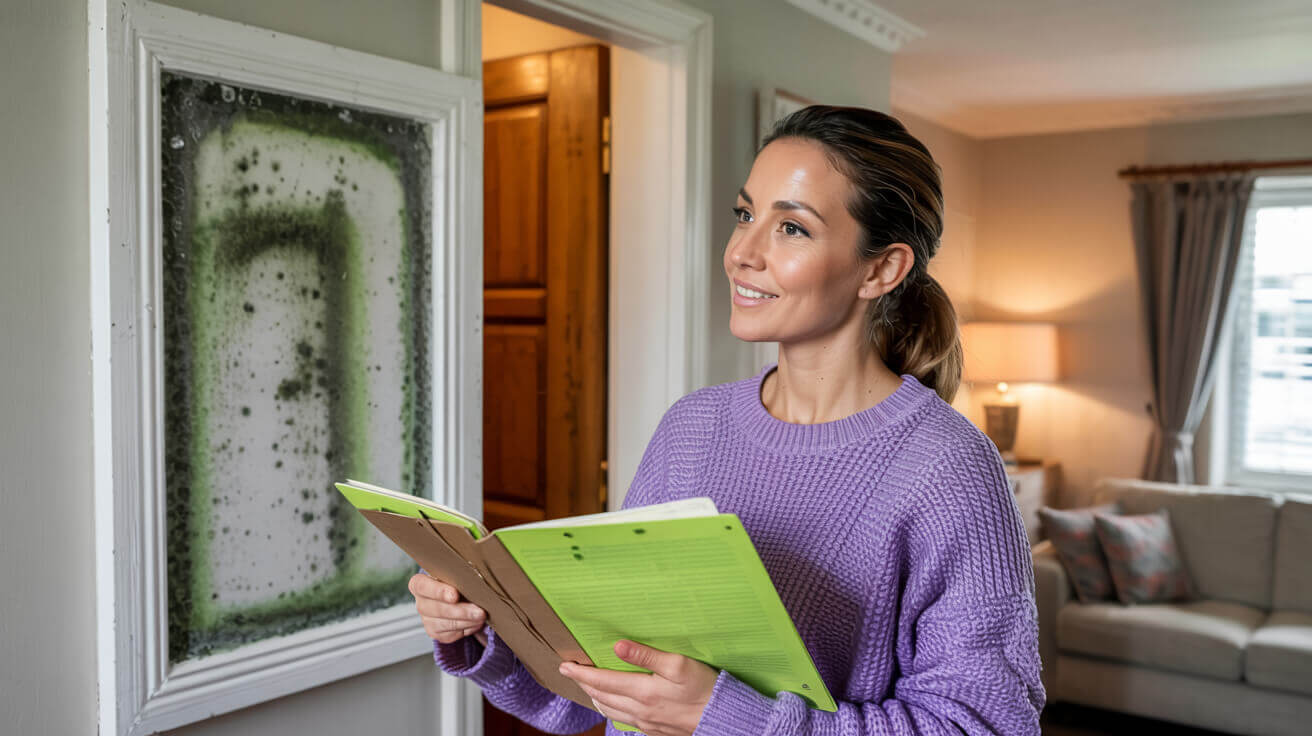

Author
Izzy Schulman

Damp and mould problems in rented homes quickly move beyond simple repairs when causes are unclear, diagnoses conflict or vulnerable occupants are involved. Landlords, tenants and solicitors then need more than photos and job sheets; they need independent technical evidence that a court or Ombudsman can test.

A structured damp and mould expert witness report, supported by Expert Witness Services, explains why the problem exists, how long it has been active and what it will reasonably take to fix, while keeping within the proper legal and medical boundaries. With a whole-property view and clear reasoning, you gain firmer ground for decisions and negotiations.
- Clarify damp and mould causation in disputed housing cases
- Show risk, notice and timeframes in a structured chronology
- Support Awaab’s Law and disrepair claims with tested evidence</p>
Need Help Fast?
Locked out, leak at home, or electrical issue? All Services 4 U provides 24/7 UK locksmith, plumbing, electrical.
Testimonial & Clients Who Trust Us
With 5 Star Google Reviews, Trusted Trader, Trust Pilot endorsements, and 25+ years of experience, we set industry standards for excellence. From Dominoes to Mears Group, our expertise is trusted by diverse sectors, earning us long-term partnerships and glowing testimonials.
Worcester Boilers

Glow Worm Boilers

Valliant Boilers

Baxi Boilers

Ideal Boilers

What a Damp & Mould Expert Witness Report Is — and Is Not
A damp and mould expert witness report is independent technical evidence on cause, severity and remedy, not advocacy for either side.
You use it when a judge, Ombudsman, landlord or legal team needs clear answers: why damp and mould are present, what is driving them, how long they have been active, and what it will reasonably take to fix the problem. The focus is the building and the records, explained in a way a decision‑maker can test.
In civil claims, the expert’s duty is to the court, not to the party who pays the fee. Instructions, documents reviewed, inspection findings, assumptions, reasoning and conclusions should be set out openly, with clear limits: what is known, what is inferred, and what could not be checked.
A routine damp survey or contractor visit might note visible defects, but it rarely does what a court‑facing report must do. A proper expert report joins the dots between moisture source, path and mechanism, visible damage, complaint and repair history, and the relevant repairing and fitness duties. It keeps technical building causation separate from medical opinion and legal conclusions so each specialist stays in their lane.
If you now need more than “yes, there is mould”, you are at the point where expert evidence is the right tool. It is better to structure the work to the correct standard from the start than to retrofit it later.
When a Damp Complaint Becomes a Technical Dispute
The point where a simple complaint turns into a technical dispute is often earlier than you think.
Recurring problems and mixed diagnoses
If mould keeps returning after cleaning, painting or small repairs, the underlying moisture source is still active. When you have been given different explanations – condensation, then a leak, then “just lifestyle” – the issue has moved from everyday repairs into a causation dispute that needs structured building‑science reasoning.
Several short visits over months, each with a different diagnosis and no lasting improvement, are a strong sign that you now need a whole‑property view rather than more piecemeal attendance.
Vulnerability, delay and risk
Where children, older people, or anyone with asthma or other respiratory conditions live in the property, delay affects both risk and the evidential picture. Over time, cleaning, decorating and furniture moves can blur the original damage pattern, making it harder later to show how serious conditions were and for how long they persisted.
You do not need to dramatise health impacts, but you should treat vulnerability as a factor in how quickly hazard and defect evidence is gathered and recorded.
When solicitors become involved
Once pre‑action letters, Ombudsman escalation or formal complaints are in play, the dispute is no longer just about whether mould exists. It is about source, notice, reasonableness of response and responsibility. An independent expert can turn scattered photos, messages and job sheets into a clear chronology and a defensible technical story, so your legal team can advise with more certainty.
Does Awaab’s Law Apply to Your Case?
Awaab’s Law matters for many social housing cases in England, but it does not apply to every tenancy.
Social housing versus private renting
If you are dealing with a council or housing association home in England, you need to ask whether the tenancy and landlord fall within the Awaab’s Law regime and its response timeframes for serious hazards such as damp and mould. Those rules shape when hazards must be inspected and when repairs must be started and completed.
If the property is in the private rented sector, Awaab’s Law itself does not apply, but you are still dealing with repairing obligations, fitness for habitation and housing‑conditions law. The expert report must therefore anchor findings in those duties rather than assuming a social‑housing framework that does not apply to your case.
Hazards, notice and timeframes
However the tenancy is structured, damp and mould are treated as housing hazards because of their potential impact on health, particularly where breathing is already compromised. An expert can help you show when conditions reached a level that amounted to a hazard, when the landlord was reasonably on notice, and how that interacts with expected investigation and repair times.
You then have a clearer picture of whether the problem was an isolated delay, a breach of a particular timeframe, or a sign of repeated failures to diagnose and act.
Systemic issues and individual cases
If you manage a portfolio, one difficult case can signal a wider pattern, especially in blocks that have been retrofitted or newly insulated. A good expert report does more than describe one flat; it can highlight whether there are design, ventilation or process weaknesses that mean similar conditions are likely elsewhere.
You can then decide whether you are dealing with a one‑off dispute or a symptom of a broader compliance and asset‑management risk that needs attention at portfolio level.
What the Expert Assesses: Cause, Severity, Risk and Remedial Scope
An expert report should answer four linked questions: what is causing the damp and mould, how serious it is, who needs to do what, and how quickly.
Getting past labels to mechanisms
Terms like condensation, penetrating damp, rising damp and “cold spots” are starting points, not conclusions. The real task is to identify where the moisture is coming from, how it is travelling through the building, and why it can condense or accumulate where you see the damage.
You should expect an explicit explanation of moisture source, route, physical mechanism and resulting damage pattern, not just a label attached to a damp patch.
Whole‑property inspection, not single defects
Because different defects often interact, inspection should treat the building as a system: walls, roofs, rainwater goods, windows, plumbing, sub‑floors, insulation, ventilation, heating provision and thermal bridges. Focusing only on one suspected defect – for example “it must be the roof” – risks missing the real driver or oversimplifying a mixed cause.
Where repairs have already been carried out, the expert also checks whether those works addressed root cause or simply improved the appearance for a while.
Translating findings into works and risk
You are not commissioning a scientific paper; you need practical outputs. A court‑ready report should set out what works are reasonably required, how urgent they are in light of the hazard, and what lies outside housing or landlord control. That usually means distinguishing between short‑term containment, medium‑term remedial works, and longer‑term risk reduction.
You then have a rational basis for orders, schedules of works, settlement negotiations or internal investment decisions.
How the Inspection and Reporting Methodology Should Stand Up to Challenge
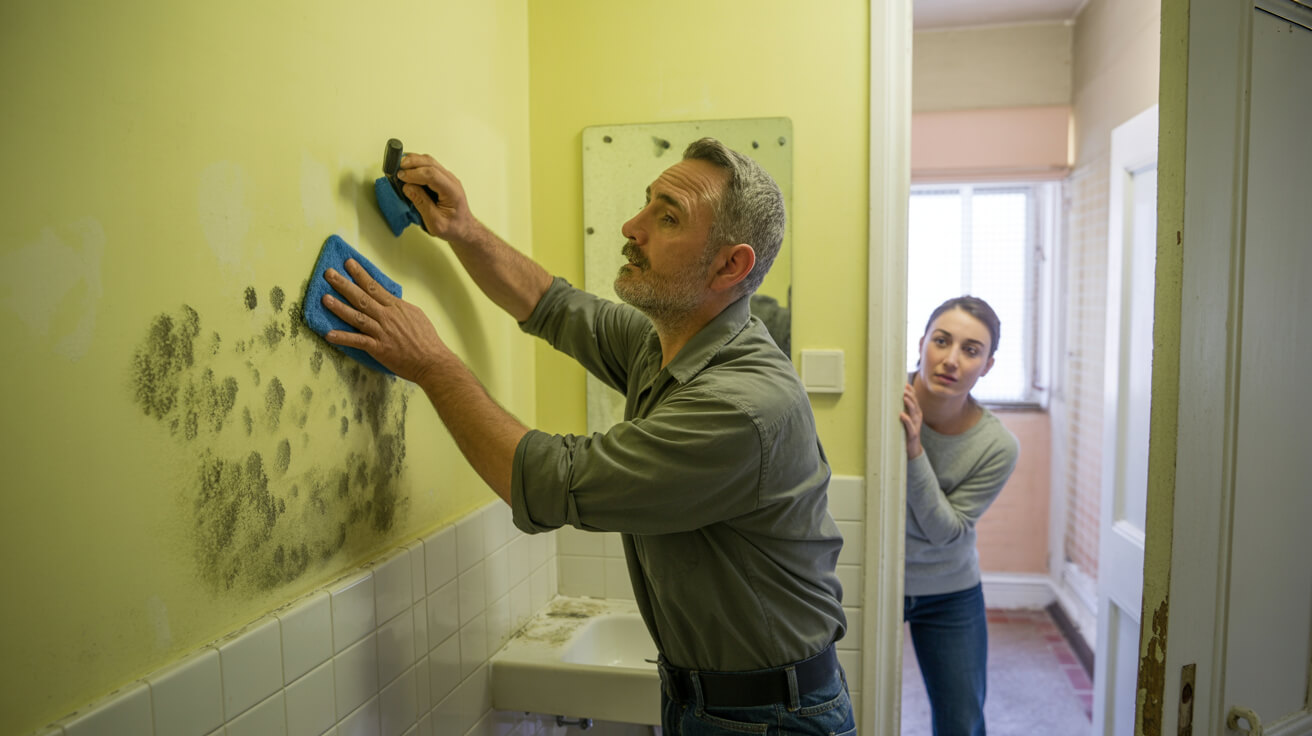
In a contested case, the method behind the report is often examined as closely as the conclusions.
Records and brief before the visit
Before anyone attends, you are entitled to know what documents will be reviewed: complaints and repair logs, photos and videos, tenancy or lease terms, previous surveys, and any relevant medical context. That material shapes the inspection plan and shows what hypotheses are being tested.
A clear written brief at this stage reduces the risk of scope creep, missed issues, or criticism that the expert has not considered key parts of the history.
On‑site method and occupancy context
On site, you should expect more than a quick circuit with a hand‑held meter. The expert should record conditions in each room, check for leaks and rainwater issues, look for thermal bridges, examine ventilation systems and take readings where they add value. Occupancy is part of the picture, but it should be assessed against what is reasonably expected in that home, not against idealised behaviour.
Handled properly, this gives a balanced view of fabric, services and ordinary living patterns, rather than turning “lifestyle” into a default explanation.
Transparency, limitations and reasoning
In the report, the expert should set out what they saw, what they measured, and which documents they relied on. They should also state what they could not inspect, for example because areas were inaccessible or records were missing, and how that affects the strength of any conclusions.
You get a clear chain from facts to opinion, with alternative possibilities considered where appropriate. That makes the report more resilient to questions from the other side, from the Ombudsman or from the court.
What Evidence to Prepare Before You Instruct Anyone
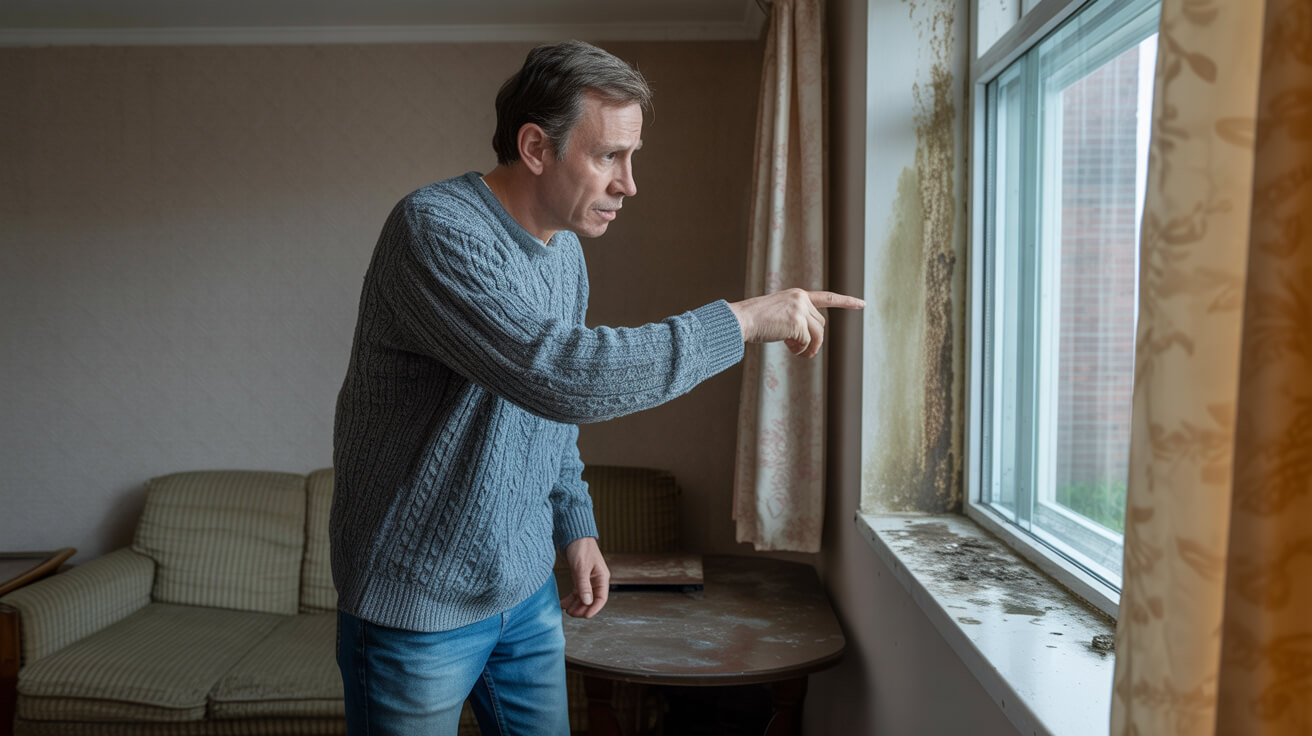
You can make any inspection or report more effective by organising your own evidence in advance.
Start with dated photographs and short videos that show whole rooms as well as close‑ups. It helps if you can demonstrate where the mould or staining sits in relation to windows, external walls, plumbing or cold surfaces. If you can show how the problem has progressed or recurred over months, that is more persuasive than a single snapshot.
When you clean or redecorate, keep a note of what you removed and when, so later inspections can still understand the history.
Chronology and correspondence
Next, build a simple timeline. In practice, that might be a one‑page note that says “January – first leak reported; February – contractor attended and said it was condensation; March – ceiling repainted, mould returned within weeks.” Combine that with copies of key emails, texts, portal messages, job cards and contractor notes.
You are not expected to produce a perfect legal bundle, but a clear chronology makes it far easier for an expert and a decision‑maker to see how notice, response and recurrence fit together.
Health, vulnerability and previous attendances
If anyone in the household has asthma, other respiratory issues or significant disability, keep that information to hand. It helps to show why delay or repeated failures mattered and how urgency should have been judged, without asking a building expert to stray into medical opinion.
You should also retain any previous surveys, inspection letters or damp reports. Even where they are imperfect, they often show how the property has been understood and managed over time, which can be central to both claim and defence.
Accreditations & Certifications








How Findings Help Claimant and Defence Teams Make Better Decisions
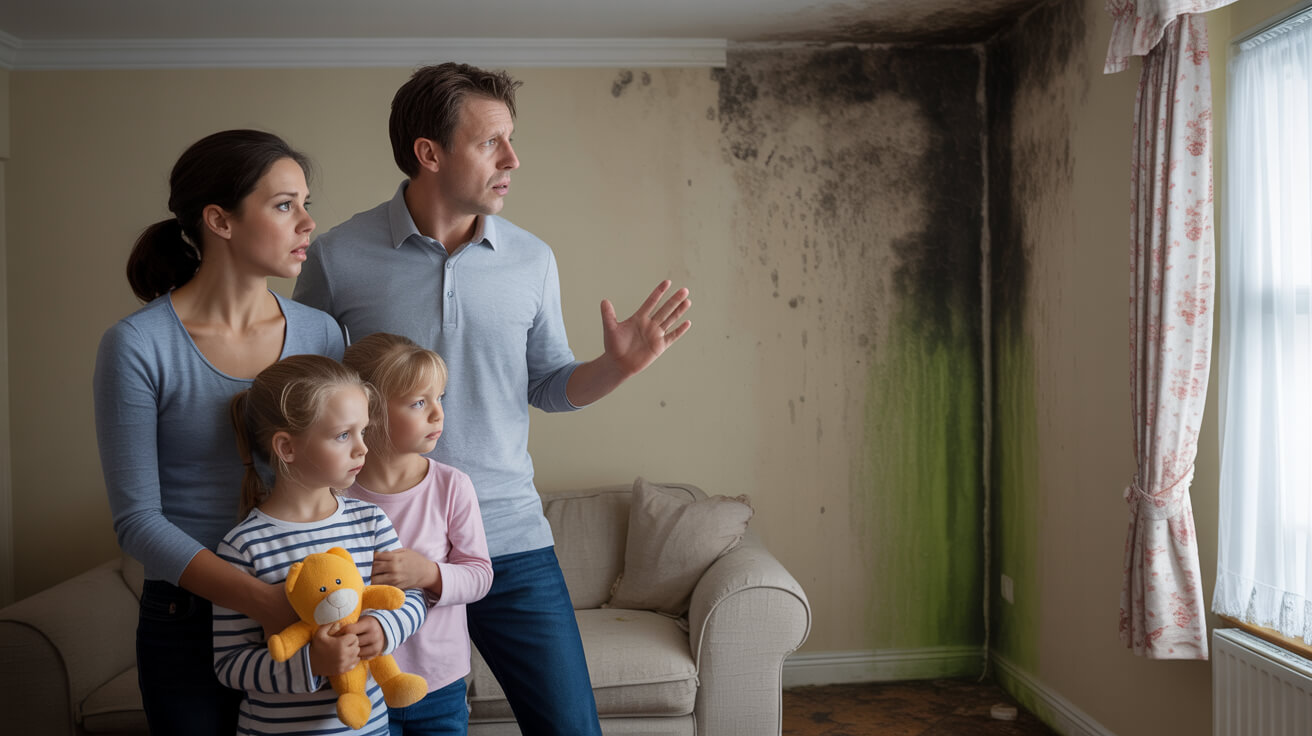
A good expert report should help both sides see the case more clearly, not just give one side more words.
Claimant‑side decisions
If you act for a claimant, you need to know whether the report proves more than the existence of mould. A strong document will link defects, moisture mechanisms, chronology of notice and repair, and likely duration of conditions. That allows you to assess prospects and advise on liability, scope and cost of repairs, and the value of any personal‑injury evidence.
You can then decide whether to press on, narrow issues or reconsider the claim without discovering weaknesses late in the process.
Landlord and housing provider perspective
If you are a landlord or housing provider, you need to understand whether the report fairly distinguishes between building defects, system design, maintenance response and occupancy‑related factors. Balanced, well‑reasoned findings create a better platform for settlement and for explaining decisions to residents, boards and regulators.
You can use that analysis to improve repairs practice, triage similar cases, and decide when defending a claim is appropriate and when it is better to resolve matters swiftly.
Governance, risk and repeat defects
If you sit on a board or work in a risk or asset team, technical findings are a lens on governance as much as on plaster and paint. Repeated misdiagnosis of damp across an estate can reveal deeper issues in training, record‑keeping, retrofit design or escalation.
You can take a single case report and ask whether it is an outlier or evidence of a pattern, then correct course before a cluster of similar claims or Ombudsman decisions develops.
Reliable Property Maintenance You Can Trust
From routine upkeep to urgent repairs, our certified team delivers dependable property maintenance services 24/7 across the UK. Fast response, skilled professionals, and fully insured support to keep your property running smoothly.

Book Your Free Consultation With All Services 4U Today
A short, structured conversation at the start usually saves time, cost and friction later.
When you are ready to talk, think first about what you actually need: a quick view on whether expert evidence is reasonably required, a desktop review of records and photos, a site inspection, or a full CPR‑compliant report. We will discuss the stage your case has reached, who is involved and what decision you want the evidence to support.
If you represent a resident or you are the landlord, you will get more value from the call if you send core material in advance: a brief chronology, key complaints and responses, selected photos or videos, and any earlier surveys. That lets the discussion focus on options rather than document chasing.
If you are dealing with multiple homes or a suspected pattern across a block or portfolio, mention that from the outset so we can distinguish between single‑property causation work and wider stock or risk review. That distinction changes both method and scope.
If timescales are tight because of complaint stages, pre‑action timetables or Awaab’s Law timeframes, we will be clear about what can and cannot responsibly be concluded from the records alone, and when access and inspection are genuinely required.
When you are ready to move from uncertainty to evidence, book a free consultation with All Services 4U.
Frequently Asked Questions
When should you move from a standard damp survey to a damp and mould expert witness?
You usually move to an expert witness when the issue is no longer just what to repair, but what can be proved.
A standard damp survey is often enough when the defect is visible, the likely cause is accepted, and the next step is simply to organise repair works. Expert Witness Services become the better fit when the matter has shifted into dispute, repeat failure, or formal challenge. That tends to happen when mould returns after works, contractors disagree on the source, responsibility is being pushed onto the occupier without proper testing, or the record may need to stand up in complaint escalation, pre-action correspondence, tribunal proceedings, or court.
For a landlord, RTM director, managing agent, or compliance lead, the real threshold is practical. Are you still choosing a repair, or are you now defending a position? Civil Procedure Rules Part 35 makes clear that expert evidence is used where specialist opinion is needed beyond ordinary knowledge. In damp and mould matters, that point is usually reached when a routine survey cannot settle causation, responsibility, or the right remedial route.
If the documents may resolve the issue, a focused review is often the safer first step. If the repair history already shows recurrence, conflicting diagnoses, or risk to a child or medically vulnerable occupier, delaying technical instruction can leave you with a weaker paper trail and a harder case to manage later.
A cheap survey becomes expensive when it cannot survive challenge.
If you need to decide whether the matter is still maintenance-led or has become evidence-led, that is usually the right moment to scope expert input rather than wait for the record to deteriorate further.
Which warning signs show the matter has moved beyond routine repairs?
The strongest sign is recurrence after intervention.
If the room has already been cleaned, redecorated, ventilated, patched, or locally repaired and the mould comes back, the issue is no longer just cosmetic. It suggests the underlying moisture route has not been properly identified. The Housing Ombudsman has repeatedly criticised cases where landlords treated mould as a surface issue while failing to test building performance properly.
Other warning signs are just as important:
- The same wall, room, or elevation keeps reappearing in repair history
- Notes conflict on whether the source is condensation, leakage, or water ingress
- Occupier behaviour is being blamed without measurements or testing
- The complaint has moved into formal review or legal correspondence
- There is a child, older resident, or respiratory vulnerability in the property
- You need an opinion that can withstand challenge, not just support a contractor visit
Once two or more of those signs appear together, the safer route is usually a more disciplined technical instruction.
Why does that threshold matter commercially as well as technically?
Because weak diagnosis drives repeat cost.
For RTM and RMC boards, the risk is not just mould. It is a poor decision trail that can be challenged later. For managing agents, it is repeat attendance, rising contractor spend, and no clear answer on liability. For compliance teams, it is a busy-looking case file that proves very little. For legal advisers, valuers, and lenders, it is a report that describes symptoms without showing the moisture mechanism or repair logic behind them.
That is where proportionality matters. A routine survey can be the right choice early on. It becomes the wrong choice when the issue has already hardened into dispute. In those cases, paying less at the start often means paying twice.
How should you choose the lowest-risk next step if you are still unsure?
Start by scoping the instruction, not the conclusion.
That means deciding what question needs answering first. In some cases, a document-only review may show that the repair history already points to the likely source. In others, only a site inspection can test the moisture pathway properly. Where the matter may proceed to formal challenge, a structured expert report becomes more useful than another informal opinion.
A staged approach usually keeps the spend proportionate:
| Instruction level | Best used when | What it helps you decide |
|---|---|---|
| Records review | The papers may already show the likely issue | Whether a site inspection is needed |
| Site inspection | The moisture source is still disputed | What mechanism is driving the pattern |
| Formal expert report | The matter may face challenge or proceedings | Whether the opinion is robust enough for settlement or litigation |
If you want to avoid over-instructing too early or under-evidencing too late, All Services 4U can help frame the smallest sensible next step that still protects your position.
How does a damp and mould expert witness work out what is really causing the mould?
A credible expert works out the cause by testing pattern, pathway, building condition, and timeline together.
That matters because mould is an outcome, not a diagnosis. The same visible growth can follow very different failures: surface condensation, penetrating damp, hidden plumbing leakage, thermal bridging, defective extract ventilation, intermittent heating, or a mix of several mechanisms. A strong expert does not decide the answer from appearance alone. They test how moisture enters, where it travels, why it settles in certain areas, and whether the building should reasonably cope with normal occupation.
RICS guidance has long pushed for building pathology rather than assumption. That discipline matters most where one party says “it is just condensation” and another says “it must be a leak.” A proper causation opinion should reconcile both possibilities against evidence instead of choosing the most convenient explanation.
Visible mould is only the headline. Moisture behaviour is the real story.
A reliable inspection usually reviews the external envelope, rainwater goods, roof details, window junctions, plumbing runs, internal surface temperatures, heating provision, extract performance, room use, and the sequence of earlier repairs. It should also compare what happened in the property with what the building should reasonably tolerate under ordinary domestic use.
Which checks usually matter most when the cause is disputed?
The most useful checks are the ones that distinguish one mechanism from another.
That often includes reviewing moisture distribution room by room, checking whether the pattern follows cold surfaces or defect lines, testing whether extract systems actually work, looking for signs of rainwater entry, checking whether plumbing routes align with staining, and tracing whether earlier repairs changed the pattern or did nothing at all.
In practice, a strong causation method often includes:
- Moisture pattern mapping across rooms and elevations
- Inspection of roof, walls, windows, rainwater goods, and internal services
- Assessment of extract performance, not just whether fans are present
- Review of thermal contrast and likely cold bridge locations
- Comparison between current symptoms and earlier repair records
- Consideration of whether the building can handle normal moisture loads
That last point is important. Everyday activities such as cooking, bathing, and drying clothes matter, but only in context. Normal occupation does not excuse a dwelling that performs poorly under ordinary use.
How should lifestyle allegations be tested fairly?
They should be tested as evidence, not used as a shortcut.
A balanced expert looks at whether the home had working extract, whether ventilation routes were practical, whether heating assumptions were realistic, whether cold surfaces were predictable from the fabric, and whether earlier works suggest a building defect was missed. The Civil Justice Council has emphasised the need for experts to assist independently rather than adopt one side’s preferred narrative.
That distinction matters for both sides. If you are defending a complaint, unsupported lifestyle allegations can damage credibility. If you are pursuing one, a report that ignores occupancy conditions can look incomplete. The strongest position is a report that explains what the building should tolerate under reasonable use and where the actual line sits.
How does that affect the next decision you make on the case?
If the dispute turns on the source of moisture, you need more than photographs of black mould.
You need a method that can show whether the issue behaves like surface condensation, water ingress, plumbing leakage, or a mixed defect. That is what turns an opinion into a usable conclusion.
| Issue tested | What it helps establish | Why it matters |
|---|---|---|
| Moisture pattern | Whether the behaviour fits condensation, ingress, or leakage | Reduces guesswork |
| Ventilation performance | Whether the dwelling can cope with normal moisture loads | Tests adequacy |
| Fabric condition | Whether defects or cold bridges are driving the pattern | Links symptoms to the building |
| Repair history | Whether earlier works targeted the real source | Reveals misdiagnosis |
If you need a causation-led view rather than one more opinion in the pile, All Services 4U can help scope the right level of technical review before the dispute becomes more expensive.
What evidence makes a damp and mould case materially stronger before complaint escalation or legal challenge?
The strongest cases combine technical findings, notice history, and repair sequence in one clear record.
Photos matter, but photos rarely win the argument on their own. A stronger file shows when the issue was first reported, how quickly the landlord or manager responded, what works were attempted, whether access was achieved, whether the pattern improved, and whether the same defect route kept returning. That chronology often matters as much as the visible severity of the mould itself.
HHSRS is useful here because it shifts the focus from appearance to hazard. A room can look visually modest but still present a serious risk if moisture persists, vulnerable people are present, or earlier interventions failed. The key is to show the chain from notice to response to outcome.
For housing providers and boards, the question is whether the record proves reasonable action. For claimants and advisers, the question is whether it proves notice, persistence, and unresolved hazard. Either way, the most effective file is the one a new reviewer can understand quickly without reconstructing events from fragments.
Which records usually carry the most weight?
The records that show sequence usually carry the most weight.
That means dated complaint logs, emails, portal entries, appointment records, contractor notes, work orders, prior survey reports, moisture readings, photos, and evidence showing whether repairs changed the problem or failed to do so. If there are vulnerable occupants, that context should also be clearly recorded because urgency is harder to defend where risk was known early.
The Housing Ombudsman and Awaab-related policy expectations have increased the importance of response timing and record quality. Delay now attracts more scrutiny, especially where the risk to occupiers was foreseeable.
A strong evidence bundle usually includes:
- Dated photographs and videos showing room context, not just close-ups
- Complaint and notice history proving when knowledge began
- Access records and missed appointment history
- Work orders, contractor notes, and attendance dates
- Earlier surveys and technical recommendations
- Records showing whether remedial works changed the pattern
- Notes on vulnerability, decant discussions, or temporary measures where relevant
Why do access records and attendance logs matter so much?
Because they often explain whether delay was avoidable or not.
A case can look weak until the attendance sequence is laid next to the complaint history. If the resident reported mould in January, access was achieved in February, local decoration happened in March, and the same mould returned in April, that sequence says something very different from a file that simply says “condensation treated.” The repair trail often tells you more than the summary label.
For managing agents and landlords, this is also where the record can protect you. If access was repeatedly refused, that matters. If access was available but the same ineffective repair was repeated, that matters too.
How should a stronger bundle be organised before anyone escalates the matter?
It should answer the same few questions every time.
| Question | Evidence that answers it | Why it matters |
|---|---|---|
| When was the issue first raised? | Complaint history and dated contact records | Proves notice |
| What was done in response? | Work orders and attendance notes | Tests reasonableness |
| Did the intervention work? | Follow-up visits, photos, and recurrence pattern | Tests effectiveness |
| What is the likely moisture source? | Survey findings and causation evidence | Supports liability and scope |
| How serious is the impact? | Vulnerability records and hazard context | Supports urgency |
If your current records cannot answer those points clearly, All Services 4U can help organise the document trail into a format that supports technical review, complaint defence, or legal progression without creating unnecessary extra work.
Why do damp and mould claims still fail even when the mould is plainly visible?
They often fail because the record proves symptom, but not mechanism, and complaint, but not sequence.
That is where many otherwise strong-looking cases lose force. The mould may be obvious, recurring, and severe, yet the argument still weakens because the papers never explain how moisture entered, why it persisted, or what happened after each attempted repair. A file full of alarming photos can still underperform if there is no dated repair sequence, no tested cause, and no clear distinction between fact, inference, and assumption.
The Civil Procedure Rules reward disciplined reasoning, not dramatic presentation. In practice, that means a case usually weakens when reports overreach, when chronology is thin, or when one theory is repeated too early without proper testing. The visible condition starts the dispute. It does not finish it.
Mould may prove there is a problem. It does not automatically prove why.
That is why weak files often collapse on method rather than appearance. If another professional cannot follow the route from notice to diagnosis to repair outcome, the case becomes easier to challenge.
Where do weak damp and mould files usually break first?
They usually break at the point where the reasoning should begin.
One common problem is symptom-only reporting. The notes record black mould and staining, but never identify the likely moisture route. Another is a thin chronology, where messages and visits exist but no one has stitched them into a reliable sequence. A third is early overcommitment to one theory, often condensation, without enough building evidence to support it. The Housing Ombudsman has criticised this pattern repeatedly in complaint investigations.
Those weaknesses matter because they create doubt where clarity is needed most.
Why is a thin repair history such a problem?
Because it makes the case harder to interpret.
Without a proper sequence, you cannot easily show when notice arose, whether action was prompt, whether access affected timing, whether works targeted the correct defect, or whether the same problem kept returning. That weakens both claim and defence. It leaves the reviewer trying to rebuild the case from fragments instead of reading it from a stable timeline.
How do overreaching reports damage the position?
They damage it by mixing observation, opinion, legal commentary, and medical implication into one blurred document.
A better report keeps those layers separate:
- What was seen
- What was measured
- What the building evidence supports
- What remains uncertain
- What lies outside the expert’s discipline
The Civil Justice Council and Expert Witness Institute both support that kind of disciplined boundary. It improves credibility because it shows the report is helping the decision-maker rather than arguing the case for one side.
How do you avoid these failure points before spending more money?
Test the weakness before ordering the biggest report.
A short document review can often show whether the problem is missing chronology, missing causation, poor repair reconciliation, or simply an overblown conclusion. That lets you correct the method before paying for a formal opinion that still leaves the same gaps behind.
| Weak point in the case | Better response |
|---|---|
| No dated sequence | Build the chronology before drafting opinion |
| No moisture pathway | Instruct a mechanism-led inspection |
| Repeated failed repairs | Reconcile the repair trail, not just the current room condition |
| Conclusions too broad | Keep the report within the expert’s technical discipline |
If you want to avoid paying for a document that looks detailed but does not actually move the dispute forward, All Services 4U can help test the case structure before formal expert work is commissioned.
How should a damp and mould expert witness report be structured if the matter may settle, face challenge, or go to court?
A sound expert report should be independent, transparent, method-led, and clear about its limits.
That structure matters because it makes the report easier to rely on in negotiation, easier for solicitors to work with, and harder for the other side to attack. A well-built report should identify the expert, define the instructions, list the documents reviewed, describe the inspection method, record findings, explain the reasoning, test alternative explanations, and state conclusions with clear limits. If some areas were inaccessible, or if assumptions had to be made, that should be said plainly rather than hidden.
Civil Procedure Rules Part 35 and the associated practice direction make the distinction between advisory work and court-facing expert evidence important. An advisory report is often enough when you need internal technical direction, reserve planning, complaint strategy, or settlement posture. A Part 35-compliant report is different. It is aimed at assisting the court and carries a higher duty of independence and formality.
That difference affects scope, wording, and cost. If litigation is only a possibility, a full court-facing report may be premature. If proceedings are live or clearly likely, an informal report may leave you with a document that cannot do the job required of it.
Which parts of the report structure matter most?
The most important parts are the ones that make the opinion testable.
A useful report normally includes the instruction received, the file reviewed, the inspection method, the factual observations, the building analysis, the competing explanations considered, the limits on the opinion, and the practical implications for remedial scope. The Expert Witness Institute and Civil Justice Council both reinforce the broad principle that expert evidence should assist understanding of technical matters, not advocate for one side.
That means the reasoning matters as much as the conclusion.
| Report component | What it does | Why it matters |
|---|---|---|
| Instructions and scope | Defines the question being answered | Prevents drift |
| Documents reviewed | Shows the material relied on | Supports transparency |
| Inspection and method | Explains how the view was formed | Makes it testable |
| Findings and observations | Anchors the report in fact | Distinguishes evidence from theory |
| Alternatives considered | Shows balanced reasoning | Protects independence |
| Limits and assumptions | States what cannot safely be said | Improves credibility |
Where should the building expert stop?
They should stop at building condition, likely moisture mechanism, chronology review, and reasonable remedial implications.
They should not stray into unsupported medical causation or legal conclusions dressed up as technical opinion. That boundary is not just procedural. It protects the usefulness of the report. For legal teams, it makes the report easier to deploy. For lenders and valuers, it helps with defect significance and repair scope. For boards and compliance leads, it gives a safer basis for decision-making.
What should you settle before you agree the instruction?
Settle the scope before the expert starts writing.
You should know whether the work is document review only or includes inspection, whether it is advisory or court-facing, whether written questions are included, whether the expert may need to meet another expert, and whether hearing attendance might follow. If those boundaries are unclear at the start, they usually become expensive later.
That is also the point where you can stop unnecessary escalation. If the issue only needs technical clarity, keep the report focused on that. If the matter may be challenged formally, build the structure correctly from the outset. All Services 4U can help frame that instruction so the report fits the dispute you actually have rather than the broadest possible version of it.
How are damp and mould expert witness fees usually priced, and when is staged instruction the smarter buy?
Fees are usually driven by scope, complexity, urgency, document volume, and procedural stage, not just by property size.
That is why two apparently similar jobs can price very differently. A records review is usually less expensive than a site inspection. An advisory report is usually less expensive than a Part 35 report. Fees rise further where the bundle is disorganised, there are multiple rooms or dwellings involved, turnaround is urgent, or the expert may need to answer written questions, attend a conference, prepare a joint statement, or attend tribunal or court.
For boards, landlords, and finance leads, the better question is not “what is the cheapest quote?” It is “what is the cheapest route to a sound decision?” The wrong scope is what usually wastes money. A light-touch opinion can be too weak for a hard dispute. A fully formal report can be too much too soon where a targeted review would have settled the point.
RICS-style proportionality is a useful discipline here. The instruction should be strong enough for the actual dispute, but no larger than it needs to be.
Which factors usually increase expert witness cost?
The biggest cost drivers are usually avoidable.
Poor document order, large volumes of repetitive material, urgency, reinspection, multiple units, and procedural escalation all push the fee upward because they increase time, analysis, and risk. A modest flat with a chaotic bundle can take longer than a larger property with a clean repair record.
Common cost drivers include:
- Disorganised records and duplicated documents
- Multiple affected rooms, flats, or elevations
- Urgent reporting deadlines
- Part 35 compliance requirements
- Supplemental questions after the report
- Joint meetings with another expert
- Tribunal or court attendance
- Reinspection after interim works
That is why getting the instruction right at the start matters so much.
When is a staged instruction usually the better commercial route?
It is usually the better route when the issue may narrow once the technical position is clarified.
A staged approach lets you buy only the level of certainty you need at each point. It also makes internal approval easier because each stage has a decision attached to it.
| Stage | What it is for | Best used when |
|---|---|---|
| Records review | Tests whether the dispute is already technically clear | The papers may settle the issue |
| Site inspection | Establishes likely moisture mechanism and repair scope | Facts remain contested |
| Formal report | Supports settlement, challenge, or proceedings | Scrutiny is likely |
| Follow-on expert work | Answers written questions or attends process | The matter progresses formally |
That sequence often prevents both overbuying and underbuying. It is especially useful for managing agents, compliance teams, and boards who need to show proportionality as well as urgency.
What should you ask before agreeing the fee proposal?
Ask what decision this stage is meant to unlock.
That question exposes whether the scope is clear or vague. You should also ask what is included in the quoted fee, whether the work is advisory or court-facing, what assumptions are being made about access and document quality, and what events will trigger extra charges.
If the proposal does not help you reach a clearer next decision, it is probably not scoped tightly enough. If you want to control spend without weakening the technical position, All Services 4U can help break the job into sensible stages so you move from uncertainty to action with less duplication and a stronger document trail.
- What a Damp & Mould Expert Witness Report Is — and Is Not
- When a Damp Complaint Becomes a Technical Dispute
- Does Awaab’s Law Apply to Your Case?
- What the Expert Assesses: Cause, Severity, Risk and Remedial Scope
- How the Inspection and Reporting Methodology Should Stand Up to Challenge
- What Evidence to Prepare Before You Instruct Anyone
- How Findings Help Claimant and Defence Teams Make Better Decisions
- Book Your Free Consultation With All Services 4U Today
- Frequently Asked Questions
- Related PPM Services
Related PPM Services
- Expert Witness
- Book an Expert Witness Consultation
- Building Regulations Expert Witness
- Expert Witness Case Studies
- Expert Witness CV & Qualifications
- Electrical Safety Expert Witness
- Fire Safety Expert Witness
- Gas Safety Expert Witness
- Legionella Expert Witness
- Free Tribunal Expert Report Template
- Section 20 Expert Witness
Case Studies


Related Articles

Your Guide To Identifying And Treating Minor Mould Outbreaks

Why Planned Preventative Maintenance (Ppm) Saves Money And Ensures Compliance