Electrical Safety Expert Witness Services UK – EICR & Part P Disputes
Property owners, landlords, managing agents and solicitors facing disputed EICR or Part P issues can use independent expert witness support to separate genuine safety risk from weak reporting. The evidence is reviewed against the correct technical standards, with present condition and historic compliance clearly distinguished, based on your situation. You end up with a proportionate, court-ready opinion that explains what is safe, what is defective, and where responsibility likely sits, with scope agreed around the real dispute. The next move becomes clearer once the technical file has been tested this way.



Author
Izzy Schulman

When an EICR or Part P issue turns into a dispute, the real problem is often uncertainty about safety, competence and responsibility. Homeowners, landlords, agents and solicitors need clear technical answers that stand up in front of courts, insurers and counterparties.
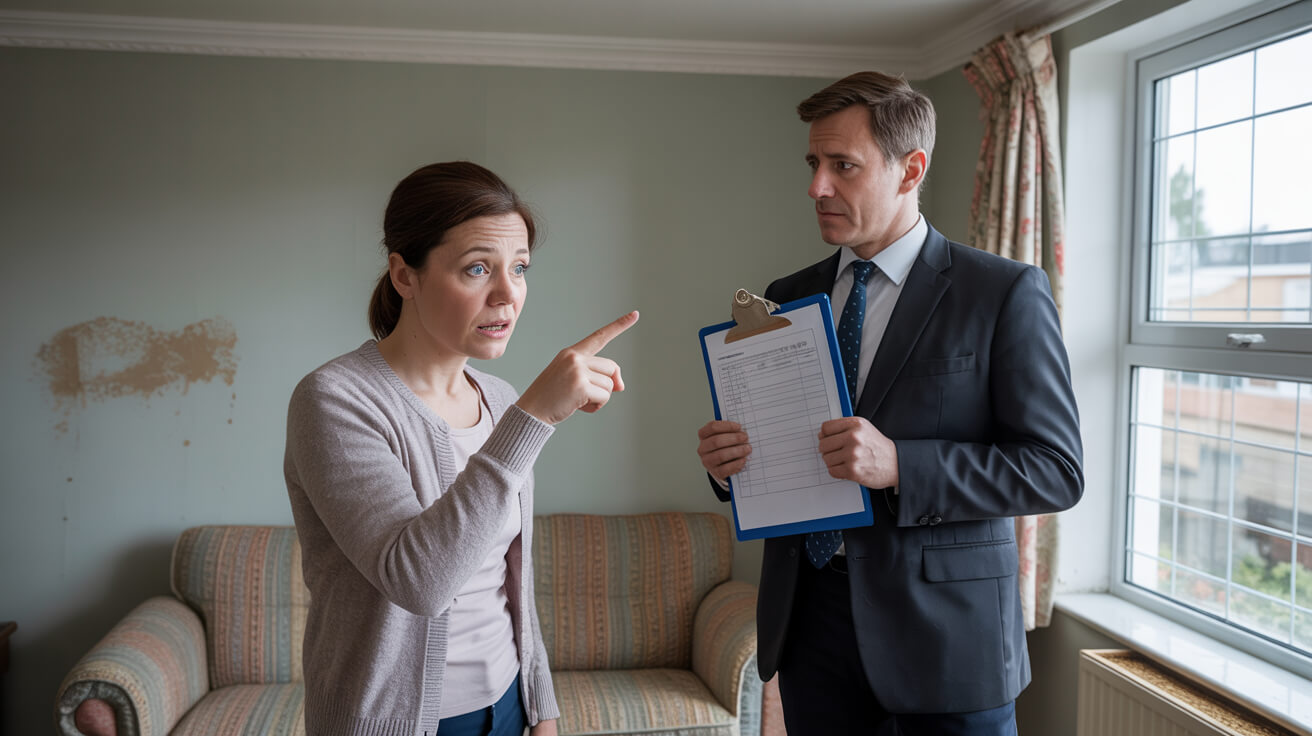
An independent expert review tests the report, records and installation against the right standards, separating paperwork gaps from genuine defects. By mapping what happened, what was required and what the evidence really shows, the dispute becomes easier to manage and less likely to be overstated or mishandled.
- Identify weak or overstated EICR and coding decisions
- Separate paperwork gaps from genuine safety or workmanship defects
- Clarify roles, responsibilities and proportionate next steps in the dispute</p>
Need Help Fast?
Locked out, leak at home, or electrical issue? All Services 4 U provides 24/7 UK locksmith, plumbing, electrical.
Testimonial & Clients Who Trust Us
With 5 Star Google Reviews, Trusted Trader, Trust Pilot endorsements, and 25+ years of experience, we set industry standards for excellence. From Dominoes to Mears Group, our expertise is trusted by diverse sectors, earning us long-term partnerships and glowing testimonials.
Worcester Boilers

Glow Worm Boilers

Valliant Boilers

Baxi Boilers

Ideal Boilers

What This Service Actually Does in a Disputed EICR or Part P Matter
You need an independent technical view when an electrical dispute goes beyond paperwork and ordinary witness evidence.
In most disputed EICR or Part P matters, the core questions are straightforward: was the installation safe, was the inspection competent, are the records reliable, and can those points be explained clearly enough for a court, insurer, landlord, managing agent, or homeowner to decide what happens next.
That is where this service fits. We review the technical evidence, separate present-day safety from historic compliance, and show where the file supports a firm opinion and where it does not. If you instruct All Services 4U, you get a measured assessment built around the real issue in dispute, not a push towards unnecessary remedial work.
You may need that support before proceedings, during a complaint, or when a sale, refinance, or insurance decision is at risk. You do not always need a full expert report. Sometimes you need an early review that stops the wrong work being done for the wrong reasons. Send the disputed report and supporting records first, and you can see what level of input is proportionate.
When an EICR Can Be Challenged Without Overstating the Case
A disputed EICR is worth challenging when its conclusions go further than the inspection, testing, or reasoning can properly support.
The point is not to attack every adverse report. It is to test whether the report is technically sound enough to justify the action being demanded from you.
What makes a challenge credible
A credible challenge starts with specific weaknesses, not general frustration. You may have a report with unclear limitations, missing schedules, inconsistent test results, unsupported C1, C2 or FI coding, or broad remedial recommendations that do not follow from the recorded findings.
Common warning signs include:
- unclear inspection scope
- missing or incomplete test data
- vague limitation wording
- coding without reasons
- conclusions that outrun the observations
- legacy items judged without context
Those points matter because a weak report creates risk in both directions. It can overstate danger and drive unnecessary cost. It can also understate danger and leave a real defect in place.
What we test in the report itself
An EICR review is a technical audit of the report before it becomes a dispute tool. We check the stated standard, inspection extent, logic of any sampling, clarity of the observations, the link between recorded results and coding, and whether the overall outcome follows from the evidence actually set out.
If your dispute sits in the rented sector, we also test whether the report is strong enough to support the legal steps that may follow. If your case involves a sale, complaint, or insurance issue, we look at whether the document is reliable enough to carry weight outside routine maintenance.
Part P Disputes: Missing Notification, Defective Work, or Both?
A Part P dispute usually turns on whether you are dealing with a paperwork gap, a safety defect, or both.
That distinction matters because the right next step changes with the problem. Missing records do not automatically prove unsafe work. A technically safe installation does not automatically prove the work was properly notified.
Paperwork problems are not the whole story
Approved Document P sits within the Building Regulations framework for electrical safety in dwellings in England, with a closely related regime in Wales. In practice, disputes often arise because there is no building regulations compliance certificate, no clear evidence of notification for notifiable work, or no reliable trail showing who certified what.
That can create real problems in a sale, remortgage, landlord file, or complaint. But if the argument is about safety, defect, or loss, the paperwork gap still needs to be connected to the actual condition of the installation.
Technical non-compliance needs a different answer
If the issue is poor workmanship, unsafe alterations, incorrect earthing or bonding, consumer unit defects, or inspection findings that indicate risk, the analysis changes. The question becomes whether the work met the technical standard that applied at the time, whether any departures were recorded and assessed properly, and whether the defect explains the loss or risk now being alleged.
That is why a proper review separates four questions: what work was done, what standard applied, what evidence exists, and what the installation condition shows now. Once those questions are separated, the dispute becomes easier to manage and much harder to overstate.
Responsibility follows role and control
In Part P disputes, responsibility does not always sit with one person. The party who commissioned the work, carried it out, certified it, and failed to notify it may not be the same. If you are a homeowner, landlord, managing agent, or solicitor, that split often explains why the case feels confused at the start.
A good expert review helps you map that structure before anyone makes allegations the evidence cannot support.
Common Dispute Patterns Across Homes, Rentals, and Claims
Most electrical disputes repeat the same fact patterns, even when the parties change.
If you spot the pattern early, you can choose the right route and avoid spending time and money on the wrong kind of report.
Homeowner and contractor disputes
You may have paid for work that now looks defective, undocumented, or wrongly certified. Another electrician may have condemned the work, but you still do not know whether the issue is immediate danger, poor workmanship, over-coding, or missing notification.
In that position, the expert task is to test the original work and the later criticism against the same neutral method. That stops the dispute becoming one contractor’s opinion against another’s.
Landlord, agent, and tenant disputes
In rented properties, EICR disputes often centre on whether the report was competent, whether the coding justified urgent remedials, whether the landlord acted reasonably, and whether later action matched the report and wider electrical safety duties.
If you manage property, the difficulty is often not the existence of an EICR. It is whether the EICR is good enough to support enforcement decisions, access demands, resident communications, and spend.
Insurer, sale, and refinancing disputes
Insurers, lenders, buyers, and valuers usually need one clear answer: can this electrical issue be understood well enough to support a decision? A weak report can derail that process because it creates uncertainty without resolving whether the installation is currently unsafe, historically non-compliant, or simply badly documented.
That is why early technical triage can be valuable before a formal report is commissioned. It narrows the live issue while the evidence is still intact.
What Evidence an Expert Reviews Before Opinions Are Given

Strong opinions in electrical disputes start with strong evidence, not just technical confidence.
If the file is thin, the first job is often to preserve and organise what already exists before the original condition disappears.
The documents that usually matter most
The most persuasive material is usually contemporaneous. That means records created at or close to the time of the work, inspection, defect discovery, or loss.
Useful evidence often includes:
- the disputed EICR
- any EIC, minor works, or compliance certificates
- quotations and scope documents
- invoices and payment records
- dated photographs or video
- test sheets and circuit schedules
- messages, emails, and complaints
- later remedial notes
- records of access, isolation, or emergency attendance
That material lets the review follow a clean chain from what was done, to what standard applied, to what went wrong, to what consequence followed.
How to preserve the scene properly
If there is immediate danger, safety comes first. Isolate what can be isolated safely, keep people away from obvious hazards, and use emergency services or the relevant utility route where needed. But if the condition can be preserved safely, do not let repeated contractor visits erase the evidence the dispute depends on.
That usually means taking before-photos, recording what was changed and why, keeping removed parts where sensible, and maintaining a short chronology. If you are a property manager or insurer, that discipline can make the difference between a clear causation analysis and an expensive dead end.
What carries weight with decision-makers
Across courts, tribunals, insurers, and complaint schemes, the same features tend to carry weight: independence, clear methodology, direct relevance, contemporaneous records, and a visible path from raw data to conclusion. A report is stronger when it shows both what can be said confidently and what remains uncertain.
If you want the review to stand up, the file should be built around evidence first and argument second. That is often where All Services 4U adds value: turning a loose bundle into a defensible technical record.
How BS 7671, Approved Document P, and Rental Duties Interact

Electrical disputes go wrong when different standards are treated as if they answer the same question.
You need to separate technical conformity, building regulations compliance, and ongoing legal duties, because each one leads to a different conclusion.
Three questions, not one
BS 7671 is the main technical benchmark for fixed electrical installations. It helps answer whether work was designed, installed, inspected, and tested to the recognised wiring standard, and whether any departures were recorded and assessed properly.
Approved Document P is different. It sits within the Building Regulations framework for dwellings and focuses on electrical safety in that domestic context, including notification routes where relevant.
If you are in the private rented sector, there is another layer again: whether the landlord has met the inspection and remedial obligations that follow from the report being relied on. In practice, your dispute may involve all three layers at once, but they still need to be analysed separately.
Why this matters in real disputes
If you are told that your property is non-compliant, you need to know what that actually means. It might mean the installation is unsafe now. It might mean the records do not prove notification. It might mean the EICR itself is weak. It might mean the landlord or duty-holder failed to act properly after a valid report.
Those are different findings with different consequences for liability, remedials, enforcement, and negotiation. A good expert review keeps them separate so you can act proportionately and with confidence.
Accreditations & Certifications





Report Routes for Pre-Action, ADR, and Court Use

The right report route depends on the forum, the value of the dispute, and how much technical disagreement really exists.
If you choose the wrong level of instruction too early, you can increase cost without improving clarity.
Desktop review before formal instruction
A desktop review is often the best first step when you already have an EICR, certificates, photos, correspondence, and a defined dispute. It can identify whether the case is really about coding logic, report quality, Part P paperwork, causation, or simple scope confusion.
That route works well if you need early technical clarity for a complaint, negotiation, claim reserve, or solicitor triage.
Site inspection where the condition itself is in issue
If the dispute turns on what is physically present, whether the testing was adequate, or whether later remedials changed the position, a site inspection may be needed. That is often the better route when the paperwork alone cannot answer the live question or when the installation condition is central to the case.
If you are deciding whether to commission that inspection, focus on what the forum will need to decide, not on collecting more material than the dispute justifies.
Formal expert reporting for proceedings
A formal expert report is usually the right route when the dispute is already in proceedings, clearly heading there, or being handled in a way that needs structured independent opinion evidence. In England and Wales, that means keeping CPR Part 35 principles in view: independence, proportionality, and an overriding duty to the court rather than to the party who instructs the expert.
If you instruct All Services 4U at that stage, your scope should be narrow, question-led, and built around the technical issues the decision-maker actually has to resolve. That usually produces a stronger report than a broad brief that tries to answer everything at once.
A short suitability call can often tell you whether you need triage, inspection, or a formal report next.
Reliable Property Maintenance You Can Trust
From routine upkeep to urgent repairs, our certified team delivers dependable property maintenance services 24/7 across the UK. Fast response, skilled professionals, and fully insured support to keep your property running smoothly.

Book Your Free Consultation With All Services 4U Today
You need a clear next step if a disputed EICR or Part P issue is already affecting safety, cost, a claim, or your legal position.
The fastest way forward is to assemble the disputed report, certificates, photographs, quotations, messages, and a short chronology showing what happened and when. If there may be immediate danger, make the installation safe first. If the condition can still be preserved safely, pause non-essential alterations so the original position is not lost before review.
When you speak to us, we define the live technical question, identify the evidential gaps, and recommend the lightest defensible route forward. You leave with a clearer view of whether you need document triage, site inspection, or formal expert reporting.
Send the file and get the right route forward.
Frequently Asked Questions
When should you bring in an electrical safety expert witness instead of another electrician?
You should bring in an electrical safety expert witness when the issue is proof, scope, and liability, not just repair.
An electrician can inspect defects, quote for remedial works, and make an installation serviceable. That helps when your only decision is what to fix next. Expert Witness Services become more useful when the real question is whether a disputed EICR can be relied on, whether earlier work met the standard that applied at the time, whether Approved Document P should have been followed, or whether your file would stand up if a complaint, claim, lender query, or legal challenge follows.
That shift is more expensive than it first looks. Once the next decision affects a tenancy dispute, complaint response, insurance position, sale, remortgage, or pre-action correspondence, a routine contractor opinion often stops being enough. You need a record of what was there, what standard applied, what the inspection did or did not cover, and what can still be proved before anyone starts changing the installation.
The costly mistake is rarely the defect itself. It is losing the chance to prove what the defect meant.
For a board chair, landlord, managing agent, or compliance lead, this is usually the moment the job stops being operational and becomes evidential. If you are the person expected to justify spend, defend a complaint, or explain delay to a lender, broad reassurance does not help much. You need a reasoned opinion tied to the correct scope, the relevant standard, and the available records.
The clearest trigger is conflicting reporting. One electrician says the consumer unit needs replacing. Another says the installation is broadly serviceable. Neither explains the coding, testing, or limitations well. At that point, the live issue is not simply maintenance. It is whether the technical position can be trusted.
The same applies when certification is missing, workmanship is disputed, remedial pricing looks inflated, or domestic notifiable work may have gone ahead without the correct route under Approved Document P. In each case, the question becomes narrower and more important: what can actually be shown from the installation, the documents, and the standards that applied at the time?
Expert Witness Institute guidance is useful here because it reinforces the discipline that many property files miss and underpins Expert Witness Services. Independent evidence should answer a defined question within a defined scope. In electrical disputes, that often means moving away from “can this be fixed?” and towards “what can be shown, what remains uncertain, and what does that mean for the decision in front of you?”
There is also a timing issue. If remedial works start too early, the original condition can disappear. That can weaken a recovery claim, undermine a defence, or leave your solicitor, broker, or board relying on a thinner file than the dispute required. A short independent review before alteration often protects more value than rushing straight into replacement.
All Services 4U is usually most useful at this stage when you need to decide whether the issue calls for a desktop technical review, a site inspection, or a more formal report path. That gives you a proportionate first step instead of forcing a routine maintenance question and a claim-sensitive question into the same bucket.
Which situations usually justify expert input?
- conflicting EICRs with different coding outcomes
- disputed consumer unit replacement recommendations
- missing Part P notification for notifiable domestic work
- landlord and tenant disputes over unsafe electrics
- insurance claims involving fire, shock, or alleged poor workmanship
- remortgage or sale delays caused by unclear electrical records
- complaint files likely to be challenged by a third party
Why is another contractor opinion often not enough?
A contractor may be entirely competent to repair the installation. That does not automatically make the opinion independent, dispute-ready, or strong enough for a solicitor, lender, insurer, or tribunal.
Once the file turns on proof rather than preference, the task changes. You need to know which standard applied, whether the inspection method was sound, whether the observations support the coding, and whether the records are strong enough to survive challenge. That is different from pricing remedial works.
If the next decision affects cost recovery, liability, or transaction timing, this is usually where you stop treating the matter as another repair call. A tightly scoped review can often tell you whether you are dealing with a genuine safety failure, a weak report, or a paperwork problem that has been allowed to grow into a bigger dispute than it deserves.
- What This Service Actually Does in a Disputed EICR or Part P Matter
- When an EICR Can Be Challenged Without Overstating the Case
- Part P Disputes: Missing Notification, Defective Work, or Both?
- Common Dispute Patterns Across Homes, Rentals, and Claims
- What Evidence an Expert Reviews Before Opinions Are Given
- How BS 7671, Approved Document P, and Rental Duties Interact
- Report Routes for Pre-Action, ADR, and Court Use
- Book Your Free Consultation With All Services 4U Today
- Frequently Asked Questions
- Related PPM Services
Related PPM Services
- Expert Witness
- Book an Expert Witness Consultation
- Building Regulations Expert Witness
- Expert Witness Case Studies
- Expert Witness CV & Qualifications
- Damp & Mould Expert Witness
- Fire Safety Expert Witness
- Gas Safety Expert Witness
- Legionella Expert Witness
- Free Tribunal Expert Report Template
- Section 20 Expert Witness
Case Studies


Related Articles

Your Guide To Identifying And Treating Minor Mould Outbreaks

Why Planned Preventative Maintenance (Ppm) Saves Money And Ensures Compliance