Fire Safety PPM Services UK – Alarms, Emergency Lighting, Fire Doors – FSO 2005 Compliant
Property managers, Responsible Persons and asset owners use this fire safety PPM service to keep alarms, emergency lighting and fire doors under one controlled compliance regime across UK buildings. A coordinated schedule, structured inspections and tracked remedials keep warning, escape and protection measures working together, based on your situation. By the end, you hold clear schedules, documented findings and a defensible evidence trail that shows what was checked, what failed and what was put right, with scope agreed for future actions. A short review of your current regime can show where a planned service would tighten your compliance position.


Author
Izzy Schulman

If you manage a block, estate or occupied building, separate fire safety visits can leave gaps in records, ownership and follow-through. Alarms, emergency lighting and fire doors end up on different schedules, making it harder to prove that your precautions stay suitable and effective over time.

An integrated fire safety PPM regime brings these workstreams under one planned structure with coordinated visits, clear findings and tracked remedials. Instead of chasing isolated reports, you gain a single view of what is due, what is open and what needs action next, aligned with your FSO 2005 duties.
- One coordinated schedule for alarms, lighting and fire doors
- Clear defect recording with tracked remedials and priorities
- Stronger evidence trail for audits, insurers and enforcement bodies</p>
Need Help Fast?
Locked out, leak at home, or electrical issue? All Services 4 U provides 24/7 UK locksmith, plumbing, electrical.
Testimonial & Clients Who Trust Us
With 5 Star Google Reviews, Trusted Trader, Trust Pilot endorsements, and 25+ years of experience, we set industry standards for excellence. From Dominoes to Mears Group, our expertise is trusted by diverse sectors, earning us long-term partnerships and glowing testimonials.
Worcester Boilers

Glow Worm Boilers

Valliant Boilers

Baxi Boilers

Ideal Boilers

Keep your fire alarms, emergency lighting and fire doors under one planned compliance regime.
If you are responsible for a block, estate or occupied building, you need more than separate service visits. You need a fire safety PPM regime that keeps critical life-safety measures working, records what was checked, shows what failed, proves what was put right, and gives you a clear view of what is due, what is open, and what needs action next.
Under the Regulatory Reform (Fire Safety) Order 2005, the issue is not whether equipment is present. The issue is whether your precautions stay suitable, effective and defensible over time. That is why fire safety PPM matters if you carry Responsible Person duties, manage property, oversee estate operations or hold the asset. It turns fire compliance from a reactive scramble into a controlled routine.
If you need a cleaner line from legal duty to day-to-day delivery, start with a building-by-building review.
Understand what fire safety PPM actually covers before you compare providers.
You need a service that supports warning, escape and protection as one managed compliance picture, not three disconnected workstreams.
Fire alarms
Your fire alarm system is the warning layer within your building’s fire strategy. In practice, planned maintenance should cover routine checks, periodic servicing, fault review, device performance, panel condition, batteries, and the records that show the system has been tested and maintained in line with the risks and use of the building.
Emergency lighting
When normal lighting fails, your emergency lighting has to perform without hesitation. Planned maintenance should cover function testing, duration testing, failed fittings or batteries, and a clear record of defects and corrective action. Installed but untested is not dependable when you need it most.
Fire doors
Fire doors sit within your passive fire protection, not just within the general building fabric. Planned maintenance should cover condition checks, closer operation, latching, seals, visible damage, gaps, glazing and ironmongery, together with remedial tracking where a door no longer performs as intended.
When these workstreams sit with different suppliers and separate records, you usually inherit blurred ownership and weak follow-through. That is why one coordinated schedule is usually stronger than three disconnected service lines.
Separate routine checks from competent servicing so nothing important is assumed away.
You need day-to-day vigilance and technical servicing. One supports the other. Neither replaces the other.
Routine user checks
Your site team or trained staff can carry out simple routine checks that confirm key systems are present, accessible and not obviously defective. That usually includes alarm panel status checks, weekly fire alarm user tests, basic emergency lighting function checks and visual fire-door observations in common parts.
Competent inspection and servicing
Your contractor should carry out the technical inspection, testing and servicing that routine site checks cannot cover in enough depth. This is where standards-based servicing, performance assessment, fault investigation and documented findings matter. It is also where weaker providers leave you with proof of attendance but very little usable assurance.
Defect closure
The value of a visit is not the visit itself. The value is what happens after it. If defects are found, you need them classified, assigned, tracked and closed, with a clear record of what is urgent, what can be planned, what needs approval, and why anything remains outstanding.
If one common-parts visit identifies a failed emergency light, a sticking door closer and a panel fault on the same day, you should be able to see which issue needs immediate action, which needs authorisation and which is already booked. That is the difference between a defect list and a managed compliance process.
If you want a faster view of where your current process breaks down, we can review your existing schedule and defect trail before you commit to a new contract.
Match inspection frequency to the asset, the building and the level of risk.
You need a regime shaped by risk, use and relevant standards, not a generic calendar that looks neat but tells you very little.
Fire alarm routines
In many UK non-domestic premises, and in many residential common-parts settings, a common pattern includes regular panel observation, weekly user testing and periodic competent servicing. The right servicing regime should reflect your system type, occupancy profile and fire strategy rather than a one-size-fits-all interval.
Emergency lighting routines
A widely used baseline is monthly functional testing and an annual full-duration test. That gives you a practical structure for checking whether luminaires and exit signs operate on loss of mains power and whether they continue to perform for the required duration.
Fire door routines
Fire door inspection frequency depends on building type, traffic, wear and risk. In England, some higher-rise residential buildings carry additional duties around checking communal fire doors and flat entrance doors. Even where those specific duties do not apply, fire doors still need a planned inspection regime if they form part of the building’s fire strategy.
The useful question is not “what is the minimum we can do?” It is “what schedule gives you credible control for this building?” That is where a properly scoped PPM plan becomes more valuable than isolated service bookings.
Expect your contract to define scope, boundaries and remedial workflow in plain terms.
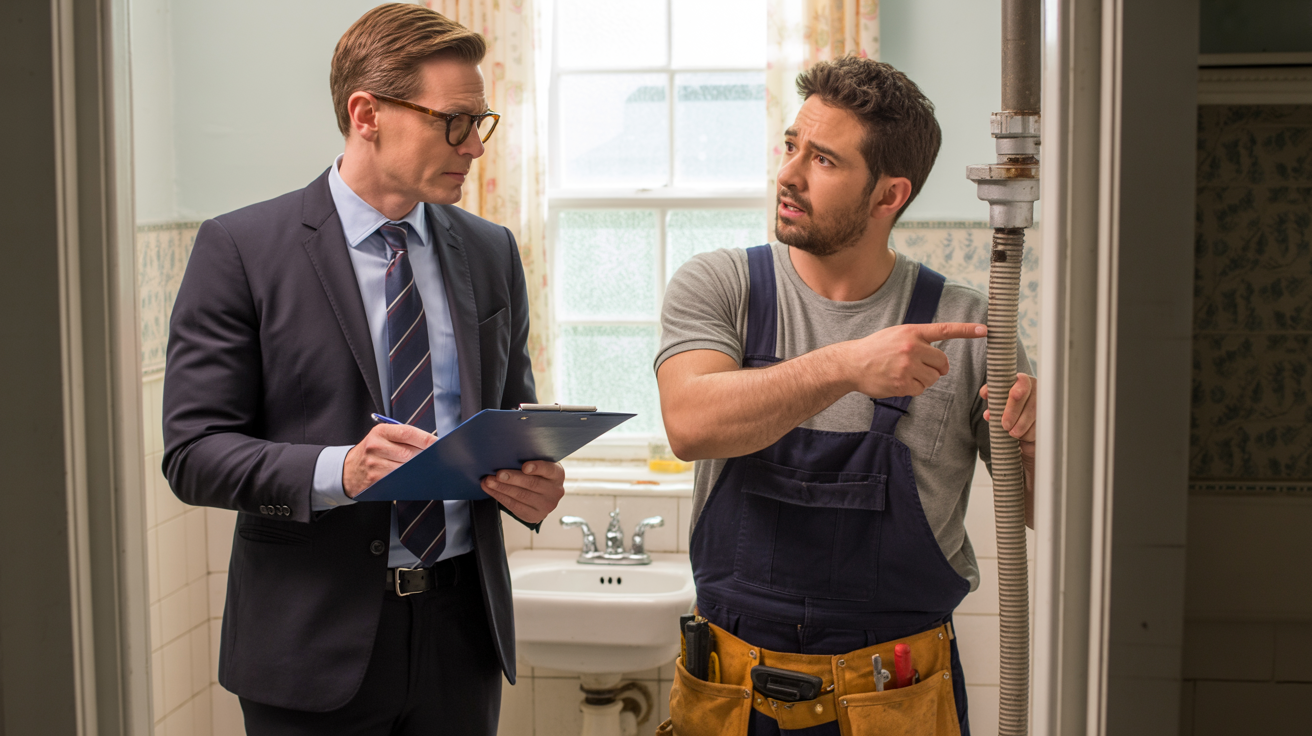
You should know exactly what is included, what is excluded and what happens next before the first visit takes place.
What should be in scope
You should expect a named site list, an asset list, service frequencies, task scope, reporting outputs and a clear route for defects and follow-on works. If the service covers alarms, emergency lighting and fire doors, the contract should show how each asset class is identified, inspected and managed.
What should be clear from the start
You should not have to guess whether user checks, specialist inspections, replacement parts, access issues, quotations, out-of-hours attendance or re-visits are included. Those boundaries should be clear before work begins, not after a missed expectation turns into a dispute.
How remedials should be handled
Once a defect is found, the next steps should be structured. You should be able to see what is urgent, what is planned, what needs approval, and what has already been resolved. That helps your team make decisions faster and helps your board or client understand the real compliance position without decoding raw engineer notes.
If you are comparing providers now, ask to see sample reporting and a sample defect workflow, not just a rate sheet.
Build your evidence trail so insurers, auditors and enforcing authorities see control, not confusion.

You need more than scattered certificates. You need a retrievable record of duty, inspection, action and closure.
Core compliance records
You should be able to retrieve your current fire risk assessment, asset list, service records, test logs, defect status, remedial evidence and any building-specific notes that affect priorities. That is the core structure of a defensible fire safety evidence pack.
Building-specific history
Generic statements carry little weight. What matters is what happened in your building, on your system, on that date, and what happened next. Strong records show who attended, what was checked, what was found, what was fixed, and what remains outstanding.
Readiness for review
Insurers, auditors and fire authorities usually want to see that you identified the requirement, maintained to a plan and kept credible records. When your evidence is spread across different suppliers, inboxes and spreadsheets, even completed work can look unmanaged. When your records are clear, the same building is easier to defend.
We can help you turn scattered service history into one usable compliance trail that supports review, renewal and governance.
Accreditations & Certifications







Reduce contractor overlap and reporting gaps with one managed fire safety workflow.

You need a model that reduces friction, shortens hand-offs and keeps accountability visible.
One schedule
Instead of juggling separate attendance patterns, your alarms, emergency lighting and fire doors sit within one planned structure. That makes the programme easier to coordinate, easier to monitor and harder to let drift.
One evidence trail
Your reporting should show due tasks, completed work, failed items, open defects and next actions in one place. That gives you a cleaner way to brief clients, boards, insurers and internal stakeholders without rebuilding the story every time.
One escalation path
When defects move from inspection to remedial action, accountability stays clearer. That matters across live portfolios, residential common parts and higher-scrutiny environments where delayed closure creates operational and reputational drag.
All Services 4U supports this with practical mobilisation, asset validation, consistent reporting and a clear route from finding to follow-up. You leave with more control and less chasing. If you are renewing a contract, consolidating suppliers or preparing for review, this is often where a scoped conversation saves you the most time.
Reliable Property Maintenance You Can Trust
From routine upkeep to urgent repairs, our certified team delivers dependable property maintenance services 24/7 across the UK. Fast response, skilled professionals, and fully insured support to keep your property running smoothly.

Book Your Free Consultation With All Services 4U Today
You need a fire safety maintenance plan built around your buildings, not a generic promise. We start by reviewing your current records, service setup, known defects and the way your alarms, emergency lighting and fire doors are being managed today.
We then map what is due, what is missing, where responsibility is unclear and which risks need priority action. You leave with a clearer picture of your current position and a practical route towards a more controlled, better-evidenced regime.
Bring your latest fire risk assessment, recent service records, asset information and open defect list if you have them. If your records are incomplete, that still gives us a workable starting point.
Book your free consultation with All Services 4U today.
Frequently Asked Questions
What does a fire safety planned preventive maintenance programme look like when it is genuinely under control in a real UK building?
A controlled fire safety planned preventive maintenance programme shows your assets, visit cadence, open actions, remedial status and evidence in one place.
In a real UK building, control is visible long before it feels impressive. You can see what is installed, what has been checked, what has failed, who owns the next action and what proof exists that the issue was put right. That is the difference between a building that is merely being visited and a building that is being properly managed.
A reliable fire safety planned preventive maintenance regime starts with a clear asset picture. Your fire alarm panels, detectors, call points, interfaces, emergency lighting fittings and fire door sets need clear identification and location logic. If those basics are weak, everything built on top of them becomes harder to trust. The servicing calendar should then separate routine user checks from specialist inspections and planned preventive maintenance, while still feeding both into the same action log and close-out trail.
Under the Regulatory Reform (Fire Safety) Order 2005, fire precautions must be maintained in an efficient state, in efficient working order and in good repair. In practice, that usually means your fire alarm maintenance structure aligns with BS 5839, your emergency lighting regime aligns with BS 5266, and your fire door inspection and upkeep process reflects BS 8214 and the wider fire risk assessment context. SFG20 can also help shape the underlying maintenance structure so the regime is planned rather than improvised.
Buildings rarely fall out of control all at once. They slip there through unanswered findings and half-closed actions.
A well-run system does not leave your team translating certificates into management decisions. It turns technical outputs into a usable control position. When a device fault appears, a luminaire fails a duration test, or a fire door closer no longer performs properly, the next step should already be visible. That means priority, ownership, target date, access constraints, approval route and completion proof are all easy to follow.
This matters beyond compliance language. For a managing agent, it reduces time lost chasing contractors and reconstructing status for clients. For an RTM board or freeholder, it gives a cleaner line of sight over building risk. For an insurer or broker, it supports a more credible story about how fire precautions are actively maintained rather than passively recorded. For a Building Safety Manager or Accountable Person in a higher-risk setting, it strengthens the wider safety case discipline because it shows whether life-safety controls are being maintained with consistency.
If you cannot answer basic questions quickly such as what is overdue, what is impaired, what is awaiting approval and what has been closed with proof, your fire safety maintenance position may be more fragile than it looks. That is usually when a structured review becomes more useful than another isolated service visit, especially if your team wants a cleaner operating picture without creating extra admin around every inspection cycle.
What should be visible without chasing three different people?
You should be able to see the full maintenance picture quickly, including what assets sit in scope, which checks are due next, which open items remain unresolved, which remedials were completed and what evidence supports that close-out.
That visibility matters because it helps your team answer the questions that come up in real buildings. Has the latest alarm service happened. Which fire doors are still awaiting repair. Are emergency lighting failures still live. Has a contractor actually closed the work or just attended site. Those are not technical curiosities. They are management questions, and they tend to surface at exactly the wrong moment if your records are fragmented.
Which core elements usually sit inside a well-run fire safety maintenance picture?
Before looking at performance, it helps to know what should sit inside the operating model.
| Element | What it should show | Why it matters |
|---|---|---|
| Asset schedule | Panels, devices, lights, doors and locations | Stops the regime relying on memory |
| Planned visit cycle | User checks, specialist visits and due dates | Keeps duties visible before they drift |
| Open actions register | Faults, priorities, owners and target dates | Prevents findings from going quiet |
| Close-out trail | Completion notes, photos, service sheets and sign-off | Supports audits and insurer questions |
| Escalation route | What becomes urgent, approved or monitored | Helps non-technical teams decide faster |
What turns a schedule into a managed control system?
The answer is action discipline. A programme becomes credible when findings move cleanly into remedial work, approvals, access planning and close-out proof without disappearing between visits. If attendance is easy to prove but closure is hard to prove, the regime is still weak where it matters most.
For many property teams, that is the point where a structured maintenance review pays for itself. You are not buying more paperwork. You are buying a clearer control position. If your board, client or compliance lead needs a firmer grip on fire safety planned preventive maintenance, a practical review with All Services 4U can help you see what is genuinely under control and what only looks that way.
Who owns what inside a fire safety planned preventive maintenance regime when several parties are involved?
Clear fire safety planned preventive maintenance depends on visible ownership for duties, actions, approvals and evidence.
One reason fire safety maintenance slips is that buildings rarely fail because nobody cared. They fail because responsibility was assumed rather than assigned. In mixed governance settings, the Responsible Person, managing agent, RTM directors, freeholder representatives, in-house teams and specialist contractors can all touch the same issue from different angles. If ownership is vague, open actions linger, certificates get filed without decisions, and the building develops a false sense of control.
The starting point is legal and operational distinction. The Regulatory Reform (Fire Safety) Order 2005 places duties on the Responsible Person in relation to fire precautions. That does not mean every practical task sits with the same individual or organisation. It means the control structure must show who is accountable for maintaining precautions, who arranges inspection and servicing, who reviews findings, who authorises remedials and who checks that the close-out is complete. In a higher-risk building, the Building Safety Act 2022 adds another layer of governance pressure because unclear responsibilities can weaken the wider safety case and reporting discipline.
A workable model separates four things. First, who holds the duty. Second, who coordinates the maintenance activity. Third, who executes the technical work. Fourth, who validates that the issue is genuinely closed. Those four points are often blurred in weaker arrangements. A contractor may identify faults but have no clear route to approval. A managing agent may hold the action log but not the technical confidence to challenge poor close-out. A board may see summary updates without understanding what remains outstanding. That is where delay and risk quietly build.
A strong ownership model gives each party a defined role in the chain. The contractor handles inspection, servicing, technical findings and evidence. The property or compliance lead reviews impact, priority and approvals. The board or client approves where spend or risk thresholds require it. The final status is not changed to complete until the record shows what was done, by whom, when and with what supporting proof.
Who usually needs to be named in the action trail?
The answer is everyone who can stall, approve, verify or complete the work.
That usually includes the Responsible Person, managing agent or contract lead, the servicing contractor, the remedial contractor where different, and the person or team who signs off completion. In some buildings, access coordinators or resident liaison teams also need to appear in the workflow because delays are caused less by technical difficulty than by missed access, poor communication or weak escalation.
Which ownership gaps tend to create the biggest fire safety maintenance problems?
These are the gaps that tend to cause the most avoidable drift:
- findings recorded without an action owner
- remedials proposed without approval thresholds
- completion logged without supporting proof
- servicing split across providers with no single action view
- boards receiving updates without a clear ageing position
Those gaps matter because a fire safety maintenance regime can look busy while still being structurally weak. Work orders move. Emails circulate. Certificates arrive. Yet no one has a dependable answer to whether the building is safer today than it was last month.
Why does ownership clarity matter to boards, insurers and Building Safety Managers?
It matters because each audience reads the same maintenance story differently. Boards want to know whether building risk is being actively governed. Insurers want to know whether maintenance failures are likely to become claims issues. Building Safety Managers and Accountable Persons want to know whether life-safety systems are being maintained in a way that stands up under scrutiny. Clean ownership shortens that explanation.
If your current setup still relies on informal chasing, hidden approvals or manual interpretation every time a defect appears, that is usually a sign the operating model needs redesign rather than another reminder email. A sensible next step is to map the duty chain and action chain together. That gives your team a clearer basis for deciding whether your current contractor structure is fit for the building you are trying to manage. Where that mapping is weak, All Services 4U can help put proper ownership and reporting logic around the maintenance regime without turning the process into a bureaucratic burden.
Which records actually matter when you need to prove fire safety maintenance is real rather than assumed?
The records that matter are the ones that show what was due, what was done, what failed, what changed and what proof supports the current position.
Many buildings are not short of documents. They are short of usable records. There is a difference. A file full of service sheets does not automatically prove your fire safety planned preventive maintenance is under control. What matters is whether your records can tell a coherent story under pressure. If a board asks what remains open, if an insurer queries a loss event, or if a regulator reviews your governance approach, the useful question is not whether paperwork exists. It is whether the paperwork proves management.
At a minimum, your fire safety record set should show the asset base, the service cadence, the latest inspection outputs, open actions, completion evidence and the current status of any impairments. That sounds straightforward, but many maintenance setups split those records across different folders, contractors and inboxes. Alarm servicing may be visible. Emergency lighting tests may sit elsewhere. Fire door findings may be buried inside a separate survey pack. The result is a building record that looks complete until someone needs an answer quickly.
The Home Office fire safety guidance is helpful here because it reinforces the practical need for suitable records, not just formal compliance language. In higher-risk settings, record quality matters even more because the Building Safety Act 2022 pushes the culture toward evidencing how risks are identified, managed and reviewed over time. That makes traceability just as important as attendance.
A strong fire safety maintenance record set also needs enough detail to support decisions without drowning the reader. The best files are not the thickest. They are the easiest to interrogate. You can see which issue was identified, why it mattered, what happened next and whether the close-out changed the risk position.
Which records should be easiest to pull in under five minutes?
The answer is the records that define your live control position, not just your archive.
That usually means the latest fire alarm servicing outputs, emergency lighting logs, current fire door action register, impairment records, open remedial list and the completion evidence behind recently closed items. If those cannot be pulled quickly, the operational burden on your team rises sharply every time a client, board or insurer asks a basic question.
Which record types tend to carry the most weight?
Before you review document volume, focus on document value.
| Record type | What it proves | Why it matters |
|---|---|---|
| Asset and service register | What is in scope and when it is due | Establishes the maintenance baseline |
| Service and inspection records | What was checked and what was found | Shows planned activity actually happened |
| Open action log | What still needs attention | Prevents false comfort |
| Completion evidence | What was rectified and when | Supports defensible close-out |
| Impairment and exception records | What was temporarily degraded | Shows active risk management |
Why are weak records expensive even when nothing dramatic has happened?
Weak records create hidden cost in three ways. First, they slow decision-making because teams spend time reconstructing status instead of acting on it. Second, they weaken insurer and lender confidence because the maintenance story feels fragmented. Third, they make governance heavier because boards and compliance leads cannot get clean assurance from the material in front of them.
That is why record quality should be judged by retrieval speed, cross-reference strength and closure clarity, not by how many PDFs exist in a folder. If the file set cannot support a quick, credible answer to what was due, what failed and what is now closed, the building is carrying more administrative and compliance risk than it needs to.
If your current records feel technically complete but operationally hard to use, it is often worth reviewing the filing logic before the next audit cycle or insurer renewal. A practical evidence review with All Services 4U can help turn scattered service records into a working control file that supports boards, managing agents, compliance teams and insurers without making your people chase the story by hand.
When does a fire safety defect count as properly closed rather than merely attended?
A fire safety defect is properly closed only when the risk, action, evidence and verification all line up.
This is one of the most important distinctions in any fire safety planned preventive maintenance regime. Attendance is not closure. A contractor can attend site, investigate an issue and even issue a report without the underlying risk being resolved. In practice, many buildings drift into weak control because completed visits are mistaken for completed actions.
A proper close-out starts with the original finding being clear enough to act on. That means the defect description should identify the relevant asset, location, issue, likely consequence and priority level. From there, the action path should show whether the item needs immediate make-safe action, planned remedial work, specialist escalation, client approval or monitoring. Once the work is complete, the record should then show what was done and how that completion was checked.
For fire alarm faults, that may mean the fault is rectified, the panel is normal, and the relevant tests and service notes show the system is back in service. For emergency lighting, it may mean failed fittings were replaced, the duration test was repeated and the log reflects the restored position. For fire doors, it may mean the door set was repaired or replaced, the closer and seals perform as intended, and the completion record is specific enough to demonstrate that the original issue was resolved rather than cosmetically addressed.
The dangerous gap is not between failure and repair. It is between someone attended and the risk is actually gone.
This is where weak contractor models often create silent exposure. A finding is raised. A quote follows. Approval takes time. Access is delayed. The original issue then disappears from active view because everyone assumes someone else is holding it. A mature regime prevents that by making ageing, ownership and status visible until the evidence standard for closure is met.
What should a close-out record normally show?
The answer is enough detail for a non-technical reviewer to understand the journey from defect to resolution.
A useful close-out record normally shows the original finding, the action taken, the date completed, the person or contractor responsible, any testing or verification carried out, and the supporting documents or photos that prove the item moved from open risk to closed action. If the issue is only partly resolved, the record should say so plainly.
Which signs suggest a fire safety action is not really closed?
These warning signs are common in stretched or fragmented maintenance arrangements:
- the work order says complete but no proof is attached
- the original defect wording is too vague to verify
- the item disappeared from the report but not from the risk
- a temporary measure is presented as a permanent fix
- the close-out does not show retesting or validation
That matters because false closure undermines the entire control system. It creates a misleading dashboard, weakens board reporting and increases the chance that an insurer or auditor finds a gap before your own team does.
Why does close-out discipline matter so much to boards and insurers?
Boards need to know whether reported risk is actually reducing, not just being administratively processed. Insurers want confidence that life-safety systems are maintained in a way that reduces loss likelihood and supports claim defensibility. A clean close-out trail also helps managing agents and compliance leads avoid repeated explanation work because the evidence speaks for itself.
If your current fire safety maintenance setup still treats attendance as progress and progress as closure, that is usually where the control model needs tightening. A close-out review can reveal whether the live risk picture is stronger than the paperwork suggests, or weaker. If your team wants a firmer standard for what good closure looks like, All Services 4U can help build that logic into the maintenance and reporting workflow so open actions stop drifting between visits and approvals.
Why do boards, managing agents and insurers read the same fire safety maintenance regime in different ways?
They read the same regime differently because each audience is looking for a different form of confidence.
A board is usually asking whether the building is being governed responsibly. A managing agent is asking whether the work is visible, controllable and defensible without excessive admin. An insurer is asking whether maintenance discipline is strong enough to reduce avoidable loss and support a cleaner claims narrative. The records may be the same, but the question behind the records is not.
That is why fire safety planned preventive maintenance should never be presented as a flat technical bundle. The same underlying information needs to translate into different decision language. For boards, that means open risk, overdue action, trend direction and approval points. For managing agents, that means service reliability, contractor responsiveness, close-out quality and reporting clarity. For insurers and brokers, that means whether key precautions are maintained, documented and recoverable when queried.
The practical mistake many providers make is assuming that a certificate is self-explanatory. It is not. A certificate may satisfy part of the technical story, but governance audiences need context. They need to know what changed since the last cycle, what remains open, whether the residual position is acceptable and where the next risk decision sits. That is particularly relevant where insurer conditions, leaseholder scrutiny, resident sensitivity or Building Safety Act governance duties raise the stakes around life-safety reporting.
SFG20 can help give structure to the planned maintenance side, while the Fire Safety Order and associated standards shape the compliance expectations. But the real test is whether the resulting output can be used in live decision-making by non-engineers. If your reports only make sense to the contractor who wrote them, your building still has a reporting problem.
What does a board usually want to know first?
The answer is whether risk is reducing, stable or increasing, and what decisions need attention now.
Boards typically do not need every technical line item in front of them at once. They need the current control picture. That means which life-safety elements are on schedule, which actions are overdue, which issues require approval, which impairments affected the building recently and whether any pattern is emerging that changes the risk outlook.
What tends to matter most to insurers and brokers?
Before insurer conversations become difficult, they usually focus on maintenance discipline and evidence quality.
| Audience | Main question | What helps answer it |
|---|---|---|
| Board or RTM directors | Is building risk being governed properly | RAG view, ageing actions, decision log |
| Managing agent | Can this be run without constant chasing | Clear ownership, live status, close-out trail |
| Insurer or broker | Are precautions maintained and defensible | Logs, servicing records, impairments, proof of closure |
Why does translation matter commercially as well as operationally?
It matters because poor translation creates avoidable friction. Boards delay approvals because the case is unclear. Managing agents spend time rewriting contractor output. Insurers ask follow-up questions that could have been answered earlier with better structuring. In each case, the building pays for weak reporting through time, delay and avoidable uncertainty.
If your current fire safety maintenance reporting feels technically competent but hard for decision-makers to use, that is not a cosmetic issue. It is an operational weakness. One of the simplest ways to strengthen trust is to make the maintenance story easier to read without diluting the technical truth. If your team wants reporting that works for both governance and day-to-day management, All Services 4U can help shape the fire safety maintenance output around the audiences who actually need to act on it.
How do weaker fire safety maintenance contractor models usually fail even when visits are happening on time?
Weak fire safety maintenance contractor models usually fail in the spaces between servicing, action ownership, approval and close-out.
On paper, they can look perfectly acceptable. Visits occur. Certificates are issued. Defects are listed. Yet the building still carries growing uncertainty because the contractor model stops at attendance instead of supporting control. That is why on-time visits alone are a poor proxy for fire safety strength.
One common failure point is fragmented scope. One contractor services the fire alarm, another handles emergency lighting, another inspects fire doors, and nobody is responsible for converting those findings into one managed action picture. Each report may be technically valid, but the building team is left to assemble the operational truth. In that gap, open items age, overlaps are missed and competing priorities are resolved informally.
Another weakness is vague reporting. Findings are described too loosely for quick decision-making, so property teams spend time clarifying what the issue actually is, whether it is urgent and what approval route applies. That is where minor defects start consuming disproportionate management time and serious defects sometimes sit unresolved because their significance was not translated clearly enough.
A third problem is weak remedial linkage. The service visit identifies issues, but the route into quotation, approval, access and close-out is disjointed. Nothing appears badly wrong in isolation. The real problem is that no one can see the full path from finding to resolution without chasing multiple people. That is when the programme starts to feel busy but not truly controlled.
There is also a more subtle failure mode around assurance. Some contractor models produce records that prove attendance but not performance. A sheet confirms the visit took place, but not whether the work changed the building’s risk position, what remains open, or what should happen next. That is the kind of weakness that becomes expensive during audits, insurer reviews, resident complaints and board scrutiny.
Which warning signs usually appear first?
The answer is usually not dramatic technical failure. It is administrative drag with hidden safety consequences.
You may see the same issues reappearing over multiple visits. You may notice delays between findings and quotes, or between approved works and recorded closure. Your property manager may struggle to explain status without reading several reports together. Your board papers may rely on narrative reassurance rather than hard ageing data. Those are all signs the model is weaker than the attendance record suggests.
What does a stronger contractor model do differently?
A stronger model tends to do five things better:
- keeps asset scope and visit cadence clear
- translates findings into owned actions quickly
- links servicing to remedials and verification
- produces evidence that non-technical teams can use
- makes live status visible without manual reconstruction
That matters because good fire safety maintenance is not just about technical competence. It is about control, continuity and decision support. The best contractor relationships reduce uncertainty as well as defects.
Why is the cost of delay usually higher than it first appears?
Delay is expensive because it compounds quietly. An unresolved fire door issue can affect FRA action ageing. A weak impairment trail can complicate insurer confidence. A patchy maintenance picture can slow board decisions and increase internal admin. What looks like a contractor management nuisance can become a governance and commercial problem surprisingly quickly.
If your current fire safety maintenance arrangement feels acceptable only because your own team is doing the integration work behind the scenes, that is usually a sign the model is costing more than it appears. A comparative review can help you see whether your provider is genuinely managing the regime or simply visiting it. If you want a more controlled, board-safe and insurer-ready model, All Services 4U can help you assess the gaps and build a cleaner route from servicing to close-out to assurance.
- Keep your fire alarms, emergency lighting and fire doors under one planned compliance regime.
- Understand what fire safety PPM actually covers before you compare providers.
- Separate routine checks from competent servicing so nothing important is assumed away.
- Match inspection frequency to the asset, the building and the level of risk.
- Expect your contract to define scope, boundaries and remedial workflow in plain terms.
- Build your evidence trail so insurers, auditors and enforcing authorities see control, not confusion.
- Reduce contractor overlap and reporting gaps with one managed fire safety workflow.
- Book Your Free Consultation With All Services 4U Today
- Frequently Asked Questions
- Related PPM Services
Related PPM Services
Case Studies


Related Articles

Your Guide To Identifying And Treating Minor Mould Outbreaks
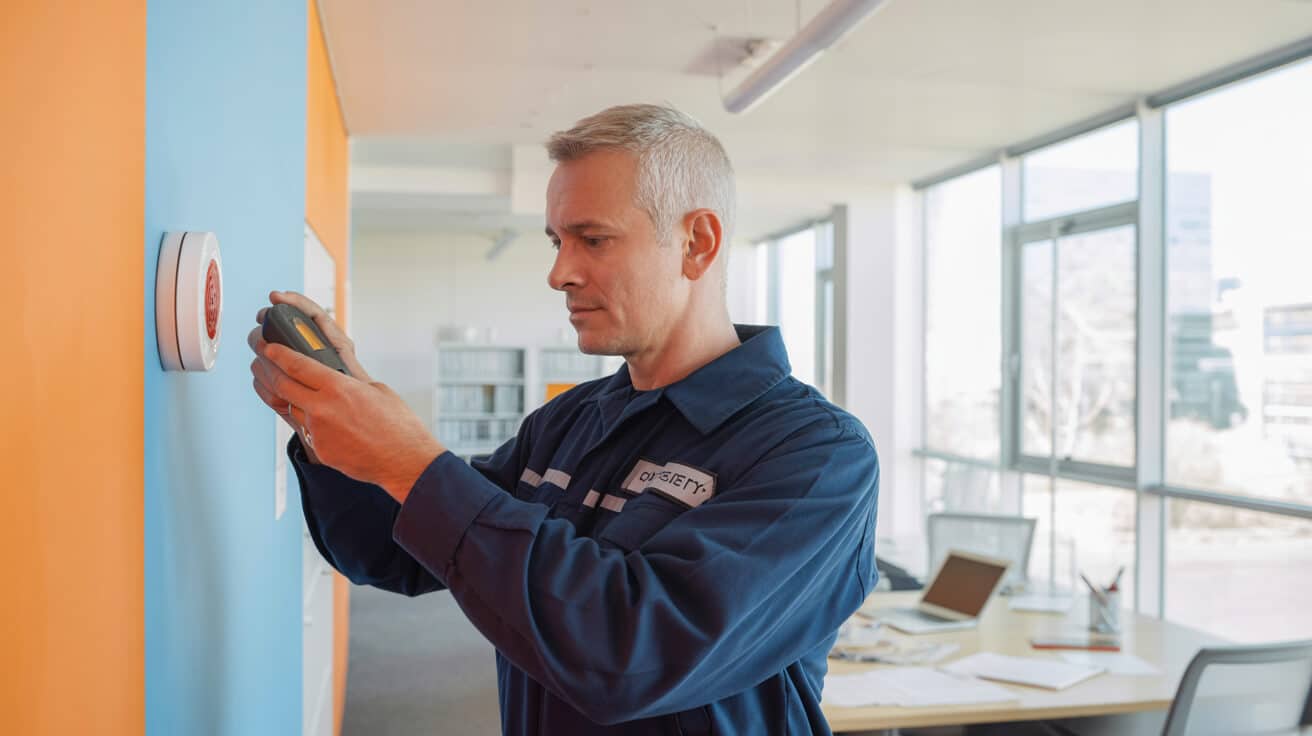
Why Planned Preventative Maintenance (Ppm) Saves Money And Ensures Compliance