Emergency Lighting Testing PPM Services for Insurers – BS 5266 Monthly & Annual Evidence Logs
Insurers, property managers, and multi-site duty holders need BS 5266 emergency lighting testing that stands up to audits, claims, and renewals. All Services 4U delivers structured PPM with monthly functional checks, annual full-duration tests, and evidence logs aligned to insurer expectations, depending on constraints. You end up with a clear testing cadence, joined-up defect tracking, and dated, attributable records you can retrieve quickly when challenged. A short conversation about your current regime can show whether your logs are genuinely insurer-ready.



Author
Izzy Schulman

For commercial property managers, housing providers, and multi-site estates, gaps in emergency lighting records can quickly become a problem when insurers, auditors, or loss adjusters ask for proof. You need testing and documentation that are current, consistent, and easy to present under pressure.

All Services 4U structures emergency lighting PPM around BS 5266 monthly and annual testing requirements, with clear logs and defect tracking shaped for review. This gives you a defensible compliance position and a maintenance story that is simple to explain when an insurer examines your file.
- BS 5266-aligned monthly and annual testing across your estate
- Consistent, searchable logs for audits, claims and renewals
- Defect tracking that links failures to clear remedial actions</p>
Need Help Fast?
Locked out, leak at home, or electrical issue? All Services 4 U provides 24/7 UK locksmith, plumbing, electrical.
Testimonial & Clients Who Trust Us
With 5 Star Google Reviews, Trusted Trader, Trust Pilot endorsements, and 25+ years of experience, we set industry standards for excellence. From Dominoes to Mears Group, our expertise is trusted by diverse sectors, earning us long-term partnerships and glowing testimonials.
Worcester Boilers

Glow Worm Boilers

Valliant Boilers

Baxi Boilers

Ideal Boilers

How Often Emergency Lighting Should Be Tested Under BS 5266
You need emergency lighting testing that meets BS 5266, keeps insurers calm, and gives you evidence you can pull in seconds.
BS 5266 sets a clear cadence: a short functional test every month and a full‑duration test once a year, with each test recorded. Monthly, you simulate a mains failure and check every emergency luminaire and exit sign changes over and illuminates. Annually, you hold the system on emergency supply for its rated duration, often three hours, to prove it will support safe escape for as long as it should.
Across multiple buildings, the risk is less about misunderstanding the standard and more about silent gaps. You need a routine that is predictable, clear on ownership, and robust enough that you can show exactly what was tested and when. All Services 4U designs and delivers PPM regimes around this cadence for multi-site portfolios, structuring tests and logs in the way insurers usually expect to see, and that loss adjusters rely on when they review a file.
Book a short consultation to check whether your current regime is genuinely BS 5266‑aligned and insurer‑ready before somebody asks you, under pressure, to produce your logs.
Who Holds the Duty and Why Insurers Care About the Records
The duties that sit on your side
Emergency lighting testing is a shared activity, but the duty to ensure it happens and is documented sits with you rather than with your contractor. You are expected to arrange suitable maintenance, agree the scope of systems in each building, and keep control of the log book or digital record.
You therefore need clarity on who in your organisation owns emergency lighting compliance, how often they review records, and who is authorised to sign off remedial actions. When that ownership is vague, evidence fragments across emails, engineer pads, handheld devices and site folders, and it becomes much harder to reconstruct a clear story when something goes wrong.
Why insurers examine your logs
Insurers look at emergency lighting logs because they are a high‑signal way to judge whether a critical life‑safety control is being managed. Records help them answer three questions: whether the building was being run with reasonable care, whether lack of maintenance contributed to the loss, and whether there are grounds in the policy to challenge parts of a claim where precautions were not kept up.
Weak or inconsistent records do not automatically decide an outcome, but they do invite more questions, slower technical review and, in some cases, a sharper renewal conversation. When your logs are complete, dated, attributable and easy to retrieve, you reduce friction at precisely the moment you most want the process to move quickly. A well‑structured PPM service is there to give you that level of assurance as standard rather than as a one‑off rescue job.
What a Monthly Functional Test Log Should Record
The purpose of the monthly test
The monthly functional test is there to answer a basic question: will each fitting operate on emergency supply when normal power fails. The test is deliberately short so you can complete it safely without significantly draining batteries, but it still needs to be systematic and recorded.
Minimum content for each monthly record
Every monthly entry should show when the test was carried out, who carried it out, what was tested, and what happened. At a minimum, each record should capture:
- date of the test
- name or initials of the person testing
- location or asset reference for each fitting or circuit
- simple pass or fail result
- brief note of any visible damage or faults
- immediate action taken for any failure (for example, work order raised or fitting isolated)
If your buildings use different contractors or caretakers, enforcing the same fields across all monthly logs is one of the fastest ways to raise the quality of evidence. Over time those records let you see patterns such as recurring failures in the same stair core, areas that are regularly missed, or a particular product type that is ageing badly, so you can intervene before those weaknesses appear in a claim file.
What the Annual Full‑Duration Test Should Prove
What changes at the annual test
The annual full‑duration test is designed to prove endurance, not just function. Instead of a short changeover check, you simulate a mains failure and keep the system running on emergency supply for its rated duration, often three hours. The question becomes whether this lighting will support safe escape and any planned emergency procedures for as long as it is supposed to.
Because of the longer discharge, annual testing needs more planning. You need to think about the timing of the test, how the building will be occupied that day, how fire procedures will be managed while systems are on test, and how you will restore systems afterwards so batteries are given time to recharge.
What a strong annual record looks like
A good annual record makes it clear what you tested, how long you tested it for, what passed, and what failed. In practice, that means documenting:
- date of the annual test
- duration attempted for the discharge
- areas, circuits or asset groups included in the test
- list of fittings that did not achieve the required time
- any agreed limitations or inaccessible areas on the day
- remedial work orders raised and the follow‑up retest results
From a claims and governance perspective, the combination of the annual test result and its associated remedial trail is what proves the system was not only installed, but being actively managed. When your provider structures annual reports around these elements, you can hand them straight to a loss adjuster or auditor without re‑working them.
How Defects, Remedials, and Retests Should Be Logged
Connecting failures to actions
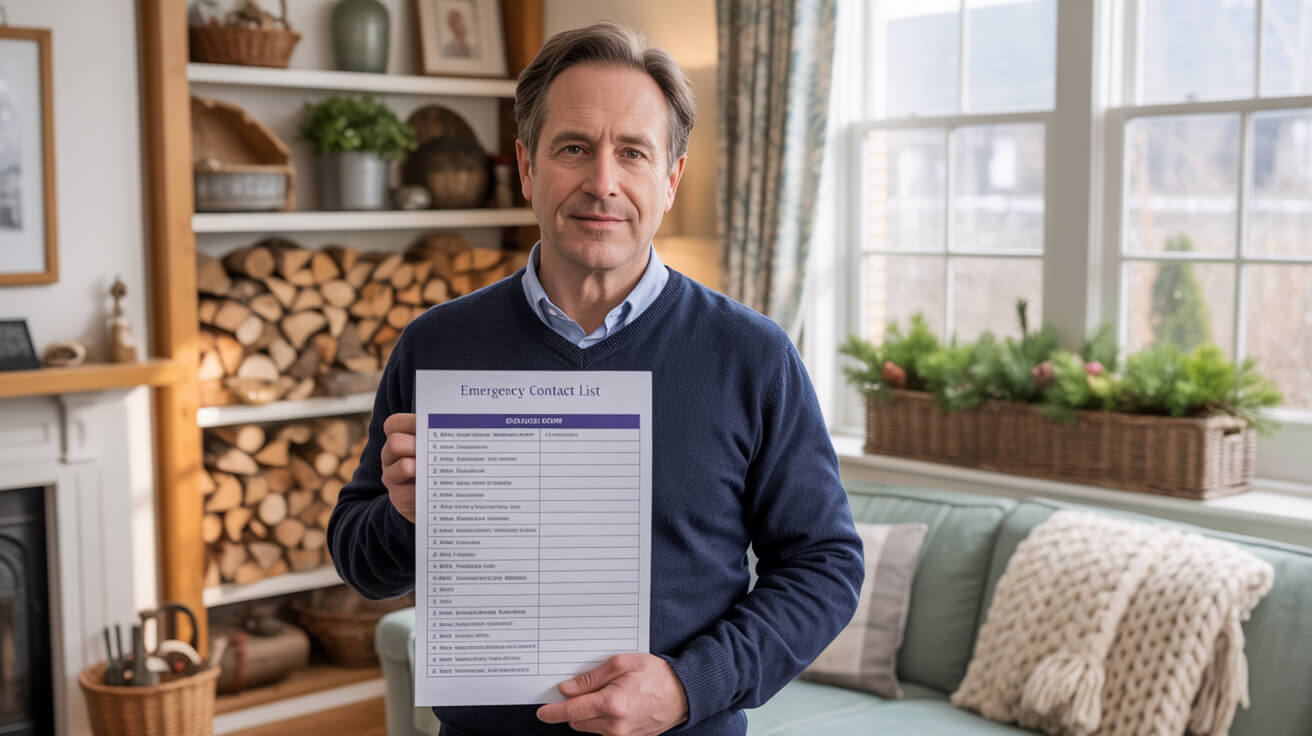
The most useful emergency lighting records show a clear line from “found a fault” to “fixed and retested”. When a monthly or annual test identifies a failure, that defect should be captured in a way that keeps it linked to the original test entry. You want to see a reference number or asset ID that carries through from test log, to remedial work order, to completion note, to retest result.
If defects are recorded in one place, quotations in another, and completion notes in individual inboxes, you create work every time someone needs to understand what actually happened. A joined‑up log avoids that problem and gives you a reliable story of each fault, so you can show not only that you found issues but that you dealt with them promptly and systematically.
Making ageing and ownership visible
Good logs also show how long defects have been open and who owns them. Simple fields such as “date raised”, “target completion date”, “actual completion date”, and “responsible team or contractor” turn a list of issues into a management tool. They help you focus attention on items that affect life safety and have been outstanding for too long.
Honest exception notes matter as well. If you cannot complete a remedial because of access restrictions, tenancy issues, or planned works, recording that fact is better than leaving a silent gap. It shows the issue is known and managed, even if the technical fix has to be phased, and it reassures anyone reviewing the file that you are not ignoring life‑safety defects.
What an Insurer‑, Auditor‑ or Loss‑Adjuster‑Ready Evidence Pack Should Include

Single‑site evidence pack
When someone asks for emergency lighting evidence for a particular site, they are usually looking for a small number of clear documents rather than a whole maintenance archive. A strong pack will normally include:
- an up‑to‑date emergency lighting asset list
- the last twelve months of monthly test logs
- the most recent annual full‑duration test results
- a current defect and remedial summary
- copies of significant retest records or relevant certificates
Together those pieces should tell a consistent story about the system. They should show what is installed, how often it is tested, what has failed, how it was addressed, and whether anything significant remains open. If a loss adjuster calls about an incident in a stair core, you can open the pack and show exactly when those fittings were last tested, how long they ran on annual test, and when any failures were cleared. That turns a difficult call into a review of facts instead of a search through scattered emails and engineer pads.
Portfolio and multi‑site view
If you are responsible for a portfolio, you also need to be able to step back from individual sites. A portfolio‑level view of emergency lighting performance is most useful when it highlights:
- which buildings have overdue annual tests
- where monthly evidence completeness is low
- which sites show repeated failures in the same areas
- where remedial backlogs or long‑aged defects are concentrated
Those views support board assurance, risk committee reports, and insurer or broker conversations. They allow you to make decisions about investment, contractor performance and prioritisation using evidence rather than anecdotes. All Services 4U is used to organising this for multi‑site estates run by managing agents, housing providers and investors, so you can move between site‑level detail and portfolio‑level summaries without having to rebuild the picture yourself.
If you want to see how your current evidence would look in this format, you can request a short emergency lighting evidence review before you commit to a full service change.
Accreditations & Certifications








What a Good Emergency Lighting PPM Service Proposal Should Include

Questions to ask potential providers
When you read a proposal for emergency lighting PPM, you should look for more than a list of visits and prices. It helps to ask directly how the provider will:
- build and maintain the emergency lighting asset register
- schedule and document monthly function tests and annual duration tests
- structure the fields in monthly and annual logs
- raise, track and close defects, including retests
- assemble and provide site‑level and portfolio‑level evidence packs on request
It is worth asking explicitly how their evidence will support your responsibilities as a Responsible Person, board reporter, or risk manager, not just how they will satisfy the technical standard.
Signs the proposal will stand up under scrutiny
Strong proposals describe outputs in practical terms you can test. They explain what a standard monthly record looks like and what an annual test report contains. They set out how quickly they can collate a site pack for you, and how exceptions and limitations will be described so you are not left with unexplained gaps.
They also recognise that many estates are messy, with inherited buildings, mixed contractors and patchy historic records. A capable provider should be able to explain how they would move you from that starting point toward a standardised, BS 5266‑aligned regime without overwhelming day‑to‑day operations, for example by starting with a handful of representative buildings and rolling out once the approach is proven. All Services 4U builds proposals around these questions and steps, drawing on experience of tidying inherited portfolios where testing records and insurer expectations do not yet match, so you can see in advance how emergency lighting testing will translate into usable, defensible evidence rather than another set of loose certificates.
Reliable Property Maintenance You Can Trust
From routine upkeep to urgent repairs, our certified team delivers dependable property maintenance services 24/7 across the UK. Fast response, skilled professionals, and fully insured support to keep your property running smoothly.

Book Your Free Consultation With All Services 4U Today
Book a free consultation with All Services 4U to get a fast, honest view of whether your emergency lighting regime will stand up to insurer, auditor and board scrutiny.
In a short conversation, you and our team can walk through one or two representative buildings. Together you can look at cadence, asset coverage, log quality, open defects and typical turnaround from fault to fix to retest. That discussion gives you a realistic picture of where you are strong and where evidence gaps or operational risks are likely to attract questions.
You will leave the consultation with:
- a clear snapshot of how your current testing and records compare to BS 5266 expectations
- a short, prioritised list of remedial or record‑keeping actions that will make the biggest difference
- options for testing‑only support or a broader managed service, so you can choose the level of help that fits your organisation
From there, you can decide whether you want support limited to testing and record‑keeping, or a broader managed service that also covers remedial works and multi‑site reporting. In practice, you can start with a focused group of buildings or an evidence pack review, then extend once you are comfortable with the approach and the quality of the outputs.
Book your free consultation with All Services 4U today and put an insurer‑ready, BS 5266‑aligned emergency lighting PPM regime in place across your buildings.
Frequently Asked Questions
What does an insurer-ready emergency lighting PPM service actually prove beyond the test itself?
An insurer-ready emergency lighting PPM service proves that your emergency lighting was not only tested, but managed, corrected, and brought back under control in a way others can verify.
Many portfolios already pay for monthly checks and annual duration tests, yet still struggle when a broker, insurer, board member, or compliance lead asks a simple follow-up: can you show what was tested, what failed, what was repaired, and when the system was back in service? If the answer depends on separate emails, engineer notes, invoices, and a half-complete logbook, the issue is not effort. It is traceability.
A proper emergency lighting maintenance regime starts with a clear asset schedule aligned to BS 5266. Every fitting, zone, or circuit in scope should be identifiable by location and reference. Monthly function tests should then confirm whether fittings operate when normal power is interrupted for a short period. Annual duration tests should confirm whether they continue operating for the required period under battery power. From there, the service should connect every failure to a remedial action and every remedial action to a verification test after the repair.
Reassurance fades quickly when the file cannot explain what happened.
That is where many providers fall short. They document attendance, but they do not leave a renewal-grade record. A stronger service leaves a traceable chronology that shows the fitting was on the register, the check happened on time, the failure was recorded correctly, the remedial work was completed, and the return to service was confirmed. That standard gives your team something stronger than a stack of certificates. It gives you a defensible control record.
The Fire Safety Order 2005 and BS 5266 both point in the same direction: emergency lighting is part of a wider life-safety control, not an isolated annual event. If you are managing residential blocks, mixed-use stock, or higher-risk assets, that distinction matters commercially as well as operationally. Calm renewals, cleaner assurance packs, and fewer clarification requests usually come from one thing: records that hold together under review.
For a board, broker, or managing agent, that is the aspiration point. You are not trying to look busy. You are trying to look disciplined, review-ready, and difficult to challenge. That is the standard worth aiming at.
Which records should a complete service leave behind?
A complete service should leave behind a structured evidence trail, not a scatter of unrelated files.
- current asset list by fitting, zone, or area
- monthly function test entries
- annual duration test results
- defect records linked to asset references
- remedial completion records
- verification after remedial works
- visible exceptions such as missed access
- one retrievable site file for external review
That file should work across audiences. Your property manager should be able to chase open defects from it. Your compliance lead should be able to see ageing and gaps without decoding engineer shorthand. Your broker should be able to use it during renewal without rebuilding the chronology from scratch.
Where does an otherwise active service usually lose credibility?
An otherwise active service usually loses credibility at the handover between test, repair, and verified closure.
A contractor may record the monthly check correctly. A battery fault may be identified. A replacement may even happen within days. Then the trail breaks. The original defect sits in one record, the remedial work in another, and the confirmation that the fitting passed after repair never gets tied back clearly. That is when maintenance starts to look fragmented rather than controlled.
This is why a review now is often more useful than another round of routine attendance. If your current provider leaves you with certificates but not a coherent evidence trail, the service may be technically active while still being commercially weak. A focused review of one representative site can show whether the gap sits in testing, reporting, or record design.
When does a maintenance record become board-safe?
A maintenance record becomes board-safe when a non-technical reviewer can understand scope, status, open items, and closure history without needing an engineer to interpret the file.
That is the practical benchmark. If a board member, lender, or insurer can see what is current, what failed, and what has been resolved within minutes, the record is doing its job. If they cannot, the maintenance model may need tightening before the next renewal cycle makes that judgement for you. If you want that process to feel low-drama rather than last-minute, a site-level evidence review is a sensible place to start.
Why do insurers look past annual emergency lighting certificates and focus on the full record trail?
Insurers look past annual certificates because a certificate shows a checkpoint, while the wider record trail shows whether control was maintained across the year.
That distinction becomes important during renewals, surveys, and claims discussions. Emergency lighting supports safe escape, continuity of the fire strategy, and occupant safety if the mains supply fails. An annual duration certificate may confirm that a formal test took place, but it does not automatically show whether monthly checks were completed, whether defects remained unresolved for long periods, or whether failed fittings were tested again after repair.
A stronger file answers those questions without forcing the reviewer to infer what happened. Monthly entries show routine oversight. Annual duration results show endurance under battery power. Defect logs show where the system came under pressure. Closure notes and verification after repair show whether faults were left to drift or brought under control properly.
The Insurance Act 2015 raised the importance of fair presentation in commercial insurance. In practical terms, that has made maintenance evidence more commercially relevant than many portfolios expect. The point is not that every imperfect log automatically creates a coverage problem. The point is that incomplete records create space for doubt, and doubt slows renewal, claims handling, and risk conversations.
A disciplined operator understands that this is as much about commercial posture as technical compliance. When your evidence can be pulled quickly and understood easily, you reduce noise around the account. You also give brokers and surveyors fewer reasons to probe the file line by line.
What are insurers usually trying to establish from the records?
Insurers usually try to establish whether the system was maintained consistently, whether faults were allowed to age, and whether the chronology can be checked without reconstruction.
| What they want to know | What the records should show | Why it matters |
|---|---|---|
| Was the system maintained through the year? | monthly checks and annual duration testing | supports continuity of control |
| Were defects managed properly? | defect dates, remedial works, return-to-service confirmation | shows responsive management |
| Can the file be reviewed quickly? | dated, attributable, site-linked entries | reduces uncertainty and delay |
That is why emergency lighting logs often matter more than teams expect. They do not just support compliance. They support insurability, credibility, and confidence in the management regime.
Which gaps create the most insurer friction?
The gaps that create the most friction are usually the missing links between related records.
A building may have an annual certificate and a separate monthly logbook, yet still look weak if the fault noted in one document cannot be tied clearly to the repair shown in another. Weak location references, unsigned entries, missing exception notes, and no confirmation after remedial work all create avoidable questions.
BAFE guidance repeatedly reinforces the importance of competence, maintenance discipline, and record quality. The British Standards framing does the same. A portfolio does not need theatrical amounts of paperwork. It needs enough clarity to show that failures were seen, addressed, and verified.
When should you test your file before someone else does?
You should test your file before renewal, before a lender review, and before any board cycle where assurance language needs to be precise.
Choose one property and ask for the last twelve months of emergency lighting records in one retrieval file. Include the register, monthly entries, annual duration result, defect history, and closure evidence. If that pack can be produced quickly and read clearly by someone outside daily operations, you are probably in reasonable shape. If not, the better move is to correct the process now rather than leave your broker or insurer to discover the weakness first.
That is not alarmism. It is what well-run property teams do. They make review easier before it becomes urgent.
How should a BS 5266 emergency lighting log be organised so a reviewer can follow it without guesswork?
A BS 5266 emergency lighting log should let a reviewer move from asset, to test, to fault, to verified closure without filling in the gaps themselves.
The best logs are not impressive because they are longer. They are impressive because they are easier to trust. At the front of the record, the premises, responsible party, and system scope should be obvious. After that, the asset list or location plan should show exactly which fittings, circuits, and zones are covered. Every test entry should then point back to those references instead of relying on vague wording such as “system checked” or “lights tested”.
That structure matters because a logbook is not there to satisfy a filing habit. It is there to support maintenance, inspection, remedial tracking, and management review. The Institution of Engineering and Technology has long supported the practical value of well-kept maintenance records, and BS 5266 relies on that same logic. If a log is unclear, the maintenance history becomes hard to defend. If it is clear, the record becomes useful to engineers, managers, and external reviewers alike.
A duration test, in plain English, is the full annual test that checks whether emergency lights stay on for the required time when mains power is lost. A closure path is simply the visible route from fault found to fault resolved. Those terms sound technical, but the underlying expectation is straightforward: the file should show what happened and whether the issue was finished properly.
Which fields should always appear in a defensible log?
A defensible log should always include the fields that identify the site, the event, the result, and the follow-up.
- premises name and address
- responsible person or managing entity
- fitting, area, or zone reference
- date and type of test
- tester or contractor name
- result recorded clearly
- defect description where relevant
- action raised
- completion date
- verification after repair
- exception note for missed access or other constraint
Those fields create more than a technical note. They create a governance tool. A compliance lead can track ageing. A managing agent can chase unresolved items. A broker can review the file without translating site shorthand.
When does a technical log become a management control?
A technical log becomes a management control when it shows ownership, ageing, and exceptions rather than just listing dates.
This is where many portfolios either mature or stall. A basic log tells you that a test happened. A stronger log also tells you which defects remain open, how old they are, where missed access has interrupted the routine, and whether one area keeps failing more often than others. That extra visibility is what lets a portfolio move from reactive maintenance to active control.
For boards and senior stakeholders, that matters because they rarely need more paperwork. They need faster judgement. A standardised record structure across the estate gives them exactly that. It shortens the distance between the raw site entry and the assurance statement they may need to make later.
What should be visible within the first page or two?
Within the first page or two, a reviewer should be able to see what is in scope, when it was last checked, what remains unresolved, and whether older failures have been signed off properly.
If that visibility is missing, the issue is usually not the standard. It is the design of the record. A standardised, readable format across sites can make emergency lighting evidence more useful without increasing disruption for building teams. That is often where operational calm starts: not with more activity, but with better structure.
Which record gaps usually cause the most trouble during audits, renewals, and claims reviews?
The gaps that cause the most trouble are usually not missing tests, but missing links between the test, the repair, and the proof that the issue was resolved.
That is an important distinction. A portfolio can look compliant at first glance because monthly entries exist and an annual duration report is on file. The pressure arrives when someone asks the next question. Which fitting failed in the stair core? When was it repaired? Was it checked again after the battery change? If your team cannot answer that quickly, control starts to look less certain than the paperwork suggests.
One weak entry is rarely the whole problem. The real issue is pattern. Vague location references, unsigned entries, no note for inaccessible areas, faults with no completion date, and annual failures with no visible follow-up all point toward the same operational weakness: the record cannot tell its own story. That wastes time for property teams and creates avoidable friction for brokers, auditors, lenders, and boards.
Good maintenance should reduce questions, not multiply them.
This is where the ambition should become clear. A well-run organisation does not aim merely to complete the checks. It aims to make evidence retrieval fast, calm, and credible. That is a higher standard, but it is also a more practical one. It lowers review friction across the year and makes scrutiny feel routine rather than disruptive.
Which gaps attract the fastest scrutiny?
The gaps that attract the fastest scrutiny are the ones that interrupt traceability.
- no clear fitting or area reference
- no completion date against a recorded defect
- no verification after remedial work
- no note explaining missed access
- no named owner for open issues
- different reporting formats across sites
None of those gaps looks dramatic on its own. Together, they suggest a weak control environment rather than a reliable one.
Why do mixed formats across a portfolio matter so much?
Mixed formats matter because inconsistency slows judgement and weakens oversight.
If one site uses a paper logbook, another relies on contractor PDFs, and a third only has spreadsheet summaries, then your team has to rebuild the evidence model each time a question is asked. That is inefficient for property managers and unhelpful for compliance reviews. It also makes board assurance harder than it should be.
A consistent retrieval structure turns scattered activity into a portfolio-level control. That is the aspiration worth keeping in view. You want your estate to look well run, easy to review, and hard to challenge, even when different contractors or legacy records are involved.
What should a retrieval test prove in practice?
A retrieval test should prove that one site’s last twelve months of evidence can be assembled quickly and understood without oral explanation.
That means the register, monthly records, annual result, open issues, completed repairs, and verification after repair all sit in one traceable chronology. If that cannot be done within a short review window, the issue is not only administrative. It suggests the regime may be weaker under external review than internal teams assume.
A focused evidence review on one representative building can normally show whether the problem sits with the contractor, the format, or the way records are being stored. That is often the most proportionate next step, especially if you want to strengthen the regime without creating unnecessary disruption.
Who should review emergency lighting evidence inside your organisation, and when should they look at it?
Emergency lighting evidence should be reviewed monthly by operational teams, quarterly by compliance or portfolio leads, and before any event that raises external scrutiny.
That rhythm matters because life-safety records lose value when they stay trapped at contractor level. Monthly checks may be happening on site, but if nobody at portfolio level is looking at ageing defects, repeat failures, or retrieval quality, the organisation is relying on local activity without proving central oversight. For a board, managing agent, or accountable person, that is a weak place to be.
A more resilient review model works at three levels. First, the contractor or site contact should confirm that monthly entries are complete, visible exceptions are noted, and faults are being raised properly. Second, a facilities manager, compliance lead, or building safety lead should review trends quarterly. That is where you look for overdue annual tests, recurring issues, ageing defects, and buildings where the evidence trail is thin. Third, before renewal, refinancing, board reporting, or internal audit, senior stakeholders should receive a concise assurance summary with current status, oldest open items, and any sites needing intervention.
The UK Corporate Governance Code is not an emergency lighting document, but its focus on internal control and assurance fits this issue directly. The Building Safety Act 2022 pushes the same expectation further for higher-risk settings: if a control matters, evidence about that control should be reviewable, current, and attributable.
Which stakeholders need which level of visibility?
Different stakeholders need different levels of detail from the same underlying records.
| Review level | Typical timing | What they should review |
|---|---|---|
| Site contact or contractor | monthly | completeness, faults, access issues |
| FM, compliance, or safety lead | quarterly | trends, defect ageing, weak sites |
| Board, broker, lender prep | before key events | assurance summary and readiness |
This layered model helps everyone stay in the right lane. Engineers do not need to produce board prose. Boards do not need to read every raw site entry. Each audience gets the level of visibility it actually needs.
What should a quarterly review test apart from completion?
A quarterly review should test trend quality, closure quality, and retrieval quality.
That means checking whether the same areas keep failing, whether annual tests are overdue, whether open defects are getting older, whether inaccessible locations are becoming a pattern, and whether repaired fittings are being checked again properly. It should also test whether one clean file can be produced on demand. That last point is often overlooked, but it is one of the strongest indicators of governance maturity.
When does good review practice become a reputational advantage?
Good review practice becomes a reputational advantage when senior stakeholders can discuss the regime calmly because the evidence is already organised.
That is not about polishing reports. It is about behaving like an organisation with visible control. Residents notice when issues are closed properly. Brokers notice when records arrive cleanly. Boards notice when they can answer questions without delay. If you want to create that kind of low-drama confidence, a stronger review rhythm is usually one of the fastest ways to get there.
If your current process still relies on someone “knowing where the files are”, that is a workable signal to simplify the model before the next key event tests it for real.
How can you move from inconsistent logbooks to a renewal-grade emergency lighting regime without disrupting occupied buildings?
You can move from inconsistent logbooks to a renewal-grade regime by fixing the record model first, then rolling it out site by site in order of risk.
That sequence matters because most estates do not start from ideal conditions. You may have inherited mixed contractors, incomplete asset schedules, paper logbooks in one block, engineer PDFs in another, and no common way of showing defect closure across the portfolio. If you try to replace everything at once, you usually create disruption without creating clarity. A phased rollout is safer because it improves the control model before it scales the workload.
Start with the buildings where the exposure is highest. That may mean higher-risk residential stock, assets near insurance renewal, buildings with repeated emergency lighting faults, or sites already facing wider fire-strategy scrutiny. Build a clean asset schedule. Align monthly and annual testing dates. Standardise the fields for defects, remedial works, and verification after repair. Then run a retrieval test. Can your property manager follow it? Can your broker use it? Can your board understand open risk without interpretation?
That approach is consistent with document-control principles under the Building Safety Act 2022 and with the broader discipline expected in mature compliance systems. The purpose is not to generate more documents. It is to create a cleaner chain of accountability.
A practical rollout also helps residents because it reduces avoidable churn. Instead of sending every building through a full reset, you can test the process on one or two representative sites, refine the structure, and only then extend it across the wider estate. That lowers disruption while still building better control.
Which rollout sequence is usually the least disruptive?
The least disruptive rollout sequence is phased, evidence-led, and weighted toward the highest-risk sites first.
- review one or two representative buildings
- confirm the asset list and current record quality
- standardise log, defect, and verification fields
- align monthly and annual test dates
- agree one retrieval format per site
- train local contacts on exceptions and sign-off
- scale once the first phase is stable
This lets your organisation improve the regime without turning occupied buildings into a long-running administrative exercise.
What should success look like after the first phase?
Success should look like cleaner chronology, simpler retrieval, and more confidence across audiences.
In practice, that usually means one site file can be produced quickly, monthly and annual records line up, defects have visible closure dates, and repaired fittings no longer disappear into separate work orders. It also means your stakeholders start seeing the same record differently: as something dependable rather than something they hope will stand up when asked.
Which next step is proportionate if you are not sure where the weakness sits?
The most proportionate next step is to test one representative building before making a portfolio-wide decision.
Review the asset list, twelve months of monthly and annual evidence, open issues, completed repairs, and the quality of the retrieval file. From there, you usually have three practical options: improve the reporting wrapper around your current provider, run a targeted evidence clean-up, or move to a service model built around proof as well as testing.
That is a measured move, not a dramatic one. It is what steady operators do when they want stronger insurer readiness without creating avoidable disruption. If you would rather solve this quietly and properly now than unravel it during renewal season, that first review is the right place to begin.
- How Often Emergency Lighting Should Be Tested Under BS 5266
- Who Holds the Duty and Why Insurers Care About the Records
- What a Monthly Functional Test Log Should Record
- What the Annual Full‑Duration Test Should Prove
- How Defects, Remedials, and Retests Should Be Logged
- What an Insurer‑, Auditor‑ or Loss‑Adjuster‑Ready Evidence Pack Should Include
- What a Good Emergency Lighting PPM Service Proposal Should Include
- Book Your Free Consultation With All Services 4U Today
- Frequently Asked Questions
- Related PPM Services
Case Studies


Related Articles

Your Guide To Identifying And Treating Minor Mould Outbreaks

Why Planned Preventative Maintenance (Ppm) Saves Money And Ensures Compliance